You’ve likely seen a sleek racehorse thunder down the track, muscles rippling under polished coat, bred for blistering speed and precision. Behind that power lies a complex world where ethical dilemmas meet cutting-edge science, and progress often walks hand-in-hand with risk. This is modern horse breeding-a practice reshaping the future of equine life in ways both promising and perilous.
The Hunger for Speed
You feel it every time a thoroughbred rounds the final turn, muscles coiled, breath sharp-there’s an undeniable thrill in witnessing pure speed. Yet that excitement comes with a cost, as generations of selective breeding have pushed horses to run faster at the expense of durability. Some bloodlines now carry a higher risk of catastrophic injury, not because of poor care, but because speed has been prioritized above all else. A mid-sized SaaS firm wouldn’t sacrifice system stability for faster load times, yet in horse racing, this trade-off has become standard. The demand for record-breaking times has quietly rewritten what we value in these animals, often sidelining soundness for fractions of a second.
The Weakness in the Bone
You’ve likely seen the sleek legs of a young racehorse, their tendons taut and bones fine, built for explosive speed. But that refinement comes at a cost-many modern breeds carry inherited skeletal weaknesses due to generations of selecting for performance over durability. A mid-sized SaaS firm wouldn’t run on unstable servers, yet some prized bloodlines are literally built on fragile foundations, prone to stress fractures and catastrophic breakdowns. Even with advanced imaging, predicting which horse will falter remains uncertain, leaving trainers and owners facing tough choices before the first race.
The Machine in the Stable
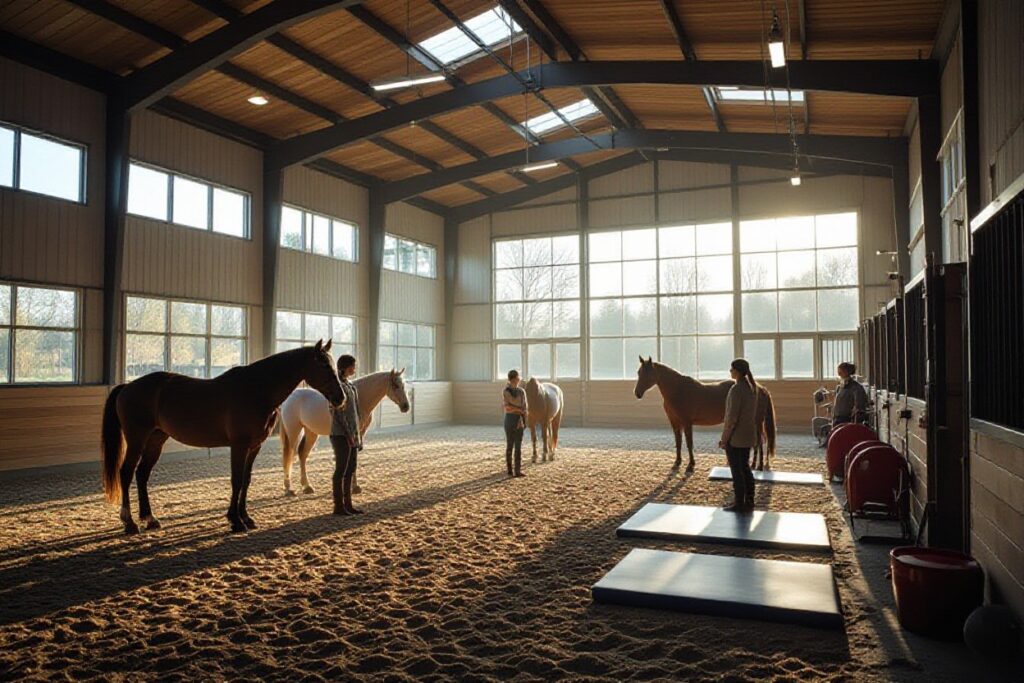
You now rely on tools like AI-driven genetic analysis and automated foaling alarms, reshaping how breeding decisions unfold. These systems can predict inherited traits with growing accuracy, but they also raise concerns about over-reliance on data at the expense of instinct and tradition. Some farms have reduced human oversight too far, leading to missed warning signs during labor. Yet when used wisely, technology supports better outcomes-for example, one mid-sized SaaS firm’s equine analytics platform helped cut neonatal mortality by flagging at-risk births early.
The Return to the Earth
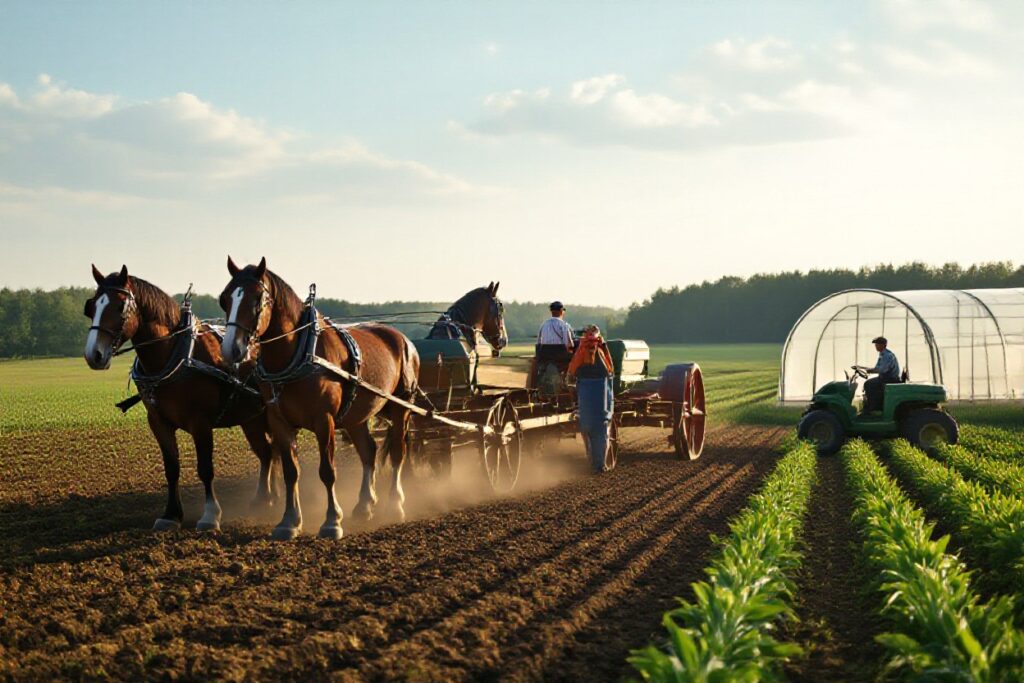
You’re seeing more breeders bring mares and foals back to pasture, letting them move freely instead of keeping them confined, a shift that supports stronger bones and calmer temperaments. Some farms now limit interventions, avoiding artificial lighting to manipulate breeding cycles, resisting the pressure to produce earlier foals at the cost of health. You might even notice older, hardier breeds being revived, not for flash, but for resilience and adaptability to natural conditions. This quiet return to simpler, land-based practices is one of the most hopeful signs in modern breeding, proving progress doesn’t always mean more technology, but sometimes, less.
Final Words
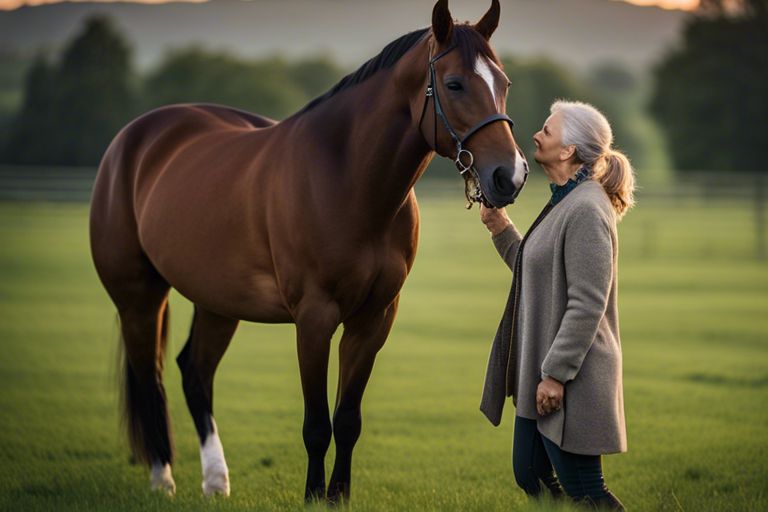
You’re part of a moment where compassion shapes change, and horse breeding reflects that shift. More farms now prioritize soundness over speed, longevity over looks. You see it in the Thoroughbred rescue networks expanding, in breeders choosing health-tested stallions, in riders demanding transparency. Progress isn’t loud, but it’s real-like a mare raised on open pasture, strong and calm, ready for a life that values her as more than a product.
FAQ
Q: Are certain horse breeds more prone to health issues due to modern breeding practices?
A: Yes, some breeds have developed higher risks for specific conditions as a result of selective breeding for performance or appearance. Thoroughbreds, for example, are often bred for speed and racing success, but this focus has been linked to structural weaknesses, particularly in the legs and respiratory system. A mid-sized SaaS firm wouldn’t prioritize speed over system stability, yet in horse breeding, the pressure to produce faster racehorses has sometimes come at the cost of long-term soundness. Warmbloods, prized in show jumping and dressage, occasionally face issues like osteochondrosis, a developmental joint disorder, likely tied to rapid growth encouraged by breeding protocols. These patterns reflect how narrow breeding goals can unintentionally amplify inherited vulnerabilities.
Q: How are breeders addressing ethical concerns about overbreeding and surplus horses?
A: Some breeding organizations have introduced stricter registration rules and funding for retraining programs to reduce the number of unwanted horses. In the Netherlands, the Royal Warmblood Studbook (KWPN) implemented performance-based breeding evaluations, meaning stallions must prove athletic ability and fertility before receiving full approval. Other groups partner with charities to rehome horses that don’t meet performance standards, redirecting them into recreational riding or therapy programs. One rescue in Kentucky reported taking in 40 horses from former race and show operations last year, most of which were successfully retrained for trail riding or youth instruction. These efforts show a growing recognition that breeding carries lifelong responsibility for the animals produced.
Q: Can genetic testing prevent inherited diseases in modern horse breeding?
A: Genetic testing has become a valuable tool for identifying carriers of certain recessive disorders, allowing breeders to make more informed pairing decisions. For instance, tests are now available for conditions like hyperkalemic periodic paralysis (HYPP) in Quarter Horses and severe combined immunodeficiency (SCID) in Arabians. When both parents are tested, breeders can avoid mating two carriers, effectively preventing affected foals. A breeding farm in Ireland eliminated SCID from its Arabian line within a decade by consistently screening stallions and mares. While testing doesn’t solve all health challenges, it represents a measurable step toward more responsible, transparent breeding practices grounded in science rather than tradition alone.