Just imagine guiding a powerful horse through a freshly plowed field, its strength cutting deep into the soil-horses were once the backbone of farming, replacing oxen and dramatically increasing crop yields. You relied on them for centuries, until tractors made them obsolete by the 1950s. Today, you cherish them not for labor, but for companionship, sport, and therapy.
The Breaking of the Wild Earth
You felt the first pull of iron against soil when horses leaned into harnesses, turning untouched fields into farmland. Each furrow marked a transformation-not just of land, but of human survival. These animals bore the weight of civilization’s hunger, working until their breath fogged the dawn air. Their strength made large-scale farming possible, binding their fate to the seasons and the soil.
The Toil of the Heavy Draft
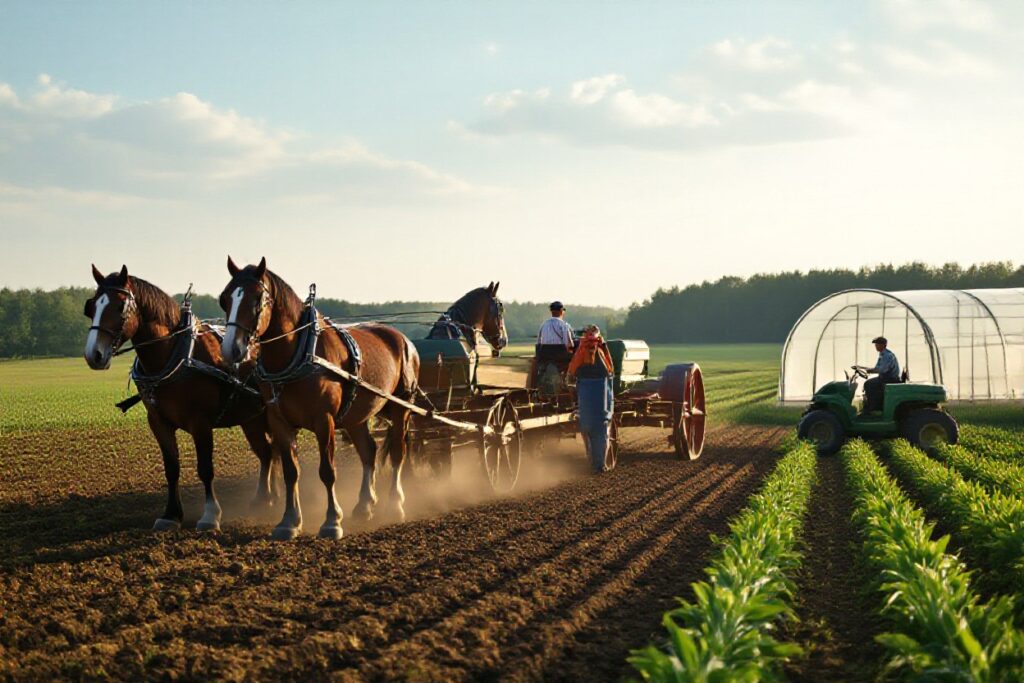
You harnessed the strength of massive draft horses to break stubborn soil and haul heavy loads across vast fields. These powerful animals, like Shires and Clydesdales, endured long hours under immense strain, their broad backs and steady gait making them indispensable. You relied on their unwavering endurance through mud, heat, and steep terrain where machines couldn’t go. Their labor transformed agriculture, yet their service came at a cost of exhaustion and injury, a testament to their silent sacrifice.
The Mercy of the Padded Collar
You once watched horses strain against rigid leather, their shoulders raw from pulling heavy plows. Then came the padded collar-a simple yet revolutionary design that shifted weight from the windpipe to the shoulders. This innovation spared them agony and doubled their efficiency, transforming their labor from a slow, painful drag to steady, sustainable work. You saw how comfort bred endurance, and how a small act of human consideration could reshape centuries of toil.
The Rhythm of the Harvest Teams
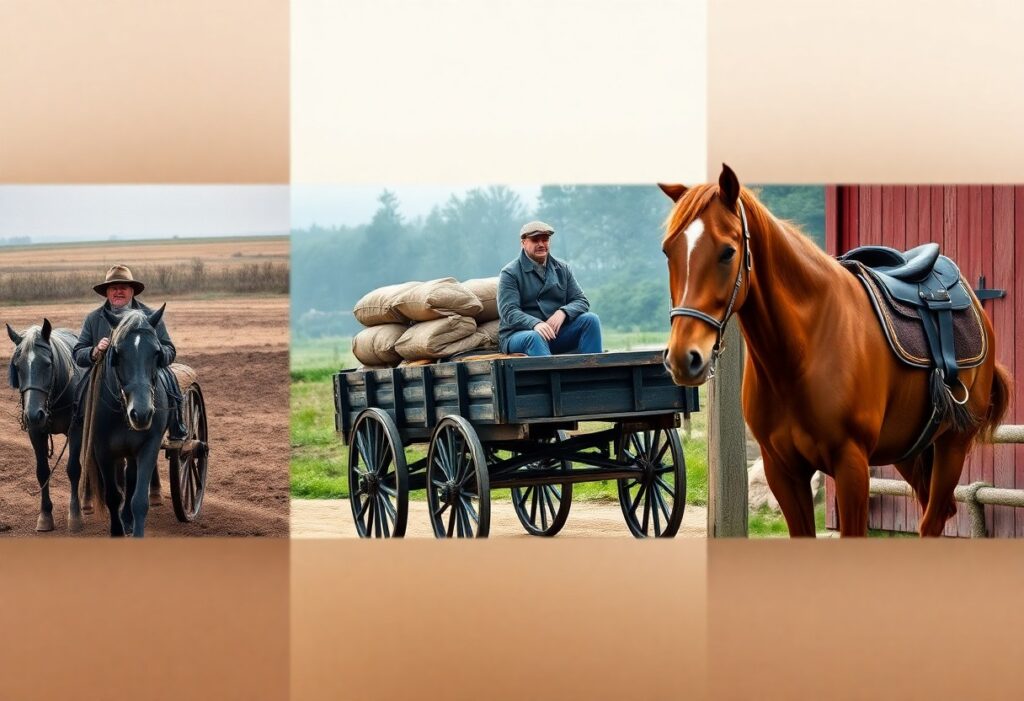
You felt the steady beat of hooves in the field as teams of horses moved in unison, pulling heavy harvest wagons through golden rows of grain. Each stride was timed, each turn precise-efficiency born of trust and training. You relied on their strength and intelligence, knowing a single misstep could delay the entire harvest. These animals weren’t just tools; they were partners in the season’s most critical and dangerous work.
The Coming of the Iron Machine
You felt the ground shift beneath your feet when the first tractors rumbled across the fields. Steel replaced sinew, and the rhythmic clatter of engines drowned out the soft nickering of horses. This was not evolution-it was revolution, one that severed a millennia-old bond between farmer and beast. Your reliance on horsepower faded, not by choice, but by the irresistible force of industrial progress.
The Peace of the Paddock
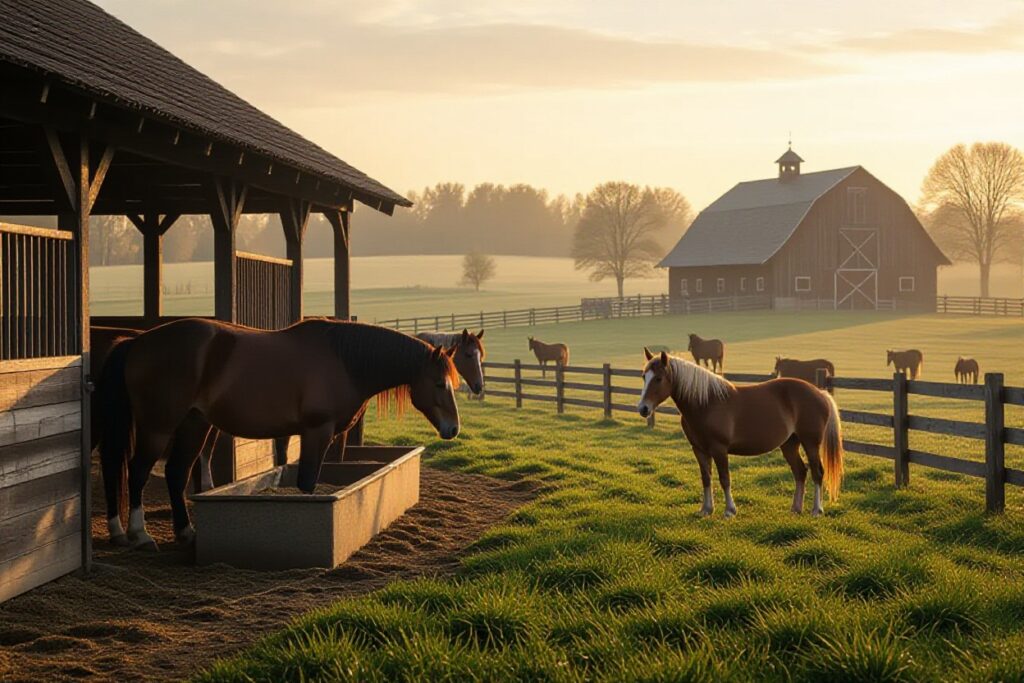
You now find horses not in furrowed fields but in quiet pastures, where their role has shifted from labor to companionship and emotional connection. Once bound to plows, they move freely, their strength channeled into therapy, recreation, and partnership. This transformation reflects a deeper understanding of their value beyond muscle-honoring their spirit and intelligence. You witness this peace daily, in the calm of a shared moment at the fence line.
Conclusion
Now you understand how horses transitioned from imperative farm laborers to valued companions. Their role shifted as machinery replaced muscle, yet their presence remained deeply woven into rural life. You see their legacy not just in historical records, but in the ongoing bonds between people and horses today.
FAQ
Q: How were horses first used in agriculture, and when did they become common on farms?
A: Horses began appearing in agricultural work around 1000 AD in Europe, gradually replacing oxen in many regions. Their advantage lay in speed and endurance, especially on lighter soils. By the 12th and 13th centuries, improvements in harness design-like the padded horse collar-allowed horses to pull plows and carts more efficiently without choking. This made them more practical for tilling fields and transporting crops. By the 1800s, horses were the primary source of farm power in North America and Western Europe, with breeds like the Belgian and Percheron favored for heavy work.
Q: What impact did the mechanization of farming have on the role of horses?
A: The rise of tractors and motorized equipment in the early 20th century drastically reduced the need for horses on farms. During the 1920s and 1930s, especially after World War I, internal combustion engines became more affordable and reliable. Farmers could plow more land in less time with machines, leading to a steep decline in workhorse populations. Many horses were sold for meat or repurposed for leisure. By the 1950s, horses had largely disappeared from commercial agriculture in industrialized nations, marking the end of centuries of equine labor in farming.
Q: How did the role of horses shift from farm labor to companionship and recreation?
A: As horses left the fields, people began to value them more for emotional and recreational purposes. Riding schools, equestrian sports, and trail riding grew in popularity through the mid-to-late 20th century. Families started keeping horses as companions or for therapeutic programs. Breeds once used for pulling wagons or plows found new roles in shows, therapy centers, and private ownership. This cultural shift reflected broader changes in society’s relationship with animals-moving from utility to emotional connection. Today, most horses in developed countries are kept not for work, but for sport, therapy, or companionship.