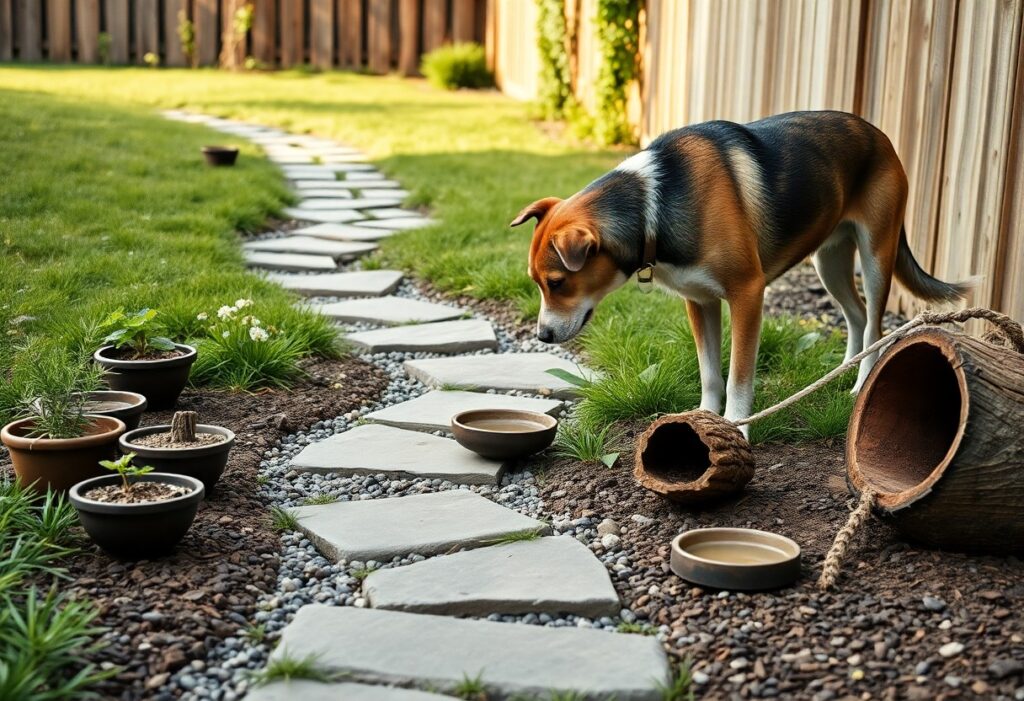
Sniffari is more than just a walk-it’s a full sensory adventure where your dog leads the way, nose first. By turning your backyard into a mental playground, you offer hours of enrichment without leaving home. This simple shift can reduce anxiety, prevent boredom behaviors, and deepen your bond, all through the power of scent.

The Wisdom of the Nose
Your dog’s nose holds an extraordinary ability to detect scents at incredibly low concentrations, far beyond human reach. While you see the yard, they experience a layered story of birds, insects, and neighboring animals. Every sniff builds understanding, offering mental stimulation that’s both calming and enriching. This quiet exploration is not idleness-it’s purposeful, focused work in their world.
Mapping the Wild Yard
Start by walking your yard slowly, noticing where sunlight lingers, where shadows stretch longest in the late afternoon, and which corners stay damp after rain. These microclimates create natural scent zones your dog will return to again and again. Mark areas where wind funnels through shrubs or where leaves gather in drifts, since these spots trap odors and intensify sniffing opportunities. A simple sketch on paper helps you visualize paths your dog might follow, especially near fences, trees, or garden edges where wildlife passes. Even a small patio can have a designated sniff corner near potted herbs or a patch of clover.
Planting the Scented Grove
You’ll want to choose plants that engage your dog’s sense of smell without posing any health risks, as some common garden favorites like lavender and rosemary are both aromatic and non-toxic. Position these in clusters around your yard so your dog can move from one scent zone to another, creating a natural trail. Let the plants grow at different heights and textures, giving your dog visual and olfactory variety. A small patch of mint near a sunlit corner or thyme creeping between stepping stones adds surprise and encourages close investigation. These living scent markers make each sniffari walk feel new, even in familiar ground.
The Hunt for Sustenance
You turn mealtime into a quiet adventure by hiding kibble under upside-down cups or tucking soft treats beneath logs. This simple act taps into your dog’s ancestral need to search, not just eat, making every morsel a small victory. Even a few scattered pieces across the lawn can keep them engaged for minutes, using their nose to solve the puzzle. A mid-sized SaaS firm might run complex algorithms, but your dog’s brain lights up just as brightly finding one hidden snack near the rosemary bush.
Landscapes of Touch
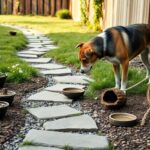
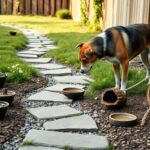
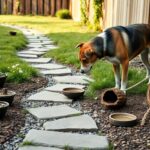
Let your dog explore different textures underfoot, from soft moss to smooth stones, as these sensations engage their nervous system in calming ways. Walking across a patch of cool mulch or warm flagstone offers more than comfort, it provides rich sensory feedback that reduces anxiety. Even a shallow tray filled with sand lets them dig safely, satisfying an instinctual behavior while protecting your garden beds. Each surface becomes part of their daily mental reset.
The Virtue of Patience
Slowing down lets your dog fully experience each scent without pressure. You might feel tempted to guide them forward, but allowing them to linger at a patch of moss or a cracked sidewalk seam deepens their mental engagement. One owner noticed her terrier stood still for nearly two minutes sniffing a single dried leaf, then circled back with a relaxed sigh-that moment of stillness was the real walk. Patience isn’t passive. It’s active respect for your dog’s natural rhythm and curiosity.
Conclusion
You’ve turned your backyard into a living puzzle where every rustle, scent, and shadow invites your dog to explore at their own pace. That slow morning circuit around the garden, nose low and tail relaxed, isn’t just play-it’s their version of deep thought. One golden retriever owner noticed her dog spent nearly 40 minutes circling a patch of lavender after a rain, clearly tracking something invisible to her. Moments like these, quiet and self-directed, build confidence and calm in ways a brisk walk never could. Your dog isn’t just passing time. They’re thinking, remembering, choosing. And you’ve given them the space to do it.
FAQ
Q: What exactly is a “Sniffari” and how does it benefit my dog?
A: A “Sniffari” is a purposefully designed backyard experience that turns a simple outdoor space into a rich sensory trail for dogs, centered around scent exploration. Dogs process the world primarily through smell, and a Sniffari taps into that instinct by placing hidden treats, familiar scents, or novel natural items like lavender sprigs or damp moss in different zones. A typical session might involve scattering kibble under tall grass, tucking a piece of chicken in a hollow log, or letting your dog follow a trail of crushed mint along a garden path. This kind of activity can reduce anxiety, especially in dogs prone to pacing or barking, and often leads to noticeably calmer behavior afterward, similar to how a long walk might but with far less physical strain.
Q: Can I create a Sniffari in a small or urban backyard?
A: Yes, even a compact patio or fenced-in yard can host an effective Sniffari. One owner in a city rowhouse uses planters with rosemary, thyme, and lemon balm arranged in a U-shape, then hides treats beneath folded towels or inside cardboard tubes. Another uses a fire escape to hang cloth bags filled with dried chamomile and hides puzzle toys behind potted ferns. The key is vertical and layered placement-dogs enjoy searching at different heights and behind barriers. A dog might spend 20 focused minutes investigating a single corner where cotton balls soaked in diluted coconut oil are tucked into a wooden crate filled with shredded paper.
Q: How often should I set up a Sniffari, and do I need new materials each time?
A: Most dogs benefit from a Sniffari 3 to 4 times a week, though daily sessions work well if the setup varies. Reusing materials is not only practical but often preferred-dogs form scent memories, so returning to a favorite log or rock where treats were once hidden keeps them engaged even when nothing is present. One family rotates between three scent zones: a mulch bed for digging, a stone path for tracking, and a shaded bench area for elevated sniffing. They refresh one zone per session, using items like old socks with different crucial oils (pet-safe, diluted), leftover steamed sweet potato, or crumpled paper bags that carry food odors. The predictability of the locations combined with surprise elements inside maintains long-term interest.