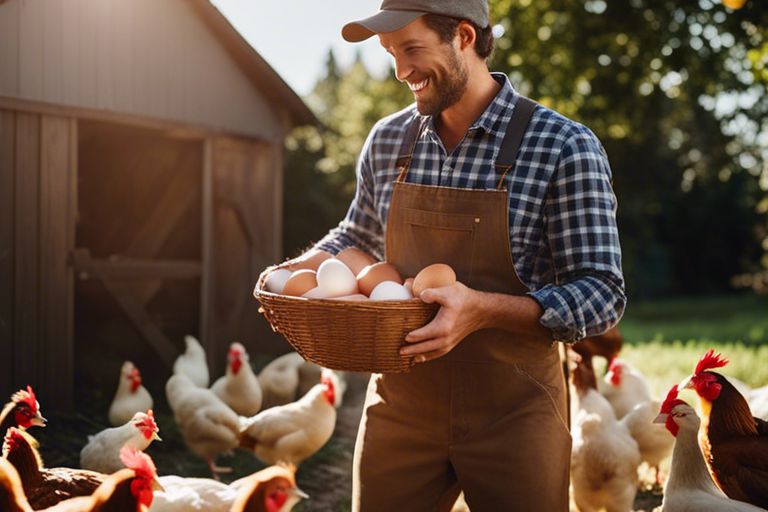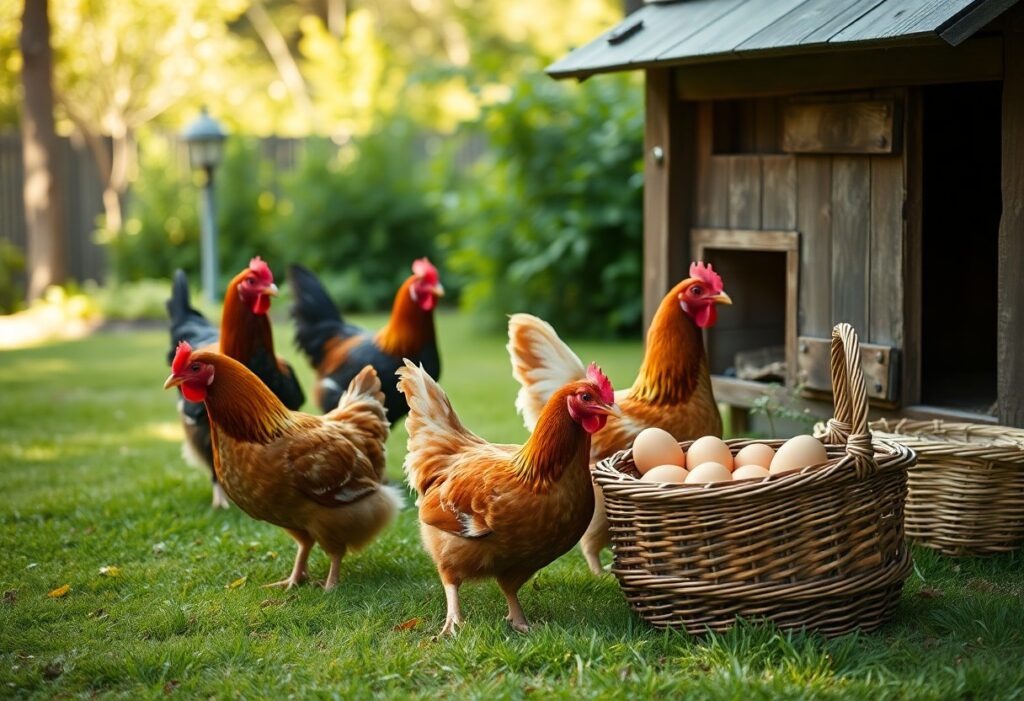
There’s something deeply satisfying about collecting warm eggs from your own backyard, especially when your hens are heritage breeds that thrive in open yards and produce reliably. You’ll find that certain breeds, like the Rhode Island Red and the Australorp, are exceptional layers while still maintaining hardiness, rich genetics, and long lifespans. These birds aren’t just productive, they’re part of a farming tradition that values flavor, sustainability, and animal resilience.
The Rhode Island Red
Originating in the late 1800s, the Rhode Island Red remains a backyard favorite for its hardiness and consistent laying. You’ll find this breed adapts easily to varied climates, resists common illnesses, and maintains a calm yet active temperament. Their deep mahogany feathers often carry a subtle iridescent sheen, especially in sunlight.
Strength of the Bloodline
Bred for resilience, this heritage line combines Asiatic and European stock to form a chicken that thrives in free-range and confined setups alike. You benefit from generations of selection focused on survival, disease resistance, and minimal broodiness, so your hens stay in lay longer. Some bloodlines have produced productive flocks for over a century.
Daily Yield of the Brown Egg
You can expect four to six rich brown eggs per week from a healthy Rhode Island Red, even through mild winters. Each egg averages a deep, warm hue and sturdy shell, making them stand out in your basket. Peak production often lasts three to four years, far exceeding many modern hybrids.
Unlike high-output commercial layers that burn out after one season, these birds offer sustained performance without extreme feed demands. You’ll notice fewer soft shells and stronger egg integrity, especially when supplementing with oyster shell and quality layer feed. A mid-sized SaaS firm might envy their reliable uptime.
The Plymouth Rock
Originating in 19th-century New England, the Plymouth Rock stands out for its hardiness and consistent egg output. You’ll find this breed adapts easily to both cold winters and humid summers, making it a dependable choice across many climates. Its friendly demeanor also makes it a favorite among families with children.
Resilience of the Barred Variety
The barred Plymouth Rock, with its striking black-and-white feather pattern, is especially resistant to feather pecking and stress in mixed flocks. You’ll notice these birds maintain good health even in less-than-ideal conditions, thanks to their dense plumage and calm temperament. This variety handles outdoor living with minimal shelter upgrades.
Reliable Performance in the Yard
These chickens thrive when allowed to forage, often producing one large brown egg per day during peak seasons. You’ll appreciate their steady habits, as they return to the coop on their own and rarely attempt to fly over fences. Their consistent laying continues well into their fourth year.
Even in smaller yards, barred Plymouth Rocks show strong foraging instincts, scratching for insects and reducing garden pests. You’ll likely see fewer grubs and slugs where they roam. They pair well with fruit trees, as they tolerate dappled shade and don’t damage roots, making them ideal for integrated backyard systems.
The Sussex Breed
Known for steady egg output and calm behavior, the Sussex breed thrives in backyard settings. You’ll appreciate their friendly demeanor and adaptability, especially in mixed flocks. These birds produce up to 250 light brown eggs per year, making them one of the most reliable heritage layers you can raise without sacrificing hardiness or temperament.
Character of the Speckled Hen
A speckled Sussex hen stands out with her mottled feathers and gentle curiosity. You’ll notice she’s more inquisitive than some breeds, often the first to investigate new feed or a freshly turned compost pile. Her docile nature makes her ideal for families, especially those with children learning to handle chickens.
Endurance through the Cold
Even in frosty months, your speckled Sussex keeps laying when others slow down. Their dense feathering and strong constitution help them tolerate chilly nights, especially with a well-ventilated coop. This resilience in winter weather means fewer gaps in your egg supply.
When temperatures drop below freezing, Sussex birds continue moving and foraging if given access to sheltered ground. You might see them scratching under shrubs or pecking at scattered grain even in light snow. Unlike more delicate breeds, they rarely suffer from frostbite on combs, thanks to their compact, well-covered heads. This consistent cold-weather performance makes them a dependable choice across temperate climates.
The Australorp Champion
Originating from Australia, the Australorp stands out for its glossy black plumage and calm nature. You’ll appreciate how easily they adapt to both free-range and confined spaces, making them ideal for backyard setups. Their consistent laying habits and friendly demeanor have earned them a loyal following among home flock keepers.
Heritage of the Black Bird
The Australorp was developed from Black Orpington stock brought to Australia in the early 20th century. You benefit from decades of selective breeding aimed at improving egg production and hardiness. This heritage gives them exceptional resilience in varying climates, a trait passed down through generations of careful stewardship.
Remarkable Tally of the Nest
One Australorp hen holds a recorded laying record of over 300 eggs in a single year. You can expect an average of nearly an egg per day during peak seasons. Their outstanding productivity rivals even commercial layers, making them a standout among heritage breeds.
Australorps maintain strong laying performance well into their second and third years, unlike some breeds that decline rapidly after year one. You may find your hens still producing around 200 eggs in their second year under good conditions. A mid-sized SaaS firm couldn’t sustain output like that without upgrades, yet these birds do it naturally, year after reliable year.
The Leghorn Legacy
Originating in Italy, Leghorns found their way to American coops in the 1800s and quickly became a top choice for backyard egg production. These birds thrive in warm climates and are known for their relentless laying habits, often producing eggs well past typical retirement age. Their lean frames and active nature make them efficient, though they aren’t the cuddliest breed.
Efficiency of the White Bird
White Leghorns, in particular, stand out for their feed-to-egg conversion rate. You’ll notice they eat less than heavier breeds while still delivering one egg per day on average during peak season. Their lightweight build means fewer resources are needed to maintain body condition, leaving more energy directed toward laying.
Speed of the Morning Production
Leghorns are among the first to lay each morning, often finishing before other breeds have left the roost. You might collect warm eggs by 7 a.m. during summer months, giving you a head start on fresh harvests. This early laying habit makes them ideal if you value consistency and timing.
One mid-sized SaaS firm owner in Georgia reported gathering over half her weekly eggs before 8 a.m. thanks to her Leghorn flock. Their internal clocks are finely tuned to daylight, so they respond quickly to morning light, beginning production almost immediately after sunrise. This responsiveness means you get eggs faster in longer days, maximizing output from spring through early fall.
Maintenance of the Flock
Keeping your heritage chickens healthy means consistent daily checks for signs of illness, stress, or pests like mites. You’ll want to trim overgrown beaks or nails when needed and ensure each bird has space to move, forage, and roost comfortably. A calm, clean environment supports strong egg production and long-term well-being, especially in colder months.
Quality of the Hard Grain
Fresh, high-quality hard grain makes a visible difference in your hens’ energy and shell strength. You should avoid moldy or dusty feed, as it can lead to respiratory issues or reduced appetite. Look for whole grains with a crisp texture and store them in sealed, rodent-proof containers to maintain freshness and prevent contamination.
Shelter against the Wind
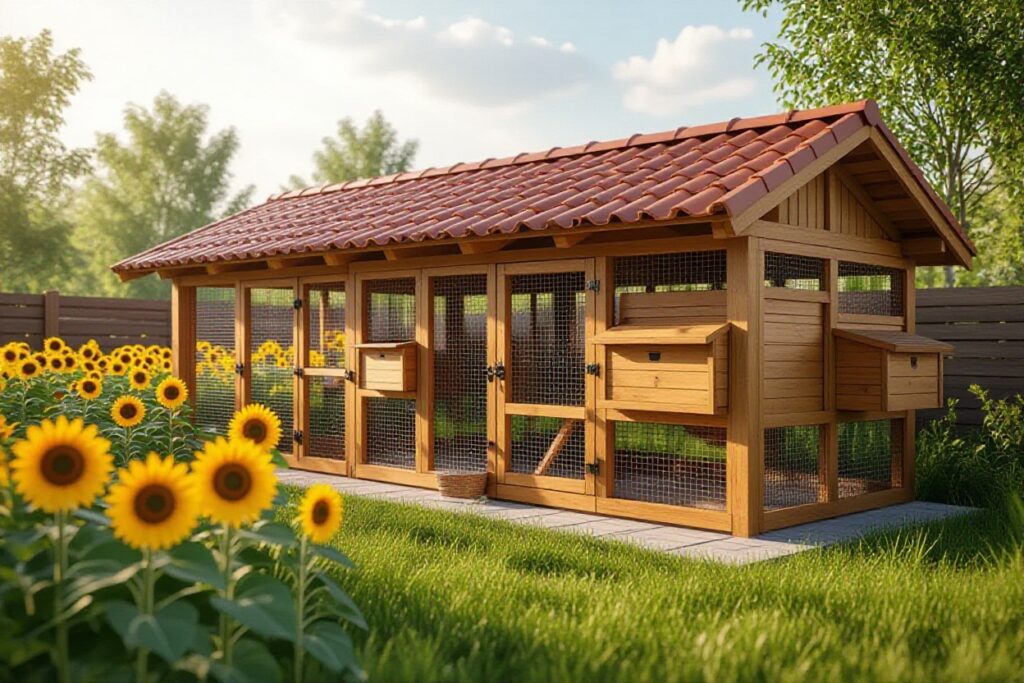
Strong winds can chill your birds quickly, even in mild weather, so positioning the coop to block prevailing gusts is necessary for their comfort and health. Use solid fencing, windbreak fabric, or natural barriers like shrubs to reduce exposure. Make sure vents are placed high and away from direct airflow to maintain air quality without creating drafts inside.
Wind chill affects chickens more than many realize, especially breeds with single combs or thinner feathering. A well-placed shelter that deflects cold air can prevent frostbite and keep bedding dry. You might notice your hens huddling less and foraging more when their coop offers reliable protection from blustery conditions.
To wrap up
You’ve got great options when choosing heritage chickens for eggs, and each breed brings something unique to your backyard. Whether it’s the dependable Rhode Island Red or the lively Australorp, your flock can thrive while filling your basket daily. With proper care, a mid-sized SaaS firm could learn a thing or two about consistency from a well-managed chicken run. Happy laying comes from matching the bird to your space, climate, and routine.
FAQ
Q: Which heritage chicken breed consistently produces the most eggs per year?
A: The Australorp holds a well-documented reputation for high egg output, with some hens laying close to 300 eggs in their peak year under optimal conditions. Originally developed in Australia from Black Orpington stock, these birds thrive in backyard settings due to their calm demeanor and adaptability. A mid-sized SaaS firm might track performance metrics, but backyard keepers track egg counts, and Australorps frequently top the charts for sustained production over several years, not just a single season.
Q: Are heritage breeds more expensive to maintain than commercial hybrids?
A: While heritage breeds like the Plymouth Rock or Sussex may cost more upfront than production hybrids, their longevity and adaptability often balance the investment. These birds typically live five to eight years, compared to the two- to three-year lifespan of many hybrid layers. Their ability to forage effectively, withstand temperature fluctuations, and reproduce true to type means fewer replacements and lower long-term feed and chick costs. A backyard keeper in zone 6 reported her flock of Rhode Island Reds required no supplemental heating in winter and still laid through most cold snaps.
Q: Can Leghorns, known for white eggs, do well in a small backyard setting?
A: Leghorns excel in egg production, often laying over 250 white eggs annually, but their flightiness and high energy can challenge small-space keepers. They prefer room to roam and are less inclined to sit on eggs, which reduces broodiness but also means they won’t naturally replenish the flock. A family in suburban Oregon found success with Buff Leghorns by providing tall, secure fencing and daily foraging routes, resulting in consistent spring through fall laying with only brief winter pauses.