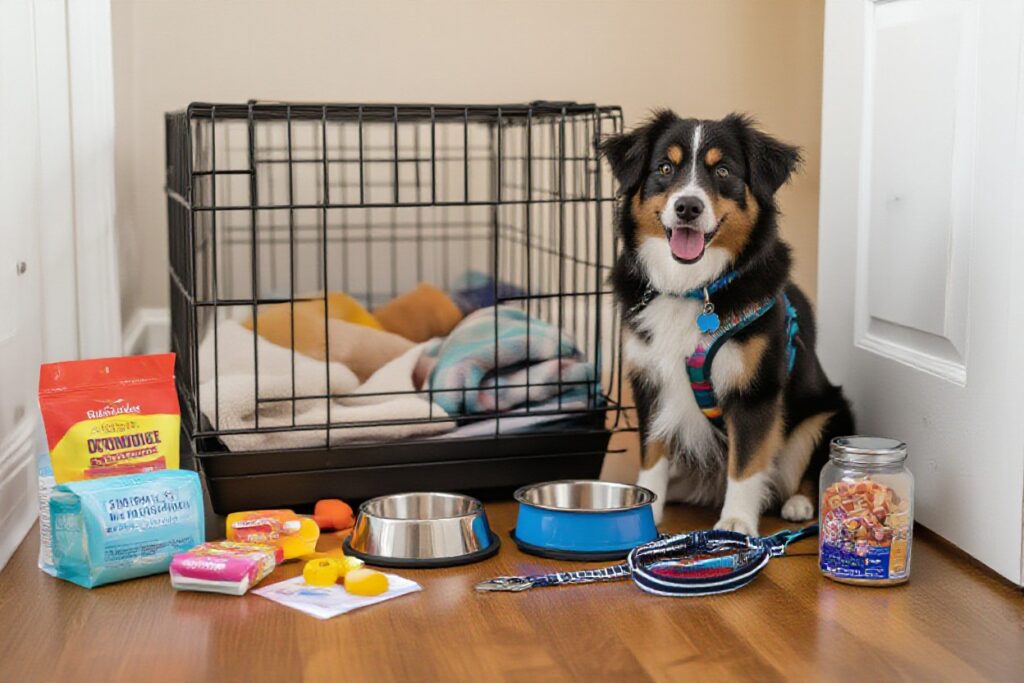
With your dog’s well-being in mind, you can create a transition space that reduces anxiety and prevents dangerous stress-related behaviors. This area should offer calm, predictable surroundings with familiar scents, soft bedding, and minimal noise. You control the environment to support confidence, making arrivals, departures, or changes in routine smoother and safer for your dog.
The Solid Ground
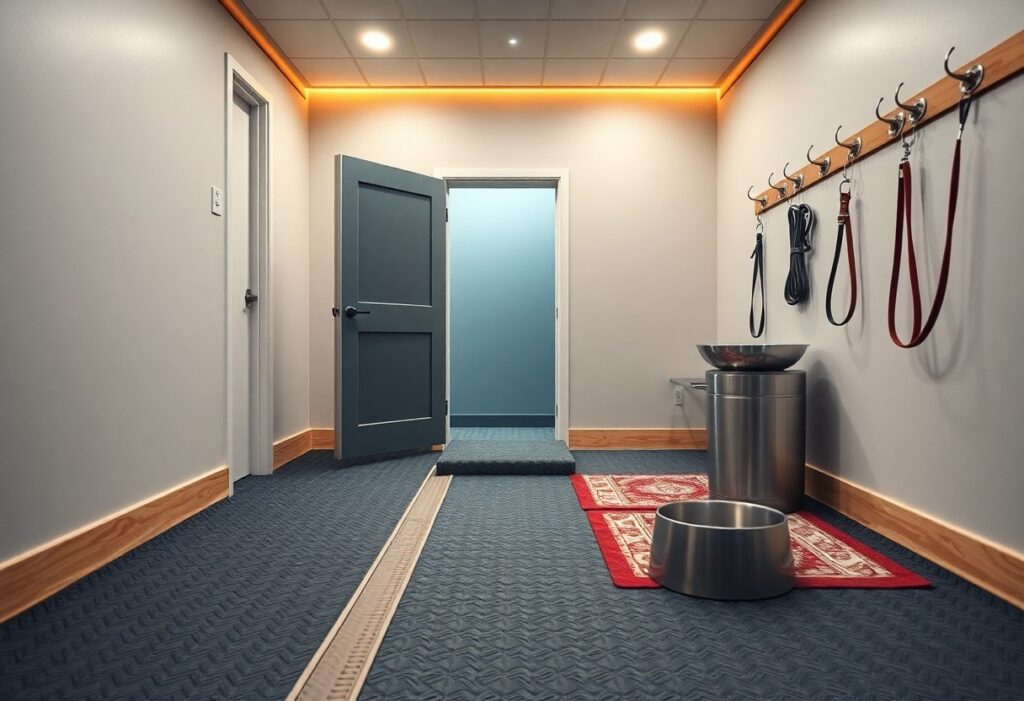
You need a surface your dog can trust under paw. Slippery floors cause anxiety and injury, undermining every other element of your transition space. Choose firm, non-slip materials like rubber matting or textured tile. Even pressure underfoot signals safety, helping your dog settle faster. Keep the ground clear of clutter and cords-physical hazards disrupt emotional calm. Your dog reads the floor as much as the walls.
The Quiet Room
You create a true sanctuary when you designate a quiet room free from foot traffic and noise. This space must be consistently calm, offering your dog a predictable retreat. Use soft lighting and sound-absorbing materials like rugs or curtains. Avoid placing it near appliances or high-activity zones-sudden sounds can undo progress. Your dog learns to self-soothe here, making this room a cornerstone of low-stress transitions.
The Soft Light
You control mood and safety with gentle illumination. Harsh lighting startles dogs, triggering anxiety during transitions. Soft, warm-toned lighting mimics natural dusk or dawn, easing visual stress. Place fixtures low to the ground, avoiding overhead glare. Use dimmers to adjust brightness as your dog adapts. This subtle shift reduces fear-based reactions and supports calm movement through the space.
The High Ground
You gain a clear advantage when your dog can observe their surroundings from a slightly elevated position. A low platform or raised mat gives them a sense of security, allowing them to scan the space without feeling exposed. This small change reduces anxiety and prevents reactive behaviors triggered by unexpected movements below. You’ll notice calmer body language when they choose to retreat to their high ground.
The Clean Air
You control the air your dog breathes in their transition space. Poor ventilation traps allergens, dust, and odors that can trigger anxiety and respiratory issues. Install a quiet HEPA air purifier to remove dangerous particulates like dander and mold. Keep windows screened for fresh airflow without escape risks. Avoid synthetic air fresheners-your dog’s sensitive nose reacts strongly to harsh chemicals. Clean air means a calmer, healthier mind.
The Strong Gate
Your gate is the most important barrier between calm transitions and potential escape. A flimsy latch or wobbly frame invites danger-dogs under stress will push, jump, or dig to flee. Choose solid materials like powder-coated metal or dense wood with a self-closing hinge and a double-locking mechanism. You secure peace of mind every time it clicks shut.
Conclusion
Drawing together thoughtful layout, calming materials, and your dog’s behavioral needs creates a transition space that reduces anxiety. You shape a quiet, predictable environment where your dog feels safe moving between areas. This space supports their emotional well-being with minimal stimulation, clear boundaries, and familiar cues, making daily transitions smoother and more comfortable for both of you.
FAQ
Q: What should I include in a low-stress dog transition space to help my dog feel safe?
A: A low-stress dog transition space should include a soft, comfortable bed or blanket in a quiet corner away from foot traffic. Add familiar items like a favorite toy or an article of clothing with your scent to provide comfort. Use a room with minimal echoes-carpeting or curtains help reduce noise. Avoid bright lights; instead, use a dimmable lamp or a red-noise light bulb that mimics sunset. A covered crate or a tented playpen can act as a den-like shelter, giving your dog a sense of security when adjusting to a new environment.
Q: How do I introduce my dog to a transition space without overwhelming them?
A: Start by letting your dog explore the space at their own pace with the door open. Toss treats inside or place a treat-dispensing toy near the entrance to encourage curiosity. Spend time in the room yourself-reading or sitting quietly-so your dog associates it with calm moments. Never force entry. Over the first few days, gradually increase the time your dog spends in the space, always pairing it with positive experiences like meals, gentle praise, or soft music. Watch for body language: if your dog licks their lips, yawns, or avoids eye contact, they may need more time or a quieter setup.
Q: Can scent play a role in making a transition space more calming for my dog?
A: Yes, scent has a direct impact on a dog’s emotional state because they rely heavily on their sense of smell. Use a pheromone diffuser like Adaptil, which releases calming signals similar to those a mother dog produces. Avoid strong human perfumes, air fresheners, or cleaning products with citrus or pine, as these can be irritating. Instead, lightly spray a bandana or blanket with a diluted solution of lavender or chamomile (only if your dog shows no aversion), or simply use a piece of fabric from their previous home. Let your dog sniff the space first-this gives them control and reduces anxiety during the adjustment period.