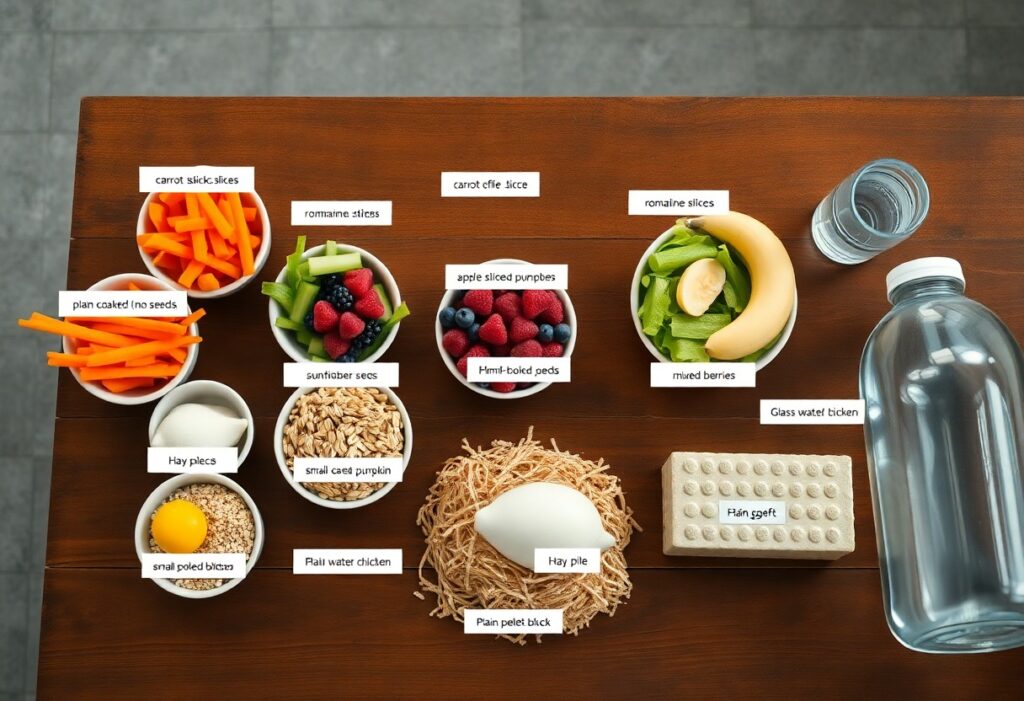
Over 70% of pet rodent health issues stem from improper feeding. You can prevent illness by knowing which foods are safe, which are toxic, and which offer real nutritional benefits. This guide delivers clear, vet-approved food choices so you feed your small pet with confidence and avoid life-threatening mistakes.
The Daily Ration
Your rodent’s daily diet should be balanced and consistent. Timothy hay must make up the bulk of their intake, supporting digestion and dental health. Pair this with a small portion of hard pellets and occasional fresh veggies. Avoid overfeeding treats to prevent obesity and related health issues.
Timothy Hay
This fibrous hay is the cornerstone of your pet’s diet. Always available in their enclosure, it aids in natural tooth wear and gut motility. Never substitute with alfalfa hay long-term, as its high calcium content can lead to bladder stones in adult rodents.
Hard Pellets
Choose plain, unseeded pellets formulated specifically for your rodent type. These provide balanced nutrition without the sugary, fatty add-ins found in muesli-style mixes. Limit to 1-2 tablespoons daily, depending on species, to avoid weight gain and selective eating.
Pellets should be uniform in texture and color, ensuring your pet gets consistent nutrients in every bite. Colored or seed-laden blends encourage picky behavior, leading to nutritional deficiencies. Look for brands with timothy hay as the first ingredient and avoid those with dried fruits, nuts, or artificial colors. Freshness matters-store in a cool, dry place and replace any uneaten portion after 24 hours.
Green Leafy Essentials
Every rodent needs daily access to fresh greens, and leafy vegetables form the foundation of a healthy diet. Romaine lettuce, cilantro, and dill are safe, hydrating options that support digestion. Always wash leaves thoroughly and avoid iceberg lettuce, which offers little nutrition and can cause diarrhea.
Romaine Lettuce
Romaine provides hydration and fiber without the risks linked to iceberg. It’s one of the safest leafy greens you can offer your pet regularly. Serve a few small pieces daily, but never as the sole vegetable-rotate with others to ensure balanced nutrition.
Fresh Herbs
Herbs like cilantro, parsley, and dill add flavor and nutrients in small doses. They’re rich in vitamins A and C, but should be fed sparingly due to strong important oils. Offer a sprig or two 2-3 times per week to prevent digestive upset.
While fresh herbs boost variety and stimulate natural foraging behavior, overfeeding can lead to health issues. Parsley is high in calcium-fine in moderation, but excessive amounts may contribute to bladder stones in some rodents. Cilantro is gentler and widely tolerated. Always introduce one herb at a time to monitor your pet’s reaction, and discard any uneaten portions after 12 hours to prevent spoilage and bacterial growth.
Fruit as a Rare Prize
Offering fruit to your rodent should be an occasional treat, not a daily habit. These sugary foods can lead to obesity and dental issues if given too often. Stick to small, infrequent portions to keep your pet healthy while still enjoying the benefits of natural vitamins.
Apple Slices
Apple slices make a safe, crunchy snack when prepared correctly. Always remove the seeds and core, as they contain cyanide compounds harmful to rodents. A thin slice once a week is more than enough for most small pets.
Summer Berries
Berries like strawberries, blueberries, and raspberries are safe in tiny amounts. Their high water and sugar content means overfeeding can cause diarrhea or weight gain. Offer just a small piece once every few weeks.
Berries bring antioxidants and hydration, but their natural sugars demand caution. Always wash them thoroughly to remove pesticides and serve only unsweetened, raw berries in minuscule portions. Never leave uneaten fruit in the cage-it can spoil quickly and promote bacterial growth that threatens your rodent’s health.
Crunchy Garden Roots
These fibrous vegetables support healthy digestion and wear down your rodent’s ever-growing teeth. Offering a variety of safe root vegetables ensures balanced nutrition and mental stimulation. Always wash and serve in moderation to prevent digestive upset. Never feed raw potato or rhubarb, as they are toxic.
Carrot Rounds
Carrots provide beta-carotene and a satisfying crunch that rodents love. Slice into thin rounds to prevent choking and limit servings to once or twice weekly due to their natural sugar content. Overfeeding can lead to obesity, so keep portions small and consistent.
Bell Pepper Strips
Bell peppers deliver vitamin C and a colorful, crunchy snack your rodent will enjoy. Remove seeds and stems, then cut into narrow strips for easy handling. Green, red, yellow, and orange varieties are all safe, but avoid spicy peppers, which can cause serious digestive distress.
Bell pepper strips are a hydrating, low-sugar option perfect for daily feeding in small amounts. Their soft texture makes them ideal for younger or older rodents with dental issues. Introduce gradually to monitor for any digestive changes. Always serve raw-cooking reduces nutrients and may introduce unsafe oils or seasonings.
The Forbidden List
Some foods can seriously harm your rodent, even in small amounts. It’s crucial to know what never belongs in their bowl. These items can cause illness, organ failure, or death-keeping them out of reach protects your pet’s health and longevity.
Toxic Alliums
Onions, garlic, leeks, and chives are dangerously toxic to rodents. These alliums damage red blood cells and can lead to anemia. Even cooked or powdered forms pose a serious risk, so avoid any food containing them.
Human Doughs
Raw bread or pizza dough is unsafe because yeast expands in the warm stomach, causing bloating and pain. This can quickly become life-threatening. Never offer unbaked dough, even as a treat.
Yeast in human doughs ferments sugars and produces carbon dioxide and alcohol inside your rodent’s digestive tract. The expanding gas can lead to severe bloating, stomach rupture, or alcohol poisoning. Even small amounts of rising dough can trigger these dangerous reactions, so always dispose of dough securely and keep your pet far away from baking areas.
Feeding Rituals
Consistency builds trust when feeding your rodent. Offering meals at the same time each day helps regulate digestion and reduces stress. Always use clean utensils or gloves to avoid contaminating food. Watch how your pet responds to different items-some may show preferences or sensitivities you’ll want to track.
Hand Delivery
Offering treats by hand strengthens your bond and lets you monitor appetite. Use clean fingers and present small pieces to avoid choking. Never force food into their paws-let them choose to take it. This gentle approach encourages trust and reduces fear during interactions.
Nightly Cleaning
Remove uneaten fresh food each night to prevent mold and pests. Leftover produce can spoil quickly, creating dangerous bacterial growth in the cage. A quick wipe of feeding areas with a pet-safe disinfectant keeps the environment healthy and odor-free.
Each evening, check all feeding zones-including hideouts where snacks may be stashed. Spoiled greens or fruit attract mites and can cause digestive issues. Replace soiled bedding and scrub food bowls with warm, soapy water. Keeping a clean feeding space prevents illness and supports long-term wellness for your small companion.
Conclusion
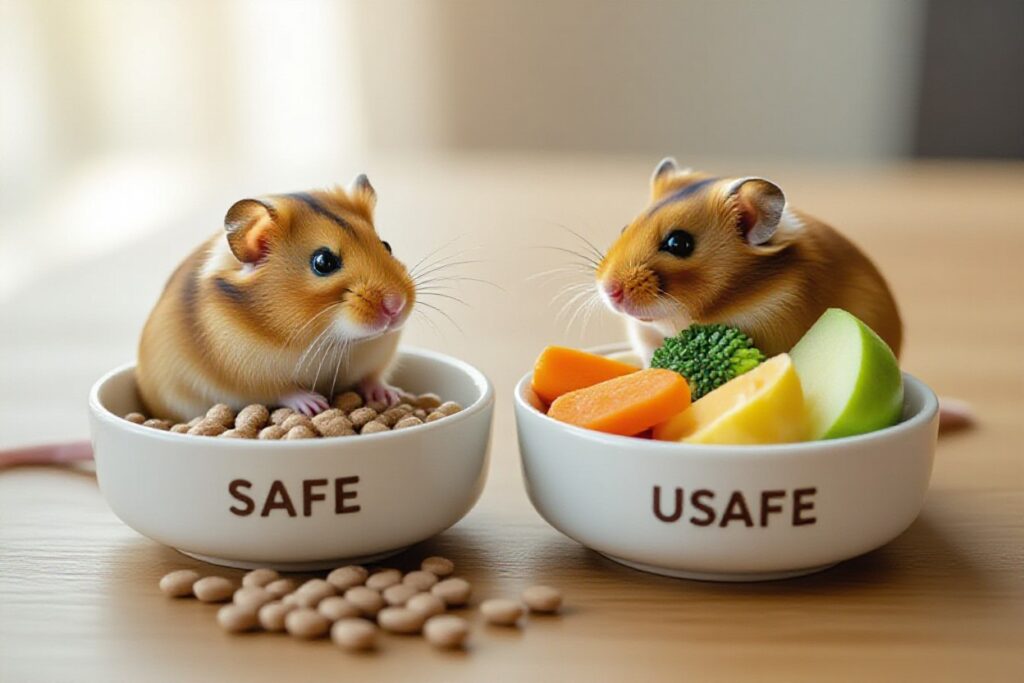
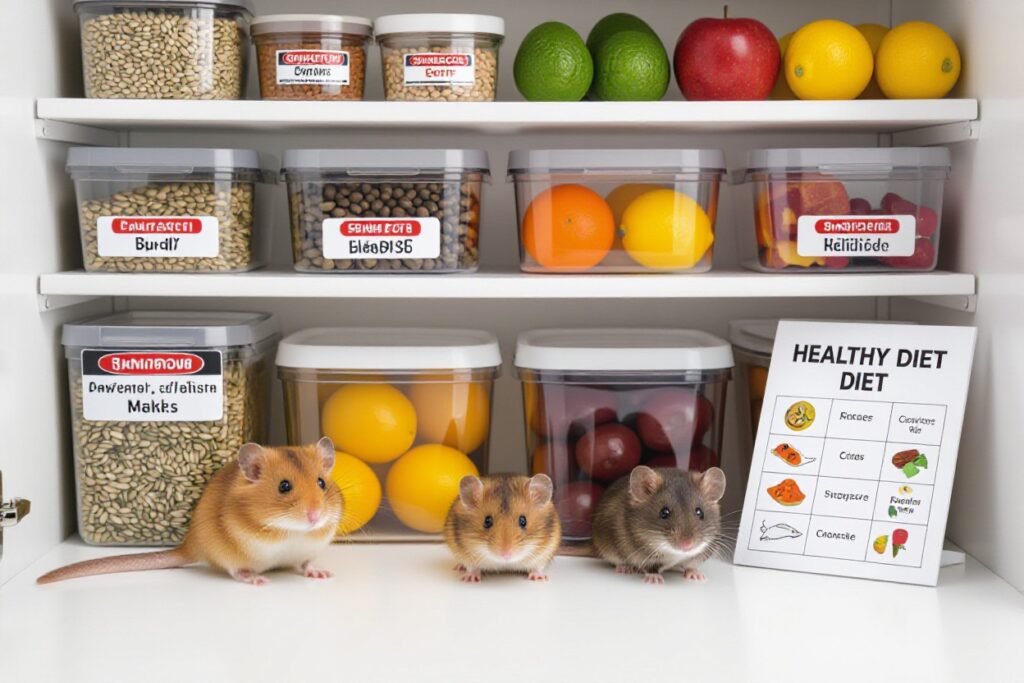
As a reminder, your rodent’s health depends on the foods you provide. This visual cheat sheet gives you clear, accurate guidance on safe and unsafe items. You now have the knowledge to make confident, everyday feeding choices that support your pet’s well-being. Stick to approved foods, avoid toxic ones, and always prioritize freshness and balance.
FAQ
Q: What vegetables are safe to feed my pet hamster or gerbil every day?
A: Carrots, cucumbers, zucchini, and bell peppers are safe to offer in small, bite-sized portions daily. Leafy greens like romaine lettuce and spinach can be given 2-3 times per week due to their high water or oxalate content. Always wash vegetables thoroughly and remove uneaten pieces after a few hours to prevent spoilage and bacterial growth in the cage.
Q: Can I give my guinea pig fruits, and if so, how often?
A: Yes, guinea pigs can eat fruits like apples, blueberries, and strawberries, but only in small amounts once or twice a week. Fruits are high in sugar, which can lead to weight gain and digestive issues if fed too often. Because guinea pigs cannot produce their own vitamin C, pairing occasional fruit treats with daily servings of vitamin C-rich vegetables like red bell pepper or kale supports their health.
Q: Are there any common human foods that look safe but are actually toxic to mice or rats?
A: Yes, several everyday foods are dangerous for mice and rats. Chocolate, caffeine, onions, garlic, and raw beans are toxic and should never be offered. Even small amounts of citrus fruits can upset their stomachs. Peanut butter can be given only in tiny quantities as a treat because its sticky texture poses a choking risk. When in doubt, stick to plain, rodent-specific pellets and approved fresh foods listed in reliable care guides.