Just noticing your senior dog hesitating on stairs or moving slower on walks could signal early joint pain, a common but treatable condition in aging dogs. Catching symptoms like stiffness, limping, or reluctance to jump early allows for faster intervention and improved quality of life. You play the key role in spotting these subtle changes.
The Hesitation at the Step
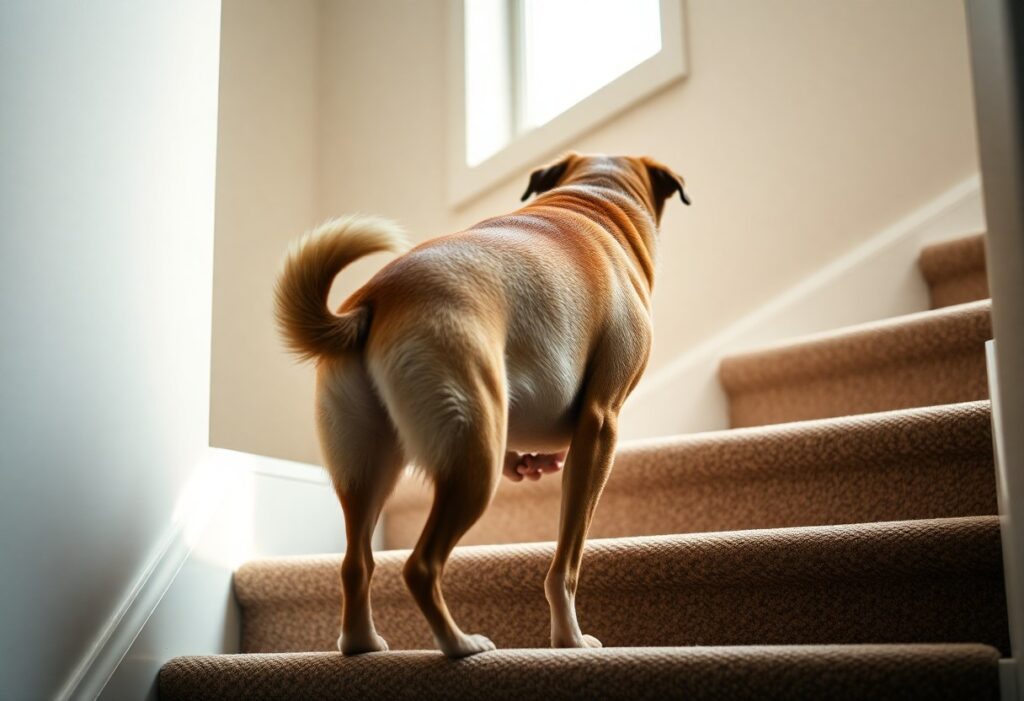
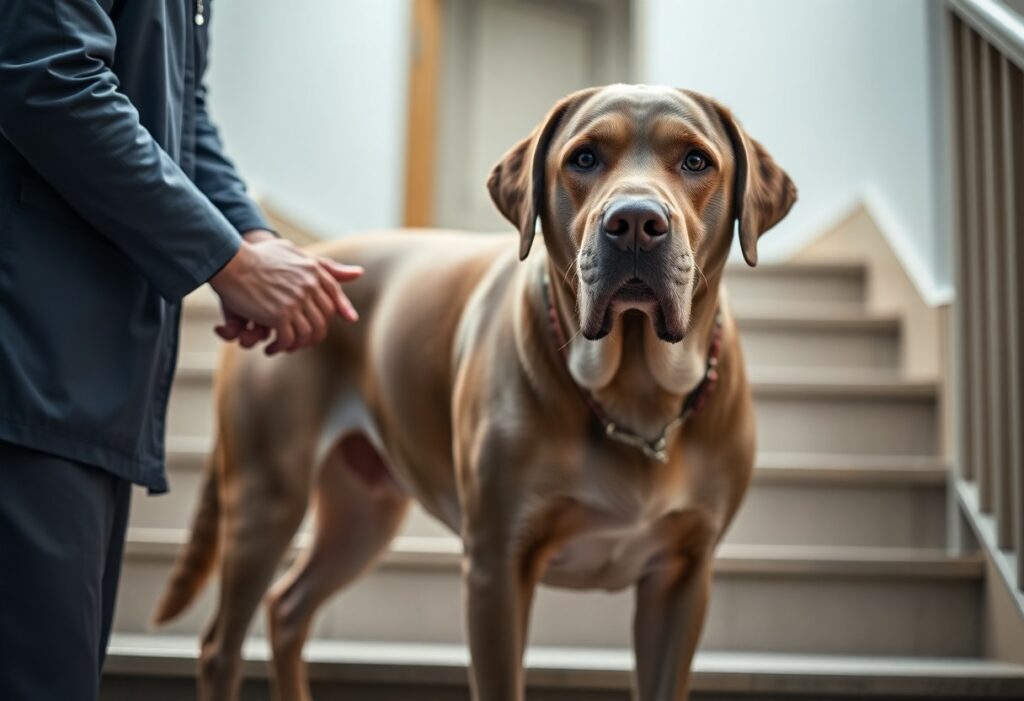
You’ve likely noticed your dog pausing before stepping up onto a porch or into the car. This brief delay isn’t just caution-it’s often an early sign of discomfort. Reluctance to climb stairs or mount furniture can signal developing joint stiffness. When your senior dog hesitates, it’s their way of managing pain before it worsens. Pay close attention; catching this behavior early allows for timely intervention.
The Slow Rise of the Morning
You may notice your dog hesitates when getting up after resting, especially in the morning. This stiff, slow rise is often one of the earliest indicators of joint discomfort. Instead of springing to their feet, they move cautiously, arching their back or shifting weight unevenly. Ignoring this subtle change can lead to worsening mobility issues, so pay close attention to these daily patterns.
The Loss of the Chase
You may notice your dog no longer dashing after squirrels or hesitating to fetch their favorite toy. This decline in playful activity often signals joint discomfort. Once eager leaps become cautious steps, or your companion watches from the sidelines instead of joining in. Ignoring this change can lead to worsening mobility issues, so pay close attention when enthusiasm fades.
The Grooming of the Sore Joint
You may notice your dog excessively licking or chewing one specific area, often around a hip, knee, or shoulder. This focused grooming is a clear sign of discomfort and can lead to hot spots or skin damage if left unchecked. Pay close attention when this behavior becomes repetitive or occurs after activity. Addressing it early helps prevent secondary infections and reveals underlying joint issues needing veterinary care.
The Temperament of the Old Guard
Behavioral Shifts
You may notice your senior dog hesitates before jumping into the car or avoids stairs they once took effortlessly. This reluctance to move is often one of the earliest red flags for developing joint pain. A change in routine behavior-like skipping walks or withdrawing from family interaction-signals discomfort, not just aging.
The Support of the Veteran
You learn to recognize subtle shifts in your senior dog’s behavior when pain begins to take hold. A once-eager tail wag may grow sluggish, or your companion might hesitate before jumping into the car. These small changes are early warnings, not just signs of aging. Watching closely allows you to respond before discomfort becomes severe. Your experience with your dog’s normal routines makes you the best judge of what’s wrong.
To wrap up
Conclusively, you can catch early signs of joint pain in senior dogs by watching for subtle changes like stiffness, hesitation on stairs, or reduced activity. Recognizing these signals early allows you to take prompt action, supporting your dog’s mobility and comfort in their later years.
FAQ
Q: What are the early behavioral signs that my senior dog might be developing joint pain?
A: Senior dogs often show subtle changes in behavior when joint pain begins. You might notice your dog hesitating before jumping into the car, avoiding stairs they once took easily, or taking longer to stand up after resting. Some dogs start sleeping more or seem less interested in walks or playtime. Others may become irritable when touched around the hips or back. These shifts aren’t just signs of aging-they can point to developing arthritis or joint inflammation. Observing your dog’s daily routines closely helps catch these clues early.
Q: How can I tell if my dog’s stiffness is due to joint pain or just normal aging?
A: Occasional stiffness after rest can happen with age, but persistent or worsening stiffness is a red flag. If your dog remains stiff for more than a few minutes after getting up, struggles to rise from a lying position, or walks with a hunched posture, joint pain is likely involved. Another key difference is progression: normal aging causes gradual changes, but joint pain often leads to faster decline in mobility. A dog that once walked a mile comfortably but now stops after a few houses may be in discomfort. A vet can assess joint function and rule out other conditions.
Q: Are certain breeds more prone to early joint pain, and when should I start watching for symptoms?
A: Large and giant breeds like German Shepherds, Labrador Retrievers, and Great Danes are more likely to develop joint issues such as hip dysplasia or osteoarthritis. Smaller breeds like Dachshunds and Cavalier King Charles Spaniels can also face joint or spinal problems. Signs can appear as early as 5 to 7 years of age, especially in predisposed breeds. Start monitoring for symptoms around this age, even if your dog seems healthy. Look for changes in gait, reluctance to exercise, or shifting weight while standing. Early detection allows for better management through diet, exercise adjustments, and veterinary care.