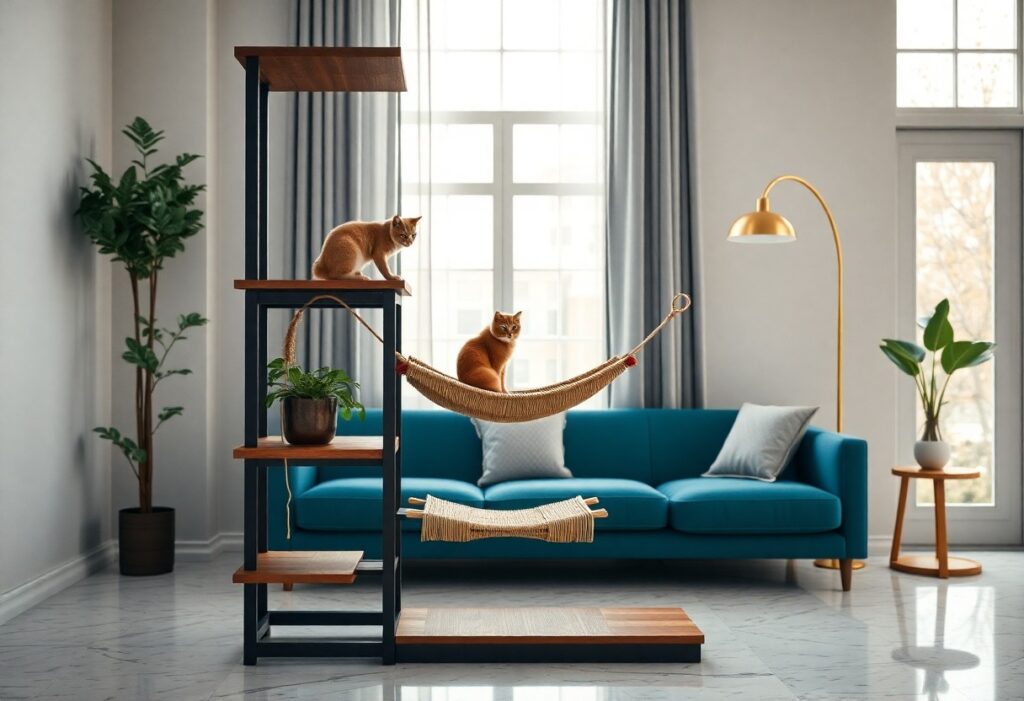
Modern cat trees offer elegant forms and functional climbs so you can match décor while keeping cats safe; choose models with stable, low-center-of-gravity bases, avoid lightweight designs that pose tipping hazards, and prefer premium, scratch-resistant materials for lasting style.
The Evolution of Feline Furniture
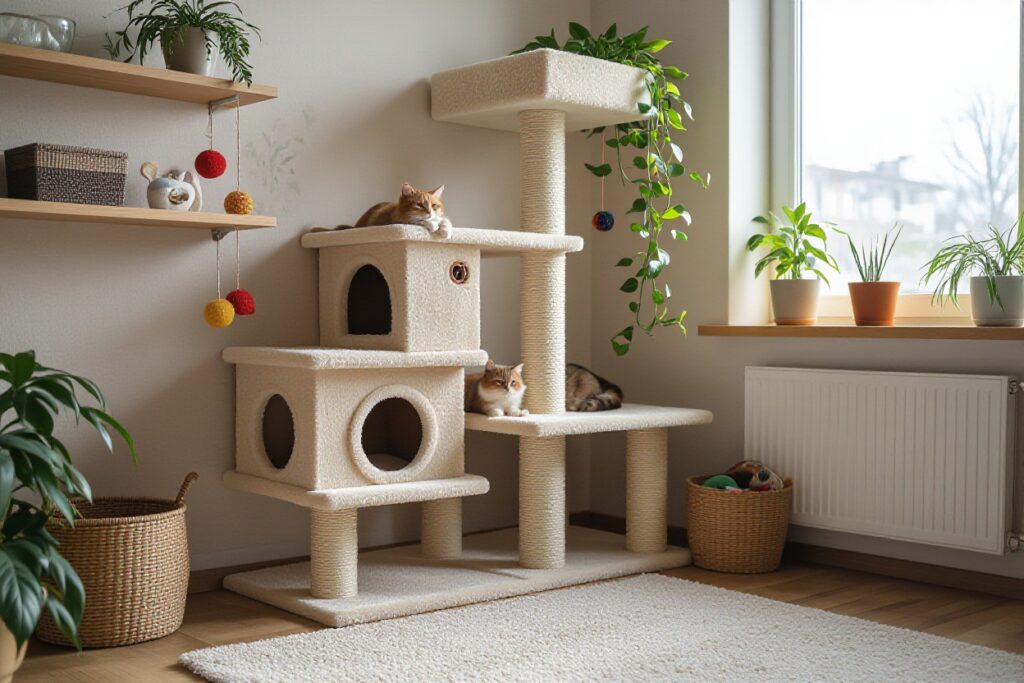
Designers shifted cat furniture from bulky carpeted posts to pieces you can place in living rooms; expect improved structural safety, no unstable bases and sleek silhouettes that respect your décor while keeping your cat engaged.
Moving Beyond Traditional Carpeted Towers
Carpeted towers often shed and trap allergens, so you should choose solid wood, sisal, or tight-weave upholstery; prefer non-shedding finishes and avoid loose fibers that can snag claws or pose ingestion risks.
Defining the Modern Design Aesthetic
Minimalism emphasizes clean lines, neutral palettes and compact footprints so you can integrate cat furniture without clutter; prioritize muted tones and low profiles that complement modern interiors and your cat’s movement.
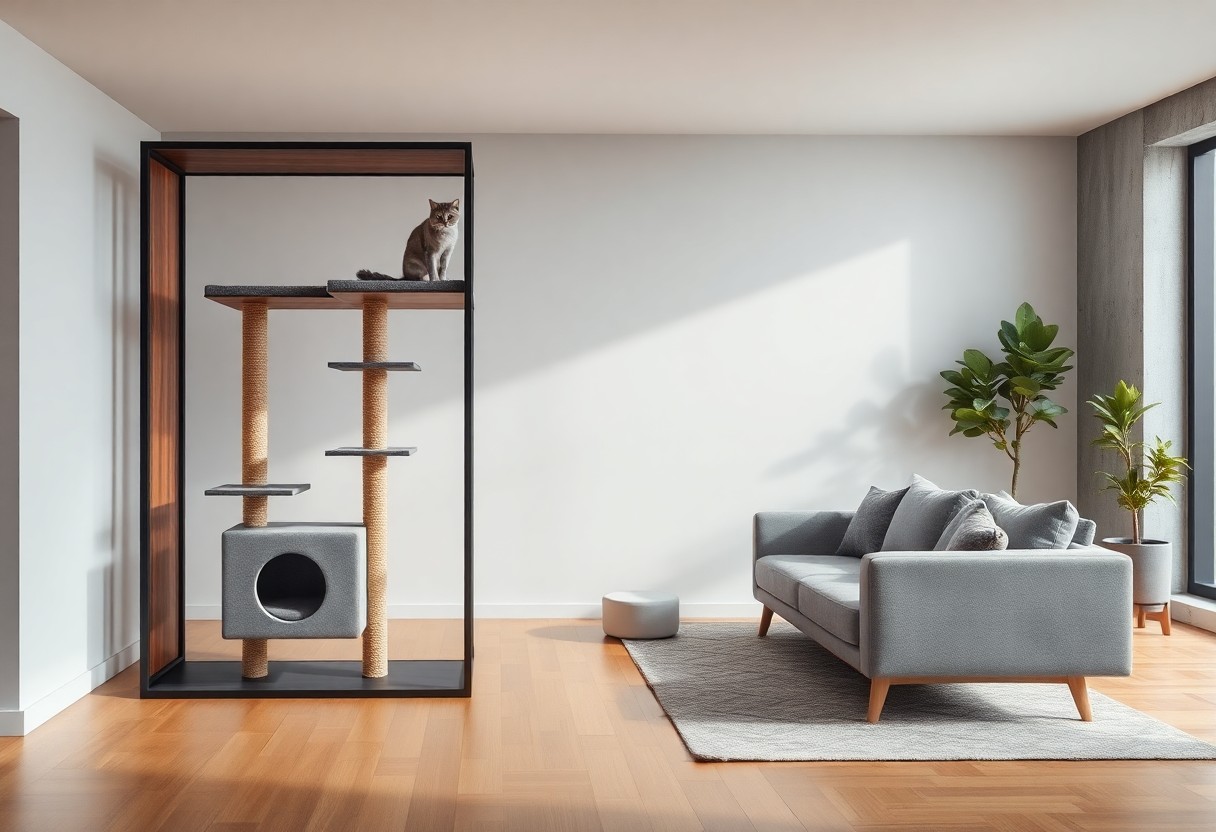
You should consider materials like ash, plywood, matte metal and wool felt that balance durability with refined appearance while resisting scratches. Choose pieces with stable bases, rounded edges and modular perches so your cat climbs safely and the furniture reads as sculptural rather than bulky. Keep finishes easy to wipe clean to reduce allergens and maintain the piece’s look over time.
Essential Materials for the Contemporary Home
Materials you pick should balance style and function; choose sustainable woods, low-VOC finishes, and sturdy joinery so your cat tree looks modern and lasts.
Sustainable Hardwoods and Polished Plywood
Hardwoods like oak or birch and polished plywood deliver clean lines and long-lasting stability; confirm formaldehyde-free adhesives and non-toxic finishes to protect indoor air quality.
Minimalist Textiles and Machine-Washable Fabrics
Fabrics such as felted wool blends or tightly woven cotton offer a sleek look and scratch resistance; choose covers you can remove and machine-wash to maintain hygiene.
Choose textiles with a tight weave and reinforced seams to resist claws; avoid loose threads that pose a choking hazard. You should insist on pet-safe dyes and chemical-free finishes, and prefer removable, zippered covers labeled machine-washable so you can clean stains without harming the fabric or the tree’s finish.
Top Picks for Minimalist and Scandi-Style Living
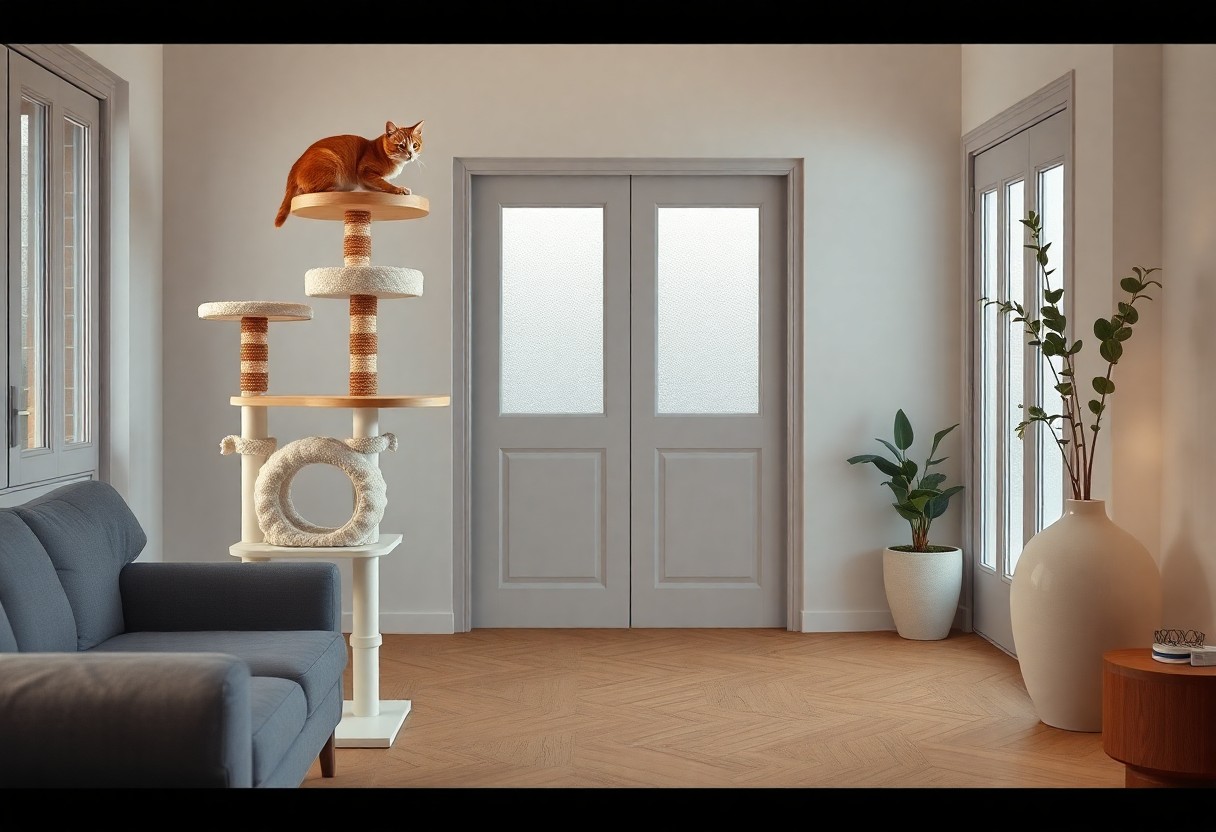
Explore minimalist cat trees that blend into Scandi interiors, offering clean lines, neutral tones, and compact footprints so you can keep style without clutter.
Sleek Vertical Tension Poles
Tension-pole designs anchor between floor and ceiling, giving you minimal floor clutter and high perches; verify stability and proper installation to prevent tipping.
Geometric Modular Systems
Modular geometric systems let you build sculptural climbs that match furniture; you can rearrange modules for fit while prioritizing durability and non-toxic finishes.
Consider mixing open shelves and cozy nooks, choose sturdy connectors, secure wall anchors, and avoid small detachable parts that pose a choking hazard.
Mid-Century Modern Inspired Designs
These mid-century pieces let you add cat-friendly function without sacrificing style; you get clean silhouettes, compact footprints, and platforms designed to reduce tipping hazards while matching your décor.
Iconic Tapered Legs and Retro Silhouettes
Tapered legs and retro silhouettes let you pair cat trees with vintage furniture; you should choose models with secure leg joints and low centers of gravity so you avoid instability.
Integrated Wood Finishes and Natural Tones
Warm wood finishes and muted tones help you blend the tree into living spaces; look for low-VOC stains and durable veneers that withstand claws without looking worn.
You can favor solid woods like oak or maple, or high-quality plywood with a real veneer, since solid joinery and sealed edges resist claw wear and cleaning. Choose low‑VOC finishes and water‑based stains to avoid off‑gassing, and avoid cheap particleboard with glues that may release toxins. Prefer designs with a heavy base and visible screws or brackets you can tighten, and select replaceable sisal wraps or pads so you maintain appearance and safety over time.
Multi-Functional Decor Solutions
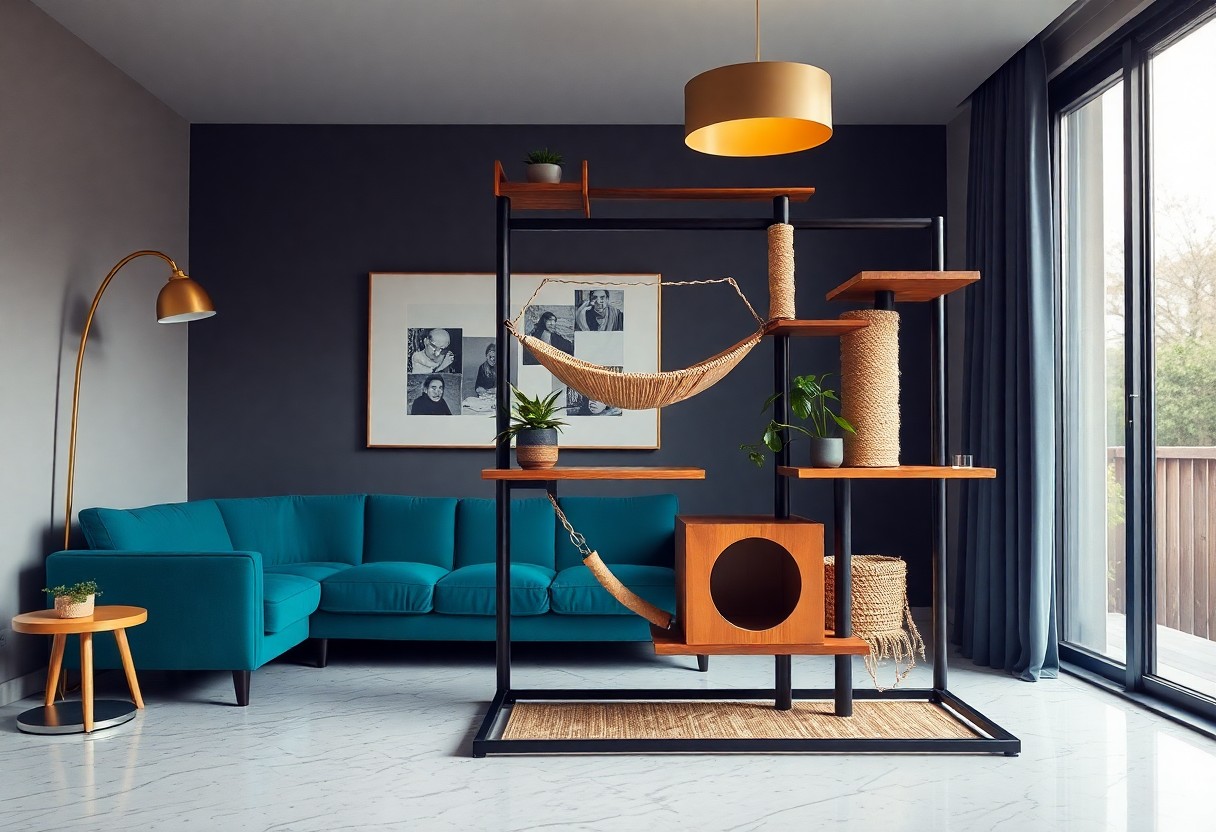
You can pick multi-functional cat trees that double as artful shelving and discreet scratching posts, offering space-saving style while matching your décor; always verify the anchor strength to prevent falls and keep pets safe.
Dual-Purpose Side Tables and Nightstands
Opt for side tables that conceal litter or toys and provide a sturdy top perch, so you get hidden storage and a lounging spot that complements your furniture while keeping cat clutter tidy.
Sculptural Wall-Mounted Perches
Install sculptural wall-mounted perches to create vertical pathways and floating seating that saves floor space, but check each platform’s weight limit and anchor type before use.
Mounting these perches requires you to use proper anchors and confirm weight ratings; stagger platforms for safe jumping, pick durable, easy-to-clean materials, and align finishes with your walls for a cohesive, sculptural look.
Durability and Ease of Maintenance
You should prioritize solid frames, wipeable fabrics, and machine-washable cushions so maintenance stays simple; a sturdy base and anti-tip fittings also keep your cats safe while keeping your décor pristine.
Scratch-Resistant Surfaces and Premium Sisal
Sisal-wrapped posts and scratch-resistant surfaces protect walls and furniture while satisfying claws; choose tighter sisal for heavy scratchers and softer options for nap zones.
Replaceable Components for Sustainable Longevity
Modular constructions let you swap out worn posts, pads, or covers so you replace parts instead of the whole tree, lowering cost and waste with replaceable components.
Check for standardized fittings and screw-in posts that make finding replacements easy; you should inspect for loose bolts or frayed sisal regularly, replace worn pieces promptly, and keep spare covers on hand to maintain safety and style without discarding the entire unit.
Summing up
You should choose sleek, modern cat trees that blend with minimalist interiors while offering sturdy climbing, soft resting spots, and durable materials; prioritize neutral tones, compact silhouettes, and multiuse designs to satisfy both your aesthetic standards and your cat’s needs.
FAQ
Q: How do I choose a sleek, modern cat tree that complements my home décor?
A: Start by matching scale and style to your room: measure ceiling height, available floor area, and the vertical space your cat prefers. Choose streamlined silhouettes with clean lines – options like minimalist platforms, slim towers, and open-frame designs fit modern interiors better than shaggy, bulky trees. Consider materials and finishes that mimic your furniture, such as matte metal, light or dark stained wood, or neutral upholstery. Prioritize stability and safety: wider bases, low centers of gravity, and securely anchored posts reduce tipping risk. Think about your cat’s behavior: active jumpers need higher platforms and secure perches, while older cats benefit from lower steps and ramps. Look for modular designs or pieces with removable covers to simplify cleaning and future reconfiguration.
Q: What materials, colors, and finishes work best to make a cat tree look like furniture rather than a pet accessory?
A: Solid wood or high-quality plywood with stained or painted finishes reads like furniture and resists scratching better than particleboard. Powder-coated steel, matte aluminum, and lacquered MDF offer slimmer profiles and crisp edges common in modern décor. Upholstery choices such as tightly woven performance fabrics, faux leather, or boucle in neutral tones hide wear and blend with sofas and chairs. Sisal-wrapped posts provide a natural texture for scratching without looking messy; choose color-matched sisal when possible. Avoid bright novelty prints and long-pile carpet that scream “pet product”; subtle tones and tonal stitching give a cohesive look. Check for pet-safe finishes and non-toxic glues so appearance doesn’t compromise safety.
Q: Are there compact or multifunctional cat tree designs for small spaces, and how do I install them safely?
A: Wall-mounted shelves, corner towers, and stackable modular units make the most of small footprints while keeping a low visual profile. Some designs double as end tables or shelving so the piece serves human use as well as cat needs. When installing wall-mounted or tall units, anchor brackets into studs or use heavy-duty wall anchors rated for the expected load; test anchors with a weight equal to your cat’s combined mass plus a margin. Secure tall freestanding trees with anti-tip straps to studs or heavy furniture. Use non-slip pads on the base if the floor is slippery. Introduce new structures slowly with treats, toys, and short play sessions so cats learn routes without fear. Keep replaceable covers and sisal attachments accessible for periodic cleaning or replacement to keep the piece looking fresh.