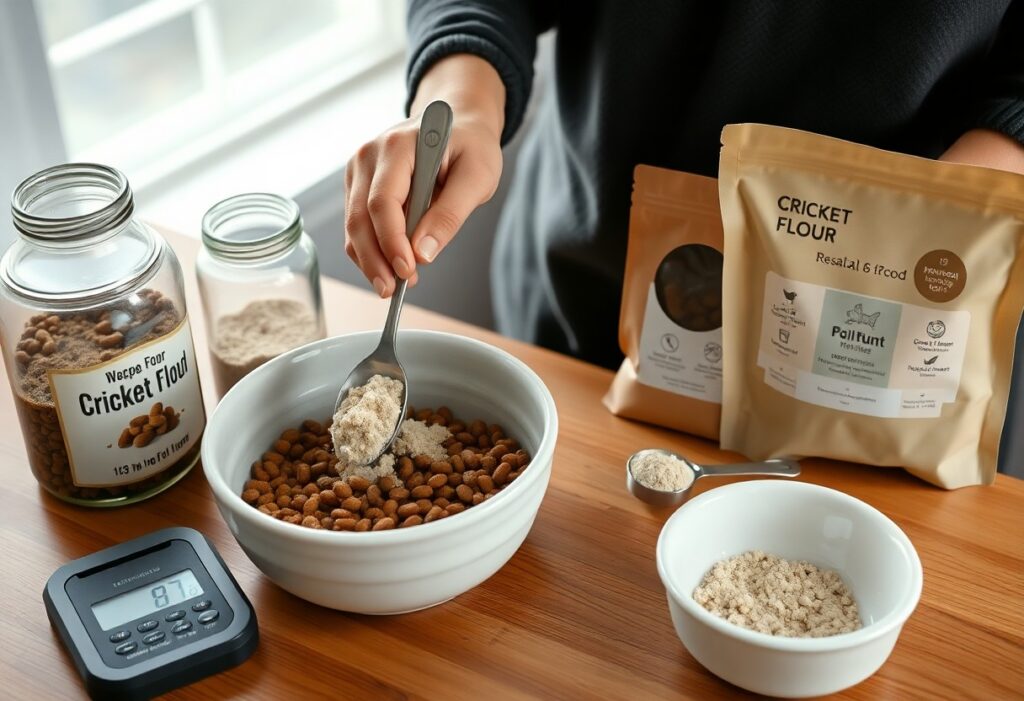
Most fussy cats resist change, but you can switch them to insect-based protein by mixing small amounts, offering warmed samples, and monitoring closely; watch for allergic or digestive reactions while enjoying the sustainable, nutrient-rich benefits.
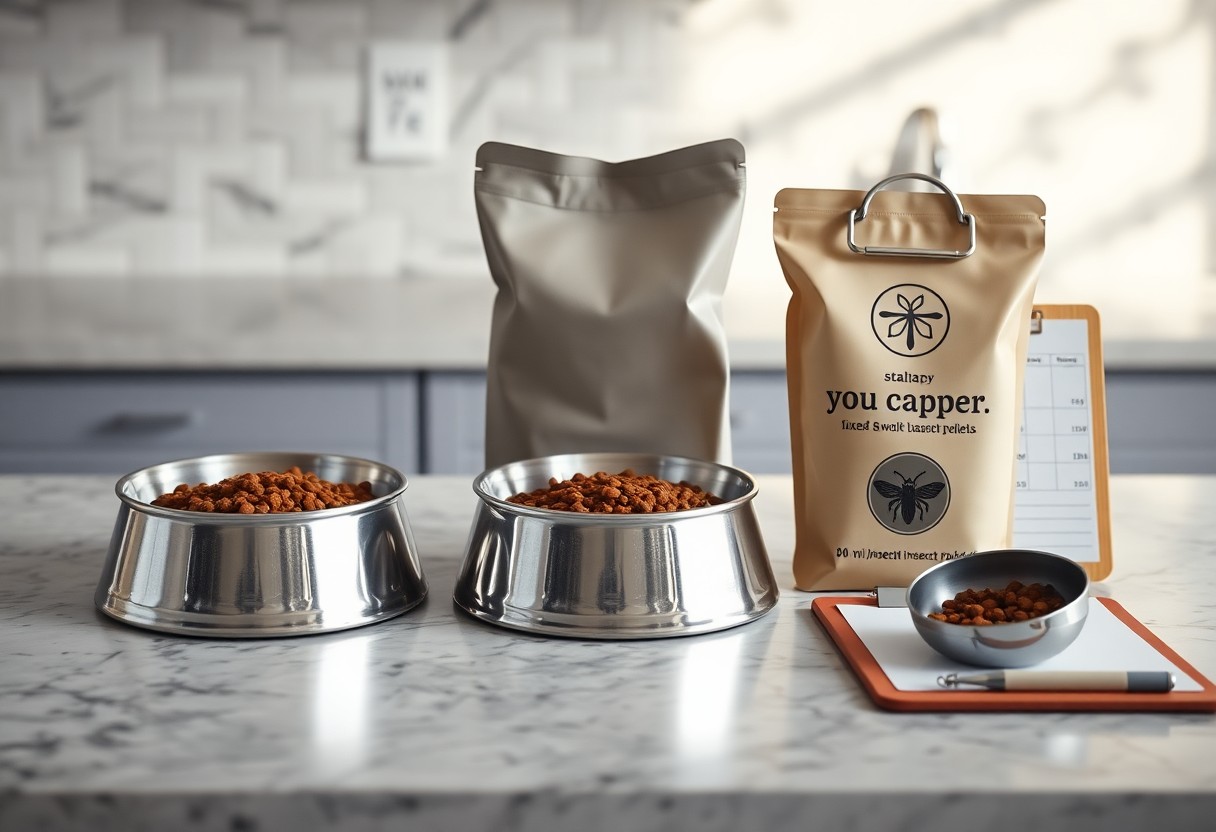
Factors Influencing Feline Palatability and Acceptance
Palatability determines whether you accept insect diets for your cat.
- Flavor
- Aroma
- Texture
- Familiarity
Thou should introduce insect-based protein slowly and monitor your cat’s reactions.
Understanding the sensory preferences of fussy cats
Sniffing dominates choices, so you prioritize aroma and texture; offer warm, moist samples and watch for rejection signs and allergies.
Why insect protein mimics natural ancestral diets
Protein from insects offers prey-like amino acid profiles, so you can provide a diet that resembles ancestral prey and may boost acceptance.
Digestibility of insect meals is high and supplies prey-like protein and fatty acids, but you must confirm added taurine and micronutrients to prevent deficiencies.
How-To Prepare Your Cat for a Sustainable Diet Change
Prepare your cat by slowing the transition over 7-14 days, mixing increasing insect-based food into familiar meals. Monitor appetite and stool, and stop if you see severe vomiting, bloody diarrhea, or signs of allergy. Notify your vet if those appear.
Establishing a baseline for digestive health
Check your cat’s recent stool consistency and frequency for two weeks before switching so you have a baseline. Record any chronic loose stool, constipation, or weight loss, and discuss these with your vet to rule out underlying disease before trialing insect protein.
Selecting the appropriate insect-based kibble or wet food
Choose products labeled complete and balanced for your cat’s life stage; check protein source, insect species, and ingredient list. Prefer formulas with probiotics or limited novel ingredients. Watch for high ash content or inadequate taurine, which can be harmful long-term.
Inspect labels for insect species (e.g., black soldier fly or mealworm), guaranteed analysis, and an AAFCO-equivalent statement; you should prioritize brands that publish digestibility and taurine data. Seek high insect-protein percentage and limited fillers, and trial small portions to check palatability. If your cat has food sensitivities, avoid cross-contaminated facilities and stop feeding at any sign of severe allergic reaction or persistent gastrointestinal upset, then consult your vet.
A Step-by-Step How-To for the Transition Period
Transition Schedule
| Days | Action |
|---|---|
| 1-2 | Mix 90% familiar / 10% insect-based; note appetite and stool. |
| 3-4 | Mix 75% familiar / 25% insect-based; offer at regular times. |
| 5-6 | Mix 50/50; observe acceptance and energy. |
| 7-8 | Mix 25% familiar / 75% insect-based; keep portions consistent. |
| 9-10 | Serve 100% insect-based; monitor for vomiting or diarrhea. |
| Notes | Use the same bowl and location; benefits include sustainable protein and reduced environmental impact. |
Implementing the incremental mixing ratio over ten days
Begin by adding a small portion of insect-based food to the familiar meal and increase the ratio every two days so you can spot rejection or digestive upset; stop and consult your vet if you see persistent vomiting or diarrhea.
Maintaining consistent feeding schedules to reduce anxiety
Keep meal times and locations identical each day so your cat learns when to expect food, which lowers stress and increases willingness to try the new diet; avoid free-feeding during the transition to monitor intake.
Set clear feeding windows (for example, 7-8am and 6-7pm) and remove uneaten food after 20-30 minutes so you can measure appetite and catch issues early; if you notice lethargy, ongoing refusal, or repeated vomiting for more than 48 hours, contact your veterinarian before proceeding.
Expert Tips for Encouraging a Fussy Eater
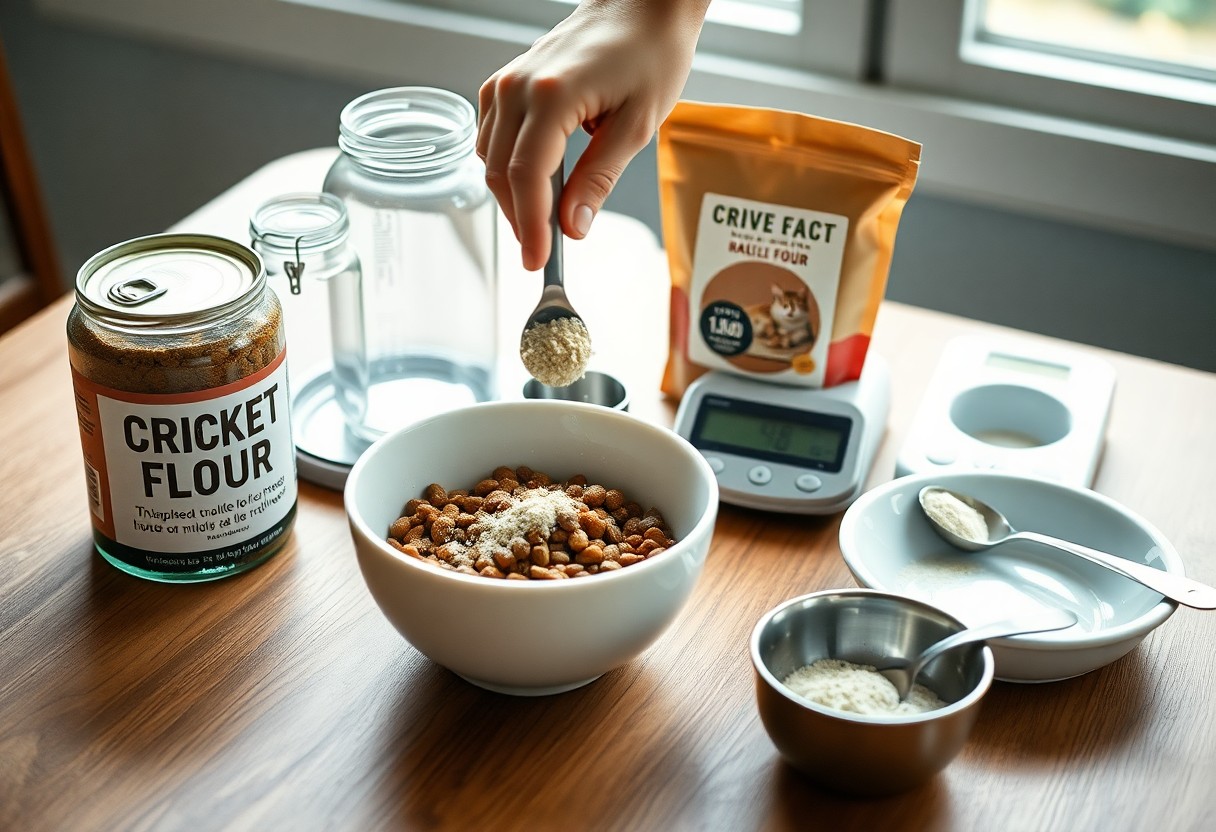
You can coax a fussy cat by mixing small amounts and offering warm, moist servings to boost palatability. After you test tiny portions and watch for food intolerance, increase the insect ratio slowly and monitor appetite.
- insect-based protein
- sustainable
- fussy eater
Using temperature and moisture to enhance food aroma
Heat food slightly and add warm low-sodium broth so you increase aroma; avoid boiling to prevent nutrient loss and burn hazards.
Temperature & Moisture Tips
| Action | Benefit |
|---|---|
| Warm (not hot) for 15-30s | Releases aroma without scalding |
| Add warm low-sodium broth | Increases moisture and encourages eating |
Incorporating familiar toppers to bridge the flavor gap
Mix in tiny amounts of your cat’s preferred toppers, like shredded cooked fish or plain yogurt, to bridge flavors while you ramp up insect inclusion; watch for allergy signs and avoid toxic ingredients.
Consider rotating safe toppers you already know your cat accepts-plain tuna, boiled chicken, or a sprinkle of freeze-dried meat-keeping portions under 10% of the meal so you don’t mask the new insect flavor; you should monitor stool, appetite and any vomiting, and stop any topper that causes allergic or digestive reactions, while gradually increasing insect content as acceptance grows.
Essential Factors for Monitoring Health and Progress
You track appetite, activity and stool to spot issues; watch for weight loss or persistent diarrhea as dangerous signs. Keep a feeding and symptom log and schedule vet check-ins. Assume that you should consult your veterinarian if problems persist.
- Insect-based protein
- Sustainable transition markers
- Fussy cat behavior notes
Observing changes in coat quality and energy levels
Monitor coat sheen and playfulness; a dull coat or lethargy can signal nutrient deficiencies. Increased energy and a glossy coat indicate a positive adaptation to insect-based protein.
Tracking digestive consistency and weight maintenance
Check stool consistency and daily portions; persistent diarrhea or vomiting are dangerous signs. Weigh your cat weekly and log changes to ensure the sustainable diet meets needs.
Document every bowl size, stool change and vomiting episode, noting frequency and appearance; blood or persistent watery diarrhea are dangerous and require immediate vet contact. Use a weekly weight log on the same scale and time, and flag any >5% loss or steady decline for professional review. Include insect-based protein as the diet label.
The Environmental Impact of Sustainable Protein
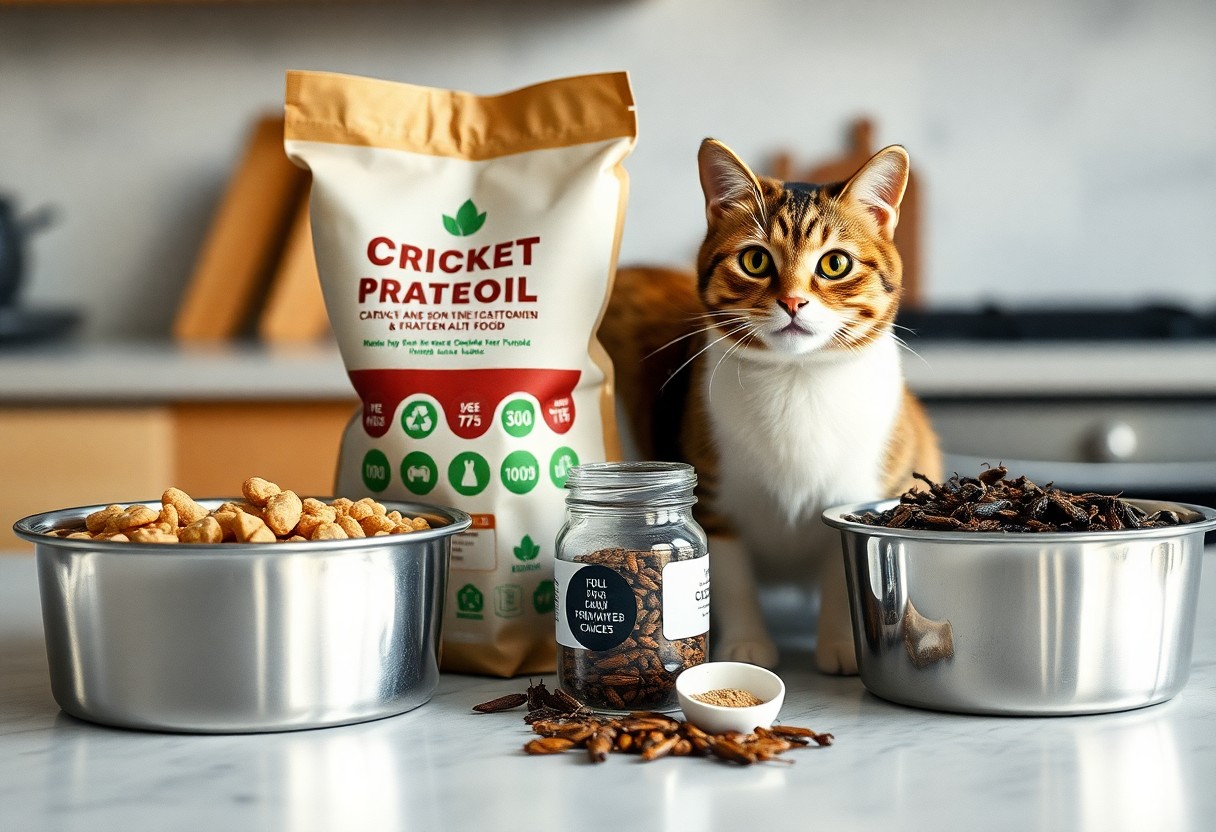
Insects require far less land and water than livestock, so you cut resource use when switching your cat to insect-based food, shrinking its carbon pawprint and reducing greenhouse gas emissions.
Reducing the carbon pawprint through insect farming
Switching to insect-fed diets lets you reduce your cat’s protein-related emissions, since insects produce far fewer greenhouse gases and use much less feed and water than conventional livestock, lowering your pet’s carbon pawprint.
Long-term benefits of ethical pet nutrition
Choosing insect-based food lets you protect wild fish stocks and lower your household’s environmental footprint, while still providing your cat with high-quality, digestible protein and nutrients comparable to conventional meat.
You gain a longer-term environmental payoff by choosing insect-based pet food: reduced demand for feed crops and wild fisheries lowers habitat loss and overfishing, while insect farms typically use less water and land and generate fewer pollutants. Your purchasing choice also pushes manufacturers toward better sourcing and improved animal-welfare practices, creating lasting benefits for biodiversity and public health.
Conclusion
Summing up, you can transition a fussy cat to insect-based protein by introducing small mixes, matching textures and aromas, offering regular meal routines, rewarding positive eating, and consulting your vet to ensure balanced nutrition and monitor tolerance.
FAQ
Q: How do I introduce insect-based protein to a fussy cat?
A: Start with a small ratio, mixing 5-10% insect-based food into the cat’s current meal so the new scent and texture are detectable but not overwhelming. Warm the portion slightly to increase aroma and break up large pieces to match the texture the cat prefers. Increase the insect proportion in small steps every 3-4 days, aiming for a target mix over 2-4 weeks and extending the timeline if the cat resists. Serve meals on a consistent schedule and remove uneaten food after 20-30 minutes to preserve appetite. Offer hand-feeding or place the food in a quiet, low-traffic spot to reduce stress. Try multiple insect sources (cricket, black soldier fly, mealworm) and formats (wet pate, chunks, kibble) because acceptance often depends on format rather than protein source. Use a teaspoon of low-sodium fish or chicken broth as a temporary topper if needed. Watch weight, stool, and appetite while you change the mix, and slow down if vomiting or diarrhea appears.
Q: What nutritional and health checks should I perform when switching to insect-based cat food?
A: Choose products labeled as “complete and balanced” for the cat’s life stage and compliant with AAFCO or equivalent standards. Confirm the formula provides adequate taurine, vitamin A, arachidonic acid or appropriate fat sources, and sufficient protein and fat levels for feline needs. Review the ingredient list for added amino acids, vitamin/mineral supplementation, and low carbohydrate content. Check for third-party testing, clear insect species identification, and safe sourcing practices. Monitor stool consistency, coat quality, energy level, body weight, and water intake for 2-8 weeks after the change. Stop or slow the transition and contact your veterinarian if you observe persistent vomiting, diarrhea, skin irritation, facial swelling, or sudden weight change. Arrange bloodwork or a veterinary consult for kittens, seniors, pregnant cats, or animals with chronic conditions.
Q: My cat still refuses the new food or shows digestive issues – what troubleshooting steps help?
A: Try alternative brands and textures first, since many cats prefer pate over kibble or vice versa. Increase palatability by warming the food, adding a small amount of plain fish or unsalted chicken broth, or sprinkling a tiny amount of freeze-dried insect crumbles or a favored topper. Encourage appetite with short, controlled fasting (skip one meal) only when safe for the individual cat; avoid fasting in diabetic or high-risk animals. Use interactive feeders or hand-feeding to create positive associations. If gastrointestinal upset develops, cut the insect percentage back to the last tolerated level and progress more slowly; consider a veterinarian-recommended probiotic for a short course. If signs of an allergic reaction appear (hives, intense scratching, facial swelling), discontinue the product and seek immediate veterinary care. If repeated refusal persists, maintain insect-based food as part of a rotational diet or discuss alternative formulations and nutrient analysis with your veterinarian to ensure long-term health.