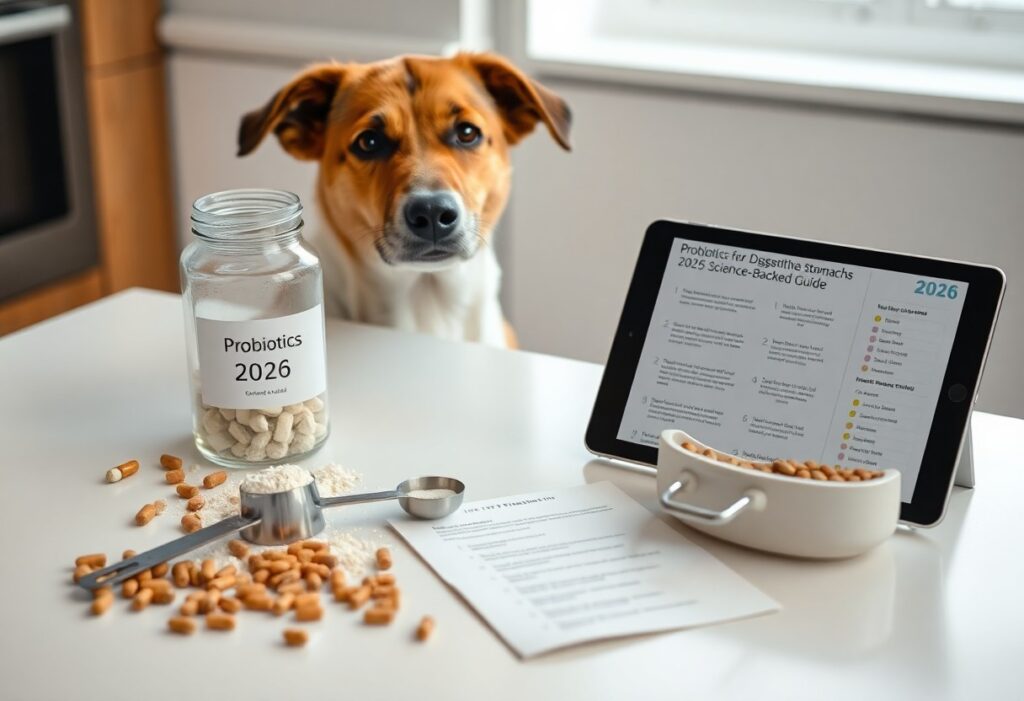
You want clear, science-backed guidance on using probiotics for dogs with sensitive stomachs: specific strains reduce diarrhea and gas, but unregulated products can worsen symptoms; consult your veterinarian before starting a supplement.
The Canine Microbiome: Understanding Sensitive Digestion
Microbiome shifts often cause your dog’s sensitive digestion; you’ll notice gas, loose stools, or irregular appetite. Loss of beneficial bacteria and overgrowth of pathogens commonly drive chronic symptoms and inform probiotic selection.
Common Causes of Gastrointestinal Sensitivity in 2026
Diet swings, antibiotic courses, parasites, stress and food intolerances commonly trigger GI sensitivity in your dog. Watch for persistent vomiting, bloody stools, or rapid weight loss, which require immediate veterinary care.
How Probiotics Restore Microbial Balance
Probiotics introduce beneficial strains that outcompete pathogens, modulate immune responses, and help reduce diarrhea and gas in your dog. Expect improved stool consistency and fewer flare-ups when strains match the problem.
Choose strain-specific formulas-common options include Lactobacillus, Bifidobacterium, Enterococcus faecium, Bacillus and Saccharomyces boulardii-since studies from 2024-2026 show multi-strain products often offer broader benefit. Typical dosing ranges from 1-10 billion CFU daily for 4-8 weeks; monitor response and adjust with your vet. Note clear benefits for antibiotic-associated diarrhea, but avoid live probiotics in dogs with severe immunosuppression or suspected intestinal perforation.
Essential Types of Probiotics for Canine Health
Dogs with sensitive stomachs benefit from varied probiotic classes-Lactobacillus, Bifidobacterium, soil-based organisms, and Saccharomyces boulardii-that target digestion, immunity, and pathogen control; you should select strains with peer-reviewed evidence and veterinarian guidance.
- Lactobacillus
- Bifidobacterium
- Soil-based organisms (SBOs)
- Saccharomyces boulardii
- Multi-strain blends
| Type | Primary Benefit |
| Lactobacillus | Stabilizes gut flora, reduces diarrhea |
| Bifidobacterium | Supports digestion and immune balance |
| Saccharomyces boulardii | Reduces antibiotic-associated diarrhea; yeast-based |
| Soil-based organisms | Acid-resistant spores that may lower pathogen load |
Key Bacterial Strains: Lactobacillus and Bifidobacterium
Lactobacillus and Bifidobacterium often reduce diarrhea, promote short-chain fatty acid production, and support immune balance; you should prefer canine-tested strains with clear CFU counts and published results.
Soil-Based Organisms and Beneficial Yeasts
Spores and beneficial yeasts like Saccharomyces boulardii resist stomach acid and can suppress pathogens, but you must avoid SBOs in immunocompromised dogs to reduce infection risk; you should consult your vet.
You should assess SBOs for manufacturing quality, documented strains, and contamination testing; their spore-forming nature grants acid resistance and durable shelf life. Clinical evidence shows Saccharomyces boulardii lowers antibiotic-associated diarrhea, while some SBOs reduce pathogen load in trials; you must weigh benefits against infection risk in vulnerable dogs. Assume that you confirm product evidence and vet approval before use.
Evaluating the Pros and Cons of Supplementation
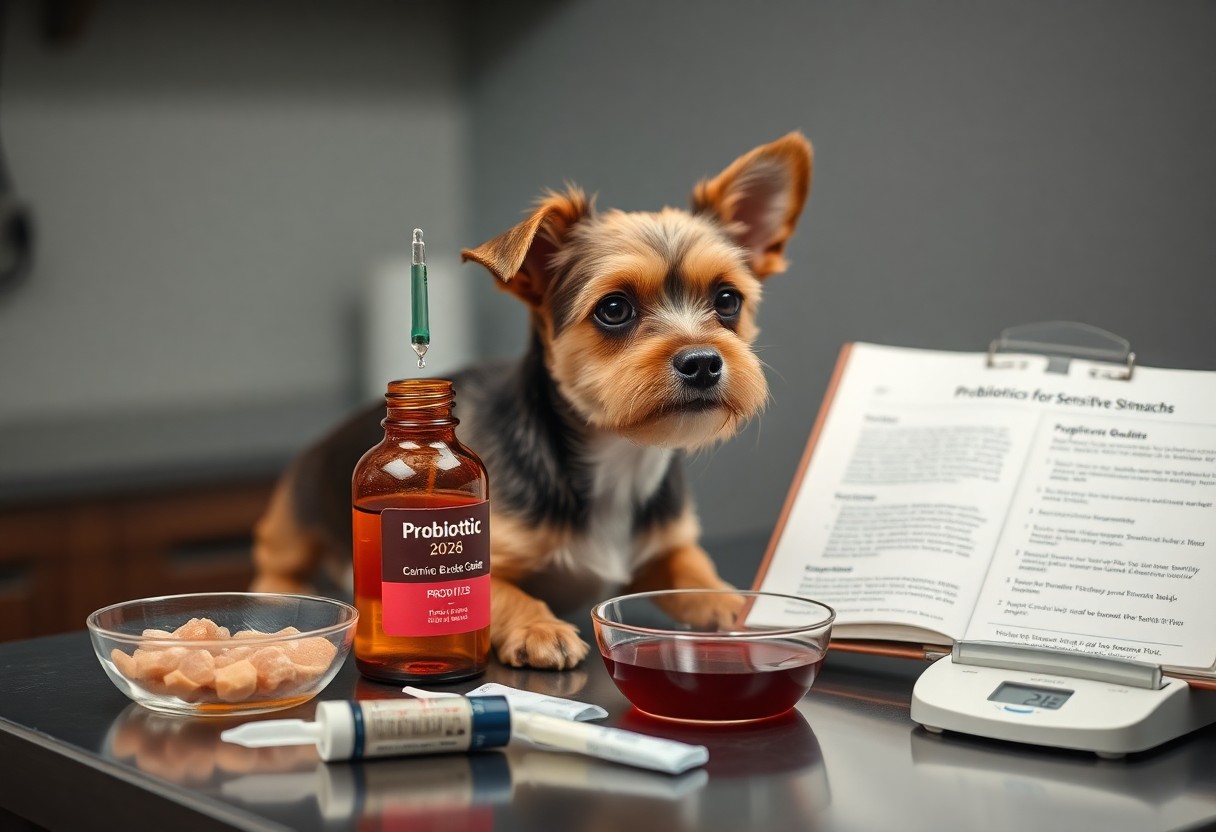
Assessing probiotic use for sensitive-stomach dogs, you weigh benefits like reduced diarrhea and immune support against risks such as transient gas or rare allergic reactions; you should consult your vet before starting and monitor closely for any severe adverse reactions.
| Pros | Cons |
|---|---|
| Improved stool consistency | Transient gas or bloating |
| Reduced frequency of diarrhea | Temporary loose stools during adjustment |
| Support for mucosal immunity | Rare allergic reactions |
| Better nutrient absorption | Variable efficacy by strain and individual |
| Targeted, species-specific formulas available | Risk of contamination in low-quality products |
| Easy to administer with food | Cost and ongoing dosing requirements |
Clinical Benefits for Digestive Stability and Immunity
Clinical studies show specific strains can firm stools, reduce episodes of diarrhea, and modulate immune responses, so you may notice fewer flare-ups and improved overall gut resilience when using vetted, strain-specific products under veterinary guidance.
Potential Side Effects and Initial Adjustment Periods
Watch for mild gas, bloating, or loose stools during the first week; you should reduce dose or pause if your dog shows severe vomiting, marked lethargy, or allergic signs and contact your veterinarian promptly.
Monitor dose, strain, and timing closely because most GI upset resolves within 7-14 days as the microbiome adapts. You must stop supplementation and seek immediate care if your dog develops severe dehydration, persistent vomiting, high fever, or signs of anaphylaxis. Pets with immune compromise require veterinary oversight due to rare infection risk from live strains.
Critical Factors When Selecting a Quality Supplement
Selecting a supplement means checking label transparency, third-party testing, and allergen info; you should verify probiotics and sensitive stomachs suitability. Review storage and expiration for potency. Thou prioritize products with clear strain IDs and published safety data.
- CFU count
- strain diversity
- delivery systems
CFU Count and Strain Diversity Requirements
Aim for products listing at least 1 billion CFU per serving and multiple clinically studied strains; you want strain diversity to support varied digestive functions while avoiding unproven proprietary blends.
Delivery Systems: Powders, Chews, and Encapsulation
Compare formats: powders mix into meals for picky dogs, chews boost compliance, and encapsulation shields strains from acid; you should choose the form that fits your dog’s routine and sensitivity.
Consider that powders often require refrigeration for live cultures, chews may include flavors or xylitol (dangerous) or other fillers, and encapsulation offers targeted release past stomach acid for better survival; you should check storage instructions, ingredient lists, and manufacturer stability testing before buying.
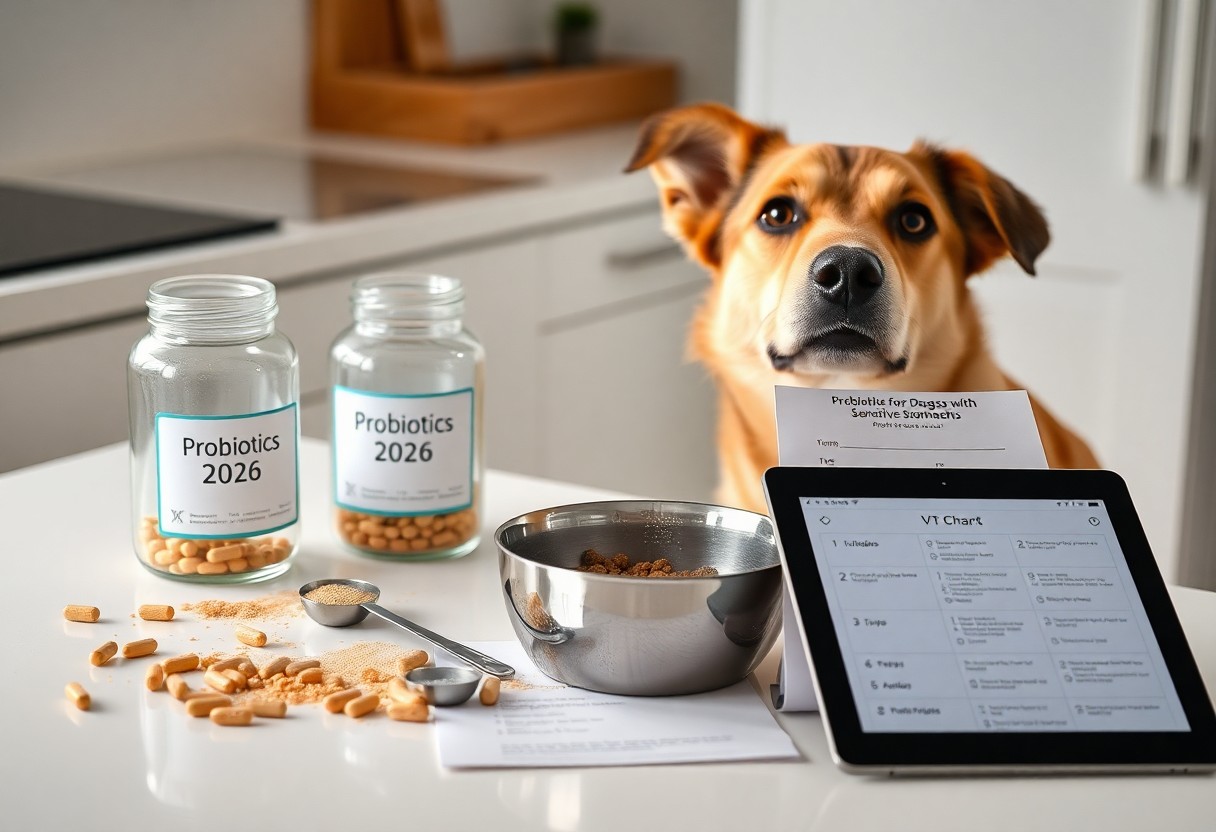
Step-by-Step Guide to Introducing Probiotics
You should introduce probiotics slowly over 7-10 days, mixing with food and observing for adverse reactions; stop and contact your vet if you see severe vomiting, bloody stool, or lethargy.
Quick reference
| Step | Action for you |
|---|---|
| Baseline | Record weight, diet, meds and stool for 72 hours before starting. |
| Initial Dose | Begin at half the recommended dose for sensitive dogs, given with food. |
| Titration | Increase to full dose after stable stools for 3-7 days; adjust slowly. |
| When to Stop | Stop and seek vet care for persistent vomiting, bloody stool, or severe lethargy. |
Establishing a Baseline and Initial Dosage
Start by tracking your dog’s weight, diet and stool for 72 hours; use the product’s weight-based chart and begin at half the recommended dose for sensitive stomachs, then reassess after several days.
Monitoring Progress and Adjusting for Results
Watch stool consistency, appetite and energy daily, logging changes and contacting your vet for any worsening signs or blood; plan to reassess dose after 7-14 days.
Keep a simple log noting date, stool score (1-7), appetite and any vomiting; if you see steady improvement within 5-10 days, move to the full dose gradually, but if symptoms escalate stop immediately and consult your veterinarian for testing or alternative approaches.

Expert Tips for Optimizing Gut Health
Use targeted daily routines-consistent feeding, measured doses, and vet-approved strains-to support your dog’s digestion. Perceiving subtle changes lets you adjust probiotics, sensitive stomachs triggers, and gut health strategies with your veterinarian.
- Maintain consistent timing for probiotics.
- Introduce prebiotic fiber slowly.
- Follow storage instructions to preserve CFU.
- Log reactions related to sensitive stomachs.
Synergistic Effects of Prebiotic Fiber
Combine low-FODMAP prebiotic fiber with targeted probiotics to feed beneficial gut microbes while minimizing gas; increase amounts gradually so your dog tolerates changes.
Proper Storage to Maintain Culture Viability
Store probiotic supplements in the original airtight container and refrigerate when recommended; avoid heat and moisture to preserve CFU counts and efficacy for your dog.
Keep products stored between 2-8°C for refrigerated strains and below 25°C for shelf-stable formulas to protect your dog’s doses; exposure to heat or humidity can degrade CFU stability and sharply reduce benefits. You must use sealed packaging, avoid direct sunlight, discard after the expiration date, and never reuse opened single-dose sachets left exposed to air.
Final Words
As a reminder, you should choose science-backed probiotic strains, consult your veterinarian before starting supplements, monitor your dog’s symptoms and stool, and adjust treatment based on response to restore digestive balance safely.
FAQ
Q: Which probiotic strains and formulations work best for dogs with sensitive stomachs?
A: Clinical trials and veterinary studies through 2025 identify several strains with consistent benefits for sensitive canine GI tracts. Enterococcus faecium (common veterinary strains such as SF68) and Saccharomyces boulardii show strong evidence for reducing acute and chronic diarrhea and for improving stool consistency. Lactobacillus rhamnosus, Lactobacillus acidophilus, and Bifidobacterium animalis subsp. lactis are frequently used to support digestion and modulate local immunity. Bacillus coagulans and Bacillus subtilis are spore-forming strains that tolerate heat and gastric acid, making them useful in shelf-stable products. Single-strain products can be appropriate when a specific strain has evidence for the problem, while multi-strain blends may address broader dysbiosis; look for products that list strain designations, CFU at expiry, and third-party quality testing. Target ranges in clinical practice commonly fall between 1 billion and 10 billion CFU per day for adult dogs, with adjustments based on size and clinical response.
Q: How should I start, dose, and administer a probiotic for a dog with a sensitive stomach?
A: Start with a lower-than-recommended dose to assess tolerance: give half the label dose for 3-5 days, then increase to the full dose if stool and appetite remain stable. Administer the probiotic with a small amount of food to buffer gastric acid and improve survival through the stomach. Continue the product for at least four weeks to evaluate benefit; some dogs show improvement in 3-7 days, while others need longer. If your dog is receiving antibiotics, separate probiotic dosing by about two hours to reduce antibiotic impact on live bacteria; choose Saccharomyces boulardii if you prefer a probiotic that is not affected by most antibiotics. Adjust dose by body weight for very small or very large dogs per manufacturer or veterinary guidance, and record stool scores and other clinical signs to track response objectively.
Q: What safety concerns, side effects, and product-selection tips should I know before using probiotics?
A: Mild transient effects such as increased gas or soft stools can occur in the first few days and usually resolve with continued use or dose reduction. Dogs with severe systemic illness, severe immunosuppression, or indwelling central lines (in hospitalized settings) carry a low but reported risk of probiotic-associated bacteremia or fungemia; consult a veterinarian before using live probiotics in those situations. Choose veterinary-formulated or veterinary-recommended products that provide strain-specific IDs, CFU counts at the end of shelf life, storage instructions, and third-party verification when possible. Avoid products that use vague labels like “proprietary blend” without strain names. Stop the product and seek veterinary care if your dog develops persistent vomiting, bloody diarrhea, fever, lethargy, or rapid clinical decline.