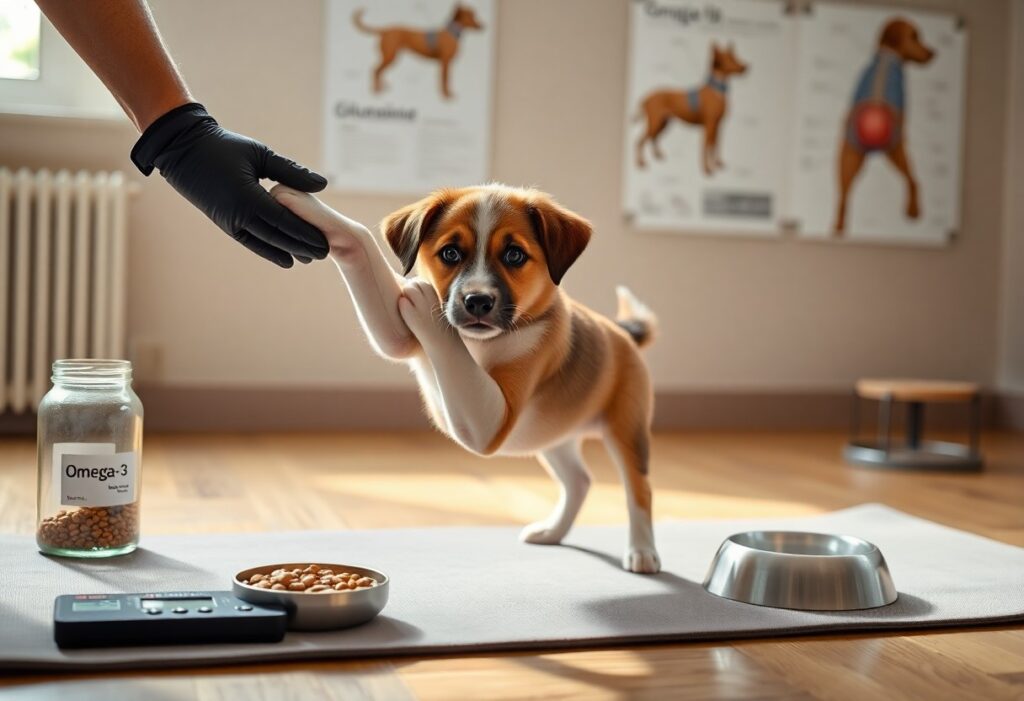
Over the first months you should teach gentle mobility routines that reduce your puppy’s risk of hip dysplasia and build balanced muscles; you can use controlled stretches, supervised low-impact play, and targeted strengthening to protect developing joints.
The Pathophysiology of Canine Hip Dysplasia
Pathophysiology shows how poor femoral head-acetabulum congruity in growing puppies produces joint laxity, subluxation and cartilage wear that progresses to osteoarthritis; you must monitor for early laxity and pain to reduce lifelong disability.
Genetic Predisposition and Skeletal Development
Genetics determine acetabular depth and femoral head shape, increasing risk in certain breeds; you should control growth rate, nutrition and early exercise. Check pedigrees and avoid breeding dogs with severe dysplasia.
Identifying Early Clinical Signs of Joint Laxity
Early signs include subtle hindlimb stiffness, reluctance to jump, uneven gait and occasional “bunny hop”; you should report progressive lameness or reduced activity to your vet for assessment, including Ortolani testing.
Palpation and gait observation help detect laxity: your vet may perform an Ortolani test to feel a detectable clunk indicating instability. You should also note asymmetric thigh muscle loss, shortened stride or pain on manipulation; early physical therapy and controlled exercise can slow progression and improve function.
Nutritional Foundations for Joint Integrity
Diet affects puppy joints: you must control calories to prevent rapid growth and overfeeding that increases hip dysplasia risk, while providing balanced protein and appropriate calcium for steady development.
Managing Growth Rates Through Caloric Control
Caloric management keeps growth steady; you should follow breed-specific feeding guidelines, monitor weight weekly, and avoid high-calorie adult formulas to reduce excessive growth that strains developing hips.
Essential Micro-nutrients for Cartilage Support
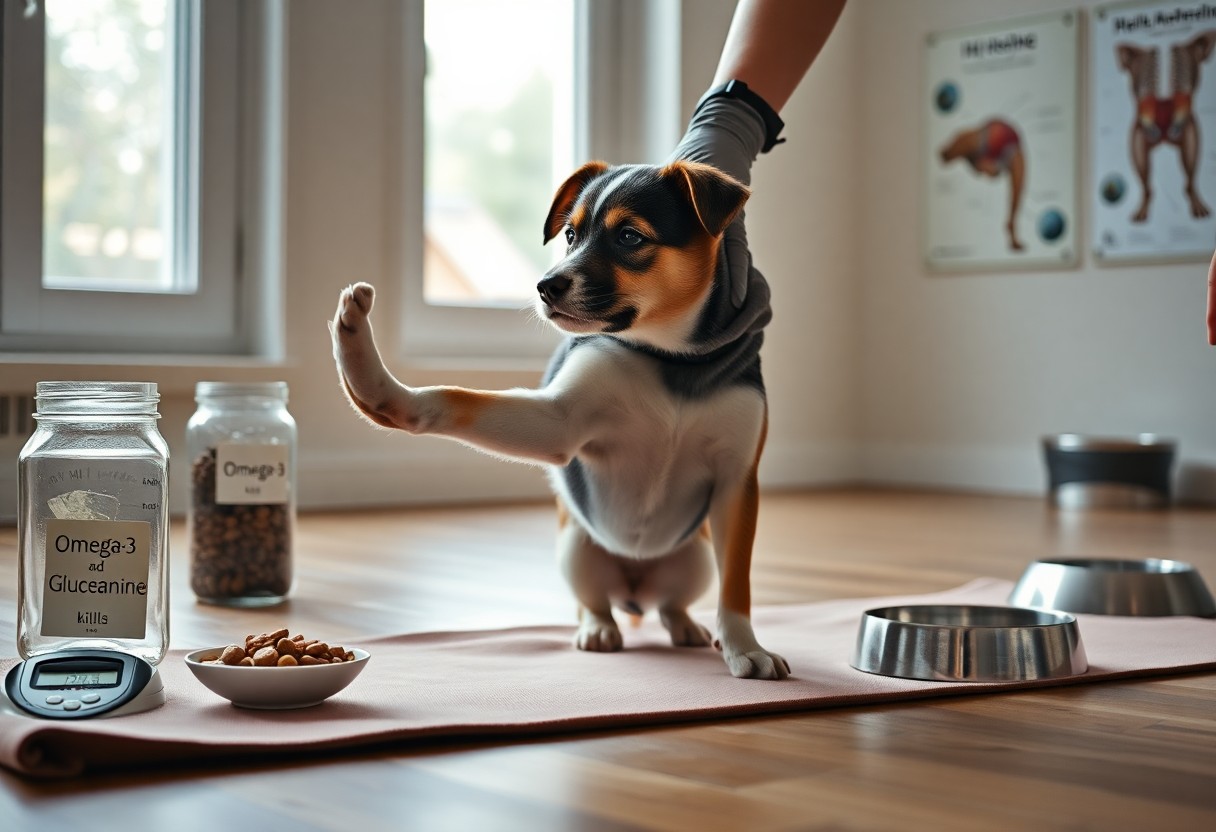
Micronutrients such as omega-3 fatty acids, glucosamine, chondroitin, vitamin D and properly balanced calcium support cartilage; you should choose formulations backed by veterinary guidance.
Supplementation can fill dietary gaps: you should seek products that specify EPA/DHA content (omega-3s reduce joint inflammation) and offer therapeutic glucosamine/chondroitin levels. Trace elements-zinc, copper, manganese-and vitamin C support collagen synthesis. Monitor calcium and vitamin D carefully because excessive intake can damage growth plates; consult your veterinarian before adding supplements.
Low-Impact Aerobic Conditioning
Low-impact aerobic work helps you build endurance without stressing developing joints; short sessions of gentle trotting and play reduce risk of hip dysplasia while improving movement patterns. Monitor for fatigue and avoid overexertion to prevent injury.
Controlled Leash Walking for Muscle Symmetry
Walking on a controlled leash teaches you to balance stride and promotes muscle symmetry; use short, frequent sessions and alternate speeds, watching for any limp or reluctance that signals strain.
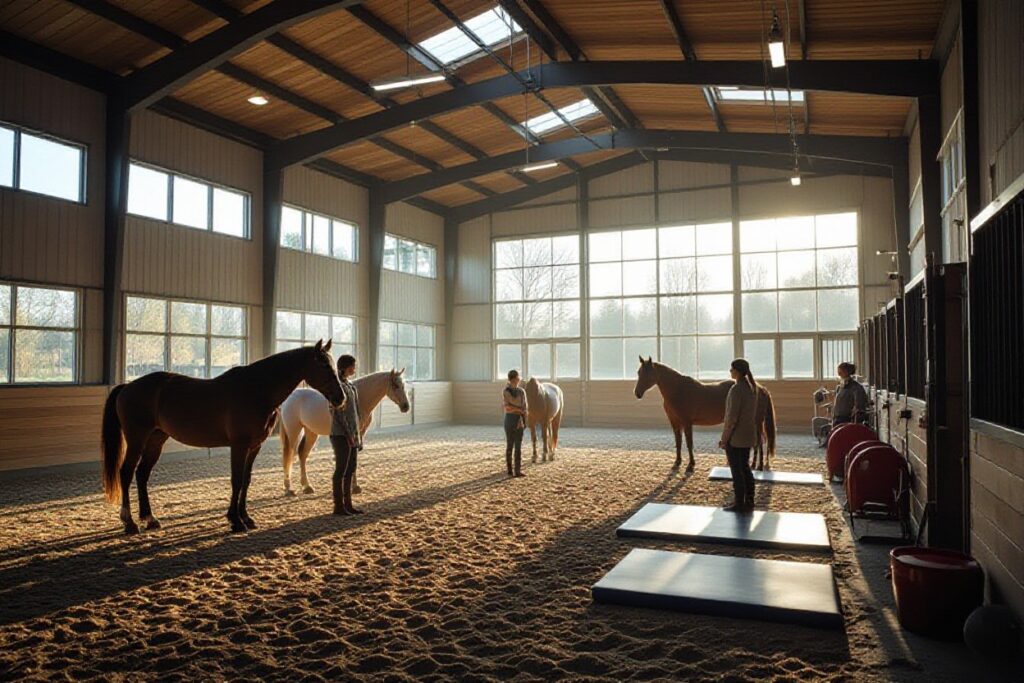
Benefits of Hydrotherapy and Resistance Swimming
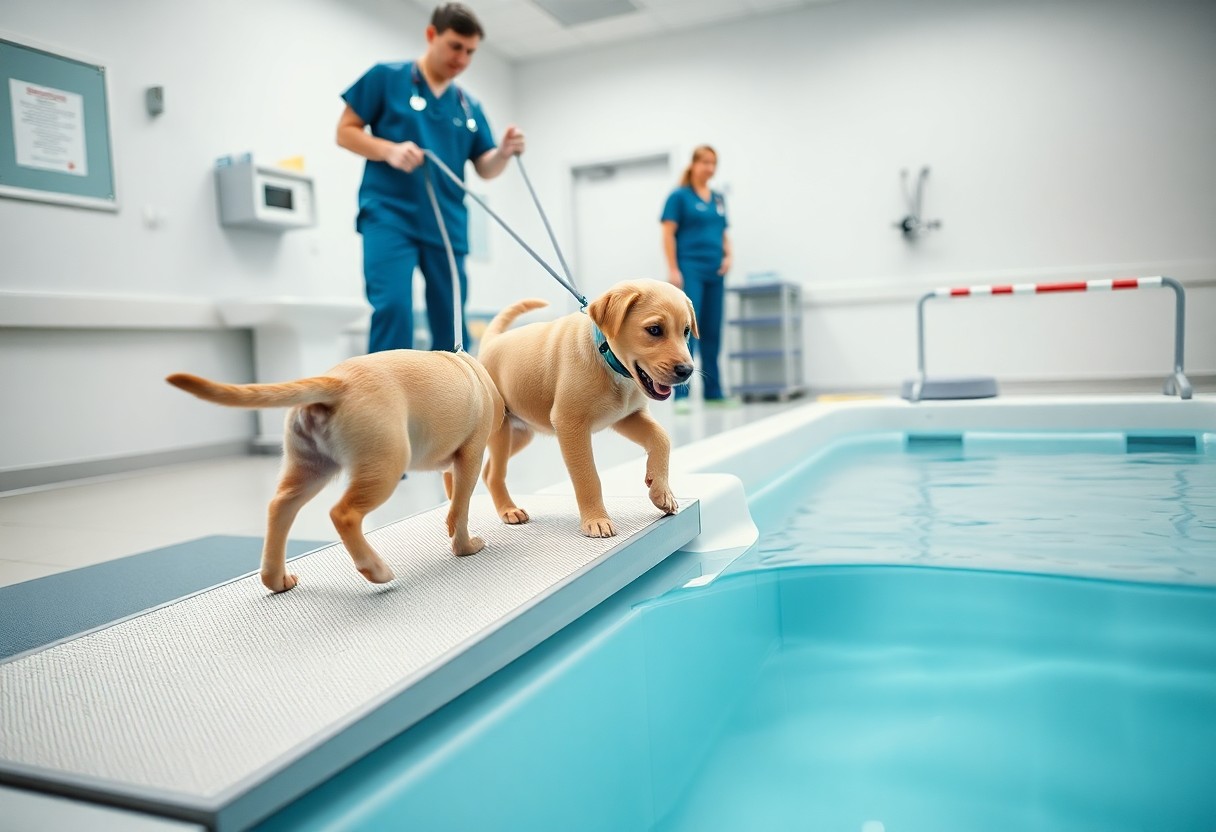
Hydrotherapy and resistance swimming let you strengthen muscles while minimizing joint stress, offering buoyant support and progressive resistance that helps prevent early hip problems.
Sessions should begin with short durations, gradually increasing time and resistance; you must consult your vet to set a safe progression and watch for signs of fatigue or pain. Hydrotherapy helps you build pelvic muscle tone and stride control, reducing abnormal joint loading tied to hip dysplasia, while careful supervision prevents overuse injuries.
Targeted Proprioception and Balance Drills
Targeted proprioception drills help you refine your puppy’s balance and joint awareness, promoting core control and reducing long-term hip strain when done safely.
Utilizing Balance Pads for Core Stabilization
Using balance pads for short, supervised sessions challenges your puppy to steady weight distribution while building deep core muscles; watch for fatigue to avoid overload or joint irritation.
Cavaletti Rails for Improved Gait Awareness
Placing low cavaletti rails encourages you to guide controlled stepping patterns, improving paw placement and stride symmetry while avoiding repetitive high-impact work that stresses developing hips.
Progression should be slow: you should raise rails only when your puppy shows consistent, confident stepping; keep sessions short, avoid sharp turns, and stop if you see limping-persistent lameness requires veterinary assessment.
Functional Strength Training for Pelvic Support
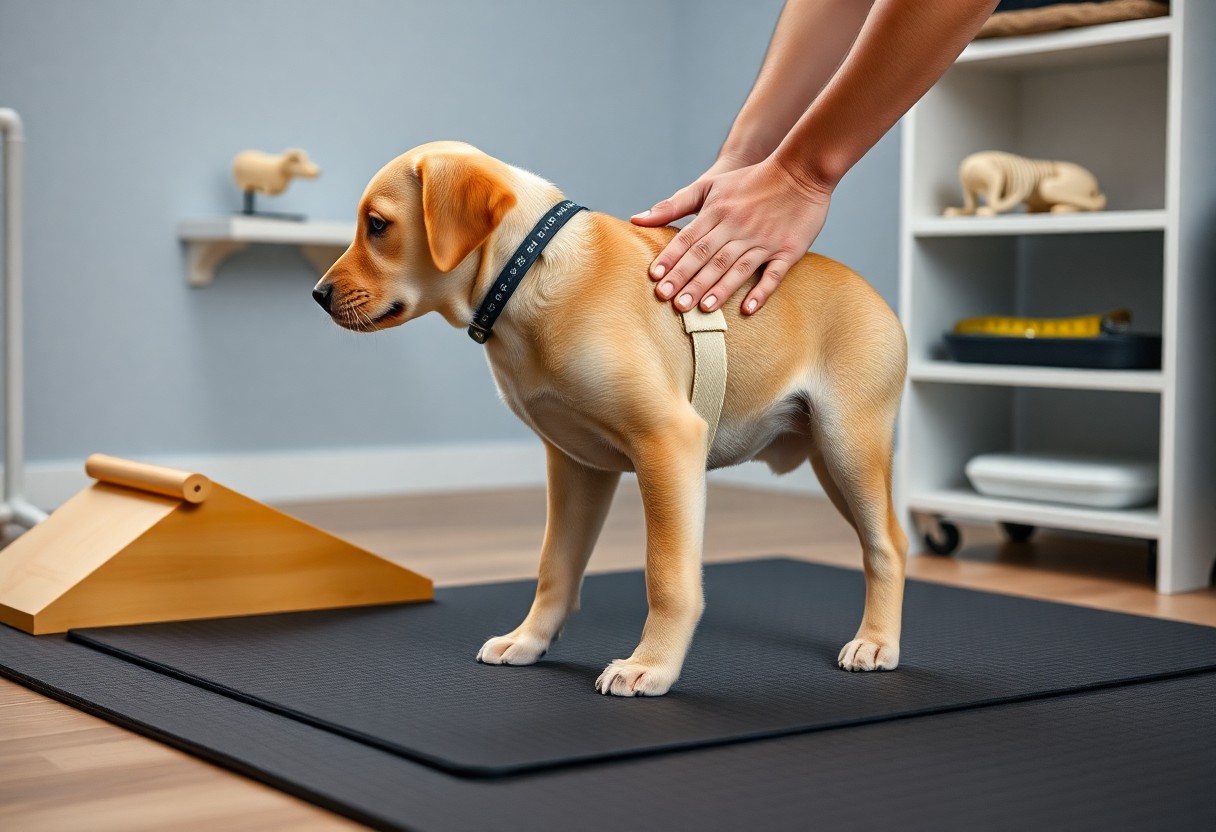
You should add low-load exercises that strengthen pelvic muscles, improving joint alignment and helping to reduce hip dysplasia risk. Keep sessions short, positive, and supervised while you avoid high-impact play that stresses growing hips.
Sit-to-Stand Transitions for Gluteal Engagement
Practice controlled sit-to-stand repetitions to activate gluteal muscles, using a low platform and short sets. Keep reps few and pace steady so you prevent strain, watching for any limp or discomfort.
Controlled Incline Navigation for Posterior Strength
Use gentle inclines to challenge posterior muscles; start with shallow slopes and short, slow sessions. Provide leash support and stop if you see stumbling or pain; avoid steep or slippery surfaces.
Start on a soft, non-slip surface with slopes under about 10 degrees; keep sessions to 3-5 minutes, several short runs per day to build endurance without overloading growth plates. Support the leash so you can cue steady pacing and increase intensity slowly across weeks. Monitor gait every session and stop if you see limping or signs of pain; consult your vet before progressing if there are any early hip concerns.
Safety Protocols and Environmental Management
Household modifications reduce injury risk: you should supervise play, limit uncontrolled jumping, block stairs, and remove slippery rugs. Provide gated rest areas and low-impact activities to prevent repetitive hip strain.
Avoiding High-Impact Repetitive Strain
You can limit high-impact sessions by replacing sprints and rough play with short, guided exercises; schedule rest between repetitions and watch for limping or stiffness. Pause activity at any sign of strain.
Optimizing Home Flooring for Traction
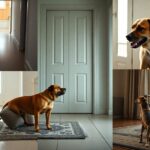
Cover floors with non-slip mats, runners, or low-pile rugs to give secure footing; avoid polished tile and bare hardwood in play areas. Position rugs at entryways and steps to reduce slips and falls.
Choose surfaces such as rubber-backed rugs, textured vinyl, or EVA foam tiles in play and exercise zones; these materials offer grip and cushion to reduce joint impact. Add stair treads and secure rug edges with tape to prevent tripping. Clean spills promptly, keep nails trimmed, and inspect mats for wear-replace anything that becomes smooth to avoid slippery hazards.
Final Words
Following this, you should perform gentle, age-appropriate mobility exercises, consult your veterinarian for tailored routines, and monitor growth to reduce hip dysplasia risk; consistent low-impact activity and proper weight control support healthy joint development.
FAQ
Q: What specific mobility exercises can help prevent hip dysplasia in puppies?
A: Gentle controlled leash walks: start with 5-10 minutes two to three times daily on flat surfaces to build muscle without overload. Sit-to-stand repetitions: five to ten slow, controlled reps per session to strengthen hindquarters; perform two short sessions daily. Low-level cavaletti or pole steps: place 2-3 low poles about 20-30 cm apart to encourage step height and hip range; keep pole height minimal for young puppies. Passive range-of-motion (PROM): gentle hip flexion and extension plus mild internal/external rotation for 5-10 repetitions once daily, performed only after instruction from your veterinarian or a certified canine rehabilitation therapist. Balance work: short bouts on a low wobble board or soft cushion for 30-60 seconds to improve proprioception; repeat two to three times per session. Swimming or underwater treadmill: low-impact cardiovascular sessions that strengthen hip musculature when used under professional supervision and after vaccinations are current. Avoid repeated jumping, stair-climbing, and hard-surface high-impact sprints until the puppy’s growth plates have closed.
Q: When should I start these exercises and how should I progress intensity as my puppy grows?
A: Begin very gentle PROM and supervised balance handling as early as 6-8 weeks with veterinary approval. Start short, controlled leash walks after vaccinations are current, commonly around 10-12 weeks, keeping initial walks to 5-10 minutes. Increase walk duration slowly, adding about 5 minutes every 2-4 weeks based on the puppy’s energy and recovery. Introduce sit-to-stand and low-level cavaletti at roughly 3-4 months, increasing reps gradually as strength improves. Delay higher-intensity work and any repetitive jumping until around 12-18 months for large and giant breeds and until growth plates close for smaller breeds. Schedule multiple brief sessions daily (for example, 2-3 sessions of 5-10 minutes) rather than one long session, and stop any activity if the puppy shows fatigue, soreness, or reluctance to continue.
Q: What signs mean I should stop exercises and consult a veterinarian, and how should routines be adapted for high-risk breeds?
A: Limping, bunny-hopping gait, reluctance to rise or climb, pain when hips are handled, audible yelps during movement, persistent stiffness after exercise, and visible muscle wasting on the hindquarters are signs to stop all exercise and contact your veterinarian. Acute changes or worsening within 24-48 hours warrant prompt assessment and possible imaging. For breeds at higher genetic risk of hip dysplasia, reduce impact by eliminating stairs and jumping, prioritize low-impact activities like swimming and underwater treadmill work under supervision, maintain strict weight control to avoid excess joint load, use a harness instead of a collar for leash work, and arrange periodic evaluations with a veterinarian or certified canine rehabilitation therapist. Discuss joint-support supplements and early screening options with your veterinarian before starting any supplement regimen.