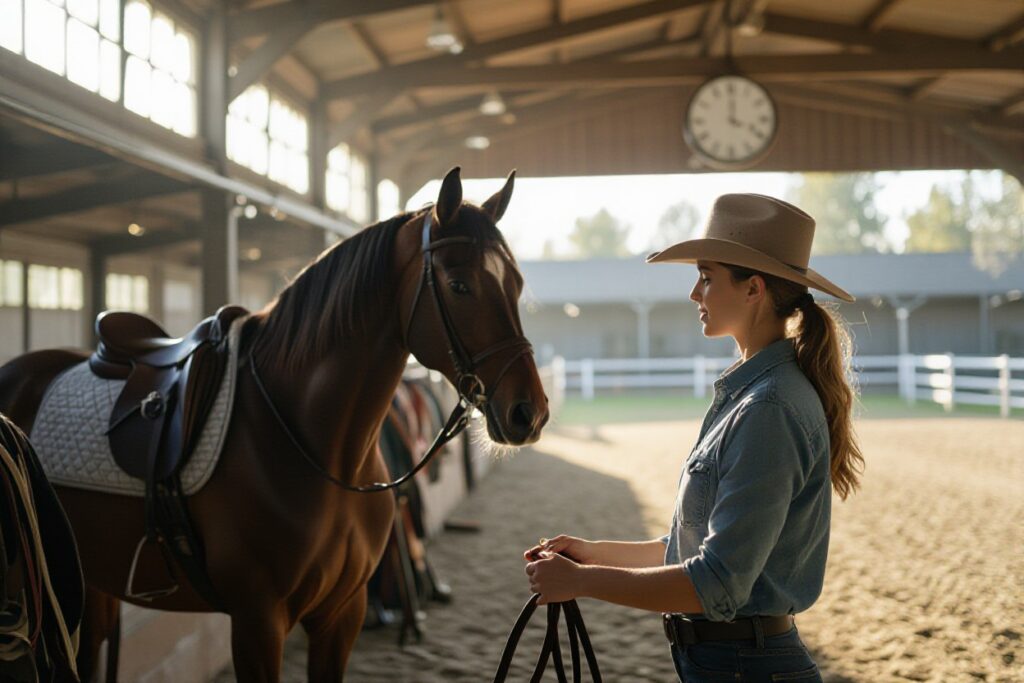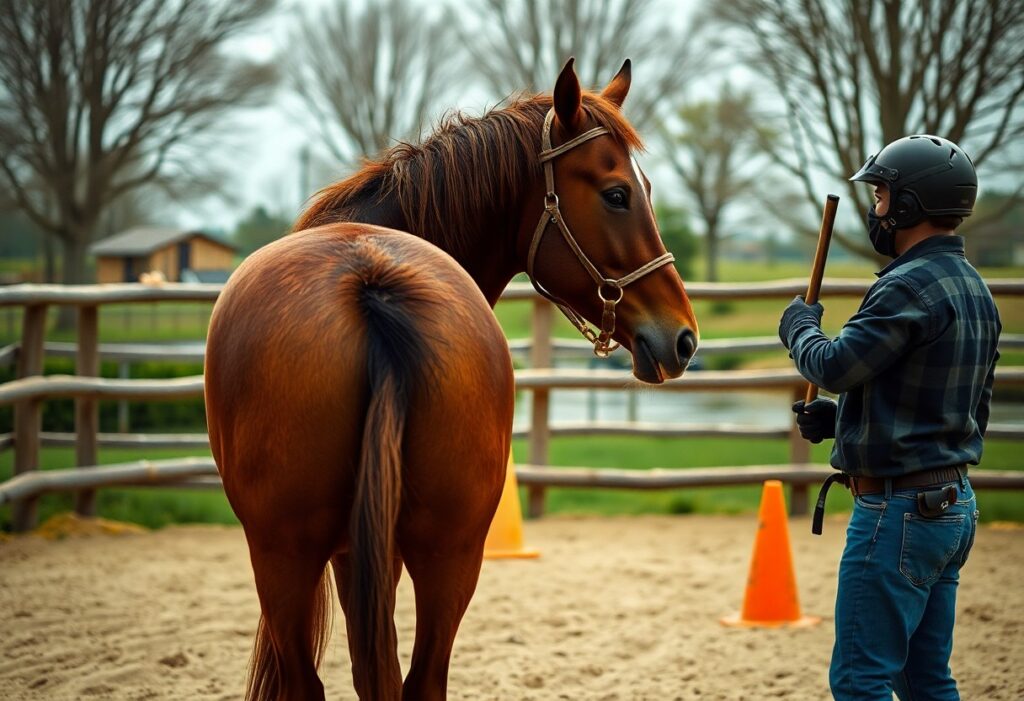
Trust calm consistency: you build safety with steady signals, clear boundaries, and patient handling while monitoring flight reactions and rewarding small wins to create reliable trust from day one.
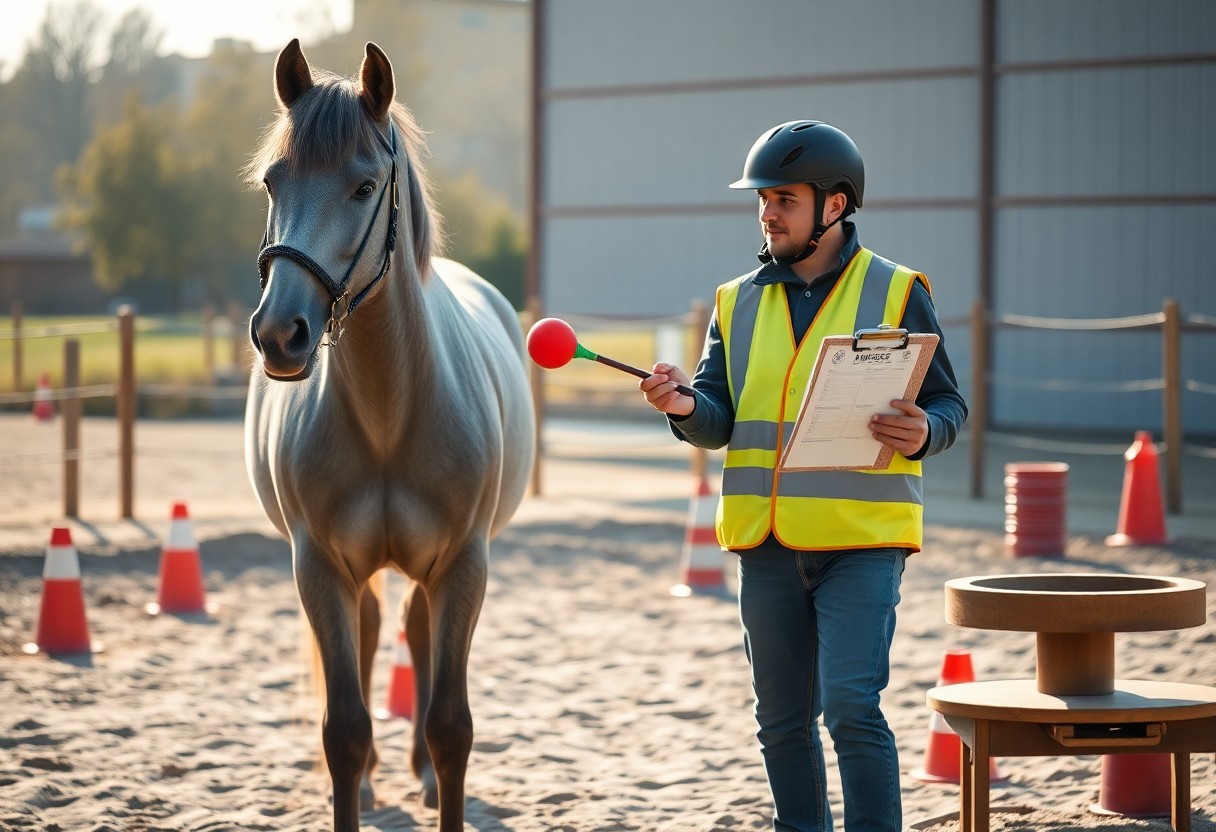
Understanding the Trauma-Informed Approach
You should prioritize gentle, predictable routines that reduce reactivity and help a rescue horse feel safe; use clear signals, short sessions, and reward calm choices so you build trust from day one.
Recognizing Fear-Based Body Language
Observe tense jaw, pinned ears, and visible sclera as danger signals; when you spot a tucked tail, raised head, or rapid breathing, pause and reduce intensity to prevent escalation and avoid startling the horse.
The Science of the Flight Response in Rescue Horses
Understand that an adrenaline surge spikes heart rate and primes muscles for escape; when you encounter a triggered horse, you slow stimuli, keep space, and use calm signals so you lower injury risk and reduce repeated flight reactions.
Adrenaline floods a rescue horse within seconds, activating the sympathetic nervous system and releasing epinephrine and cortisol, which increase heart rate, sharpen senses, and prime muscles for flight; if you force movement during this state you raise injury risk and reinforce fear. Use slow, predictable exercises, clear stopping cues, and brief controlled exposures so you strengthen calm responses and the horse learns that predictability equals safety.
Establishing a Foundation of Safety
You build safety by moving deliberately, keeping your voice low, and removing sudden stimuli so a rescue horse learns to trust your presence. Use consistent routines, watch for warning signals like pinned ears or tense flanks, and respond with calm, predictable actions.
Choosing the Ideal Training Environment
Select a quiet, familiar space with firm footing and minimal distractions; check corners and fencing for hazards and keep exits clear so the horse never feels trapped.
Defining Personal Space and Boundaries
Respect a nervous horse’s distance: approach slowly, offer a hand, and retreat if they withdraw; use pressure-and-release to teach clear boundaries and reduce the risk of sudden reactions.
When you set boundaries, begin at the horse’s shoulder and work outward, noting the exact distance that makes them tense versus relaxed. Use steady, light pressure with immediate release when the horse yields; reward calm responses so you reinforce trust. If the horse pushes into your space, step back firmly and reset the boundary rather than grabbing or punishing, since those actions increase the chance of a bolt or kick. Keep sessions short, consistent, and predictable so you build lasting confidence.
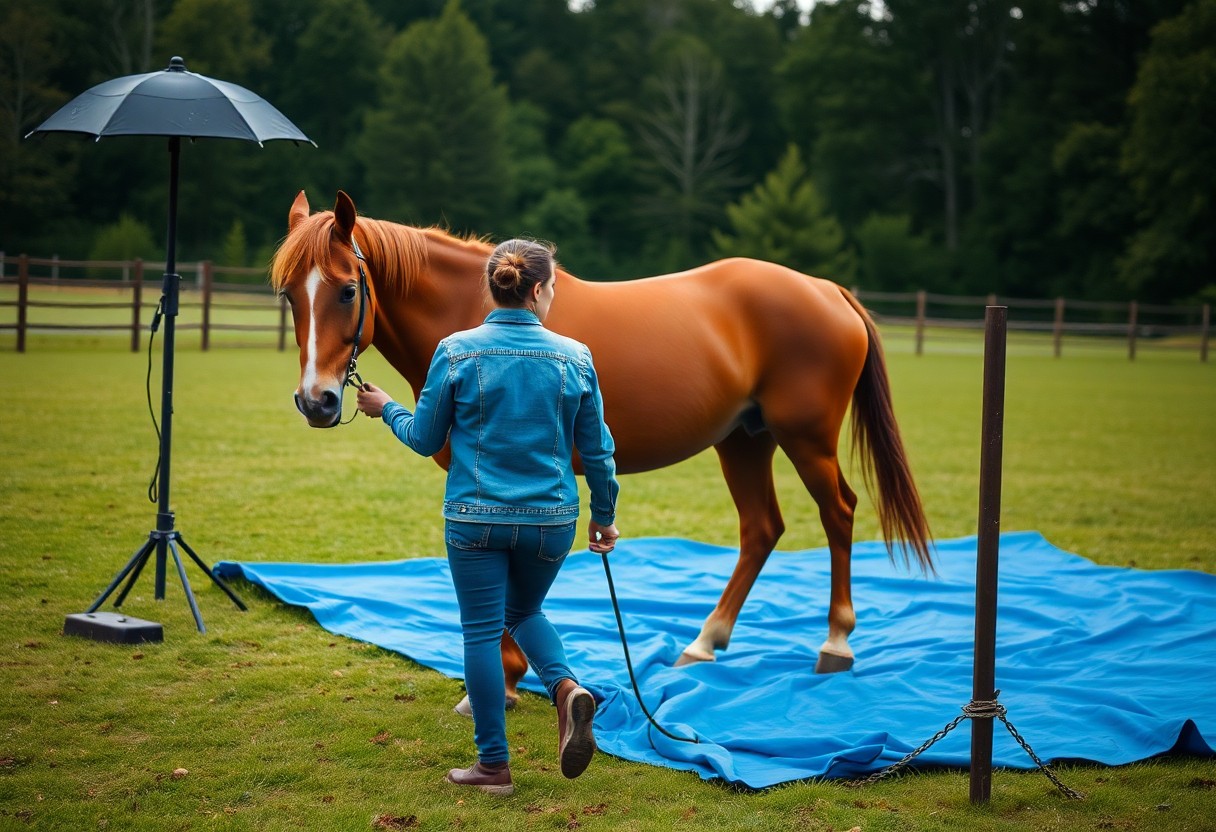
Passive Bonding and Desensitization
Passive presence lets you build trust without pressure; staying still, breathing softly and avoiding sudden movements gives a nervous rescue horse permission to approach. Watch for subtle stress signals and remove triggers to prevent escalation. Prioritize consistent calm and patience.
The Power of Undemanding Time
Spend undemanding time nearby without asking for interaction; letting the horse choose closeness builds voluntary trust. Keep sessions short, quiet, and free of pressure to avoid triggering flight; slow choice-based contact yields stronger bonds than forced handling.
Introduction to Gentle Touch and Grooming Tools
Use soft brushes and slow, tentative strokes to teach the horse that touch is safe; begin on neutral areas and watch body language. Avoid sensitive spots until the animal trusts proximity and stop if you see pinned ears, tense lips, or rapid breathing.
Grooming tools let you communicate safety through consistent pressure and rhythm, teaching a nervous rescue horse to accept handling. Start with a soft brush and brief strokes on the shoulder and neck, then offer the horse the tool to sniff before use. Increase duration only after you see relaxation cues such as lowered head and soft eyes. Keep halter and handler placement safe, maintain an unobstructed escape path, and stop at the first sign of flight or agitation to avoid injury.
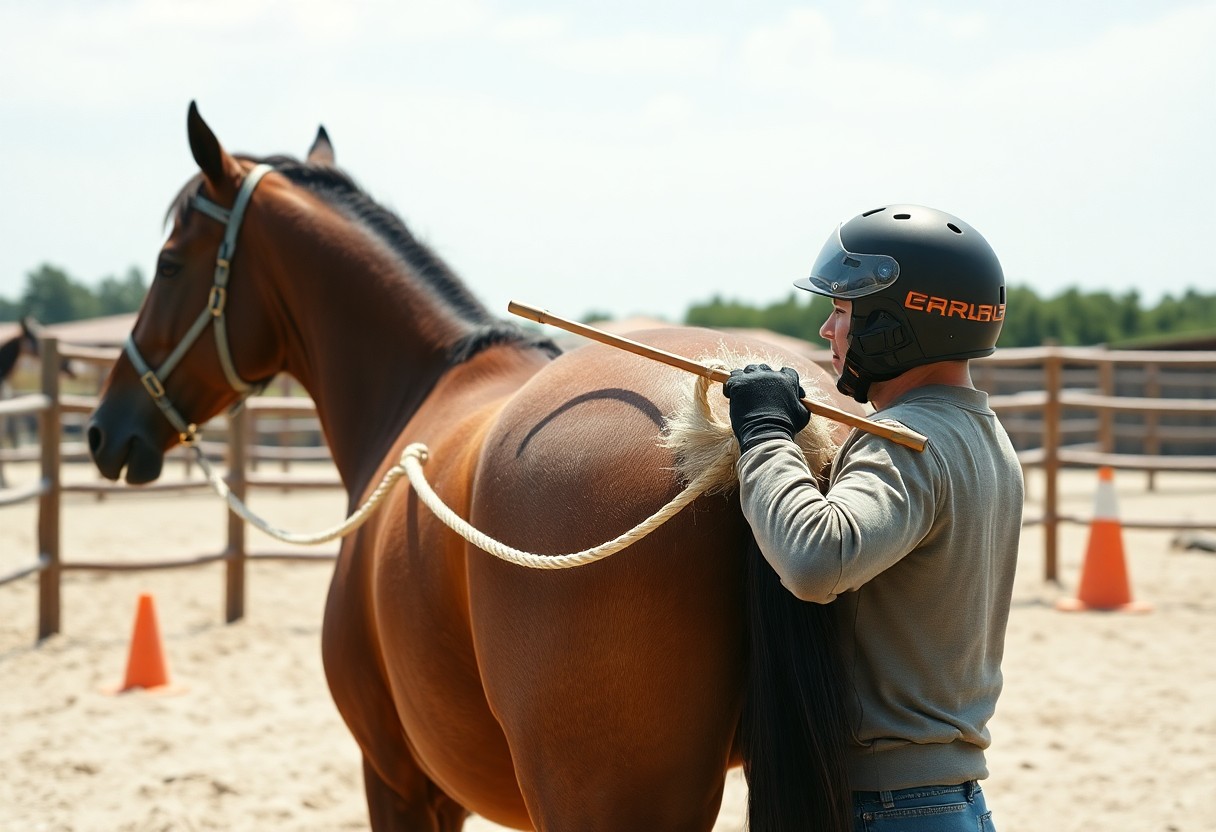
Core Groundwork: Yielding to Pressure
Practice pressure-release exercises so you teach your horse to step away from contact; apply steady, light pressure, release the instant the horse yields, and avoid chasing the response to keep interactions safe and predictable for both of you.
Hindquarter Disengagement for Emotional Control
Hindquarters disengagement teaches your horse to step its haunches away and lower arousal; apply light pressure at the hip, release for a calm step, and stop if the horse pins ears or threatens to kick-those are danger signals you must respect.
Backing Up to Build Respect and Focus
Backing asks your horse to move away from pressure, sharpening respect and focus; keep steps short, reward straightness, use firm, quiet cues, and stop at any sign of rushing or bolting-those are immediate safety concerns.
Extend your backing sessions in short, consistent repetitions, pairing release with correct steps; vary angles, add slight turns to prevent anticipation, and never allow hurried retreat-reward calm, balanced movement to rebuild trust and precision.
Confidence Building Through Movement
You use steady, short movement exercises to teach predictability, offering clear pressure release and calm rewards so your nervous rescue horse learns safety without becoming overwhelmed; watch for subtle flight signs.
The Approach and Retreat Methodology
Start by stepping toward then away, letting your horse choose comfort; reward calm posture and give immediate pressure release so you teach that retreat equals safety and reduce anxiety responses.
Navigating Low-Stress Obstacles
Offer low, familiar items slowly and let your horse inspect; keep pressure minimal, reward each forward step, and avoid sudden pulls to prevent panic.
Practice short, consistent obstacle sessions where you present one element at a time, monitor ear and eye movement, and halt if the horse shows tightening or flight; reward approach with calm pats or treats and repeat until your horse shows relaxed chewing or lower head carriage as signs of progress.
Refining Communication and Softness
Practice consistent, calm cues that encourage softness and clear communication, letting you reward small yields and avoid forcing reactions that trigger a flight response.
Establishing Rhythmic Leading Patterns
Set a steady tempo when you lead, using rhythm to reassure a nervous horse and to teach predictable responses while watching for any sudden panic signs.
Developing Lateral Flexion from the Ground
Guide gentle, incremental askings for lateral flexion so you can cultivate side-to-side softness, rewarding even a degree of bend and monitoring for stiff resistance.
Begin from a safe angle at the shoulder, asking for a slight nose bend with gentle, consistent pressure and releasing at the first yield; use small steps to ask again laterally and encourage a forehand step while avoiding any pull that provokes kicking or bolting. You will build a more confident, supple partner through brief, calm repetitions.
Summing up
Summing up, you build trust with nervous rescue horses by using calm groundwork, clear cues, short sessions, gradual exposure, and consistent rewards; consistency and patience reshape responses and let you establish safety from day one.
FAQ
Q: How should I approach a nervous rescue horse on day one?
A: Approach with a calm, steady posture and a low, quiet voice. Assess the horse’s body language-ears, tail, neck, weight distribution-and give wide space if signs of panic appear. Offer the halter only when the horse shows curiosity or stands quietly and let the horse approach you rather than forcing contact. Allow sniffing of your fingers before touching the head and use slow, predictable movements; avoid reaching suddenly over the neck. Wear sensible footwear, keep a clear escape route, and use a flat, well-fitted halter and a long lead for control. End the first session while the horse is still curious or calm to build a positive association.
Q: What specific groundwork exercises work best to build trust in the first week?
A: Start with short 5-10 minute sessions focused on contact, pressure-release, and gentle desensitization. Key exercises: 1) Halter acceptance-offer the halter, apply light pressure, then release when the horse relaxes; repeat until the horse stands quietly. 2) Leading with pauses-apply gentle forward pressure on the lead, wait for a step, then release immediately and praise or scratch. 3) Yielding hindquarters and forequarters-apply light body pressure and move the horse off that pressure in small steps. 4) Targeting-encourage the horse to touch a target (hand or stick) and reward the touch to teach voluntary approach. 5) Controlled desensitization-present one novel object at a time (towel, plastic bag on a pole, ground poles) at a safe distance, allowing inspection and retreat to reduce reactive fear. Keep sessions predictable, finish on a small success, and raise difficulty in small increments.
Q: How will I know the horse is ready to progress, and when should I call a professional?
A: Look for signs of relaxation such as a lowered head, soft eyes, licking and chewing, slower breathing, and voluntary approach. Progress by lengthening leading patterns, adding light neck pressure, introducing novel objects at closer distances, and short lunging sessions once the horse returns to calm within minutes after a challenge. Pause or step back if the horse freezes, pins ears, repeatedly bolts, or shows intense avoidance; return to simpler tasks that the horse can succeed at. Consult an experienced trainer or veterinarian if progress stalls, fear responses worsen, or the horse shows pain-related behaviors. Keep a brief record of session duration, exercises, and reactions to guide steady adjustments to the plan.