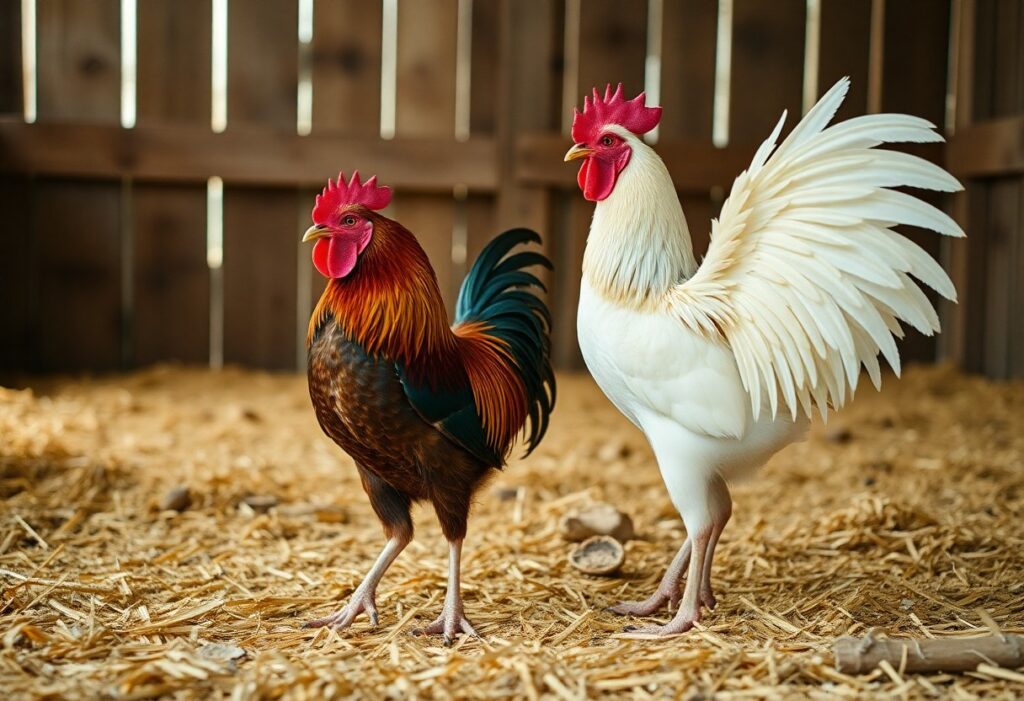
Communication cues like the side-step indicating challenge or dominance and the wing flick warning of imminent pecking help you assess risk; the wing flick can also signal courtship, letting you respond safely and confidently.
The Biological Basis of Gallus gallus Communication
Neurobiology shows you how sensory wiring and hormones shape rooster gestures, linking brain circuits to the aggression, fear and courtship signals you observe.
Hierarchical social structures and the pecking order
Hierarchy forces you to read side-steps and wing-flicks as ranked signals, where dominance asserts access to resources and misreading them can cause injury or persistent subordination.
The evolution of non-verbal avian signaling
Signals show you how simple movements became graded tools of communication, shaped by selection for clarity and survival, especially under predation pressure.
Comparative studies reveal that wing flicks and side-steps evolved from simple threat displays into nuanced signals you must interpret by context and timing. Selective pressures favored gestures that reduced costly fights, so a clear wing-flick often signals de-escalation while a pronounced side-step predicts imminent aggression. Understanding these patterns helps you anticipate both danger and affiliative intent.
Deconstructing the Side-Step Maneuver
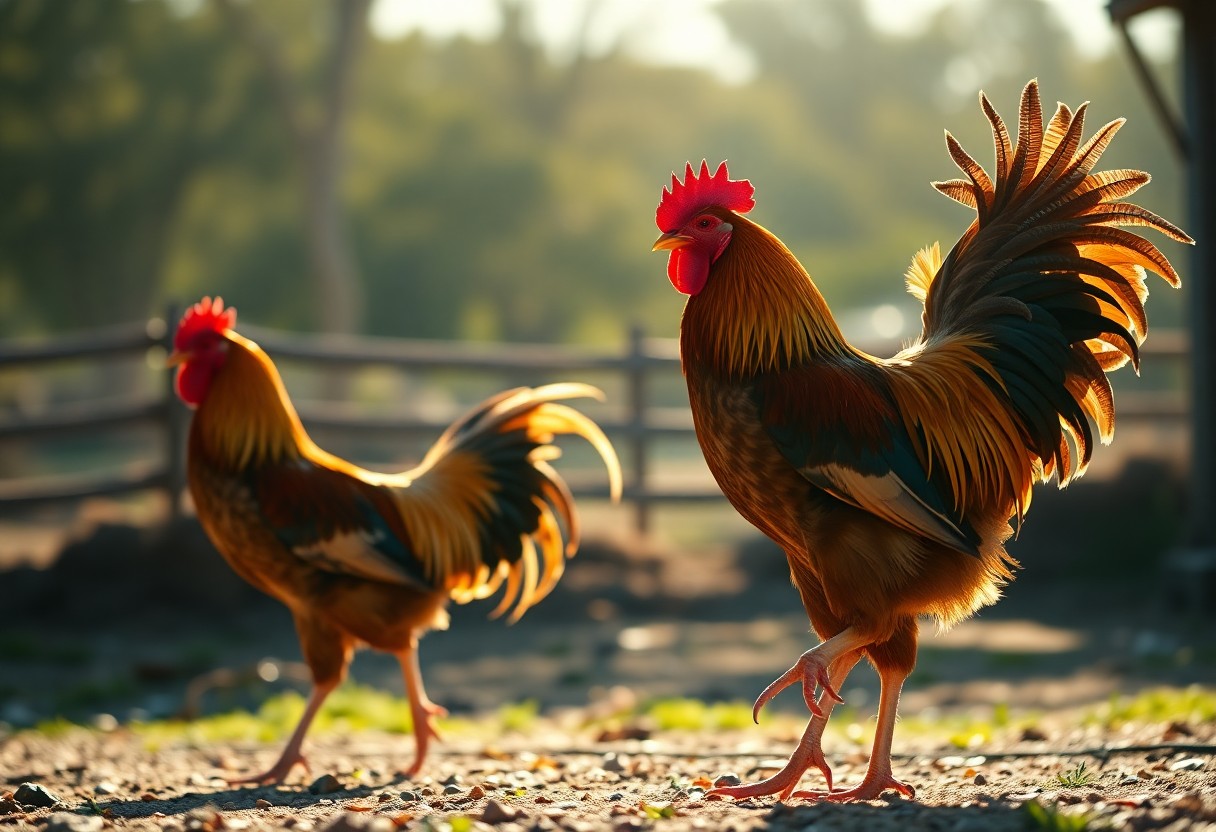
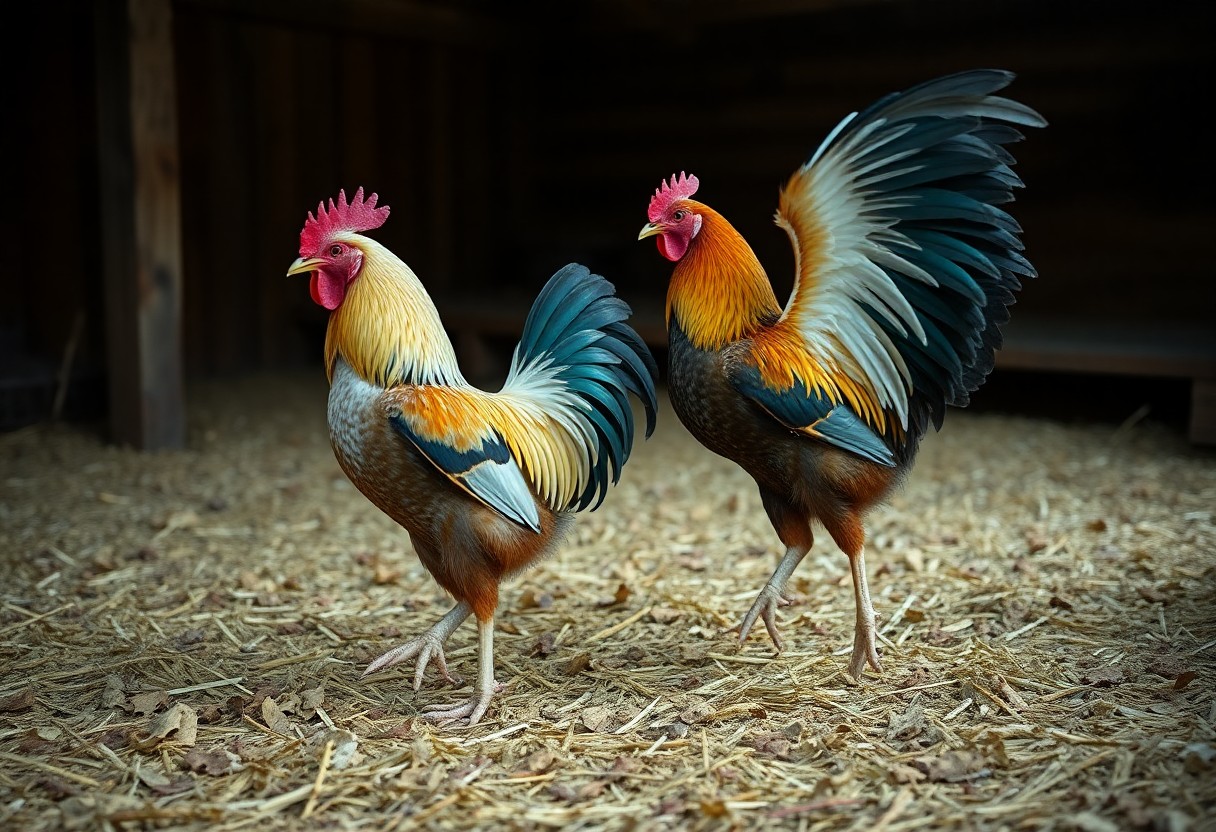
Observe the side-step: you watch the rooster shift weight laterally to test spacing, often signaling intent to challenge or avoid. If movement is quick toward you with raised tail, treat as aggressive escalation; if soft and angled away, it’s a de-escalation cue you can use to give space.
Lateral movement patterns and spatial positioning
Track lateral steps to read intent: you note direction, speed and distance; a steady drift toward another bird often predicts a fight, while measured sidesteps create safe buffer zones and reduce tension.
The role of head orientation and eye contact
Watch head turns and fixed gaze: you should see direct eye-lock with forward head tilt as a threat signal, whereas averted eyes and angled head usually mean avoidance or confusion, guiding your response.
Analyze micro-adjustments: you read slight head pivots, pupil focus and blink rate to distinguish curiosity from aggression. A steady, unblinking stare aligned with an angled head and forward step signals imminent attack, whereas quick averting glances and soft head pulls indicate conflict avoidance. Use these cues alongside wing and body movement to time safe withdrawals.
Distinguishing Courtship from Territorial Aggression
You can tell courtship by gentle, pulsing motions: soft tidbitting and relaxed side-steps. Aggression shows as stiff wing flicks, sustained wing-dragging, and raised hackles, which you must treat as a real threat to hens and handlers.
The “Tidbitting” dance versus the dominance challenge
Compare soft tidbitting-the rooster offering food, low posture, and coaxing calls-with the dominance challenge, which features erect stance, loud clucks, and rapid wing flicks. You should step in when you see repeated aggressive displays to protect hens.
Wing dragging and the application of spatial pressure
Watch for wing-dragging where the rooster brushes the ground while approaching; that applies spatial pressure to force hens back, often preceding pecking or mounting-an aggressive tactic you must manage promptly.
Observe subtle cues: as the rooster sidles, he extends a wing to brush or half-spread it to reduce escape routes; that spatial pressure is often paired with a pivoting step to herd hens into corners. You should interrupt by creating clear escape space-stand tall, clap, or use a barrier-because prolonged pressure predicts escalation to pecking or forced mounting.
The Wing Flick: A Micro-Expression Analysis
Observe how the wing flick compresses milliseconds of intent into a single motion; you should treat fleeting flicks as high-salience signals of arousal or redirection, not mere grooming.
Rapid-twitch muscle responses and frequency
Muscle micro-fibrils fire so fast you may only catch the flick on slow-motion; you should note frequency spikes often coincide with threat displays and sudden attention shifts.
Distinction from general preening and comfort stretches
Contrast the wing flick’s brevity and ballistic arc with longer preening; you can spot intent by duration, target, and repetition rather than feather care.
Examining subtle cues, you should separate maintenance preening-longer, rhythmical, with reachable feather targets-from wing flicks that are short, unilateral, and often precede movement or aggression. Watch eye focus and body orientation: a flick paired with forward lean signals escalation risk, while flicks during relaxed posture denote simple inelastic muscle release or comfort. Use high-frame video to quantify frequency and lateral bias for reliable interpretation.
Psychological Drivers of High-Intensity Displays
You interpret high-intensity displays as mixed signals of arousal, territorial assertion, and anxiety; the side-step and wing flick frequently foretell escalation or bluffing, so you assess posture, proximity, and vocal tone together to judge whether confrontation is imminent.
Displacement behaviors in high-stress environments
Displacement movements like excessive preening or sudden scratching let you spot redirected stress; they often precede aggressive acts and indicate heightened arousal that can escalate into injury if ignored.
Establishing dominance without physical confrontation
Dominance rituals such as measured lateral advances and controlled wing-flicking allow you to assert rank while reducing the risk of physical harm; watch for firm eye contact and posture shifts as reliable cues.
Observe the sequence and tempo: a single side-step plus a brief wing flick typically signals a bluff, whereas repeated, rapid displays and forward charging posture raise the probability of attack. You should treat slow, intermittent displays as status assertion (a positive sign for flock stability) but respond to sustained threat postures by increasing distance or separating birds to mitigate danger.
Practical Application for Flock Management
Apply focused observation and small environmental tweaks to reduce fights; you should watch roosters’ spacing, remove single high-value feeders, and separate fighters quickly to prevent injury, while rewarding calmer behavior to encourage reduced aggression.
Identifying escalation before physical engagement
Watch body cues like the side-step, prolonged stare, and repeated wing flick – you should step in before charges by creating distance, moving feeding points, or redirecting attention to avoid escalation and potential bloodshed.
Strategies for intervening in inter-rooster conflicts
Intervene early using a solid barrier, loud clap, or gentle herding; you must never place your hands between fighting roosters – instead separate with a board, isolate the aggressor, and check for wounds afterward.
Practice calm, consistent steps: approach with a steady voice to distract, slide a flat board between birds to break contact, move the aggressor to a quiet pen for timed isolation, attend immediately to any bleeding, and rearrange perches or feeders to lower triggers; you should log each incident to identify repeat patterns and effective fixes.
Summing up
Considering all points you should read the side-step as assertive repositioning and the wing flick as a warning or test, so maintain controlled distance and clear dominance signals to avoid fights.
FAQ
Q: What does a rooster’s “side-step” mean and how can I tell if it’s a threat or courtship?
A: The “side-step” is a lateral repositioning signal roosters use to claim space, herd hens, or assess rivals. Slow, rhythmic side-steps paired with soft clucking, relaxed tail carriage, and gentle approaches usually indicate courtship or herding behavior. Fast, staccato side-steps with a lowered head, fixed stare, raised hackles, and shortened distance signal a challenge or imminent attack. Observe supporting cues such as vocal tone (soft tidbitting versus loud, sharp alarm calls), tail and neck posture, and whether the movement repeatedly closes distance; these elements determine whether the behavior is affectionate or aggressive.
Q: What does a “wing flick” communicate and how do I distinguish functions like irritation, balance, or courtship?
A: A “wing flick” is a quick outward snap of one wing that can serve multiple purposes depending on context. Light, occasional flicks while foraging or dust-bathing often clear debris or reset balance and are nonthreatening. Single wing flicks directed at a nearby bird combined with sharp clucks or a tightened stance usually signal irritation or a mild warning. Exaggerated flicks paired with tidbitting, lowered wings, and close approach to hens form part of courtship choreography. Combine wing-flicks with other signals-vocalizations, body angle, tail position, and proximity-to read the intended message accurately.
Q: How should caretakers respond to side-steps and wing flicks to reduce escalation and keep birds safe?
A: Read the whole display rather than acting on a single gesture: posture, sound, and movement together indicate intent. If signs point to aggression (rapid side-steps toward a target, stiff posture, loud warnings), give the rooster space, move calmly out of the line of approach, and use a visual barrier or a brief food distraction to interrupt escalation. For repeated irritation linked to management, examine stocking density, feeder design, and parasite or health issues that raise tension. Build calm handling routines with short, predictable sessions and reward nonaggressive behavior; consult a veterinarian or experienced poultry behaviorist if aggression appears sudden, severe, or accompanied by health changes.