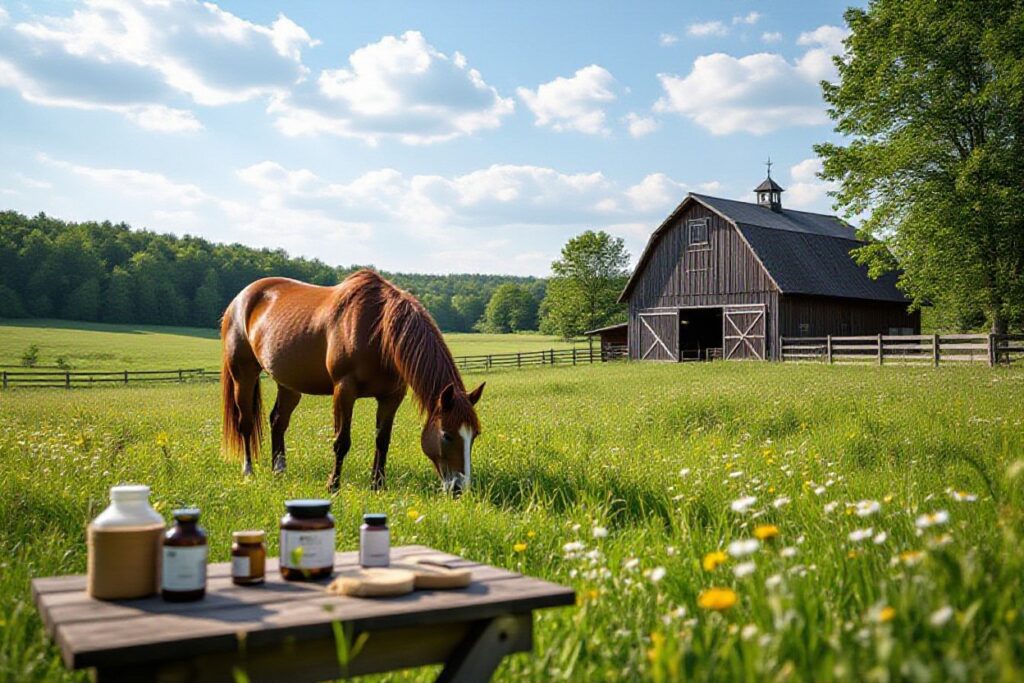
With targeted extracts, you can give your pet Lion’s Mane for cognitive support and Turkey Tail for immune support, but watch for drug interactions or allergic reactions; always discuss dosing and quality with your veterinarian to ensure safety.
The Biological Mechanisms of Functional Fungi
Immune cells interact with Lion’s Mane and Turkey Tail compounds, where beta-glucans and polysaccharides adjust signaling to improve pathogen detection while tempering damaging inflammation, giving you measurable immune support without overstimulation.
Understanding Beta-Glucans and Immune Modulation
Beta-glucans from Turkey Tail bind Dectin-1 and other receptors so you see increased phagocytosis and modulated cytokine responses; overstimulation risks mean you should follow dosing guidance from a veterinarian.
Bioavailability and Digestion in Canines and Felines
Digestion of fungal cell walls is limited in pets, so you should prefer hot-water extracts or enzymatic processing to boost bioavailability and avoid relying on ineffective raw powders.
You should note that mechanical breakdown, heat extraction, and enzymatic treatment free beta-glucans and hericenones, improving absorption in both dogs and cats. Gut microbiota can convert polysaccharides into beneficial metabolites, but raw, whole mushroom powder often yields inconsistent dosing; standardized extracts and veterinary-tested formulations provide more reliable immune effects and lower risk of GI upset.
Lion’s Mane: Cognitive Support and Systemic Resilience
Lion’s Mane supports your pet’s cognition and systemic resilience, promoting NGF-driven nerve repair and gentle anti-inflammatory effects that may reduce age-related decline while aiding immune balance.
Stimulating Nerve Growth Factor (NGF) for Neurological Health
You can support your pet’s neural plasticity as Lion’s Mane encourages NGF synthesis, which may improve learning, memory, and recovery from minor nerve injury when used alongside veterinary guidance.
Strengthening the Gut-Immune Axis
Gut interactions from Lion’s Mane promote beneficial microbes and mucosal health, helping your pet’s gut-immune axis and reducing inflammatory triggers that stress immunity.
Deeper microbial shifts driven by Lion’s Mane’s polysaccharides feed beneficial bacteria, enhance mucosal barrier integrity, and modulate immune cells in ways that can lower inflammatory burden; watch for antibiotic use or immunosuppressive drugs that may blunt these effects and always consult your veterinarian before adding supplements.

Turkey Tail: The Gold Standard for Cellular Defense
Turkey Tail delivers powerful cellular defense for your pet via PSK and PSP, enhancing natural killer cells and macrophage activity; you must watch for potential interactions with chemotherapy or immunosuppressants and consult your veterinarian before adding it.
Polysaccharide-K (PSK) and Polysaccharide Peptide (PSP)
PSK and PSP modulate both innate and adaptive immunity by stimulating NK cells and cytokine balance, giving you documented anticancer and immune-support benefits; check product potency and purity before use.
Supporting Longevity and Healthy Inflammatory Responses
Inflammation control from Turkey Tail supports longevity by reducing chronic immune activation and oxidative stress, so you should monitor for digestive upset and seek veterinary guidance if your pet is on immune or cancer therapies.
Studies show Turkey Tail’s beta-glucans prime macrophages and NK cells while antioxidant compounds lower cellular damage, and you can also gain gut-microbiome support from whole-fruiting-body extracts; you should choose products with third-party testing for heavy metals, pesticides and microbial contamination, start at low doses, and consult your veterinarian if your pet is receiving chemotherapy, immunosuppressants, or has autoimmune disease to avoid adverse interactions.
Synergistic Effects of Combined Mushroom Therapy
Combination therapy with Lion’s Mane and Turkey Tail can modulate your pet’s immunity, offering enhanced pathogen resistance while lowering the risk of immune overactivation. You should monitor dosing and vet guidance to balance benefits and avoid interactions.
Broad-Spectrum Defense Through Multi-Species Integration
Pairing species gives your pet a broad-spectrum defense, as differing beta-glucans and polysaccharides target varied pathogens and immune pathways, reducing overall infection risk.
Antioxidant Capacity and Free Radical Neutralization
Antioxidants from Turkey Tail and Lion’s Mane help your pet neutralize free radicals, lowering oxidative cell damage and supporting healthy immune responses.
Research shows combined mushroom extracts supply varied antioxidants (phenols, polysaccharide complexes) that scavenge reactive oxygen species, which reduces inflammation-driven tissue damage and supports cellular repair. Watch for contraindications with immunosuppressive drugs and consult your veterinarian to tailor dosing and avoid adverse immune interactions.
Sourcing and Quality Standards for Pet Supplements
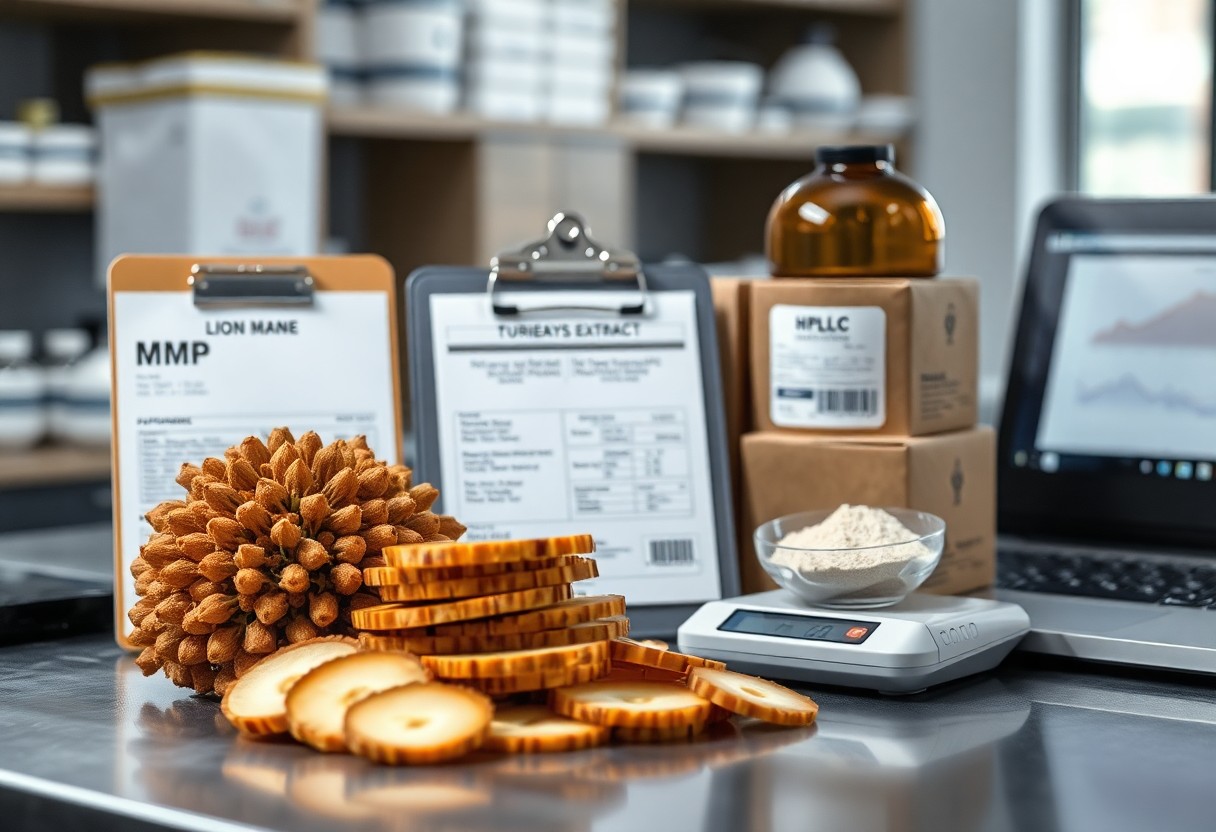
Sourcing high-quality Lion’s Mane and Turkey Tail for pets means choosing products with clear origin, third-party lab testing, and no fillers. You should look for organic certification and batch COAs showing heavy metals and mycotoxins are below safe limits.
Comparing Fruiting Bodies versus Mycelium on Grain
Fruiting bodies contain concentrated compounds and often higher beta-glucans, while mycelium-on-grain can include grain residues and fewer extractable actives; you should favor fruiting-body extracts and verify contaminant testing.
Fruiting Body vs Mycelium on Grain
| Fruiting Body | Mycelium on Grain |
|---|---|
| Higher beta-glucans; better immune support for your pet | Lower extractable actives; may contain host-grain residues |
| Lower contamination when wild/organic; check COA | Higher risk of grain-related contaminants; insist on lab results |
| Well-suited to dual-extraction for full-spectrum compounds | Often used whole on grain; less ideal for full-spectrum extracts |
| Generally preferred for pet immunity formulas | Use cautiously; require clear lab verification |
The Importance of Dual-Extraction and Lab Testing
Dual-extraction yields both water-soluble polysaccharides and alcohol-soluble terpenoids; you should choose products listing extraction ratios and showing COAs that confirm potency and absence of toxins.
You should read the COA to confirm measured beta-glucans or polysaccharide percentages, extraction solvent used, and microbial panels. Check for heavy metals, pesticides, and mycotoxin screens; failing results indicate a product to avoid. Lab reports that list extraction ratios (hot-water:alcohol) tell you whether both polysaccharides and terpenoids are present, and verified COAs support consistent dosing for your pet.
Administration and Dosage Guidelines
Dosage should be tailored to your pet’s size and health; start low and monitor closely. Use standardized extracts: 1-5 mg/kg lion’s mane beta‑glucans and 2-10 mg/kg turkey tail polysaccharides as general ranges, and consult your vet for adjustments; watch for allergic reactions or GI upset.
Calculating Potency Based on Pet Weight and Health Status
Calculate doses from your pet’s weight and condition by multiplying weight by the mg/kg recommendation, then adjust for age or immune status. Choose products listing beta‑glucan or polysaccharide content and avoid exceeding recommended ranges to reduce risk of GI issues or drug interactions; always check with your vet.
Methods for Integration into Daily Nutrition
Mix powdered extracts into wet food, broths, or treats; begin with small amounts and monitor appetite and stool. Use capsule contents if needed and keep dosing consistent; Avoid raw wild mushrooms and untested supplements to reduce contamination and toxicity risk.
Offer trial servings across meal types to identify preferred formats, and warm foods gently-excessive heat can degrade active polysaccharides. Track doses on a calendar and choose products with certified extract potency; for pets on immunosuppressants or chemotherapy, consult your vet because interactions can occur, while consistent, correctly dosed supplements may provide measurable immune support.
To wrap up
Following this, you can use Lion’s Mane and Turkey Tail mushrooms to support your pet’s immune health; Lion’s Mane aids cognitive and nervous system function while Turkey Tail provides polysaccharides that enhance immune response-consult your veterinarian for proper dosing and safety.
FAQ
Q: How do Lion’s Mane and Turkey Tail mushrooms support pet immunity?
A: Lion’s Mane (Hericium erinaceus) and Turkey Tail (Trametes versicolor) contain polysaccharides, primarily beta-glucans, that interact with the innate immune system by modulating macrophage activity, natural killer cell responses, and cytokine signaling. Lion’s Mane also contains hericenones and erinacines, compounds associated with nerve growth factor pathways that can support neurological health and indirectly influence immune resilience via gut-brain and gut-immune axes. Turkey Tail supplies polysaccharopeptides (often labeled PSK or PSP) that have documented immunomodulatory effects in laboratory animals and human adjunctive cancer therapy studies; veterinary data are smaller but suggest complementary immune support. Scientific evidence in pets is promising but limited; clinical outcomes depend on product quality, dose, and the animal’s baseline health.
Q: What is the safest way to choose and give these mushroom supplements to my dog or cat?
A: Choose products that list the scientific species names (Hericium erinaceus, Trametes versicolor), specify use of the fruiting body, and provide standardized extraction information (hot-water and alcohol dual extraction for broad compound capture). Look for third-party testing for heavy metals, pesticides, and microbial contamination, plus a stated polysaccharide or beta-glucan content. Start with a low trial dose and increase gradually over 7-14 days while watching appetite, stool quality, and behavior. Follow label dosing by weight and confirm the plan with your veterinarian before starting, especially for small animals, senior pets, or pets with chronic disease. Common delivery forms include powders (mixed into food), tinctures, and pre-measured chews or capsules formulated for pets.
Q: What risks, drug interactions, and timelines should I expect when using Lion’s Mane or Turkey Tail for immunity?
A: Mild gastrointestinal upset or transient changes in stool consistency are the most common side effects; allergic reactions are uncommon but possible. Discuss use with your veterinarian before giving these mushrooms to animals receiving immunosuppressive drugs, undergoing chemotherapy, or taking anticoagulants, since interactions or counterproductive immune effects cannot be ruled out without professional assessment. Pregnant or lactating animals should only receive mushroom supplements under veterinary guidance. Expect immunological changes to appear gradually; owners often report subtle improvements in energy, infection frequency, or recovery over 4-12 weeks. If adverse signs occur or if you plan surgery, stop the supplement and consult your veterinarian for guidance and any needed baseline bloodwork or monitoring.