Backyard chicken keeping brings joy, but adding a new rooster can quickly turn chaotic if not handled with care. Introducing him too soon or too abruptly may lead to serious injury from aggressive clashes with resident males. Yet, done the right way, your flock can accept the newcomer peacefully and even benefit from his presence in protecting hens and maintaining order.
Key Factors for a Successful Match
Matching the right rooster with your existing hens depends on flock size, available space, and the newcomer’s temperament. A balanced ratio of one rooster for every eight to ten hens helps prevent over-mating and stress. After introducing a calm, well-socialized bird to a spacious, familiar environment, integration typically progresses smoothly.
Assessing your flock size and space
Your current flock’s size and coop layout directly impact how well a new rooster will settle in. Overcrowding increases stress and aggression, making acceptance harder. Ensure you have enough room for the rooster to move freely without cornering hens. After confirming your setup supports natural behaviors, the transition becomes far more manageable.
Evaluating the new rooster’s temperament
Observe how the rooster behaves around other chickens before bringing him home. A calm, curious bird is more likely to integrate peacefully than one showing aggression or fear. Watch for signs like relaxed posture and steady eye contact. After confirming a balanced demeanor, you’ll have a better chance of smooth integration.
Spending time with the rooster in a neutral setting reveals how he responds to movement, noise, and proximity to hens. Birds raised in mixed flocks often adapt faster because they understand social cues. One backyard keeper in Oregon reported that her new Barred Rock rooster followed the hens like a shadow during quarantine, a sign of curiosity without threat. After observing similar non-dominant behaviors, you can feel more confident about the next step.
How to Set Up a Secure Quarantine
Protecting your flock from potential illness
Every new rooster might carry hidden infections he shows no signs of, so isolating him keeps your current birds safe. Keep him at least 30 feet away from others, with no shared tools or waterers. This distance prevents airborne germs from spreading, especially from respiratory issues common in poultry.
Creating a comfortable temporary home
A spare dog crate or small shed can become a cozy quarantine space with bedding, food, and fresh water. Ensure he has shade and shelter from rain or wind, just like your main flock. A calm, quiet corner of your yard helps reduce his stress during this adjustment.
One mid-sized SaaS firm found success using a repurposed rabbit hutch with a tarp cover for weather protection. Add a low perch if possible, since roosting off the ground supports better breathing and comfort. He’ll stay healthier and more relaxed, making future integration smoother when the time comes.
The “Look but Don’t Touch” Method
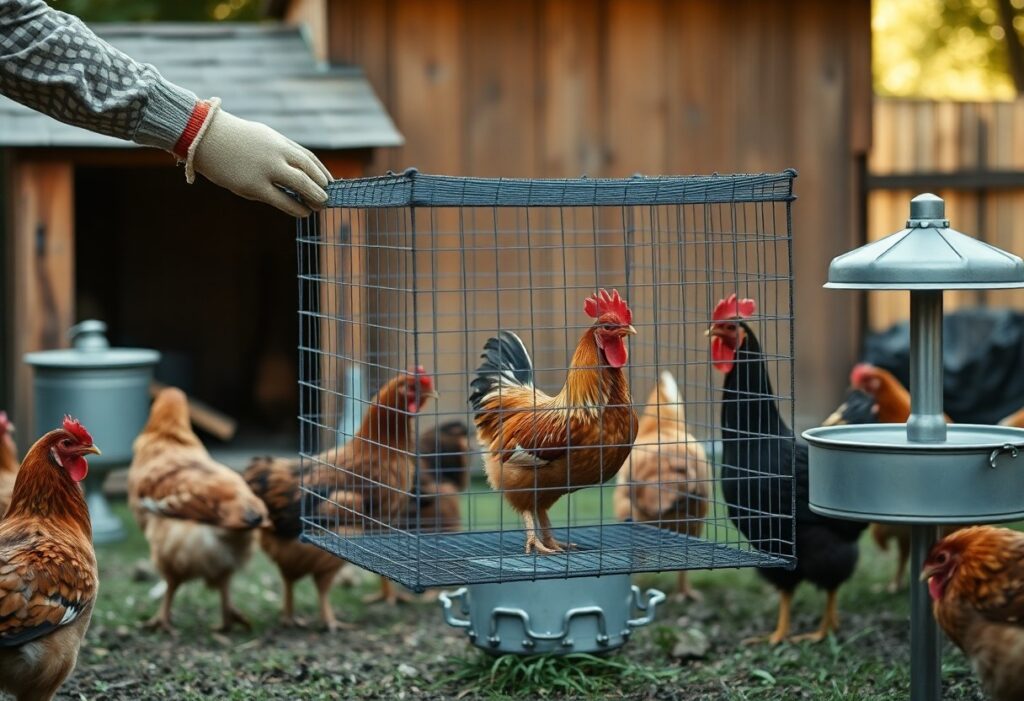
Separating the new rooster from your main flock with a barrier lets them see and smell each other without risk of injury. This phase helps reduce aggression over time as they grow familiar with one another’s presence. Never skip this step, as sudden introductions often lead to dangerous fights.
Using a side-by-side enclosure
A shared pen with a wire or mesh barrier allows visual contact while preventing physical harm. Place food and water on both sides so neither feels their resources are threatened. A mid-sized SaaS firm might use temporary fencing, but sturdy hardware cloth works best for long-term safety.
Watching for initial body language cues
Look for fluffed feathers, lowered wings, or rapid head movements, which signal aggression. Calm birds stand relaxed and may even preen near the barrier. Cocking the head to the side often means curiosity, a positive sign during early exposure.
When the rooster puffs up and struts parallel to the barrier, he’s asserting dominance without direct conflict, which is normal. If both birds mirror each other’s movements without charging, that’s a strong indicator of gradual acceptance. One backyard keeper noticed reduced puffing after just three days, showing how effective patience can be.
Tips for the First Physical Meeting
Begin the first physical meeting during daylight hours when chickens are most active and alert. Use a spacious, neutral area unfamiliar to both the new rooster and your existing flock to prevent territorial behavior. Keep initial interactions brief and supervised, watching closely for signs of aggression. Have a plan to separate them quickly if necessary. This
- Choose a neutral space to avoid triggering territorial instincts
- Ensure all birds have room to move and escape if needed
- Watch for aggressive behaviors like excessive chasing or wing flapping
- Keep the first few sessions under 15 minutes
- Always have a barrier or catch box ready for quick separation
Choosing the best time for introduction
Morning is often the best time to introduce your new rooster, as chickens are naturally more focused on foraging and less likely to be defensive. Avoid introducing him at dusk or during feeding, when competition and stress levels rise. This
Using treats and distractions to ease tension
Scatter treats like chopped greens or scratch grains across the meeting area to keep birds occupied and reduce fixation on the newcomer. Distractions help shift attention away from social posturing and give the rooster a chance to blend in. This
When you toss treats in multiple spots, it encourages natural foraging behavior and limits face-to-face confrontations. Mealworms or cracked corn sprinkled widely create positive associations and reduce idle time where aggression might flare. This
How to Manage the Pecking Order
Establishing a stable hierarchy takes time, and some jostling is expected when a new rooster arrives. You’ll notice brief chases or loud crowing as the birds sort out their roles. Most flocks settle within a week if no serious injuries occur. Patience and close observation are key during this phase.
Distinguishing between normal posturing and bullying
Roosters often puff up or circle each other to assert dominance, which is usually harmless. Watch for repeated attacks targeting one bird, especially if feathers are missing or blood appears. Brief squabbles differ from relentless aggression that leaves a bird unable to eat or rest.
Knowing when to step in for safety
Intervene immediately if you see open wounds, limping, or a rooster being pinned down repeatedly. A bird that stops moving freely or shows signs of exhaustion needs separation. Physical harm overrides natural flock dynamics and requires action to prevent lasting damage.
One mid-sized SaaS firm discovered that consistent monitoring made all the difference when integrating a new rooster. If you notice one bird always chasing another away from food or water, even after several days, it’s time to use a temporary barrier within the coop. This allows visual contact without physical harm, reducing stress while still maintaining social bonds. Never wait until a rooster loses weight or becomes lethargic-early intervention supports both safety and long-term integration.
Essential Factors for Long-Term Harmony
Keeping your flock peaceful over time depends on several key elements like space, social balance, and routine. A spacious run reduces tension, while consistent access to food and water prevents competition. Introduce changes slowly and observe behavior daily. The right mix of hens and roosters, along with multiple resources, supports stability. The health and happiness of your birds rely on these thoughtful details.
Maintaining a proper hen-to-rooster ratio
A balanced hen-to-rooster ratio prevents over-mating and stress. Most backyard flocks do well with one rooster for every eight to twelve hens. In smaller groups, even one rooster can overwhelm the hens if there aren’t enough of them. The ratio helps maintain calm and natural social dynamics.
Providing multiple feeding and watering stations
Placing several feeding and watering stations across the coop and run lets shy birds eat safely. Dominant birds often guard single sources, leaving others underfed. Spreading out resources reduces conflict and supports even growth. The layout encourages peaceful coexistence.
When you install extra feeders and waterers, position them in corners or behind obstacles so quieter birds can access them without confrontation. Even a simple barrier like a low wall or planter box creates a safe feeding zone. One mid-sized SaaS firm found similar benefits in office layouts, but in your coop, the effect is immediate and visible in flock behavior. The more options available, the less likely aggression becomes.
Final Words
You’ve given your flock the best chance for peace by taking time to quarantine, observe, and introduce slowly. One backyard keeper even saw smooth integration after three weeks of side-by-side runs with shared feeding. Keep an eye on night roosting spots, ensure extra space, and trust the process. Your patience builds a calmer, healthier flock long after the first meeting.
FAQ
Q: How long should I quarantine a new rooster before introducing him to my existing flock?
A: A quarantine period of at least 30 days is recommended for any new bird, including roosters. This duration allows time to observe for signs of illness such as respiratory issues, changes in droppings, or lethargy. During this time, the rooster should be housed in a separate area with no shared air, tools, or footwear contact with the main flock. A backyard keeper in Oregon successfully prevented an outbreak of mycoplasma by catching labored breathing in a new rooster during the third week of isolation.
Q: Can I introduce a young rooster to an older, established one without conflict?
A: Age differences can influence dynamics, but they don’t guarantee peace. A younger, more energetic rooster may challenge an older dominant bird, even if the younger one is smaller. One hobby farmer in Indiana introduced a six-month-old Ameraucana rooster to a three-year-old Rhode Island Red and observed persistent chasing and feather pulling for over two weeks. Success came only after using a side-by-side enclosure method for ten days, allowing the birds to adjust visually before any physical contact.
Q: What signs indicate that the roosters are not going to coexist peacefully?
A: Persistent aggressive behaviors such as one rooster repeatedly pinning another, drawing blood, or preventing access to food and water signal incompatibility. Brief sparring is normal during hierarchy formation, but if attacks occur more than five times a day over several days, separation may be necessary. A small urban flock in Austin had to permanently house two roosters in adjacent but separate pens after one began ganging up on the other at dawn every morning, a pattern that continued for over three weeks despite gradual introduction efforts.