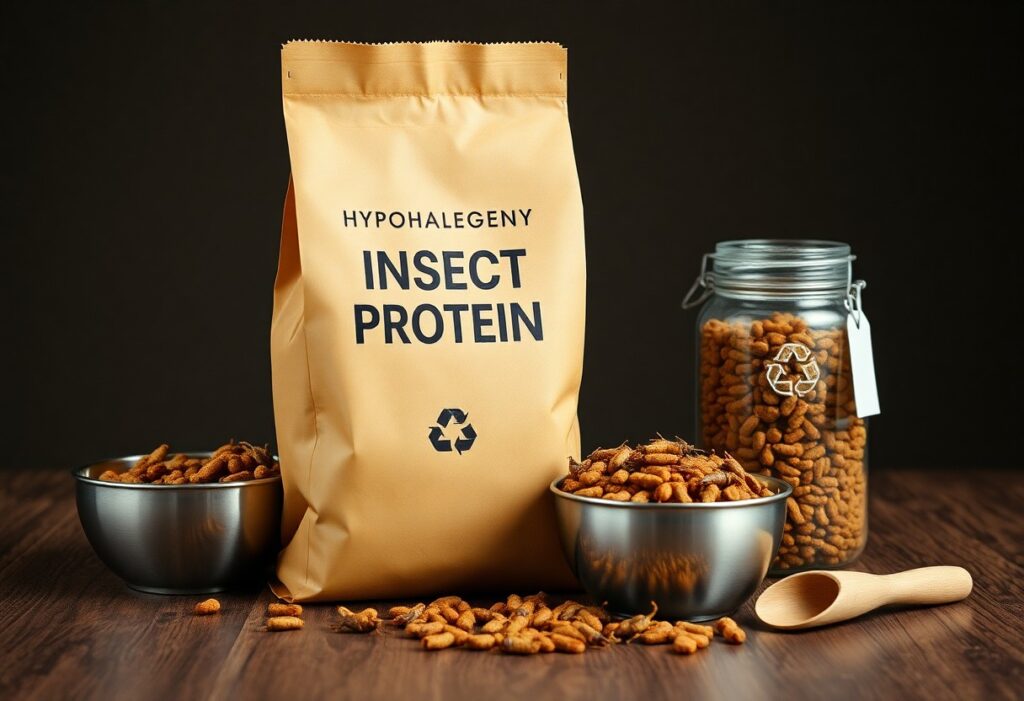
Most pet owners overlook the dangerous allergens in conventional pet food, but you now have a cleaner alternative. Sustainable insect protein offers a hypoallergenic, eco-friendly solution that supports your pet’s health and the planet. These proteins are nutritionally complete and produce far fewer greenhouse emissions than traditional livestock.
The Tipping Point of the Pet Food Aisle
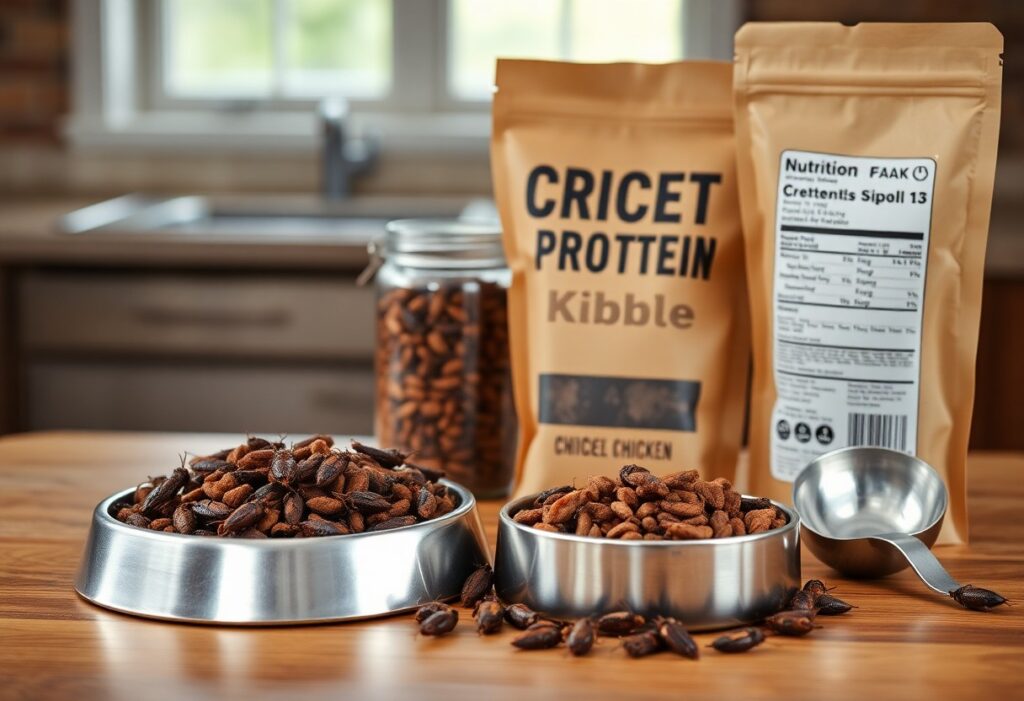
You’re already seeing it-shelves once dominated by chicken and beef now feature sleek packages boasting cricket flour and black soldier fly protein. This shift isn’t subtle, and insect-based formulas are outpacing traditional hypoallergenic options in sales growth. Pet parents like you are choosing sustainability without sacrificing nutrition. The future of pet food isn’t just coming-it’s already on your local store shelf.
The Biological Efficiency of the Larvae
You get more protein per gram of feed when farming black soldier fly larvae than any traditional livestock. These insects convert organic waste into high-quality, complete protein in just days, not months. Their rapid growth cycle and minimal resource needs mean lower environmental impact and reduced strain on global food systems. You’re not just feeding your pet-you’re supporting a smarter, more efficient way of producing food.
The Ecology of Small Things
You overlook tiny organisms at great cost to the planet’s balance. Insects require 90% less land and water than cattle to produce equivalent protein. Their low emissions and ability to thrive on organic waste make them a powerful solution to pet food’s environmental toll. You’re not just feeding your pet-you’re supporting a system where even the smallest life forms drive large-scale change.
Breaking the Hypoallergenic Barrier
You’re no longer limited to traditional proteins that trigger sensitivities. Insect-based pet foods bypass common allergens like beef, chicken, and dairy, offering a clean, biologically novel source of nutrition. These proteins are less likely to provoke immune responses, making them ideal for pets with chronic skin or digestive issues. You’re seeing real results-reduced itching, healthier coats, and improved long-term wellness-without sacrificing taste or nutrition.
The Psychology of the Hidden Ingredient
You rarely think about what’s truly in your pet’s food, trusting labels and branding over science. Yet, hidden ingredients shape your pet’s health in profound and sometimes dangerous ways. Insect protein bypasses common allergens while delivering complete nutrition, but its novelty makes some hesitant. You’re not rejecting innovation-you’re protecting your pet. Transparency turns skepticism into trust, and education turns resistance into adoption.
The Infrastructure of Vertical Agriculture
You control the environment in vertical farms with precision, enabling year-round insect cultivation in minimal space. Temperature, humidity, and lighting are optimized to accelerate growth cycles while reducing contamination risks. These closed-loop systems use up to 90% less water than traditional farming. No pesticides are needed, ensuring cleaner protein for sensitive pets. Your facility’s modular design allows scalability without expanding land use.
To wrap up
With this in mind, sustainable insect protein offers you a cleaner, hypoallergenic alternative for pet nutrition. You’re choosing a solution that supports your pet’s health while reducing environmental impact. Insect-based diets meet nutritional needs without common allergens, making them a practical, forward-thinking choice for modern pet care.
FAQ
Q: Why is insect protein considered a sustainable option for pet food?
A: Insect protein requires far less land, water, and feed compared to traditional livestock like beef or chicken. Insects such as black soldier flies can be farmed vertically in compact spaces, reducing deforestation and habitat loss. They thrive on organic byproducts like food waste, turning low-value materials into high-quality protein. This closed-loop system produces fewer greenhouse gases, making insect-based pet food a lower-impact choice for the environment.
Q: Can insect protein help pets with food allergies?
A: Yes. Many pets develop sensitivities to common animal proteins like chicken, beef, or dairy. Insect protein offers a novel source that most pets have never been exposed to, reducing the chance of an allergic reaction. Studies show that insect-based diets produce fewer skin irritations and digestive issues in sensitive animals. The amino acid profile of insects like mealworms and crickets supports muscle maintenance without triggering immune responses linked to traditional meats.
Q: Is insect-based pet food safe and nutritious for dogs and cats?
A: Insect protein is rich in necessary amino acids, healthy fats, and micronutrients needed for pets’ health. Regulatory bodies in the European Union and North America have approved specific insect species for use in pet food after rigorous safety testing. Cats and dogs digest insect protein efficiently, and long-term feeding trials show no adverse effects. The chitin in insect exoskeletons may even support gut health by acting as a prebiotic, promoting beneficial bacteria in the digestive tract.