Over 60% of parrots show signs of anxiety due to improper environments or handling. You can reduce stress and prevent dangerous behaviors like self-plucking or aggression with consistent, science-backed methods. This guide reveals five proven techniques that promote calm, healthy behavior in your bird, improving its well-being and your bond.
The Daily Rhythm
Consistency shapes your parrot’s emotional well-being more than you realize. A predictable daily schedule reduces stress by helping your bird anticipate meals, interaction, and rest. When your parrot knows what comes next, anxiety levels drop significantly. Build a routine that aligns with natural bird behavior for best results.
Fixed Sleep Hours
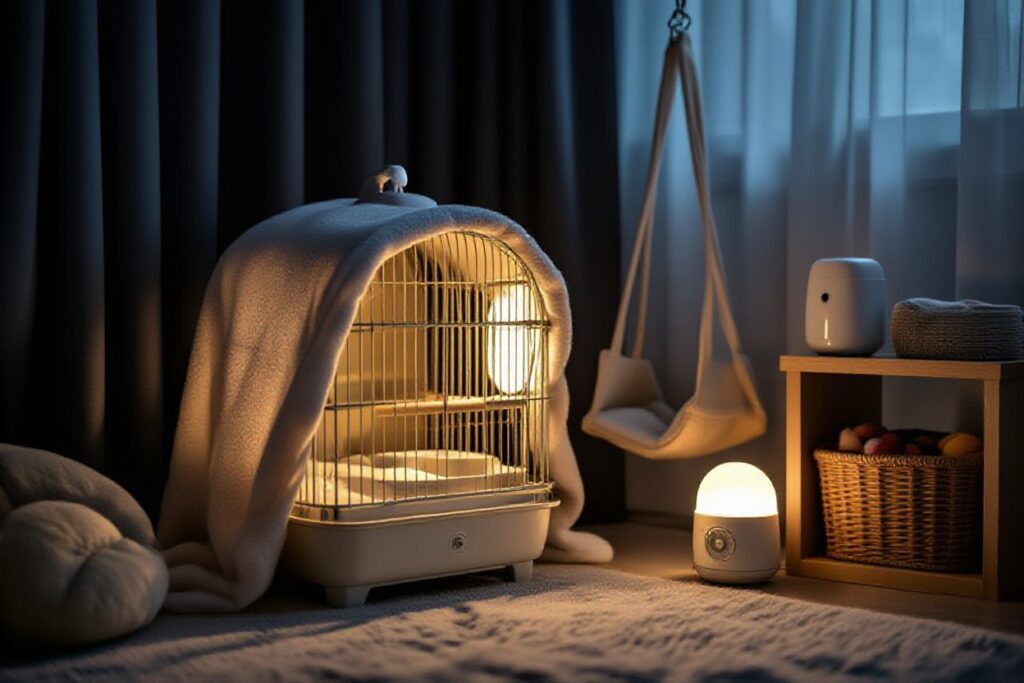
Parrots need 10-12 hours of uninterrupted sleep each night. Going to bed and waking at the same time daily regulates their internal clock. Disrupted sleep leads to irritability and fear responses. Cover the cage or use a quiet room to signal bedtime and support a calm nervous system.
Morning Rituals
Start the day with gentle sounds and soft lighting to ease your parrot into wakefulness. Sudden noise or bright lights can trigger panic. Offer a small, familiar snack and speak in calm tones. This routine sets a positive, secure tone for the day.
Your morning interaction is more than habit-it’s emotional grounding. When you greet your parrot with a consistent phrase or song, it builds trust. Pair this with a clean cage and fresh water to reinforce safety. These small acts signal stability, reducing the chance of stress-induced behaviors like screaming or feather plucking. Over time, your parrot will look forward to this moment, making it a cornerstone of calm.
The Safe Haven
Every parrot needs a personal retreat where stress fades. You can create this by designating a quiet corner of your home as their sanctuary. This space should remain consistent and undisturbed, offering your bird a predictable environment where they feel fully protected from household chaos and sudden movements.
Corner Placement
Positioning the cage in a corner gives your parrot a sense of security. Walls on two sides reduce exposure to foot traffic and perceived threats, helping your bird relax. You maintain visibility for interaction while still offering the psychological comfort of a backed retreat.
Visual Barriers
Adding a partial cover to one or more sides of the cage can significantly reduce overstimulation. Visual barriers block sudden movements and loud activities from other rooms, allowing your parrot to rest without constant alertness. Use breathable fabric or acrylic panels for safety and airflow.
Visual barriers work by limiting your parrot’s line of sight to high-activity zones like doors, windows, or hallways. Reducing visual input prevents startle responses and lowers cortisol levels over time. Choose removable covers so you can adjust exposure during training or socialization periods, balancing safety with engagement.
Auditory Comfort
Sound plays a powerful role in your parrot’s emotional state. A stable acoustic environment reduces stress and supports mental well-being. Sudden noises can trigger fear, while consistent, soothing sounds promote relaxation. You can shape your bird’s auditory experience to prevent anxiety episodes and encourage a sense of safety throughout the day.
White Noise
White noise creates a consistent background sound that masks abrupt household noises like door slams or loud voices. Running a fan or a white noise machine near your parrot’s cage offers a protective audio buffer, minimizing startling disruptions. This steady hum signals a secure environment, helping your bird stay calm during busy times.
Calm Speech
Your voice is a direct line to your parrot’s emotions. Speaking in a soft, slow tone during tense moments reassures your bird that there’s no threat. Avoid high pitches or sudden volume changes, which can escalate anxiety. Consistent calm speech builds trust and helps your parrot regulate its response to stress.
When you use calm speech regularly, your parrot begins to associate your voice with safety. Over time, even in unfamiliar situations, hearing your measured tone can prevent panic before it starts. Practice lowering your pitch and slowing your words, especially when your bird seems uneasy. This simple habit strengthens your bond and gives your parrot a reliable emotional anchor.
Mental Engagement
Stimulating your parrot’s mind reduces stress and prevents destructive behaviors. A bored bird is more likely to develop anxiety or feather-plucking habits. Providing daily cognitive challenges keeps your parrot focused and emotionally balanced. Consistent mental activity supports long-term psychological health and strengthens your bond through interactive learning.
Foraging Tasks
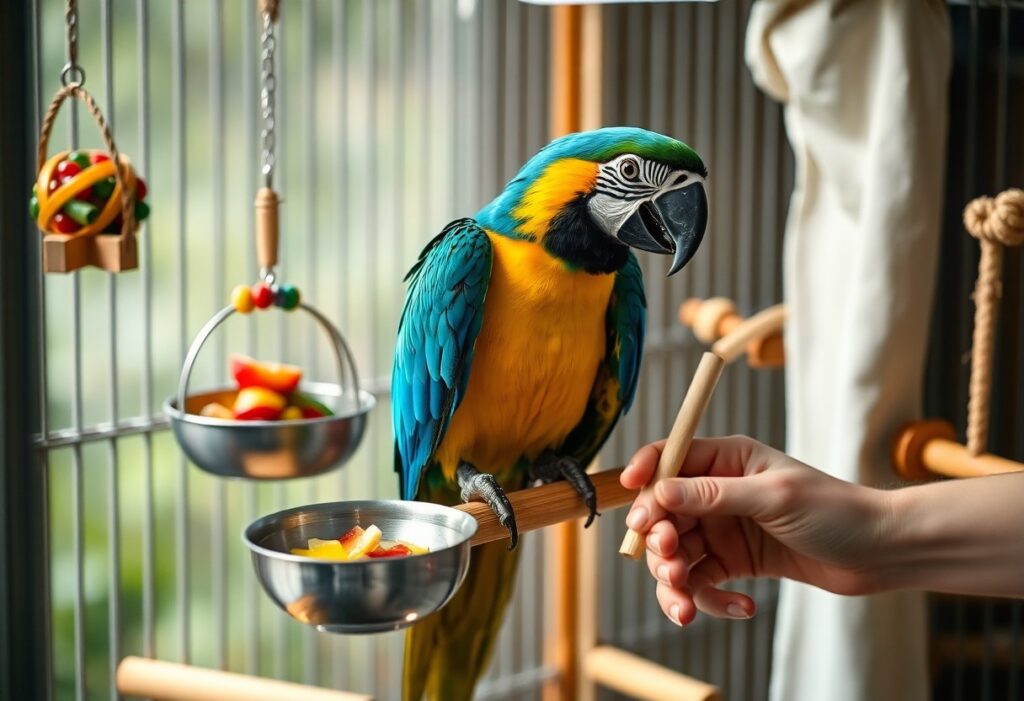
Creating opportunities for your parrot to search for food mimics natural behaviors in the wild. Hide treats in puzzle feeders or shredded paper to encourage exploration. This simple activity reduces boredom and builds confidence. You’ll notice calmer behavior when your bird feels mentally rewarded.
Toy Rotation
Switching out toys every few days keeps your parrot’s environment fresh and exciting. Familiar objects lose appeal over time, leading to disinterest or stress. Regular rotation sparks curiosity and prevents habituation. Introduce new textures, colors, and functions to sustain engagement.
Over time, a static set of toys becomes background noise to your parrot. By rotating just three or four toys weekly, you create novelty without clutter. Include items that encourage chewing, shredding, or problem-solving to target different instincts. Birds exposed to rotating stimuli show lower cortisol levels and increased signs of contentment, like soft vocalizations and preening.
Physical Boundaries
Respecting your parrot’s personal space builds trust and reduces stress. Birds feel safest when they can retreat without pressure. Allow your parrot to approach you freely and avoid forcing interactions. Forcing contact can trigger fear or aggression, undermining your bond. A calm bird is one that feels in control of its environment.
Consent in Touch
You must watch for subtle cues before touching your parrot. If your bird turns away, tenses up, or flattens its feathers, it’s saying no. Respecting these signals prevents trauma and builds mutual trust. Let your parrot lean into your hand or step forward willingly-this is true consent.
Reading Posture
A relaxed stance with smooth feathers means your parrot feels safe. Ears pinned back, crouching, or raised hackles signal discomfort. Recognizing these signs early helps you respond before anxiety escalates. Your bird communicates constantly-posture is one of its loudest voices.
Posture reveals your parrot’s emotional state in real time. A bird standing tall with feathers sleek and eyes narrowed slightly is likely content and alert. If it crouches low, tucks its head, or fans its tail, it may feel threatened. Ignoring tense body language can lead to biting or panic flights. Learn your bird’s individual cues-some species fluff more when relaxed, while others freeze when afraid. Watching consistently helps you catch shifts before they become crises.
Summing up
With these considerations, you now have five proven techniques to keep your parrot calm. You can reduce bird anxiety through consistent routines, safe environments, positive reinforcement, proper socialization, and recognizing early stress signals. Applying these methods builds trust and improves your parrot’s emotional well-being over time.
FAQ
Q: What are the most effective techniques to reduce anxiety in pet parrots?
A: Five proven techniques to keep your parrot calm include maintaining a consistent daily routine, providing a safe and quiet space within the home, using positive reinforcement training, offering mental stimulation through toys and interaction, and minimizing exposure to loud noises or sudden movements. Parrots thrive on predictability, so feeding, playtime, and sleep schedules that follow a regular pattern help reduce stress. A designated quiet area with a covered cage during high-activity times can also offer comfort. Training sessions using rewards like treats or praise build confidence and strengthen trust between bird and owner. Puzzle toys and foraging activities keep their minds engaged, preventing boredom-related anxiety.
Q: How can changes in the environment affect my parrot’s anxiety levels?
A: Parrots are highly sensitive to changes in their surroundings. Moving the cage, introducing new furniture, having guests over, or even rearranging room layouts can trigger stress. Sudden loud sounds from appliances, TVs, or arguments may cause fear responses like screaming or feather plucking. Even subtle shifts like new lighting or unfamiliar smells can unsettle them. To minimize anxiety, introduce changes gradually and allow the bird time to adjust. Covering one side of the cage during transitions can provide a sense of security. Observing your parrot’s body language-such as fluffed feathers, pinned eyes, or reluctance to move-helps identify when environmental factors are affecting its mood.
Q: Can diet play a role in managing my parrot’s anxiety?
A: Yes, a balanced diet directly impacts a parrot’s emotional well-being. Birds fed only seeds often experience nutrient deficiencies that can lead to irritability and nervous behaviors. A diet rich in fresh vegetables, high-quality pellets, and occasional fruits supports brain health and stable mood. Omega-3 fatty acids, found in foods like flaxseed and leafy greens, contribute to nervous system function. Avoiding caffeine, chocolate, and high-sugar treats is important, as these can increase hyperactivity and anxiety. Offering meals at consistent times also reinforces routine, which helps the bird feel more secure. Pairing healthy food with foraging toys turns mealtime into a calming, engaging activity.