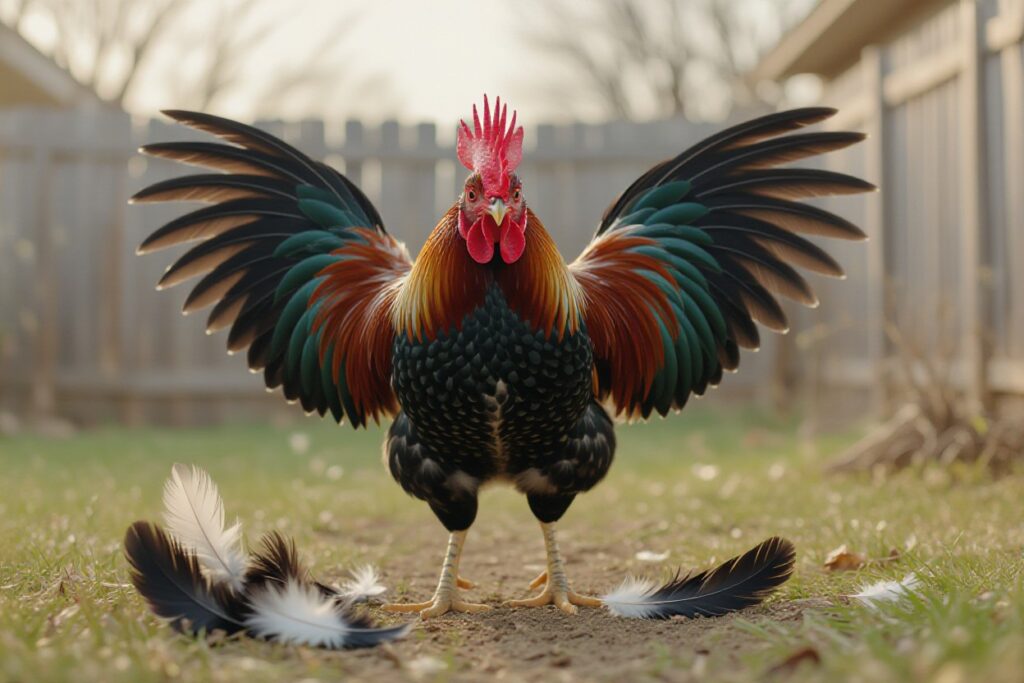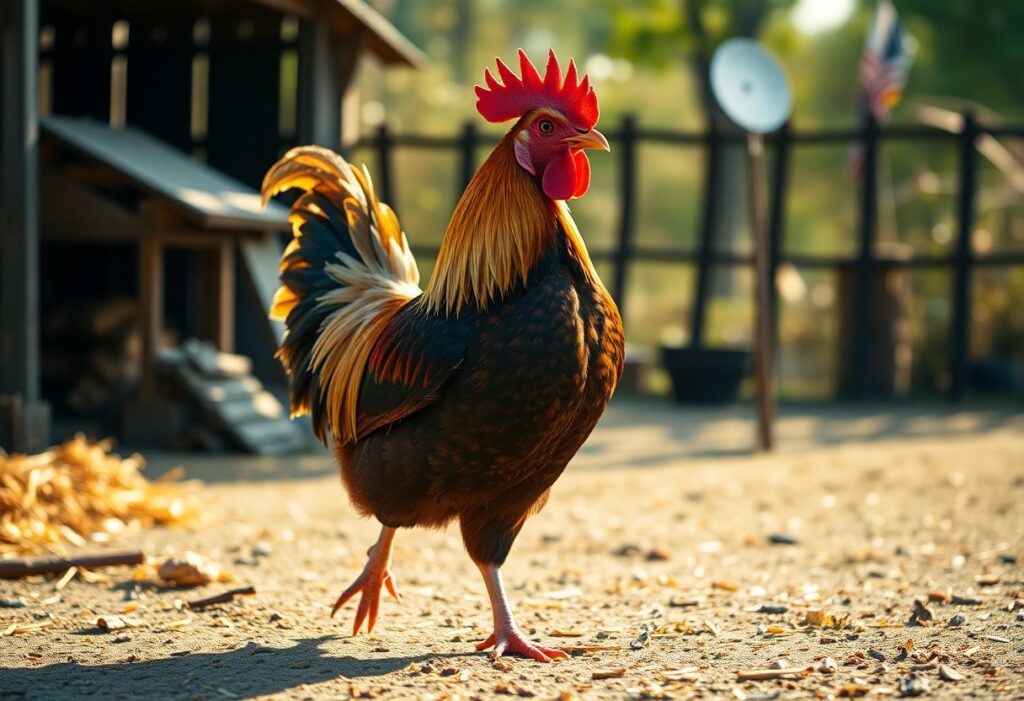
It’s unsettling when your rooster starts wobbling like a wind-up toy running out of steam, stepping sideways with unsteady hops instead of his usual proud stride. You’re not imagining things-this kind of movement can signal anything from a minor imbalance to a serious health issue like neurological damage or poisoning. Understanding what’s behind the stumble helps you act fast, especially when every hour counts in saving a beloved bird’s life.
The Dance of the Spurs
Roosters often sidestep with deliberate, stiff steps during dominance displays, especially when sparring with another male. These sideways movements, part of what’s known as the dance of the spurs, allow them to keep their sharp leg spurs angled toward their opponent while maintaining balance. You’ll notice this most in mature roosters during morning rounds through the yard, where posturing matters as much as actual combat. Unlike unsteady staggering, this motion is controlled and rhythmic, often accompanied by low, rumbling vocalizations and raised hackles. A rooster performing this dance isn’t injured-he’s asserting his place in the pecking order with precision and confidence.
The Stumble of the Sick
When your rooster staggers sideways with uncoordinated steps, neurological illness could be the hidden cause. Unlike the confident strut of courtship or territorial displays, this wobble often comes with drooping wings, head tremors, or dull eyes. A rooster fighting infectious bronchitis or vitamin deficiency may lose balance, stumbling like a bird disoriented by internal chaos. Immediate isolation and a vet check can make all the difference.
Bad Grain and Bitter Water
Spoiled feed or contaminated water can quickly affect your rooster’s balance and coordination. Molds in grain, especially aflatoxins, target the nervous system, leading to stumbling or sideways staggering. Even a few days of drinking from a scummy, algae-filled trough may introduce harmful bacteria or toxins. Clean, fresh water and properly stored feed are non-negotiable-switching to a new batch of grain or scrubbing the waterer might resolve odd movements within 48 hours. A rooster at a backyard farm in Oregon returned to normal after his owner replaced damp corn left in a wet coop corner. Watch for head tremors or drooping wings, as these often accompany digestive toxins.
The Failure of the Nerves
Sometimes, your rooster’s sideways stagger isn’t about injury or toxins but stems from a breakdown in nerve signaling. Conditions like Marek’s disease can severely disrupt coordination, causing one side of the body to weaken while the other overcompensates. You might notice drooping wings, leg weakness, or a head tilt alongside the unsteady gait. Unlike sudden slips on wet ground, this progression tends to worsen over days or weeks. A mid-sized SaaS firm wouldn’t ignore a failing server-don’t overlook a nervous system in crisis. Early vet intervention offers the best chance, though some cases are untreatable.
The Sun and the Thirst
Heat can hit hard, especially when water runs low. If your rooster’s staggering sideways on a scorching afternoon, dehydration might be the real culprit. Chickens don’t sweat, so they rely on panting and shade to cool down, and without enough water, their coordination falters. A rooster panting heavily, wings held slightly away from his body, or moving unsteadily during peak heat is sending you a clear signal. Immediate access to cool, clean water can mean the difference between a quick recovery and a dangerous collapse. On days over 85°F, check his water twice as often-evaporation happens fast, and a dry trough is more common than you think.
The Vigilant Flock Master
He moves with purpose, circling the flock while scanning the tree line for hawks or neighborhood cats. This constant watchfulness means he often positions himself between you and the hens when you enter the coop. His alert posture-neck stretched, eyes sharp-signals safety to the others, letting them feed without fear. Even with a slight stagger, he may still fulfill this role, showing that leadership persists beyond physical quirks.
Summing up
You’ve seen how a rooster’s sideways stagger isn’t just odd behavior but a signal, whether from a grain gone bad, a hidden illness, or simply the heat of the afternoon. Watching closely, you start to recognize the tilt that hints at dehydration or the wobble after a pecking order clash. Each stumble tells a story, and over time, you learn their language-one step, one strut, one sideways hop at a time.
FAQ
Q: Why does my rooster walk sideways with his wings slightly out?
A: A rooster holding his wings away from his body while stepping sideways is often performing a mating dance, known as tidbitting, where he circles a hen to attract her attention. This movement, paired with soft clucking, signals courtship rather than distress. Observing the hen’s reaction can confirm the behavior’s intent-she may crouch to signal receptiveness. The wing posture helps him maintain balance during the quick, deliberate steps of the display.
Q: Could a rooster staggering for no obvious reason have an ear infection?
A: Yes, inner ear infections in roosters can disrupt balance, leading to uncoordinated walking, head tilting, or circling. These infections may follow respiratory illnesses like mycoplasma, which can spread from the sinuses to the inner ear. A rooster with such symptoms might also shake his head frequently or show reduced alertness. Prompt isolation and consultation with a veterinarian improve recovery chances, especially if antibiotics are needed.
Q: Is it normal for older roosters to lose coordination over time?
A: Some loss of motor control can occur in aging roosters, particularly if they have a history of injury or chronic joint issues. Arthritis in the hocks may cause a wobbly gait, while long-term vitamin deficiencies, especially of B1 or E, can affect nerve function. A rooster that once crowed from the highest perch but now struggles to hop onto a low roost may benefit from dietary adjustments and softer bedding to support mobility.