It’s easier than you think to keep your fish tank sparkling clean with simple, consistent habits. Overfeeding is one of the most common mistakes and can quickly cloud your water. You only need a few tools-like a gravel vacuum and a reliable filter-and a weekly routine. Regular 25% water changes prevent dangerous toxin buildup, keeping fish healthy. Algae growth slows dramatically with proper light control, so limit exposure to 8 hours daily. With these beginner-friendly steps, you’ll enjoy a clear, thriving aquarium in no time.
The Filtration System
Your filter runs the show when it comes to water clarity. Choose a model that matches your tank size and fish load, and never turn it off. Mechanical, chemical, and biological filtration work together to remove debris, toxins, and harmful ammonia. Clean or replace filter media carefully-rinsing it in old tank water preserves beneficial bacteria. A well-maintained filter keeps your aquarium environment stable and your fish thriving.
Light and Algae Control
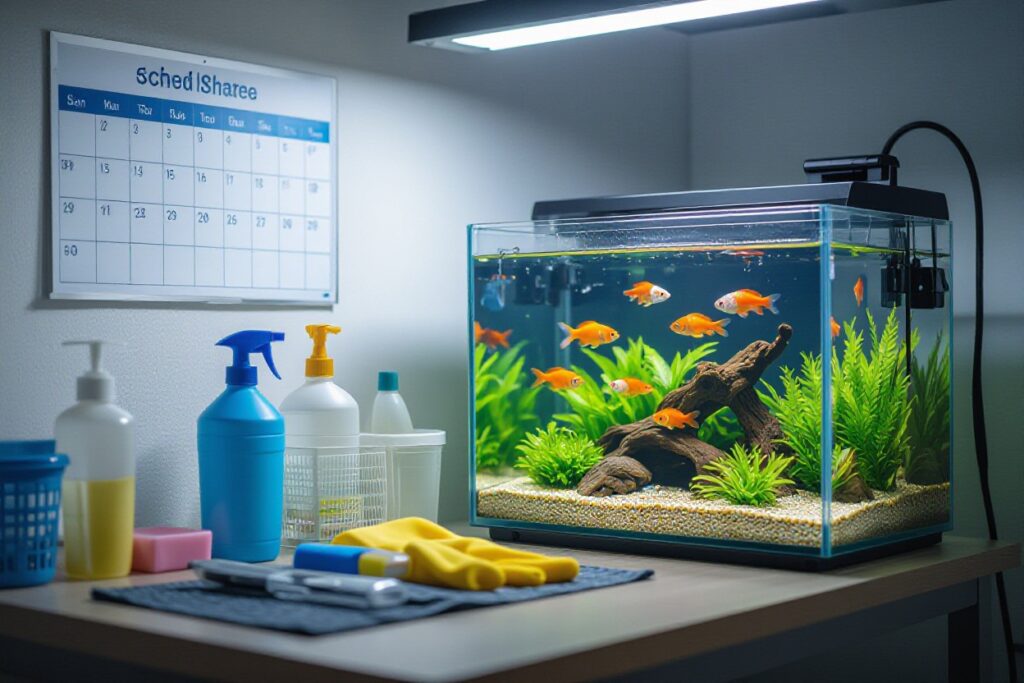
You control algae growth simply by managing your tank’s light exposure. Too much light fuels rapid algae blooms, clouding water and harming balance. Limit lighting to 6-8 hours daily, using a timer for consistency. LED lights with adjustable spectrums help provide ideal conditions without encouraging excess growth. Position the tank away from direct sunlight to prevent overheating and algae surges.
Feeding Practices
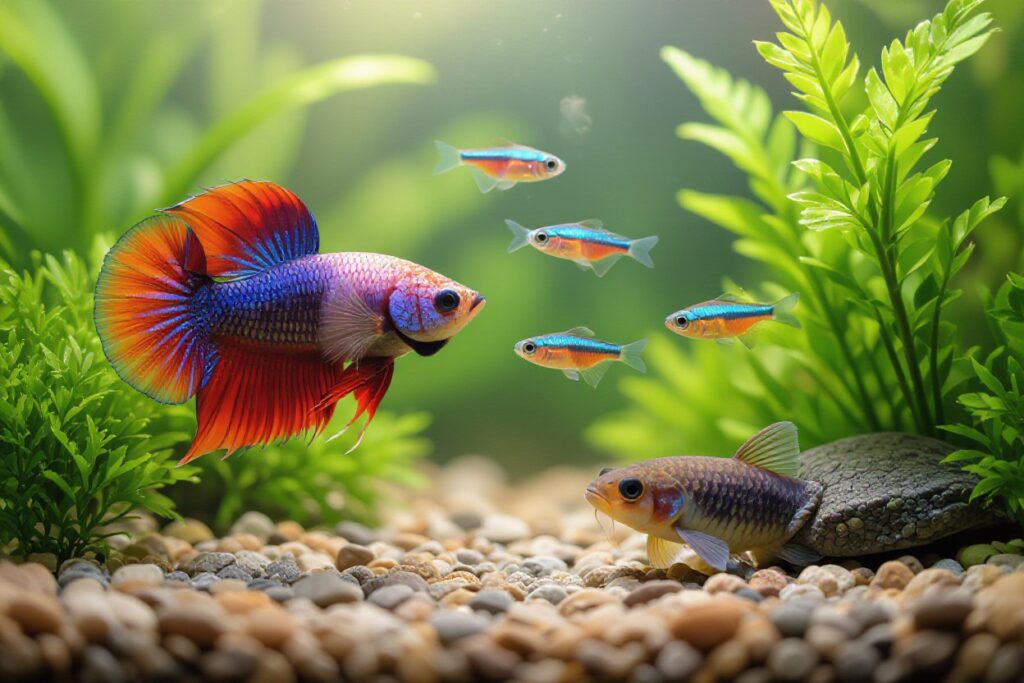
You should feed your fish only what they can consume in two to three minutes, once or twice daily. Overfeeding pollutes the water and risks harmful ammonia spikes. Choose high-quality food suited to your fish species. Remove any uneaten food promptly to maintain crystal-clear water and protect your tank’s balance.
Living Greenery
Plants naturally filter toxins and provide oxygen, making them a powerful ally in keeping your tank clear. Choose hardy species like java fern or anubias if you’re just starting out. Position them near the substrate, ensuring they get enough light without encouraging algae overgrowth. Avoid overcrowding-too many plants can trap debris and disrupt water flow. Trim regularly to maintain health and appearance.
Chemical Balance
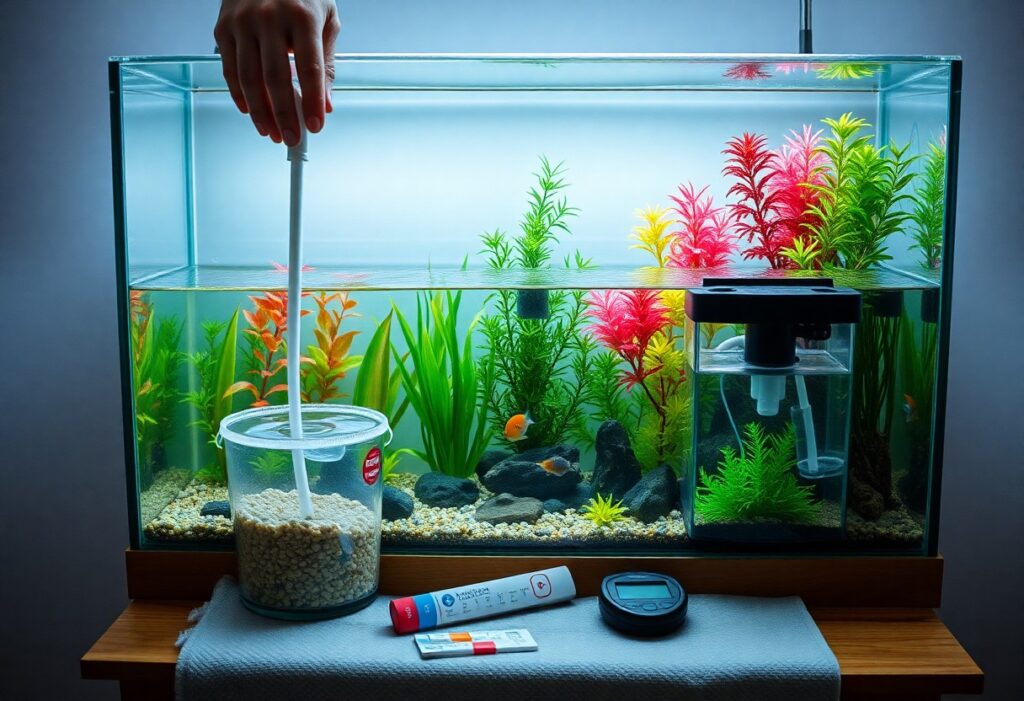
You must test your tank water weekly to maintain safe ammonia, nitrite, and nitrate levels. High ammonia or nitrite can kill fish quickly, so catching spikes early is important for survival. Use a liquid test kit for accuracy and adjust pH only when necessary, as sudden changes stress fish. Keeping a stable chemical environment leads to healthier, more active fish over time.
Conclusion
With this in mind, you keep your fish tank crystal-clear by performing regular water changes, monitoring filter function, avoiding overfeeding, and testing water parameters weekly. Consistent observation and simple routines prevent most common issues. You create a healthy, attractive aquarium not through complex methods, but through steady, mindful care tailored to your fish and setup.
FAQ
Q: How often should I clean my fish tank to keep the water crystal clear?
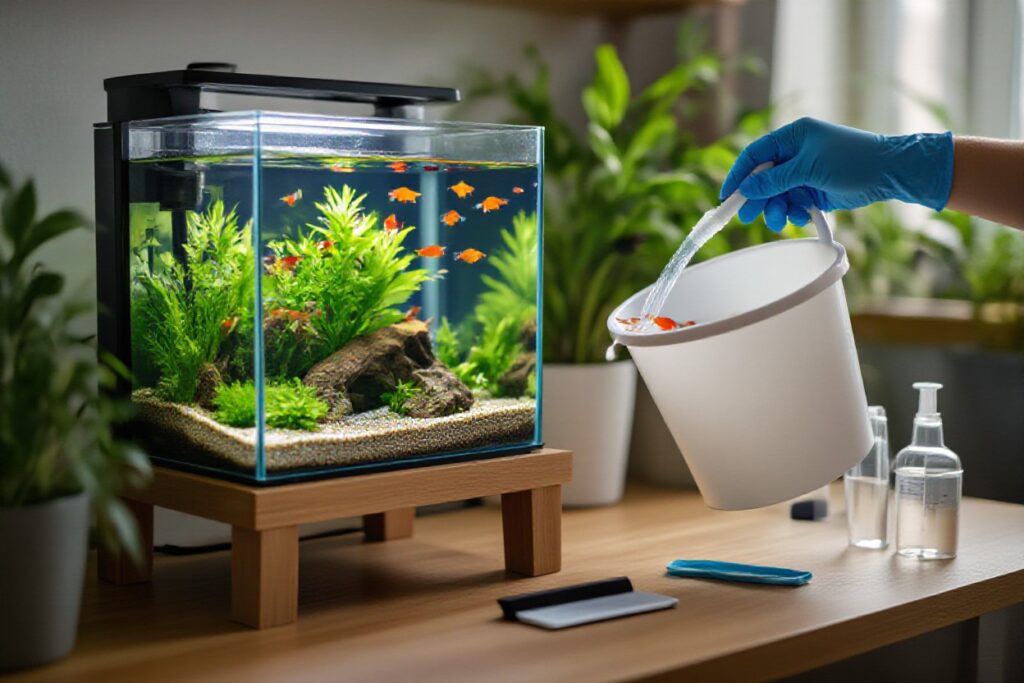
A: Most beginner-friendly tanks need a partial water change of about 10% to 25% once a week. This helps remove waste, excess food, and built-up nitrates. Use a siphon to clean the gravel during each change, which lifts debris from the bottom. Wipe the inside of the glass with an algae pad every few days if you notice buildup. Avoid cleaning the filter media with tap water, as it kills beneficial bacteria. Instead, rinse it gently in water taken from the tank during a water change. Consistent weekly maintenance prevents cloudy water and keeps fish healthy.
Q: What causes cloudy water in a new fish tank, and how can I fix it?
A: Cloudy water in a new tank is usually caused by a bacterial bloom during the nitrogen cycle. When you first set up the tank, beneficial bacteria are still growing and breaking down fish waste. This temporary cloudiness often clears on its own within a week or two. To speed things up, avoid overfeeding and don’t add too many fish at once. Use a water test kit to monitor ammonia, nitrite, and nitrate levels. If the cloudiness persists beyond two weeks, check your filter to make sure it’s running properly and isn’t clogged. Adding a small amount of beneficial bacteria from a trusted aquarium brand can also help stabilize the water.
Q: Can live plants help keep my fish tank water clear?
A: Yes, live plants naturally improve water quality by absorbing nitrates, ammonia, and carbon dioxide that fish produce. They also compete with algae for nutrients, which reduces algae growth on glass and decorations. Beginner-friendly plants like Java fern, Anubias, and hornwort don’t need strong lights or special soil. Simply place them in the gravel or attach them to rocks or driftwood. Healthy plants give fish a more natural environment and help maintain stable water conditions. Just trim any dead leaves regularly to prevent them from decaying and clouding the water.