Natural approaches to Holistic Equine Care and Natural Horsemanship invite you to treat your horse as a whole being, blending nutrition, behavior, environment and training into a single plan. You shift focus from isolated treatments to patterns of well‑being, using observation and partnership to guide daily choices. Your role becomes less about forcing compliance and more about developing trust and mutual communication.
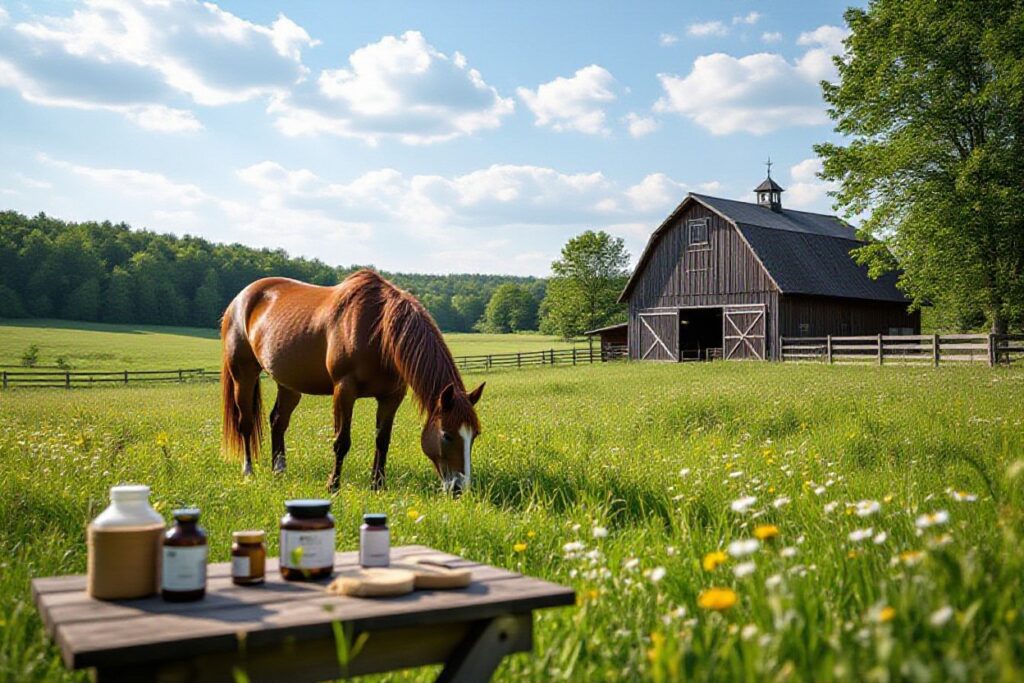
Start with feeding and forage management: align your horse’s diet with natural grazing habits, balancing fiber, electrolytes and targeted supplements when needed. Schedule regular veterinary and dental checks, and apply thoughtful parasite control and vaccination strategies within a sound biosecurity plan. Your careful records of weight, coat quality and mood become diagnostic tools that let you intervene early.
Tend to the physical foundation with consistent hoof care, correct saddle fit and appropriate turnout. Incorporate bodywork, massage, chiropractic or acupuncture where indicated to address tension and mobility. Design pastures and paddocks for safe movement and social interaction, using pasture management to reduce stress and support natural behaviors.
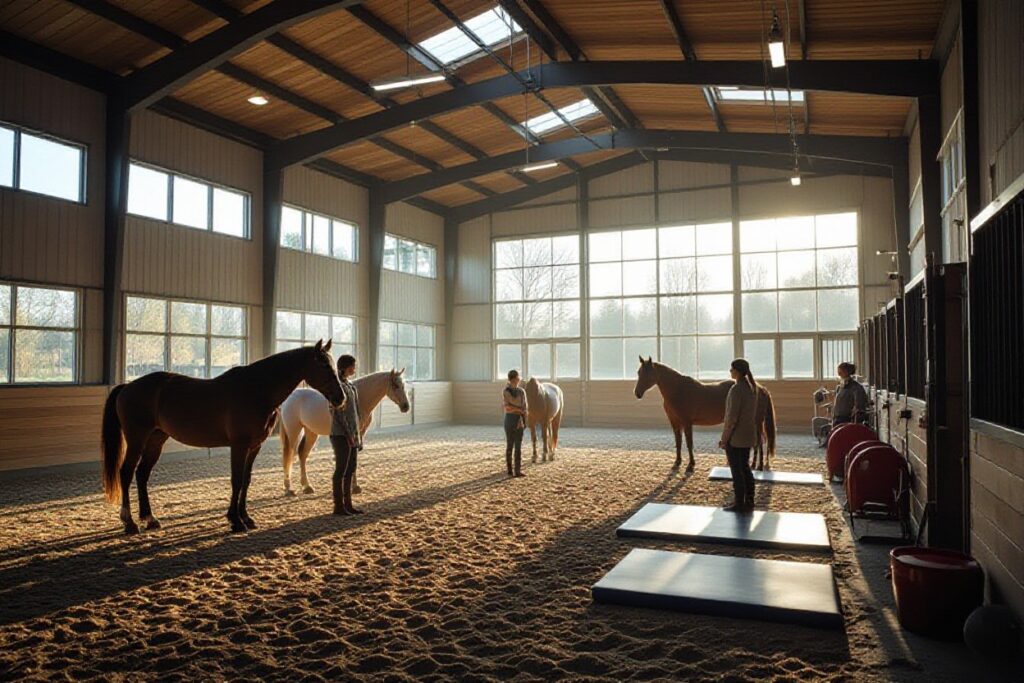
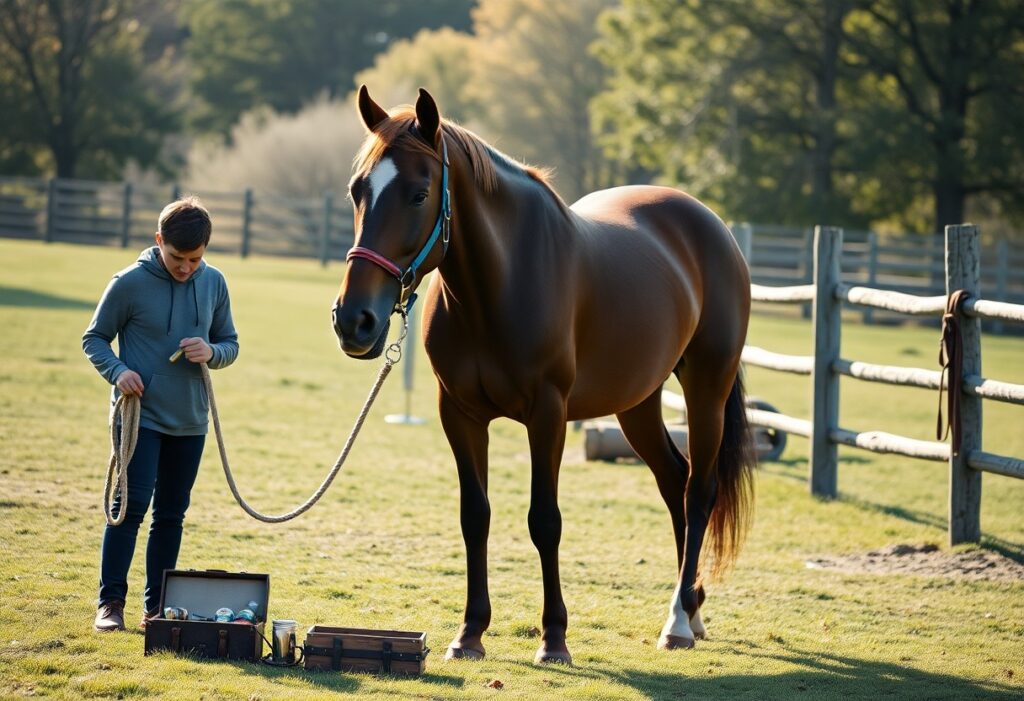
In training, emphasize Natural Horsemanship principles: you observe herd signals, reward correct responses and set clear, consistent boundaries. Use groundwork, positive reinforcement and incremental exposure to build confidence instead of relying on force. Your timing, calm energy and consistency shape behavior faster than repetition alone. Learn to read subtle body language so you can prevent escalation and guide learning with respect.
Integrate these elements through a personalized plan: keep clear goals, collaborate with professionals, and adopt sustainable routines that support long‑term welfare. By prioritizing holistic health and humane training, you deepen the bond with your horse and promote resilience, comfort and joyful partnership.