Health is the foundation of how you keep your dog happy and active, and knowing the basics helps you prevent common problems and respond quickly when issues arise.
Preventive care begins with regular vet visits, a tailored vaccination schedule, and consistent parasite prevention for fleas, ticks and worms. When you schedule annual or biannual checkups, your veterinarian can spot early signs of illness and adjust care as your dog ages.
Nutrition matters: feed a balanced, age-appropriate diet and follow portion guidelines to manage weight. Obesity increases the risk of joint disease, diabetes and reduced lifespan. If you switch diets, introduce new food gradually and monitor stool, energy and coat condition for any adverse reactions.
Exercise and mental stimulation keep your dog physically fit and behaviorally balanced. Tailor activity to breed, age and health: daily walks, play sessions, puzzle toys and training help prevent boredom-related issues and maintain lean muscle and joint health.
Grooming and dental care are often overlooked. Brush your dog’s teeth regularly to reduce plaque and gum disease, and establish a grooming routine for coat, nails and ears. Regular grooming helps you check for lumps, skin irritations or parasites early.
Behavior monitoring gives you insight into health changes-loss of appetite, increased thirst, lethargy, coughing, limping or changes in elimination patterns require prompt attention. Keep a log of any persistent symptoms to share with the vet.
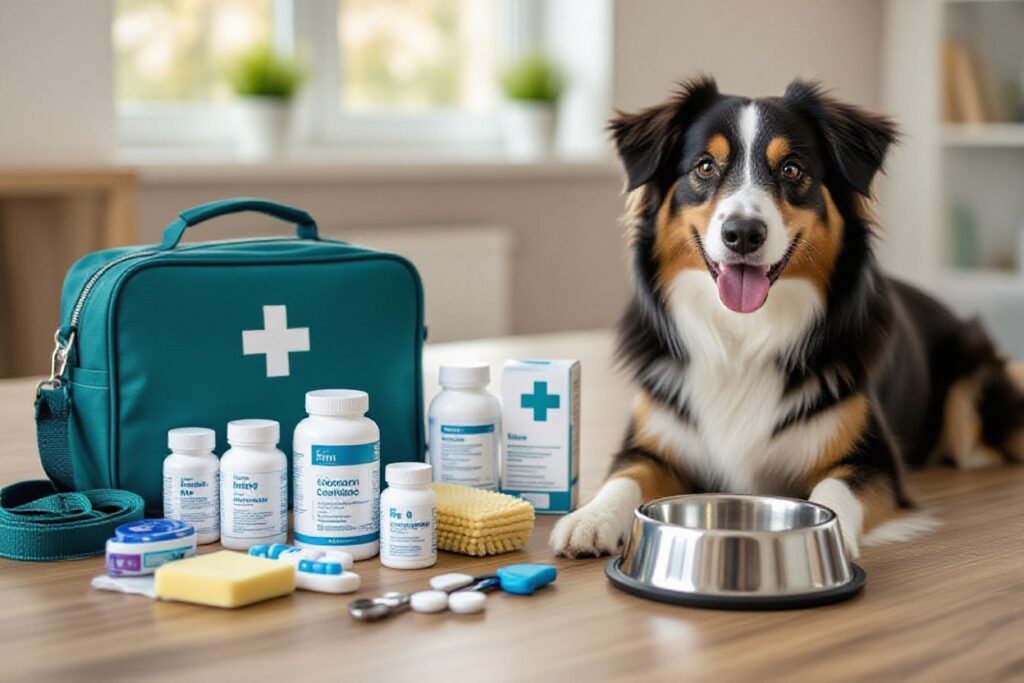
First aid and emergency preparedness protect your dog until professional care is available. Assemble a basic kit with bandages, antiseptic wipes, tweezers, a digital thermometer and your vet‘s contact information. Know the nearest emergency clinic and how to safely transport an injured pet.
Aging care requires adjustments: joint supplements, softer bedding, modified exercise and more frequent checkups help manage arthritis and organ changes. Work with the vet to create a long-term plan that preserves quality of life.
By prioritizing vaccination, nutrition, exercise, grooming, vigilant observation and emergency planning, you give your dog the best chance at a long, healthy life.