You should match your pet’s activity to breed, age and health: insufficient exercise can cause obesity, destructive behavior and joint problems, while appropriate daily activity improves cardiovascular health, weight control and longevity and strengthens your bond; consult your vet to create a tailored plan and adjust intensity for puppies, seniors and animals with medical conditions.
Understanding Your Pet’s Needs
Factors Influencing Exercise Requirements
Breed and size set baseline stamina-a Border Collie may need 2+ hours daily, while a Pomeranian often manages on 20-30 minutes. Age shifts intensity: puppies need short, frequent play; seniors benefit from low-impact movement. Health conditions like arthritis, heart disease, or obesity limit capacity. Your living situation and owner’s schedule change achievable activity and recovery. This means you must tailor duration, intensity, and frequency to match your pet’s tolerance and medical status.
- Breed/Size: determines baseline stamina and activity type
- Age: puppies require short bursts; seniors need gentler exercise
- Health: conditions like arthritis or heart issues limit intensity
- Environment: space and climate affect safe activity
- Behavior: anxiety or high prey drive changes exercise needs
Differences Between Species
Dogs, cats, rabbits, birds and reptiles all demand different forms and amounts of activity: many dogs need 30-120+ minutes depending on breed, cats benefit from multiple 5-15 minute play sessions, rabbits do best with 3-8 hours of supervised free-roam, and birds require daily flight or wing exercise. You should weigh both physical and mental enrichment; overexertion in brachycephalic dogs or heat-sensitive birds is dangerous.
For example, a working breed like a Border Collie often needs 2+ hours of varied activity and tasks, while a Labrador typically fares well on 1-2 hours. Small breeds such as Dachshunds may need 30-60 minutes focused on low-impact play to protect backs. With cats, aim for several 5-10 minute chasing or puzzle sessions to satisfy hunting drives. Rabbits should have several hours of floor time in a rabbit-proofed area plus enrichment to prevent boredom. Birds like cockatiels or conures benefit from supervised flight or out-of-cage exploration for 1-3 hours when safe. Reptiles need environmental gradients and opportunities to move rather than long cardio; monitor for signs of fatigue, excessive panting, limping, or avoidance, and adjust activity to avoid heatstroke or joint injury.
Assessing Your Pet’s Current Activity Level
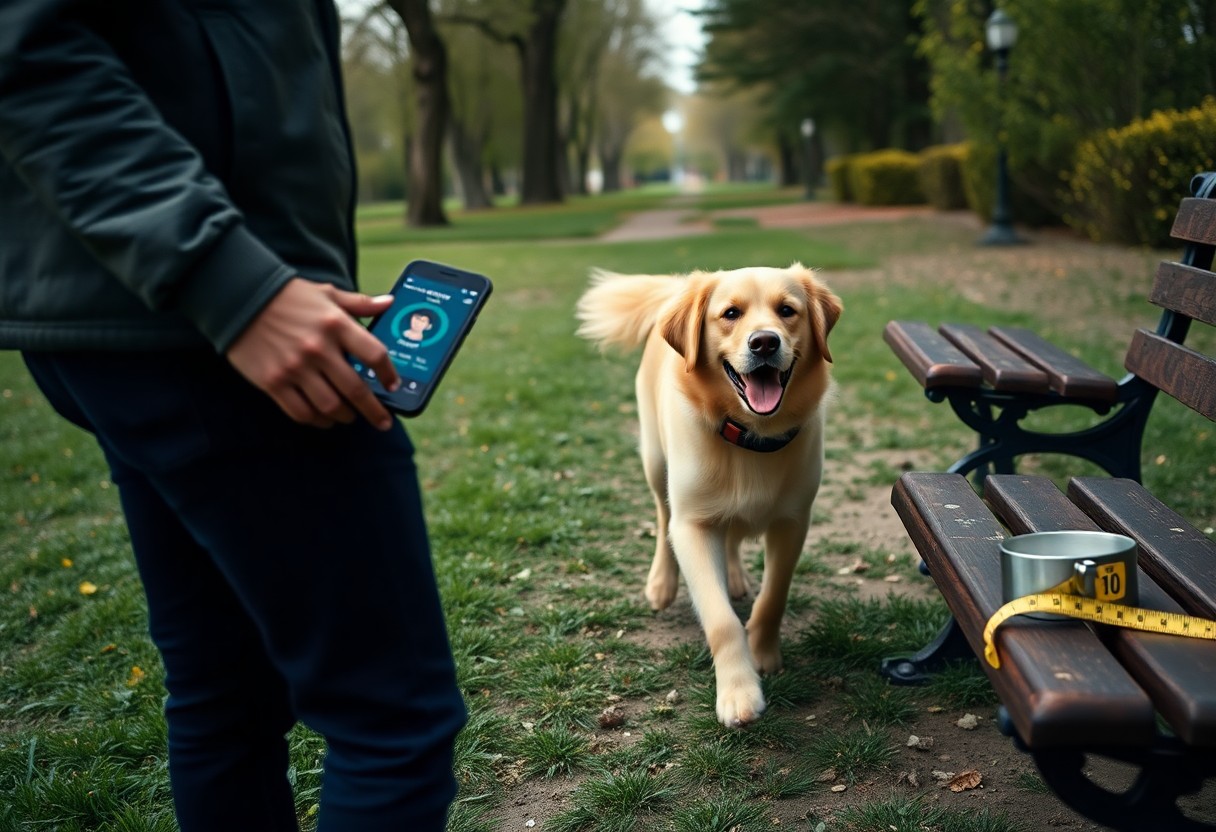
Track your pet’s movement for seven days-note total minutes of moderate-to-vigorous activity each day, rest periods, and play intensity. For reference, many companion dogs need between 30-120 minutes/day depending on breed and age, while most indoor cats benefit from 15-30 minutes of focused play daily. Use a collar activity monitor or a simple log to compare your pet’s routine against these benchmarks and spot trends like declining activity or sudden spikes that may signal health or environmental issues.
Observing Behavior
Watch for shifts in how your pet uses energy: pacing, repeated vocalizing, destructive chewing, or sudden lethargy after brief play are telling. You can pair observation with data-many trackers report steps and active minutes; dogs often range from 5,000-15,000 steps/day, cats around 2,000-4,000. Note whether your pet initiates play, tires quickly, or avoids stairs, then log frequency and duration to identify patterns you can discuss with your vet.
Common Indicators of Exercise Deficiency
Inadequate activity commonly shows as weight gain (a >10% increase over months), increased restlessness, repetitive behaviors, or loss of muscle tone. Watch for persistent panting, labored breathing, or sudden collapse during activity-these are dangerous signs requiring immediate vet attention. Behavioral issues like excessive barking or furniture chewing often point to unmet activity needs rather than pure misbehavior.
Use objective measures: assess Body Condition Score (BCS) on a 1-9 scale-values above 6/9 indicate overweight-and weigh your pet weekly. A case example: a 5-year-old Labrador gained 8 kg in four months and presented BCS 8/9; increasing daily walks by 30 minutes and adding two 10-minute play sessions, plus a 10% calorie cut, produced steady weight loss and improved mobility within three months.
Recommended Exercise Guidelines by Pet Type
Across species you should match activity to breed, age and health: dogs often need 30-120 minutes daily depending on energy level, indoor cats benefit from 10-15 minute sessions twice a day, rabbits usually require 3-5 hours of supervised free-roam, guinea pigs 1-2 hours, and ferrets 3-4 hours. Always adjust for senior or medical pets and prioritize supervised, safe enrichment over indiscriminate free access.
Dogs
With dogs, aim for a mix of aerobic and mental work: high-drive breeds like Border Collies often need 90-120+ minutes of running, herding or agility, medium breeds do well with 45-60 minutes of walks plus training, and toy breeds may be satisfied with 20-40 minutes and indoor play; you must avoid heatstroke in hot weather by scheduling early-morning or evening exercise and providing water and rest.
Cats
Indoor cats thrive on short, intense play: you should run 10-15 minute wand-toy or laser sessions twice daily, add puzzle feeders to increase hunting effort, and rotate toys weekly to sustain interest; this helps prevent boredom and the common problem of excess weight.
For more detail, kittens need frequent short bursts (5-10 minutes every few hours) to build coordination, while seniors prefer gentle, low-impact play; you should provide vertical space, hiding spots and supervised outdoor harness walks for extra stimulation, and always supervise play with small parts to prevent choking.
Small Mammals
Rabbits, guinea pigs, hamsters and ferrets have distinct needs: rabbits typically need 3-5 hours daily of safe, supervised exercise in a rabbit-proofed area, guinea pigs benefit from 1-2 hours of floor time, hamsters require a large wheel plus 30-60 minutes of supervised exploration, and ferrets often need 3-4 hours of play outside the cage with enrichment and digging opportunities.
Dive into specifics by species: you should rabbit-proof cords and furniture, provide tunnels and chew toys for dental health, offer hideouts for guinea pigs to reduce stress, and ensure hamster wheels are solid-surface; note that rabbits are prone to spinal injury, so handle them correctly and keep their exercise areas free of high drops.
Importance of Mental Stimulation
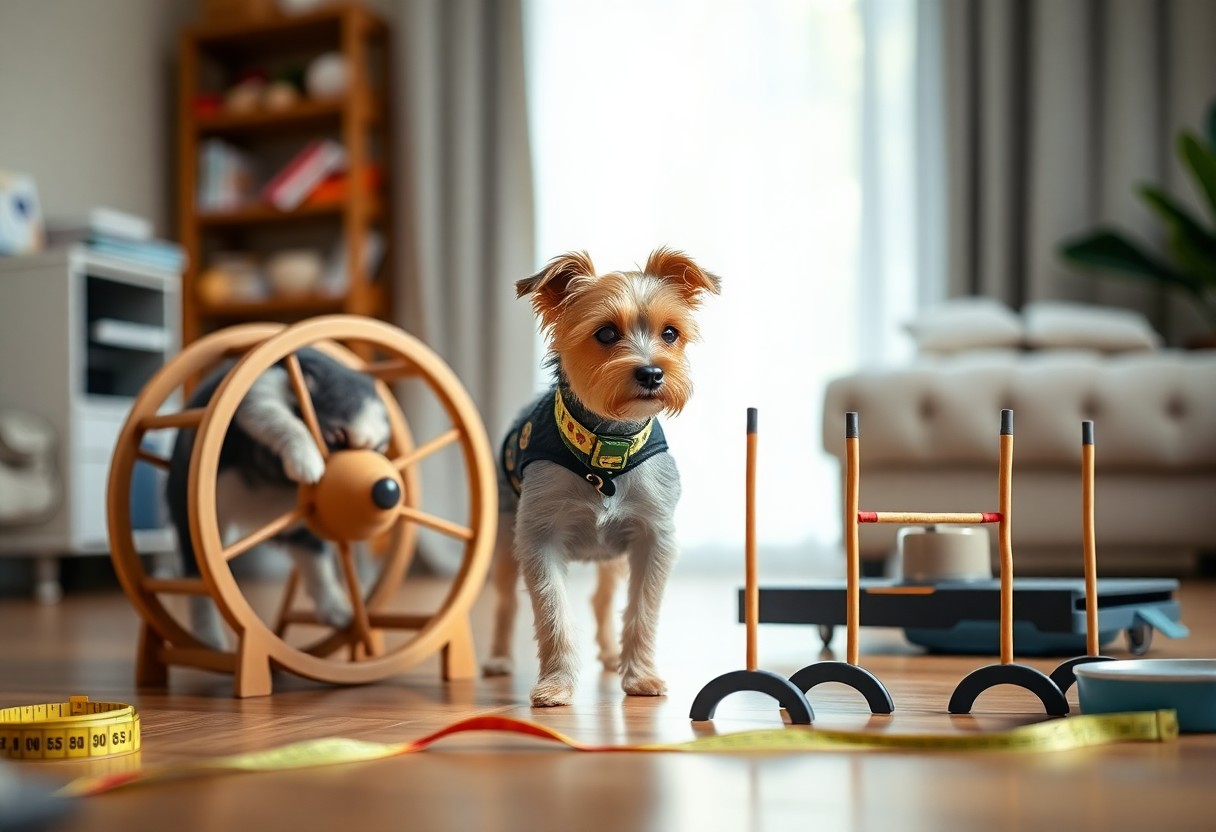
Your pet’s mind needs as much exercise as their body; brief daily mental work reduces boredom-driven behaviors like chewing, pacing, and excessive vocalization. Aim for 10-30 minutes of focused activity-training, scent work, or puzzle solving-split into short sessions. Engaging tasks boost obedience and confidence, while lack of stimulation often leads to destructive habits; persistent boredom is one of the main behavioral risks owners face.
Interactive Play
Interactive play like tug, fetch, or scent games sharpens problem-solving and strengthens your bond. For dogs, 10-15 minute high-intensity sessions burn energy and improve focus; for cats, 5-10 minute chases several times daily simulate hunting. Rotate toys and add simple commands-sit before fetch or pause during tug-to turn play into training. Supervise rough play to avoid injury and swap toys every 3-7 days to keep interest high.
Puzzle Toys and Games
Puzzle toys-treat-dispensers, snuffle mats, and Kongs-turn mealtime into a cognitive workout and can slow rapid eating. Start with 1-2 short sessions daily, 5-15 minutes each, and rotate 3-5 toys to prevent boredom. Match the toy’s difficulty to your pet: beginners need simple dispensers, advanced chewers require tougher puzzles. Discard toys with loose parts to avoid choking hazards.
Begin by offering easy puzzles for 5 minutes while you watch, then increase to 15-20 minutes as your pet learns; many dogs move through 4-5 difficulty levels within weeks. DIY options-muffin tin with kibble covered by tennis balls, towel-rolled treats, or cardboard-box scent trails-are low-cost and effective. Clean rubber and fabric toys weekly to prevent bacterial buildup, and always supervise the first sessions to catch swallowing or damage.

Designing an Effective Exercise Routine
Plan sessions that match your pet’s energy: dogs typically need 30-60 minutes daily, high‑energy breeds often require 60-120 minutes, while cats do best with 2-4 play bursts of 10-15 minutes. For seniors or overweight pets begin with low‑impact 5-15 minute sessions twice daily and increase intensity gradually (~10% per week). Monitor for labored breathing, collapse, limping, or excessive panting as these are immediate dangers; consistent, appropriate activity yields improved weight, joint mobility and calmer behavior.
Tailoring Activities to Your Pet
Match activities to breed, age and medical history: give a Border Collie 60-90 minutes that includes chasing and puzzle work, restrict heavy exertion for brachycephalic breeds like bulldogs and pugs and avoid heat, offer cats feather wands and laser play in short sessions, and provide rabbits with supervised 2-4 hours daily free‑roam. Adjust intensity by duration and surface-soft terrain reduces joint stress-and use structured mental tasks for high‑drive animals to prevent boredom and destructive behavior.
Setting Realistic Goals
Set measurable, incremental targets: weigh or assess body condition every 2-4 weeks, aim to increase active time by about 10% weekly until you reach recommended activity, and log sessions (duration, intensity, signs). If your pet has arthritis or heart disease get veterinary clearance and tailor goals accordingly. Watch for decreased appetite, stiffness, or reluctance to move-these require prompt adjustment and possibly veterinary review.
For practical planning, create a 6-8 week progression: start at a baseline (e.g., 15 minutes twice daily), add 5-10 minutes per session each week, and introduce one new activity (swim, scent games, interval fetch) by week three. Track progress with photos, weight, and a simple body condition score (aim for visible waist and easily felt ribs without excess fat). Consult your vet before cutting calories or accelerating exercise; sudden changes increase injury risk.
Tips for Encouraging Regular Exercise
You can boost your pet’s health by scheduling regular exercise: many dogs need about 30-60 minutes daily while most cats do best with several 10-minute play sessions. Vary activities-walks, fetch, puzzle toys-to target endurance, strength, and mental stimulation. Use treats and short goals to build consistency. This structure makes it easier for you to track progress and keep your pet engaged.
- Walking – steady low-impact cardio for dogs
- Play – short high-intensity bursts for cats and small breeds
- Puzzle toys – mental exercise to reduce boredom
- Routine – schedule sessions at consistent times
Making Exercise Enjoyable
You should rotate toys every 3-5 days to sustain interest and introduce novel challenges like feather wands, flirt poles, or tug ropes; studies show novelty boosts engagement. Begin with 5-15 minute sessions and reward with praise or a favorite treat so your pet links activity to positive outcomes. Over weeks increase duration and complexity to keep gains steady and fun.
Overcoming Common Obstacles
You can beat bad weather with indoor fetch, stair climbs, or controlled treadmill time, and address busy schedules by splitting sessions into multiple short bursts; even three 10-minute bouts deliver benefit. For older or arthritic pets opt for low-impact options like slow leash walks and supervised swimming. Watch for limping, persistent coughing, or collapse and stop activity immediately if those signs appear.
If your pet has limited mobility start a gradual plan: begin with two 10-minute low-intensity walks per day and add 5 minutes weekly until you reach a safe target (often 30-40 minutes daily for many dogs); combine this with portion control to reduce weight by 5-10% which often eases joint load. Consider hydrotherapy sessions of 20-30 minutes, 1-2 times weekly for dogs with osteoarthritis, and use supportive gear like harnesses or non-slip mats indoors. When time is the barrier hire a certified walker or arrange playdates; when motivation is the issue mix training drills into exercise so you get enrichment and obedience work together. Always consult your vet before changing intensity, and pause at any sign of severe distress.
Conclusion
Hence you should tailor exercise to your pet’s species, age, breed, health and energy level; combine daily walks or play with mental stimulation; monitor weight and behavior for signs of too little or too much activity; and consult your veterinarian for a personalized plan, adjusting as your pet ages to preserve mobility and wellbeing.
FAQ
Q: How much exercise does my dog need?
A: Most dogs need daily activity that matches their age, size and breed. Small or low-energy breeds often do well with 30-60 minutes of walks and play; high-energy or working breeds may require 60-120+ minutes including runs, fetch, hiking or agility; puppies benefit from several short play sessions rather than long endurance; senior dogs need shorter, lower-impact activity like gentle walks and swimming. Divide exercise into multiple sessions, add mental work (training, scent games) and watch for signs of adequate exercise such as a calm demeanor at home and a healthy weight; destructive behavior, restlessness or rapid weight gain can signal too little activity.
Q: How much exercise does my cat need?
A: Indoor cats typically need 15-30 minutes of active play per day broken into short sessions; highly active breeds and kittens may need 30-60 minutes of chase-and-chase-style play. Use interactive toys, laser pointers (briefly and paired with a tangible toy to finish), climbing structures and food puzzles to combine physical and mental stimulation. Gradually increase playtime for overweight cats, and provide vertical spaces and hiding spots to encourage natural movement; signs of adequate activity include steady body condition, regular sleep cycles and less nighttime hyperactivity.
Q: How do I adjust exercise for age, health, breed and weather?
A: Tailor activity to life stage and medical status: avoid long-distance running for puppies whose growth plates are developing and choose low-impact options for seniors or pets with arthritis. Consult your veterinarian before increasing exercise for pets with heart, joint or respiratory conditions and follow prescribed limits. In hot or cold weather shorten sessions, exercise during cooler parts of the day, and provide water and shade; warm up and cool down to prevent injury and increase duration or intensity slowly (about a 10% weekly progression). For small mammals and birds follow species-specific needs (rabbits benefit from several hours of safe free-roam daily; guinea pigs need daily floor time; birds require out-of-cage flight or wing exercise) and stop activity if you see excessive panting, limping, weakness or disorientation.