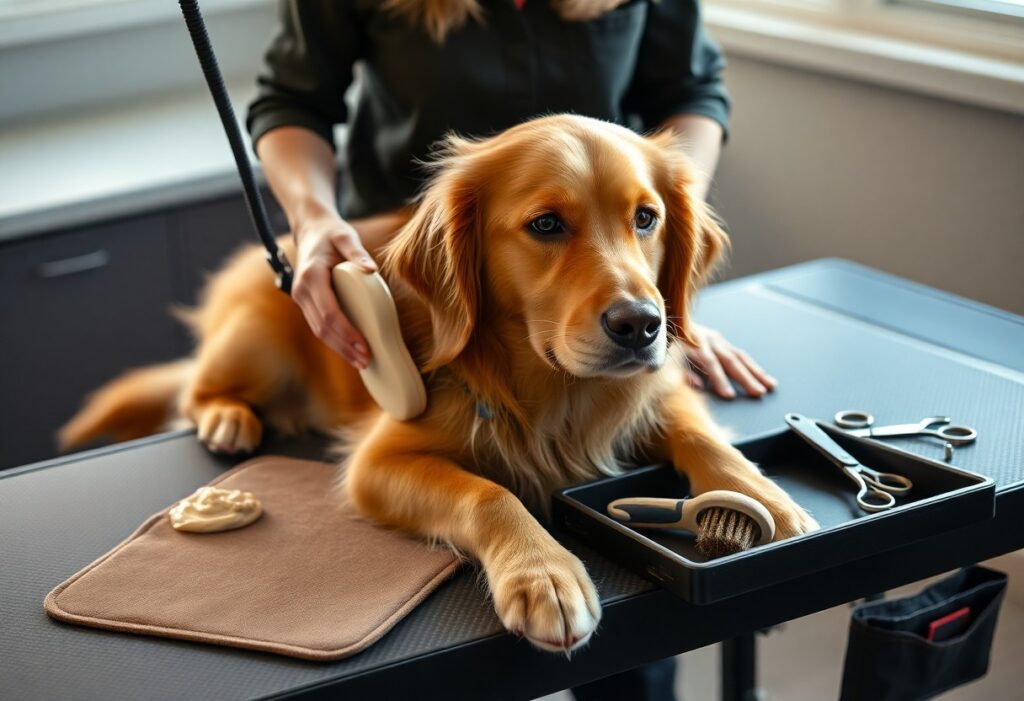
Just start small and keep grooming sessions short so your dog associates the routine with calm rewards instead of stress.
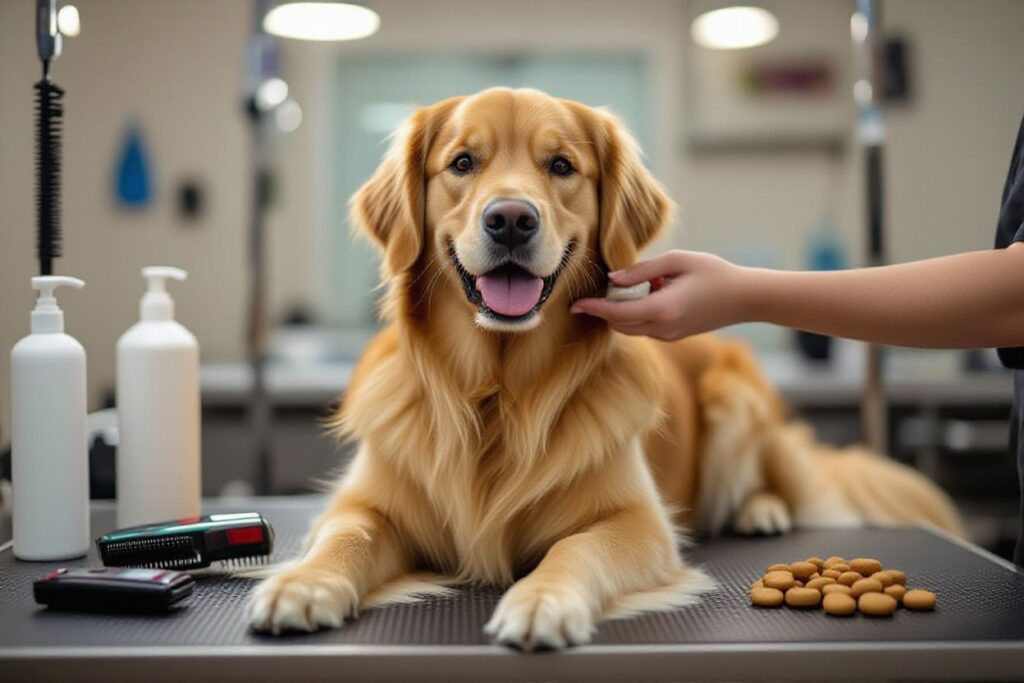
Begin with gentle desensitization: touch paws, ears and coat for a few seconds, then give a treat. Gradually increase time and the tools you introduce, such as a brush or nail clippers, using positive reinforcement each step of the way.
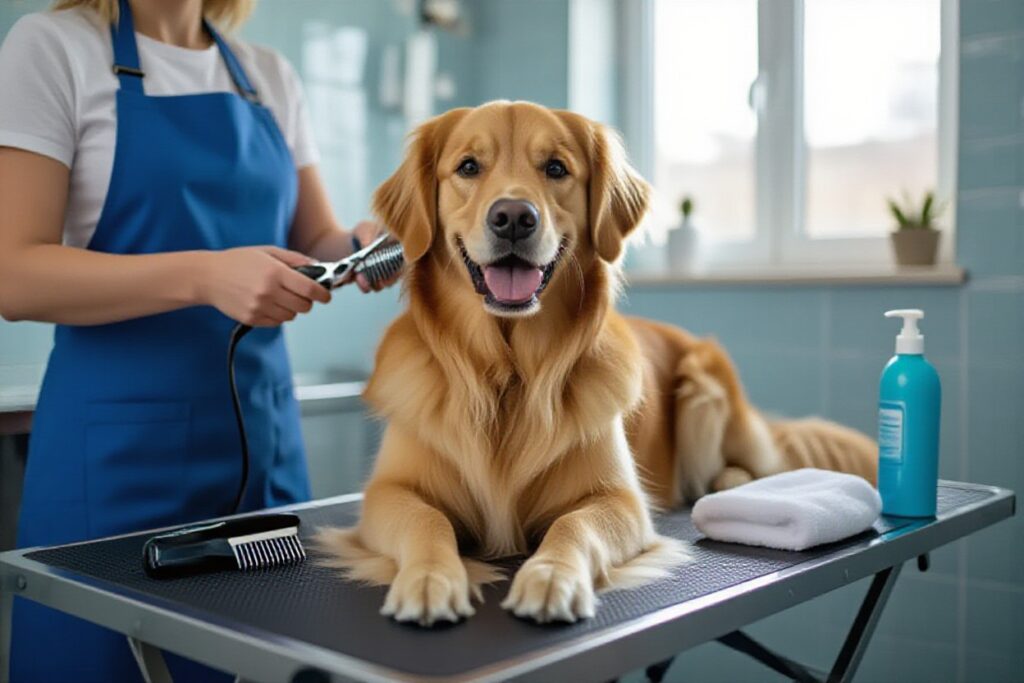
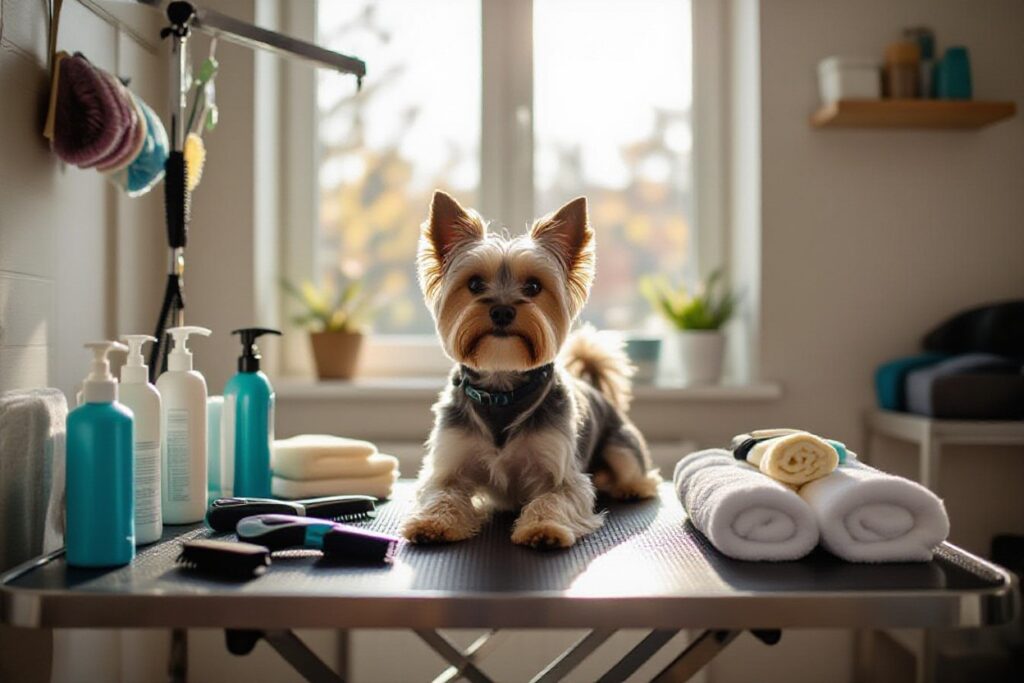
Choose the right tools for your dog: a slicker or bristle brush suited to their coat type, a rounded-tip nail trimmer, and a mild shampoo. Let your dog sniff and inspect each item before you use it so you reduce surprise and build trust.
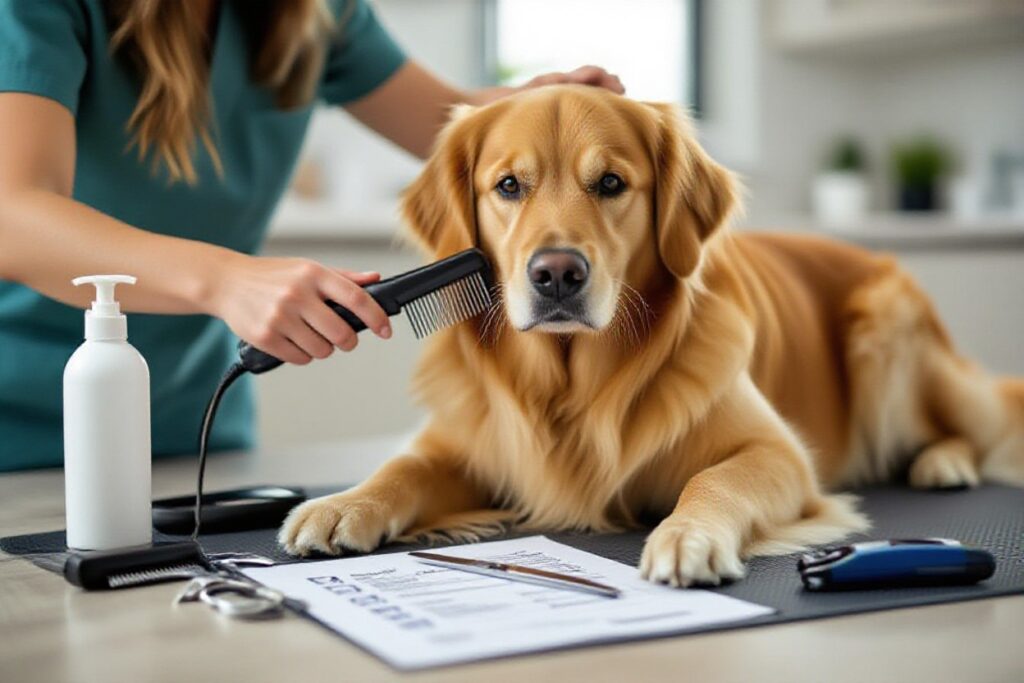
When you brush, work in the direction of hair growth and use short strokes for sensitive areas. If you find mats, hold the base of fur to protect skin and gently tease the mat apart with a dematting tool or wide-tooth comb. Offer a treat or praise every few minutes to keep your dog engaged.
For bathing, test water temperature so it’s comfortably warm, use a non-irritating shampoo, and shield ears from water. Keep a soft towel and a quiet place to dry; some dogs prefer a low-heat dryer with the nozzle kept several feet away.
Trim nails in tiny increments and stop at the first sign of resistance. If your dog is anxious about clippers, use a file or take breaks between quick trims. If bleeding occurs, apply styptic powder and calm strokes.
Use a consistent routine and calm voice so your dog learns what to expect. Short daily handling sessions build tolerance faster than infrequent long ones. If grooming triggers fear or aggression, consult your vet or a professional groomer trained in behavior-based approaches.
Finish each session with a favorite treat, a walk, or a gentle massage so grooming becomes a positive part of your dog‘s day. Consistency, patience and clear rewards will make grooming easier for both you and your dog.