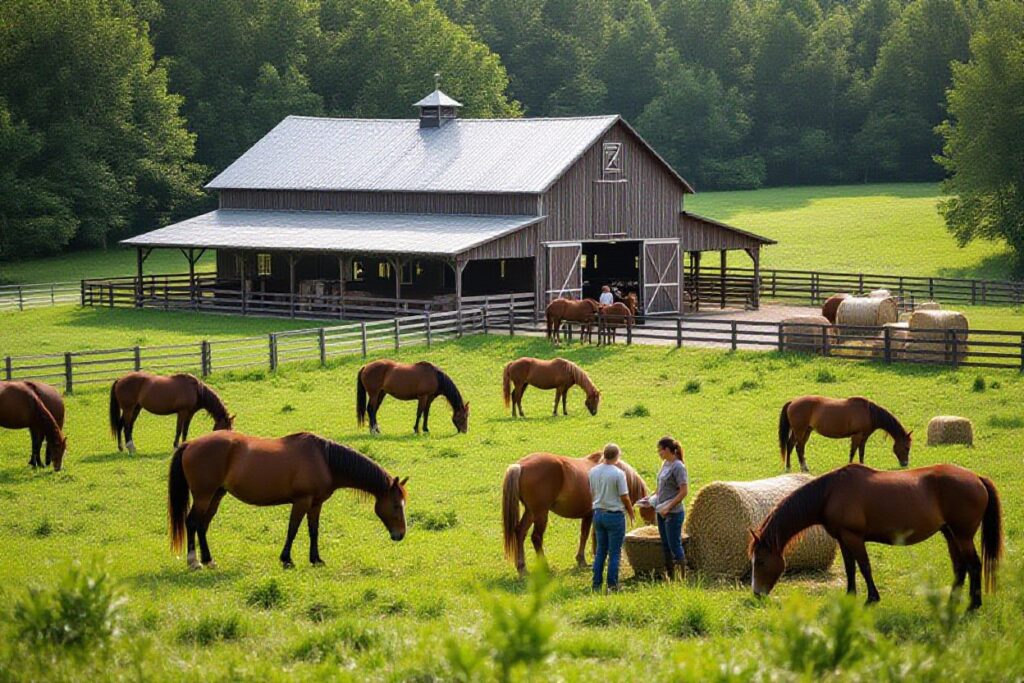
There’s a detailed, actionable roadmap for how to start a horse rescue that helps you set up 501(c)(3) nonprofit status, secure appropriate land and facility requirements, budget for initial startup costs, and implement effective fundraising and volunteer systems. You must address biosecurity and injury risks with experienced veterinary partners, carry proper insurance and grants, form a competent board, and design adoption processes that deliver life-saving outcomes for horses while sustaining your organization.
Key Takeaways:
- Legal & governance first: establish a 501(c)(3) nonprofit, form a qualified board, secure insurance and required permits, build veterinary partnerships and formal adoption policies to ensure compliance and animal welfare when planning how to start a horse rescue.
- Operations and facilities: size land and shelters for herd management, install safe fencing, feed and manure storage, quarantine and treatment areas; define staff roles, volunteer management systems, standard operating procedures and vet care protocols to run daily, rescue-to-adoption workflows efficiently.
- Finance, fundraising and growth: budget initial costs and ongoing overhead, pursue diversified revenue (donations, grants, sponsorships, adoption fees), implement donor marketing and tracking (KPIs like impressions/clicks/CTR), and create a sustainable business plan with contingency reserves for long-term rescue viability.
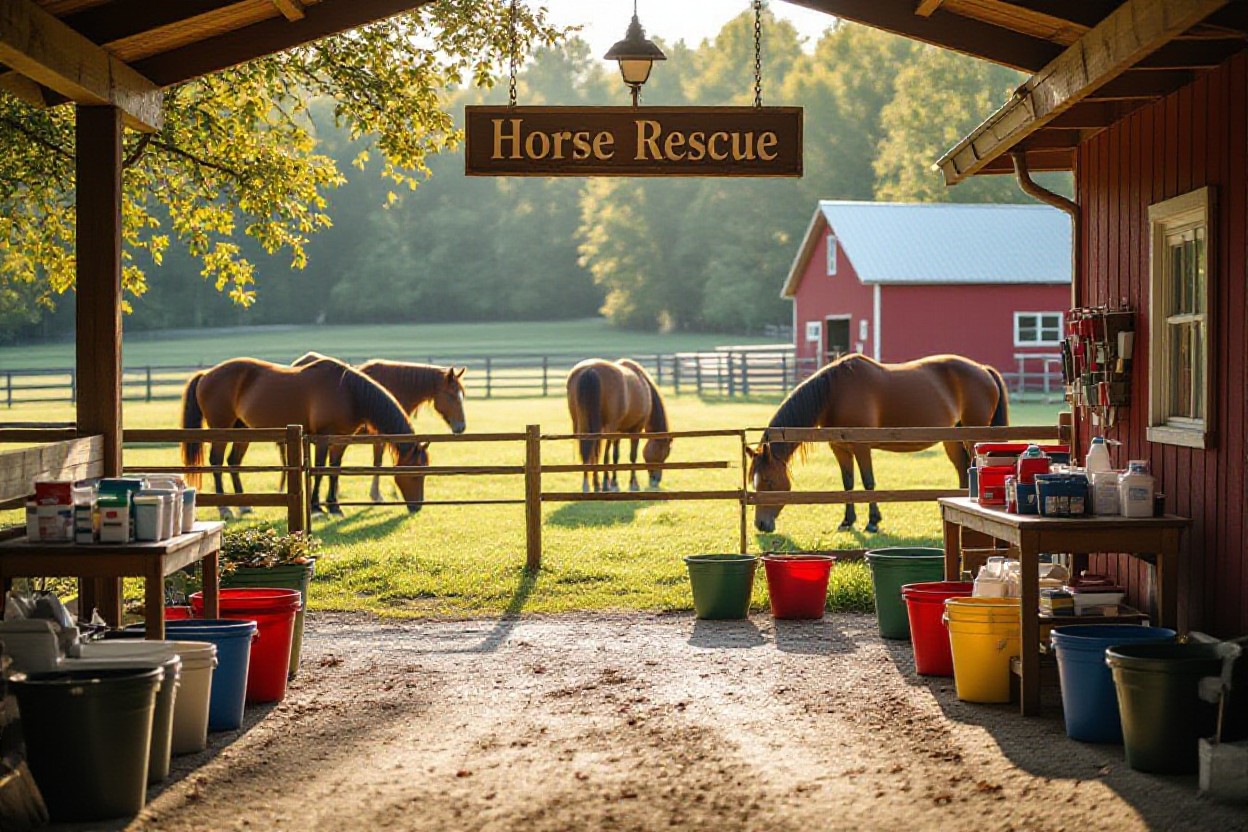
Legal & Nonprofit Formation
Choosing a Legal Structure
You’ll most often form a state nonprofit corporation and pursue 501(c)(3) tax-exempt status to accept tax-deductible donations and apply for grants; this gives you personal liability protection for directors and staff. Establish a board (commonly at least three independent members), draft bylaws and a conflict-of-interest policy, and expect state incorporation fees typically in the $50–$300 range plus IRS application costs—budget roughly $500–$1,500 for initial legal and filing expenses.
Registering Your Nonprofit
Start by filing articles of incorporation in your state, obtain an EIN from the IRS (free online), then apply for federal exemption with Form 1023 or the shorter 1023‑EZ; the 1023‑EZ is for groups projecting under $50,000 annual receipts and under $250,000 in assets. Expect IRS user fees (~$275 for 1023‑EZ, higher for the full 1023) and complete any state charitable solicitation registration—failing to register can lead to fines.
Prepare a clear application packet: articles of incorporation, bylaws, a concise program narrative, and three years of financial projections or current financials. Processing times vary—1023‑EZ often completes in weeks to a few months, while the full 1023 can take 3–12 months—so plan fundraising and grant timelines accordingly; consult a nonprofit attorney or CPA to avoid errors that cause delays.
Facility Requirements
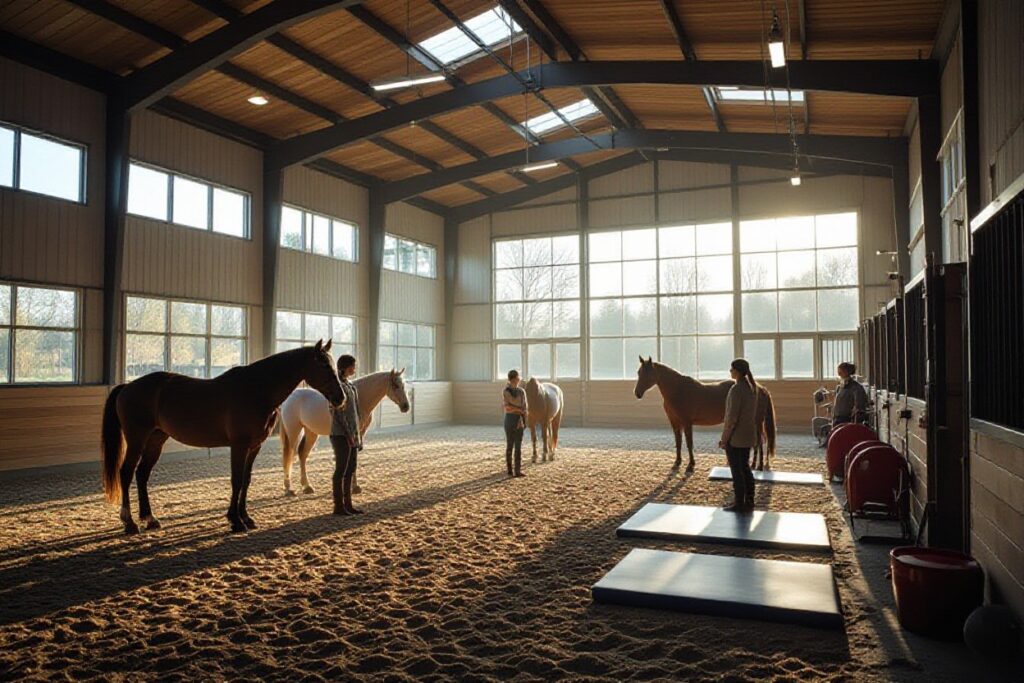
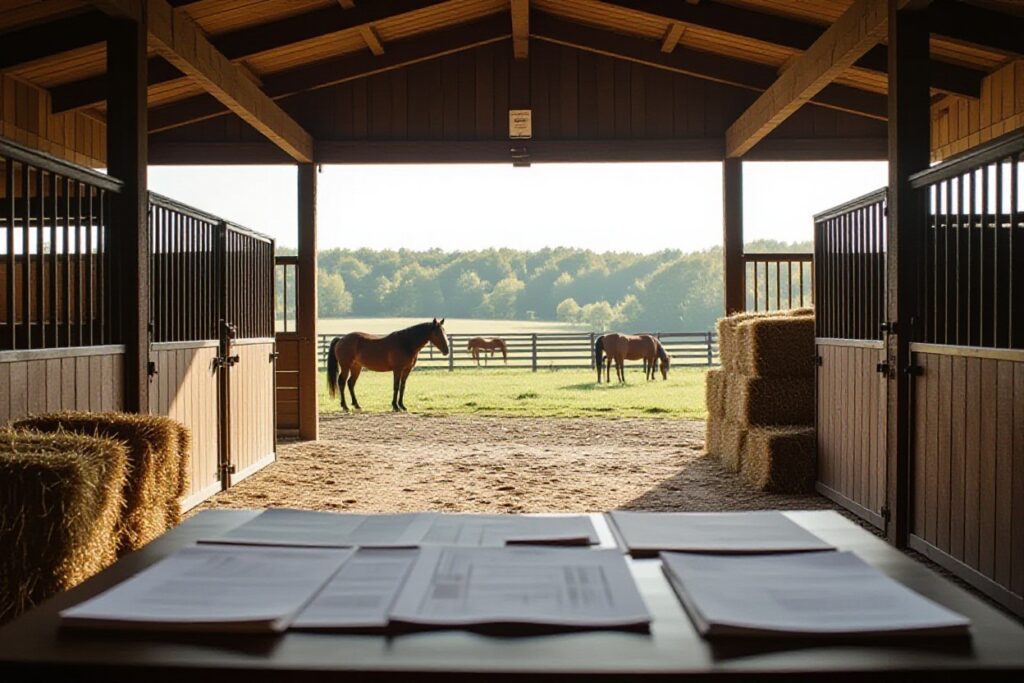
You must secure land, shelter, fencing, and utilities that meet operational and regulatory needs: plan for quarantine stalls, secure feed storage, manure management, and insurance-compliant fencing. Include a veterinary-accessible layout and emergency access for trailers; allocate budget for drainage and biosecurity measures. For a small operation expect initial site setup of $20,000–$100,000 depending on repairs, zoning work, and utility hookups.
Ideal Location and Space
Choose property with good road access, appropriate zoning, and well-drained soil; aim for at least 1–2 acres per horse plus room for hay storage, a barn, and turnout. For startup rescues handling 5–10 horses, 5–15 acres is realistic. Prioritize proximity to a large-animal vet within 30 minutes and avoid floodplains or steep slopes to reduce emergency evacuation risk.
Necessary Amenities for Horses
Provide 12×12 stalls or 12×24 run-ins, pasture fenced 4–5 ft high (post-and-board or woven), secure gates, reliable waterers (35–50 gal capacity or automatic), locked feed/hay storage, a tack room, and a wash rack. Install non-slip barn flooring and good ventilation; avoid barbed wire and maintain fences weekly to prevent injuries.
Plan for an isolation stall with separate equipment, rubber mats, and dedicated wash/feeding tools to control disease. Factor hay needs ~15–20 lbs/day per horse (~5.5–7.5 tons/year) for storage sizing, plus covered, ventilated hay barns and a locked feed room to prevent rodent contamination. Backup power for water pumps and secure composting or hauling for manure will reduce long-term costs and liability.
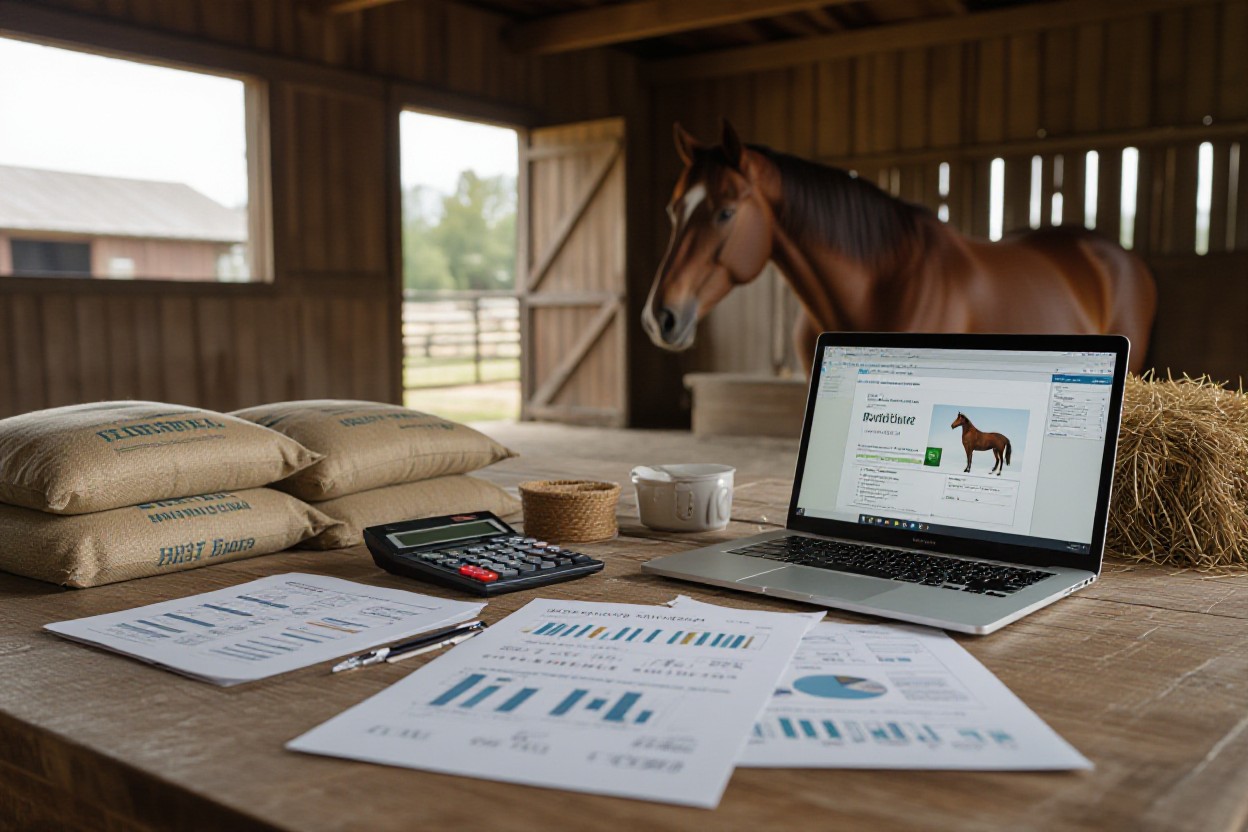
Startup Costs & Budgeting
Anticipate initial outlays when you plan how to start a horse rescue: land lease can run $200–$1,000/month or purchase $50,000–$300,000 depending on region; a basic barn and runs typically cost $10,000–$75,000; fencing $5,000–$30,000; initial hay/feed inventory $1,500–$5,000; and insurance $1,200–$5,000/year. You should set a vet/emergency fund of $5,000–$15,000 and budget for equipment, licensing, and an operating cushion while you secure grants and donations.
Initial Expenses
You’ll need to itemize startup invoices: site prep and utilities ($2,000–$10,000), barn construction or retrofit ($10k–$75k), perimeter and paddock fencing ($5k–$30k), vehicles/trailers ($8k–$50k used), first-month feed and bedding ($1,500–$5,000), and a vet intake exam budget ($200–$600 per horse). Factor in permit fees, insurance, and filing costs for a 501(c)(3) if you plan to pursue nonprofit status.
Ongoing Financial Management
After launch, you must track recurring costs: feed per horse runs $150–$400/month, farrier care $50–$150 every 6–8 weeks, routine vet care $25–$70/month averaged annually, bedding and utilities, plus staff or volunteer coordination expenses. Establish a monthly budget and reserve target immediately to avoid shortfalls.
Dive deeper by building a cash-flow model: a small 10-horse rescue often needs $5,000–$10,000/month. You should diversify income through adoption fees, monthly donors, grants, and events, and maintain a 3–6 month operating reserve. Monitor KPIs—occupancy rate, cost per horse, donation growth—and adjust adoption pricing or fundraising strategies if the emergency fund dips below your threshold.
Fundraising Strategies
Grant Writing and Applications
You should target grants from animal welfare funders like ASPCA, Banfield Charitable Trust, state equine councils and local community foundations, where awards typically range from $5,000–$50,000. Prepare a tight packet: mission statement, EIN/board list, program budget, timeline and measurable outcomes. Many foundations expect 501(c)(3) status and audited financials; competitive grant success rates are often under 25%, so tailor each proposal and track KPIs to improve repeat funding.
Community Engagement and Events
Use events—open barn days, hay drives, benefit rides, adoption fairs and annual galas—to build donors and volunteers; small events can net $500–$5,000, while well-promoted galas often raise $10,000–$50,000. Secure sponsorship tiers ($250–$5,000), enable corporate matching, and list volunteer roles for setup, horse handling and safety. Prioritize liability insurance and clear safety briefings to mitigate injury risk at public-facing activities.
Plan logistics with a 90–120 day timeline: permits, site layout, vendor contracts, marketing calendar and volunteer shifts. Track ROI per event (attendance, revenue, new donors) and aim to convert 10–20% of attendees into recurring supporters. For example, one rescue’s annual hay drive saved $2,200 in feed costs and a spring adoption fair placed eight horses while generating $8,500 net—use post-event surveys to refine programming and sponsorship pitches.
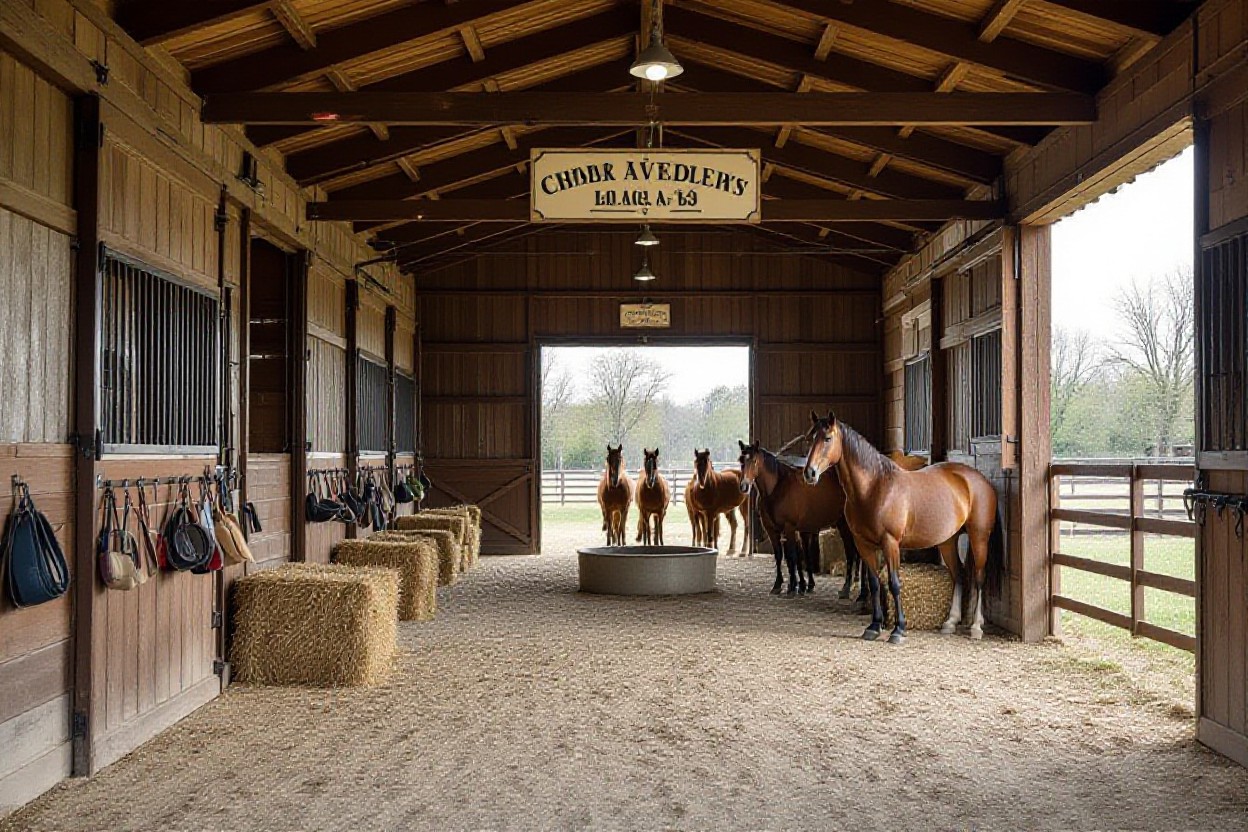
Operations & Management
You must set clear systems for intake, medical triage, record-keeping, budgeting, and compliance so your operations scale efficiently; plan for a 30-day quarantine, veterinary partnerships, insurance, and a board-driven governance model (501(c)(3)) to support fundraising. Track metrics like monthly cost per horse (plan $200–$500+/horse), adoption turnaround, and volunteer hours to prove impact when applying for grants and partnerships in guides about how to start a horse rescue.
Daily Operations
You should run a predictable daily routine: perform daily checks twice per day (feed, water, injuries), feed according to body condition scores, clean stalls or sacrifice paddocks, rotate turnout to prevent overgrazing, and log medications and treatments. Implement a standard shift schedule, manure management plan, and weekly facility inspections so staff can spot illness early and maintain biosecurity standards that reduce outbreak risk.
Staff and Volunteer Management
You’ll need a staffing plan with defined roles: one full-time manager per 10–20 horses, part-time caregivers, and a volunteer base of 10–30 people for peak seasons; use shift scheduling software, require background checks for handlers, and set an onboarding period (typically 8–12 hours of hands-on training) so everyone follows standard operating procedures.
Additionally, build written SOPs, incident-report forms, and a volunteer retention program (recognition events, training credits). Track volunteer hours for grant reports, carry liability insurance, enforce PPE and safe handling, run quarterly safety drills, and require signed liability waivers and reference checks for anyone working directly with horses to reduce risk and improve professionalism.
Adoption Program
Creating a Successful Adoption Process
You should design a multi-step adoption pipeline: online application, detailed home-check, in-person meet-and-greet, and a signed adoption contract with a 30-day trial. Require proof of fenced acreage (1–2 acres/horse), current Coggins, vaccinations, and a vet/farrier reference. Set graded adoption fees ($250–$1,500) to offset medical costs and deter casual adopters. Track metrics—application-to-placement rate and post-adoption returns—to refine screening; many rescues cut rehoming by >40% after enforcing home visits.
Post-Adoption Support
You should provide a structured follow-up program: schedule a vet/farrier check at 72 hours, a trainer consult at 2 weeks, and staff check-ins at 30, 90, and 180 days. Offer resources like a starter kit (feed plan, farrier schedule, contact list) and discounted training or boarding partnerships to reduce returns. Include a return clause in the contract and clear liability and insurance guidance to protect the rescue and the adopter.
You should maintain a support database and provide templates for behavior logs, feeding charts, and emergency action plans; include a direct hotline or dedicated email for urgent issues. Offer a 2-week complementary training voucher or 50% boarding discount for at-risk adoptions—example: a west-coast rescue lowered returns from 18% to 6% after launching a 30-day mentorship and trainer referral network. Track follow-ups in your CRM to flag behavioral red flags (severe kicking/biting) early and facilitate safe returns when necessary.
Final Words
Drawing together the steps in this complete guide, you can confidently plan how to start a horse rescue by defining your legal structure, securing suitable land and facilities, estimating startup costs, building fundraising and volunteer programs, establishing veterinary and insurance partnerships, forming a knowledgeable board, and implementing adoption and marketing systems; with disciplined planning and sustainable funding, you’ll create an organization that protects horses and serves your community.
FAQ
Q: What are the legal, governance, and site-selection steps to launch a horse rescue and set it up as a 501(c)(3) nonprofit?
A: How to start a horse rescue begins with a sequential legal and governance roadmap that protects the organization, makes it fundable, and allows sustainable operations. Start by defining mission, scope, and services (intake, rehabilitation, adoption, sanctuary, education). Draft a one-page mission statement and a short-case for support to use with potential board members and funders.
Step 1 — Choose legal structure and file formation documents: Decide between forming a 501(c)(3) nonprofit corporation versus a fiscally sponsored project under an existing nonprofit. For long-term fundraising and grant eligibility, a standalone 501(c)(3) is preferred. Incorporate in your state (file Articles of Incorporation), obtain an EIN from the IRS, and prepare initial corporate bylaws. Typical timeline: state incorporation 1–6 weeks, IRS 501(c)(3) determination 3–12 months (use Form 1023 or 1023-EZ if eligible).
Step 2 — Assemble a competent board: Recruit 5–9 board members with complementary skills: nonprofit governance, equine care, veterinary/medical, legal, finance/accounting, fundraising/marketing, and local land use or real estate. Create a board job description that includes fiduciary duties, annual giving expectations, and committee assignments (Governance, Finance, Fundraising, Intake/Operations). Draft conflict of interest, whistleblower, and document retention policies. Hold an initial organizational meeting to adopt bylaws, elect officers (Chair/President, Treasurer, Secretary), and pass a resolution to apply for tax exemption.
Step 3 — Compliance, permits, and insurance: Research state and local zoning for animal rescue, waste management, water usage, and building permits. Obtain required licenses (animal rescue, shelter permits) and register with local animal control if required. Secure an insurance portfolio: general liability, property, equine mortality/medical excess, directors & officers (D&O), auto for transport vehicles, and workers’ compensation if hiring staff. Create written safety and animal-handling protocols to support insurance underwriting and reduce premiums.
Step 4 — Site selection, land, and facility planning: Define your minimum and ideal land requirements based on intended capacity. Typical small rescues start with leased property or a partnership with a private farm; options: lease 10–30 acres for small herds and rotational grazing, or purchase 30+ acres for long-term sanctuary needs. Evaluate soil quality, drainage, forage productivity, water access (well or municipal), fencing suitability, existing barns/lean-tos, quarantine areas, and zoning restrictions. Prioritize a quarantine stall/area, a secure intake paddock, a barn with stalls and feed storage, and room for hay, manure management, and turnout. If boarding or training income is part of the model, plan for potential public access areas and parking.
Step 5 — Operational policies and recordkeeping: Draft key operating documents before intake: intake intake/surrender agreement templates, medical records system, adoption contracts, euthanasia/retirement policies, biosecurity protocols, and a detailed intake triage checklist. Implement a basic digital record system (e.g., RescueGroups, Shelterluv, or a cloud-based CRM) to track animal histories, medical care, donors, and volunteers, which will be required for grants and audits.
Step 6 — Financial systems and initial funding: Open a bank account under the nonprofit EIN and set up accounting software (QuickBooks Nonprofit or equivalent). Establish an initial budget and cash reserve target (three to six months of operating expenses). Prepare a projected first-year budget that includes land lease/mortgage, facility build-out, feed and hay, veterinary care, staffing, insurance, utilities, transport, and contingency for emergency medical cases.
Time and milestones: Month 0–3 incorporate and form board; Month 3–9 secure site and local permits; Month 6–12 apply for 501(c)(3) and develop fundraising pipeline; Month 9–18 begin phased intakes as capacity and funding permit. Establish milestones and KPIs for governance (board contributions, meeting schedule), compliance (permit approvals), and financial health (monthly cash flow, reserve levels).
Q: What are realistic startup and operating cost estimates, funding strategies, and grant/fundraising approaches to ensure sustainability for a horse rescue?
A: A financial-first approach is required when assessing how to start a horse rescue. Provide realistic startup and recurring operating cost estimates, then create diversified funding streams—earned income, donations, grants, and events—so the organization is not dependent on a single source. Below are sample budgets, funding sources, and execution tactics.
Typical startup cost categories and sample figures (rounded, variable by location and scale): Land acquisition or lease: lease option $1,000–$6,000/month depending on acreage and region; purchase $200,000–$2,000,000+. Facility build-out (barns, stalls, quarantine, wash racks, feed/hay storage): $30,000–$250,000 for modest to mid-range; fencing and turnout infrastructure: $10,000–$60,000; equipment (tractor, mower, trailers, feed bins): $20,000–$75,000; veterinary start-up reserve and emergency fund: $10,000–$50,000; initial hay/feed and supplies (first 3 months): $5,000–$25,000; insurance, legal, and formation fees: $2,000–$15,000; vehicle for transport (used trailer & truck): $10,000–$50,000; staffing (first 6–12 months payroll or stipends if hiring): $40,000–$200,000; marketing and website: $3,000–$15,000. Total conservative startup range for a small rescue: $100,000–$300,000. For a mid-sized rescue aiming for 20–30 horses operationally: $300,000–$1M plus land purchase.
Operating-cost line items (monthly and annual): Feed and hay per horse: $100–$400/month depending on condition and region; veterinary and farrier routine care per horse: $50–$200/month averaged; bedding and supplies: $25–$100/month per stall; utilities, fuel, and maintenance: $1,000–$5,000/month depending on size; staff/salary: $3,000–$15,000/month for paid farm manager and care staff; transport and intake expenses: variable, budget $500–$3,000/month initially; insurance and licensing: $200–$2,000/month. Create a rolling 12-month cash flow forecast and maintain at least a three-month operating reserve.
Diversified revenue strategy: 1) Core donations and individual giving: build a monthly donor program (target 30–40% of revenue), with donor tiers and regular impact communications. 2) Grants: apply to national animal welfare funders, equine-specific grantmakers, community foundations, and state agricultural or animal welfare grants. Prepare a small grants calendar with deadlines and tailored proposals. 3) Events and earned income: host ticketed fundraising events, clinics, or tours; offer fee-for-service rehabilitation or training programs; foster-to-adopt programs with adoption fees; boarding or lease programs if consistent with mission. 4) Corporate partnerships and sponsorships: develop sponsorship packages for businesses (naming of stalls, program sponsorship). 5) Planned and major gifts: build a major donor pipeline and implement a legacy giving option. 6) Online fundraising: optimize website donation funnel, use crowdfunding for urgent medical cases, and implement peer-to-peer campaigns for targeted goals.
Grant strategy and practical steps: Identify 10–15 high-probability funders (local community foundations, equine foundations, animal welfare trusts). Tailor one-page concept notes describing need, measurable outcomes (number of horses rescued, rehomed, medical cases treated), evaluation metrics, budget line items, and sustainability plan. For government and large foundation grants, include audited financials or independent review if available. Track success metrics (ROI per grant application, average award size) and refine proposals based on feedback.
Fundraising execution plan: Build a 12-month fundraising calendar with monthly goals. Allocate staff or volunteer bandwidth to donor stewardship: new donor onboarding sequence, monthly newsletter, targeted appeals, and annual reports. Use a CRM (DonorPerfect, Bloomerang, Salesforce Nonprofit) to track interactions and automate touchpoints. Aim for a blended acquisition-to-retention strategy: convert single-gift donors into monthly donors via a 6–12 month stewardship path. Measure performance with KPIs: donor acquisition cost, donor retention rate, average gift size, and ratio of fundraising expenses to revenue (aim under 30% in early years if possible).
Sample fundraising channels and conversion tips: Email appeals with strong stories and photos (A/B test subject lines), social media activations with video, Google Ad Grants for search visibility (apply early), SEO focusing on “how to start a horse rescue” content to capture partners and volunteers, and local press outreach. Given your current site data (4 impressions | 2 clicks | Position 4.0 | CTR 50%), prioritize content that increases impressions while preserving CTR: expand keyword target lists, publish long-form authority pages (guides, intake criteria, donor reports), and implement backlink outreach to equine and nonprofit directories to move position from 4 to top 2 and scale impressions.
Scaling finance model: For program expansion, use a break-even analysis per horse slot: calculate cost-per-horse-month (feed + routine care + overhead + amortized capital). Use that to price adoption fees, sponsorships, and boarding to cover marginal costs. Maintain an emergency medical reserve fund equal to 20–30% of annual veterinary budget for high-cost cases that could otherwise derail cash flow.
Q: What are best-practice intake, medical, volunteer, adoption, and marketing operations to run an effective, ethical horse rescue?
A: Operational excellence defines whether a horse rescue meets animal care standards and sustains public trust. Organize operations into intake/triage, medical care protocols, volunteer management, adoption workflow, and marketing/metrics. Each area should have standard operating procedures (SOPs) and measurable outcomes.
Intake and triage SOP: Develop a documented intake flow: intake inquiry → preliminary phone screen → transport assessment and scheduling → on-site arrival and immediate triage → quarantine period (minimum 14–30 days based on risk, longer for severe conditions) → full medical exam and behavioral assessment → classification (rehab, sanctuary, immediate adoption, euthanasia if humane reasons). Use a standardized intake form capturing ownership documents, health history, microchip, and photos. Do not accept animals without signed surrender agreements or clear transfer-of-ownership documents. Maintain a waiting list or foster network for overflow situations.
Veterinary partnerships and medical protocols: Formalize partnerships with at least one equine veterinarian and a referral clinic for emergencies. Negotiate a vet-retainer or discounted service agreement for frequent care. Create standing orders and preventative care protocols for deworming, vaccinations (core equine vaccines), dental floats, hoof care schedule (farrier), and body condition monitoring. Maintain an on-site medical file for each horse with dates, procedures, medications, and follow-up plans. Track medical KPIs: average days to medical stabilization, average medical cost per intake, outcomes (rehomed, sanctuary, euthanized), and readmission rates post-adoption.
Volunteer recruitment, training, and retention: Create clear role descriptions (barn handler, transport driver, foster caregiver, admin, events, social media). Implement an application and screening process including references and background checks where appropriate. Provide structured onboarding: orientation packet, safety brief, hands-on shadow shifts, and written SOPs for feeding, handling, turnout, and emergency drills. Use a volunteer management platform (SignUpGenius, Better Impact) to schedule shifts, track hours (important for grant reporting), and communicate. Incentivize retention via recognition programs, educational clinics, and pathway to paid roles for top volunteers. Regularly update training on equine behavior, PPE, and biosecurity measures.
Adoption procedures and post-placement support: Build a rigorous yet humane adoption program: online adoption application, home/facility checks, written trial agreements (30–90 days), adoption contracts with return clauses, and follow-up schedule (30, 90, 180 days). Vet applicants for experience, facility safety, vet/farrier references, and financial capacity to care for the horse. Implement a sliding-scale adoption fee that helps offset medical costs and screens for commitment; consider sponsorship options for applicants who lack capacity but have excellent homes. Provide an adoption packet: veterinary history, deworming/farrier records, behavior notes, emergency contacts, and suggested trainer referrals. Track adoption success via post-adoption surveys and renewal-of-contact data; offer post-adoption support (behavioral coaching, resources) to reduce returns.
Transport and logistics: Develop a compliant transport SOP for trailers and vehicles, including driver qualifications, route planning, rest stops for long transfers, and biosecurity measures between loads. Maintain maintenance logs for trailers and tow vehicles and train volunteers or staff in safe loading/unloading practices.
Data, measurement, and impact reporting: Use a centralized database to track animal outcomes, financials, volunteer hours, and donor metrics. Establish regular reporting cadence: monthly operational dashboard (intake numbers, medical spend, volunteers, adoption rates), quarterly donor impact reports, and an annual impact report for major funders. Track KPIs aligned with mission: number of horses rescued, rehomed, average length of stay, percentage of intakes requiring major medical intervention, and fundraising metrics (monthly donor growth, grant success rate).
Marketing, communications, and growth tactics: Position the rescue as a mission-driven organization with an authoritative content strategy on “how to start a horse rescue” to attract volunteers, donors, and partners. Create cornerstone content: a comprehensive start-up guide, intake photos/videos, success stories, and financial transparency reports. Optimize web pages for search (on-page SEO using the focus keyword, meta titles, structured data for events and donations). Leverage Google Ad Grants for nonprofits to drive search visibility and multiply impressions; pair this with conversion-focused landing pages to turn visitors into donors or volunteers. Use email segmentation for donor stewardship and targeted campaigns for adoption, urgent medical needs, and event tickets. Implement a crisis communications plan for negative publicity and a media kit that includes high-resolution photos, bios, and fact sheets.
Staffing and culture: Hire a qualified farm manager early if budget allows; their responsibilities should include animal care oversight, volunteer coordination, and operational logistics. Invest in staff training, performance reviews, and safety culture to reduce turnover. Establish clear escalation pathways for welfare concerns and an internal reporting system for incidents.
Final operational checklist before first intake: signed bylaws and insurance, secured site and utilities, quarantine stall and SOPs, veterinary retainer agreement, intake and adoption forms, trained core volunteers/staff, and an initial three-month operating cash reserve. With those elements in place, intake can proceed in a phased manner while you continue to scale fundraising, staffing, and systems.