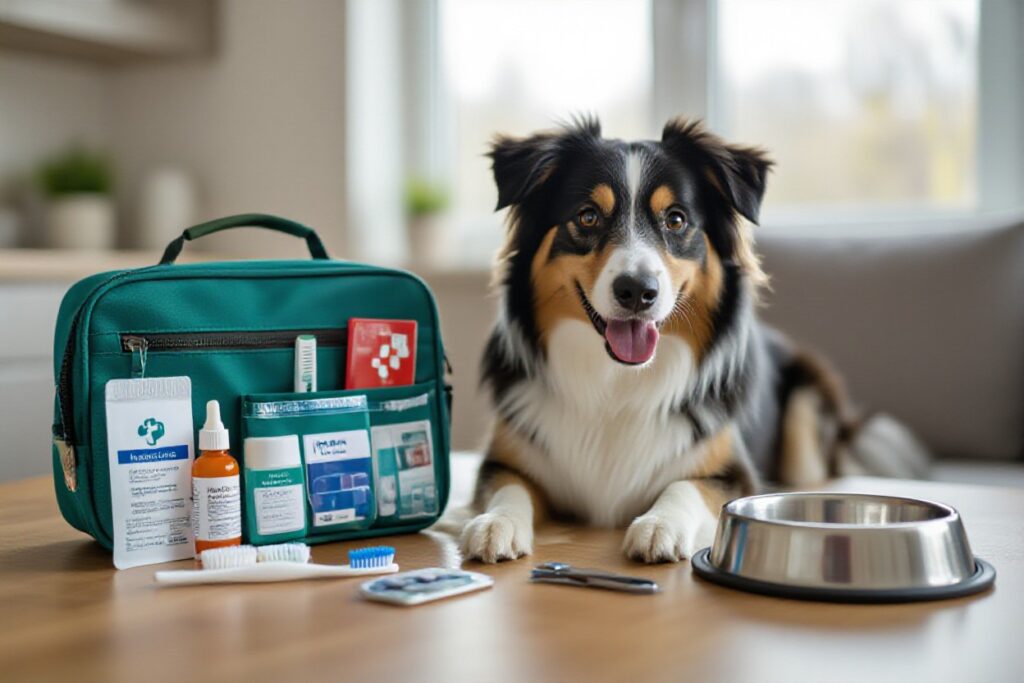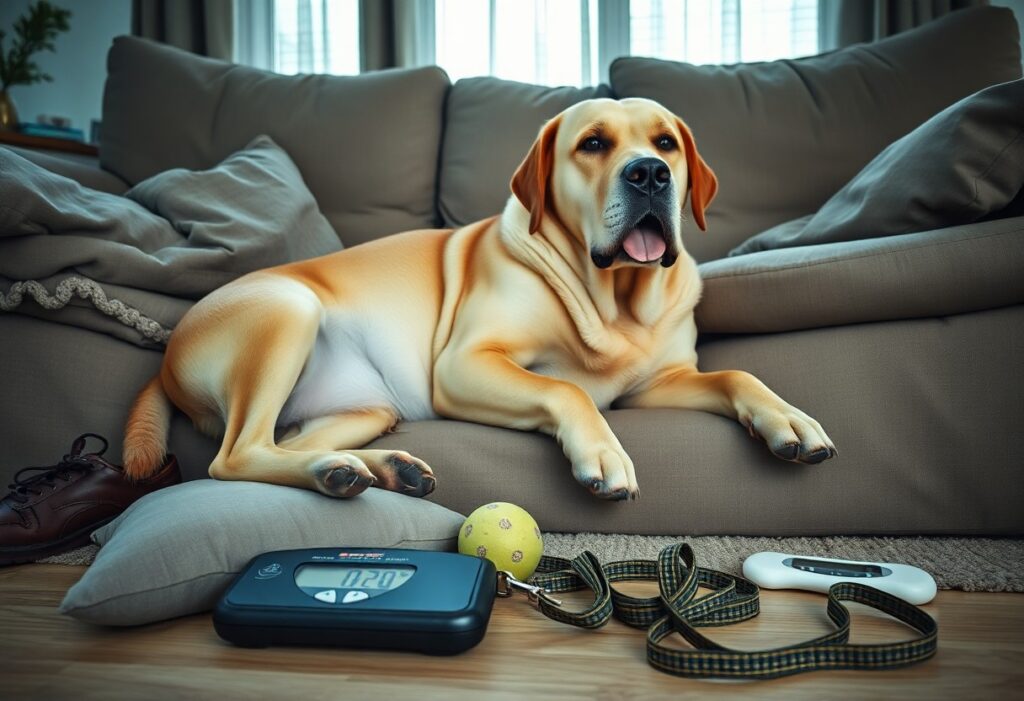
It’s common to overlook subtle cues that your pet needs more movement; if you notice weight gain, persistent lethargy, destructive behavior, or sudden house-soiling, those are dangerous red flags for health and behavior, while signs like excessive pacing or attention-seeking indicate unmet exercise needs. You should increase walks, play sessions, and mental stimulation to support better weight control, improved mood, and reduced anxiety, and consult your vet if symptoms persist to protect your pet’s long-term well-being.
Understanding Physical Activity Needs
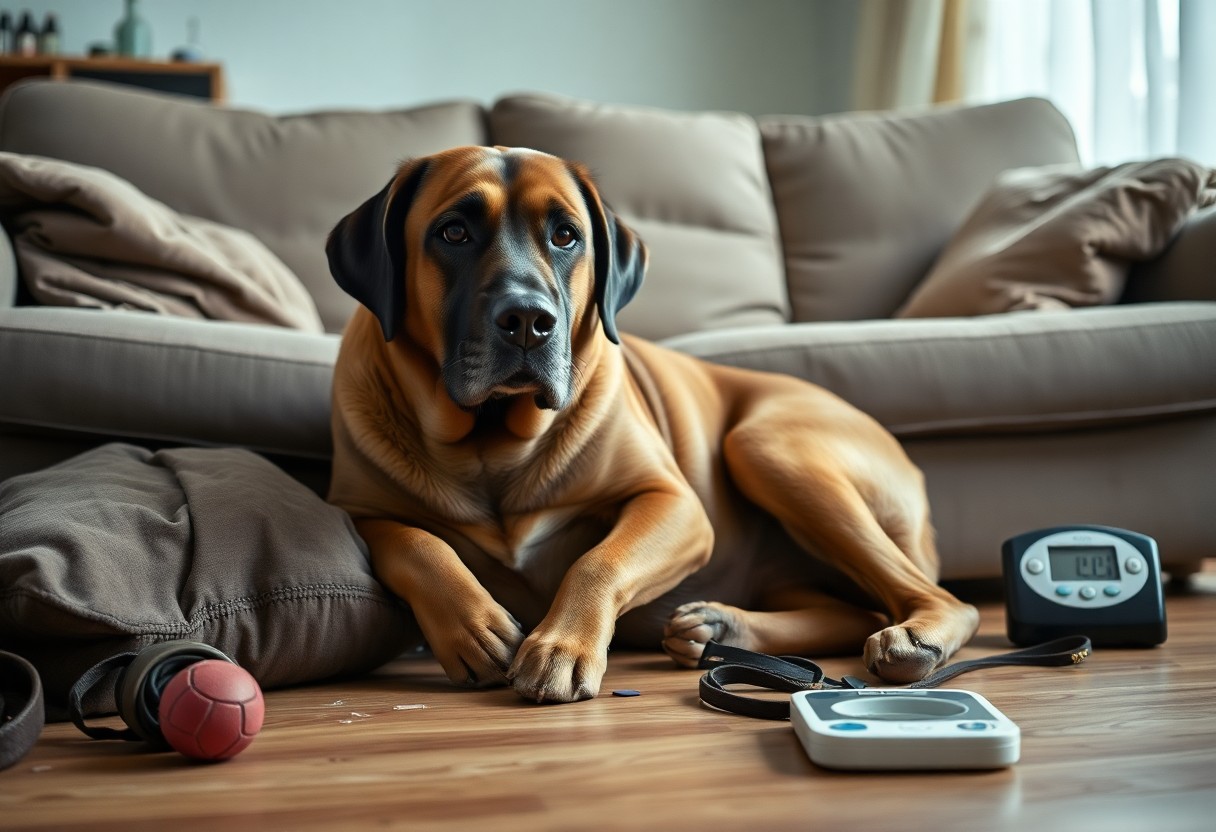
Depending on age, breed and health, your pet’s exercise requirements vary: many dogs need between 30-120 minutes daily while most indoor cats benefit from 20-40 minutes of interactive play. Pay attention to weight, joint health, and behavior changes – increased panting, lethargy, or gain of >10% body weight can signal underactivity and raise risk of arthritis and metabolic disease.
Importance of Exercise for Pets
Regular activity helps you manage your pet’s weight, reduce anxiety-driven behaviors, and support cardiovascular and musculoskeletal health. For example, losing about 10% of excess body weight often improves mobility in arthritic dogs, and consistent play sessions lower destructive behaviors in cats and dogs. Structured routines also improve training outcomes and overall longevity.
Recognizing Breed-Specific Activity Levels
High-energy breeds like Border Collies, Huskies, and Labrador Retrievers often require 60-180 minutes of varied activity including runs, fetch, or scent work; low-energy breeds such as Bulldogs or Basset Hounds do well with 20-40 minutes of low-impact walks and enrichment. Tailor intensity to your pet’s age and medical limits rather than breed label alone.
Assess your pet by tracking daily activity, behavior, and recovery: if your dog chews furniture, shows pacing, or gains weight despite food control, increase exercise and mental tasks. Implement plans like two 30-60 minute sessions (run/walk + training) for high-energy dogs, daily 30-45 minute walks with play for medium breeds, and multiple 5-10 minute play bursts for cats. Watch for excessive panting, collapse, sudden lameness or persistent lethargy-these are signs to reduce intensity and consult your vet.
Common Signs of Insufficient Exercise
You may notice a cluster of signals that point to low activity: persistent restlessness, repeated destructive chewing, house-soiling despite training, or sudden weight gain. Smaller changes like a dull coat or reduced interest in play can escalate into obesity, increased risk of diabetes, and joint disease if not addressed. Pay attention when these behaviors appear together over 2-4 weeks, especially in breeds that normally need 30-120 minutes of daily exercise.
Behavioral Changes
When your pet isn’t moving enough, you might see intensified pacing, constant begging, or attention-seeking that wasn’t present before; cats often overgroom, dogs may bark excessively or dig. One common case: a 3-year-old Labrador confined to a small yard escalated from mild chewing to shredding door frames within a month. These actions often reflect unmet energy needs and can lead to escape attempts or aggression if left unaddressed.
Physical Symptoms
Insufficient exercise often shows physically as weight gain, visible loss of muscle tone, or stiff joints after short activity; you might notice your dog’s waist disappears or your cat’s hips feel less defined. Over months, these signs can progress to reduced endurance, labored breathing during play, and a dull coat, all of which indicate declining fitness and increased risk of osteoarthritis and metabolic disease.
More specifically, you should track body condition and performance: a dog that once ran 3 miles but now tires after one block signals a functional decline. Measure changes-weight gain of even 5-10% over weeks, reduced play bouts from 10+ to fewer than 3 daily, or reluctance to climb stairs-because these quantifiable shifts help you and your vet decide on an exercise plan and rule out medical causes.
The Role of Age and Size in Activity Requirements
Puppies and Kittens
With puppies and kittens you’ll need to channel bursts of energy into short, supervised sessions: follow the common guideline of 5 minutes of exercise per month of age, up to twice daily. Small breeds’ growth plates often close around 12 months, while large breeds may not finish until 18-24 months, so you should avoid high‑impact, repetitive activities that can injure growth plates. Include social play, short training walks and gentle fetch to build coordination without overloading developing joints.
Senior Pets
As pets age, you should shift toward low‑impact, strength‑preserving activity: aim for 10-30 minutes of gentle movement daily, split into shorter sessions if needed. Swimming, controlled leash walks, and indoor balance exercises reduce joint stress while maintaining muscle. Watch for limping, prolonged stiffness after activity, or reluctance to rise, which indicate pain and a need to scale back and consult your vet. Modify terrain, duration and intensity based on mobility.
For example, your 12‑year‑old Labrador with osteoarthritis might regain mobility with 20‑minute slow walks plus hydrotherapy twice weekly, often showing improvement within 8-12 weeks; similarly, senior cats benefit from short 5-10 minute wand‑toy sessions 2-4 times daily to preserve muscle. You should work with your vet to set measurable goals, monitor weight and gait, and consider targeted interventions like physiotherapy or supplements (omega‑3s, glucosamine) when indicated.
Creating a Structured Exercise Routine
You can map a weekly plan that balances cardio, strength and play: aim for a morning walk or play session of 20-30 minutes, an active midday interaction of 10-20 minutes, and an evening session tailored to intensity needs. Vary activities by day to prevent boredom and increase workload by about 10% per week. Watch for limping, excessive panting, or lethargy and consult your vet if they appear.
Types of Activities for Different Pets
Dogs benefit from structured runs, scent work and agility, while cats need short, high-focus play sessions with wands or lasers; rabbits require supervised floor time and obstacle courses, birds need safe flight or foraging challenges, and small mammals thrive with wheels and tunnels. After assessing your pet’s breed and age, adapt intensity and safety measures.
- Daily walks – dogs: leash walks, interval runs
- Interactive play – cats: 10-15 min sessions, 2-4× daily
- Supervised out-of-cage time – rabbits: 20-40 min daily
- Flight or foraging time – birds: 30-60+ min when possible
- Exercise wheel – rodents: 30-60 min of active running
| Dog | Walks, runs, scent games, agility (30-60 min/day) |
| Cat | Interactive play, climbing, puzzle feeders (10-15 min ×2-4) |
| Rabbit | Supervised hops, obstacle courses, digging boxes (20-40 min) |
| Bird | Out-of-cage flight, foraging toys, perch-to-perch exercise (30-120 min) |
| Small mammal | Wheel running, tunnels, supervised exploration (30-60 min) |
Recommended Duration and Frequency
Tailor sessions to species and life stage: most adult dogs need 30-60 minutes daily, active cats do best with 10-15 minute bursts several times daily, and small mammals often need 30-60 minutes of focused activity; adjust higher for working breeds and lower for seniors or those with health issues, and stop if you see excessive panting or collapse.
Progress gradually, increasing total weekly activity by about 10% per week and alternating high-intensity days with lighter recovery sessions; monitor your pet’s gait, appetite and sleep for signs of overuse, use shaded walks in heat and shorter sessions for very young or old animals, and get veterinary clearance before starting vigorous programs.
Engaging Your Pet in Fun Activities
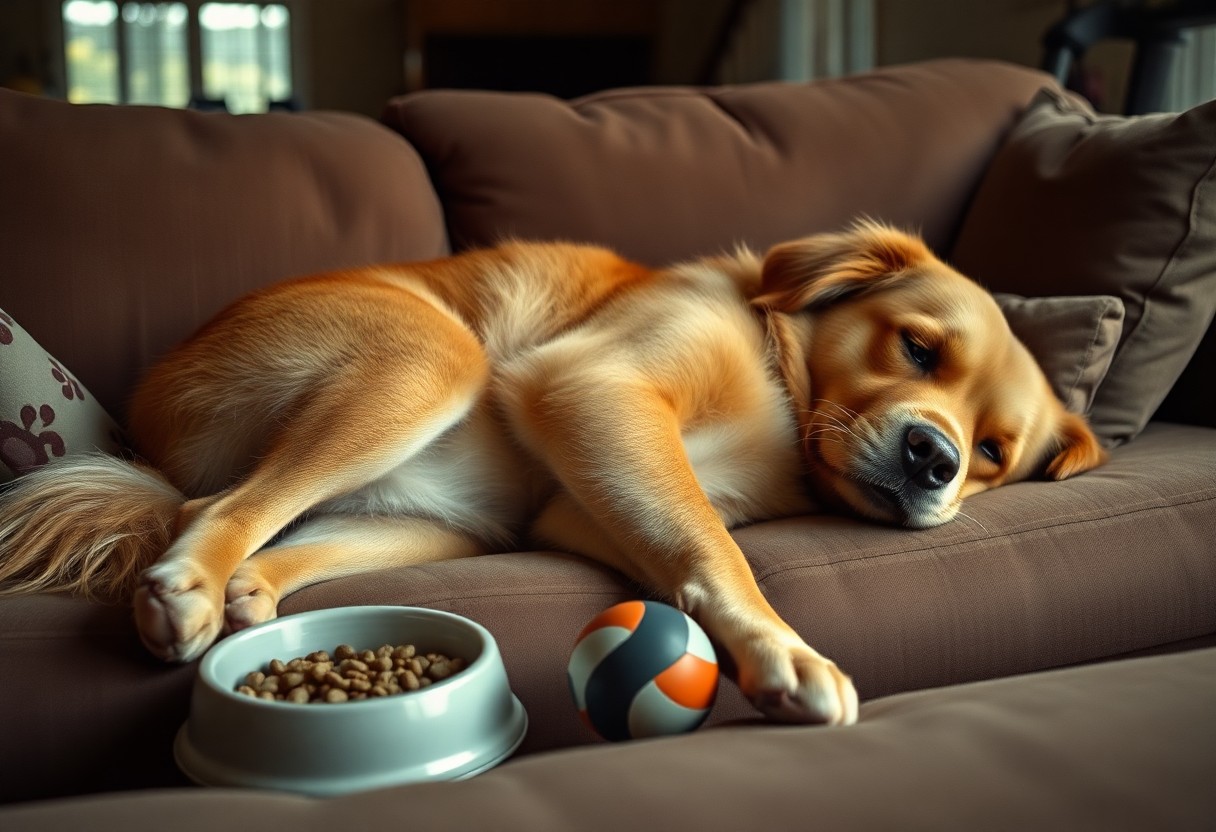
Rotate high-energy and low-energy play: combine 20-30 minute fetch or tug sessions with 15-20 minutes of scent work or puzzle toys to keep your pet mentally and physically challenged. Try a weekly schedule-three vigorous sessions and two enrichment days-and track progress; many dogs show improved endurance within 2-4 weeks. Emphasize consistency and variety to prevent boredom and boost fitness.
Interactive Games and Toys
Use specific tools: KONG classics stuffed for 10-15 minute chewing, Nina Ottosson puzzles for 10-20 minutes of problem-solving, and flirt poles for brisk 5-10 minute sprints. Rotate toys every 7-14 days to maintain novelty and offer 2-3 short sessions daily. Inspect toys before use and replace damaged items-swallowable parts or frayed rope can cause choking or intestinal blockage.
Socializing with Other Pets
Begin introductions on neutral territory with short, 10-15 minute supervised visits and loose leashes; parallel walks 5-10 meters apart work well to lower arousal. Reward calm behavior with treats and pause interactions if either pet shows stiff body, prolonged staring, snarling, or raised hackles. Increase duration across several successful meetings and keep unsupervised play off-limits until both pets consistently display relaxed signals.
For dogs, follow a stepwise plan: two to three 5-15 minute sessions per week, decrease distance by 1-2 meters after calm meetings, and end each session positively. For cats, perform scent swapping, then 10-15 minute visual introductions through a baby gate before supervised contact. Make sure your pet’s vaccinations are current and consult your vet if you see persistent hiding, hissing, or aggressive lunges. Track progress with brief notes or photos to fine-tune pacing.
Long-term Benefits of Increased Physical Activity
Consistent activity over months improves your pet’s quality of life, lowering obesity risk and preserving mobility. Aim for dogs: 30-120 minutes daily depending on breed and age; cats: two 10-20 minute play sessions. For example, a border collie kept on 90 minutes of mixed runs and training maintained weight and agility into senior years, while a senior Shih Tzu benefited from gentle 20-minute walks to retain joint flexion.
Improved Mental Health
Regular exercise reduces destructive and anxious behaviors by providing mental stimulation; scent work, 15-minute puzzle sessions, or three 5-10 minute training bursts daily can cut boredom-driven chewing and escape attempts. If your pet shows separation anxiety or obsessive licking, increasing focused activity often leads to measurable behavior improvement within weeks. Unaddressed boredom can escalate into dangerous escape attempts or self-injury, so prioritize structured play.
Enhanced Physical Health
Activity builds lean muscle, supports cardiovascular fitness, and helps maintain a healthy body condition score (ideal around 4-5/9 for many pets). You can track progress with monthly weight checks, gait observation, and by timing recovery after exercise. For older pets, low-impact swimming or controlled leash walks reduce load on joints while preserving stamina.
For physical gains, include 2-3 short strength or hill sessions per week plus daily walks to preserve muscle and joint function; monitor body condition and mobility monthly. Avoid high-impact exercise for puppies until growth plates close-about 12-18 months for large breeds-and limit intense activity when temperatures exceed 25°C (77°F) to prevent heatstroke. If you notice limping or prolonged stiffness, reduce activity and consult your vet.
Conclusion
Presently you may notice your pet becoming restless, gaining weight, showing destructive behavior, or losing interest in play; these signs indicate you should increase walks, play sessions, or active enrichment. Consult your vet to tailor an exercise plan that keeps your pet healthy and balanced.
FAQ
Q: What behavioral signs indicate my pet needs more physical activity?
A: Persistent restlessness (pacing, circling, inability to settle), excessive vocalizing (barking, yowling), sudden bursts of hyperactivity after short play (zoomies), repeated attention-seeking or clinginess, and destructive behaviors like chewing furniture, digging, or scratching are common behavioral signals. Note whether these behaviors happen daily, intensify over time, or lessen after longer play sessions.
Q: What physical or health signs should alert me that my pet is under-exercised?
A: Gradual weight gain or difficulty losing weight, visible loss of muscle tone, decreased stamina or reluctance to walk, stiffness or poor coordination, longer recovery after activity, and a dull coat or skin changes can all point to insufficient activity. Track body condition score and activity tolerance; if changes are sudden or severe, consult your veterinarian to rule out medical causes before increasing exercise.
Q: How can I tell my current walks and playtime are inadequate, and what adjustments help?
A: If your pet still has excess energy after outings, rushes the door, tries to bolt, or shows problem behaviors between sessions, the routine is likely inadequate. Improve it by increasing duration (add 10-20 minutes), raising intensity with interval running or games of fetch, varying activities (scent work, swimming, supervised agility), and splitting exercise into multiple short sessions daily. Tailor changes to your pet’s age, breed, and health-young animals need careful progression and seniors benefit from low-impact options-and watch for signs of overexertion (excessive panting, limping, collapse). Consult a vet or certified trainer for a personalized plan.