What Makes Rodent Diet So Important?
Your rodent’s diet quietly calls the shots on almost everything – energy, immunity, behavior, even how long they stick around. A mouse on balanced pellets, hay, and measured treats has far fewer tumors and dental issues than one living on seed mixes and table scraps. You’re not just filling a bowl each day, you’re shaping gut bacteria, hormone balance, and organ health for years. Tiny body, huge impact from every bite.
Why You Should Care About What They Eat
What you scoop into that bowl can shorten or stretch your rodent’s life by months or even years. High-fat seed mixes might look “natural” but they spike obesity, respiratory trouble, and tumors in rats and mice. On the flip side, a good lab block plus fresh veg keeps weight stable and coats glossy. You’re basically choosing between slow, sneaky health problems and a pet that stays active, curious, and fun to be around.
The Connection Between Food and Behavior
Your rodent’s mood is heavily wired to what you feed. Too much sugar or fat and you’ll often see frantic bursts of energy followed by cranky, nippy behavior. A balanced rodent diet with steady fiber and protein gives you calmer handling, better focus on toys, and fewer cage-mates scrapping over food. It’s not just “cute snacks” – you’re tweaking their brain chemistry every time you feed.
Think about those late-night zoomies that never stop, or that gerbil that suddenly starts biting for “no reason” – diet is often behind it. High-carb treats cause blood sugar spikes that can trigger hyperactivity, then irritability once levels crash. Studies on lab rats show that junk-heavy diets change dopamine responses, which messes with reward and impulse control. When you keep food consistent, with a solid base block and modest treats, you usually see smoother bonding sessions, easier training, and way less drama in multi-rodent cages.
How Nutrition Affects Lifespan
The difference between a 2-year life and a 3-year life in rats often comes down to diet quality. In lab colonies, rats on controlled, low-junk diets develop fewer mammary tumors and kidney issues than those free-fed on rich mixes. Similar patterns show up in pet gerbils and mice: lean, well-fed animals stay active much later. You’re basically trading a few extra treats now for months of extra time together.
Think of it like this: every fatty sunflower seed or sugary yogurt drop adds up in a tiny 80-gram mouse. Obesity puts pressure on the heart, joints, and lungs, and it ramps up cancer risk because fat tissue is hormonally active. Studies on calorie-controlled rodents show up to 20-30% longer lifespans, with fewer age-related diseases. When you keep portions tight, protein adequate, and fat on the low side, you’re not being “strict” – you’re quietly stacking the odds in favor of more healthy birthdays with your little fuzzball.
The Basics of What Rodents Need
About 70-80% of a healthy rodent diet should be a balanced pellet or block, with the rest made up of hay, veg, and tiny treats. Your mouse, rat, or gerbil needs the same 3 pillars you do: protein, fiber, and healthy fats, plus vitamins, minerals, and constant fresh water. When you get that mix right, you see shinier fur, cleaner teeth, better poop (yes, that matters), and a more active, curious little troublemaker instead of a sleepy lump in the corner.
Protein: The Building Block of Bodies
Most pet rodents thrive on roughly 14-20% protein, depending on species and age, and that number isn’t random. You’re basically fueling muscle repair, organ growth, hormone production – all the behind-the-scenes stuff. Good pelleted diets hit this range using soy, grains, or fish meal, and then you top things up with small bits of cooked egg, chicken, or insects if your species needs it. Just watch out for overdoing it, because excess protein can trigger kidney stress and weight gain.
Fiber: Keeping Things Moving
Studies on lab rats show that diets with at least 10-15% fiber keep guts working smoothly and poop well formed, and your pet is no different. You get that by offering grass hay, high fiber pellets, and veg like broccoli stems or leafy greens, not random sugary snacks. When fiber drops too low, you start seeing soft stools, gas, stinky cages, and sometimes very quiet, hunched rodents that are clearly uncomfortable.
With rodents, fiber is doing double duty: it feeds good gut bacteria and also keeps those fast-moving intestines from slowing to a dangerous crawl. So you might give your rat a base of a quality lab block, then add a pile of timothy hay, a slice of bell pepper, and a leaf of romaine – suddenly you’re at a much safer fiber level. If you ever notice tiny, dry droppings or a big drop in poop output, that’s a red flag to boost fiber fast and call your vet if it doesn’t pick up within a day.
Fats, Vitamins, and Fresh Water: The Essentials
Most rodent diets work best with around 4-8% fat, which is just enough for energy and shiny fur without turning your pet into a pudgy potato. You usually get this from seeds inside a complete mix or from the pellet itself, rather than dumping in extra sunflower seeds. Then vitamins and minerals quietly come from a good-quality block plus veg, while fresh water in a bottle or heavy dish has to be available 24/7, no excuses.
Because fat is so calorie dense, that small handful of pumpkin seeds or peanuts can blow your rodent’s daily energy intake in one go, so it’s better as a once-or-twice-a-week treat than a regular topping. And with vitamins, you don’t really need fancy drops if you’re already feeding a reputable pellet and some varied veg, in fact, vitamin supplements in water can degrade fast and even put some rodents off drinking. The boring stuff like rinsing and refilling the water bottle daily, checking for clogs, and swapping chewed, old bottles probably saves more rodent lives than any trendy “superfood” ever will.
What’s on the Menu? Crafting the Perfect Diet
You watch your rat examine her bowl like it’s a five-star buffet, but what she grabs first tells you a lot about whether her diet’s on point. A solid rodent menu blends balanced pellets, daily veg, limited fruit, and tiny treats, not a bottomless pile of random snacks. Aim for mostly pellets and hay or fibrous foods (around 70-80%), then layer in fresh veggies every day. The rest – fruit and treats – is just the sprinkles, not the whole cake.
Quality Commercial Pellets vs. Seed Mixes: Which One’s Better?
Picture your mouse digging through a seed mix, picking only sunflower seeds and peanuts – that’s exactly why many rodents on mixes end up overweight and undernourished. A good-quality lab block or pellet forces balanced nutrition in every bite, usually around 14-18% protein and controlled fat. Seed mixes are fine as an occasional add-on, but not the base of the diet. If your gerbil or rat is cherry-picking favorites, it’s time to switch to pellets and offer seeds as tiny, controlled treats.
Fresh Veggies: The Crunchy Goodness Your Rodent Will Love
You toss in a chunk of cucumber and your gerbil acts like you just dropped treasure into the cage. Fresh veggies give hydration, fiber, and vitamins in ways pellets just can’t, and they help prevent obesity and constipation. Think leafy greens, bell pepper, broccoli, carrot, and herbs, not iceberg lettuce or potato. Most small rodents do great with a tablespoon or two of mixed veg daily, introduced slowly so their tummy keeps up.
Once you find your rodent’s favorites – like a rat that sprints out for kale or a mouse that hoards tiny bits of bell pepper – you’ll see how easy it is to build a veggie routine. Rotate 4-6 safe options across the week: dark leafy greens (romaine, spinach in small amounts, coriander), crucifers (broccoli, cauliflower, cabbage in tiny pieces to avoid gas), and colorful choices like carrot, squash, or beetroot. Skip onion, garlic, raw potato, and anything heavily sprayed or seasoned, and always wash veg really well, because pesticide residue can hit a 50 g mouse a lot harder than you think.
Fun Treats: Safe Options to Spoil Them
Your rat learns that the sound of the treat jar means party time, and suddenly those tiny snacks are the highlight of the day. Treats are amazing for training, bonding, and mental stimulation, as long as they stay under about 5-10% of the overall diet. Go for things like oats, millet spray, tiny bits of plain cooked pasta, mealworms for omnivorous species, or a sliver of fruit. Skip chocolate, sugary yogurt drops, and salty human snacks – they’re way harsher on a 100 g body than they look.
Once you start using treats smartly, you’ll notice your rodent working for them – climbing, foraging, target training, even recall. Break everything into ridiculously small pieces: one blueberry becomes 4-6 rewards, one sunflower seed is already a big deal for a mouse. Save higher-value treats (like mealworms or a tiny dab of peanut butter on a spoon) for nail trims or scary events so you’ve got a real motivator. And if you catch your pet getting pudgy, treats are the first place to cut back, swapping in low-cal options like a single oat or a crumb of puffed rice instead.
Food to Avoid: What’s Off the Table?
A lot of stuff that seems harmless to you can be flat-out dangerous for your rodent, even in tiny bites. Certain foods hit their tiny organs hard, causing acute poisoning, liver failure, or choking way faster than you’d expect. So your safest move is a clear rule in your head: if you’re not 100% sure it’s safe, it doesn’t go in the cage, no matter how much they beg.
Toxic Foods: Seriously, Don’t Feed Them These
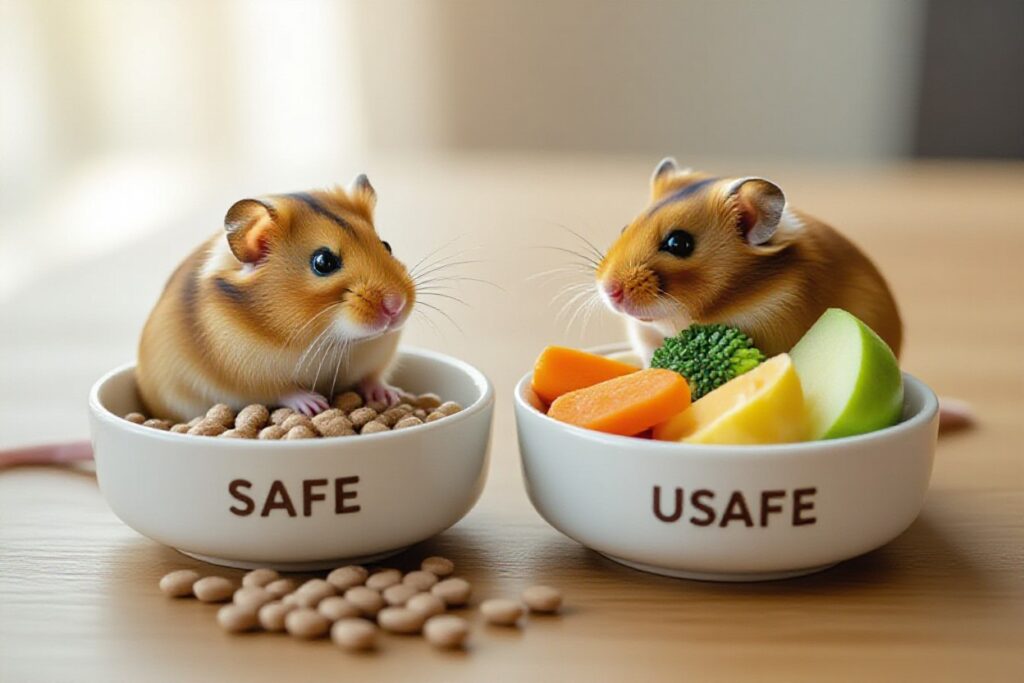
That little nibble of “just a taste” can be the one that sends your pet to the emergency vet, or worse. You need to completely avoid chocolate, caffeine, alcohol, onions, garlic, leeks, chives, raw beans, blue cheese, and xylitol-sweetened treats. Even small amounts can trigger seizures, internal bleeding, or sudden death in mice, rats, and gerbils, so these are not sometimes foods – they’re never foods.
Sugary and Fatty Human Snacks: Just Say No
It feels cute to share your cookie or chips, but your rodent’s body just isn’t built for that constant sugar-and-fat hit. Snacks like biscuits, candy, breakfast cereal, crisps, fast food, and fried leftovers push them toward obesity, diabetes, and heart problems in a fraction of the time it would take a human. You want your rodent zipping around the cage, not wheezing in a hammock at 18 months.
People often say “but it’s only a crumb”, yet for a 40 gram mouse that crumb might be like you eating half a donut every single day. High-sugar foods spike blood glucose hard, which is rough on rats especially, and those high-fat snacks lead to fatty liver and messed-up hormones that wreck breeding and lifespan. If you really want a treat they adore, use a single sunflower seed, a tiny piece of plain cooked chicken, or a pea-sized bit of banana – still exciting, way less metabolic chaos.
Fruit and Veggies That Can Be Dangerous
Not every plant in the produce drawer is fair game, and some are only safe if you prepare them right. You should skip raw potato, raw sweet potato, avocado, rhubarb leaves, onion-family veg, and green bits on sprouting potatoes completely, and go easy with cabbage, broccoli, and cauliflower to avoid gas and bloat. Even “safe” fruits can be a problem if you drown them in sugary portions every day.
A sneaky one that catches owners out is avocado – the flesh is very fatty and the skin and pit contain persin, which can be toxic to small animals, so it’s just not worth the risk. Raw potato and raw sweet potato carry natural glycoalkaloids that can cause digestive upset and neurological signs, and rhubarb leaves are notorious for their oxalic acid content that can damage kidneys. You’re better off rotating small, thumb-nail sized portions of safer options like bell pepper, cucumber, carrot, and leafy greens, always washed, and always just a side act to their main balanced diet, not the star of the show.

Portion Sizes: Am I Feeding Too Much?
Portions sneak up on you faster than any treat, and pet rodents are absolute pros at begging for “just a bit more”. Most end up overweight not from junk food, but from too much of the right food. If your rat suddenly loses a waistline or your gerbil’s neck blends into its shoulders, that’s a red flag. Daily measuring, not free-pouring, keeps things on track and helps prevent diabetes, liver issues, and joint stress that quietly build up over months.
General Guidelines for Different Species
Different species eat like completely different animals, even if they look similar on the shelf. As a ballpark, adult mice and gerbils usually do fine on about 1 tablespoon of a quality pellet mix per day, while an adult rat often needs 2 to 4 tablespoons split into two meals. Hamsters sit somewhere in between. Veg and treats sit on top of that, not instead of it, so you’re not doubling their calorie intake by accident.
The Right Amount: Size Matters
Portion size should match body size, not how dramatically your pet stares at you through the bars. A healthy adult rat at 350-500 g shouldn’t eat the same volume as a chunky 700 g one that’s already overweight. You’re aiming for a visible waist from above and a slight tummy tuck from the side, not a round furry potato. When in doubt, it’s usually safer to cut portions by about 10-15% and recheck weight in 2 weeks.
Think of it like this: a tablespoon to a gerbil is more like a full plate of pasta to you, not a snack. Because rodents have a much higher metabolism, tiny changes hit hard – an extra teaspoon of seeds every day can add up to an extra 10-15% calories, and that shows up fast as fat around the ribs and hips. You’ll spot overfeeding when you can’t easily feel ribs with light pressure or you see little fat pads in front of the back legs. If that’s happening, keep the same food type but shrink the portion slightly, then weigh weekly on a kitchen scale so you’re tracking progress, not guessing.
Adjusting Portions Based on Activity Level
Two rats eating the same thing can need totally different amounts if one is a couch potato and the other is a parkour pro. A super active rat in a big cage with lots of climbing might genuinely need an extra half tablespoon a day, while a solitary, low-energy hamster in a small setup may need you to trim things back. If you’ve cut treats, provided a wheel, and your rodent’s still gaining, your daily portion is just a bit too generous.
Think about “food in” and “energy out” like a simple see-saw you’re constantly nudging. A gerbil digging tunnels for hours burns more than one that just sits and snacks, so it can handle a few extra pellets or a bigger veg portion without ballooning. On the flip side, if your older rat is sleeping more and playing less, it probably needs 10-20% less food than it did at 8 months old, even if it acts starving. You tweak slowly: change the portion, stick with it for 10-14 days, then judge by weight, body shape, and how easily you can feel ribs and spine, not by how loudly your pet complains at the food door.
How Often Should I Feed My Rodent?
Most pet rodents actually do best when food is available almost all the time, but what you control is how much fresh food and treats show up each day. Healthy adults usually stick to one main feeding in the evening (when they’re naturally most active) plus a small top-up in the morning. Younger, pregnant or nursing rodents need more frequent refills, while seniors often do better with smaller, more frequent portions so their guts keep moving smoothly.
Daily Feeding Routines You Can Follow
For rats and mice, you’ll usually offer a measured portion of pellets once daily in the evening, then add a teaspoon or two of veggies or safe fresh foods. Gerbils often prefer smaller meals twice a day because they love to stash. Whatever you pick, stick to it – a consistent routine helps prevent overeating, obesity and constant begging, and makes it way easier to spot if your rodent suddenly stops eating.
Signs Your Rodent Wants More (or Less)
A healthy rodent will eat, explore, then move on with life – constant bowl guarding, frantic bar-biting around mealtimes or rapid weight loss usually means the current portions aren’t cutting it. On the flip side, a pet that ignores pellets, leaves piles of leftovers, or is getting visibly rounder around the belly is probably getting too much of the good stuff, especially treats and seeds.
Watch what happens in the first hour after you feed – that tiny window tells you a lot. If your rodent vacuums up every pellet, licks the bowl clean, then obsessively searches the cage, your portions are probably too small. If they cherry-pick all the sunflower seeds, dump the boring bits, then waddle off to nap, they’re overeating rich foods and under-eating the balanced stuff. Weighing your pet weekly on a kitchen scale (and jotting the number down) is way more honest than eyeballing their fluff, especially with long-haired or very active rodents.
The Feeding Schedule That Works for Your Lifestyle
Daily life is messy, so your rodent’s feeding schedule has to fit you, not the other way around. If you work long shifts, a single evening feeding with a measured portion of pellets plus safe chewable hay or low-calorie forage can still keep them happy. Folks at home more often might do a main evening meal and a tiny morning snack, which is great for bonding, training, and sneaking in veggies before you dash out the door.
Think first about when you’re actually home consistently, then build the schedule around that, not some perfect chart you saw online. Night owls usually find an evening routine easiest: feed, check water, quick health check, done. Early birds may prefer a split schedule – small measured scoop in the morning, main meal a few hours before bed – so the cage isn’t empty all day. Whatever you land on, keep timing pretty regular, use the same scoop for portions, and make sure anyone else in the house knows the plan so your rodent doesn’t get “double dinners” that quietly turn into weight gain and health issues.
Spotting Signs of Poor Nutrition
Small changes in your rodent’s body and behavior can quietly shout “diet problem” long before they get seriously sick. You might see loose stools, dull eyes, flaky skin, overgrown teeth, weird chewing or just a pet that sleeps more and explores less. Even tiny shifts that last more than a week matter. When diet is off, infections, dental pain and organ issues creep in fast because their metabolism runs at high speed all day, every day.
Grooming Habits and Coat Condition: What They Say
When your rodent is eating right, the coat looks smooth, dense, with a healthy sheen and they groom several times a day. If the diet’s lacking protein, vitamins or vital fats, you may notice patchy fur, dandruff, greasy spots, or obsessive scratching and barbering. A suddenly messy, unkempt coat in a rat or gerbil that was always tidy before often signals pain, low energy from poor nutrition, or both.
Weight Issues: Are They Packing It On or Losing Too Much?
Weighing your rodent once a week on a kitchen scale gives you early warning before things go sideways. Slow, steady gain in young animals is normal, but sudden jumps usually mean too many seeds, nuts or sugary treats. Rapid loss, even 5 to 10 grams in a mouse or 20 grams in a rat, can point to an imbalanced diet, dental trouble, or not enough access to their main food while you’re at work or asleep.
For a bit more context, picture this: a healthy adult fancy rat usually sits in the 250 to 500 gram range, while a gerbil is often around 70 to 120 grams, so a 20 gram swing in a week is not “nothing”, it’s a big chunk of their body. You want weight curves that glide, not roller-coaster. So if you’re seeing your chubby seed-loving mouse get pear-shaped or your older rat starting to feel bony along the spine, it’s time to tweak the ratio of pellets to treats, check teeth, and maybe split food into 2 to 3 smaller meals so they’re not binging at night.
Behavior Changes: When to Worry
When diet goes off track, behavior is often the first thing you notice because you know your pet’s normal vibe. A well-fed rodent is usually curious, active at its species’ peak hours, and engaged with toys and you. If they start hiding more, reacting aggressively to handling, chewing cage bars nonstop, or just seem “slowed down”, it’s often linked to blood sugar swings, not enough fiber, or lack of key nutrients messing with their energy and mood.
Dig a little deeper if your usually food-motivated rat suddenly ignores treats, or your gerbil that runs 5 km a night on the wheel (yes, studies show they really can) barely climbs out of the nest. That shift can hit before you see obvious weight changes. Diets overloaded with simple carbs can cause hyper bursts followed by crashes, while too little variety can leave them bored and frustrated, which you then see as pacing, bar chewing or even fighting cage mates. When behavior changes stick around for more than a couple of days, pairing a diet review with a vet check is your safest bet.

Easy Diet Changes: How to Get Started
Ever look at your rodent’s bowl and think, “Ok, what do I tweak first without stressing them out?” You start small: swap one sugary treat for a piece of fresh veg, measure pellets instead of free-pouring, and lock in a simple feeding routine. By changing just 10-20% of the diet at a time, you avoid digestive drama and still move toward a more balanced, species-appropriate rodent diet that actually supports long-term health.
How to Transition to a Healthier Diet
Wondering how to upgrade your rodent’s food without getting the death-stare at the food bowl? Mix 10% of the new pellets with 90% of the old for 3-4 days, then slowly shift that ratio each week until you’re at 100% new food. For picky rats or gerbils, you might stretch this to 2-3 weeks, pairing new foods with favorites so they don’t just cherry-pick the old stuff and ignore the healthier rodent diet changes.
Tips to Avoid Upsetting Their Tummy
Ever had a rodent go from perfect poops to soft, stinky piles overnight after a food change? That’s your sign things moved too fast. Stick to one new food at a time, give it 3-5 days, and watch for diarrhea, gas, or sudden itchiness. If that pops up, pull back the new item and try a smaller amount later so your rodent’s gut bacteria can actually keep up.
- Introduce one new food at a time so you can pinpoint what causes problems.
- Limit watery veg like cucumber and lettuce to a few bites to prevent loose stools.
- Skip sudden big fruit portions since sugar spikes can trigger soft poop.
- Watch droppings daily; small, firm, consistent pellets signal a happy gut.
- Provide constant hay or chew items for species that need fiber to keep guts moving.
So how do you keep those tiny guts calm while you fix the junky bits of their food bowl? You focus less on “new and exciting” and more on “slow and boring” – that pace is what their digestion actually loves. Many vets suggest changing no more than 20-25% of the diet per week, especially with sensitive species like older rats or stressed rescue mice, since stress alone can mess with their gut motility.
Adding new veg is easiest if you stick to low-sugar, higher fiber options like broccoli stems, bell pepper, and leafy greens in bite-sized pieces. And if you suddenly see softer poop, bloating, or a big drop in appetite, you back off the last new item, go back to the previous “safe” menu for a few days, then retry in half the amount. This simple, gentle pacing keeps your rodent comfortable while you still head toward a more balanced rodent diet that doesn’t wreck their tummy in the process.
- Change no more than 20-25% of the diet per week to protect gut bacteria balance.
- Start with low-sugar veg like leafy greens, pepper, and herbs in tiny portions.
- Monitor behavior and poop texture after every new food you introduce.
- Reduce or remove the last new item if you spot bloating or diarrhea.
- Keep water fresh and accessible since hydration helps stabilize digestion. This simple routine makes diet upgrades safer for even the most sensitive little stomach.
Making Gradual Changes: The Key to Success
Wondering why every vet bangs on about “gradual” when you just want junky seed mixes gone yesterday? Your rodent’s gut bacteria need time to re-balance with each new food, which usually means a 7-14 day window for most mice, rats, and gerbils. By changing pellets, treats, and fresh food in tiny steps, you protect their digestion, avoid sudden weight loss, and still land on a long-term, healthier rodent diet that actually sticks.
So instead of trashing the old mix in one dramatic move, you treat it like a slow phase-out project. Week 1 might be 75% old pellets or mix, 25% new; week 2 slides to 50/50, and so on until the old stuff is just… gone. Many owners find their rodents stop begging so intensely once the high-fat seeds and sugary treats are slowly reduced, because those hyper-palatable foods aren’t dominating the bowl anymore.
Weighing your rodent weekly on a kitchen scale helps you catch subtle weight drops over 2-3% before they spiral, especially when you’re upgrading food quality. And if you hit a point where your rodent flat-out refuses the new diet, you simply freeze at the last accepted ratio for a few extra days, offering new foods as tiny “toppings” on old favorites. That patient, step-by-step pacing is what turns a one-time diet overhaul into a sustainable, species-appropriate routine you can actually keep up with long term.
FAQs: Your Burning Questions Answered!
Lately a lot of rodent owners on forums and TikTok have been swapping diet hacks, but mixed in there are some pretty risky myths. So let’s tackle the big ones people quietly google at 1 a.m. about seed mixes, treats, and picky eaters. You’ll get straight, no-fluff answers so your tiny garbage gremlin stays healthy, active, and not silently wrecking their organs with the wrong food.
Can My Rodent Live on Seeds Only?
Trendy seed-only bowls might look “natural”, but your rodent will end up malnourished and overweight at the same time. Seeds are super high in fat and low in key nutrients like calcium, vitamin A, and high-quality protein. You’ll see selective feeding too – your rat, mouse, or gerbil just picking the sunflower seeds and peanuts. A proper diet always needs a balanced lab block or pellet plus fresh veg, with seeds as a tiny extra, not the base.
How Many Treats Per Day Are Safe?
Scrolling Instagram you’ll see rodents getting constant yogurt drops and banana chips, but in real life you want treats at about 5-10% of daily calories max. For most mice and gerbils, that’s just 1-2 tiny treats; for rats maybe 2-4 small pieces. If you’d need more than a teaspoon to measure it, it’s probably too much. Your best bet is using mostly healthy treats like veg chunks or plain cooked grains and keeping sugary or fatty snacks for rare training moments.
So if you’re giving treats every time you pass the cage, you’re not alone… but it adds up fast. Tiny animals have tiny calorie budgets, and a single yogurt drop can hit 10-20 calories which is a big chunk for a 90 g mouse. You’ll notice weight creeping up around the belly and base of the tail first, plus greasy fur. Try this: pick a daily treat budget (like 3 pea-sized bits for a rat), put them in a cup each morning, and once the cup’s empty, you’re done for the day.
What If My Rodent Doesn’t Like New Food?
In the last few years more owners have switched from seed mixes to pellets and hit the same wall: their rodent “refuses” the new stuff. It’s usually neophobia, not stubbornness, and it can take 7-14 days of slow change. Start by mixing 10-20% new food into the old, then bump it up every few days. Offer new veg in tiny pieces, always in the same spot, and keep it chill – no starving or forcing, just gentle, boring consistency.
Because rodents are prey animals, anything new screams “danger” to their little brains at first. You help them out by making new food feel ordinary and safe: same bowl, same time every day, small amounts. Try “food pairing” too – a new pellet right next to a favourite veggie slice, or a bit of carrot gently rubbed on the pellet so the smell is familiar. Most rodents cave after a week or two, but if yours still ignores a complete diet, it’s worth checking teeth, weight, and general health with a vet so you’re not missing an underlying issue.
The Real Deal About Store-Bought vs. Homemade Diets
Studies on pet rodents show commercial pellets can hit pretty consistent protein ranges (about 14-18%), while homemade diets can swing wildly if you eyeball portions. That’s why you’ll see so many vets pushing a good quality pellet or lab block as your base diet, then using fresh foods as a tasty, healthy add-on. You still get variety, enrichment, and that fun feeling of “cooking” for your pet, but you’re not gambling with vitamin deficiencies or excess fat by guessing.
The Pros and Cons of Making Your Own Rodent Meals
Reports from vet nutrition consults show a lot of home-mixed rodent diets are low in calcium or too high in fat, even when owners mean well. When you prep food yourself, you control every ingredient, which feels great, but you also take on all the risk if something is off. So it really helps to know what you’re signing up for, not just in terms of health but also your time, budget, and how picky your particular mouse or rat actually is.
| Pros | Cons |
|---|---|
| Lets you tailor meals to your rodent’s age, species, and health issues. | Easy to miss key nutrients like calcium, vitamin D, copper, or amino acids. |
| Offers fresh textures and smells that boost enrichment and natural foraging. | Highly time-consuming to plan, prep, chop, and rotate safely. |
| Helps you avoid low-quality mixes packed with sugary seeds and colored bits. | Without lab-testing, you can’t verify the actual protein, fiber, or fat levels. |
| Makes it easier to work around allergies or specific food sensitivities. | Higher risk of unsafe foods like onion, chocolate, or moldy grains slipping in. |
| Can be cheaper if you buy bulk grains and veggies smartly. | Fresh ingredients spoil fast, so waste and cost can creep up anyway. |
| Lets you use seasonal produce and occasional foraged safe plants. | Batch cooking and storage need strict hygiene to avoid bacteria or fungi. |
| Gives you a sense of involvement and bonding at feeding time. | Rodents may selectively eat favorite bits, causing imbalance even in a good mix. |
| Great for short-term medical diets under vet guidance. | Hard to keep consistent day-to-day, especially in busy weeks. |
| Lets you control sodium and added sugar tightly. | Recipes you find online are rarely reviewed by an actual vet nutritionist. |
| Can complement a pellet base so you know what’s “extra” vs “necessary”. | You carry full responsibility if deficiencies cause long-term health issues. |
Nutritional Balance: Can You Get It Right at Home?
Data from lab colonies shows rats and mice thrive on diets with roughly 14-18% protein, 4-6% fat, and solid fiber, and hitting those numbers consistently with kitchen ingredients isn’t as simple as tossing in oats and veggies. You can absolutely get close with a smart mix of grains, legumes, and leafy greens, but it takes more than vibes, it takes measuring cups and a bit of math. That’s why many experienced owners use a lab block as a safety net, then build their homemade elements around it instead of trying to reinvent the whole wheel.
Every time you swap one food for another at home, you nudge that balance up or down – more sunflower seeds and suddenly your fat jumps, more lettuce and your calories drop hard. Because of that, you really want at least one fully formulated piece in the bowl, like a reputable rodent block that already nails protein, minerals, and vitamin ratios, then you treat your chopped veg, herbs, grains, and the occasional insect as the fun add-ons. If you do go mostly homemade, track body weight weekly with a kitchen scale, because weight loss, dull fur, or soft stools are early red flags your mix isn’t hitting the mark.
Time and Effort: What to Consider
Prepping a proper homemade mix for a small group of rats can easily eat 1-2 hours a week once you factor in planning, chopping, cooking grains, and washing containers. That might sound fine on a quiet Sunday, but fast-forward to a stressful work week and suddenly you’re tossing random leftovers in the cage, which is exactly when diets slide from “thoughtful” to “risky”. So you’ve got to be really honest about whether you’ll keep that effort up long-term or if a good pellet-plus-fresh-additions setup fits your real life better.
Every homemade plan lives or dies on your consistency, not your best intentions, and rodents don’t get a say when you skip veggie night three days in a row. Batch cooking can help a lot – cooking grains in bulk, freezing chopped veg in small tubs, portioning weekly mixes – but that still means label-making, freezer space, and boring food-safe routines like checking for freezer burn or mold. If you already struggle to clean the cage on schedule, leaning on a high-quality commercial diet for the heavy lifting, then using small, manageable fresh add-ins, will usually give your pet a more stable, healthier life overall.
My Take on Natural Foraging
Lately there’s been this big shift toward “enrichment-based feeding”, and it fits perfectly with how your rodent’s digestive system actually evolved to work. Instead of dumping a full bowl, you let your mouse or rat work for safe, measured portions of their pellets and veggies. That tiny change means slower eating, fewer weight issues, and a lot less boredom-chewing on cage bars. You basically turn feeding time into a daily puzzle, which is exactly what their wild cousins get from rummaging through seeds, roots, and grasses.
Why Foraging is Essential for Mental Stimulation
When you set up foraging, you’re not just feeding your rodent, you’re giving their brain a workout that rivals a 3D puzzle. Studies on lab rats show that enriched, search-based feeding lowers stress hormones and boosts exploratory behavior. Your gerbil shredding a paper bag to find 5 or 6 hidden pellets is doing what their brain expects to do, which means less pacing, fewer random nibbles on cage mates, and way more content, natural behavior.
Setting Up a Foraging Environment at Home
For a simple start, you can hide 60-70% of your rodent’s daily pellets in paper cups, cardboard tubes, or folded toilet paper bits scattered around the cage. Mix in a few low-sugar treats like a tiny sunflower seed so they get that jackpot feeling without wrecking their diet. Keep portions measured so hunting doesn’t sneak extra calories into their day, it just changes how they access what they’d be eating anyway.
Think in layers when you set things up: floor foraging, low hides, then harder spots up on shelves or inside cork tunnels, so your rat or mouse has to use nose, paws, and brain. Rotate 3 or 4 different “setups” through the week – one day shredded paper with pellets, next day cardboard egg carton with small veggie chunks, another day a digging box with 2-3 hazelnut-sized treats buried. And if your rodent is new to this, you start easy with half-open cups so they don’t get frustrated, then gradually make the puzzles tougher as they figure it out.
Safe Foraging Practices: What to Remember
Safety for foraging basically comes down to two things: no toxic materials and no extra calories sneaking into the diet. Stick to plain cardboard, paper, untreated wood, and skip glossy ink, tape, staples, or plastic bits they can swallow. Keep fresh food-based foraging (like cucumber cubes or herbs) out for only a couple of hours so nothing spoils in warm corners, especially in multi-level cages where you might miss that last piece.
When you start getting fancy, it’s tempting to raid the backyard for sticks and leaves, but that’s where many rodents end up exposed to pesticides or wild animal droppings. If you really want natural branches, use fruit wood from unsprayed trees and scrub, bake, or freeze it first to reduce hitchhiking parasites. And watch the difficulty level: if your gerbil or rat is leaving most of their hidden pellets untouched, dial it back, because foraging should never block access to their full daily ration, just change how they earn it.
The Importance of Freshness: Why Food Quality Matters
You scoop a handful of pellets into the bowl, your gerbil sniffs, then walks off… that tiny nose knows when food’s past its best. Fresh food holds way more vitamins, smells better, and keeps natural textures your rodent’s teeth and gut rely on. Old, stale mixes lose up to 50% of their vitamin content in a few months, which quietly chips away at immunity and coat condition. So if you want bright eyes, steady energy, and fewer vet visits, you start by upgrading the freshness of what’s actually in that bowl.
How Fresh Food Can Transform Their Health
When you swap dusty pellets for fresh, good-quality food, you usually see changes within a couple of weeks – shinier fur, less smell in the cage, more playful zoomies. Properly stored pellets keep stable protein and fiber levels, while fresh veg like carrot and broccoli top up vitamin A and C that support your rodent’s immune system. You also cut the risk of moldy grains and rancid fats, which are sneaky triggers for diarrhea, respiratory flare-ups, and that “off” look you can’t quite put your finger on.
Spotting Spoiled Food: Keep an Eye Out
You tip out the food bowl and see clumpy crumbs stuck together, maybe a weird grayish tint on the seeds – that’s your cue to pause. Any musty, sour, or chemical smell means the mix is going off, and you should bin it, not risk it. Pellets that used to be crisp but now crumble into powder, or seeds with fuzzy spots, are classic signs of mold growth and rancid oils. Your rodent might still nibble them, but their liver and gut will absolutely pay the price.
Pay attention to how the food looked and smelled when you first opened the bag, because that’s your baseline “good” to compare against. If you notice oily stains on the bag, sticky clumps, or any webbing or tiny insect movement, that batch is done, even if the date says it’s fine. Soft, rubbery pellets that should be dry, or sunflower seeds with a bitter taste when you crack one open yourself, are more red flags. And if your rodent suddenly starts leaving a brand they usually inhale, treat that as a warning sign and inspect every part of the mix closely.
Storage Tips: Keeping Their Food Safe
You pour fresh food into a cute glass jar on the windowsill, it looks nice… but sunlight and heat are quietly wrecking the nutrients. Better to keep pellets and seed mixes in an airtight container in a cool, dark cupboard, with the original bag label tucked inside so you don’t lose the expiry date. Try to buy smaller bags you can use within 4-6 weeks, because big bargain sacks often go stale before you hit the bottom. After you open the bag, write the date on it so you actually know how long it’s been sitting there.
- Airtight container
- Cool, dark storage
- Original packaging label
- Smaller bag sizes
- Use within 4-6 weeks
Good storage is basically free health insurance for your rodent’s diet, and it takes about 30 seconds to set up. Use solid plastic or glass tubs with tight lids, not floppy bags that let in moisture and pantry moths. If your house runs hot, you can even keep high-fat treats like nuts in the fridge so the oils don’t go rancid as fast. After you’ve cleaned the food bin, let it dry completely before refilling or you’ll trap damp inside and accidentally help mold grow.
- Dry containers fully
- Protect from moisture
- Refrigerate high-fat treats
- Label open dates
- Regular bin cleaning
Acknowledging Special Dietary Needs
Some rodents coast along on a basic setup, but others hit stages where food needs to be tweaked fast. Age, illness, species and even personality change how much protein, fat and fiber your little buddy can safely handle. When you dial in those details, you cut the risk of obesity, diabetes and dental disease by a lot, and you spot problems early just by noticing what disappears from the bowl first.
Dietary Considerations for Older Rodents
Senior rats, mice and gerbils often need fewer calories but better quality protein, plus softer foods if teeth are worn or missing. You might swap some hard seeds for soaked pellets, veggie baby food or mashed cooked sweet potato. Extra omega-3s from a tiny bit of flax or chia can help joints, while too many fatty treats pile on weight that older bodies struggle to carry.
Dealing with Health Issues: What to Watch For
When health issues pop up, diet suddenly matters in a whole new way. Weight loss, sudden pickiness, bloating, loose poop or wet, sticky fur around the mouth can all scream “something’s off” with teeth, gut or blood sugar. You tweak food textures, cut sugary items and bump up fiber while you get a vet check, using the food bowl like an early warning system instead of an afterthought.
With dental trouble, your rodent might stop touching hard pellets but still nibble soft fruit, so the cage looks “eaten” even while weight drops. For suspected diabetes in rats, you pull all yogurt drops, cereal and fruit, then stick to low-sugar veg and measured blocks to avoid dangerous blood sugar spikes. Gut issues like chronic diarrhea call for high-fiber, low-fat diets, tiny portions of plain cooked pumpkin and absolutely no sudden food changes. And any time water intake jumps or your pet sits hunched over food without eating much, that combo plus diet changes is a big red flag to get professional help fast.
Adjusting Diet Based on Species-Specific Needs
Different rodent species really don’t thrive on a one-size-fits-all mix. Gerbils need more fiber and slightly higher fat than mice, hamsters handle certain seeds better, and rats benefit from more varied fresh veg and controlled protein to avoid kidney strain. Wild-type species like degus are especially touchy with sugar, so fruit and sweet treats can trigger serious problems if you feed them like a pet store mouse.
For example, a rat might do well on 14-16% protein lab blocks plus daily veg, while a dwarf hamster gets overweight fast on the same setup and needs stricter seed control. Gerbils are desert specialists, so fatty sunflower-heavy mixes mess with their liver long term, making millet, hay and low-fat pellets a safer base. Degus and some fancy mice lines are so prone to diet-related diabetes that even “healthy” dried fruit is risky, so you lean hard into leafy greens and plain herbs instead. When you match the bowl to the species rather than the label on a random seed mix, you sidestep a ton of totally preventable health drama.
How to Cook for Your Rodent: Simple Recipes
One evening you toss a tiny plate of warm veggies into your rat’s cage and suddenly your “just pellets” buddy is acting like it’s a five-star meal. Cooking for your rodent is basically about gentle, simple prep: lightly steam veg, bake root veggies until soft, or mix grains like plain brown rice or quinoa with a tiny bit of mashed sweet potato. You still keep 80-90% of calories from a complete pellet, but these fresh add-ons make their diet richer, more interesting, and honestly a lot more fun for you too.
Easy Baby Food Ideas for Your Pet Rodent
The first time you crack open a jar of carrot baby food and your gerbil practically climbs the spoon, you realize how handy those little pots can be. You go for single-ingredient, no-salt, no-sugar options like carrot, sweet potato, green bean or apple, then offer literally a pea-sized blob on a spoon or shallow dish. Twice a week is plenty for most adult rats or mice, and you can mix a tiny bit into their pellets to tempt picky eaters or help older rodents that struggle to chew.
Quick Recipes to Try (That They’ll Actually Eat)
One of the easiest wins is a “tiny grain bowl” – a teaspoon of cooked brown rice, some finely chopped steamed broccoli, and a dab of mashed sweet potato, all cooled to room temp. You might also try a mini “omelet”: a quarter of a scrambled egg cooked in a dry pan, then diced into fingernail-sized bits and fed as a protein treat once or twice a week. For desert-style days, mix a slice of banana with oats and water into a soft mash and serve about a teaspoon per rat or a pinch for a mouse.
When you’re testing these recipes, you start really watching what your rodent devours first and what just sits there. If your rat hoards the egg but leaves the broccoli, you can cut the egg portion in half next time and bulk up the veg, keeping treats at about 5-10% of the total diet. Rotate 2-3 go-to recipes instead of inventing new ones every day, so you don’t shock their gut with constant changes. And if anything causes soft poop or gas, you pull that recipe, go back to plain pellets for a day or two, then re-introduce new foods more slowly.
Making It Fun: Involving Your Kids in Meal Prep
Kids light up when they see a mouse gently taking food from a little “feast” they helped prepare, and it turns snack time into an actual science lesson. You can have them wash and tear lettuce into tiny pieces, count out 3-4 pea-sized chunks of cooked veg per pet, or mash banana with oats using a fork. Let them build “rodent bowls” in tiny cupcake liners so they learn portion control, safe foods, and that chocolate, avocado, and seasoned human meals are off-limits. Suddenly, feeding time becomes the favorite part of bedtime routine.
When you bring kids into the process, you also sneak in a lot of gentle education about boundaries and care. You can explain why pellets are the “main course” and all the fun cooked bits are just extras, then have them point to the healthy options vs the “nope” pile like chips, cookies or salted nuts. Let them keep a simple food diary – dates, what recipe they tried, and how active or bright-eyed the rodent looked after. That way you’re not just cooking together, you’re building little animal-nutrition nerds who actually get why diet matters.
The Bigger Picture: Why This All Matters
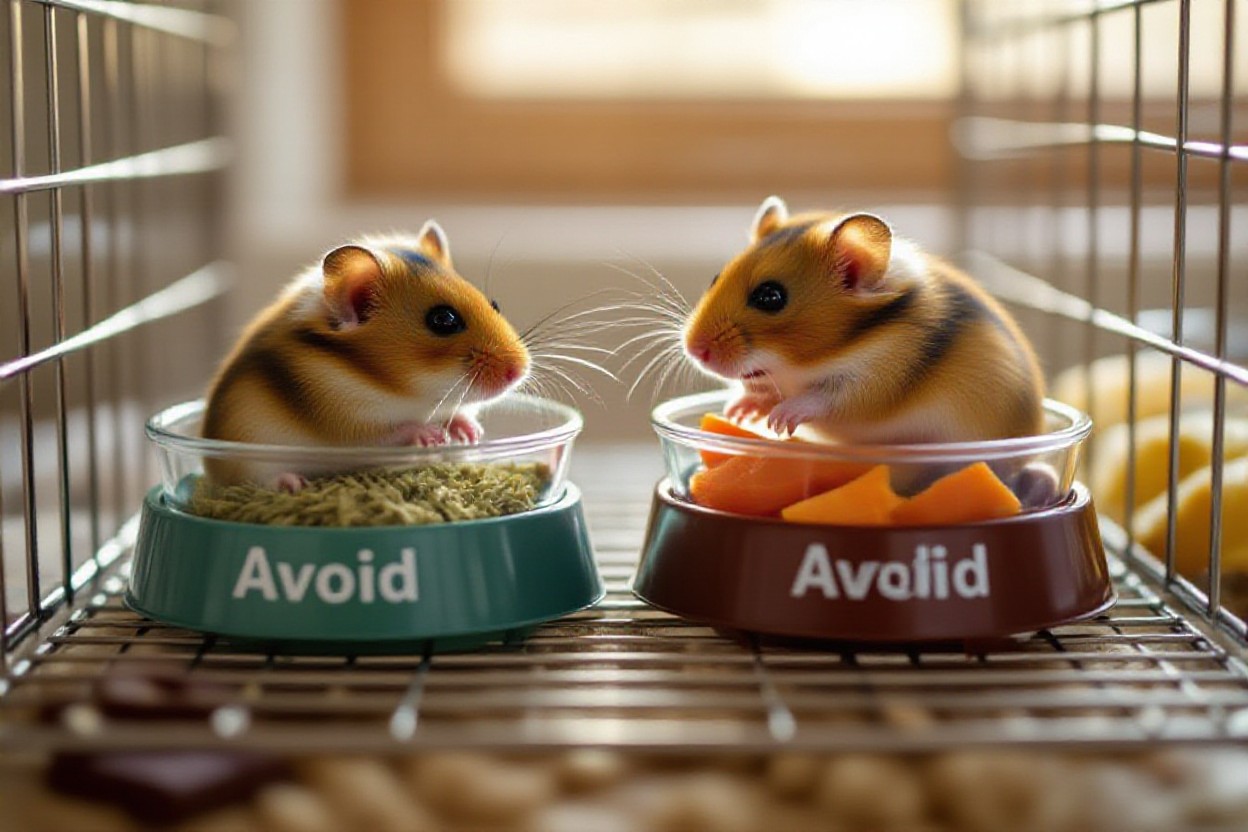
Right now there’s a big shift toward treating rodent diet like we treat dog and cat nutrition, and that changes everything for your tiny crew. You’re not just picking pellets, you’re deciding how long your mouse lives, how often your rat needs the vet, whether your gerbil gets obesity or dental issues at 18 months. Small daily choices – that extra sunflower seed, the stale mix, the constant sugary treats – quietly stack up into real health outcomes. Your food routine becomes your rodent’s long-term medical plan, whether you mean it to or not.
The Role of Nutrition in Overall Pet Care
As more vets publish data on small mammals, we’re seeing that diet shows up in almost every exam note – overgrown teeth, fatty tumors, kidney strain, all circling back to food. When you dial in protein to around 14-16% for most adult rats, keep simple sugars low for gerbils, and limit fat-heavy treats for mice, you’re not “spoiling” them, you’re reducing vet visits and medication later. Food becomes part of the same checklist as clean bedding, nail trims and cage cleaning, not an afterthought.
Building a Bond Through Food
More keepers are talking about how their shy mice or wary rescue rats finally relaxed once food became predictable, safe and interesting. When you offer tiny hand-fed chunks of veg, scatter a few pellets to forage, or serve a warm mash on tough days, your rodent starts pairing your presence with safety and comfort. That’s usually when you see softer eyes, slower breathing, more curious interactions. Food stops being “just fuel” and quietly turns into a shared language between you and that little fuzzball.
With a lot of skittish rodents, training simply won’t work if food is random, scary or too rich, because they’re too stressed or bloated to care. You’d be surprised how far you get with a steady “cue”: same treat size, same tone of voice, same feeding spot, day after day. Over a few weeks, your gerbil starts running to your hand for a single oat, your rat gently takes a pea from your fingers instead of snatching. That predictability, paired with species-appropriate treats, rewires you from “giant threat” to “reliable food source”, and from there you can build trust, handling, even basic medical checks with way less drama.
Raising Awareness: The Importance of Education
In the last few years, rodent Facebook groups and Discord servers have basically become mini nutrition classrooms, and honestly, that’s saving lives. You see the same pattern: a new owner posts their bright, colorful mix, then learns it’s 30% seeds and way too sugary for a 40 gram mouse. Once you start sharing vet-backed charts, safe food lists, and case stories of obesity or diabetes in pet rats, other owners start upgrading diets fast. Knowledge travels cage to cage.
What really changes the game is when you don’t just fix your own setup, you quietly nudge others too – posting before/after weights, X-rays showing fatty liver, or how your gerbil’s coat improved after switching from a cheap mix to a balanced block-plus-forage routine. Pet shops still sell a lot of junk feeds, so community education fills the gap: you link care sheets, cite that 14-16% protein guideline, call out unlimited seed mixes as risky for most species. Every time you correct bad rodent diet advice, some tiny heart and pair of kidneys get a better shot at a long, comfortable life.