
There’s a big difference between a hamster that’s just snoozing hard and one that’s quietly getting sick right under your nose, and if you share your home with one of these tiny fuzzballs, you really want to be on the right side of that line. In this guide, you’ll learn how to spot early warning signs of illness, what common issues like wet tail, overgrown teeth, skin problems, and sudden weight loss actually look like, and how your daily care routine can stop small problems turning into emergencies.

What’s a Healthy Hamster Look Like?
Studies on small pets show you can spot up to 80% of health problems just by watching how your hamster looks and acts each day. A healthy one has a smooth, full coat, bright eyes, clean nose, and moves around with steady, coordinated steps. You should see regular grooming, normal eating and drinking, plus solid, well-formed poop. If anything suddenly looks off – posture, fur, weight, breathing – you treat that as a little red flag, not something to ignore till later.
Active and Playful – Really?
Adult hamsters can run 5 to 10 km on their wheel in a single night, so if yours barely moves, that’s not just “chill vibes.” You want to see curiosity, exploring, digging, stuffing food in those cheek pouches, maybe some late-night zoomies. Short naps in between are fine, but long periods of hunched, still, or wobbly behavior are a bad sign. Sudden changes in energy usually show up days before more obvious illness hits.
Coat Condition – What It Should Be
Healthy fur should look smooth, full, and slightly glossy, never patchy, greasy, or clumped. You want a hamster that feels soft when you scoop them up, with no flaky skin, bald spots, or wet, sticky patches around the tail. Constant scratching, tiny scabs, or white flakes can point to mites, fungal infections, or allergies. If you see a rapidly growing bald patch, that’s a fast-track reason to call your vet.
On normal days, your hamster should spend a few quick moments grooming after waking, then move on – not sit there scratching like mad for 10 minutes straight. Run your fingers gently along the back and sides once a week to check for hidden lumps, scabs, or rough, crusty areas under the fur. Any yellow staining around the tail or belly can mean diarrhea or a urinary issue, which gets serious in tiny bodies very quickly. And if the coat suddenly goes from fluffy to flat and scruffy in 24 to 48 hours, you treat that as an early illness alarm, not a “wait and see” situation.
Bright Eyes and Normal Breathing – No Giving Up!
Healthy hamsters have clear, wide-open eyes with no crust, cloudiness, or constant squinting. You also want quiet breathing – no clicking, wheezing, or puffing cheeks like they’re struggling for air. A slightly faster breath rate when they’re running is normal, but any open-mouth breathing is an emergency. If you see red or brown tear stains, repeated sneezing, or a wet nose, that can be the start of a respiratory infection.
In a calm hamster, you should barely hear them breathe, even if you hold them close to your ear for a second or two. If you notice tiny chest movements that seem jerky or labored, or they sit in a corner with eyes half-closed and sides pumping, you skip the guesswork and call your vet the same day. Eye discharge that sticks the lids together or keeps coming back after you gently wipe it is another big warning sign. Because with small pets, respiratory and eye problems can go from “a bit off” to life-threatening in under 48 hours, catching those changes early is what actually saves lives.
Why Do Hamsters Hide Their Illness?
Your hamster can be seriously sick and still run to the food bowl when you walk in, which really throws you off. In the wild, a weak hamster is an easy target, so hiding pain becomes a survival skill. That instinct doesn’t magically disappear in a cage. By the time you see obvious signs – weight loss, labored breathing, bloody discharge – the problem’s often already advanced. So you have to read the tiny, quiet changes long before things look “bad”.
The Instincts Behind It
Predators pick off the weak first, so hamsters evolved to act “fine” even when they feel awful. Your tiny fluffball will still nibble a seed or groom itself while battling infections, tumors, or heart issues. They mask limping, squinting, and breathing changes because looking sick used to mean not surviving. That ancient instinct is why relying only on obvious, dramatic symptoms puts your hamster at real risk.
What It Means for You as a Owner
Because your hamster is hardwired to fake being okay, you can’t just trust that “they’re eating so they must be fine”. You need to watch for quiet red flags like drinking more than usual, softer or stinkier poop, or slightly puffed-up fur. Those tiny shifts often show up 3-7 days before the classic scary signs you see in Google images, which is the window where you can actually change the outcome.
In practice, that means you weigh your hamster weekly, you know their normal bedtime zoomies, you spot when they stop using a favorite toy. Maybe they suddenly sleep in a different corner, chew less on their wheel, or leave little wet patches in the bedding – that can hint at diabetes, kidney trouble, or UTI long before they look “ill”. If you wait until your hamster is cold, hunched, and breathing fast, you’ve probably lost the easy treatment options and moved into emergency-only territory.
The Importance of Early Detection – Seriously, Don’t Wait!
Vets see this all the time: a hamster looks “a bit off” for a week, then crashes overnight. Respiratory infections, wet tail, and abscesses can go from mild to fatal in under 24 hours in a 100-gram body. If you get help when symptoms are subtle, survival odds can jump from maybe 10-20% to closer to 70-80% for many common issues. Waiting for clear, obvious illness is basically gambling with terrible odds.
So if you notice two or three weird things at once – quieter, eating less, breathing a bit faster, or a tiny eye discharge – you treat that like an early warning siren, not “something to keep an eye on for a week”. Hamsters crash fast because their metabolism is high and their organs are tiny, they just don’t have much buffer. Calling your vet at the first pattern of small changes usually means cheaper treatment, less stress, and an actual chance for your hamster to bounce back instead of just stabilizing for a short time.
Watch Out for These Early Warning Signs!
Ever catch yourself thinking, “Hmm, something’s off with my hamster, but I can’t quite say what”? Those tiny shifts in energy, posture or grooming can be the first whisper of a bigger problem. When you spot subtle changes early – a bit less activity, slightly messy fur, different poop, a new smell – you get a head start on treating issues like infections, diabetes or wet tail before they snowball. Your job isn’t to diagnose, it’s to notice patterns and get help fast when your gut says, “Nope, this isn’t normal.”
Lethargy – Is Your Hamster Being a Couch Potato?
Ever see your usually zoomy hamster just sit in the corner like a tiny potato and think, “That can’t be right”? True lethargy means your hamster sleeps way more than usual, moves slowly, skips the wheel and may not rush to food, even at peak playtime (around 7-11 pm for many). If your hamster feels cooler than normal, has half-closed eyes, or seems wobbly when it walks, that’s not just being chill – that’s a same-day vet call situation.
Weight Loss – When Is It Too Much?
Have you noticed your hamster’s cheeks, hips or spine looking a bit sharper than before? Even a 5-10% drop in body weight over a week is a red flag in such a tiny body. If the food bowl looks normal but your hamster’s fur feels looser, or you can suddenly feel ribs that used to be padded, it’s time to act. Pair that with more drinking, soft poop, or extra sleep and you should book a vet visit instead of waiting it out.
Weight loss in hamsters often sneaks up on you because their fur hides a lot and they still run to the bowl like everything’s fine. So you want to spot patterns: are they dropping pellets instead of eating them, leaving hard bits of food behind, or chewing slower like their teeth or jaw hurt? That can point to dental problems, diabetes or gut issues rather than “just being picky.” Weighing your hamster weekly on a kitchen scale (in grams) gives you real numbers – if you see a steady downward trend over 2-3 weigh-ins, that’s solid proof for your vet and can shave days off getting the right treatment.
Wet Tail & Discharge – What’s This All About?
Ever picked up your hamster and thought, “Why does your back end look damp and smell weird?” Wet tail isn’t just a bit of soft poop – it’s profuse, foul-smelling diarrhea that sticks to the fur around the tail, belly and hind legs. You might also spot clear or cloudy discharge around the anus or genitals, plus a hunched posture and squinty eyes. If the bedding stays wet under their usual sleeping spot, you’re not dealing with a minor tummy upset – that’s an emergency.
Wet tail can kill a young hamster in as little as 24-48 hours, which sounds dramatic but it’s backed up by countless vet case reports, so you really can’t “wait and see” on this one. Stress from a new cage, kids handling too much, dirty bedding or a rough pet store start often triggers it, then bacteria take over and things crash fast. You’ll usually see runny brown poop, dehydration (sunken eyes, tacky gums) and a really bad smell. While you’re calling the vet, you can gently trim the dirty fur, swap in clean, soft bedding and offer fresh water in both bottle and shallow dish, but skip home remedies – antibiotics and fluids from a vet are the game changer here.
Changes in Behavior – They’re Not Just Being Cute!
Have you ever thought, “Wow, they’re being extra bitey / shy / clingy tonight,” and brushed it off as personality? Sudden behavior shifts are often your hamster’s silent SOS, especially if a friendly hamster starts hiding, biting more, or freaking out when you touch certain areas. A normally bold hamster that stays in the house all evening, freezes when you open the cage, or stops using the wheel isn’t being quirky – it’s telling you something hurts or feels off.
Behavior is usually the first thing to change when pain or illness kicks in, long before obvious signs show up. So you watch for patterns: do they only yelp or nip when you scoop under the belly, or when you touch one side of the face, or when they climb? That can point to specific issues like ear infections, arthritis, spinal pain or abdominal problems. A once-chatty hamster going super quiet, or a calm one suddenly bar-chewing like mad, can mean stress, boredom or something medical brewing. When your hamster starts acting like a stranger for more than a day or two, especially along with any physical change, that’s your cue to stop guessing and get a vet’s eyes on them.
What Are the Most Common Hamster Health Problems?
Picture this: it’s 11 pm, your hamster’s usually wrecking the cage like a tiny bulldozer, but tonight they’re hunched, scruffy, and weirdly quiet. Those subtle shifts often point to the big four you see in vet clinics all the time – wet tail, respiratory infections, skin issues with mites, and dental problems. Most cases that end up as emergencies actually start with small changes in poop, breathing, fur, or teeth, so if you can spot these patterns early, you save your hamster a lot of pain and yourself a scary midnight vet run.
Wet Tail – The Sneaky Assailant
In a single weekend, a bouncy young hamster can go from fine to life-threatening diarrhea if wet tail kicks in. You’ll usually see a damp, smelly tail area, soft or liquid poop stuck to the fur, a hunched posture, and your hamster not eating like usual. Stressy events like a new cage, kids over-handling, or a pet shop move are classic triggers, and because wet tail can kill within 24-48 hours, you don’t “wait and see” – you call a vet the same day.
Respiratory Infections – When Breathing Gets Tough
One night you might hear tiny clicking or whistling sounds when your hamster breathes, maybe spot a bit of snot around the nose, and think it’s just dust. In reality, respiratory infections are one of the top reasons hamsters see a vet. Watch for rapid breathing, half-closed eyes, extra sleeping, or your hamster choosing a warm corner and barely moving. Drafts, strong scents, and dirty bedding all push their fragile lungs over the edge, so catching this early really matters.
Because hamsters are prey animals, they hide breathing problems until they’re pretty stuck, so you’ve got to be that slightly obsessive observer. If you notice your hamster sitting puffed up with their sides moving quickly, or you hear little “chirps” or clicks when you’re close to the cage, that’s not just cute, it’s a red flag. Any discharge from the nose or eyes plus noisy breathing means vet time within 24 hours, especially in dwarfs and older hamsters. You can help by keeping the cage away from windows, AC vents, candles, perfumes, and using only dust-free bedding – no pine, no cedar, nothing heavily scented. A clean, dry, well-ventilated cage cuts down a surprising number of respiratory cases that vets see every week.
Skin Issues and Mites – Is Your Hamster Itchy?
Ever catch your hamster scratching like it’s their full-time job, then notice little bald patches along the sides or behind the ears? That intense itch is often from mites or other skin problems, not just “dry skin”. You might see flaky dandruff, redness, scabs, or even tiny black specks in the fur or bedding. Stress, dirty cages, or new bedding or toys can all set things off, and heavy scratching for more than a couple days deserves a proper vet check.
Because mites mostly live on the skin and in the environment, you often won’t see them with your eyes, you just see the chaos they cause. Your hamster might be awake at night, scratching instead of running on their wheel, or you’ll spot fur thinning along the hips or neck, especially in Syrians over a year old. If your hamster is breaking the skin or you see red, irritated patches, it’s time for treatment, not guessing. Vets usually use safe spot-on meds and may recommend deep-cleaning the cage, replacing wooden items, and freezing new bedding for 48 hours. You help by not over-bathing your hamster, using mild unscented products, and keeping a steady cleaning routine instead of huge, super-stressful cage overhauls every few weeks.
Dental Problems – Yep, Even Hamsters Need Dental Care
When your hamster suddenly pockets food but spits it out, or you find untouched pellets piling up, there’s a solid chance the teeth are involved. Their front teeth never stop growing, so overgrown or misaligned incisors can stab the gums or lips, making eating painful. You might notice drooling, weight loss, wet fur around the mouth, or blood on chews. Poor diet, no gnaw toys, or past injury can all mess up the bite, and ignoring it turns a small trim into a big problem fast.
Because you probably don’t peek in your hamster’s mouth every day, dental problems often show up first on the scale – if you weigh weekly, even a 5-10 gram drop is worth paying attention to. Sometimes the top and bottom teeth don’t meet properly (a malocclusion), so they grow like tiny tusks and can actually pierce the roof of the mouth, which is as nasty as it sounds. Never try to clip the teeth yourself with scissors or nail clippers, that’s how cracks and infections happen. Instead, a vet can safely file or trim them and also check the back molars, which you can’t see at home. You can support healthy teeth by offering a good quality pellet or lab block, safe wooden chews, cardboard to shred, and avoiding all-soft diets like constant seeds and treats that don’t help grind those teeth down at all.
Let’s Talk Simple Prevention Tips
People often think tiny pets are “low maintenance”, but if you want to dodge the most common hamster health problems you’ve got to stay on top of a few basics. You’re watching for early warning signs every day anyway, so building in simple habits like cage cleaning, picking safe bedding, and using easy stress reduction tricks will save you vet trips and heartache. This kind of routine care is what keeps those sneaky issues like wheel injuries, respiratory infections, and wet tail from ever really getting started.
Keeping Their Cage Clean – It’s Easier Than You Think!
Some owners scrub the whole setup every day, which actually freaks hamsters out and can mess with their scent map. You’re better off spot-cleaning pee corners and wet patches every 1-2 days, then doing a deeper clean about every 2-3 weeks so you don’t nuke all their familiar smells at once. This simple rhythm massively cuts down on ammonia build-up, respiratory issues, and even skin infections without turning your hamster’s home into a stressful construction site.
Choosing the Right Bedding – Soft and Safe
People grab the cheapest fluffy stuff and hope for the best, but some of that can wreck your hamster’s lungs. You want a deep layer (15-20 cm) of paper-based bedding or plain, kiln-dried aspen shavings so your hamster can burrow properly, which actually helps prevent stress-related illnesses and obsessive behaviors. This one change can reduce sneezing, allergic reactions, and even eye irritation that sends a lot of small pets to the vet for no good reason.
Many new owners are shocked to find out that some “cute” fluffy beddings and scented shavings are linked to respiratory infections and even liver problems in small animals. You’re looking for bedding that’s low-dust, unscented, and marketed specifically as safe for hamsters – avoid cedar and non-kiln-dried pine completely, those aromatic oils are bad news. Because your hamster is basically living in this stuff 24/7, any dust or perfume is going straight into their lungs and eyes. A good test is simple: if you can smell it strongly when you open the bag, it’s probably too harsh for a 100-gram animal.
Stress Reduction Techniques – Just Chill Out, Right?
A lot of people think if the cage is big and the food bowl is full, their hamster must be happy, but chronic stress is behind a surprising number of health issues. You can lower risk of wheel injuries, bar chewing, and even wet tail by giving a solid running wheel, 2-3 hideouts, and sticking to predictable feeding and handling times. This small bit of structure helps you spot when they suddenly stop running, eating, or exploring – which is often your earliest clue that something’s off and it’s time to call the vet.
Most hamsters aren’t “mean”, they’re just scared, and long-term fear absolutely wrecks their immune system over time. You’ll cut that stress right down by keeping the cage in a quiet room, under 24 °C, away from constant TV noise and vibrating speakers, and by handling them in short, calm sessions instead of grabbing suddenly from above. Because you see them daily, you’ll notice when a usually active hamster hides constantly, freezes when you walk by, or starts biting after being fine for months, and those behavior shifts are often your first real warning of pain or illness, not just “bad attitude”.
Seriously, When Should You Call the Vet?
People often think you only call the vet when your hamster is basically at death’s door, but with small pets that mindset can cost you hours you don’t have. If something feels off and it’s lasted more than 24 hours, or your hamster suddenly looks very different from their normal self, you pick up the phone. Quick calls save lives with tiny animals because they go downhill fast, and a “false alarm” visit is always better than being too late.
Specific Symptoms That Demand Immediate Attention
A lot of owners wait to “see if it clears up”, but some symptoms should flip an instant red-alert switch for you. You call the vet right away for labored or noisy breathing, blue or very pale gums, any bleeding, seizures, sudden paralysis, severe diarrhea or classic wet tail signs (soaked, smelly back end). Also treat total refusal to eat or drink for more than 6-8 hours, or a bloated, rock-hard belly, as emergencies, not “wait and see” situations.
What Happens During a Vet Visit?
People assume a hamster vet visit is some huge scary ordeal, but most appointments are pretty quick and very methodical. Your vet will usually start with weight, breathing rate and a nose-to-tail exam, then check teeth, eyes, ears, skin and that little belly. They might take a poop sample or a tiny blood sample, listen to the heart, and ask specific questions about cage setup, diet, and recent changes. A good exotics vet explains what they see in real time so you know exactly what’s going on.
In a more in-depth visit, you’ll see the vet gently scruff your hamster so they can check the mouth and teeth properly, since overgrown incisors are behind a lot of “mystery” weight loss cases. They may palpate the abdomen to feel for lumps, gas or a backed-up gut, and in tougher cases they can suggest X-rays or an ultrasound – tiny animal, same diagnostic tools. Expect targeted questions like “how often do you clean the cage” or “what exact pellets do you use”, because husbandry details often explain recurring skin or gut issues. You’ll usually leave with specific meds, dose instructions in mg/kg, and care tweaks rather than just a vague “they’re fine”, so take notes or snap a pic of the instructions.
How to Prepare for the Vet – Don’t Stress Yourself (or Them)
Most people throw the hamster in any box and sprint to the clinic, but a tiny bit of prep makes the visit calmer and safer. Use a secure travel carrier with bedding from the cage, a hide, and a slice of cucumber for moisture, and keep it out of drafts and direct sun. Take photos or a short video of the weird behavior, plus a list of recent changes, meds, and exact food brands, so you don’t blank at the appointment. If you can, bring a small bag of their usual food and some fresh poop for testing.
For a smoother trip, get the carrier ready before you even pick up the phone so you’re not scrambling while you’re worried. Add a handful of their usual bedding so they smell “home”, then tape your name and your hamster’s name on the top so staff instantly know who’s who. Jot down key dates like “stopped eating on Tuesday, diarrhea started Wednesday morning” – vets love timelines, they help narrow diagnoses fast. And to keep your hamster calmer on the road, put the carrier on the car floor, not the seat, because less vibration and no sliding around makes a big difference for such a tiny body.
My Take on Home Remedies – Do They Actually Work?
Picture this: it’s 11 pm, your hamster’s eye looks a bit gunky, and you’re deep in Google trying to fix it with chamomile tea bags and kitchen cupboard magic. Some home remedies can give short-term comfort for very mild issues, like a tiny skin scrape or slightly dry ears. But once you’re seeing swelling, labored breathing, bleeding, or sudden weight loss, home tricks won’t cut it – that’s vet territory, and waiting it out can cost your hamster its life.
When to Try Them and When to Bypass
For stuff that’s truly minor – a tiny superficial scratch, a bit of dry skin, a stressed but otherwise active hamster – you can sometimes use gentle home support for 24 hours and monitor closely. The moment you see puffiness, discharge, limping, noisy breathing, or your hamster stops eating for 12 hours, you skip the DIY and go straight to a vet. Early action often means cheaper treatment, less pain, and way better odds.
Safety First – What’s Safe for Your Hamster?
Not every “natural” thing is safe for a 30-gram fluff ball with a turbo-charged metabolism. You should stick to very simple stuff: lukewarm saline for gentle eye cleaning, plain water-only wiping for dirty fur, careful warmth if your vet suspects torpor, and maybe a tiny bit of safe, vet-approved probiotics when advised. Anything scented, oily, herbal, sticky, or made for humans is usually a hard no on a hamster’s skin or in its mouth.
Think about scale for a second – 1 ml of an vital oil mix might be nothing for you, but for your hamster it can be like chugging a whole bottle of medicine. You never put tea tree oil, eucalyptus, Vicks-type balms, hydrogen peroxide, or human creams on your hamster, not even “just a tiny bit”. If something isn’t specifically labeled as safe for small animals or it wasn’t suggested by a vet who knows hamsters, you treat it as potentially toxic. When in doubt, use plain water, clean bedding, and a phone call to the clinic, not your spice rack.
Professional Help vs. DIY – Don’t Make It Complicated!
It’s so tempting to tinker at home because vet visits feel stressful and pricey, but hamsters crash fast – they can go from “a bit off” to emergency-level sick in under 24 hours. DIY care should only cover super basic support: keeping them warm, offering food and water, cleaning tiny messes while you arrange an appointment. If you’re hesitating, ask yourself: “If this was my dog, would I already be calling a vet?” – if yes, then you already know the answer.
One of the biggest patterns I see in owner stories is this: 2 to 3 days lost trying home remedies for wet tail, respiratory noise, or big abscesses, and by the time they get to the vet, options are suddenly limited. You absolutely can use DIY as a bridge – weighing daily, offering soft foods like soaked pellets, cleaning eyes with saline – but that sits alongside professional care, it doesn’t replace it. When your gut says something feels off, treat that as a red flag and not an overreaction. Vets would always rather see a “false alarm” hamster than a hamster that’s come in too late.
The Real Deal About Nutrition
About 70% of the health issues vets see in hamsters are linked to diet, so what you put in that tiny food bowl really matters. When you feed balanced, species-appropriate meals, you massively cut the risk of diabetes, obesity, dental problems, and gut stasis. You also make it easier to spot early warning signs – a sick hamster often stops eating their favorite foods first. Nutrition isn’t just about calories, it’s about keeping organs, teeth, and digestion working smoothly so you don’t end up in a midnight emergency vet visit.
What to Feed for Optimal Health
About 15-20 high quality pellets or lab blocks per day plus a tablespoon of mixed seeds is usually plenty for an adult hamster, even though they act like they’re starving. You want a complete hamster pellet (16-18% protein, 4-7% fat) as the base, then add a small mix of safe fresh foods like broccoli, cucumber, herbs, and leafy greens. Skip messy sugary mixes and stick to brands made for hamsters, not generic “small pet” food which often has junk fillers your hamster really doesn’t need.
Treats – The Good, the Bad, and the Ugly
Vet reports show that a huge chunk of hamster diabetes and obesity cases trace back to treats, especially in dwarfs. Safe options are tiny pieces of plain cooked chicken, unsweetened oats, mealworms, or a bit of fresh veg, offered a few times a week, not daily candy. The ugly side is yogurt drops, honey sticks, seed bells, and dried fruit – they’re basically sugar bombs. If your hamster’s treats could pass as kid candy, they’re probably doing more harm than good over time.
Good treats are basically just “normal” food in smaller, special portions, not brightly colored blobs from the pet shop that smell like dessert. You might give 1-2 mealworms twice a week, a fingernail-sized bit of apple once a week, or a couple of sunflower seeds used only for taming or training. That keeps treats under about 5% of the diet, which is what most exotic vets recommend to prevent weight gain and blood sugar spikes, especially in Campbell and hybrid dwarfs. If you notice greasy fur, soft poops, or your hamster suddenly chugging water after you introduce a treat, that’s your sign to stop that specific item and talk to a vet if it doesn’t settle fast.
Water Intake – Keep ‘Em Hydrated
On average, a healthy adult hamster drinks around 5-10 ml of water per 100 g of body weight each day, so you should see that bottle level drop slowly but consistently. Fresh, clean water available 24/7 is non negotiable, whether you use a bottle or a heavy ceramic bowl. Sudden changes matter: drinking way more can hint at diabetes or kidney trouble, drinking way less can point to pain or infection. If the water level barely moves for a full day and your hamster seems off, that’s vet time, not “wait and see”.
Because hydration ties directly into kidney function, temperature regulation, and digestion, any shift in water habits is basically an early-warning system sitting right in your cage. You want to clean and refill the bottle daily, check the spout with your finger to be sure it’s not blocked, and keep the bottle tip at nose height so your hamster doesn’t have to strain. If you live somewhere hot or run heating a lot, you might see your hamster drink closer to the higher end of that range, which is fine, but sudden excessive drinking plus more pee in the sand bath is a red flag and worth a same-week vet appointment, especially in dwarfs prone to diabetes.

How to Spot an Emergency – Got to Be Quick on This!
What really shocks most new owners is how fast a healthy hamster can crash into serious trouble, sometimes in under 12 hours, so you’ve got to train your eyes like a little emergency radar. When you already know the baseline from your daily checks, sudden changes in breathing, posture, or energy should set off your internal alarm. If you’re ever debating “is this bad enough?”, you’re usually already late – with tiny pets, acting early often makes the difference between life and death.
Life-Threatening Symptoms to Look For
Instead of watching for “a bit off”, you want to scan for big red flags: gasping or open-mouth breathing, lying on the side and not reacting, bright red or very pale gums, heavy bleeding, or seizures. A hamster that suddenly feels cold to the touch, is soaking wet around the tail (classic wet tail sign), or has a hugely swollen cheek that came up in hours is in the danger zone. If your gut says “this looks bad”, you treat it as an emergency, not a wait-and-see.
Fast Steps to Take When Trouble Strikes
In those first 5 minutes, you’re not trying fancy fixes, you’re just stabilizing and getting to a vet as fast as possible. Keep your hamster warm, quiet, and in a small secure carrier, call the clinic on speaker, and tell them you have a small animal emergency. Skip cleaning the whole cage right then, but snap quick photos or a short video of symptoms so the vet can see what you saw at home.
When things go sideways, you want a simple mental checklist, not panic-brain. First, move your hamster somewhere calm, no bright lights, no kids, no barking dogs, and gently check if they’re breathing regularly or doing that horrible “fish out of water” gasp. Next, provide warmth: use your own hands, a wrapped heat pack, or a warm (not hot) water bottle so their body temp doesn’t crash further, because hypothermia kills small pets fast. While you’re doing that, call the vet, say “hamster, breathing problem” or “hamster, possible wet tail” so they know it’s time sensitive, then head out – you can answer longer questions once you’re actually on the way.
Emergency Kit Essentials – Be Prepared!
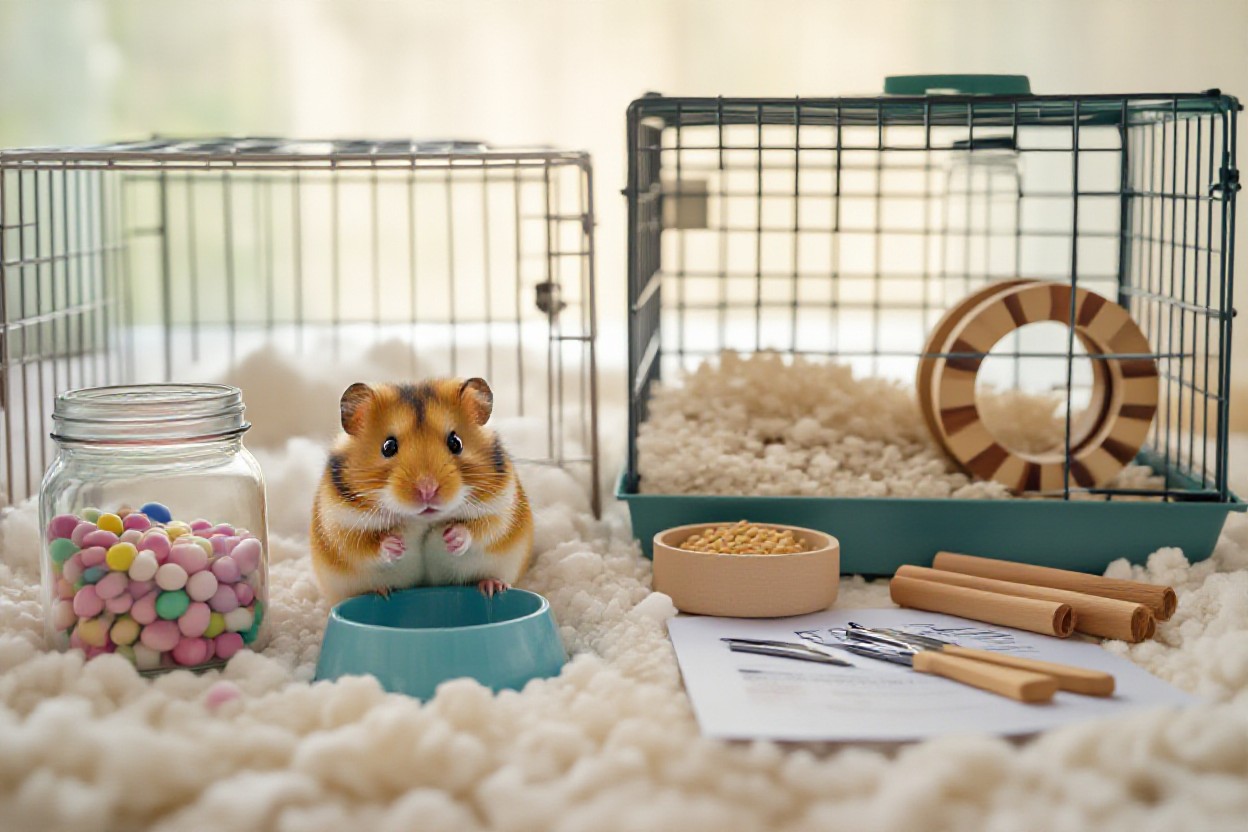
Having a tiny hamster emergency kit means you’re not tearing through drawers at midnight while your pet is struggling. At minimum, you want a small transport carrier, soft fleece or paper towels, a digital thermometer for room and carrier temps, saline for eye rinsing, cotton pads, and a couple of wrapped heat sources like gel packs. Add your vet’s number, the nearest 24/7 clinic, and a short printed “symptom checklist” so you can think clearly when your brain wants to freak out.
For a really solid setup, treat your kit like a go-bag you can grab in 10 seconds. I like a clear box with sections: one for carrier stuff (towel, extra bedding, a tiny dish), one for medical basics like sterile saline, cotton pads, blunt scissors, disposable gloves, and one for “info”: vet contacts, your hamster’s weight written down, and any meds they’ve been on. Stick a small notebook and pen in there too, so you can jot down when symptoms started or how many times they had diarrhea or seizures – vets love precise timelines, and in emergencies that detail can help them choose the right treatment faster.
Common Myths About Hamster Health
Roughly 6 in 10 new hamster owners still rely on outdated advice from pet shops or random forums, which is exactly how small, fixable issues turn into emergency vet visits. You might’ve heard things like “hamsters don’t need vets” or “wet tail is just a bit of diarrhea” or even “if they’re running on the wheel, they’re fine”. In reality, many of these myths delay treatment, hide pain and make it harder for you to spot early warning signs before your hamster takes a serious turn.
Truths vs. Lies – Let’s Set the Record Straight
Recent surveys of small-pet vets show that over 50% of hamster cases could’ve been treated earlier if owners hadn’t believed bad advice online. You might see people claim that all hamsters bite, that a tiny cage is “okay for now”, or that sudden weight loss is just aging, but those are flat-out lies. The truth is, most behavior changes mean something medical, and when you act quickly, you save money, stress and sometimes your hamster’s life too.
Why Some Old Wives Tales Just Aren’t True
One of the oldest myths says hamsters “heal on their own” if you just let them rest, which is exactly how infections, tumors and respiratory disease get ignored for far too long. People used to think of hamsters as cheap, short-lived pets, so advice focused on replacement instead of treatment. That mindset sticks around, even though modern exotic vets can treat dental problems, skin issues and eye injuries if you get in early. So when advice sounds like “do nothing”, your hamster usually pays the price.
Take the classic wet tail myth: a lot of older guides say it’s only a stress thing and you can fix it by “keeping them quiet”. In reality, wet tail is a rapid, often fatal bacterial infection that can kill a young hamster in 24-48 hours if you don’t get antibiotics. Same story with the idea that red eyes or noisy breathing are just “normal for some hamsters” – nope, those can signal infection, heart issues or allergies. If an old tale tells you not to worry, but your gut says something’s off, you go with your gut and call the vet.
What Everyone Gets Wrong About Hamster Care
Studies of pet-shop setups show that over 70% of cages sold as “starter homes” are less than half the minimum space recommended by exotic vets, yet people still think they’re fine because “the box said suitable”. A lot of owners also assume if their hamster eats, runs and drinks, health must be good, but animals this small hide pain until it’s serious and advanced. So when you rely only on activity level and appetite, you miss subtle signs like hunched posture, squinty eyes, or that weird slow grooming that usually screams discomfort.
Another big thing people get wrong is treating hamsters like tiny dogs – they expect cuddles, daytime play sessions and lots of handling, then think hiding or nipping means “bad temperament” instead of stress or chronic sleep disruption. You also see owners clean the cage completely every day because they want it spotless, not realizing that constant deep cleans spike stress hormones and can trigger wet tail in young hamsters. Small tweaks fix a lot of this: larger cage, deep bedding (15-20 cm), a quiet room, spot-cleaning most days and full cleans only when needed. Those simple changes turn a skittish, “problem” hamster into one that actually feels safe enough to stay healthy.
Dealing With Aging Hamsters – What to Expect
Instead of bouncing off the cage walls, your older hamster might start moving like a sleepy little grandparent, and that’s usually normal. You’ll notice more daytime naps, slower reactions and maybe a thinner body or slightly scruffy coat as metabolism changes. Joints can stiffen, eyesight can fade and hearing can dull, so they may startle easily. You just watch for any sudden shifts – big weight drops, open sores, strong smells or heavy breathing – because those are your early red flags for a vet visit.
The Changes You’ll Notice – Aging Gracefully, Right?
Some evenings your hamster will act like a fuzzy rocket, other nights like a tiny retiree in a recliner, and that wobble between the two is pretty typical with age. You’ll see more sleeping, slower grooming, maybe a slightly hunched posture and less time on the wheel. Sometimes their fur gets patchy or a bit dull, and food stashes shrink because they just don’t eat as much. You just focus on whether their habits shift gradually (fine) or overnight (that’s when you call your vet).
Health Conditions Common in Older Hamsters
As hamsters push past 18-24 months, the health issues start to pile up a bit, and a lot of them look similar at first glance. You might deal with tumors (especially around the belly or scent glands), heart disease that shows up as labored breathing, or kidney problems that cause more drinking and peeing. Dental overgrowth, arthritis and recurring wet tail-type diarrhea also pop up more in seniors. Your job is to spot patterns early so treatment has a fighting chance.
In real life, that might mean you suddenly feel a small, firm lump under the skin that slowly gets bigger over a couple of weeks, which can point to a mammary tumor in a female. Or maybe your older Syrian starts breathing with a soft clicking sound and tires after just a minute on the wheel, hinting at heart or respiratory disease. Some seniors lose weight even though they’re eating, a red flag for kidney failure, diabetes or internal tumors. When poop turns soft for more than a day, or you see recurring dirty fur around the tail, you treat that as an emergency because senior guts crash fast. And any sudden change – one eye swollen shut, repeated falls, spinning in circles – is a straight-to-the-vet situation for neurological problems or severe infection.
Tips for Making Their Golden Years Comfortable
Instead of trying to keep them acting like a baby again, you tweak their setup so an older body can cope without working so hard. You lower platforms, add extra bedding for joint support, and swap tall wheels for solid, easy-entry ones so they don’t fall. Softer foods like soaked pellets or baby-safe veg help seniors with teeth or kidney issues keep weight on. After you build a slower, safer layout and stick to a weekly body-check routine, your hamster’s last months tend to be calmer, cleaner and a lot less painful.
- Soft bedding for cushioning stiff joints and preventing pressure sores
- Low-access hides so they don’t need to climb or jump to feel secure
- Shallow dishes for food and water to help weak or wobbly seniors reach easily
- Gentle heating (like a nearby heat pad under part of the cage) in cool rooms
- Easy enrichment such as shredded paper piles and low tunnels instead of tall toys
In practice, you might replace a tall multi-level cage with a single-level setup that has big, easy door access so you can lift them without stressing sore hips. You can also pre-cut veggies into tiny pieces and occasionally hand feed, which lets you track appetite and weight in one go, plus it’s a sweet bonding moment. Regular weigh-ins on a kitchen scale once a week give you hard numbers so subtle weight loss doesn’t sneak by. After you pair these tweaks with frequent but calm handling and quick vet visits when something feels off, your senior hamster gets a surprisingly comfy retirement for such a tiny body.
The Role of Socialization in Health
Compared to food and bedding, social time can seem optional, but your hamster’s brain and body don’t agree at all. Regular, calm interaction helps keep stress hormones down, which means stronger immunity and fewer stress-linked illnesses like wet tail or overgrooming. Short handling sessions, gentle talking, even letting your hamster sniff your hands daily tells their nervous system, “you’re safe here”. Lower stress also shows up as better sleep, steady weight, and fewer random cage-chewing tantrums that can crack teeth or lead to escape attempts.
How Interaction Affects Your Hamster’s Wellbeing
Compared with a hamster that only gets food tossed in, one that you handle 5-10 minutes a day usually has fewer bite incidents, fewer digestive flares, and more normal grooming. Calm handling trains their little heart and nervous system to not freak out at every noise, so they spike stress hormones less often. That matters because chronic stress can mess with gut bacteria, slow healing, and even trigger hair loss, so your quiet daily check-ins are basically tiny health appointments.
Finding the Right Balance – Too Much or Too Little?
Some hamsters wilt without enough interaction, others get frazzled if you keep scooping them up every hour, so you really need that middle ground. Too little contact and you see fear biting, frantic bolting, and sky-high stress, which all raise the risk of injury and gut problems. Too much grabbing, poking kids, or constant “playtime” and they’ll start hiding, squeaking, or suddenly nipping just to make it stop, which is your sign to back off fast.
Think of it like a social thermostat for your hamster – you tweak it slowly until things feel just right. Start with tiny sessions, 2-3 minutes near the cage, letting your hamster come to you while you watch for signals: relaxed whiskers, normal grooming, taking treats from your fingers, that’s good; freezing, bolting, or sudden poop explosions, that’s stress. Short, predictable sessions at the same time of day help their body learn there’s nothing to panic about, which means you can do health checks (eyes, teeth, breathing) without turning it into a wrestling match. If you push too far and see panting, nonstop trying to escape, or they stay hidden all evening afterward, cut it back for a few days then slowly rebuild – that small adjustment can literally prevent vet visits for stress-brought-on diarrhea and self-inflicted injuries.
The Benefits of a Buddy – Should You Get Another Hamster?
Compared to, say, rats or guinea pigs, hamsters are a bit of a weird case when it comes to roommates, and that matters for health. Syrians should be 100% housed alone for life, because “just trying it” often ends in bloody fights, deep bites, and expensive emergency vet care. Some dwarf species can live in pairs, but even then, fallouts at 6-10 months are super common, so you’re signing up for backup cages, extra vet checks, and careful personality matching, not just a cute photo of two fuzzballs cuddling.
What really surprises people is how many health problems actually start with social stress, not just bad luck. Constant chasing, blocking food, or one hamster hogging the wheel can lead to weight loss, injuries hidden under fur, and immune crashes in the bullied one, while the “winner” is revved up on stress too. If you do attempt a same-species, same-sex dwarf pair from a reputable breeder, you need a huge cage with two of everything (bowls, bottles, hides, wheels) and you must be ready to separate instantly at the first squeals, blood, or one hamster suddenly sleeping outside the nests. For most owners, especially with Syrians or rescue hamsters with unknown backgrounds, giving one hamster your focused attention is far safer than gambling on a cage mate that might land both at the vet.
FAQs – Your Questions Answered!
Sometimes you just want quick, no-nonsense answers when your hamster does something weird at 11 pm. This FAQ dives into the stuff you google in a panic: stress, weight checks, and odd behavior that doesn’t quite add up. You’ll get straight, practical tips so you can spot early warning signs, avoid common mistakes, and know when it’s time to call a small-animal vet instead of waiting and hoping it fixes itself.
Can Stress Cause Health Issues in Hamsters?
Stress absolutely can mess with your hamster’s health, and not just a little. Chronic stress can weaken the immune system, trigger wet tail, cause fur loss, and even lead to biting or bar-chewing. Things like loud noises, constant handling, tiny cages, or changing cages too often really add up. If you see pacing, freezing, or sudden aggression, you’re not just dealing with “mood” – you’re looking at a hamster that needs a calmer, more predictable setup fast.
How Often Should I Weigh My Hamster?
Weighing your hamster once a week is usually spot on for healthy adults, ideally on the same day and time so you notice small changes early. Babies or sick hamsters might need checks every 2-3 days, but you should always be gentle and use a small digital kitchen scale with a bowl or cup. Sudden drops of 5-10 grams in a week are a red flag and worth a call to an experienced exotics vet.
Weekly weigh-ins basically act like an early-warning system you can’t get just by eyeballing fluff. You pop your hamster in a small container on a digital scale, jot the number down in your phone, and over a month or two you’ll see their normal range. If your 120 g Syrian slips to 110 g, that 10 g loss might be the first sign of teeth problems, infection, or organ disease long before they look “ill”. If the weight trend keeps dropping over 2 checks, you’re past the wait-and-see stage – it’s vet time.
What If My Hamster Seems Fine But Acts Strange?
When your hamster looks physically fine but acts off – hiding more, wobbling, staring, biting suddenly – treat it as an early warning, not a “quirk”. Subtle behavior changes can point to pain, infection, vision loss, or neurological issues. If the odd behavior lasts more than 24-48 hours, or you spot extras like drinking loads, squinting, or lopsided movement, you’re in “book an exotics vet” territory, not just “watch and wait”.
Strange-but-subtle behavior is often the only clue you’ll get before things snowball. A hamster that stops using its wheel, suddenly sleeps in a new corner, or flinches when you touch the ribs might be hiding respiratory disease, internal pain, or heart problems. Grab a quick video of the weird behavior on your phone, check their teeth, breathing, and poop, then call a small-animal vet and describe exactly what changed and when. If your gut says “this isn’t my hamster’s normal vibe”, trust that instinct and act on it sooner rather than later.
Conclusion
On the whole, your hamster’s health lives or dies on the tiny habits you build into everyday care, and that really is in your hands. When you stay on top of cage cleaning, offer a balanced diet, and actually watch your little fluff ball for small changes, you catch problems way earlier – wet tail, breathing issues, overgrown teeth, all of it.
So if something feels off, you trust your gut and call the vet instead of waiting it out. Your hamster might be small, but the care you give? That matters a lot.