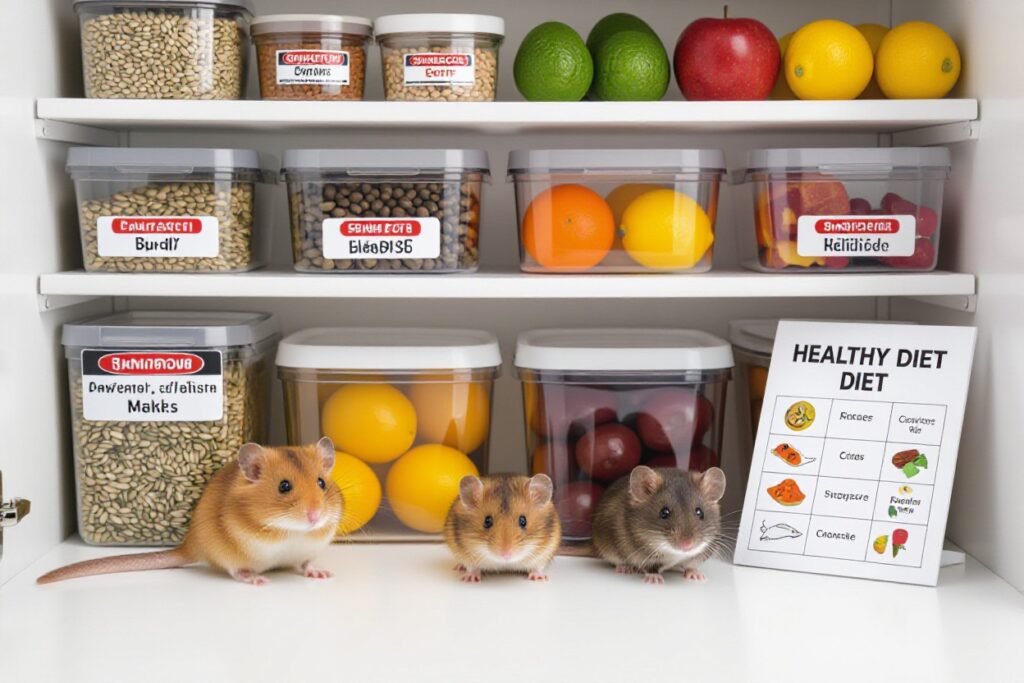
food choices for your pet matter: plant-based options can offer lower environmental impact and reduced saturated fat, and may ease food sensitivities, but you must weigh risks-especially for cats, where taurine and other nutrient deficiencies can be dangerous. For dogs, well-formulated diets can meet needs, yet you should verify labels and consult your veterinarian to protect your pet’s health.
Understanding Plant-Based Pet Food
Definition and Composition
Formulas replace animal proteins with legumes (peas, lentils, chickpeas), soy, grains (rice, oats) and concentrates like pea or soy protein isolate, often adding oils (canola, flax) for fat. You’ll also find synthetic or fermented amino acids (taurine, methionine), vitamins (B12, D) and mineral blends to hit targets. Many commercial recipes aim for roughly 20-30% crude protein and 8-20% fat (dry matter); inspect labels for added amino acids and mineral balances.
Nutritional Benefits
Plant-based diets can lower saturated fat and cholesterol intake, increase soluble fiber for gut health, and reduce exposure to common animal-protein allergens; you may see improved stool quality and weight control in some pets. Environmental impact is typically smaller per kg of protein produced. Positive outcomes depend on formulation-only complete, properly supplemented diets reliably deliver benefits.
Feeding trials and lab analyses matter: manufacturers should meet AAFCO or FEDIAF nutrient profiles or complete feeding-trial evidence. You must watch limiting amino acids-legume-heavy recipes often need added methionine, lysine and, for cats, taurine and preformed vitamin A because deficiency can cause retinal degeneration and dilated cardiomyopathy. Regular body condition checks and periodic bloodwork help confirm the diet supports your pet long-term.
Pros of Plant-Based Pet Food
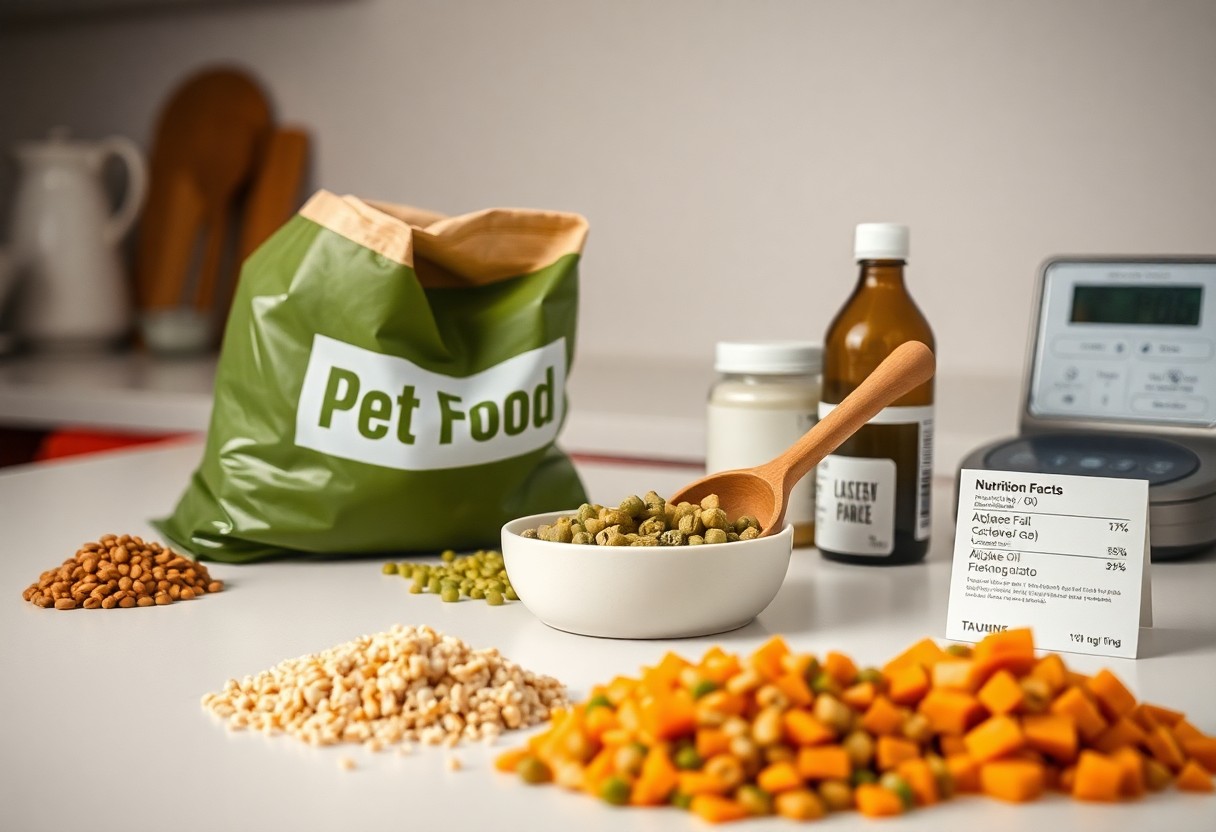
Plant-based formulas can lower saturated fat and reduce exposure to antibiotics or hormones found in some meats, and they often use novel proteins like pea, lentil, or potato that help dogs with sensitivities. If you pick products that meet AAFCO/NRC nutrient profiles and include synthetic amino acids and vitamins, they can provide complete nutrition, support weight management, and improve stool quality and coat condition.
Health Benefits for Pets
You may see better digestion and fewer allergic flares when common animal proteins are removed; well-formulated plant diets supply protein, fiber, and micronutrients that support gut health and weight control. Ensure the food contains or is supplemented with critical nutrients-such as taurine precursors, L-carnitine, and vitamin B12-because for cats, a plant-only diet without these supplements is high-risk and taurine deficiency can cause dilated cardiomyopathy and vision loss.
Environmental Impact
Swapping animal ingredients lowers your pet’s environmental footprint: livestock contributes about 14.5% of global greenhouse gas emissions (FAO), and beef production can require roughly ~15,000 liters of water per kg. By choosing plant-based options you reduce demand for resource-intensive meats and cut upstream emissions associated with your pet’s food.
Life-cycle analyses show beef emits approximately ~60 kg CO2e/kg versus legumes at about 1-4 kg CO2e/kg, so replacing animal meals with soy or pea proteins can markedly reduce CO2e and land use; livestock already occupies around 70% of agricultural land, meaning your dietary choices for your pet can free land for restoration and lower overall environmental pressures.
Cons of Plant-Based Pet Food
You’ll encounter specific drawbacks beyond ethics or environment: many plant-based formulas rely on isolated proteins and synthetic additives to mimic meat, which can leave gaps in amino acid balance, bioavailability, or necessary fats for obligate carnivores. Clinical reports show that without careful formulation and monitoring you risk slow-developing deficiencies and metabolic stress, so expect more frequent vet checks and lab work when you switch.
Nutritional Risks
You must watch for missing or poorly absorbed nutrients: cats need taurine, preformed vitamin A and arachidonic acid, while dogs can develop taurine-related DCM in some cases. The FDA’s 2018-2019 investigation linked certain grain-free/legume-rich diets to DCM in dogs; manufacturers may add synthetic taurine and B12, but you’ll still need periodic blood tests, caloric-density adjustments, and vet oversight to prevent blindness, cardiomyopathy, or wasting.
Potential Allergies and Sensitivities
You may trade one set of allergens for another: plant proteins like soy, wheat, and peas can trigger food allergies or intolerances that cause pruritus, chronic ear infections, vomiting, or diarrhea. Pets with previous food sensitivities are particularly at risk, so anticipate elimination trials and close symptom tracking when introducing novel plant ingredients.
For more detail, you should know elimination diets of 8-12 weeks remain the diagnostic gold standard because blood allergy tests are often unreliable. Hydrolyzed or novel-protein diets are common alternatives; consult your vet before switching, document symptom changes weekly, and watch for rare but serious reactions such as anaphylaxis that require immediate care.
Comparing Plant-Based and Traditional Pet Food
Side-by-side comparison
| Plant-Based | Traditional (Meat-Based) |
|---|---|
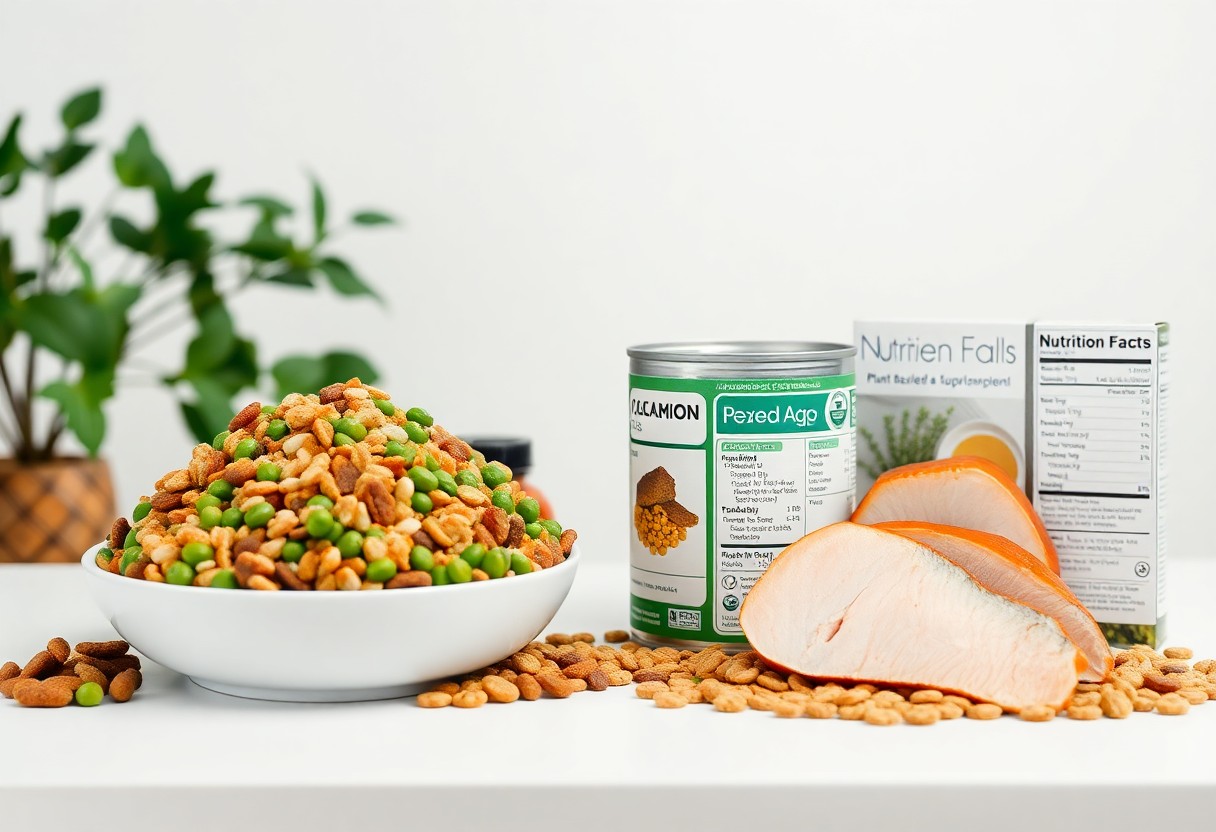
| Protein from peas, soy, lentils; often fortified with synthetic amino acids like taurine and methionine. | Protein from chicken, beef, fish; naturally rich in indispensable amino acids and heme iron. |
| May contain phytates/lectins that reduce mineral absorption; manufacturers use processing or chelated minerals to improve bioavailability. | Higher natural bioavailability of B12, iron and certain fatty acids; less need for synthetic supplementation. |
| Lower lifecycle environmental impact in many analyses (up to ~50% lower GHGs in some cases). | Typically higher greenhouse gas emissions, land and water use per kg of protein. |
| Palatability varies; some pets refuse diets without flavor enhancers. | Generally more palatable for most dogs and especially for cats. |
| Retail price often higher due to processing and supplementation. | Price fluctuates with meat commodity markets; bulk options can be cheaper. |
| Useful for pets with specific meat allergies or owners prioritizing sustainability. | Better match for obligate carnivores (cats) unless carefully formulated and tested. |
Ingredients and Sources
You’ll see plant-based formulas built from pea protein, soy, lentils and whole grains, with added synthetic taurine, B12 and omega-3 from algae to meet AAFCO targets (adult dogs: ~18% protein DM; adult cats: ~26%). Some plant ingredients contain phytates or lectins that reduce mineral uptake, so manufacturers use processing or chelated minerals; overall amino acid profiles and bioavailability differ from meat-based sources.
Cost Considerations
When you compare prices, plant-based pet foods at retail are often about 10-30% more expensive than conventional dry kibble because of processing and concentrated supplementation; yet raw plant ingredients like peas or soy can cost less than beef or fish, and you should factor in added veterinary monitoring or bloodwork if you switch diets.
For example, if your 30 lb dog eats ~2.5% body weight (~0.34 lb/day ≈ 10 lb/month), a $4/lb diet costs about $40/month while a $5/lb plant formula rises to $50/month. Also budget for a baseline blood panel (~$100-200) within 8-12 weeks of switching and periodic follow-ups if any abnormalities appear; prescription or specialty blends can push monthly costs higher.
Choosing the Right Pet Food
When dicking out a diet you must read the label for an AAFCO or FEDIAF statement that the food is “complete and balanced”, check the guaranteed analysis for protein, fat and fiber, and compare ingredient sources-plant proteins vary in bioavailability. If your animal is on a nonanimal diet, ensure it lists supplemented amino acids (like taurine for cats), vitamins B12 and D, and long‑chain omega‑3s (EPA/DHA); deficiencies can cause heart or neurologic disease.
Evaluating Your Pet’s Dietary Needs
You should assess life stage, activity, breed, and health issues using a body condition score (1-9) and weight trend, plus allergy history and digestive tolerance. Puppies and kittens need denser calories and higher protein, seniors often need fewer kcal and renal‑friendly formulations, and obese pets require calorie restriction-track portions and weigh your pet every 2-4 weeks to adjust intake.
Consulting with Veterinarians
You must involve your veterinarian before switching diets; request baseline bloodwork (CBC, chemistry) and discuss testing for taurine and B12 when feeding plant‑based formulas. Seek a board‑certified veterinary nutritionist (Diplomate, ACVN) for commercial or home‑prepared vegan diets, since improperly balanced diets can be dangerous for cats and susceptible dog breeds.
Bring your vet the food label, feeding logs, supplement list, and any prior lab results; ask for baseline labs and follow‑up testing at about 3 months, including taurine and cardiac evaluation (echo) if clinical signs or breed risk exist. A nutritionist will perform a diet analysis, recommend specific supplements or formulations, and schedule rechecks-this structured approach minimized deficiency risk and documents safety over time.

Case Studies and Testimonials
You can see concrete outcomes when owners switch to plant-based pet food: some pets show rapid improvement in skin and stool while others need careful supplementation. Small cohort data and clinic reports reveal mixed results, so you should weigh numbers-weight change, blood markers, and adherence-before deciding for your pet.
- 1) University clinic trial – 120 adult dogs switched to a commercial plant-based diet for 6 months: 79% (95 dogs) maintained weight, 17% (20) gained ≤5%, 4% (5) lost >10% and required caloric adjustment; bloodwork flagged low B12 in 6% (7 dogs).
- 2) Specialty feline case series – 30 indoor cats on supplemented vegan cat food for 12 months: 67% (20 cats) remained clinically stable, while 33% (10) had declining taurine levels requiring supplement and diet change within 9-12 months.
- 3) Allergy clinic audit – 85 dogs with food sensitivities switched to a hydrolyzed plant-based formula: 62% (53) had ≥50% reduction in itching within 8 weeks; 12% (10) showed no improvement and returned to limited-animal-protein diets.
- 4) Rescue shelter trial – 200 mixed-breed dogs fed high-protein plant-based kibble for 3 months: average weight change = +0.8 kg, stool score improved in 48%, and owner-reported palatability was 78%.
- 5) Long-term owner survey – 450 pet owners using commercial plant-based pet food >1 year: 54% reported better coat condition, 29% reported no change, and 17% reported digestive or energy issues requiring vet follow-up.
Success Stories
You’ll find clear wins: dogs with environmental allergies often experience reduced itching and better stool consistency within weeks after switching, and many owners report improved coat gloss and stable weight when protein and micronutrient targets are met through fortified formulas or vet-guided supplementation.
Challenges Faced
You should anticipate limitations: cats are prone to taurine deficiency and some dogs show low B12 or iron without planned supplementation, so monitoring and adjustments are common in the first 6-12 months.
More detailed challenges include variable bioavailability of plant proteins vs. animal sources, which can force higher gram-per-day feeding to hit amino acid targets; you may see picky eaters refuse new textures, and vets often report needing to supplement B12, taurine, vitamin D, or adjust calories. Regular weight checks, blood panels at 3 and 12 months, and clear transition plans reduce risk and help you decide if the diet meets your pet’s long-term needs.
Final Words
Conclusively, you should weigh the benefits of plant-based pet food-lower environmental impact and reduced allergy triggers-against potential drawbacks like incomplete amino acid profiles, vitamin/mineral gaps, and variable digestibility; work with your veterinarian to assess your pet’s life stage and health needs, select fortified formulations, and monitor weight, coat and energy to ensure your pet thrives on a plant-based diet.
FAQ
Q: Can dogs and cats thrive on plant-based diets?
A: Dogs can thrive on properly formulated plant-based diets because they are omnivores capable of utilizing a variety of protein sources, provided the food supplies complete amino acid profiles, sufficient bioavailable protein, and vital micronutrients. Cats are obligate carnivores and have strict dietary requirements (taurine, preformed vitamin A, arachidonic acid, and specific amino acid ratios) that are difficult to meet with plant ingredients alone; commercial vegan cat foods must be specifically supplemented and backed by feeding trials to be safe long-term. For either species, a diet that is not complete and balanced or lacks veterinary oversight can lead to serious health problems.
Q: What are the main nutritional benefits and risks of plant-based pet food?
A: Benefits include lower saturated fat and cholesterol, potentially fewer food-allergy triggers from animal proteins, higher fiber for gastrointestinal health in some cases, and a smaller environmental footprint. Risks center on nutrient deficiencies (taurine, vitamin B12, vitamin D3, iron/heme iron availability, long-chain omega-3s like EPA/DHA, and certain vital amino acids), reduced palatability for picky eaters, and variable protein digestibility depending on formulation. High fiber can interfere with nutrient absorption in sensitive animals. The safety and efficacy of a plant-based product depend on formulation quality, supplementation, and evidence from feeding trials or nutrient analyses.
Q: How should I transition my pet to a plant-based diet and what monitoring is needed?
A: Transition slowly over 7-14 days to avoid gastrointestinal upset, mixing increasing amounts of the new food with the old. Use commercially prepared, AAFCO-stated complete diets or formulas developed by veterinary nutritionists; avoid unsupplemented homemade diets unless a board-certified veterinary nutritionist designs them. Monitor body weight, appetite, coat condition, stool quality, and energy levels. For cats and for dogs on long-term plant-based feeding, schedule baseline and periodic veterinary exams with bloodwork (CBC, chemistry panel, and specific nutrient tests such as taurine, vitamin B12, and vital fatty acids when indicated). If you see weight loss, lethargy, vomiting, diarrhea, or behavioral changes, stop the diet and consult your veterinarian promptly.