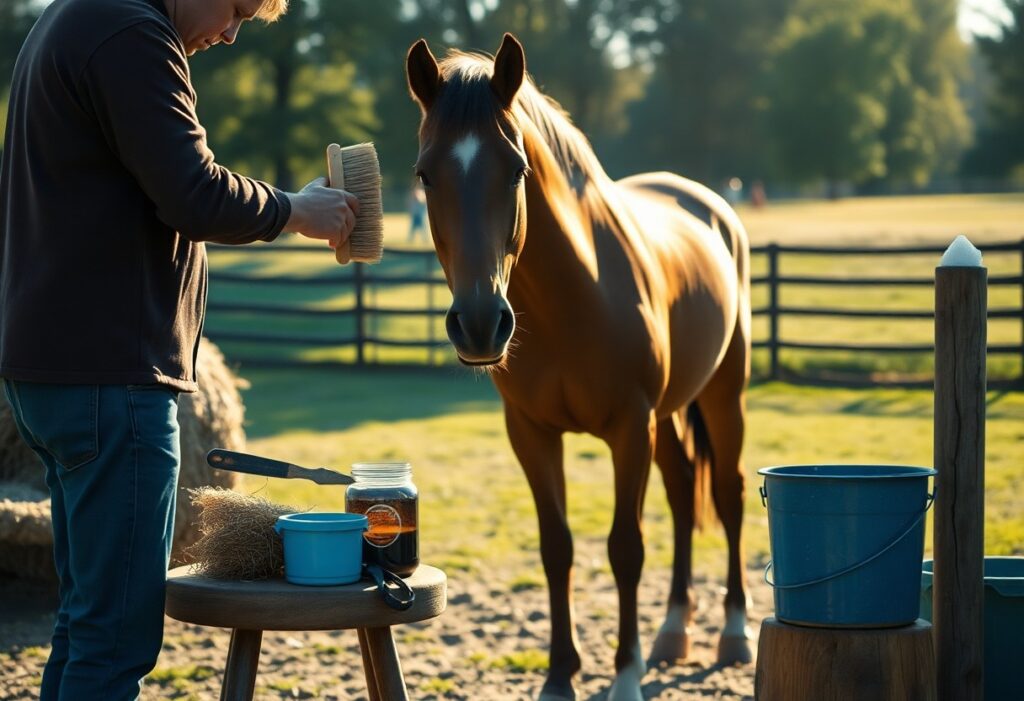
Over time, adopting natural horse care helps you reduce chemical exposure and support herd wellness; by emphasizing pasture-based feeding, rotational grazing, and holistic hoof and dental care you promote better digestion, stronger hooves, and calmer behavior. You must monitor parasite loads and avoid toxic plants because neglect or inappropriate products can cause serious illness or death. With consistent, informed practices your horse gains longer, healthier, more resilient life and you save costs.
Overview of Natural Horse Care
You focus on whole-horse management: forage-first nutrition, 12+ hours turnout when possible, targeted hoof trimming, and ecological parasite control. In practice you use fecal egg counts (FECs) every 6-12 weeks, rotate pastures every 3-4 weeks, and reduce routine chemical use to lower drug resistance. These measures often cut incidental vet visits and improve coat and hoof condition, but they demand consistent monitoring and record-keeping.
Definition and Principles
You prioritize minimally processed forage, individualized supplements, mechanical hoof care, and ecological approaches to parasites and pasture. Core principles include prevention through management, FEC-guided treatments, maximizing turnout, and tailoring interventions to each horse’s needs rather than blanket protocols. Practical examples: prioritize forage at 1.5-2% bodyweight/day, schedule trims every 6-8 weeks, and use rotational grazing to interrupt parasite lifecycles.
Key Principles & Examples
| Management | Forage-first diets; turnout 12+ hours |
| Parasite control | FECs every 6-12 weeks; rotate pastures 3-4 weeks |
| Hoof care | Barefoot or balanced trimming every 6-8 weeks |
| Medication approach | Targeted use only; avoid routine blanket treatments |
Comparison to Conventional Methods
You trade routine chemical schedules and confined stabling for targeted, evidence-informed management. Conventional programs often deworm on a fixed cycle (commonly every 6-8 weeks) and limit turnout to control weight and environment; natural care uses FEC-guided deworming, more turnout, and pasture management, which can reduce drug resistance and support gut microbiome stability but requires more labor, testing, and management skill.
Conventional vs Natural
| Deworming | Fixed schedules (6-8 weeks) vs FEC-guided (6-12 weeks) |
| Turnout | Limited (6-8 hrs) vs increased (12+ hrs) |
| Hoof care | Routine shoeing vs barefoot/balanced trimming |
| Monitoring | Reactive vet visits vs proactive record-keeping and FECs |
You should expect clear trade-offs: natural methods often lower long-term medication use and improve resilience, yet they demand consistent FEC testing, pasture planning, and time investment. For example, rotating paddocks every 3-4 weeks and keeping detailed FEC records helps you reduce anthelmintic exposure and slow resistance development, while inadequate monitoring can increase risk of missed infections or metabolic issues.
Practical Trade-offs
| Benefit | Consideration |
| Lower drug resistance | More labor and testing (FECs, records) |
| Better gut & hoof health | Initial learning curve and fencing/pasture costs |
| Fewer routine meds | Requires prompt response when issues arise |
Benefits of Natural Horse Care
Choosing natural care reduces your horse’s exposure to unnecessary drugs and emphasizes management that supports immune function and digestion: forage at 1.5-2% of bodyweight, turnout of 6-8 hours, and hoof trims every 6-8 weeks. You’ll often see stronger hooves, a glossier coat, and steadier digestion, while veterinary interventions become more targeted rather than routine.
Improved Health and Well-being
By prioritizing forage, gradual dietary changes, and low-stress handling, you lower the incidence of digestive upsets and behavioral issues; using slow feeders and balanced forage reduces ulcer and colic risk. Incorporating omega-3s and appropriate antioxidants can help manage inflammation, and regular movement keeps joints mobile so your horse stays more comfortable and engaged.
Enhanced Longevity and Performance
Natural strategies prolong your horse’s functional years by focusing on steady conditioning, hoof balance, and metabolic health; a program of light exercise 3-4 times weekly plus pasture turnout preserves muscle and cardiovascular fitness. You’ll reduce cumulative wear, often extending active work into later years while maintaining soundness and rideability.
Digging deeper, combine progressive conditioning (start with 10-15 minute walk-trot sessions and increase 10% weekly), routine hoof care every 6-8 weeks, and a forage-first diet at 1.5-2% bodyweight to minimize laminitis and metabolic swings. Add targeted joint support and careful saddle fit, and you lower tendon and back injury risk. Watch for heat or swelling after workouts-addressing those early prevents long-term setbacks and keeps your horse performing longer.
Nutritional Approaches
Focus on balancing forage, energy and micronutrients to support health and performance. Aim for horses to consume 1.5-2% of body weight in forage daily, use hay analysis to adjust rations, and maintain a dietary Ca:P ratio near 1.5-2:1. Monitor non-structural carbohydrate (NSC) levels – keeping them 10-12% for laminitis-prone animals – and adjust concentrates or grazing time based on workload, body condition score and veterinary advice.
Natural Diet and Forage
Prioritize good-quality forage such as timothy, orchardgrass or grass/alfalfa mixes and test hay for protein, energy and minerals. A 500 kg horse at 1.5-2% needs about 7.5-10 kg of dry forage daily. Forage species matter: alfalfa is higher in calcium and energy, useful for hard keepers but not ideal for IR horses. Use grazing muzzles, strip-grazing or soaked hay to reduce sugar intake when necessary.
Supplements and Herbs
Use supplements to fill documented gaps: common choices include glucosamine (typically 10-20 g/day), MSM (~10 g/day), biotin (~15 mg/day) for hooves, and vitamin E (1,000-3,000 IU/day) for neurologic or immune support. Incorporate omega-3 sources like ground flaxseed (roughly 100-250 g/day) for anti-inflammatory benefits, but verify formulations and dosing with feed analysis and your veterinarian to avoid overdosing trace minerals like selenium.
Herbal adjuncts can help: yucca and nettle for inflammation and mineral support, milk thistle for hepatic aid, chamomile for mild digestive calming. Avoid toxic plants such as yew (Taxus) and be wary of comfrey long-term; herbal blends may vary in potency and purity. Consult your vet because herbs can interact with drugs and excessive micronutrients (notably selenium >0.3 ppm) can be harmful.
Environmental Enrichment
You can reduce boredom and unwanted behaviors by increasing foraging, social contact, and novel challenges: provide 4-8 hours of turnout daily when possible, scatter slow-feeder hay nets to extend grazing time, rotate objects like treat balls or lick tubs, and pair compatible companions for social enrichment. Studies and field observations link these practices to fewer stereotypies and better body condition, while targeted enrichment also improves mental welfare during periods of stalled training or confinement.
Pasture Management
Manage stocking at roughly 1.5-2 acres per horse in fertile temperate regions and use rotational grazing with paddock rest periods of 21-30 days to maintain sward height and prevent overgrazing; soil-test every 2-3 years, overseed mixes like orchardgrass/ryegrass/timothy for resilience, and remove poisonous plants such as ragwort and yew promptly to avoid toxicosis.
Shelter and Space Considerations
Provide at minimum a 12×12 ft stall for an average horse (14×14 for large breeds) or a 12×12 ft run-in shelter per horse on pasture; ensure stalls have good ventilation, 1-2% floor slope for drainage, and non-slip surfaces to reduce respiratory issues and injury risk.
Address drainage by using compacted stone base with geotextile underlay and a 2-4 inch layer of crushed rock in high-traffic areas, avoid deep mud which promotes hoof thrush and soft-tissue injury, and maintain cross-ventilation openings at shoulder height to limit dust – these measures lower respiratory disease incidence and extend bedding life while keeping your horses safer and more comfortable.
Holistic Health Practices
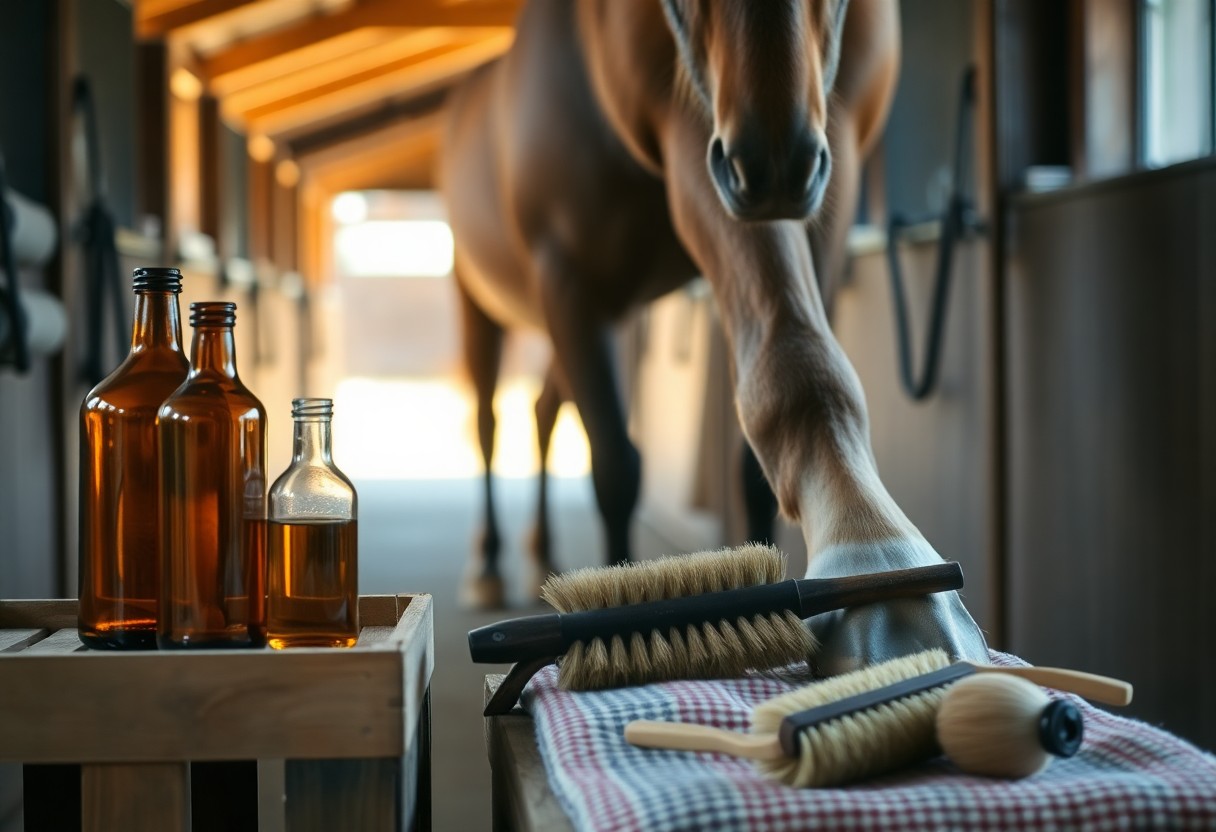
You balance nutrition, turnout and targeted bodywork to reduce injury and improve recovery; give daily turnout of 4-8 hours, trim hooves every 6-8 weeks, and schedule dental checks annually or every 6 months for seniors. Combine parasite control based on fecal egg counts and tailor feed to maintain a body condition score of 4-6 on the 9‑point scale. Watch for signs of colic, laminitis or weight loss, and adjust management immediately to prevent escalation.
Alternative Therapies
You can combine acupuncture, chiropractic and massage with targeted supplements; start acupuncture at 1-2 sessions/week for 4-6 weeks then move to maintenance, add therapeutic ultrasound or low‑level laser for tendon injuries, and use omega‑3s and joint nutraceuticals to support inflammation control. Practitioners report faster return to work when therapies are coordinated. Always have your veterinarian approve herbal or off‑label supplements because of drug interactions and toxicity risks.
Regular Monitoring and Assessment
You check vital signs and movement routinely: resting temperature ~37.5-38.6°C (99.5-101.5°F), heart rate 28-44 bpm, respiration 8-16/min, and perform a monthly body condition score and gait video. Record weight with a tape weekly during programs and compare trends. If temperature exceeds 38.9°C, heart rate is >60 bpm at rest, or you see uneven weight‑bearing, contact your veterinarian immediately-these are danger signs.
You develop a data-driven plan: run fecal egg counts every 8-12 weeks to guide deworming, schedule farrier visits every 6-8 weeks and dental exams every 6-12 months, and obtain baseline bloodwork annually for seniors or competitors. Use video to compare gaits, log feed and turnout changes, and share patterns with your vet so interventions are targeted and timely, preventing minor issues from becoming major problems.
Implementing Natural Care Practices
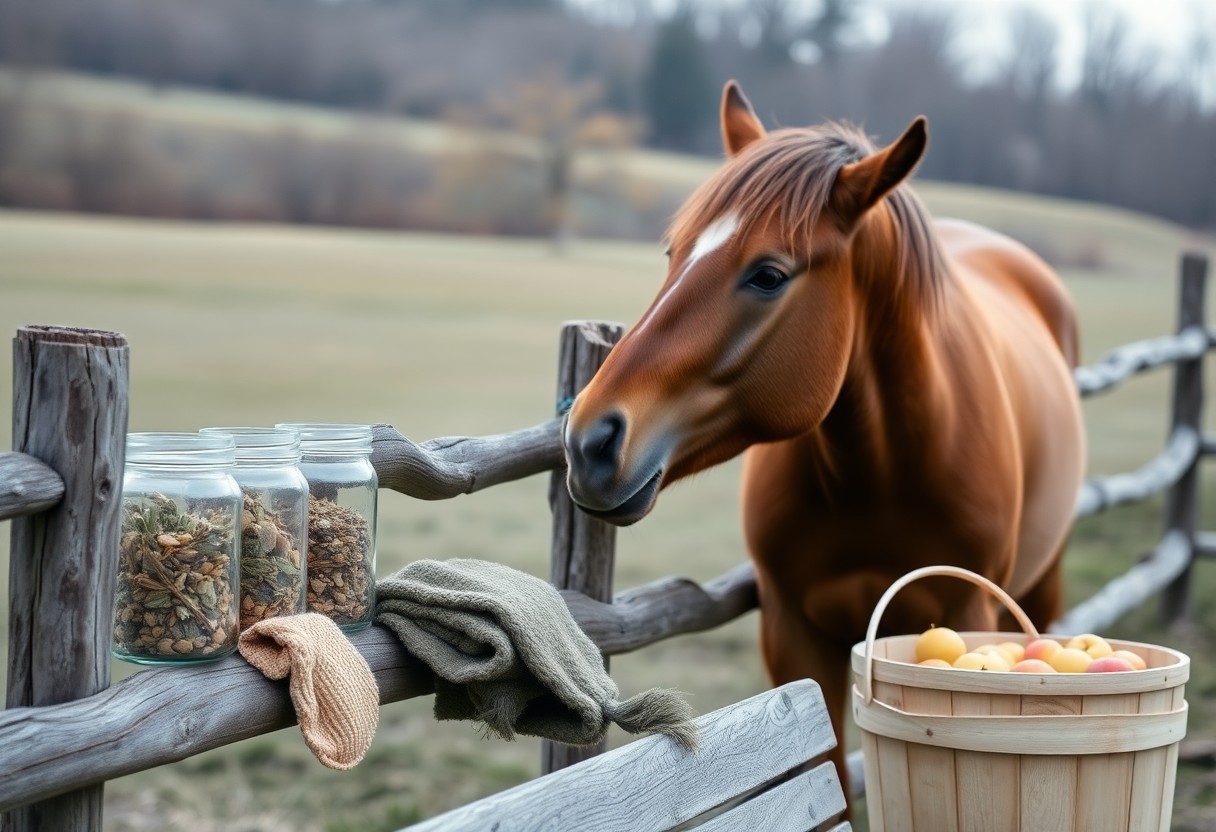
Start by quantifying inputs: aim for forage at 1.5-2% of your horse’s bodyweight, rotate paddocks every 7-21 days, and schedule barefoot trims every 6-8 weeks. You should monitor fecal egg counts 2-3 times yearly, test hay for sugar when managing metabolic cases, and keep water available at all times. Combining these practices with routine vet checks and a gradual supplementation plan reduces reliance on chemicals while improving gut microbiome, coat condition, and hoof integrity.
Transitioning Your Horse
When shifting diets, change concentrates by about 10% every 2-3 days and introduce new hay over 10-14 days; for a 500 kg horse that means moving toward ~7.5 kg/day forage target gradually. Also phase in barefoot trimming adjustments over 2-3 cycles, and add probiotics over 7-14 days. Monitor manure consistency, pulse, and appetite closely-rapid change can provoke colic or laminitis, so slow, measured steps protect health.
Common Challenges and Solutions
Pest and pasture issues often surface: use fecal egg counts to guide deworming (treat horses with >200 EPG), reduce stocking to 1-2 acres per horse where possible, and rotate grazed areas. For wet paddocks causing thrush, improve drainage and stall landing, and treat affected hooves topically. When managing weight, base hay amounts on analysis and soak hay 30-60 minutes for sugar reduction in metabolic horses.
Implementing a targeted parasite program typically means testing 2-3 times a year and treating only high shedders, which can cut chemical use by more than half without raising overall EPGs. For laminitis-prone horses, combine limited grazing (use a grazing muzzle for 6-8 hours/day), low-NSC forage, and immediate veterinary action at any sign of heat or lameness; quick response prevents long-term damage.
To wrap up
So by adopting natural horse care methods you support your horse’s digestion, coat, and mental well-being through quality forage, regular turnout, sensible trimming, and selective herbal supplements. You reduce chemical exposure and vet interventions, enhance immunity and resilience, and deepen your bond through observation and low-stress handling. These practices also promote pasture health and sustainability, giving you a practical, preventive approach that prioritizes long-term soundness and reliable performance.
FAQ
Q: What are the core natural horse care practices I should use?
A: Prioritize forage-based nutrition (high-quality pasture and varied hay), consistent access to clean water and free-choice salt/minerals, regular turnout and social contact, and a low-stress handling routine. Implement natural hoof care by scheduling frequent trims with a barefoot trimmer or natural-balance farrier, using hoof boots for protection when needed, and maintaining dry, clean stalls and paddocks to reduce thrush and abscess risk. Manage pasture and paddock rotation to minimize parasite loads and overgrazing, employ deep-bedding and good drainage to limit ammonia and moisture, and use gentle, plant-based grooming products to maintain skin and coat health. Integrate routine dental checks and tailor supplemental minerals only after forage testing or veterinary/nutritionist consultation. These practices work together to support digestion, immunity, soundness, and behavior while reducing reliance on synthetic chemicals and routine pharmaceuticals.
Q: How do I transition my horse to a more natural diet and what benefits should I expect?
A: Transition gradually over 2-6 weeks to avoid digestive upset: slowly replace grain concentrates with additional forage, introduce new hays or pasture varieties in small increments, and use forage nets or slow feeders to mimic natural grazing and regulate intake. Test hay for nutrient content and adjust mineral supplementation to correct imbalances; if metabolic disease or laminitis risk exists, consult your veterinarian for a tailored plan and a more cautious transition. Monitor body condition, manure consistency, hoof growth, and energy levels during the change. Expected benefits include steadier energy and mood, improved gut microbiome and digestion, more stable weight, reduced incidence of laminitis and insulin dysregulation in susceptible horses, healthier hooves and coat over time, and often lower feeding costs when concentrates are reduced.
Q: What natural alternatives help with common health issues and what are the benefits and limits of those approaches?
A: For parasite control, combine targeted fecal egg counts with pasture management (rotation, harrowing, mixed-species grazing) and biological controls when available; be cautious with over-the-counter herbal dewormers because efficacy varies. For minor skin problems and wounds, gentle antiseptics, aloe or calendula preparations, and medical-grade honey can support healing; maintain clean environment and monitor for infection. For hoof and muscle care, regular trimming, therapeutic hoof boots, poultices or clay for drawing inflammation, and tailored conditioning (light work and massage) can help recovery. Probiotics, fermented feeds, and prebiotic-rich forages support gut health; omega-3-rich supplements and balanced trace minerals support coat and joint health. Benefits of a natural approach include reduced chemical and drug exposure, enhanced long-term resilience and immunity, environmental gains, and fewer side effects. Limits: some serious infections, metabolic crises, and acute conditions require conventional veterinary diagnostics and treatments; always collaborate with your veterinarian before replacing prescribed therapy and when making significant changes.