Over recent years you’ve likely noticed Miniature Labradors gaining popularity; you should know they are not an officially recognized breed, offer a compact, apartment-friendly size, and carry a risk of dwarfism and serious health problems from unethical breeding.
Defining the Miniature Labrador: Genetics and Size Standards
Genetics shape whether you get a true miniature Labrador or a small-statured standard; no major kennel club recognizes an official miniature, so breeders rely on size lines, crossbreeding or dwarfism genes, and you should expect variability in health and final measurements compared with standard Labs.
Understanding the Genetic Background of Smaller Labradors
Breeders may select smaller parents or use crosses; you must request health clearances and ask about testing for heritable issues. Some small Labradors carry genes for pituitary dwarfism or mixed ancestry that increase the risk of endocrine problems and limb malformations.
Physical Characteristics and Expected Growth Patterns
Growth typically completes earlier than in full-size Labs, leaving a compact build; you should expect shorter legs, a proportionate skull and a final weight often below full-size standards, while stalled growth can indicate hormonal or genetic concerns requiring vet assessment.
You should monitor growth monthly, track weight and limb alignment, and schedule early vet screening including growth-plate x-rays, hip/elbow evaluations and thyroid checks; manage calories to prevent obesity, watch for signs of hip dysplasia or patellar luxation, and expect some dental crowding and shorter stride-with proper care these smaller Labradors can retain the breed’s friendly, trainable temperament.
Temperament and Suitability for Apartment Living
Miniature Labradors are friendly and eager to please; you must manage high energy and social needs so apartment life works if you provide daily exercise and guard against separation anxiety.
Analyzing Personality Traits and Energy Levels
You find them affectionate, trainable, and playful; expect moderate to high energy, a strong food drive, and a tendency to seek company-plan structured play and training to channel energy and reduce destructive behavior.
Adaptability to Urban Environments and Noise
Apartment settings suit them if you give consistent walks and mental work; you should expect some barking and noise sensitivity, so socialization and sound desensitization help prevent anxiety.
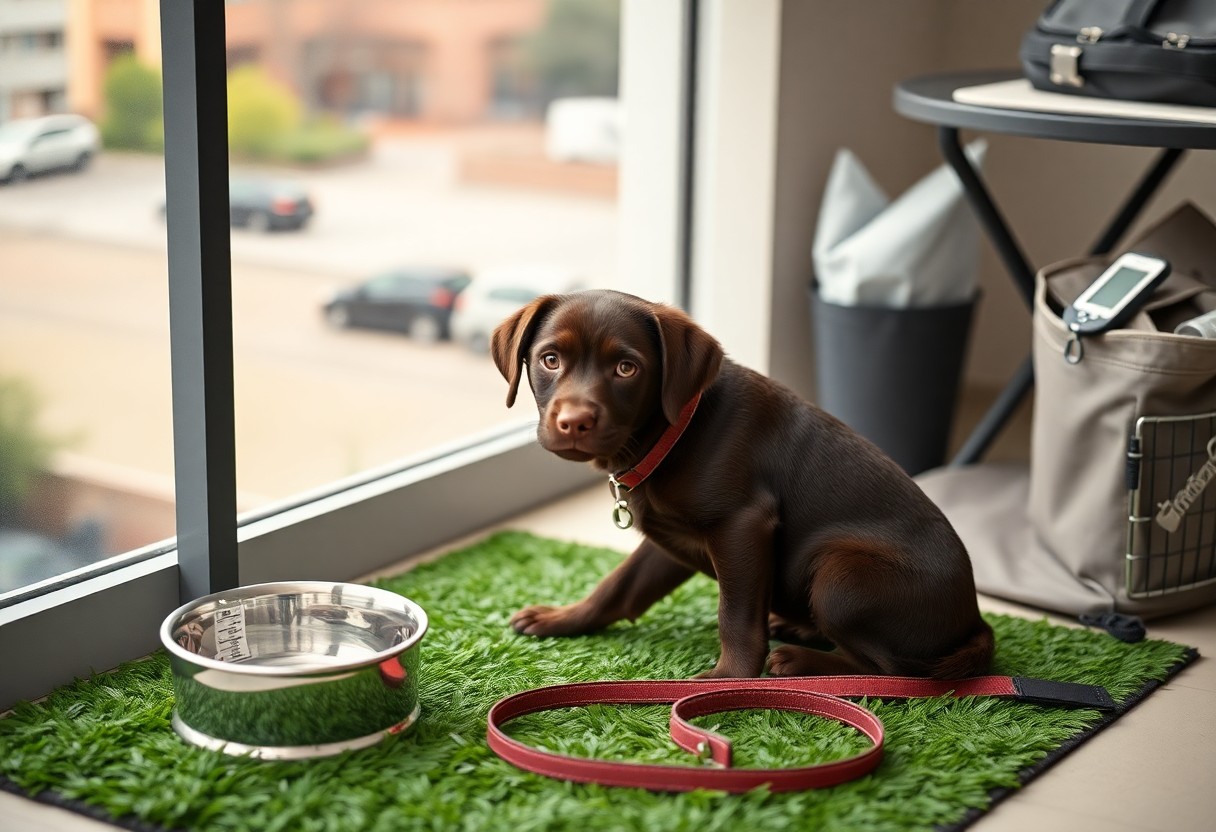
City living requires that you schedule brisk daily exercise, interactive toys, and calm downtime to keep your Miniature Labrador balanced. You should train leash manners to lower traffic-related risks, supervise during busy walks, and use crate routines to limit destructive chewing. Socialize early and apply gradual sound desensitization to reduce reactive barking and protect against separation anxiety.
Essential Health and Wellness Considerations
Check your Miniature Labrador’s routine for signs of joint strain, dental issues, and weight gain; schedule regular vet exams and prioritize early detection of health problems to keep city living manageable.
Common Hereditary Issues and Genetic Screening
Genetics can pass on hip dysplasia, PRA, and cardiac defects; make sure you insist on breeder-provided clearances and consider DNA testing before adopting to reduce risk.
Nutritional Guidelines for Maintaining a Healthy Weight
Balance your Miniature Labrador’s meals with high-quality protein, controlled fats, and measured portions to prevent obesity, and adjust calories for activity in small apartments.
Portion control matters: feed measured meals twice daily, track calories against breed-appropriate targets, and use the body condition score to monitor progress. Limit treats to under 10% of daily calories, prioritize lean protein and omega-3s for joint support, avoid table scraps, and consult your vet before adding supplements since untreated obesity increases orthopedic and cardiac risks.
Exercise and Mental Stimulation Requirements
Miniature Labradors thrive on consistent daily activity; you should provide at least 30-60 minutes of brisk walks plus play. In urban settings, watch for traffic and heat risks and keep them leashed. Mental work prevents boredom and destructive behavior; regular stimulation keeps them happy.
Daily Activity Needs for High-Energy Urban Dogs
Urban exercise should be split into multiple short sessions; you should aim for brisk walks, stair climbs, and supervised fetch totaling about 60 minutes daily. Avoid busy streets and use fenced areas or dog parks for off-leash time whenever possible to reduce traffic-related danger.
Interactive Play and Cognitive Enrichment Strategies
Structured interactive play keeps your Labrador mentally sharp; you should rotate puzzle toys, short training drills, and scent games. Supervise chews and hide small pieces to prevent choking hazards, while positive reinforcement builds confidence and focus.
Rotate activities through the week: morning brisk walk, midday puzzle-feeder or scent search, evening training session with 5-10 minute drills. Use food-dispensing toys, nose-work boxes, and supervised tug for variety. Watch for signs of overexertion and heatstroke, and reward calm behavior to achieve better focus and reduced boredom.
Training and Socialization for the City
Practice short, consistent sessions so you teach recall, loose-leash walking and calm responses to traffic and crowds; you should prioritize reliable recall and leash manners to avoid street hazards.
Establishing Obedience and Urban Etiquette
Focus on short commands, consistent rewards and daily practice so you teach sits, stays and heel; good recall and boundary control stop door-dashing and reduce accident risk in busy streets.
Socializing with Other Pets and Public Interactions
Introduce your mini Labrador to varied dogs, people and noises in controlled bursts, using calm rewards so you avoid fear or overexcitement; prioritize supervised meetings and positive reinforcement to keep encounters safe and confident.
During outings, expose your dog to different sizes and temperaments on-leash first, keep meetings short, and separate animals at the first sign of stiffness or growling; you should reward calm greetings, avoid crowded off-leash starts, use neutral meeting spots and seek a professional trainer if persistent reactivity threatens escalation into dog fights.
Ethical Sourcing: Breeders and Rescue Options
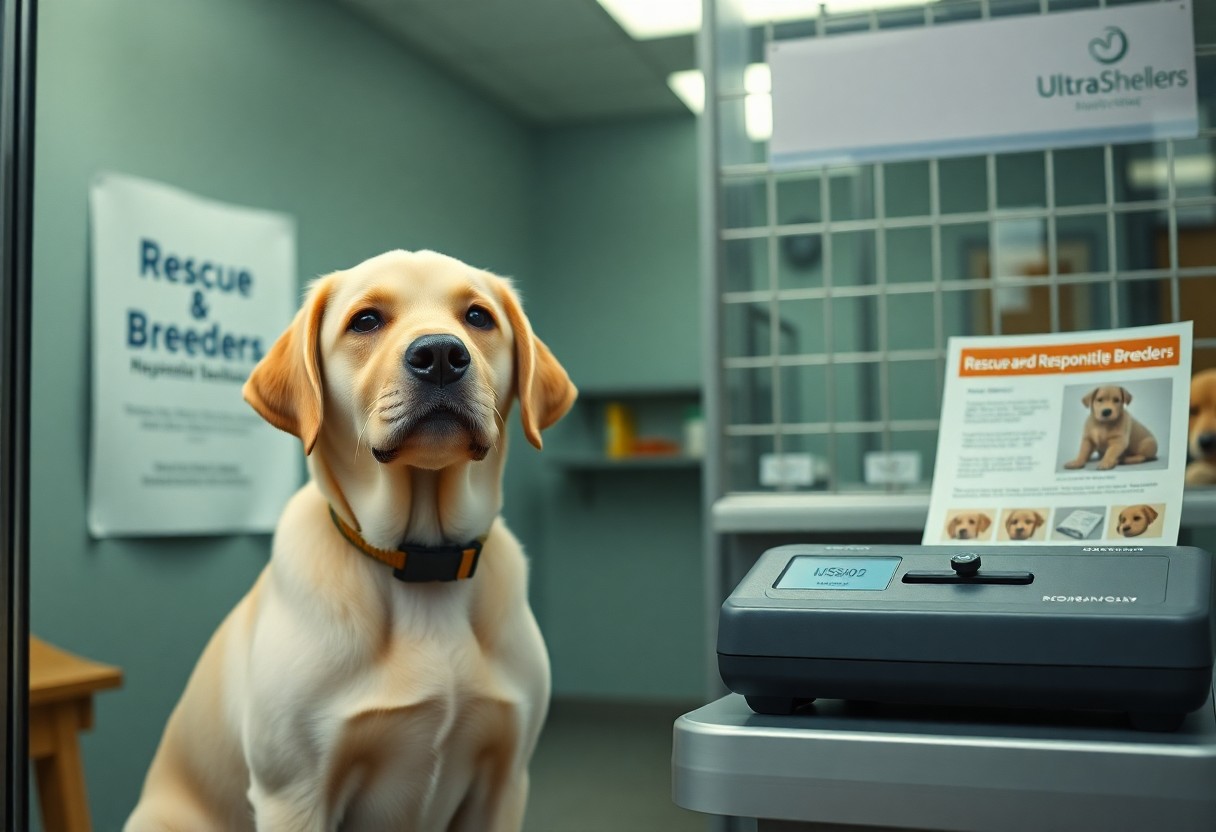
Ethical sourcing guides you to choose health-tested breeders or reputable rescues, insist on clear veterinary records, and avoid puppy mills that trade in poor genetics and disease.
Identifying Responsible and Health-Conscious Breeders
Ask for health clearances, meet the parents, tour facilities, and request written contracts; ensure genetic screening and a transparent health guarantee before you commit.
Navigating Adoption and Breed-Specific Rescues
Check breed-specific rescues and shelters for socialized Miniature Labradors; verify medical records and temperament notes, and prioritize rescues with post-adoption support.
Many rescues place dogs in temporary homes so you can assess daily behavior; insist on full medical records, ask about training and social needs, request trial periods, and avoid online sellers that push for quick payments-watch for scams. Prefer groups offering post-adoption support and clear return policies so you protect both your home and the dog.
Conclusion
Taking this into account, you can assess whether a Miniature Labrador fits your urban life, considering exercise needs, training commitment, grooming, and space, so you adopt responsibly and provide lasting companionship.
FAQ
Q: What is a Miniature Labrador and how does it differ from a standard Labrador?
A: A Miniature Labrador usually refers to a Labrador-sized dog deliberately bred to be smaller than breed standards rather than an officially recognized variety. Standard Labrador Retriever breed standards place adult heights around 21.5-24.5 inches and weights from about 55-80 pounds; Miniature Labradors commonly range from roughly 13-18 inches and 20-40 pounds depending on breeding methods. Breeding approaches include selecting for smaller individuals within Labrador lines or crossing Labradors with smaller breeds, which produces wide variation in appearance, temperament, and health. Temperament often mirrors that of standard Labradors – friendly, food-motivated, and social – but energy levels and prey drive can differ by individual and by the other breed used in crosses. Health concerns to screen for include hip dysplasia, patellar luxation, inherited eye disorders, and potential issues introduced by crossbreeding such as tracheal or dental problems; ask breeders or rescues for hip, knee, and eye clearances plus any available genetic testing.
Q: Are Miniature Labradors a good fit for urban living?
A: Miniature Labradors can suit urban living when owners provide consistent exercise, training, and mental enrichment to meet their retrieving instincts. Daily routines should include 30-60 minutes of brisk walking supplemented with play sessions, fetch, or puzzle toys to prevent boredom and destructive behavior. Early and ongoing socialization reduces barking, reactivity, and stress around crowds, bikes, and other dogs commonly encountered in cities. Positive-reward training establishes reliable leash manners and discourages jumping or door-darting in tight spaces. Smaller stature helps with stairs, public transport, and limited indoor space, but shedding and high food drive remain similar to standard Labs, so plan for regular brushing and cleaning to keep an apartment comfortable.
Q: What should I check before adopting and how should I care for a Miniature Labrador long-term?
A: Before adopting, review veterinary records, vaccination history, and any available health clearances; ask for information about parent health if the dog is from a breeder and request behavioral history if adopting from a shelter or rescue. Request a written adoption or sale contract that outlines return policies, health guarantees, and spay/neuter agreements. Budget for initial costs (vaccinations, spay/neuter, microchipping, basic training) and recurring expenses (quality food suited to activity level, parasite prevention, routine vet exams, grooming, and emergency care). Establish a care plan with regular veterinary checkups every 6-12 months, a balanced diet matched to the dog’s size and energy, structured training sessions using positive reinforcement, and daily enrichment such as scent games or short training drills. Seek veterinary screening for hips, knees, and eyes early, and consider pet insurance or an emergency fund to cover hereditary conditions that can arise. Choosing a reputable breeder with transparent health testing or a rescue with thorough behavioral evaluations reduces the risk of adopting a dog with undisclosed problems.