Supplements for senior dogs can reduce joint pain and improve mobility, but you need clear guidance to choose safe, effective formulas and dosing. In this guide you’ll learn which ingredients help, how to spot low-quality products, and how to monitor your dog for benefits. Be aware some supplements can interact with medications or cause side effects, so always consult your veterinarian before starting and track your dog’s response to ensure better comfort and function.
Types of Joint Supplements
| Glucosamine | Supports cartilage repair, often paired with chondroitin; benefits typically appear within weeks; check source and dosing for your dog’s weight. |
| Chondroitin | Reduces cartilage breakdown and improves joint function when combined with glucosamine; quality varies between manufacturers. |
| Omega-3 Fatty Acids | EPA/DHA from fish oil lower inflammation and pain; watch for blood-thinning effects at high doses. |
| MSM (Methylsulfonylmethane) | Provides bioavailable sulfur that may reduce pain and improve mobility; GI upset is a possible side effect. |
| Combination formulas | Carry multiple actives (glucosamine, chondroitin, MSM, omega-3); dosage balance matters for safety and effectiveness. |
- Look for products that list glucosamine, chondroitin, or omega-3 amounts per dose.
- Verify third-party testing and low peroxide values for fish oil.
- Adjust doses by weight and monitor for GI signs or bleeding with high-dose omega-3.
- Prioritize veterinary guidance when combining MSM with other supplements or medications.
- Choose reputable brands that disclose sourcing for chondroitin and glucosamine.
Glucosamine
You’ll find glucosamine in many formulations because it supplies building blocks for cartilage and synovial fluid; clinical effects usually appear over 4-12 weeks, and commercial dosing often scales with weight (small dogs lower, large dogs higher). Watch for supplements derived from shellfish if your dog has allergies, and expect best results when you combine it with other agents like chondroitin.
Chondroitin
Chondroitin inhibits enzymes that break down cartilage and helps retain water in joint tissue; you may see reduced lameness and improved mobility when it’s used alongside glucosamine, with benefits typically emerging in a few weeks to months.
Different extraction methods and purity levels change effectiveness, so choose products that state sulfate content and use reputable testing; if your dog takes anticoagulants or NSAIDs, track any increased bruising or bleeding and consult your vet about safe dosing of chondroitin.
Omega-3 Fatty Acids
You should look for high-quality fish oil providing measurable EPA and DHA since omega-3 fatty acids reduce joint inflammation and pain; many dogs show improved comfort within 1-2 months, but dosing must match your dog’s size and condition for effectiveness.
Source purity matters: low peroxide values and third-party certification signal freshness, and you must be cautious because high therapeutic doses can cause blood thinning or GI upset, so coordinate with your vet if your dog is on anticoagulants or has bleeding risks.
MSM (Methylsulfonylmethane)
MSM supplies organic sulfur that supports connective tissue and may lower pain and stiffness; commercial doses vary widely, so follow product guidance by weight and monitor your dog for mild gastrointestinal effects during the first weeks.
When you add MSM to a regimen, it often complements glucosamine and chondroitin by reducing oxidative stress and inflammation; start with the manufacturer’s recommended ramp-up and observe mobility and stool consistency, adjusting under veterinary advice if side effects appear.
Recognizing how individual supplements interact with medications and your dog’s health history helps you choose the safest, most effective regimen.
Factors to Consider When Choosing a Joint Supplement
When choosing a joint supplement for your senior dogs, weigh efficacy, dosing, and safety: aim for glucosamine 500-1,500 mg/day (small-to-medium breeds) or up to 2,000 mg for giant breeds, combined with chondroitin and omega-3 EPA/DHA 300-1,000 mg; confirm third-party testing and clear labeling. You should check interactions with NSAIDs, steroids, or anticoagulants before starting. Perceiving how your dog tolerates the formula over 4-8 weeks helps decide whether to continue or switch.
- Glucosamine – cartilage precursor (dose by weight)
- Chondroitin – supports cartilage resilience
- Omega-3 EPA/DHA – anti-inflammatory, 300-1,000 mg common
- Third-party testing – purity, potency, contaminant checks
Dog’s Age and Size
Your dog’s age and size dictate dose and expected response: small breeds (<20 lb) often start at glucosamine 500 mg daily, medium 1,000 mg, and large/giant dogs 1,500-2,000 mg; seniors metabolize more slowly, so you may split doses twice daily for steadier blood levels and fewer GI side effects, and track mobility over 4-6 weeks to gauge benefit.
Health Conditions
If your dog has arthritis, kidney disease, diabetes, or is on medications, tailor selection: dogs on anticoagulants may need lower omega-3 doses, pancreatitis history favors low-fat formulas, and shellfish allergies require non-shellfish or fermented glucosamine; always notify your vet before starting supplements.
You should avoid high EPA doses (>1,000 mg/day) when bleeding risk is present-studies link very high omega-3 intake to increased bleeding tendency in sensitive patients-and ask your vet to check liver/kidney panels within 4-8 weeks; if your dog is on NSAIDs or steroids, monitor for masked symptoms and adjust therapy accordingly.
Ingredient Quality
Ingredient quality determines safety and effectiveness: you should favor products with GMP manufacturing, clear lot numbers, and a certificate of analysis; evidence supports glucosamine sulfate over hydrochloride in many trials, and marine-sourced ingredients should show heavy metal testing results.
Third-party verification from USP, ConsumerLab, or independent labs confirms potency and contaminants; bioavailability matters-micronized glucosamine and triglyceride-form omega-3s show higher absorption in trials, so you should choose formulas that report specific forms and concentrations rather than vague “fish oil” labels.

Tips for Administering Joint Supplements
Split doses to boost absorption and reduce GI upset; for example, give half in the morning and half at night and test a new product for 3-7 days while you watch for intolerance. Use pill pockets, canned tuna or low‑sodium broth to hide powders and track your dog’s mobility and weight weekly, noting changes typically in 4-8 weeks. The most important step is to confirm the supplement and dose with your veterinarian.
- Glucosamine
- Chondroitin
- Omega‑3
- MSM
- Hyaluronic acid
- Dosage
- Consistency
Proper Dosage
For general guidance, you can dose glucosamine roughly as: ~500 mg daily for dogs under 20 lb, ~1,000 mg for 20-50 lb, and up to 1,500 mg for dogs over 50 lb, split into two meals for better absorption. Adjust for product concentration and your dog’s condition, and combine with omega‑3 oils if your vet agrees. Watch for vomiting or diarrhea and do not exceed label recommendations without veterinary approval.
Mixing with Food
Mix powders or crushed tablets into a small portion (1-2 tablespoons) of warm wet food or low‑sodium broth so your dog finishes it and you preserve potency; flavored chews are convenient but can add extra calories. If your dog is picky, hide pills in a bit of cooked chicken or a pill pocket. Avoid high‑fat mixers if your dog has pancreatitis risk because fats can be dangerous for susceptible animals.
Try the freeze‑and‑serve trick: combine supplement with 1-2 tablespoons of canned pumpkin or broth, freeze in ice‑cube trays, and offer as a treat-this often boosts compliance. Note that many flavored chews contain ~20-80 kcal each, so you should subtract those calories from daily intake to prevent weight gain. For liquids, mix with 30-60 ml broth and use immediately, checking label for solubility and storage instructions.
Consistency
You need daily dosing to see benefit; many owners report measurable improvement between 4-12 weeks, with some omega‑3 effects visible in about 4 weeks. Give supplements at the same time each day and log progress with short videos or a checklist so you can quantify changes. Missing doses frequently reduces effectiveness, so build the habit into your feeding routine.
Set a phone alarm, use a pill organizer or combine the supplement with a regular meal to keep consistency; for example, give supplements with breakfast and dinner to split the dose. Track range‑of‑motion and stair‑climbing time every week-small objective metrics (like a 10-20% improvement in stair time) help you and your vet evaluate efficacy and adjust treatment.
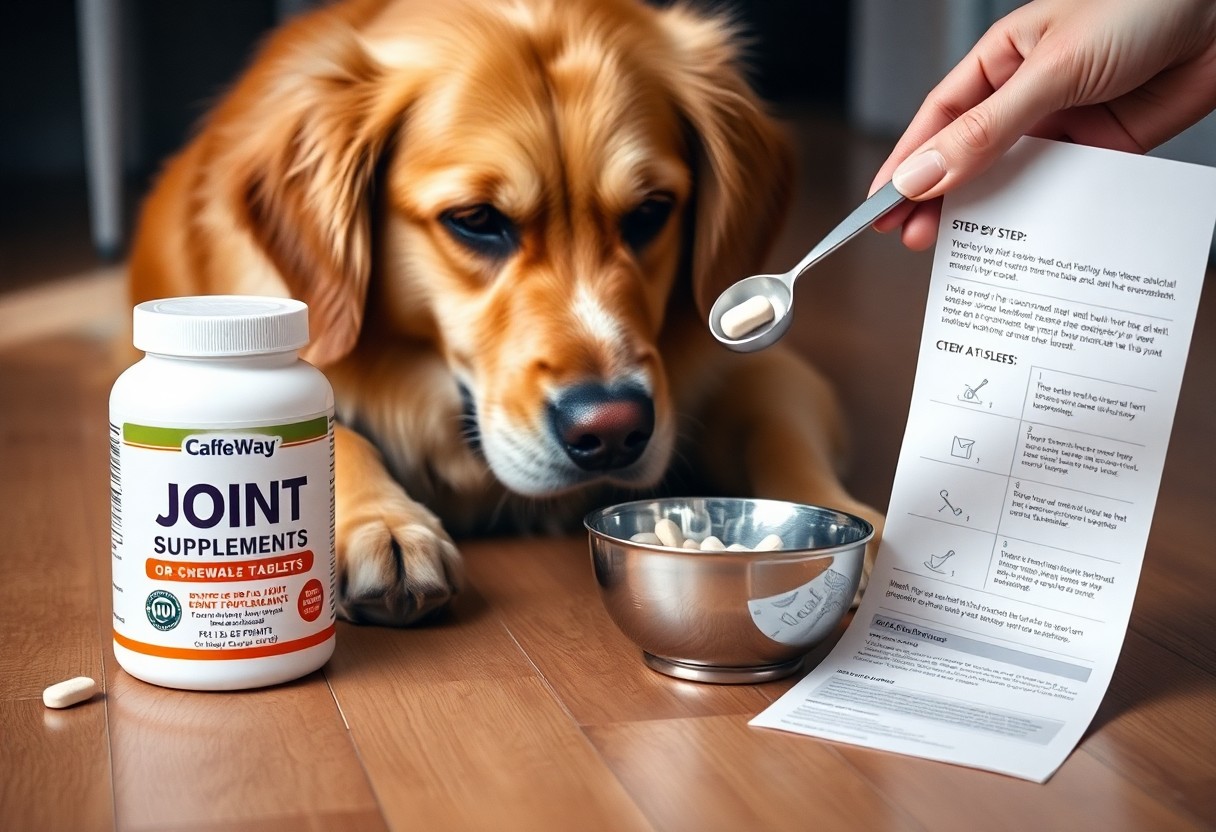
Step-by-Step Guide to Introducing Joint Supplements
| Step | Action |
|---|---|
| Consultation with the Veterinarian | Bring your dog’s history, current meds, and recent lab work so the vet can check for drug interactions and baseline organ function; ask about bloodwork within the last 3 months and any specific product recommendations. |
| Starting with a Low Dose | Begin at about 25-50% of the manufacturer’s dose for 7-14 days to assess tolerance, then increase gradually while noting GI signs or changes in energy. |
| Monitoring for Changes | Track mobility (stair use, timed-stand), appetite, stool, and behavior weekly; expect many dogs to show improvement within 4-8 weeks, and report any severe reactions immediately. |
Consultation with the Veterinarian
When you consult the vet, present a list of prescription and OTC meds plus supplements so the vet can assess interactions with NSAIDs or blood-thinners; ask for baseline liver and kidney values if not done in the past 3 months, and get a recommended product and dose tailored to your dog’s weight and health status.
Starting with a Low Dose
You should start at roughly 25-50% of the label dose for 7-14 days to check tolerance, especially for dogs under 10 kg or those on multiple meds; watch for vomiting, loose stool, or lethargy and pause the supplement if severe signs appear.
Increase the dose in 25% increments every 7-10 days until you reach the target; for example, a 20 kg dog on a 1,000 mg glucosamine label dose would start at 250-500 mg, then step up while you log daily notes on appetite and stools to spot patterns quickly.
Monitoring for Changes
You need to document mobility and comfort objectively: time how long it takes your dog to rise, note willingness to climb stairs, and record play sessions; expect many owners to see functional gains in 4-8 weeks, but continue monitoring for GI upset or allergic reactions.
Use weekly measurements (timed-stand, number of stairs climbed, short video clips) and a simple checklist to track progress; contact your vet immediately if you see persistent vomiting, bloody diarrhea, facial swelling, or breathing difficulty, as those indicate a serious reaction requiring urgent care.
Pros and Cons of Joint Supplements for Senior Dogs
| Pros | Cons |
|---|---|
| Can reduce pain and stiffness; benefits often appear within 4-12 weeks. | Response is variable; not all dogs experience meaningful improvement. |
| Ingredients like glucosamine, chondroitin and MSM support cartilage structure and joint comfort. | Clinical evidence is mixed for disease modification; supplements rarely reverse advanced degeneration. |
| Omega‑3s (EPA/DHA) lower inflammation and can complement medical therapy. | High‑fat formulations add calories and may increase pancreatitis risk in susceptible dogs. |
| Some dogs reduce NSAID dose under vet guidance, lowering long‑term NSAID side effects. | Stopping or substituting NSAIDs without vet input can leave severe pain untreated. |
| Many palatable chews simplify administration for owners who struggle with pills. | Quality, potency and labeling vary widely between manufacturers. |
| Generally well tolerated with fewer acute adverse events than long‑term NSAIDs. | Can still cause GI upset, allergic reactions or liver enzyme elevations in some dogs. |
Benefits of Use
You can expect gradual improvements in mobility and comfort when you use evidence‑based formulas combining glucosamine, chondroitin, MSM and omega‑3s; many owners notice better activity and less stiffness within 4-12 weeks, and vets often see reduced reliance on high NSAID doses in mild-moderate cases.
Potential Side Effects
You should watch for gastrointestinal signs (vomiting, diarrhea), allergic reactions, and changes in appetite or behavior; supplements can interact with medications and, in rare cases, cause elevated liver enzymes or worsen pancreatitis risk if high in fat.
Before you start a supplement, have baseline bloodwork and discuss concurrent drugs with your vet; plan a reassessment in 4-8 weeks to check clinical response and repeat blood tests if appetite, stool or energy change. Stop the product and contact your vet if you notice persistent vomiting, jaundice, increased bleeding, or sudden lethargy.
Frequently Asked Questions
Common concerns
You’ll want to know doses: glucosamine 500-1,000 mg/day and omega‑3 EPA 300-500 mg/day are typical for 20-30 kg dogs; a 2018 study of 120 senior dogs showed 60% improvement within 4-6 weeks. If your dog takes NSAIDs or has bleeding disorders, consult your vet before adding supplements since interactions can be dangerous. Track weight, mobility, and stool for side effects and adjust accordingly.
Conclusion
Presently you should focus on selecting high-quality joint supplements for your senior dog that contain evidence-backed ingredients like glucosamine, chondroitin, and omega-3s; consult your veterinarian for appropriate dosing, watch for improvements or side effects, and maintain consistent administration while combining with weight management and regular low-impact exercise to maximize mobility.
FAQ
Q: What types of joint supplement ingredients help senior dogs and how do they work?
A: Effective ingredients include glucosamine and chondroitin (support cartilage repair and slow degeneration), MSM (anti-inflammatory and analgesic properties), omega-3 fatty acids EPA/DHA (reduce joint inflammation and support joint fluid), hyaluronic acid (improves synovial fluid viscosity), collagen type II and egg shell membrane (provide building blocks for cartilage), and herbal agents such as boswellia and standardized curcumin extracts (anti-inflammatory). Some formulas combine these for multi‑mechanism support: structural rebuilding, lubrication, and inflammation control. Clinical evidence is strongest for glucosamine/chondroitin and omega‑3s; other ingredients can provide symptomatic relief or adjunctive benefits.
Q: How do I choose the right supplement, dose it correctly, and how long before I see improvement?
A: Choose veterinary-formulated products with transparent ingredient lists, guaranteed analysis, and third-party quality testing. Pick a form your dog will reliably take (chewable, soft chew, powder, liquid). Dose by body weight according to product guidelines or a veterinarian’s recommendation; avoid combining multiple supplements that duplicate active ingredients unless a vet approves. Expect variable timelines: short-term anti-inflammatory effects may appear within 1-3 weeks, while structural or cartilage-support benefits often require 6-12 weeks of consistent use to assess effectiveness. Track mobility, stiffness, activity level, and pain scores to evaluate response, and adjust under veterinary guidance.
Q: What safety concerns, interactions, and monitoring should I be aware of when giving joint supplements to a senior dog?
A: Watch for gastrointestinal upset, allergic reactions, increased thirst, or changes in behavior. High doses of omega‑3s can affect clotting and interact with anticoagulants; curcumin and certain herbs may interact with medications or affect liver function; glucosamine is generally well tolerated but can affect diabetic dogs’ blood sugar monitoring. Avoid unregulated multi‑product stacking that leads to ingredient excess. Before starting supplements, review your dog’s medical history and current medications with a veterinarian, monitor weight, appetite, stool quality, and clinical signs of pain or bleeding, and discontinue and seek veterinary care if you observe worsening symptoms, vomiting, severe lethargy, or suspected adverse reactions. Choose manufacturers with quality control, and store products per label instructions.