
Many adopters increase success when you prepare your home, research the dog’s history, and schedule a veterinary exam; prioritize home safety checks and a vet checkup before bringing the dog home. Manage introductions slowly and watch for resource guarding or fear aggression as these are the most dangerous behaviors. Use consistent, reward-based training, provide routine and patience, and you’ll build trust and enjoy the life-changing companionship that adoption brings.
Understanding the Adoption Process
You’ll start with an application and interview; many rescues require references and proof of residence. Expect a home visit and veterinary records review, with adoption fees commonly between $75-$350. Some organizations use a foster-to-adopt trial of 2-4 weeks so you and the dog can assess fit. Verify what medical care-vaccinations, microchip, spay/neuter-is included and read records before signing.
Factors to Consider Before Adopting
Evaluate your daily routine, household members, and tolerance for training: puppies need constant supervision while some adult rescues require 2-8 weeks of focused behavior work. Budget for routine and emergency care-typical annual costs are $500-$2,000. The energy level, health history, and time commitment will shape the match.
- Energy level
- Health history
- Time commitment
- Living situation
- Budget
Researching Rescue Organizations
Visit at least three rescues or shelters and compare policies: ask about their medical screening, return policy, and average stay length; reputable groups provide vet records and a written adoption contract. Many rescues list animals on Petfinder or Shelterluv-use those platforms to cross-check photos, intake dates, and foster profiles before meeting a dog.
When you dig deeper, request specific examples: ask for a recent medical chart, behavior assessment, and names of the foster or staff who handled the dog. Confirm whether the organization offers post-adoption support or training-programs that provide at least one follow-up call or a 30-day behavior plan indicate strong aftercare. Watch for red flags such as no veterinary records, pressure for immediate payment, or refusal to allow a home visit; conversely, positive signs include transparent intake photos, clear fee breakdowns (medical vs. administrative), and references from adopters. Aim to verify volunteer turnover and shelter capacity-high turnover or overcrowding can affect behavior assessments-so prioritize rescues that use fosters and document a low return rate.
Choosing the Right Dog
Assessing Your Lifestyle
You work 45 hours weekly and commute, so plan for a dog comfortable alone for 4-8 hours; breeds like greyhounds or basset hounds often tolerate solitude. If you average 10,000 steps per day and enjoy hikes, an active dog (border collie, vizsla) fits better. Apartment living with no yard means arranging dog walkers or frequent outings; separation anxiety is a real risk if left alone regularly. Prioritize routines you can sustain.
Matching Personality and Energy Levels
Match temperament to your household: a friendly 2-year-old Labrador typically needs 60-90 minutes of exercise daily, while a calm 8-year-old mixed breed may do fine with 20-30 minutes. Check shelter notes and ask about play style-fetch lovers versus chewers-and watch for signs like resource guarding, which may require behavior modification. Consider a two-week foster trial to confirm fit before final adoption.
Start with 30-60 minute trial walks to observe reactions to people, dogs, and household noises; reactivity on leash during the first walk often predicts training needs. Request video of the dog with kids or other pets-rescue data shows about 70% of those videos align with in-home behavior. Combine short supervised interactions (10-15 minutes), a 2-week foster period, and a training plan focused on positive reinforcement to reduce surprises.
Preparing Your Home
Set aside 24-72 hours to arrange a calm, secure space where your new dog can decompress; you should create a quiet bedroom or corner with a bed, crate, and access to water, block off stairs or busy rooms with baby gates, and schedule a vet check within 72 hours to confirm vaccinations and start parasite prevention.
Creating a Safe Environment
Begin by removing hazards: store cleaning products, medications, and human food at least 6 feet up or in locked cabinets, and secure trash cans. Protect electrical cords, install a sturdy gate for stairs, and ensure fencing is at least 4-6 feet high for jumpy breeds. Keep toxic foods like chocolate, xylitol, grapes out of reach and designate a quiet room for initial settling.
Essential Supplies for Your New Dog
Gather a properly sized crate (length = nose-to-tail-base + 4 inches), a collar with ID tag and microchip registration, a 4-6 ft leash or harness, two stainless-steel bowls, age-appropriate food, waste bags, grooming brush, nail clippers, and an introductory supply of treats and chew toys to prevent boredom and encourage training.
For specifics: if your dog weighs ~25 lbs, a 28-inch crate often fits; puppies need a smaller den or divider. Feed the same shelter food for the first 3-7 days then transition over 7-10 days to avoid digestive upset. Keep a basic first-aid kit, a pet-safe stain remover, and emergency contacts (vet, poison hotline) posted where you can find them quickly.
The First Days at Home
During the first 24-72 hours you should prioritize calm, predictable steps: limit new faces, keep noise low, and offer a quiet den-like space with a blanket and crate. Many dogs show stress by hiding or barking; if your dog sleeps a lot or has loose stools, monitor for 48-72 hours and contact your vet if symptoms escalate. Use a pheromone diffuser and short leash walks to help your dog orient, and expect gradual progress over the next 7-21 days.
Introducing Your Dog to Their New Space
Bring your dog in on a leash and let them sniff one room for 10-15 minutes before expanding access; confining them to a single safe area for the first 48 hours reduces overwhelm. Show where food, water, bed, and potty area are, then step back and let them explore at their pace. Remove electrical cords, small toys, and toxic plants from reach to prevent dangerous chewing incidents during this exploratory period.
Establishing Routines and Boundaries
Set consistent meal and potty times-adults typically every 4-6 hours, puppies every 2-3 hours-and follow a simple daily schedule with walks at predictable times to reduce anxiety. Use clear, brief cues for behaviors you want and redirect unwanted actions immediately. Maintain household rules from day one, such as off-furniture or no-counter-surfing, so your dog learns limits through repetition rather than mixed signals.
Implement short, reward-based training: 5-minute sessions, 2-3 times daily, focusing on sit, wait, and recall with high-value treats; gradually phase treats to a 70-80% reinforcement schedule. Crate periods should start at 15-30 minutes, increasing to several hours as comfort grows-never exceed their age-in-months rule for continuous confinement. Track progress on a two-week calendar and watch for signs of separation anxiety; address destructive chewing immediately since swallowed objects can lead to emergency surgery.
Training and Socialization Tips
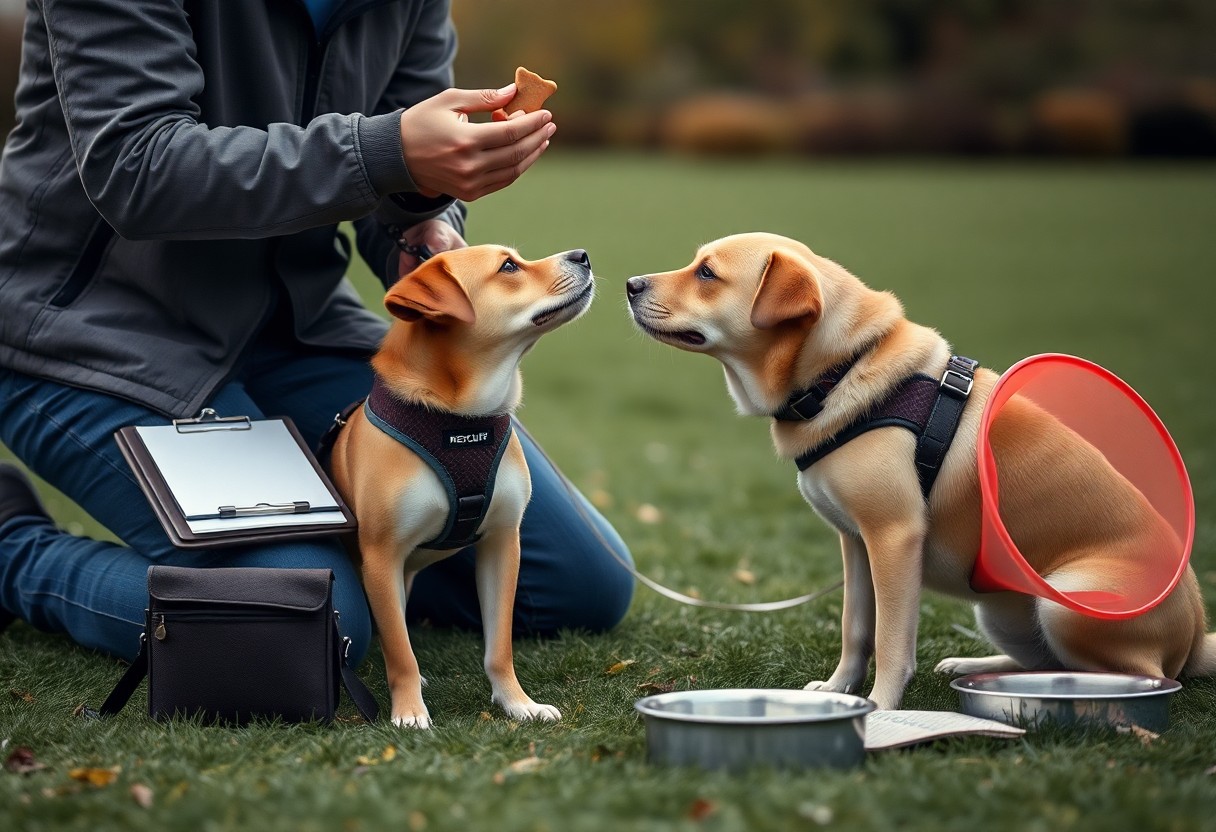
You should use short, consistent training bursts and controlled socialization exposures to rebuild trust with your rescue dog; aim for 5-10 minute sessions, 2-3 times daily, introduce one new stimulus every 1-2 days, and stop before your dog shows stress signals like stiffening or whale eye to avoid escalation into fear-based aggression. The recommended routine is 5-10 minute sessions, 2-3 times daily.
- Use a marker (clicker or “yes”) with high-value treats during training.
- Keep sessions to 5-10 minutes, 2-3 times daily for retention.
- Introduce 1 new person/place every 1-2 days, progress over 4-8 weeks.
- Seek force-free group classes within 30 days if your dog tolerates them.
Basic Training Techniques
Start with simple cues-sit, stay, recall-using lures and a marker; you should run 3-5 repetitions per session and shift to variable reinforcement once reliability hits ~80-90%. Use 5-10 minute drills, mix in leash manners, and reward calm offers; for example, a shelter program reported faster gains when trainers used 2-3 short sessions daily with high-value rewards.
Importance of Socializing Your Dog
Puppies have a primary window around 3-14 weeks, but for adults you should build tolerance via graded exposure over 4-8 weeks: aim for 5-10 positive encounters weekly with people, dogs, sounds, and surfaces while keeping distance to avoid overwhelm and reduce the chance of fear-based aggression.
When dealing with shy or reactive dogs, you should use desensitization plus counterconditioning-pair the trigger with high-value food at a comfortable distance, then decrease distance across 8-12 sessions; track calming signals (soft gaze, relaxed body) and get a certified trainer involved if there’s any bite history, since professional guidance lowers risk and speeds progress.
Building a Healthy Relationship
Establish a predictable routine-meals, walks, and training at consistent times helps your dog feel safe. Short training sessions (5-10 minutes, 3 times daily) and daily 20-30 minute walks build confidence and reduce stress. Schedule a vet exam within 48-72 hours and start basic cues (sit, come) with positive reinforcement only; this fosters trust and lowers separation anxiety and reactivity.
Bonding Activities
Use scent games, gentle grooming, and structured play to deepen connection: hide treats for 5-10 minutes of nose work, you can do 10-15 minute fetch or tug sessions if your dog enjoys them, and add 5-10 minutes of calm petting after exercise to boost oxytocin. You should avoid roughhousing with anxious dogs-rough play can escalate fear or aggression-and keep interactions predictable.
Understanding Dog Behavior
Watch body language closely: a stiff body, fixed stare, or raised hackles often precede escalation, while yawns, lip-licking, and turning away are calming signals. When you spot tightening or resource guarding-stiffening, growling, or guarding posture-step back to reduce tension; escalation can lead to bites. Learning these cues lets you intervene before issues become dangerous.
Practice a daily five-minute observation routine where you note ear position, tail carriage, and weight shifts, then log triggers and outcomes to spot patterns. If your dog lunges at bikes from 10 meters, gradually increase distance and pair the sight with high-value treats in short, consistent sessions. Use counterconditioning and desensitization exercises; if reactions intensify, contact a certified trainer to avoid reinforcing fear or aggression.
Summing up
Hence you can adopt a rescue dog successfully by preparing your home and schedule, matching energy and needs, arranging a vet check and microchipping, using patient, consistent training and positive reinforcement, socializing gradually, and giving your dog time to adjust; with attentive care, clear boundaries, and advocacy you build trust, create a stable life, and help your new companion thrive.
FAQ
Q: How should I prepare my home and family before bringing a rescue dog home?
A: Prepare by dog-proofing areas: secure trash, tuck wires, remove toxic plants and small objects. Buy vitals-proper-size collar and ID tag, leash, food and water bowls, a comfortable bed, crate, chew toys, grooming tools and waste bags. Designate a quiet settling area where the dog can retreat, and plan a simple, consistent daily routine for feeding, walks and potty breaks. Schedule a vet visit within 48-72 hours to review records, update vaccinations, and check for medical issues. Brief household members and children on handling, body language signs, and consistent rules so everyone enforces the same boundaries.
Q: How do I choose the right rescue dog for my lifestyle and household?
A: Start by listing your activity level, work hours, household members (children, seniors) and existing pets, plus housing restrictions. Talk with shelter or rescue staff about a dog’s temperament, energy level, history, training and health needs; ask for videos or meet-and-greets in multiple settings. Consider age and size-puppies need training and supervision, seniors may be calmer but have medical needs. Request a foster or trial period if available to test compatibility, and be upfront about your ability to provide exercise, training and veterinary care. If you have specific concerns (aggression, separation anxiety), consult a behaviorist before adopting.
Q: What strategies help a rescue dog settle in and overcome behavior challenges?
A: Establish a predictable routine and clear rules from day one, using positive reinforcement to teach desired behaviors and reward calm, consistent responses. Introduce new people, places and pets slowly; keep interactions short and controlled while monitoring stress signals. Use a crate as a safe den if the dog accepts it, and offer daily physical exercise plus mental enrichment (puzzle feeders, scent games) to reduce problem behaviors. For house-training, use frequent outdoor breaks, praise for success and a cleanup plan for accidents-avoid harsh punishment. If fear, aggression or separation issues persist, get a veterinary exam to rule out pain and work with a qualified trainer or certified behaviorist on a tailored plan; progress often takes weeks to months, so track changes and keep in touch with the rescue for support.