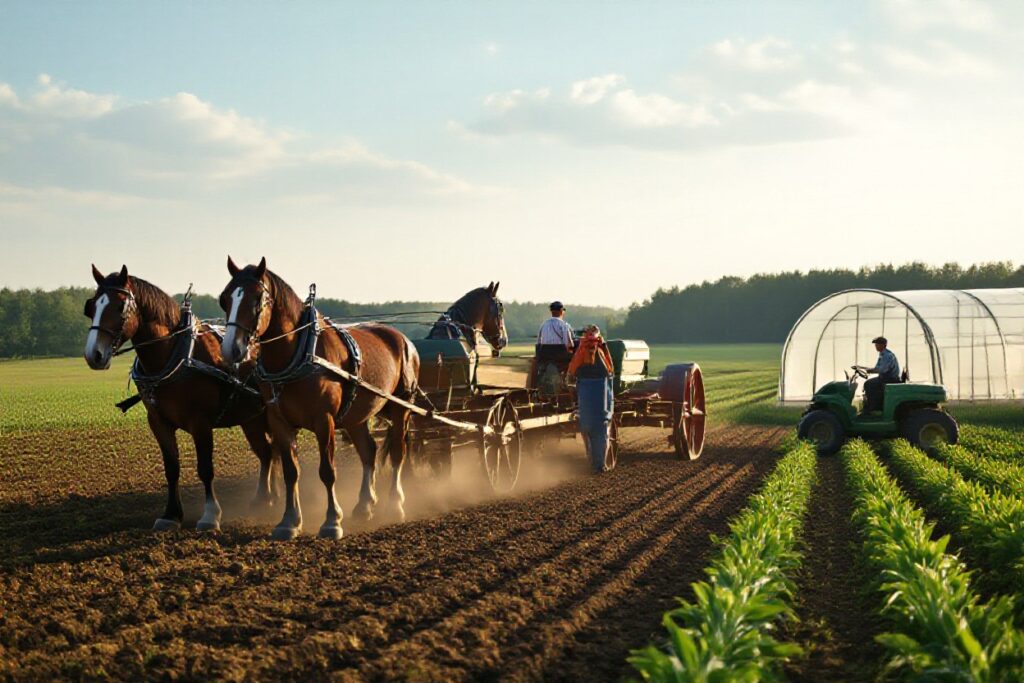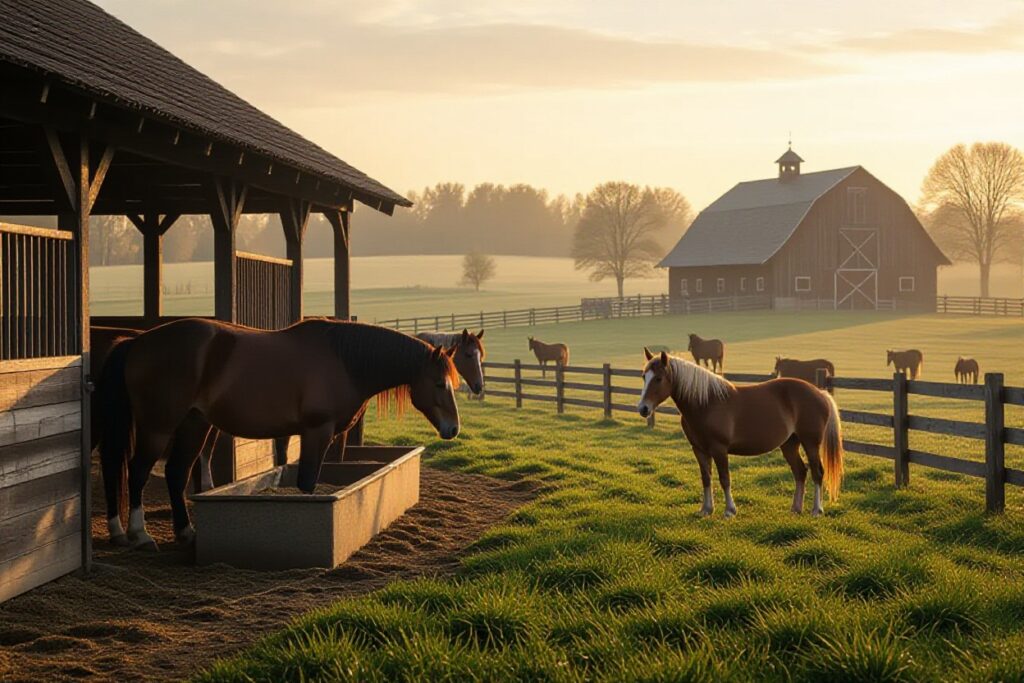
Over the past few decades, horses have continued to play versatile roles on contemporary farms, and you can encounter them in both traditional and modern settings. On smallholdings and in regions where mechanization is limited, you will see draft and work horses performing plowing, tillage, and harvesting tasks that reduce fuel costs and soil compaction. Your observation will reveal a blend of heritage practice and practical utility.
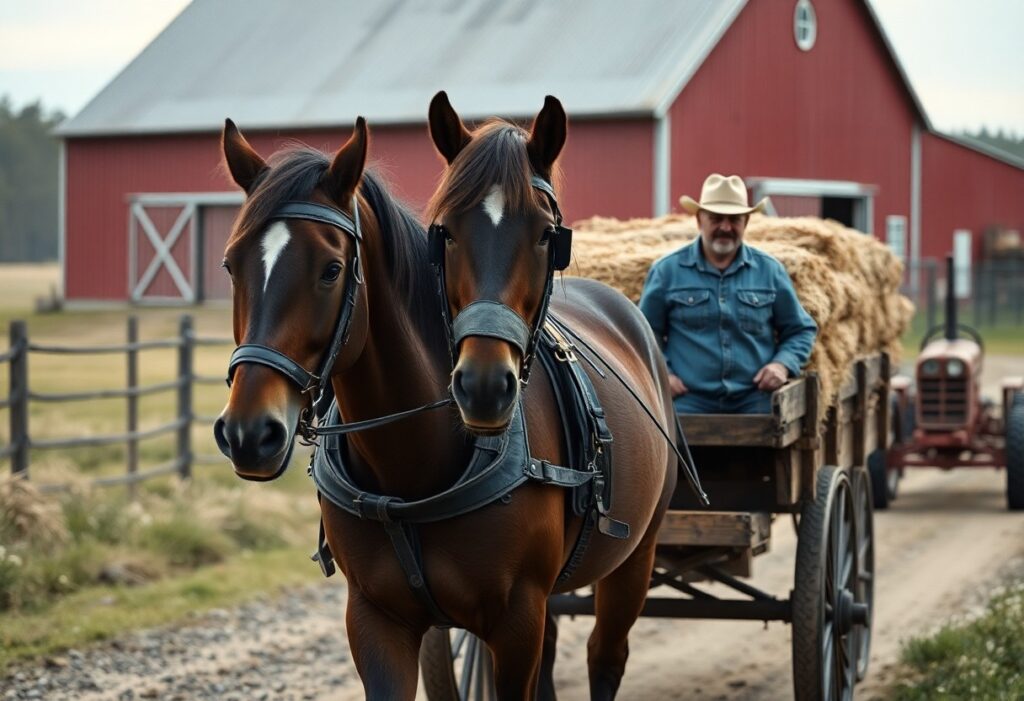
When you look at specific tasks, horses on farms are used for transport of goods, logging in sensitive woodlands, and field work where heavy machinery would damage the land. You may rely on them to pull wagons, operate simple implements, or manage steep or boggy ground where a tractor cannot go. Their maneuverability and low ground pressure make them valuable for sustainable land management and conservation projects.
You will also find horses contributing to farm diversification. Many farms offer agritourism, riding lessons, and heritage demonstrations that bring visitors and extra income. Additionally, therapy programs and community outreach make your farm a place where horses provide social and educational benefits. Breeding and workshop programs help maintain local breeds adapted to specific agricultural needs.
To keep horses productive and healthy, you must focus on husbandry, appropriate training, and the right equipment. You should use harnesses and implements designed for equine use, schedule regular veterinary and farrier care, and adapt workloads to the animal’s condition. Good welfare practices protect both your stock and your investment.
In choosing to use horses, you gain environmental benefits, heritage value, and flexibility in farm operations. Whether you integrate them for full-time field work, occasional logging, or as part of a tourism offering, horses remain a practical and sustainable option that you can tailor to your farm’s goals.