Why Horses Still Matter in Farming
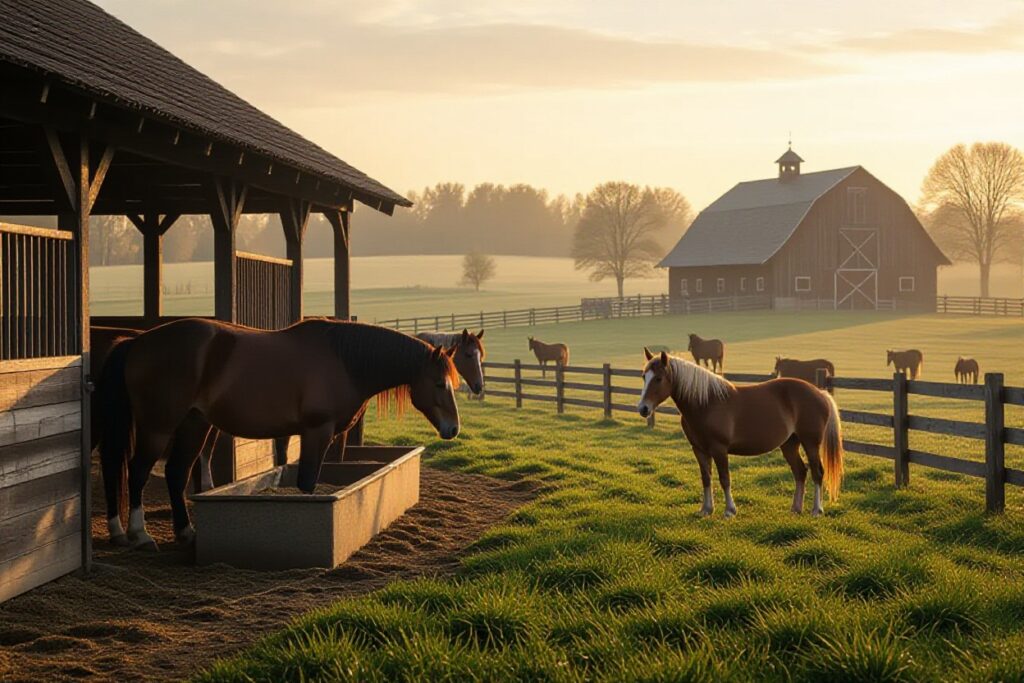
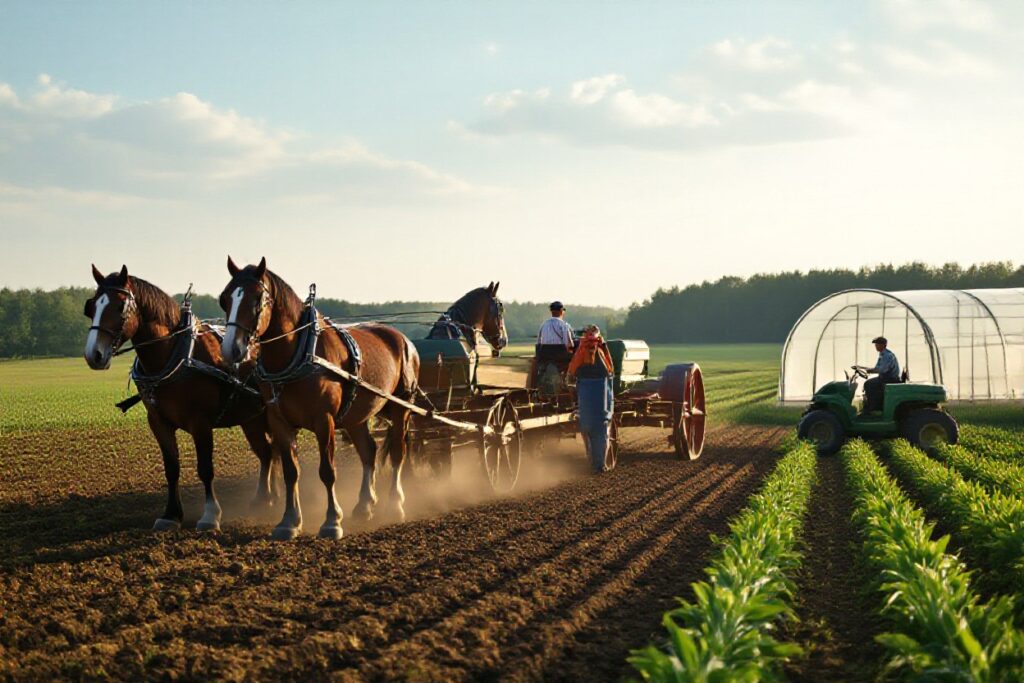
Horses still pull their weight on real farms, especially where you care about soil health, fuel costs, and flexibility. You can use them for logging in tight woodlots, cultivating vegetables in small plots, or hauling feed where tractors just sink. In mixed systems, horses reduce diesel use by 20-40% on some small farms, while still giving you manure for compost and a quiet, steady work partner that doesn’t complain about early mornings.
What’s the Deal with Horses vs Machines?
Horses won’t replace your tractor, but they can make it work smarter, not harder. You get lower fuel bills, far less compaction on wet ground, and way more control in tight or delicate areas like market gardens or orchards. While a 100 hp tractor can brute-force big jobs, a good team of draft horses lets you weed, haul, and cultivate with finesse, and you don’t need a dealer laptop just to fix them.
A Quick History of Horses on the Farm
Horses really took over farm work in the 1800s when steel plows and horse-drawn seeders showed up, letting you work more acres faster than with oxen. By the early 1900s in the US, over 21 million horses and mules powered agriculture, moving everything from plows to grain wagons. Tractors pushed them out post-World War II, but pockets of draft horse farming never actually disappeared, they just got quieter.
In practical terms, your great-grandparents probably hitched a team to a walking plow, then upgraded to a riding cultivator and hay mower when horse-drawn equipment exploded in the late 19th century. Big draft breeds like Percherons and Belgians became the go-to “tractors” because they could pull a 2-bottom plow all day, yet still handle lighter jobs like raking hay. As tractors spread in the 1940s and 50s, many farms kept one good horse around for chores, hauling firewood, or feeding cattle, simply because it was cheaper and more flexible than firing up a big machine for every little job.
Can Horses Keep Up in This Modern World?
Horses absolutely keep up, just not by competing on raw horsepower… they win on versatility and low-impact work. You now have modern horse-drawn gear with hydraulic assists, quick-hitch carts, and implements that match small-scale vegetable and hay operations perfectly. On farms under 40 acres, especially organic ones, a fit team can handle daily work while you save the tractor for the few big, heavy passes.
On mixed operations today, you might run a compact tractor for loader work and baling, then lean on horses for cultivating, logging, and hauling manure where traction and soil structure really matter. In places like Amish communities and small European market gardens, teams still work 6-day weeks, covering 10-15 acres of intensive crops reliably. Because you can now pair horses with modern tools like rubber-tired forecarts, LED work lights, and precision seeders, they slot into a “hybrid” system where you’re not choosing between old and new – you’re cherry-picking what makes your farm more resilient and profitable.
Traditional Roles Horses Still Rock on Farms
Some of the most “old-timey” jobs on your place are exactly where horses still shine, especially when you care about soil health, fuel costs, and animal welfare. You see it when a team quietly pulls a log, slips between beds of veggies, or sorts cattle in tight corners that machinery just can’t handle. If you’re asking what horses farm animals really do now, a lot of the answer is simple: they still work.
Plowing: Old-School or Still Cool?
Plowing with horses can actually give you better control than a 100 hp tractor when you’re working on small, high-value plots. You feel every rock through the lines, so you adjust depth instantly, protect your soil structure, and avoid compacting your best ground. Many market gardeners running under 10 acres use draft horses for bed prep because they’re quiet, precise, and cost you hay instead of diesel.
Hauling Stuff: Can Horses Outwork Tractors?
For short hauls, tight lanes, or wet ground, a good team can absolutely outwork a tractor per hour of fuel-equivalent. You can snake logs out of a 12-foot-wide woodlot trail, drag feed sleds through knee-deep snow, or move rocks across a muddy pasture without cutting ruts. Plus, a fit draft horse can pull 1.5-2 times its body weight on wheels all day with proper breaks.
When you start really measuring it, horse power for hauling gets interesting fast. A 1,600 lb draft can pull around 3,000 lbs on a forecart over firm ground, and a well-matched team can move a full cord of firewood in a couple trips if your distance is under 1,000 feet. You’re not idling, burning fuel, or fixing hydraulics all weekend, you’re feeding animals that fertilize your fields and stay useful for 15-20 working years. The big catch is management: you need harness that fits, good footing, and you absolutely must train your horses to stand, whoa, and line back safely because a runaway load is no joke.
Herding Livestock: The Original Farm Hands
When you’re moving 150 head across rough country, a solid ranch horse can save you hours and a lot of bent gates and busted fences. You can slip quietly along a fence line, pressure a cow’s shoulder, and turn a whole group with just a few well-placed moves. ATVs and side-by-sides have their place, but they can’t read cattle body language or pivot on a dime like a good cow horse.
Out on bigger spreads, you’ll see this in action during branding or rotational moves, where horses position cattle calmly instead of just chasing them. You can hold a stubborn cow at a gate, block a breakaway yearling, or snake through brush that would eat an ATV in minutes. Because your horse feels cattle tension through tiny shifts, you can back off pressure before the herd bolts, which means fewer wrecks, fewer stressed calves, and less damage to pasture and facilities. For a lot of ranchers, that quiet, thinking horse is basically the most reliable “employee” on the place.
Modern Agricultural Uses for Horses: You’d Be Surprised
Instead of being just pretty lawn ornaments, your horses can slot into some very profitable, low-impact jobs on a modern farm. You can use them for cultivating market gardens, moving feed, skidding logs, or hauling produce where tractors are too heavy or too wide. In one 8-acre CSA in Vermont, a pair of drafts replaced a compact tractor for 60% of field work, cutting diesel use in half and keeping soil structure intact. That kind of mix-and-match approach is where horses really earn their hay.
The Rise of Organic Farming: Horses to the Rescue
In certified organic systems, your horses can quietly solve problems you usually throw money at. You can cultivate tight beds without compacting soil, manage weeds without herbicides, and haul compost straight from pile to plot. On small veg farms under 20 acres, horse-drawn tools have cut fuel costs by up to 70% while boosting soil biology scores in routine tests. Because you control speed and pressure, you can work fields when a tractor would just leave ruts and headaches.
Small Acreage Operations: What’s Actually Possible?
On 1 to 10 acres, your horses can do a lot more than pony rides and fence-line patrols. You can harrow pastures, pull a small manure spreader, cultivate garden beds, drag firewood, and move hay or water with a simple forecart. Many hobby farms run a light draft or draft cross and cover most field chores under 5 acres with just a few well-chosen horse-drawn implements. It won’t replace every tractor job, but it can replace a lot more than you think.
When you break it down, small acreage success is really about matching jobs to your horses’ strengths, not copying big farms. You might use a walk-behind cultivator for tight veg beds, then hook your horse to a chain harrow to renovate pastures in the evening when it’s cooler. A simple stone boat or sled lets you move rocks, posts, even water tanks where trailers bog down. And with a forecart plus a few attachments, you can tackle grading your driveway, hauling firewood, and spreading manure without firing up a single engine, which is exactly where these “old-fashioned” horses start looking pretty modern.
Agritourism: Making the Most of Your Horse Power
Compared to another corn maze or selfie station, your horses give you something way more memorable to sell. You can offer wagon rides, field tours, “meet the draft horse” days, or even let visitors watch real field work from a safe distance. Farms that add horse-powered experiences often report 20-40% higher per-visitor spending because people stick around longer and buy more farm products. You’re not just charging for a ride, you’re charging for a story they’ll talk about for weeks.
When you set up agritourism around horses, you basically turn everyday chores into a live demo of “what do horses do on a farm”. You can hitch a quiet team to haul pumpkins from the field while kids load the wagon, or run short evening hay rides that end at your farm stand where the cider and jam are waiting. Safety prep matters – clear mounting steps, trained handlers, simple routes – but you don’t need a theme park setup to make it work. A single well-broke horse, a sturdy wagon, good signage and online booking can turn one Saturday a month into a serious side income, and your feed bill suddenly doesn’t look so scary.
Horses vs Tractors: What’s the Real Cost?
Sticker price tricks a lot of folks, because a shiny 80 hp tractor might run you $60,000 while a solid team of work horses costs a fraction of that, but you also need harness, training time, and year-round feed. Over 10-15 years, you’re not just comparing iron to hooves, you’re weighing debt, fuel, vet bills, repairs, and resale value. On small to mid-size acreages, the total cost can be surprisingly close – and sometimes your horses actually come out ahead if you use them daily for both work and riding.
Fuel Costs: Which is Cheaper Over Time?
What really shocks people is how fast diesel adds up when you run a tractor 300-500 hours a year, at roughly 3-6 gallons per hour. Your horses, on the other hand, run on hay, pasture, and a bit of grain, and that same team can work, breed, and even pack on the weekends. Sure, hay prices spike some years, but when fuel jumps from $3 to $6 a gallon, your per-acre fieldwork cost can double overnight while your horses just keep chewing.
Maintenance: Tractors vs Horses – Who Wins?
Maintenance sounds easier with tractors until you start tallying $800 services, hydraulic leaks, and that surprise $3,000 transmission fix right in the middle of haying. With horses, you trade those big repair bills for steady, predictable costs: farrier every 6-8 weeks, routine vet work, plus harness upkeep. Over a decade, a well-managed team can outlast one or even two tractors, and your “parts” are more feed and rest, not some week-long shop stay when you need fieldwork done yesterday.
When you dig deeper into maintenance, you notice something big: tractors age out, horses level up. A 15-year-old tractor is usually creeping toward more downtime, but a 15-year-old work horse is often in its prime, fit and mentally dialed in to your fields and habits. You still budget for teeth, vaccinations, maybe joint support, sure, yet you’re not staring at a $10,000 engine rebuild because a bearing failed. And if you treat your horses right, they “self-diagnose” in a way – subtle changes in gait or attitude tip you off long before a machine would ever throw a light on the dash.
Terrain Advantages: Do Horses Have the Edge?
Steep, rocky, or tiny patchwork fields are exactly where your horses quietly start to outclass that heavy tractor. Teams can snake through tight maple bush, wet spots, and terraces that you’d never risk with 8,000 pounds of steel. When you’re logging or cultivating on hillsides, horses spread their weight, find footing, and avoid compacting soil, which keeps your topsoil alive and your equipment safer. In really awkward corners, a horse and forecart can do in 20 minutes what would take a tractor an hour of nerve-wracking maneuvering.
The more gnarly your terrain gets, the more you feel just how adaptable horses are. You can drive a single horse through a 6-foot gate, back a log out around a stump, or turn on a dime at the end of a narrow terrace where a tractor would either rut the field or just plain not fit. Because horses read the ground with every step, they naturally slow up in slick spots and adjust, while a tractor just keeps pushing weight forward. If your land is chopped up, hilly, or full of wet holes, those “old-timey” horses can start looking like your most modern tool.
What Do Horses Actually Do on Modern Farms?
On a real working place, horses are basically your four-legged multi-tools, filling in gaps that tractors and ATVs just can’t. You might use them to slip quietly through a 200-acre pasture to check calves, drag a small arena for lessons, snake logs out of wet timber, or pull a forecart with spray tanks. In tight, hilly, or sensitive ground, a sure-footed horse often does less damage to soil and fences than heavy equipment, so they earn their keep way beyond “just riding around.”
Daily Tasks: It’s Not Just Riding
On a typical day, your horses might help move 80 head of cattle, check 20 water points, and pack fencing tools to fix three broken stretches of wire. You can pony a young horse while you check pastures, drag small harrows for manure management, or haul salt blocks out where the truck can’t go. Because a good ranch horse sees gates, holes, horned cows and stays sane, it becomes a safer, more efficient partner than a quad in rough country.
Seasonal Work: When Horses Get Busy
When the seasons flip, your horses usually clock more “serious” hours – calving checks at 3 a.m., fall gathers, hay rides, and even small-scale cultivation. In spring, you might rely on them to monitor heifers quietly so you don’t spook stressed moms, or to drag calving lots for hygiene. Come fall, they’re sorting cows, pushing weanlings, and helping you doctor animals in big pastures. Those short, intense windows are where a fit, well-trained horse really pays for its hay.
In busy seasons you might ride a good ranch gelding 5 or 6 hours a day, 5 days a week, but that workload is very targeted: gathering 300 cows off rough draws, dragging 40 calves to the branding fire, or skidding 15 logs out of a muddy woodlot where tractors sink. Spring horses help you spot a prolapse or a sluggish calf from 200 yards away, faster than you’d catch it from a side-by-side. During harvest festivals and agritourism weekends, team horses can pull wagon rides for 200 visitors a day, turning their “workload” directly into cash. That intense, seasonal schedule means you plan conditioning like an athlete’s – ramping up 4 to 6 weeks before branding, logging, or tour season so joints and lungs can handle the push.
Choosing the Right Breed for Your Needs
Breed choice really shapes what your horses can handle day-to-day, whether you’re sorting cattle or pulling a market wagon. For heavy draft work and logging, Percherons and Belgians shine, often pulling loads equal to 1.5 times their body weight for short bursts. If you’re doing long days checking cattle, stocky Quarter Horses or Criollos usually give you more stamina and cow sense. Mixing one light draft with a handy saddle horse can cover 90% of jobs on a small diversified farm.
When you’re picking breeds, think in terms of jobs, not looks: a 1,700-pound Belgian can pull a 3,000-pound manure spreader on firm ground, while a 1,050-pound Quarter Horse can quietly work 8 hours during sorting and still jog home sound. Cold-blood drafts tend to be calmer around tourists and tractors, which makes them ideal for wagon rides or CSA deliveries through town. On the flip side, hardy breeds like Morgans or Fjords often eat 15-20% less than big drafts yet still handle light tillage, sled work, and cart pulling. If you’re in hot, open country, you might lean toward mustangs or ranch-bred Quarter Horses that stay sound on rock and heat, whereas wetter, wooded farms often benefit from sure-footed Haflingers or crossbreds that combine draft power with pony thrift.
Getting Started with Farm Horses: A Beginner’s Guide
Funny thing about farm horses – the hard part usually isn’t the work, it’s the setup. You’re not just getting another pet, you’re adding a four-legged farm worker that can drag logs, pull harrows, or check fence lines faster than your ATV on muddy days. With the right horse, gear, and routine, you’ll find that jobs that used to take you all afternoon suddenly shrink to an hour, and your fuel bill shrinks right along with them.
What Breed Should You Pick?
Most folks assume they need a massive draft horse, but many small farms run just fine with a steady 15-hand crossbred that eats less and still pulls a cart or sled all day. You’ll want a breed or type known for a calm mind and solid feet – think Haflingers, Quarter Horses, draft crosses, or sturdy local mixes that already know real work. Prioritize temperament over looks, because a slightly plain horse that stays cool in noisy machinery and flappy tarps will get more done than a pretty one that melts down at a plastic bag.
Training Tips: How to Get Your Horse Farm-Ready
Most horses already know how to walk and trot, but farm work asks them to think, wait, and push through weird stuff like rattling chains or dragging tarps. You start with ground manners, then short, boring sessions in harness or under saddle around real jobs – gates, feeders, manure piles, even mailboxes. Very quickly you’ll figure out if your horse crowds, spooks, or ignores you, and fixing that now is a lot safer than when you’re hooked to a loaded stone boat or harrow on a slick field.
- Groundwork and leading drills around tractors, trailers, and noisy tools
- Desensitizing with tarps, ropes, chains, and dragging logs at a walk
- Stopping and standing quietly before, during, and after every task
- Harness fit checks so there’s no rubbing, pinching, or slipping under load
- Recognizing early signs of stress like tail swishing, bracing, or rushing is what keeps both you and your horse safe during real farm jobs.
Training for farm work isn’t flashy, it’s basically a thousand tiny repetitions of boring things until your horse could do them half-asleep. You might spend two weeks just walking circles with a tire or light log, then another week adding voice cues like “whoa” and “easy” until they happen instantly, even when a chicken explodes out of the hedgerow. On mixed operations, some folks track progress like any other piece of equipment – logging how long the horse can drag a harrow, how many fence posts they haul, or how far they pony a second horse to the back 40. Those notes help you increase workload by about 10-15% at a time, keeping joints, tendons, and mental attitude in the sweet spot where the horse still finishes each day eager to come out tomorrow.
- Short sessions of 15-25 minutes to build strength without souring your horse
- Voice commands paired with reins and lines for clean, predictable responses
- Progressive loading that slowly increases weight and distance on real tasks
- Cool-down walks and post-work checks of legs, back, and shoulders
- Recognizing that mental freshness is as important as muscle, you quit while your horse is still trying, not when they’re fried.
Equipment You’ll Need: Don’t Forget the Basics!
Plenty of new owners blow their budget on a fancy wagon, then discover their cheap harness rubs raw spots in a single weekend. You’re better off with a rock-solid working harness, a well-balanced saddle (if you ride to work fields), a tough halter, and a lead rope that won’t snap when a 1,200 pound animal decides to tap out. Add good gloves, a knife, and a safe tie area, and suddenly everyday jobs like dragging manure, skidding firewood, or hauling feed bags stop feeling sketchy.
Gear for farm horses doesn’t have to be pretty, but it does have to fit like a glove and stand up to dirt, sweat, and weather. A properly adjusted breastcollar harness spreads pressure across the chest, while breeching keeps a cart from slamming into your horse when you’re heading downhill with a load of hay or tools. Many small farms get years out of a single set of high quality biothane or leather harness, cleaned every few weeks and checked for cracks before every big pull. Toss in a sturdy work bridle with simple, kind hardware, a saddle pad that actually wicks sweat, and a secure hitching rail, and your horse suddenly goes from “big lawn ornament” to reliable, everyday partner in your farm work.
Why I Think Horses Belong in Sustainable Practices
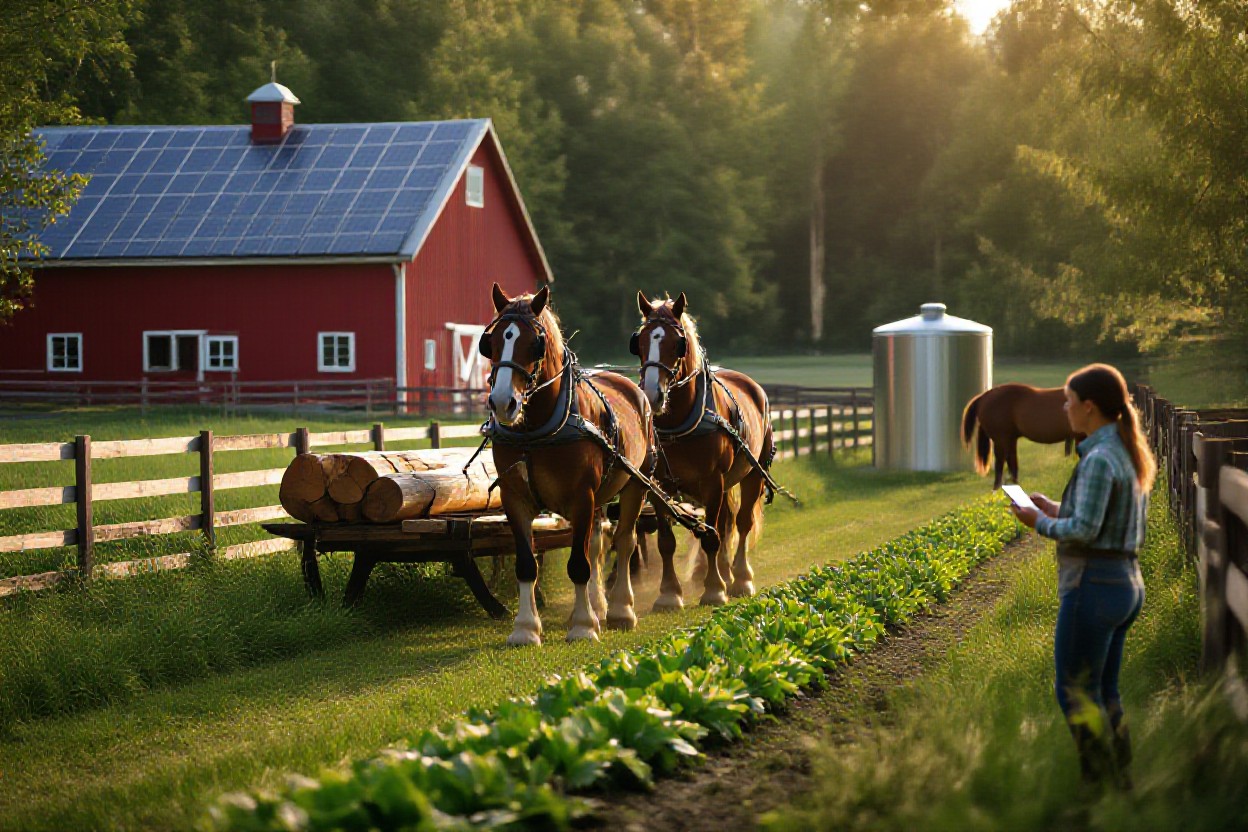
A lot of folks assume horses are just nostalgic lawn ornaments, but on a working place they can be serious sustainability tools. You get traction, transport, and manure all rolled into one animal that runs on grass, not diesel. In mixed systems, you can pair horses with small machinery so you’re cutting fuel use by 20-40% on routine jobs like harrowing, hauling firewood, or moving feed. Your soil, air quality, and budget all feel the difference when your “equipment” is alive, adaptable, and actually improves the land it works on.
The Eco-Friendly Argument: Nature’s Helpers
People say horses can’t compete with modern tractors, but they’re comparing the wrong things. You’re not just pulling a plow – you’re cycling nutrients, spreading fertility-rich manure, and cutting fossil fuel use every time you hitch up. A 1,000-pound horse produces roughly 50 pounds of manure per day, which, composted right, replaces a surprising amount of bagged fertilizer. And because horses run on pasture and hay, your “fuel” is basically sunlight turned into horsepower, which is pretty hard to beat in any sustainable system.
Horses in Biodiversity: Are They Really Effective?
Some people figure horses just compact soil and chew everything down, but used smartly they can actually boost biodiversity on your place. Rotational grazing with horses breaks up rank grass, leaves more plant variety standing, and creates little bare patches where wildflowers and clovers sneak in. You’ll see more insects, more birds, more life in general following their hooves. It’s not magic – it’s just managed movement, timing, and not letting them camp on the same patch all year.
What really surprises a lot of new horse owners is how quickly the land responds once you start planning where those hooves go. Short, controlled grazes of 1-3 days per paddock, followed by 30-40 days of rest, give you thicker swards, more plant species, and fewer weedy patches that never seem to die under mower blades. Because horses graze more selectively than cattle, you can use them like fine-tuning tools – hitting rough, stemmy spots first, then following with sheep or cows to clean up and even out the pasture. Over a season or two, your pasture map literally changes: more legumes, more insects, more birds working the dung, less bare ground cooking in summer. You just have to treat horses as land managers, not lawnmowers you park in the same field forever.
Community Benefits: Connecting Farms and Neighbors
Most folks don’t realize how much horses can stitch a community together until they start using them for real work. When you hitch up for hay rides, farm tours, or hauling firewood for an older neighbor, suddenly your horses become social glue, not just cost centers. Kids want to visit, locals share stories about the “old teams” that worked the valley, and your farm shifts from being a closed gate to a place people feel part of. That kind of goodwill is worth a lot more than another piece of steel in the shed.
On small farms especially, horses give you a reason to actually invite people in rather than just wave from the tractor cab and keep going. A pair of steady horses pulling a wagon for a fall open day can turn a handful of customers into 200 visitors who now know your name, your eggs, your beef, your CSA. You can trade manure for vegetables with neighbors, give short driving lessons, or haul sap buckets for the maple syrup folks down the road. Those little interactions stack up, and before long your horses are doing quiet marketing every weekend – building trust, word-of-mouth, and a support network that shows up when you need help with fencing, hay, or that big vet bill.
The Emotional Aspect: Why It’s Not Just About Work
On a lot of small farms you’ll hear people joke that their best coworker has four legs and a tail, but there’s some real truth hiding in that. When you spend hours driving a team or checking fence with your saddle horse, you’re not just getting chores done, you’re building a quiet, daily partnership. Those little routines – a nicker at feeding time, that deep sigh when you loosen the girth – turn a “tool” into a trusted teammate you genuinely care about.
Bonding with Your Horse: More Than Just a Job
One Alberta hay producer told me his gelding knows the sound of his truck and meets him at the gate every morning, no halter needed, just ready to work. That kind of bond comes from thousands of small moments: wiping sweat after a long day, scratching that itchy spot under the mane, hand-grazing after fieldwork. Before you know it, your main “piece of equipment” is also your favorite co-worker, and you plan your whole routine around that relationship.
The Therapeutic Benefits of Working with Horses
Plenty of farmers quietly admit their horse has kept them sane through tough seasons – late frosts, broken balers, low prices. Just twenty minutes grooming or walking a steady mare can drop your heart rate, calm your breathing and reset your head before you tackle the next problem. It’s not fluffy feel-good talk either, it’s practical mental maintenance that helps you stick with this lifestyle long term.
Research out of Colorado State and other ag schools keeps backing up what you probably feel in your gut: time with horses measurably lowers cortisol, improves focus and even helps with chronic pain. When you swing into the saddle after a stressful meeting with the bank, your body has to relax or the horse will tell on you right away, so you learn to breathe, soften your hands, let your shoulders drop. Over a whole season of calving checks, field scouting or pasture rotations, that habit of using horse time as a reset button can cut burnout and keep you sharper for the real decision-making your farm needs from you.
Stories from Farmers: It’s All About Connection
Ask around at any auction barn and you’ll hear the same kind of story: “That mare got me through my worst drought year.” One vegetable grower in Ohio swears his old draft cross listens better than his kids, walking carefully between raised beds like he knows the seed costs. When work turns personal like that, every row cultivated and every log skidded feels like something you did together, not just another job checked off a list.
In Saskatchewan, a small grains farmer told me his team learned the field layout so well they’d pause on their own at low spots where the disc always catches, giving him a second to adjust. A New Zealand hobby farmer shared how her rescue Standardbred went from nervous wreck to steady partner for moving sheep, picking up on her body language faster than any dog she’d owned. Stories like these pile up everywhere you find horses farm animals working side by side with people, and the shared theme is simple but powerful: the real payout isn’t just acres covered, it’s the feeling that you’re not facing the hard days alone.
Horses in Education: Teaching the Next Generation
Kids usually think horses are just for riding, but on your place they quietly turn into teachers of real farm skills – reading stock, fixing a gate from the saddle, timing irrigation around feeding. You can fold horses into chores, crop planning, even basic budgeting, so younger helpers see how a 1,000-pound animal fits into soil health, pasture rotation, and daily workflow. Instead of abstract “life lessons,” your horses show them punctuality, patience, and follow-through every single day in the barn aisle.
Farm Tours and Workshops: Sharing Knowledge
Few things light up a farm tour faster than a calm, well-handled horse stepping up to greet visitors, and that moment hooks people into the reality of working horses farm animals instead of pet-park ponies. When you walk a group through harnessing, hitching, or even dragging a small harrow, they actually feel how horses fit into weed control, manure hauling, or checking fence on uneven ground. So your tours stop being “cute pony time” and turn into practical micro-workshops on what horses do on a farm today.
4-H and FFA Programs: Instilling Values Through Horses
Those green 4-H clover stickers and blue FFA jackets might not look like farm tools, but they quietly turn your horses into leadership training partners. When a kid has to keep a project horse legged up for a show, track feed costs, or log riding hours, they get a crash course in planning, grit, and accountability that spills over into your whole operation. And if you host a club on your farm, your horses suddenly help shape future ag professionals instead of just weekend riders.
On a working farm, 4-H and FFA horse projects can pull double duty, which is pretty slick: your young handlers might be checking irrigation lines from horseback, ponying colts, or helping move a handful of feeder calves while logging “project hours.” Because they have to submit record books, they actually write down feed usage, farrier dates, deworming schedules, sometimes even simple profit-and-loss sheets, which feeds directly into your own management notes. You can rotate responsibilities – one kid tracks vaccinations, another plans conditioning rides, another preps tack for a field demo – so your horses become the center of a small, student-run micro-enterprise. And when show season hits, those same kids are suddenly explaining bits, pasture safety, and hay testing to judges or peers, which means your farm values get broadcast far beyond your fence line.
School Partnerships: Bringing Horses to the Classroom
It still surprises teachers how fast math clicks when you let students calculate hay needs for a 1,100-pound gelding or compare cost per ton on different feeds, and that puts your horses right in the middle of real-world ag education. Simple field trips can spin into year-long projects: pasture-growth charts in science class, behavior logs in psychology, even business plans for a small trail-ride side gig. So every visit shifts horses from “pretty animals” to working pieces of the farm system in kids’ minds.
When you partner with a local school, you can set up more than the usual pet-and-photo visit. You might invite an ag class out four times a year to track how your pasture handles rotational grazing with horses compared to a sacrifice lot, or have them measure manure output and discuss composting vs direct spreading. Inside the classroom, you can video-call from the barn while you float a water trough, check hooves, or saddle up for fence-checking, then let students estimate time, fuel saved, and wear on equipment. Some farms even help schools run tiny student-managed “horse budgets” using real numbers from hay invoices and vet bills, which quietly shows kids that horses are both assets and cost centers in a working ag business, not just scenery.
The Pros and Cons of Using Horses on Your Farm
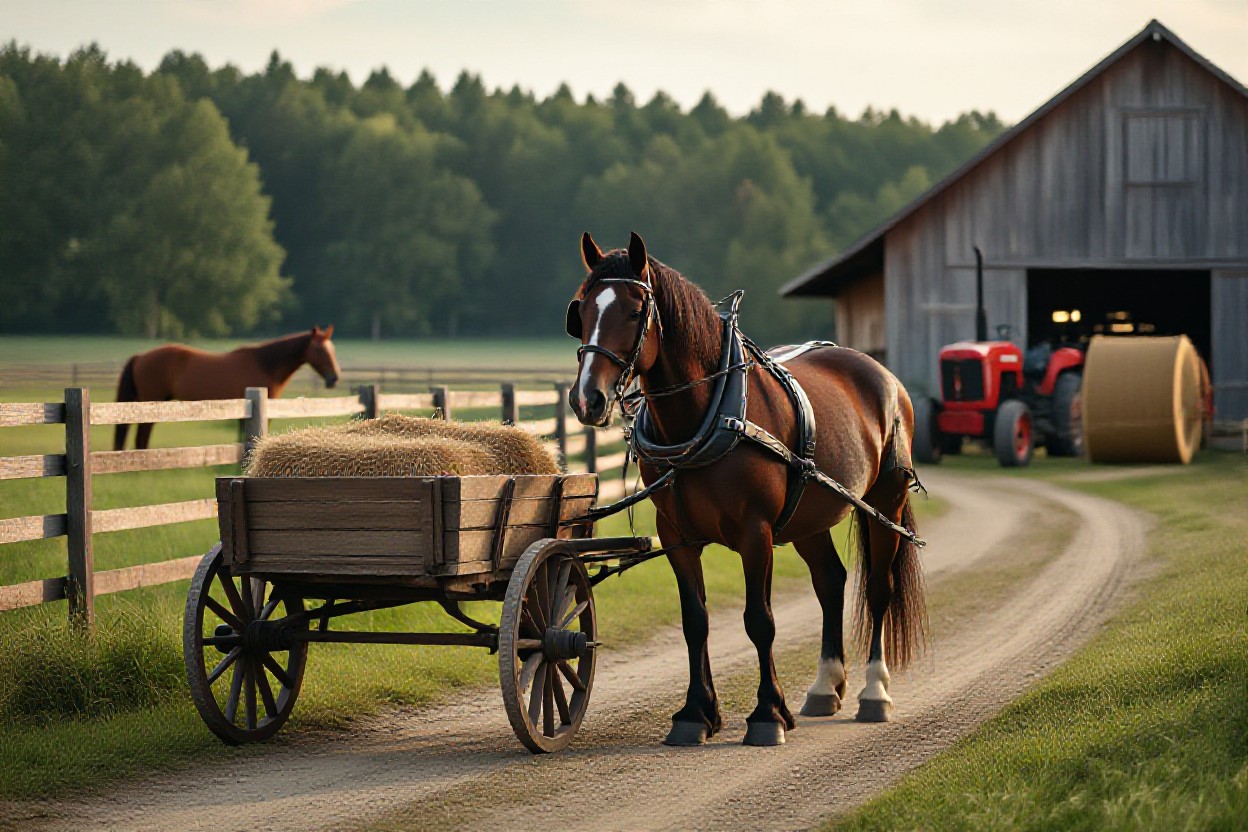
Running horses as working farm animals can absolutely level up your operation, but they also add moving parts you’ve got to manage with care. You’re trading some fossil fuel use and compaction for training time, vet bills, and the occasional runaway project when a horse has an off day. So you really want to see the trade-offs side by side and decide where horses fit into your fields, your budget, and your daily energy.
| Pros | Cons |
|---|---|
| Lower soil compaction than a 5-ton tractor, better for long-term soil health. | Ongoing costs for hay, grain, trims, and vet care even when fields are idle. |
| Fuel independent: you grow your own “fuel” as pasture or hay. | Time intensive training, harnessing, and cooling out after work. |
| Flexible on small acres, working in tight orchards or market gardens. | Weather limits work in extreme heat, ice, or deep mud. |
| Quiet operation so you can work near houses, animals, or agritourism areas. | Skill dependent: safe handling takes years, not weekends. |
| Manure as fertilizer, closing the nutrient loop on your farm. | Injury risk from kicks, tangles, or equipment failures. |
| Versatile use for logging, cultivating, hauling, and wagon rides. | Seasonal workload can be uneven, with idle periods still costing money. |
| Great for education and agritourism, adding farm income streams. | Land required for grazing and hay, often 2-3 acres per horse. |
| Quiet power that reduces stress on livestock and wildlife. | Equipment setup for harness and horse-drawn tools isn’t cheap. |
| Long working life when cared for, often 15-20 years of service. | Dependency on people so labor shortages hit harder than with tractors. |
| Stronger community ties as people are drawn to horse-powered farms. | Emotional toll when a working partner gets sick or has to retire. |
The Upside: What You Can Gain
On a mixed farm, horses can quietly turn into your most efficient, multi-use tools, especially if you’re on 5-40 acres and hate seeing heavy machinery chew up your soil. You can use them to weed 30-inch vegetable beds, skid logs out of wet woods without tearing everything up, or give wagon rides that pay for winter hay. And they’re working while also building fertility and story into your place, which matters when you’re selling food or experiences direct to customers.
The Downside: What to Watch Out For
On the flip side, working horses will absolutely expose any weak spots in your time, skills, and budget. You’re not just buying a tool, you’re signing up for 24/7 responsibility and that includes vet calls at 2 a.m. in January. Even a well-trained team can spook at flapping plastic or a new sprayer boom, so you’ve always got a bit of risk baked into every hitch. And those “cheap” free horses online usually turn into very expensive projects once training, teeth, and shoeing enter the chat.
When you zoom in on the downside, it’s usually not the work that breaks people, it’s the management gaps that sneak up on you. A single colic surgery can run $5,000-$10,000, a tendon injury can knock a horse out of work for a season, and one bad wreck with a loaded manure spreader can rearrange your entire year. You need clear boundaries on what medical costs you’ll cover, a backup power plan for farm jobs if a horse is off, and solid safety habits like regular gear checks and training days with no heavy loads. That way the inevitable rough days don’t turn into disasters.
Making an Informed Decision: Is It Right for You?
At the end of the day, horses on a farm are more like taking on a business partner than buying a new attachment. You’ll want to map out what jobs they’d actually do in a normal week and compare that to a small 30-50 hp tractor on paper, including costs over 5 or 10 years. If your land is fragile, your customers love stories, and you’re already feeding a couple of horses, the math starts to lean your way. Just be sure the workload and lifestyle match the human energy on your place, not just the dream.
To really sort this out, grab a notebook and run a simple reality check: list every job you’d hand to a horse team by month, then pencil in hours, feed, and training time against what you already do with steel and diesel. Talk to at least one farm that’s been horse-powered for 10+ years, ask what they’d change, and actually price harness, used equipment, and hay in your region. If the numbers look tight but your heart’s in it, you might start with one horse helping on chores and logging, then slowly scale up instead of jumping straight into a full team. That slower ramp lets you confirm if the daily grind fits your life before you build your whole farm system around hooves instead of hydraulics.
Tips from Farmers Who Use Horses
Picture a cold April morning, your team of draft horses already hitched while the neighbor’s tractor sinks into mud. Farmers who rely on horses keep repeating the same themes: start with one steady, older horse, work in short sessions, and track work hours so you know how much weight and distance your animals are really handling. Perceiving how small tweaks in harness fit, hoof care, and field layout affect your horses’ workload will save you money and keep them sound for years.
- Draft horses for plowing, logging, and hauling
- Work harness fit and regular tack checks
- Hoof care and conditioning schedules
- Teamwork training for safer field work
- Field rotation and soil-friendly practices
Their Best Advice: Lessons Learned the Hard Way
After a few wrecks in the field, most horse farmers will quietly tell you: slow down on training, speed up on vet and farrier visits. They learn the hard way that skipping a $60 hoof trim can turn into a $600 lameness issue, or that hitching a green horse with green driver is asking for trouble. Perceiving subtle signs like pinned ears at hitching or sweaty patches under the collar often marks the difference between a smooth season and a hospital trip.
Common Mistakes to Avoid: Seriously, Don’t Do This
Too many new folks treat horses farm animals like tractors that just happen to eat hay, then wonder why things go sideways. Overworking an unfit horse, hitching with worn harness, or pulling heavy logs downhill without a trained brake horse are the classic beginner errors. Perceiving that your horse’s energy, soundness, and mental state are your real fuel source stops you from pushing them into accidents you never saw coming.
New horse-powered farmers often underestimate hills, overestimate their horse’s strength, and totally forget how fast a spook can escalate when you’re dragging metal behind you. You might clip a gatepost with the implement, jolt the horse, then suddenly your carefully planned fieldwork turns into a 30-second runaway that destroys gear and confidence. And if you ignore saddle or collar sores “for just one more day”, you set yourself up for weeks off work, vet bills, and a horse that associates harness with pain. Perceiving that a tired, sore, or confused horse is more dangerous than any old tractor helps you build habits that keep everyone going home in one piece.
Resources: Where to Find More Info
When you’re trying to figure out what do horses do on a farm in real, modern setups, the best goldmine is still other working-horse people. Groups like the Draft Horse Journal community, local driving clubs, and small Facebook groups where folks share daily hitch photos will show you actual harness setups, field layouts, and work schedules. Perceiving patterns in how experienced farmers condition, feed, and rest their teams gives you a shortcut past years of trial and error.
Some of the best resources aren’t glossy at all: old extension bulletins on horse tillage, out-of-print books like “Horses at Work” sitting in county libraries, and field days at small horse-powered farms where you can literally walk behind the plow. You can also get a lot from watching competition plowing matches and logging demos, pausing videos to study how horses are lined up, how long they work, and what the ground looks like after. Perceiving how these small technical details translate into fewer injuries, better soil structure, and more efficient work will help you turn raw information into a practical system on your own farm.
Keeping Your Horses Healthy on the Farm
About 60% of lameness issues on working farms trace back to poor basic care, not freak accidents, so your daily routine matters more than any fancy supplement. You set the tone with clean water, decent forage, safe footing, and a sane workload, because a horse that hauls logs, drags harrows, or checks cattle needs a body that isn’t quietly breaking down. And if you dial in the simple stuff first, your horses stay in the field, not standing in a stall racking up vet bills.
Nutrition: What’s on the Menu?
About 1.5% to 2% of your horse’s body weight in forage per day is the sweet spot, so a 1,200 lb farm horse wants roughly 18 to 24 lb of hay or pasture, then you build from there. You tweak grain only if the workload justifies it – long days skidding logs or mowing fields need more calories than light weekend jobs. And you always back that up with free-choice salt, clean water, and maybe a balancer pellet so your easy keeper still gets vitamins without packing on useless fat.
Regular Vet Care: Don’t Skip the Check-Ups
Annual exams catch around 70% of brewing problems before they blow up into layoffs, which is huge when your horses are part of your farm workforce. You keep vaccines current, deworm based on fecal counts, and schedule dental work every 6 to 12 months so they can actually use the feed you buy. That little bit of routine planning keeps your horses working steadily instead of pulling up lame right in the middle of hay season.
On a working farm, regular vet care is basically your insurance policy that actually pays off. You set a simple calendar – spring shots and dental check, late-summer fecal tests, fall vaccines or boosters if your area needs them – and you stick to it even when you’re buried in field work. During those visits, you ask your vet to listen to hearts and lungs, flex joints, check body condition, and go over any odd behavior you’ve seen, like coughing under harness or stiff starts on cold mornings. And if your horse is doing heavy draft work or long days riding pasture, you might even schedule a quick mid-season soundness check, because catching heat in a joint early can be the difference between a few days’ rest and a six-month layoff.
Exercise Needs: Keeping Horses Happy and Fit
Research shows that horses turned out 12+ hours a day have fewer behavior issues and better soundness than those stuck in stalls, which matters a lot when you expect them to work. You mix natural movement in pasture with planned conditioning – hills, long straight walks, and some short trot sets – so they’re fit enough to pull equipment without blowing up lungs or tendons. Even in winter, a few focused sessions each week keep them from turning into pasture potatoes that struggle every time you hitch them.
When you think about exercise for farm horses, you’re really thinking job training plus conditioning rolled into one. You might start a green horse with 20 to 30 minute walk-focused sessions dragging a light tire, then slowly build up to heavier pulls, longer rows in the field, and more tricky turns around trees or posts. On non-work days, you still aim for movement: turnout in a big paddock, some hand walking up and down gentle hills, maybe ground driving if the weather’s crummy but you want their brain engaged. And if the work season is intense – like logging in wet spring ground or long hay days – you treat them like athletes, watching for tired steps, shortened stride, or warm tendons and dialing the workload back a notch before things go sideways.
What’s Next for Horses in Farming?
On a small Vermont vegetable farm, you’ll see a pair of Percherons cultivating carrots while a GPS-guided tractor plants corn next field over – that mix is exactly where you’re heading. In the next decade, horses in agriculture won’t vanish, they’ll slide into sharper, more specialized roles: precise fieldwork, low-compaction tillage, and farm chores where fuel and heavy steel just don’t make sense.
The Future of Farming: Are Horses Here to Stay?
On Amish farms in Pennsylvania, you’ll still see 4-horse hitches pulling 10-foot plows in 2025, and that tells you plenty. Horses stay put wherever soil health, low fuel costs, and quiet work really matter to you. They may not dominate the big 2,000-acre grain outfits, but on 5 to 200 acre mixed farms, they’ll keep punching way above their weight.
Trends to Watch: Innovations in Horse Farming
At a field day in Quebec, you might spot a Belgian hitched to a modern, hydraulically lifted cultivator built in 2023, not 1923. That’s where things are heading: new horse-drawn tools, better harness designs, and clever hybrid systems like forecarts with PTO shafts that let you run small balers or sprayers off a compact engine while your horses provide the pull.
You’re also going to see more precision stuff creeping in, just not how you see it with tractors. Some growers already track horse-worked beds with smartphone mapping apps, logging exactly how many passes your team makes over a 1-acre market garden, then comparing compaction to a tractor-worked plot. Others are testing lighter steel and adjustable-width implements so you can swap from 2-horse to 3-horse setups in minutes instead of losing half a day in the shop. And watch how fast better harness padding, breast-collar designs, and quick-release traces spread, because they cut harnessing time, reduce sore shoulders, and make your daily routine way safer.
Predictions: What I Think Will Happen
On your place, odds are you’ll run a tractor for heavy or time-sensitive jobs and a small team for the stuff where finesse and low compaction shine. My bet is that horse numbers on farms will stabilize or even tick up on small-scale veg, grass-fed beef, and agroforestry setups, while big corn-soy outfits keep going all-in on high horsepower diesel and robotics.
What you’ll probably notice in 10 years is that the folks using horses in agriculture are insanely intentional, not nostalgic. They’ll be the ones stacking enterprises – draft horses for logging in winter, cultivating in spring, wagon rides in fall – while tracking costs to the penny so the team pays its own way. I also think you’ll see more regional workshops and co-ops where you can share specialized horse-drawn gear instead of buying everything yourself, and the farms that pull this off will quietly post better soil tests and lower fuel bills than their neighbors running only steel and diesel.
How to Find Community Support as a Horse Farmer
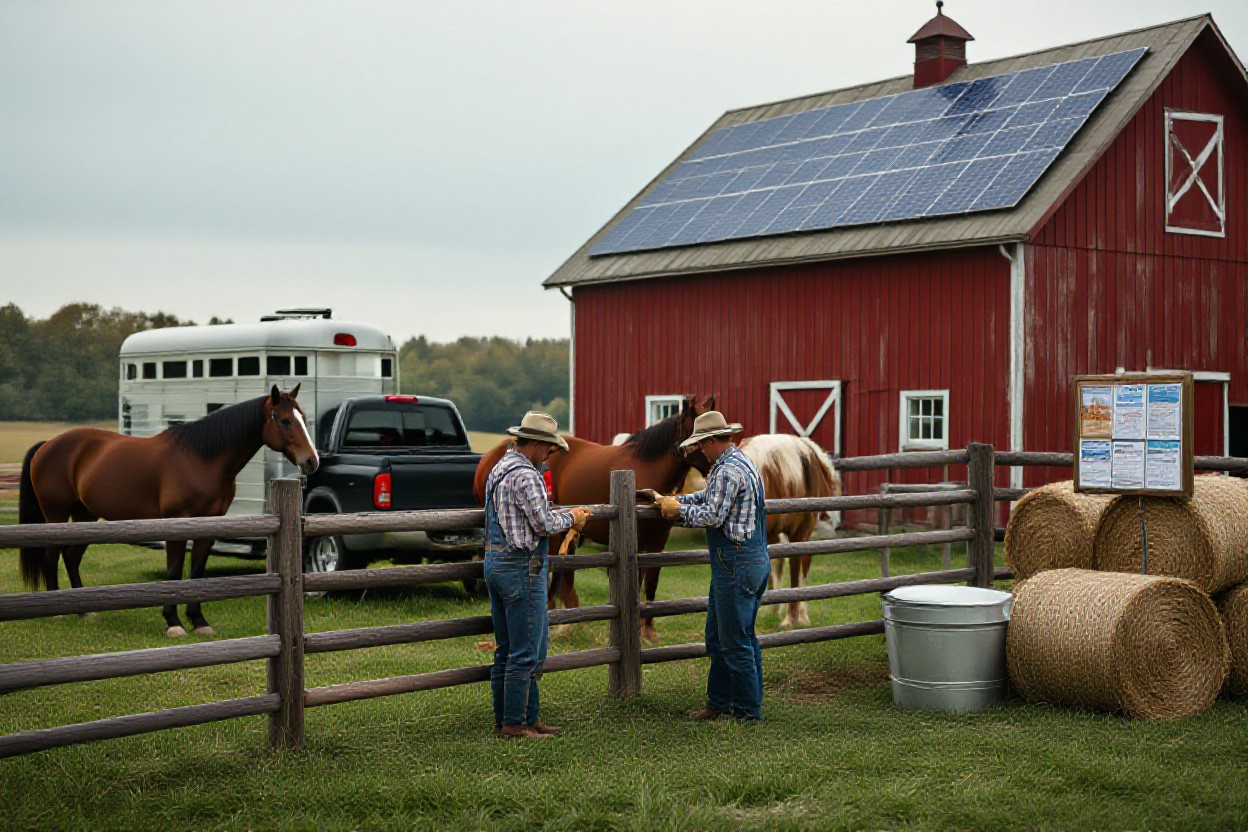
On a lot of small farms, the biggest game changer isn’t a fancy plow, it’s a neighbor who’ll show up when your young mare blows through a trace chain. You build that kind of backup by plugging into horse-focused circles where people actually understand what working horses farm animals are doing all day. Shared knowledge cuts your learning curve in half, and you’ll hear straight talk on harness fit, field rotations, and real income numbers instead of glossy catalog promises.
Networking: Finding Your Tribe
At a field day in Pennsylvania, a new teamster asked one question about collars and walked away with three farm tours and two job offers, that’s how fast this network works when you show up. You’ll meet folks using horses on vegetable CSAs, maple operations, and hay farms, all happy to tell you exactly what do horses do on a farm in their world. Face-to-face chats beat any YouTube video when you’re trying to sort out training issues, workload, or whether your soil type matches their setup.
Online Resources: What’s Available?
A rainy evening and a half-decent internet connection can plug you into more horse-powered farms than you’ll ever visit in person. Between Facebook groups, old-school forums, and paid memberships, you can see real field setups, cost breakdowns, even vet case photos long before you hit the same problems. Use those spaces to ask tight, specific questions and you’ll usually get answers from people who were hitching teams this morning, not just talking theory.
On the practical side, start with platforms where working horse farmers actually hang out: groups like “Draft Horses in Small-Scale Farming” or “Horse Powered Market Gardens” often have 20,000+ members trading ideas daily. You’ll see everything from harness repair hacks to side-by-side comparisons of horses vs compact tractors on 5-acre plots, with people posting what they spent, what they grossed, and what went sideways.
What makes this stuff gold is the archived content – search for “mud season” or “disc vs spring tooth with horses” and you’ll pull up years of trial and error. Videos and photo threads let you zoom in on collar fit, singletrees, or how folks actually hook to a walking plow without wrecking your horses’ shoulders. It’s like getting a front-row seat in a dozen barns at once, and you can absorb it at your own pace after chores.
Local Organizations: Getting Involved
At a regional plow day in Ohio, one nervous new farmer showed up just to watch and went home with a used forecart, three harness leads, and a standing invite to weekly practice. That’s the kind of thing local horse progress associations, draft clubs, and extension workshops make possible. Most groups run clinics, field demos, and pasture walks where you can see real horses in agriculture working side by side with modern gear, not just in old photos.
Many states have draft horse or driving clubs tucked quietly behind the bigger cattle and row crop associations, so you’ll often find them through fair listings, bulletin boards at feed stores, or your county extension office. These groups tend to run on potlucks and volunteer hours, which means if you show up early, help set up cones or drag the arena, you’ll get all the behind-the-scenes conversation.
That’s where folks tell you which farrier actually likes working horses, which vet understands harness rubs, and who has a calm, older gelding you could learn to drive on without risking your green pair. Joining even one local group can shrink a year of solo trial-and-error into a single season, because you’re learning from people who’ve already broken gear, misjudged fields, and figured out what works on your kind of ground.
FAQ
Q: How are horses actually used on farms today, beyond the old-fashioned plow image?
A: Picture a small vegetable farm where the owner hooks a calm draft mare to a walking cultivator and quietly works between rows of carrots while you mostly hear birds and the creak of leather. That’s still happening, but it’s only one slice of what horses do in agriculture now.
On modern farms, horses often handle light fieldwork like cultivating, harrowing, and hauling small loads where you want precision and a softer impact on the soil. They can work in tight spaces, on steep hillsides, in wet or sensitive fields where heavy tractors either sink or compact the ground too much.
Beyond fieldwork, they’re used to move firewood, feed, fencing materials, and even harvest produce from spots a truck just can’t reach. Draft horses and sturdy crossbreds pull wagons for hayrides, farm tours, and u-pick operations, which quietly doubles as marketing and extra income for the farm.
On some cattle and sheep operations, riding horses are still the best way to check fence lines, move stock, and work animals in rough terrain. ATVs are handy, sure, but a horse can weave calmly through a herd, read the cattle, and help keep things less stressful for everyone.
Q: Why would a farmer use horses instead of just running everything with tractors and ATVs?
A: A market gardener once told me his tractor was great for the heavy stuff, but his horses “paid their way” in the shoulder seasons when the ground was too soft to risk ruts. That blend of horse power and engine power is actually pretty common now.
Horses are gentler on soil, which matters a lot for folks focused on long-term soil health and high-value crops. Less compaction, less rutting, and the option to work when it’s a bit damp can mean better yields and healthier root systems over time.
There are financial reasons too. A well-trained team can work for many years, and instead of buying diesel, you’re feeding hay and pasture that might already be part of your rotation. Vet care, farrier work, and harness aren’t cheap, but for small to mid-scale farms, the overall numbers can balance out pretty nicely.
There’s also a management side that doesn’t show up in spreadsheets right away. Horses can turn into part of your brand – think horse-drawn hayrides, sleigh rides in winter, on-farm events, even farm-stay experiences where guests want that “old farm” feeling. That emotional connection can sell CSA shares, eggs, beef, you name it.
Q: What should I consider before adding horses to my farm for work or other ag projects?
A: A neighbor of mine bought a pair of young drafts on impulse because he’d always loved the idea of working with horses, then realized he had no harness, no safe hitching area, and no clue how to drive a team. He learned, but it was a long, bumpy road he wouldn’t recommend.
First thing is skills. If you don’t already handle horses comfortably, plan on lessons and maybe a mentorship with someone who uses work horses or ranch horses regularly. It’s not just “hook and go” – you need to read their mood, understand harness or tack, and know how to keep everyone safe when something spooks them.
Next is infrastructure and time. You’ll need proper fencing, a dry place to feed, water access, storage for hay, and space for harness, equipment, and safe hitching. Daily care takes time – feeding, grooming, checking hooves, and regular exercise, even when you don’t “need” them for a job that day.
Finally, match the horse to the job. Drafts and draft crosses work better for pulling equipment or wagons, while lighter breeds or stock horses are great for cattle work and general riding. If you’re new to this, an older, well-trained horse or team is often worth every extra dollar, because solid training can keep you, your family, and your farm crew out of trouble.