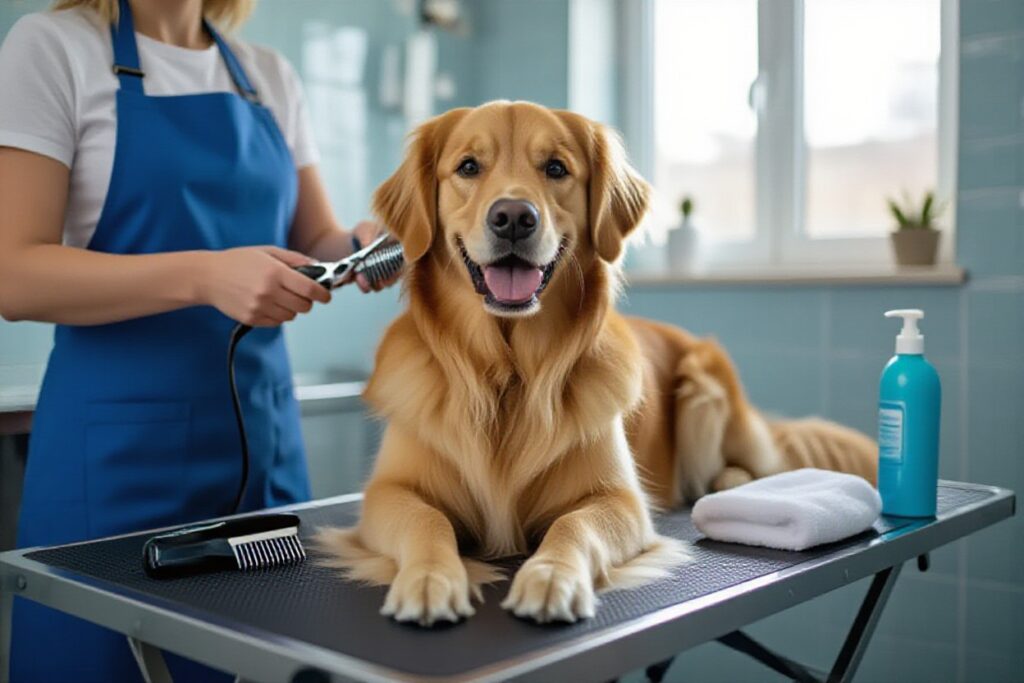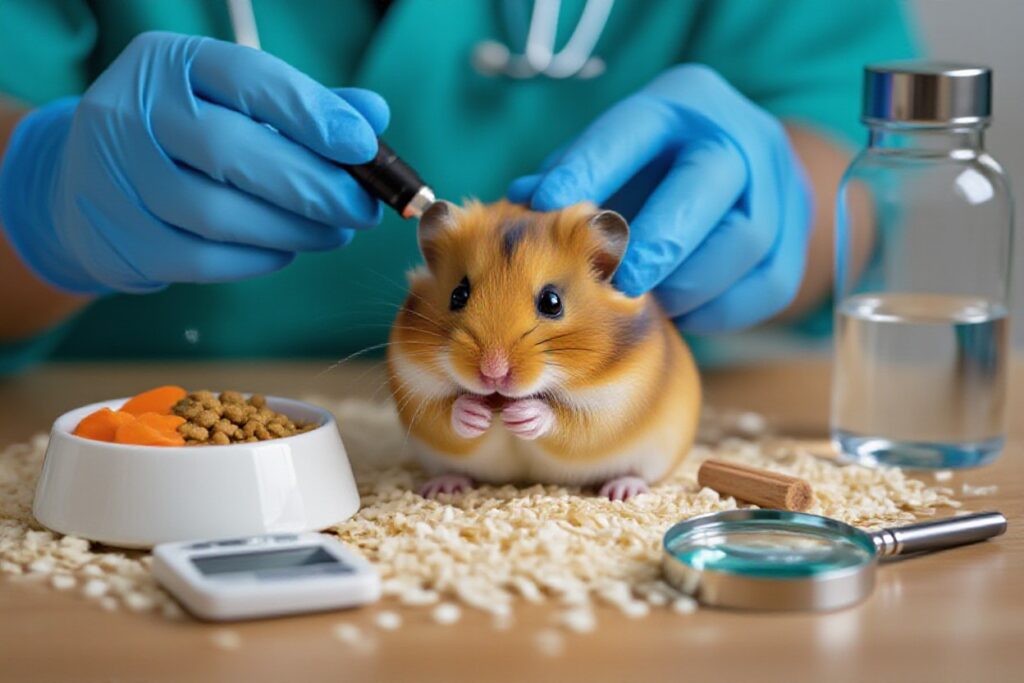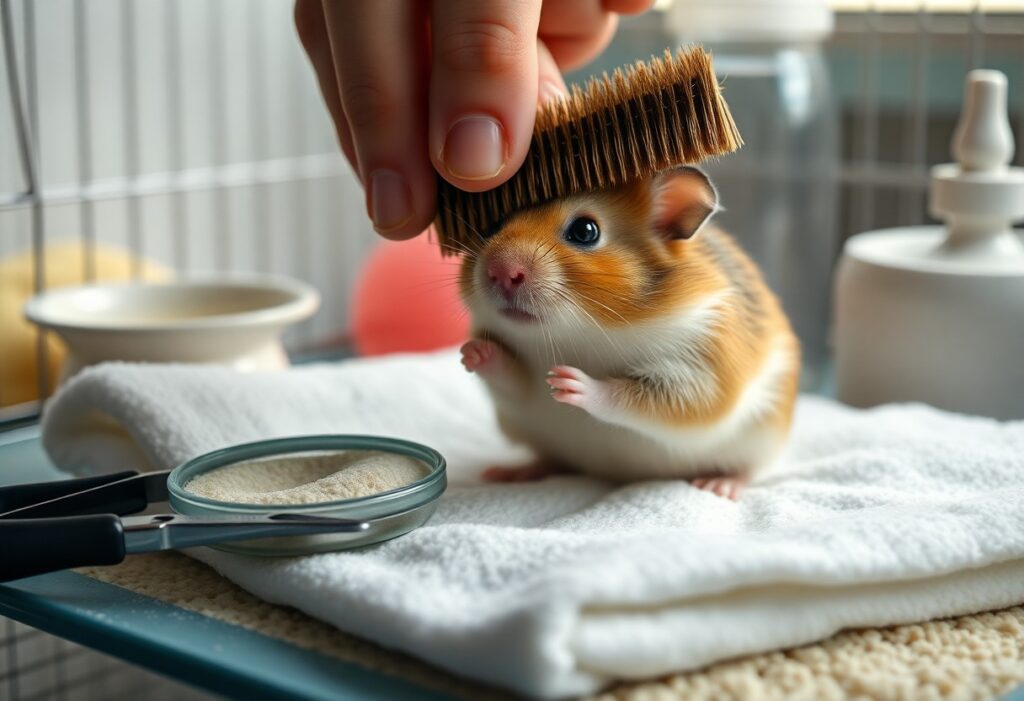
Over time, your small rodents will need routine grooming to keep their fur, skin, teeth and nails healthy and to reduce stress-related problems.
Your daily checks should include a quick inspection of eyes, ears, nose and coat for signs of parasites, discharge or bald patches. You should clean bedding and remove soiled material frequently so your pet’s environment supports good hygiene. Regular handling helps you spot changes early and keeps your animal used to touch.
Your approach to fur care depends on species: chinchillas need regular dust baths, while guinea pigs and long-haired rodents benefit from gentle daily or weekly brushing with a soft brush. Most hamsters and gerbils self-groom and generally do not require water baths; if you need to clean a spot, use a damp cloth and dry immediately to avoid chilling.
Your attention to teeth and nails prevents common health issues. Provide safe chew toys, untreated wood and appropriate pellets so your rodent can wear down incisors naturally. Check nails every few weeks and trim only the sharp tips if they snag; use small animal nail clippers and avoid the quick. If teeth look overgrown or nails bleed, seek a veterinarian.
Your regular ear and eye care includes wiping mild debris with a damp cotton ball and watching for redness or swelling that can signal infection. If you find mites, fleas, scabs or persistent scratching, isolate your pet and consult your vet for safe parasite treatment. Maintaining a clean, well-ventilated habitat with appropriate nesting material reduces skin and respiratory problems.
Your grooming routine should be calm and positive: handle your pet gently, use short sessions to minimize stress, and reward cooperation with safe treats. Schedule routine wellness checks with a small-animal veterinarian for dental assessments and to address persistent shedding, wounds, or behavioral changes that indicate underlying health problems.