Most pet health depends on consistent movement, so you should provide daily mental and physical stimulation through short walks, play sessions, puzzle feeders, and indoor obstacle courses; these activities help prevent obesity and joint disease and give your companion a longer, healthier life, while you can tailor intensity to your pet’s age and limits, monitor safety, and vary routines to keep engagement high.
Understanding Your Pet’s Daily Activity Needs
Different Requirements by Breed
You should tailor activity to breed: working dogs like Border Collies and German Shepherds often need 1-2 hours of high-intensity work (herding, agility), while sporting breeds such as Labradors do best with 60-90 minutes of walks and fetch. Small breeds frequently need 30-45 minutes plus indoor play. Cats typically benefit from two to three 10-15 minute play sessions daily. Adjust intensity to avoid overexertion and reduce the risk of obesity.
Importance of Age and Health
Puppies and kittens need short, frequent bursts-avoid long runs until growth plates close (generally 12-18 months for large breeds)-to protect developing joints. Adults usually tolerate longer sessions, while seniors and animals with conditions like arthritis or heart disease need low-impact options such as swimming, controlled leash walks, or shorter, more frequent play. Pay attention to limping, prolonged panting, or reluctance to move as signs to modify activity to prevent injury.
For example, a 2-year-old Border Collie often thrives on 90-120 minutes daily with a mix of sprinting, fetch, and 20-30 minutes of obedience or agility training; contrast that with a 10-year-old Labrador with osteoarthritis who may benefit from two 20-minute gentle walks plus a weekly 20-30 minute hydrotherapy session. Use tools like activity trackers to monitor steps and active minutes, track trends over weeks, and log pain or stiffness after exercise. Consult your vet to set safe intensity and progression; with tailored plans many pets show improved mobility, reduced weight, and better overall quality of life, while ignoring limits increases the chance of chronic injury.
Fun Indoor Activities to Engage Your Pet
Interactive Toys and Puzzles
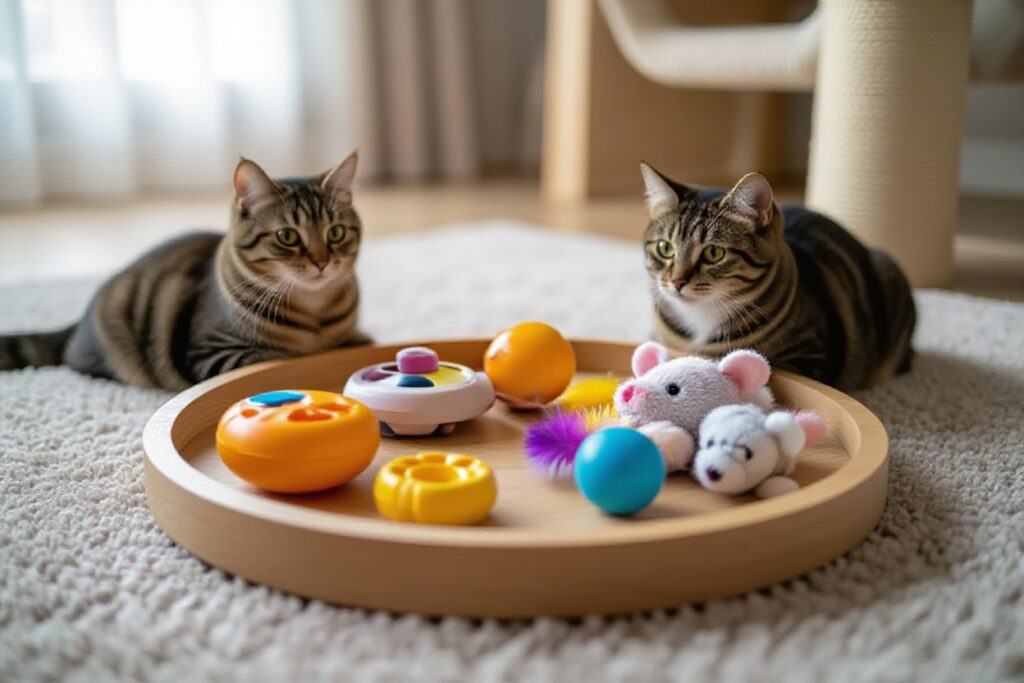
Use food-dispensing toys like a KONG stuffed with 1-2 tablespoons of plain yogurt or mashed banana, Nina Ottosson puzzles, and snuffle mats to extend feeding into a 10-15 minute brain workout. Rotate 3-4 toys weekly to prevent boredom, and mix timed sessions with free play. For cats, combine feather wands and treat-ball rollers; for dogs, try treat-dispensing balls. Always supervise toys with small parts to avoid choking hazards.
Obstacle Courses and Agility Training
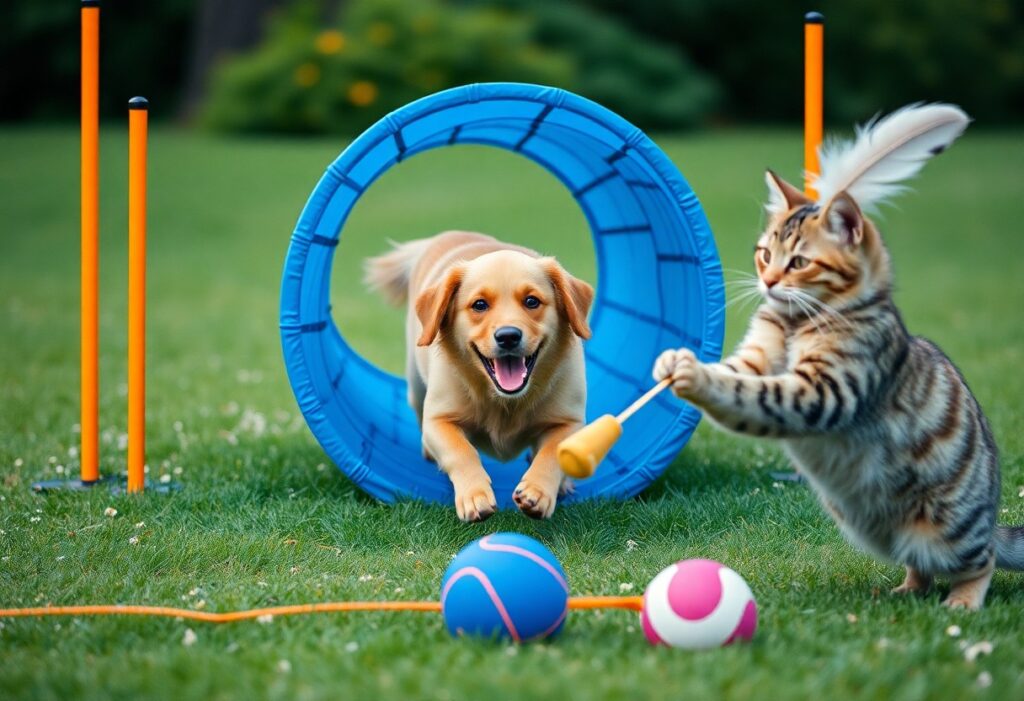
Set up a simple course using household items: a broom on cans as a jump (start low, ~6-12 inches), a tunnel made from a play tunnel or stacked chairs and a blanket, and 4-6 weave poles spaced 18-24 inches apart. Run 5-10 minute circuits, repeating 3-5 times to tire and train. Agility work builds coordination and mental focus, but keep jump heights appropriate and avoid obstacles above shoulder height for safety.
Progress by warming up your pet for 3-5 minutes, then perform stations of 30-60 seconds each: jump, tunnel, weave, and a pause table or mat. Use high-value treats or a clicker to mark correct responses, increasing complexity every 2-3 sessions. For small spaces, shorten tunnel length to 4-6 feet and reduce weave poles to 4; for larger dogs, expand to 6-10 foot tunnels and 6 poles. Always check flooring for slip risks and stop if your pet shows fatigue or discomfort.
Outdoor Adventures for Daily Movement
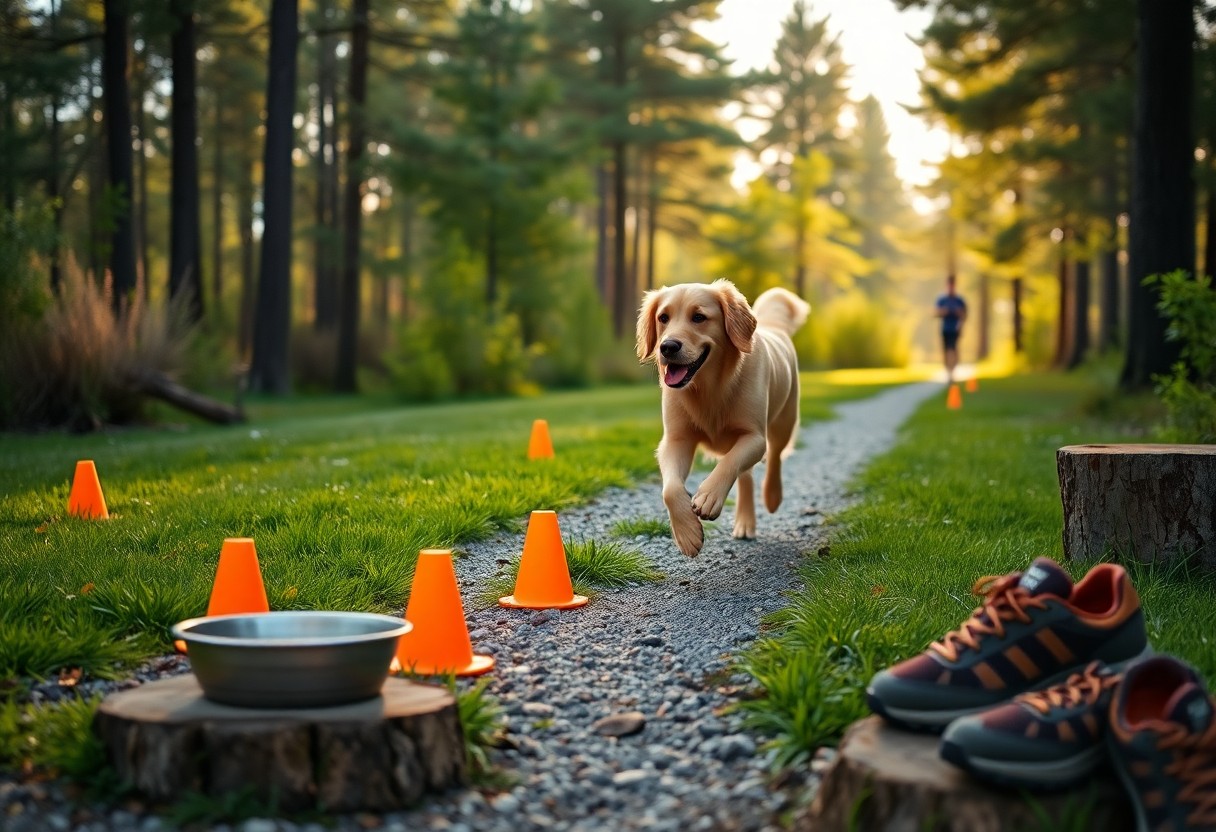
You can turn daily outings into varied workouts by mixing walks, hikes, swims and scent games; aim for 30-60 minutes of activity to maintain fitness and weight. Early-morning or evening sessions help avoid heat; carry water and a basic first-aid kit. Watch for ticks, thorns, and steep drop-offs, and use trails that match your pet’s stamina and mobility.
Exploring Nature Trails
Try trails of 1-3 miles with varied terrain to boost your pet’s coordination and scent engagement; pick shaded routes to reduce heat risk and plan shorter loops for older or arthritic animals. Bring a leash for wildlife encounters, perform a full tick check after outings, and use boots or paw balm on rocky paths to prevent abrasions.
Dog Parks and Socialization
Use dog parks for supervised off-leash play in sessions of 20-30 minutes, which often improves social skills and energy release; verify vaccination requirements and park rules before entry. Stay vigilant for signs of overstimulation or aggression and step in early to separate dogs, since crowded or poorly fenced parks pose the most danger.
Arrive to observe for 10-15 minutes before letting your dog enter, choose size-specific areas when available, and introduce your dog gradually by walking the perimeter together. Avoid bringing valued toys if resource guarding appears, carry waste bags and water, and exit promptly if you spot persistent mounting, snarling, or repeated chasing to prevent escalation.
Incorporating Daily Walks into Your Routine
Benefits of Regular Walks
Walking your pet daily supports weight management, reduces destructive behavior, and promotes joint health. For many dogs, veterinarians recommend 30-60 minutes of activity per day; smaller breeds often do well with two 15-20 minute sessions. You’ll see better mood, improved sleep, and fewer indoor accidents as stamina and muscle tone increase. Knowing you can split sessions into short walks around work breaks makes consistency realistic.
- Daily walks
- Weight management
- Joint health
- Mental stimulation
Tips for Making Walks More Enjoyable
Vary routes, pace, and smells so your pet stays engaged; alternate 5-10 minute brisk intervals with 5-10 minutes of sniffing. Use a front-clip harness if your dog pulls and carry treats in a pouch on your waist for quick reinforcement. Time walks during cooler hours in summer and bring water if outings exceed 20 minutes. Knowing simple games like “find it” or short training drills help you turn routine walks into stimulating sessions.
- Harness
- Intervals
- Hydration
- Enrichment games
Build your 6-week plan: weeks 1-2 focus on loose-leash basics during 10-15 minute walks, weeks 3-4 add two brisk 10-minute intervals, and weeks 5-6 include 20-30 minute exploratory walks to boost endurance. Try scent games twice per walk and rotate your toys weekly to prevent boredom. Check your pet’s paw pads after long city walks and use protective boots if surfaces exceed 50°C. Knowing gradual progression prevents injury and boosts your pet’s motivation.
- Loose-leash training
- Progression plan
- Scent enrichment
- Paw care
Creative Games to Boost Physical Activity
Fetch Variations
Try alternating fetch styles to raise intensity: use a ball launcher for long sprints, throw up a hill for resistance, or swim-fetch in shallow water for low-impact cardio. You can do sets of 10-20 throws per session over 15-30 minutes, swapping toys every few minutes to sustain interest. If your pet shows limping or heavy panting, stop immediately-these are warning signs that the session should end and you should check for injury.
Hide and Seek with Treats
Start simple by hiding treats in 3-5 visible spots, then increase to 5-10 hidden locations and dimmer cues as skill improves; this combines mental challenge with bursts of movement. Use tiny, high-value treats so you can conduct several rounds without overfeeding, and always monitor for scavenging hazards like wrappers-small items can be dangerous if swallowed.
Progress difficulty by creating scent trails, placing rewards under boxes or inside a muffin tin covered with tennis balls, and timing rounds to 3-5 minutes each. Begin with 2-3 easy hides, then move to 8-10 harder spots across rooms or the yard; repeat short sessions up to three times daily to build stamina and scent skills without exhausting your pet.
Using Technology to Track Activity
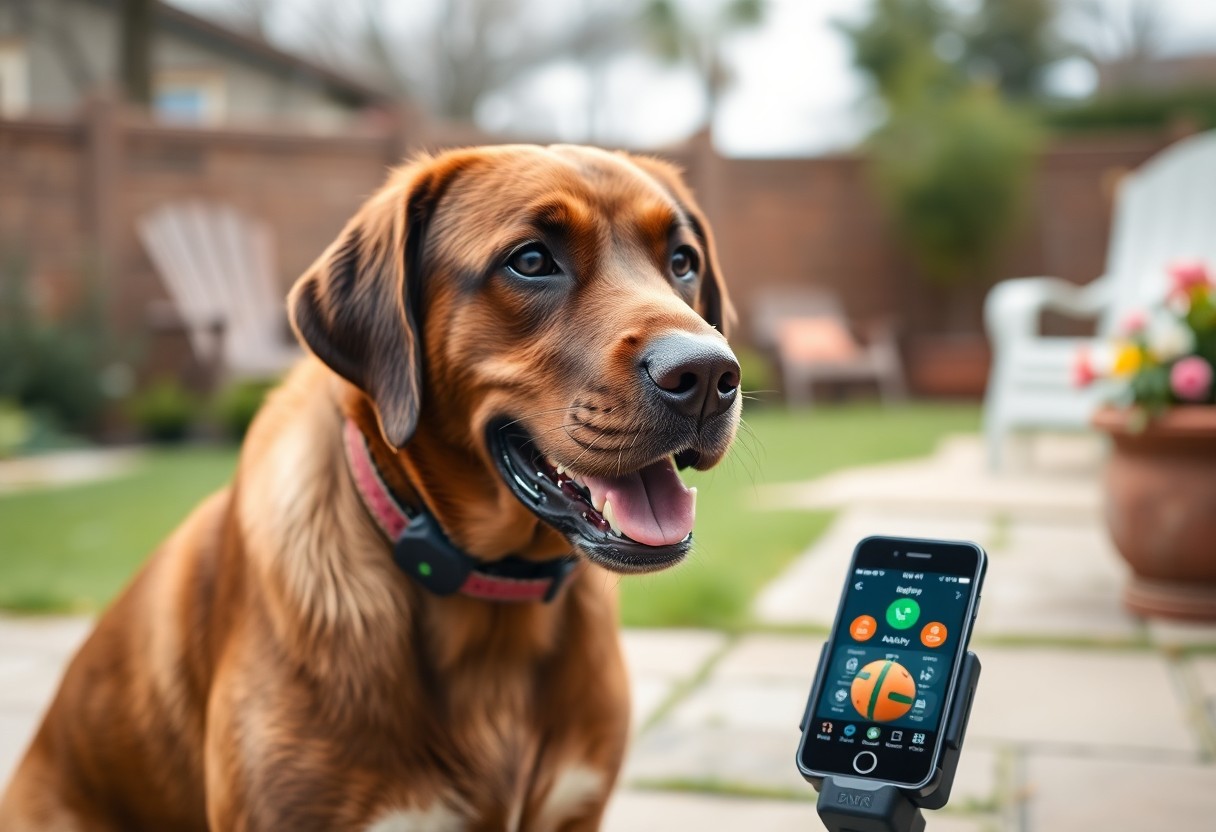
Devices and apps let you quantify your pet’s daily movement, turning vague notions into actionable data. You can use collars like Whistle Go Explore (GPS, health alerts, battery up to 20 days) or FitBark (activity and sleep tracking, battery up to 6 months) to log minutes active, steps, and rest; vets accept these reports for wellness checks. Set targets such as 30-60 minutes of moderate activity for many dogs, and watch for sudden drops-sharp declines often signal illness.
Pet Fitness Trackers
Many trackers use accelerometers and GPS to record steps, play bursts, rest, and location; you can choose clip-on units for collars or integrated smart collars. Devices like FitBark and Whistle offer activity scores you can compare week-to-week and set alerts for low activity or escapes. Battery life and water resistance vary-check IP ratings and battery specs so you’re not blind during a swim or multi-day hike.
Smartphone Apps for Monitoring
Apps sync with collars or use your phone to log walks, map routes, and display activity graphs so you can compare days and set targets; the Whistle and FitBark apps give weekly trend charts, while MapMyDogWalk uses GPS to show pace and distance. You can auto-share activity with a sitter or vet, and enable push alerts for sudden drops in movement or escape.
Beyond basic tracking, you can tag activity types (walk, fetch, training), export CSV reports for your veterinarian, and join community challenges to keep motivation high; some apps estimate calories burned using your pet’s weight, age, and intensity, though accuracy varies. Watch app permissions and battery drain-continuous GPS will shorten phone runtime-and verify exported data with your vet before altering exercise or treatment plans.
To wrap up
Presently you can use short walks, interactive toys, fetch, training sessions and food puzzles to keep your pet physically and mentally active each day. Tailor activities to your pet’s age and health, set a consistent schedule, vary challenges, and reward progress so movement becomes a sustainable, enjoyable part of your routine.
FAQ
Q: How can I make daily movement sessions more engaging for my pet?
A: Vary the routine with short, focused activities: alternate routes and surfaces on walks, add scent games (hide treats along the path), and split exercise into several brisk sessions instead of one long outing. Turn training cues into movement by asking for sits, spins, recalls or heel work between play rounds; each command practiced at speed builds both skill and cardio. Use rotating toys and food-dispensing puzzles to turn mealtime into a chase or search, and schedule social outings like controlled playdates or dog-park visits for extra stimulation.
Q: What are creative indoor options for keeping my pet active when weather or space is a problem?
A: Set up a mini obstacle course with cushions, boxes and low jumps for dogs, or tunnels and wand toys for cats; short stair sprints (if safe for the pet) provide high-intensity bursts. Use flirt poles, laser pointers, feather wands and bubble toys to elicit chasing and pouncing, and hide-and-seek sessions to combine mental and physical exercise. Employ interactive feeders and treat-dispensing toys to prolong movement through foraging, and supervise treadmill or supervised indoor walking sessions for pets trained to use them-always ensure non-slip surfaces and avoid overdoing any single session.
Q: How do I tailor daily activity to my pet’s age, breed and fitness level?
A: Assess energy, joint health and body condition first and consult your vet before major changes. Puppies and adolescents benefit from multiple short play bursts and controlled training games, avoiding repetitive high-impact exercise that stresses developing joints. High-energy breeds need longer, goal-directed activities (running, scent work, agility) while seniors or pets with arthritis do best with low-impact options like swimming, gentle walks, slow-paced play and enrichment that encourages movement without strain. For overweight or sedentary pets, increase activity gradually, pair movement with rewarding treats or toys, and track progress with short, frequent sessions that build endurance safely.