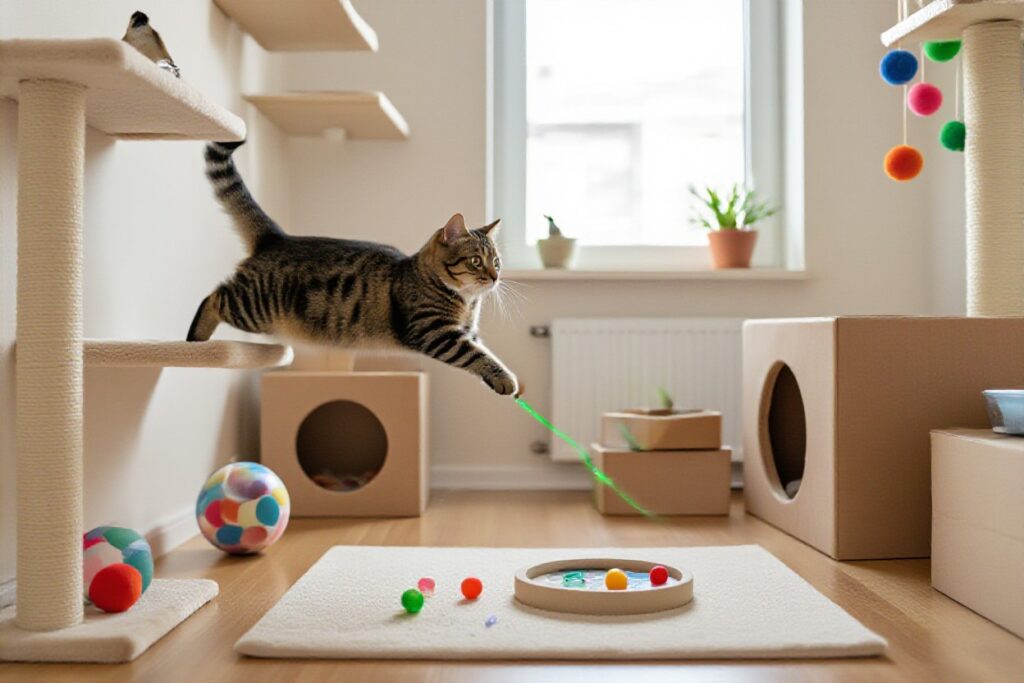
Why Teaching Tricks is a Game Changer for Indoor Cats
People often think tricks are just for dogs, but indoor cats actually thrive on structured play that makes them think. When you teach simple tricks like sit, target, or high-five, you’re giving your cat a safe way to burn energy and use their hunting brain. That combo of mental and physical work is pure gold for apartment cats, especially the ones zooming around at 2 a.m.
Benefits of Keeping Cats Engaged
Most indoor cats sleep 12-16 hours a day, so the few hours they’re awake really matter for their health. Short trick sessions keep joints moving, brains sharp, and stress hormones lower. You’re not just avoiding boredom, you’re actively preventing problem behaviors like clawing the sofa or yowling at night. A busy cat is usually a better-behaved cat, and you get a lot more peace at home.
How Tricks Can Shape Behavior
Training isn’t just showing off on Instagram, it quietly reshapes everyday behavior. When you pay your cat with treats and praise for calm sits, eye contact, or coming when called, you’re telling their brain “do more of this, not that”. Suddenly your cat learns that cooperation pays better than chaos, which is a win for everyone.
Think about a cat that jumps on the table every single meal. Instead of yelling, you can teach a simple “go to mat” trick and start rewarding them for sitting on a blanket a few feet away. Over a week or two, the table-jumping habit starts fading because that mat spot pays better. And because your cat is actually choosing the better option, you get less pushback, less drama, and way fewer power struggles.
Building a Better Bond with Your Feline Friend
People say cats are aloof, but once you start trick training you see how much they actually watch you. Every 3-minute session is like a mini conversation where your cat guesses what you want, you respond, and you both adjust. That back-and-forth builds trust way faster than passive play, and it gives shy or anxious cats a predictable script where they can finally relax around you.
What really changes the relationship is how your cat starts seeking you out on purpose. Instead of only arriving when the food bowl clinks, they show up when you grab the clicker or treats, ready to work and play. Those tiny wins – a new trick, a faster response, a brave moment from a skittish cat – stack up into this shared history of “we do fun things together”. And that’s the kind of bond that makes your cat choose your lap over the back of the couch.
Getting the Right Gear – What You Actually Need
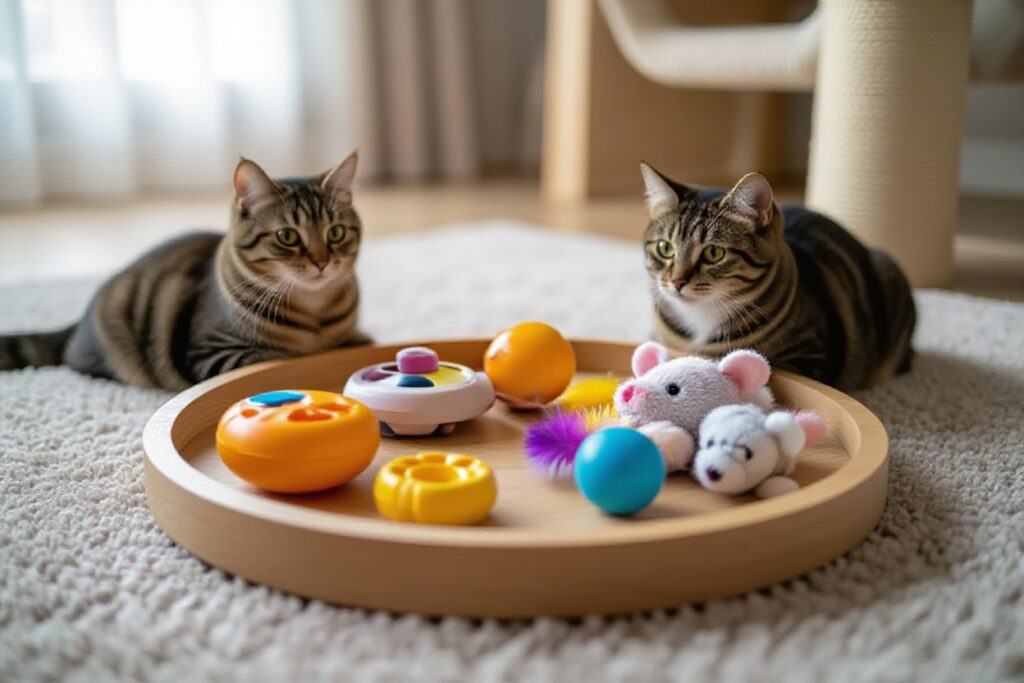
Gear for fun tricks doesn’t have to turn into a giant Amazon haul – you really just need a few smart basics. A simple wand toy, a handful of small, soft treats, maybe 1 or 2 target sticks, and a non-slip mat will carry you through most training sessions. Focus on stuff your cat already likes, then repurpose it for “work”. If your setup makes playtime easy to start and quick to reset, you’re way more likely to actually train consistently.
Picking the Right Treats for Motivation
Treats are your cat’s paycheck, so they’ve got to be worth showing up for. Go for tiny, soft pieces (pea-sized or smaller) so your cat can eat fast and stay in the game. Many indoor cats lose their minds over freeze-dried chicken, Churu-style lickable treats, or small bits of boiled chicken. Test 3 or 4 options in one sitting and watch which one makes your cat’s pupils go saucer-sized – that’s your training gold.
Do You Need a Clicker? Here’s My Take
A clicker is handy, but it’s not some magic gadget you can’t train without. You’re basically using that sharp “click” to mark the exact moment your cat does the right thing, then following it with a treat. If your house is noisy or you’ve got multiple people training, a clicker can keep signals crystal clear. But if you hate holding extra stuff, a short, consistent word like “yes” works almost as well.
What usually matters more than the clicker itself is your timing. If you hit the click (or your marker word) within about 1 second of your cat doing the trick, learning speeds up dramatically. Miss the timing by 3 or 4 seconds and your cat might think they’re being rewarded for blinking or walking away. So if a clicker helps you be snappier with that timing, great, use it. If not, park it in a drawer and just keep your marker word sharp, energetic, and always followed by a treat so it stays super rewarding.
Creating a Distraction-Free Zone
Training in the middle of chaos is like trying to study next to a karaoke bar, so you want a quiet corner that feels safe. Pick a small area where doors can stay closed, TVs are off, and other pets can’t crash the party. A soft mat or blanket on the floor quickly becomes your cat’s “training spot” and makes sessions feel familiar. That consistent space helps your cat focus and learn new tricks way faster.
In practical terms, you’re aiming for fewer moving parts: no kids zooming by, no food bowls out, no noisy windows where squirrels are doing parkour at 5 pm. Many cats do best with super short sessions in this zone, like 3 to 5 minutes, then a break. You might even dim the lights a bit if your cat gets overstimulated easily. Once your cat nails tricks in this distraction-free bubble, you can slowly add normal household noise back in so the tricks actually hold up in real life playtime.
Basic Training Principles – The Golden Rules
Good trick training lives or dies on a few simple rules – if you follow them, your indoor cat suddenly looks way more “trainable” than you ever thought. You keep sessions tiny, rewards awesome, and your timing sharp, and suddenly high five, spin, and sit become fun games instead of frustration. Break the rules too often and your cat just wanders off, bored, confused, or both.
Positive Reinforcement: What It Really Means
Positive reinforcement basically means your cat thinks, “I did that thing, and wow, good stuff happened.” You pair every tiny step toward the trick with something your cat truly values: 3 crunchy treats, a 5-second wand toy burst, or cheek rubs. Instead of punishing “mistakes”, you just ignore them and heavily reward the good reps so your cat chooses the fun option again and again.
Timing is Everything: Don’t Miss the Window
Your cat has about 1-2 seconds to link an action to a reward, so if you treat too late, you accidentally “pay” for the wrong thing. You want the click or verbal marker (“yes!”) to land the exact moment their paw lifts, nose targets, or butt hits the floor, not when they’re already walking away. Sharp timing is why some cats learn high five in 3 days while others look confused for weeks.
When you’re teaching fun tricks to your cat, think of yourself like a sports photographer trying to catch the exact frame – you want that treat or marker word right at the instant the behavior happens. If your cat touches the target stick then immediately scratches, and you fumble the treat and pay late, you might actually reinforce the scratch instead of the touch. Practicing your timing without the cat for a minute (clapping every time a ball hits a wall on a video, for example) can help your brain get used to reacting fast. And if you miss the moment, it’s better to skip the treat than pay the wrong behavior and confuse your cat.
Short and Sweet: Why Sessions Shouldn’t Be Too Long
Most cats tap out after 3-5 minutes of focused trick practice, especially indoor cats who aren’t used to structured games yet. You want to stop while your cat is still engaged, not when they’re zoning out, grooming, or wandering away. Quitting on a high note keeps your cat eager for next time and lets you fit training into tiny pockets of your day like during coffee or while a video loads.
Instead of one 20-minute marathon, try three tiny 3-minute sessions scattered across the evening and you’ll see your cat nail tricks way faster. Long sessions make your timing sloppy, your rewards lazy, and your cat mentally tired so the last 10 minutes basically do nothing. If your cat starts blinking slow, turning their head, or grooming mid-session, that’s your early sign to wrap it up so training stays a game, not a chore.
Always end on an easy win, like a simple sit, so your cat walks away thinking, “That was fun, I nailed it.”
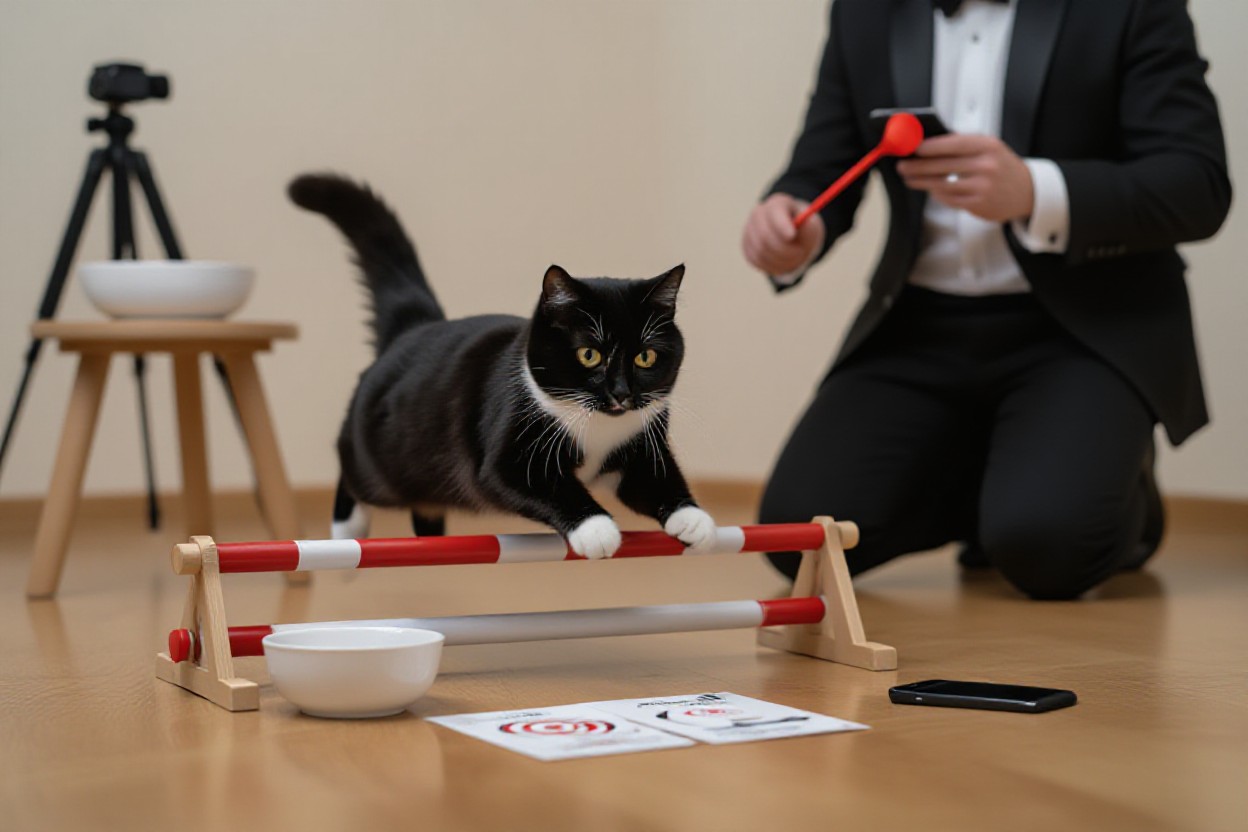
Ready, Set, Teach! The Tricks You Can Start with
You can kick off trick training with just a few minutes a day and a tiny stash of treats, starting with easy wins like high five, sit, and spin that work for shy cats and bold daredevils alike. These three tricks are insanely practical for indoor cats, giving you a way to burn mental energy, redirect 3 a.m. zoomies, and even prep for things like vet visits. You’re not aiming for circus-level precision here – just playful, repeatable moves that make your cat think, “Wow, hanging out with my human actually pays.”
High Five: The Ultimate Cute Factor
High five is the trick that makes everyone go “ok, that cat is different”, and yes, you can teach it in a week or less if you keep sessions under 3 minutes. You just hold a treat-finger or target near your cat’s paw level, wait for even the tiniest tap, then mark it with a “yes” and reward like it’s the best move on earth. Before long, you’ll have a cat who slaps your hand on cue, which is perfect for TikTok, kids, or just flexing on your dog-owning friends.
Sit: Simple but Effective
Sit is your powerhouse trick that quietly fixes a ton of annoying behaviors, from door-dashing to clawing your legs at dinner time. You lure your cat’s nose up with a treat so their butt naturally drops, then say “sit” right as it hits the floor and pay up fast. After 10 to 15 solid reps a day for a few days, most indoor cats start auto-sitting when they want something, which gives you way more control without ever raising your voice.
Training sit gives you a built-in “polite mode” for your cat, like a reset button when things get too wild or grabby. You can cue sit before you open the balcony door, before food goes down, or when guests walk in so your cat has something clear and easy to do instead of freaking out. Because you’re pairing the cue with constant wins – treats, play, chin rubs – sit becomes this super positive anchor that helps your cat feel safe, focused, and a little more chill in new situations.
Spin: Get That Cat Twirling
Spin is that trick that looks fancy but is secretly one of the easiest moves to teach, especially for food-motivated indoor cats who already chase toys in circles. You just move a treat in a slow loop near your cat’s nose, let them follow it around, then drop the treat the moment they complete the circle and say “spin” like it was pure genius. Stack 3 to 5 short reps in a row and you’ll see your cat start offering little half-turns on their own, which is ridiculously cute and great for warming up before more complex tricks.
Once your cat gets the hang of spin, you can level it up in fun ways without making it harder on their brain. Try doing “spin left” and “spin right” with different hand signals, or ask for a spin before tossing a toy to build this nice rhythm of think-then-chase. Over time, spin becomes a mini workout that burns off that pent-up indoor energy, helps nervous cats loosen up their bodies, and gives you an easy, upbeat trick to end every training session on a high note.
Target Touch – What’s That About?
Targeting is like giving your cat a built-in joystick: you teach them to follow and touch a specific object so you can “steer” their movement without dragging or forcing anything. You use a simple target – a pen, a chopstick, or just your finger – and your cat learns that booping it with their nose or paw makes good stuff happen. This single skill quietly powers a ton of fun tricks to teach your cat for interactive playtime and keeps their indoor world way more interesting.
Teaching Your Cat to Touch a Stick or Hand
Start with your cat a foot away, then slowly present a target stick or your hand just to the side of their nose so it’s easy to notice but not scary. The second they sniff, lean in, or boop it, mark with your clicker or a quick “yes” and drop a high-value treat. Repeat in tiny bursts of 5-10 reps, 2-3 times a day, so your cat starts racing in to poke that target like it’s their new favorite mini game.
Why This Trick Rocks for Other Tricks
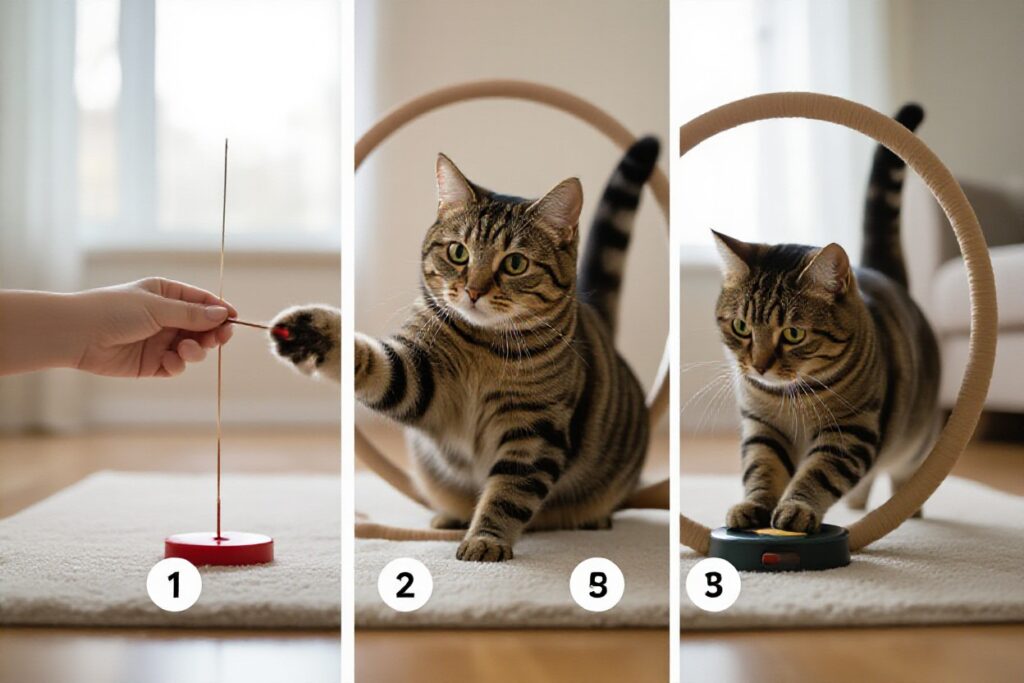
Target touch is like a cheat code that helps you shape way fancier tricks without confusing your cat or yourself. By moving the target a few inches at a time, you can guide spins, jumps, platform hops, and even weaving between your legs. Every time your cat follows the target, they’re basically rehearsing body control, focus, and confidence, which turns “fun tricks to teach your cat” from a vague idea into an actual, repeatable training system.
In practice, you might start with a nose touch to the target, then gradually raise it so your cat has to stand on their hind legs, and suddenly you’ve got a cute “beg” trick without ever lifting their paws yourself. Slide the target in a circle and you’ve got a spin, hold it above a low stool and you’ve got a hop-up, move it along your couch and you’ve created a mini agility run in your living room. Because you can control exactly where that target goes, you can break complicated tricks into tiny 1-inch steps your cat can easily nail, which keeps both of you motivated instead of frustrated.
Tips for Success
Short, snappy sessions work best, so aim for under 3 minutes and quit while your cat still looks interested, not zoned out. Use tiny treats they adore so you can reward often without overfeeding, and keep the target movement super small at first so they “win” a lot. If your cat seems unsure, freeze the target instead of chasing them with it. Recognizing even the smallest head tilt or sniff as progress helps your cat feel safe experimenting and keeps the game fun.
- Short sessions: multiple 1-3 minute bursts beat one long, dragged-out training block every single time.
- High-value rewards: use extra tasty treats (freeze-dried meat, tube treats) so the target game feels better than napping.
- Calm environment: start away from windows, loud TV, or other pets to keep your cat’s focus on you and the target.
- Small criteria jumps: move the target only an inch or two between reps to avoid overwhelming your cat.
- End on a win: stop right after a successful touch so the session feels like a victory lap, not homework.
Over time, those tiny choices add up in a big way, because your cat learns that training with you is predictable, safe, and actually pretty fun, which means they’ll show up ready to play instead of disappearing under the bed. You can even track progress by counting how many clean touches you get in 60 seconds and watching that number climb week by week. And if they stall out, just drop your criteria back to something easier – like rewarding any movement toward the target – and you’ll see their confidence bounce back fast. Recognizing when your cat is mentally tired, frustrated, or just “done” for the day lets you stop early and keep future sessions smooth instead of turning training into a battle.
- Watch body language: twitching tail, ears back, or walking away tells you it’s time to pause.
- Adjust difficulty: if your cat struggles for more than 2-3 reps, make the task easier so they can win again.
- Use variety: switch between hand and stick as targets so your cat generalizes the skill, not just the object.
- Schedule smart: train right before regular meal times when your cat is more food-motivated and alert.
- Log sessions: jot down what worked so you can spot patterns and tweak your plan like a pro trainer.
Jumping Through Hoops: Seriously, They Can Do It!
Ever watched an agility dog and thought, “No way my cat would do that”? Your cat absolutely can, and hoop jumping is one of the most visually impressive tricks you can add to your interactive playtime. You’ll use the same gear mindset as before – simple, safe, nothing wild – and turn it into a tiny circus act right in your living room that burns energy fast and tightens your bond in a way a random toy just never will.
Setting Up the Hoop
First question: how do you make a hoop feel safe, not scary? Start with a lightweight hoop (a kids’ hula hoop or 12-16 inch ring) and hold it flat on the floor, letting your cat walk through for treats. Keep everything super low-key and quiet, no sudden moves, so your cat learns the hoop predicts good stuff – snacks, praise, maybe a quick play burst with their favorite wand toy right after they pass through.
Creating Excitement Around Jumping
Instead of dragging your cat toward the hoop, you want them sprinting to it like it’s the best game in the room. Use a high-value treat (shredded chicken, tiny bits of tuna, freeze-dried meat) and toss it just beyond the hoop so your cat chooses to go through, not around. Every time they head for the hoop, mark it with your cue word like “hoop” and pay out with ridiculously good rewards so the energy stays high and playful.
To dial the excitement up even more, pair the hoop with movement your cat already loves. You can drag a feather wand through the center so they instinctively chase, then instantly give a treat the second they follow. Some cats respond better to short 3-minute “hoop bursts” sprinkled through the day instead of one long session, especially younger indoor cats who hit max hype fast and then crash. If your cat starts zooming to the hoop before you even lift it properly, you know you’ve nailed that anticipation feeling.
Gradually Raising the Challenge
Once your cat is confidently trotting through, you can start lifting the hoop an inch at a time – literally just the thickness of your finger to start. Keep sessions short and sweet, maybe 5 jumps, then stop while your cat still wants more. The goal is to build a track record of easy wins, so every tiny height increase feels like no big deal and your cat’s confidence just quietly stacks up in the background.
As you raise the hoop, watch your cat’s body language like a hawk: tail high, ears relaxed, quick reset back to you means the current level is fine, but hesitating, sniffing, or walking away means you bumped the difficulty too fast. You might stay at 2 inches for three days straight, then suddenly your cat is happily clearing 6 inches in one session because all that repetition clicked. If they balk at a new height, simply drop the hoop back down, score a few easy jumps, and finish on success so training always ends on a psychological high note.
Come When Called – Yes, Your Cat Can Do This!
Most cats will trot over when they realize “their” sound means snacks and attention, so you’re basically hacking their decision-making. Pick a short cue like “Kitty, come!” or a click of your tongue and pair it with high-value treats for 10-15 reps a day. Start just a few feet away, say the cue once, then reward like crazy when your cat moves toward you. Over a week or two, you can go from across the room to across the apartment, turning recall into a legit party.
Making It a Fun Game
Instead of drilling your cat like it’s a boot camp, treat recall like a goofy little chase game around your living room. Call once, then lightly jog backward a few steps so your cat “hunts” you, and pay out 3-5 tiny treats plus excited praise when they reach you. Rotate rewards – a feather toy burst, a lick of Churu, or a quick play burst – so your cat never quite knows which jackpot is coming next.
Committing to Consistency
Every time you use your recall cue, you’re making a promise, so only say it when you can actually pay up. Use the same word, same tone, and always follow with something your cat loves, even if it’s just 5 seconds of intense chin scratches. Keep sessions tiny – 30 to 60 seconds, 2-3 times a day – so recall stays fresh and fun instead of background noise your cat learns to ignore.
What really makes recall “stick” is how predictable you are, not how fancy your training skills are. If you call your cat five times then only reward them once, the math just doesn’t work for them, they’ll choose the couch instead. So for at least the first month, treat your recall cue like a VIP word: use it sparingly, always reward, and never shout it across the house when you’re annoyed or trying to shove them into a carrier. You want your cat thinking, “When I hear that sound, good stuff always happens,” no exceptions.
Troubleshooting Come When Called
If your cat blows you off, it’s usually a payment problem, a timing issue, or too much distraction at once. First, upgrade your reward to something irresistible like warmed chicken or Churu, and practice in a quiet hallway where your cat can’t wander off. If they hesitate, shorten the distance, call once, wait 5 seconds, then go to them and reward for even a tiny step toward you so the cue doesn’t turn into meaningless background noise.
When things stall out, think like a scientist instead of blaming your cat for being “stubborn”. Did you accidentally start calling while they’re deep in window-watching mode or mid-nap, basically asking them to ignore you? Are you sometimes calling and then clipping nails or ending play, so your cue predicts boring or negative stuff? Fix it by going back to basics: one cue, easy distance, ridiculous payout, and end the session while your cat is still engaged, not when they’re wandering off bored out of their mind.
The Art of Staying Put – Lie Down and Stay Tricks
Cats that can chill on cue are absolute game-changers for interactive playtime, especially if your indoor buddy tends to ping-pong off the walls. You’re basically teaching an off-switch: lie down, relax, and wait for the fun to start again. That tiny bit of impulse control makes toy sessions safer, trimming nails easier, vet prep less dramatic, and your day way calmer. And yeah, it still counts as a trick – your cat learns that choosing to stay still actually makes play and treats show up faster.
Teaching the Lie Down Command
Instead of pushing your cat into position, you just let gravity and snacks do the work for you. Start with your cat in a sit, then slowly lure a treat from their nose straight down to the floor and a little forward, so their elbows naturally fold and they slide into a lie down. The second those front paws hit the ground, mark it with a word or click and pay up fast. After 10 to 15 reps across a couple of short sessions, you can start saying your cue like “down” right before you move the treat.
How to Gradually Introduce Stay
Instead of trying to get a 30-second stay on day one, you’re aiming for tiny wins like 1 or 2 seconds of stillness. Ask for a lie down, then hold your hand up like a stop sign, say “stay,” and count in your head: one-one-thousand… two-one-thousand… then reward before your cat moves. If they pop up, you just reset calmly, shorten the time, and pay for even half a second where their body stays glued to the floor. Think of each extra second like leveling up in a game, not a pass-or-fail test.
What usually works best is treating your stay training like a ladder: you only climb one small rung at a time. For the first couple sessions, you may literally just reward your cat for freezing in that lie down for a heartbeat, then slowly stretch it to 3, 5, 8 seconds across several days. Once your cat can hold that stay for 5 seconds while you stand still, start adding easy distractions like shifting your weight, taking one step back, or moving your hand with the treat. If your cat breaks position, you simply made it too hard too fast, so drop back a rung and re-earn the win.
Patience is Key!
Cats are brilliant, but they’re also tiny control freaks, so they’ll test you by popping up, meowing, or wandering off mid-stay. Instead of getting frustrated, you just quietly reset, shorten the duration, and jackpot those moments where your cat really settles and breathes. Training researchers often talk about latency (how long it takes an animal to respond), and with lie down and stay, that latency shrinks when you consistently reward calm, not chaos. Give this trick a couple of weeks of 3-minute sessions and you’ll see your cat choosing to flop and chill even outside of training.
What makes this whole patience thing so sneaky-important is that your cat is constantly collecting data about you: do you stay chill, do you pay well, do you quit when they fuss. If you only reward the big dramatic moments or you stop the session the second they act annoyed, they quickly learn that being fidgety “works” better than being calm. So you’re playing the long game here – lots of tiny, boring wins where you quietly toss treats for soft eyes, loose shoulders, slower breathing. That patience turns into a cat who can stay relaxed during doorbells, vet carriers, and high-energy play, which honestly makes every other fun trick way easier to teach.
What If My Cat’s Shy or Scared? Real Talk
Since TikTok’s full of bold cats doing backflips for treats, it can feel like your shy little gremlin is “behind”, but that’s not what’s really going on. Shy or scared cats usually just process new stuff more slowly, so tricks need to be extra predictable and super low pressure. You’re not trying to turn your cat into a social butterfly; you’re just helping them feel safe enough to play. A relaxed cat will learn way faster than a stressed one, even if progress feels tiny day to day.
Understanding Your Cat’s Behavior
When your cat ducks behind the couch the second you pick up a toy, that’s not stubbornness, it’s self-preservation kicking in. Cats that had few positive experiences in their first 8-12 weeks often react this way to anything new, even a wand toy or clicker. You’ll notice subtle signals first: tail tucked, pupils blown wide, ears slightly back. Those little cues tell you you’re moving too fast and need to dial the training way down.
Easing the Fear Factor
Instead of jumping straight into “sit” or “high five”, you start by teaching your cat that new things predict good stuff, not chaos. Keep sessions short, like 2-3 minutes, and pair the “scary” item (clicker, wand, target stick) with top tier treats only. If your cat freezes, licks their lips a lot, or hides, that’s your sign to increase distance or slow the movement. Fear isn’t a training failure, it’s feedback telling you to tweak the setup.
For a lot of shy cats, you’ll have better luck if the toy or clicker just exists in the room first, doing absolutely nothing. So you might leave the target stick near the feeding spot for 2-3 days, then quietly drop a treat each time your cat sniffs it, no pressure to touch or follow it yet. Many owners report that after a week of this “nothing scary happens” routine, their cat starts approaching the object on their own, which is gold. Voluntary curiosity is way more powerful than anything you could force, especially with nervous indoor cats.
Building Confidence Through Small Wins
Confidence work for cats is basically stacking tiny, easy victories until your cat feels like a genius. You might start with something as simple as your cat stepping one paw toward a toy, then two paws, then touching it with their nose – each step gets a treat and a calm “good”. Studies on shelter cats show that just 5 minutes of predictable, gentle handling can lower stress markers, so even micro-sessions count. The smaller the step, the bigger the payoff long term when you’re working with a shy kitty.
One of the best tricks for nervous cats is “treat toss” where you gently toss a treat just a few inches away, then a bit farther as their confidence grows. Because the treat lands away from you, your cat feels in control of the distance, which is huge for skittish personalities. Over a week or two, that simple game often turns into a full-on recall trick: you say their name, toss the treat, they zip over like a furry rocket. And once a cat learns they can “win” at something that easy, they’re way more willing to try the next trick you put on the table.
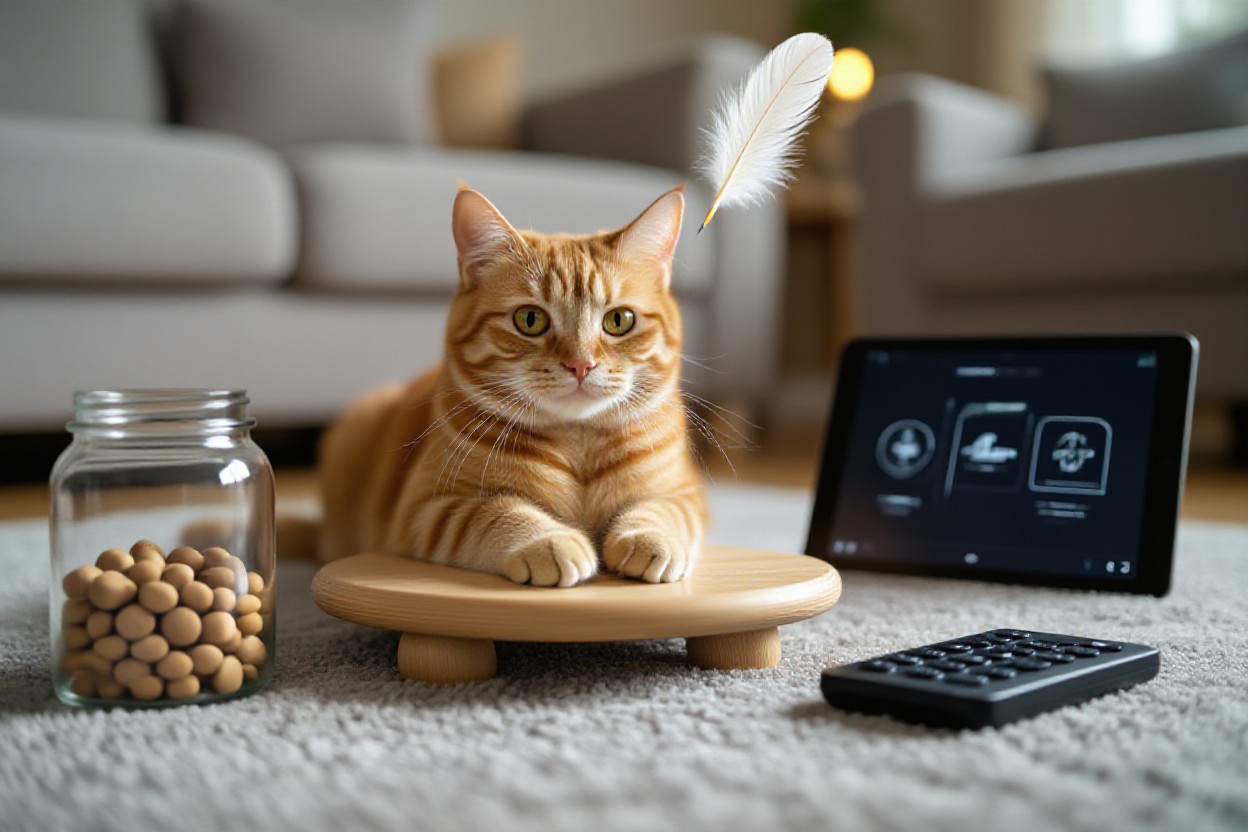
My Cat’s Just Too Hyper! Help!
Your cat doing zoomies at 2 a.m. right after you tried a new trick is basically the feline version of “I’m overstimulated and don’t know what to do with my body.” Hyper cats usually aren’t “bad” – they’re bored, under-challenged, or wired from too much free-feeding. Short, structured trick sessions (2-5 minutes) give all that chaos a job, and suddenly your wild gremlin has an outlet. Hyper energy becomes trainable energy when you guide it instead of fight it.
Recognizing Over-Excitement
That moment your cat starts bunny-kicking your arm mid-session or pupils go full black saucer, you’re not dealing with “cute enthusiasm” anymore. Over-excited cats often swat harder, bite more, and miss cues they nailed 30 seconds ago. Ears flicking back, tail lashing, frantic zoomies between reps – those are your red flags to stop. Ending on a calm, easy trick before things spiral keeps play fun instead of turning into a scratch-fest.
Channeling Energy into Training
When your cat is doing parkour off the sofa, that’s prime time to swap chaos for trick practice. Use that wired energy for high-movement tricks like spin, jump, or chasing a target stick in circles for 5 quick reps.
You can even stack it: 3 minutes of feather toy, then go straight into 2 minutes of simple tricks while your cat’s brain is switched on but not totally feral. Rotate 2-3 tricks, keep it fast, and pay big for focus – like jackpot treats when they nail a cue during peak zoomie mode. Over time, your cat starts to learn that wild energy means “cool, we work together now,” not “time to body-slam the curtains.”
Tips for Distracted Cats
If your cat abandons training to sniff a dust speck or chase imaginary bugs, you’re not alone. Shorten sessions to 60-90 seconds, use high value treats, and train in the least exciting room in your home.
- High value treats (chicken, Churu, tuna flakes) only for training
- Quiet space with doors closed, toys and windows blocked off
- Tiny sessions: 3 cues, big reward, then break
- Clear timing: treat within 1 second of the behavior
You might even keep a “training mat” that only comes out for work, so your cat learns that specific spot means focus time, not random chaos. Recognizing how fast your cat’s brain checks out lets you stop early, reset the scene, and get way better results with less frustration for both of you.
- Patterned routines (same time, same mat) build automatic focus
- Pre-play with a wand toy helps bleed off excess energy
- Micro-goals like one good sit per session keep you motivated
- Environmental control (no TV, no kids running through) boosts success
Training distracted cats often means aiming for progress that looks tiny on paper but feels huge in real life, like getting a full 5 seconds of eye contact before they bolt. Recognizing those small wins and treating them like gold is exactly how you turn your chaos goblin into a cat that can actually focus on fun tricks to teach your cat for interactive playtime.
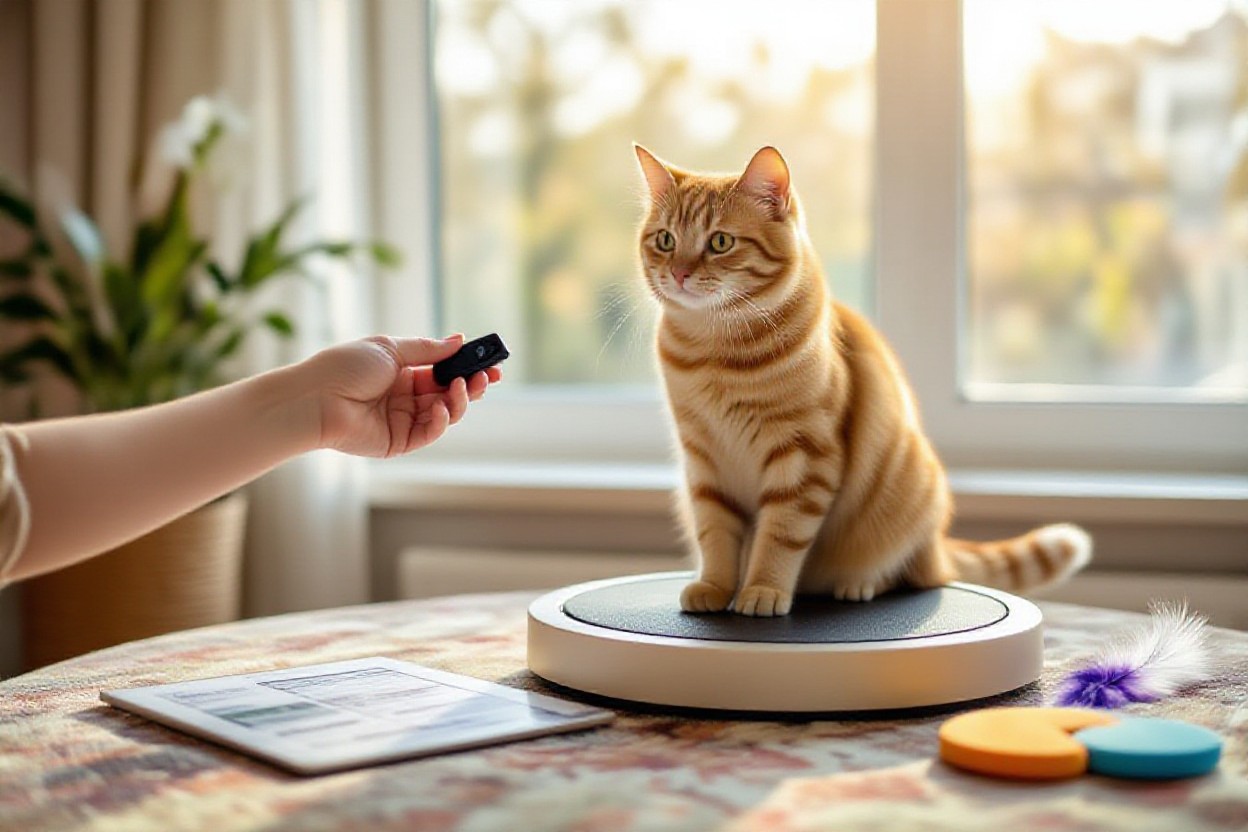
Making Trick Time a Daily Adventure
Turning tricks into a daily thing is how you shift from “cute party trick” to real lifestyle enrichment for your indoor cat. You’re basically giving your cat a 5-minute brain workout that can burn as much energy as a short zoomie session. Slot it right next to habits you already have – morning coffee, post-work snack, bedtime scroll – and your cat starts to anticipate that mental play, which means faster learning and a stronger bond.
Creating a Weekly Trick Schedule
Think of a simple 7-day plan where you repeat the same trick 3-4 days in a row, then rotate. For example: sit on Mon-Tue, high five on Wed-Thu, spin on Fri, then Sat-Sun as “review days”. Keeping it written on your fridge or in your phone keeps you consistent, and that consistency is what turns your cat into the one who shows up and asks to train.
Incorporating Tricks into Regular Playtime
During your usual wand toy session, sneak in one or two cues like sit, spin, or touch before you let the toy “come alive”. You might do 3 quick reps, then reward with both a treat and a 10-second burst of intense play. Over a week or two your cat starts linking tricks with action, which makes training feel like part of the game, not homework.
With regular play, think tiny “trick checkpoints” instead of long training blocks. You could ask for a sit before you toss a crinkle ball, a high five before you open the window, or a spin before you drop that stuffed mouse. Because your cat already loves these moments, they’re high-value rewards baked in. So training sticks better, your cat stays engaged longer, and your normal 10-minute play slot quietly turns into a powerful mental-plus-physical workout.
Keeping Things Fresh and Fun
Every 2-3 weeks, swap in one new variation so your cat doesn’t mentally check out. If you’ve taught high five, try double high five, or change locations – sofa, hallway, cat tree. Rotate reward types too: sometimes treats, sometimes a chase, sometimes a favorite scratch spot. Variety keeps your cat guessing, which keeps them eager to participate instead of bored.
One easy trick to keep things fresh is to run “theme weeks”. You might have a paw week (high five, shake, target touch), then a jump week (through a hoop, onto a stool, over your leg), then a chill week with nose boops and spins. And if your cat starts wandering off or getting snarky, that’s your cue to switch it up, shorten sessions, or raise the reward quality so training stays fun, fast, and voluntary.
FAQs – Your Burning Questions Answered
Wildly enough, the same cat that ignores you at dinner can become obsessed with trick training once you tap into their play drive. In this Q&A, you’ll get straight, no-fluff answers on how long training takes, whether older cats can join the fun, and what to do if your cat just stares at you like you’ve lost your mind. By the end, you’ll know exactly how to keep indoor life mentally rich, playful, and bonding-heavy for both of you.
How Long Will It Take? Seriously, Here’s the Scoop
Progress usually happens faster than you think – most cats nail a simple trick like nose targeting in 3 to 7 short sessions if you keep it fun and reward heavy. You’re not doing hour-long bootcamps here: shoot for 3 to 5 minutes, a couple times a day, and treat any tiny improvement as a win. Some tricks (like high-five) might pop in a weekend, while more complex ones can take weeks, and that’s totally normal.
Can Older Cats Learn Tricks Too?
Age is way less of a barrier than motivation and comfort, so yes, your senior floof can absolutely learn tricks and even outperform a chaotic kitten in focus. Many 8 to 14 year old indoor cats thrive with low-impact tricks like targeting, chin rest, or gentle spins that keep their brain busy without rough play. Just keep sessions short, surfaces soft, and rewards extra tasty.
With older cats, you’ll want to treat training like cozy brain yoga, not a workout session. Swap jumps and fast spins for tricks done on the floor or sofa: touching a target, following a hand, paw target to a soft mat, or a calm sit on cue. Because joints can be creaky, keep heights low, use rugs for traction, and watch for tiny signs of fatigue like slower responses or grooming mid-session. Many senior cats actually focus better than youngsters, so you can use that to teach very precise, slow, confidence-building tricks that make them feel safe and clever, not pressured.
What If My Cat Just Doesn’t Get It?
If your cat looks at you like you’re speaking alien, it usually means the trick is too big or the reward isn’t exciting enough, not that they’re “untrainable”. Break the trick into baby steps, switch to a higher-value treat (like lickable tubes or tiny chicken bits), and train at your cat’s favorite time, not yours. Sometimes, just changing location to a quiet room or turning off distractions flips the switch and suddenly it clicks.
When a trick flops over and over, that’s your cue to simplify the game, not to push harder. Reward the tiniest thing that even vaguely points in the right direction – a head turn, a paw lift, one step toward your hand – and build from there like stacking Lego bricks. And if your cat is food full or zoomy, pause and try again later, because a tired, slightly hungry cat usually learns faster. Above all, aim for a 90 percent success rate so your cat feels like a genius, because confidence is the secret fuel that makes tricky behaviors finally land.
The Real Deal About Consistency – Sticking to It
Studies show cats can form stable habits in as little as 2-3 weeks, so your trick training really lives or dies on simple consistency. You don’t need hour-long sessions, you just need short, predictable ones that your cat can count on. When your timing, rewards, and cues stay the same, your cat stops guessing and starts nailing the trick. Consistent reps are what turn “maybe” behaviors into automatic, reliable responses, which is exactly what you want for fun, low-stress interactive play.
Why Daily Practice Matters
Five minutes of focused training every day beats a 45 minute marathon on Sunday, every single time. Your cat’s brain works like ours with repetition: short, frequent sessions build stronger pathways so tricks stick faster and fade slower. Daily practice also keeps playtime predictable, which indoor cats absolutely thrive on. When your cat knows there’s a fun, rewarding session coming each day, they’ll start showing up ready to work and actually ask for training instead of wandering off mid-trick.
Celebrating Progress No Matter How Small
Behavior studies show shaping tiny steps – like a head turn or paw lift – speeds learning way more than waiting for the “perfect” trick. So when your cat moves even 10 percent closer to the behavior you want, throw a tiny party. Those micro-wins are what keep both of you motivated. If you only reward the final polished trick, your cat will stall out and you’ll get frustrated fast, which is the quickest way to kill your interactive play momentum.
In practical terms, that means you treat the first time your cat glances at the target, the first half-sit, the messy little high five, like big deals. You might use a higher value reward for these early breakthroughs – like a special treat you only use for training – so your cat goes, “oh wow, that worked.” Over a few sessions you raise the bar slowly, asking for just a bit more each time while still paying well. This steady drip of tiny successes keeps your cat’s confidence up and your own patience intact, so tricks stay fun instead of feeling like a test.
Don’t Get Discouraged – Every Cat is Different
Research on feline learning shows some cats pick up new tasks in 1-2 sessions, while others need a week or more of casual practice to click. If your neighbor’s cat is already high-fiving and yours is still sniffing the target, that doesn’t mean you’re doing it wrong. It just means you’re working with a different personality and pace. Comparing your cat to someone else’s is the fastest way to burn out and quit right before progress shows up.
You might notice your food-motivated cat crushes “sit” in two days but takes ages to care about “spin” or “jump through hoop” tricks. Or your shy rescue cat may need 3 extra sessions just to feel safe near your hand before offering any paw behavior at all, and that’s fine. Some cats respond better to play rewards than food, some need quieter environments, some like super-short 60 second sessions. When you treat your cat’s quirks as training data instead of problems, you can tweak the setup, not blame yourself or your cat, and that’s when training actually gets fun for both of you again.
Final Thoughts – Taking Your Training to the Next Level
Progress with cat tricks rarely happens in a straight line, so you treat it like a long game, not a weekend project. Aim for tiny 2-3 minute sessions, 2-4 times a day, and you’ll see way better results than a single 20-minute slog. Rotate tricks so your indoor cat never checks out mentally, and keep your criteria flexible – if your cat is tired or stressed, you dial it back. Consistency beats intensity every single time, especially with sensitive, indoor-only cats.
Continuing Your Cat’s Learning Journey
Every mastered trick is basically a shortcut to the next one, so you stack them instead of starting from scratch each time. A simple nose target becomes a spin, a spin becomes weaving through your legs, and suddenly you’ve built a full 30-second routine. Try tracking progress in a quick notes app with the date, trick name, and difficulty from 1-5. When you can see the wins, you’re way more likely to keep going.
Finding New Tricks to Try
New tricks land best when they match your cat’s natural habits, so you use what your cat already loves to do. A paw-heavy cat is perfect for high-five, shake, and bell-ringing, while jumpy cats thrive on hoop jumps and perch work. Aim for 1-2 new tricks per month so you’re building steadily without overwhelming either of you. Always pair a new trick with a favorite “easy win” trick in the same session.
If you’re stuck for ideas, scroll slow-mo videos of your cat and literally ask, “What move is she doing already that I can put on cue?” Maybe she stretches tall on the fridge – hello, “stand!” Maybe he bats toys off the shelf – that’s the start of a “push” or “soccer” trick. Search YouTube for “cat trick tutorials” and filter by videos under 10 minutes, then cherry-pick only tricks that fit your cat’s age, body type, and confidence level. Your goal isn’t to copy a circus routine, it’s to build a custom set of fun tricks that keep your specific indoor cat mentally lit up.
Remembering to Keep It Fun
Training should feel like playtime with rules, not school with detention. If your cat walks off mid-session, you just got feedback – it’s too long, too hard, or not paying well enough. Shorten to 5 reps, use higher-value treats, and end sessions after a win, not after a flop. If both of you aren’t having fun, the trick simply won’t stick.
On days when everything feels a bit off, switch to “party mode” training: super easy tricks, silly voices, rapid rewards, then done. Rotate rewards too – some cats go harder for play than food, so use a 20-second feather chase instead of yet another treat. Mix in “free choice” moments where you pause and let your cat offer any behavior, then you jackpot anything cute or funny. When your cat thinks training means games, snacks, and zero pressure, that’s when you unlock the really impressive tricks.