With a simple routine and the right tools, you can keep your fish healthy and your tank clear without stress. As a beginner, focus on gentle, consistent care: regular water changes, basic filter maintenance, and monitoring water chemistry will prevent most problems.
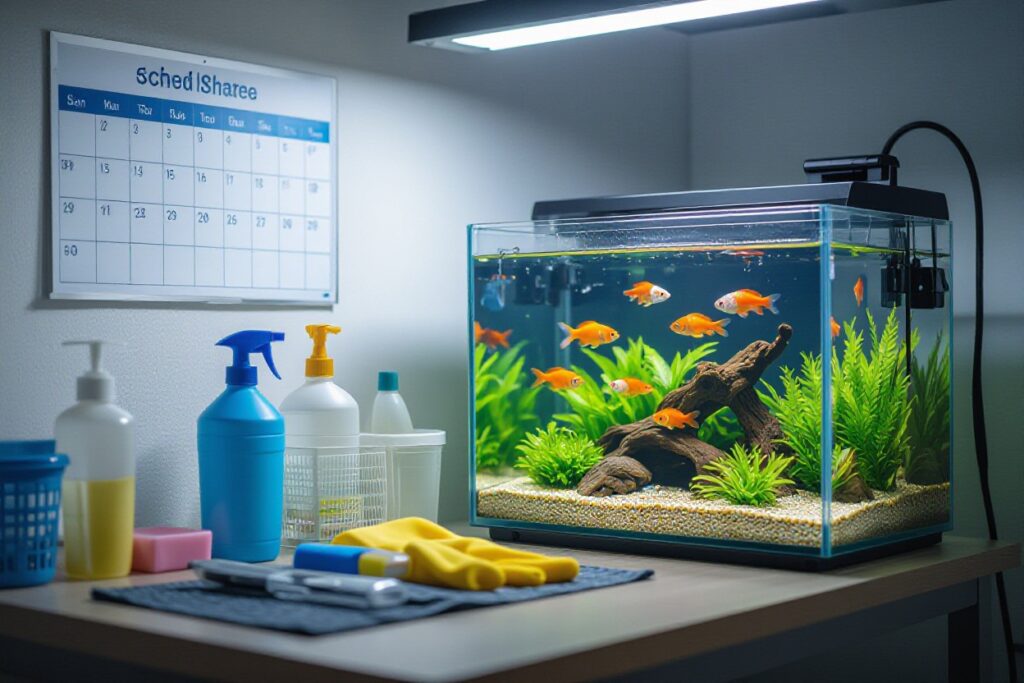
Gather basic supplies: a siphon or gravel vacuum, a bucket reserved for aquarium use, a dechlorinator, a fish-safe glass scraper, a test kit for ammonia, nitrite and nitrate, and replacement filter media if needed. Use towels to protect surfaces and a thermometer to check temperature while you work.
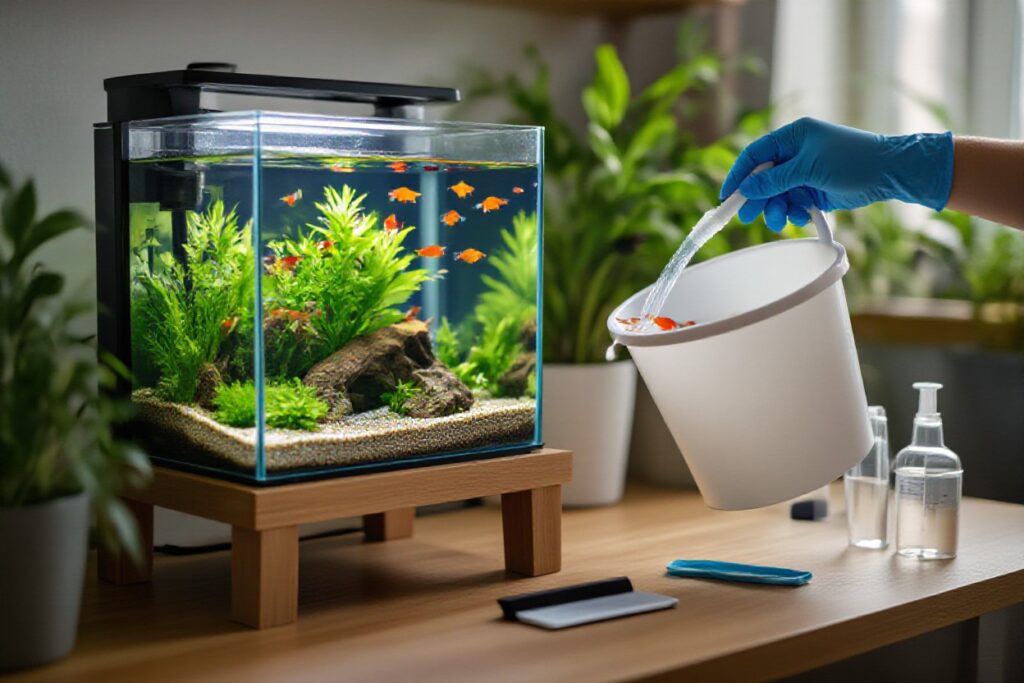
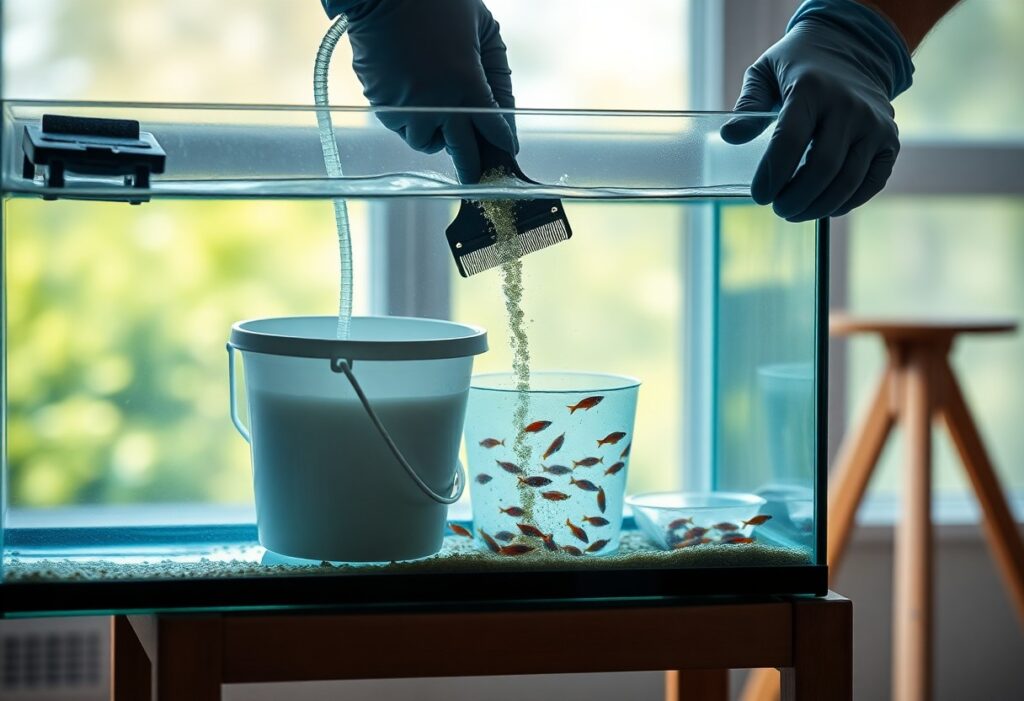
Weekly maintenance is your core task: perform a partial water change of about 20-30%. Use the siphon to remove debris from the substrate and collect the water in your reserved bucket. Replace removed water with treated, temperature-matched water using a dechlorinator. Clean the inside glass with a fish-safe scraper and remove visible algae, but avoid excessive disturbance of decorations and plants.
Handle the filter carefully: rinse mechanical media (sponges, floss) in removed tank water to preserve beneficial bacteria; replace chemical media (carbon) per manufacturer guidance. Avoid rinsing biological media in tap water, and do not clean the entire filter at once to maintain biological filtration. Schedule a deeper filter inspection and partial media replacement about monthly, depending on stocking and flow.
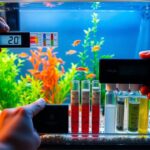
Test water weekly with your test kit. Aim for ammonia and nitrite at 0 ppm and manageable nitrate levels (often under 40 ppm for many species). Control feeding to reduce waste-feed only what your fish eat in a couple of minutes. If you see persistent cloudiness, strong odors, or stressed fish, perform extra partial water changes and review stocking and filtration. Avoid soaps or household cleaners; always use products labeled aquarium-safe.
Consistent, gentle care and monitoring will keep your aquarium stable and enjoyable. Over time you will refine schedules and techniques based on your tank’s size, stocking, and equipment.