Many pet owners underestimate how regular activity shapes behavior and mood: when you commit to daily play and walks, your pet shows reduced anxiety, less destructive behavior, and clearer focus, while lack of exercise increases risk of obesity, chronic illness, and agitation; by matching exercise to your pet’s needs you reinforce training, improve socialization, and boost overall wellbeing.
The Connection Between Exercise and Behavior
Understanding Pet Behavior
When your pet acts out-chewing furniture, excessive barking, or overgrooming-those are signs of unmet physical or mental needs. If you provide consistent outlets, like interactive play or scent games, you often see rapid improvement; for example, 10-15 minute play sessions twice daily can cut restless pacing and attention-seeking by a noticeable margin. Watch for separation anxiety and aggression as high-risk behaviors that often stem from boredom or stress.
The Role of Physical Activity
Regular exercise changes chemistry: it raises endorphins and dopamine while lowering cortisol, which improves mood and impulse control. For dogs, aim for roughly 30-120 minutes daily based on breed energy-a Border Collie needs closer to 90 minutes, a Labrador about 60-while cats benefit from multiple 10-20 minute chase sessions. You’ll see calmer, more trainable pets when activity is consistent.
Varying activities matters: combine aerobic work, obedience drills, and scent or puzzle tasks to burn physical and mental energy. For example, 20 minutes of nosework can be as tiring as a 30-minute run. Take care with puppies and brachycephalic breeds-avoid high-impact exercise before growth plates close (about 12 months for small breeds, 18 months for large breeds) to prevent injury.

Types of Exercises for Pets
| Walking | Daily 20-60 min; improves cardio, reduces anxiety, easy to scale by pace and distance. |
| Fetch & Retrieving | 10-30 min bursts; builds focus, burns 200-500 kcal/hr for active dogs, good for recall training. |
| Swimming | Low-impact 15-30 min sessions; ideal for joint issues, weight loss, but watch for fatigue and cold water. |
| Interactive Toys & Puzzles | 5-20 min mentally intense play; reduces boredom, improves problem-solving, rotates to maintain interest. |
| Agility & Training | 2-4 short sessions weekly; combines physical and mental work, enhances obedience and confidence. |
- Walking
- Fetch
- Swimming
- Puzzle Toys
- Agility
Outdoor Activities
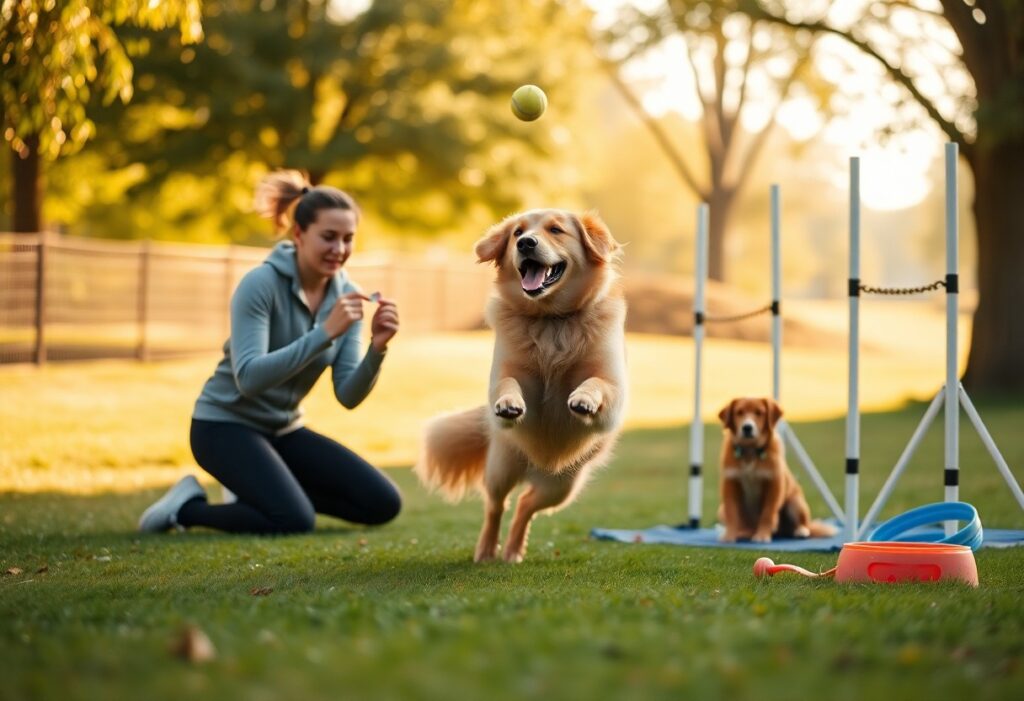
You can use varied outdoor options like 30-60 minute walks, 20-40 minute fetch sessions, or hiking on trails to provide both physical and socialization benefits; monitor temperature because heatstroke and paw pad burns are real risks in summer, and use a harness or leash to prevent escapes-for cats, short 10-20 minute harness walks are effective for enrichment.
Indoor Games
You should schedule 10-20 minute indoor play blocks using tug, short fetch down a hallway, or treat puzzles to deliver mental stimulation when outdoor time is limited; rotate toys every week and watch for signs of resource guarding during competitive games.
To expand indoor options, set up scent trails, hide-and-seek with treats, or simple agility courses using household items; you can combine 3-5 short training drills per session to reinforce commands and burn energy, and always remove toys with small parts to prevent choking-Assume that you limit sessions to 5-15 minutes per game and swap toys weekly to maintain novelty.
Benefits of Regular Exercise
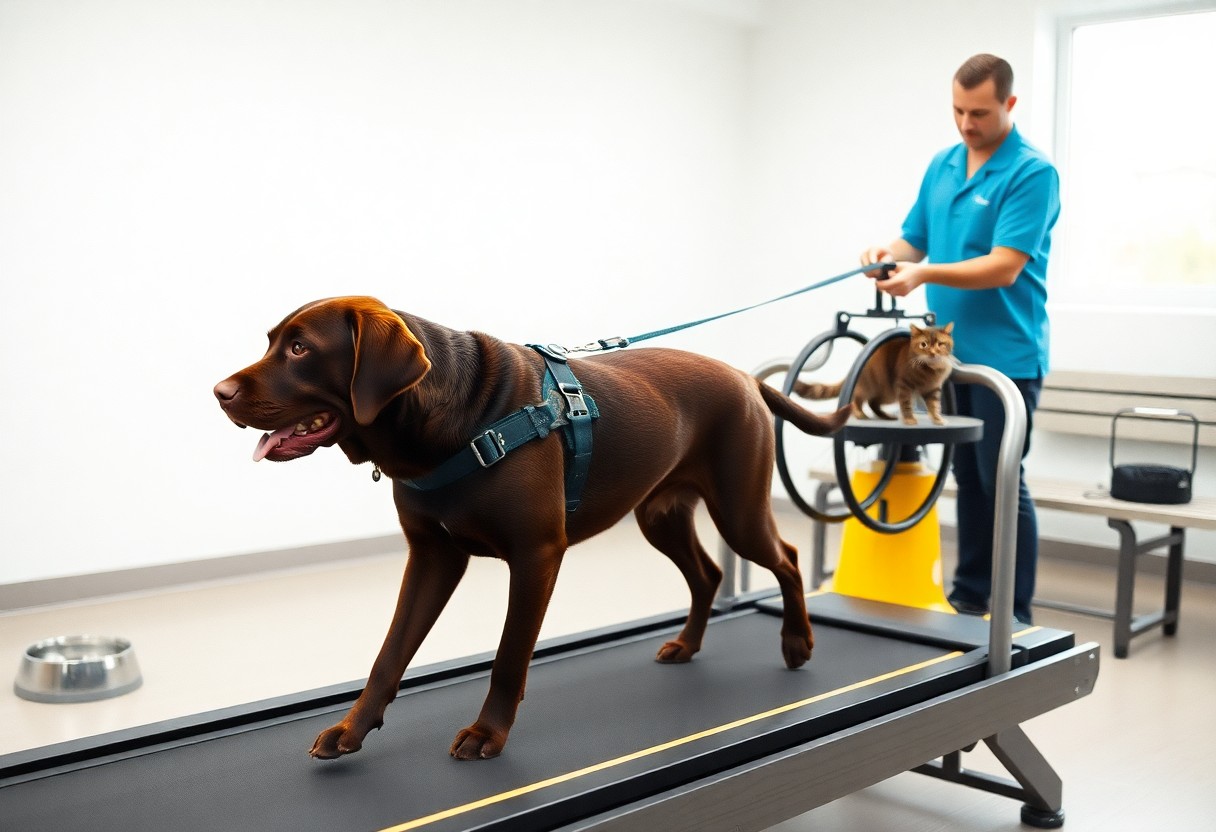
Consistent activity delivers clear wins: better sleep, sharper focus, and fewer behavior problems. For most dogs, aim for 30-90 minutes daily depending on breed and age; cats benefit from multiple 10-15 minute play bouts. You’ll see reduced pacing, less destructive chewing, improved social skills, and a lower risk of obesity. Programs at shelters that add daily walks also report calmer kennels and faster adoptions, showing how routine exercise changes behavior and wellbeing.
Improved Mood and Energy Levels
Exercise triggers endorphins and increases serotonin, so your pet is calmer yet more engaged. A brisk 20-30 minute walk often reduces hyperactivity for several hours, while working breeds usually need 60+ minutes to avoid frustration. Mixing aerobic play with scent games or training channels energy constructively, and you’ll notice better focus during meals and training sessions when your animal gets the right amount of movement.
Decreased Anxiety and Stress
Physical activity lowers stress hormones like cortisol and redirects nervous energy into constructive outlets. You’ll observe less whining, pacing, and reactivity after regular sessions; shelter studies show daily walks and enrichment reduce anxiety-related behaviors. Combining exercise with predictable routines helps your pet anticipate calm periods and builds resilience to triggers that used to provoke fear or overarousal.
For separation anxiety, try two 15-25 minute sessions-one before you leave and one when you return-paired with puzzle feeders to extend calm. For fearful dogs, use short, controlled walks that gradually expose your pet to triggers while keeping distance, and reward relaxed behavior. For cats, schedule three 10-15 minute interactive sessions using wand toys. Always monitor intensity and avoid heatstroke in hot weather to keep exercise safe and effective.
Tailoring Exercise to Your Pet
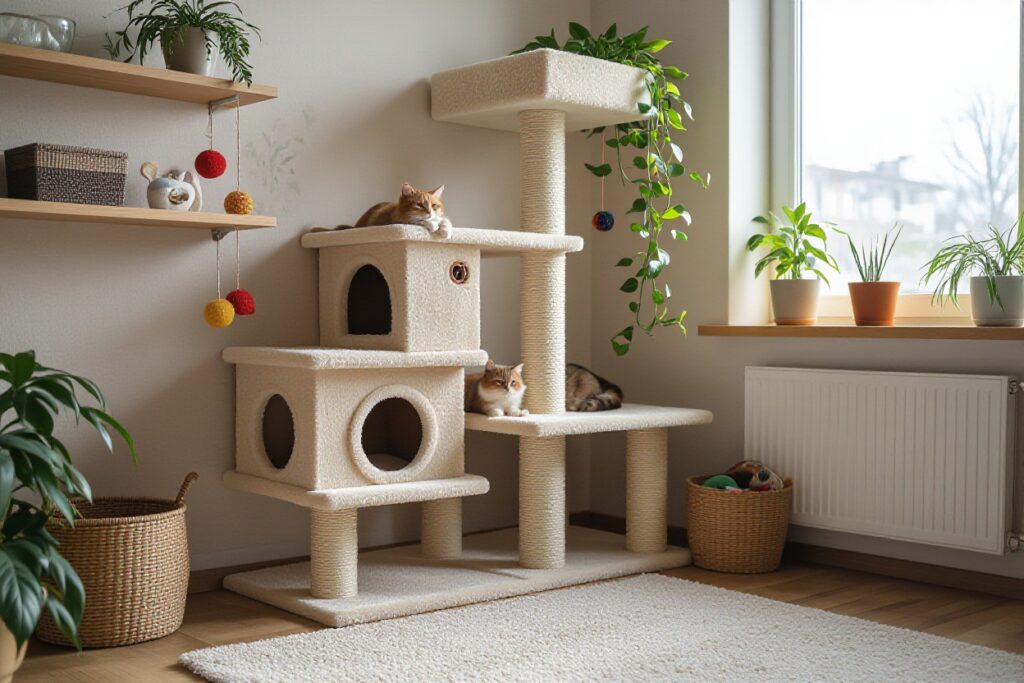
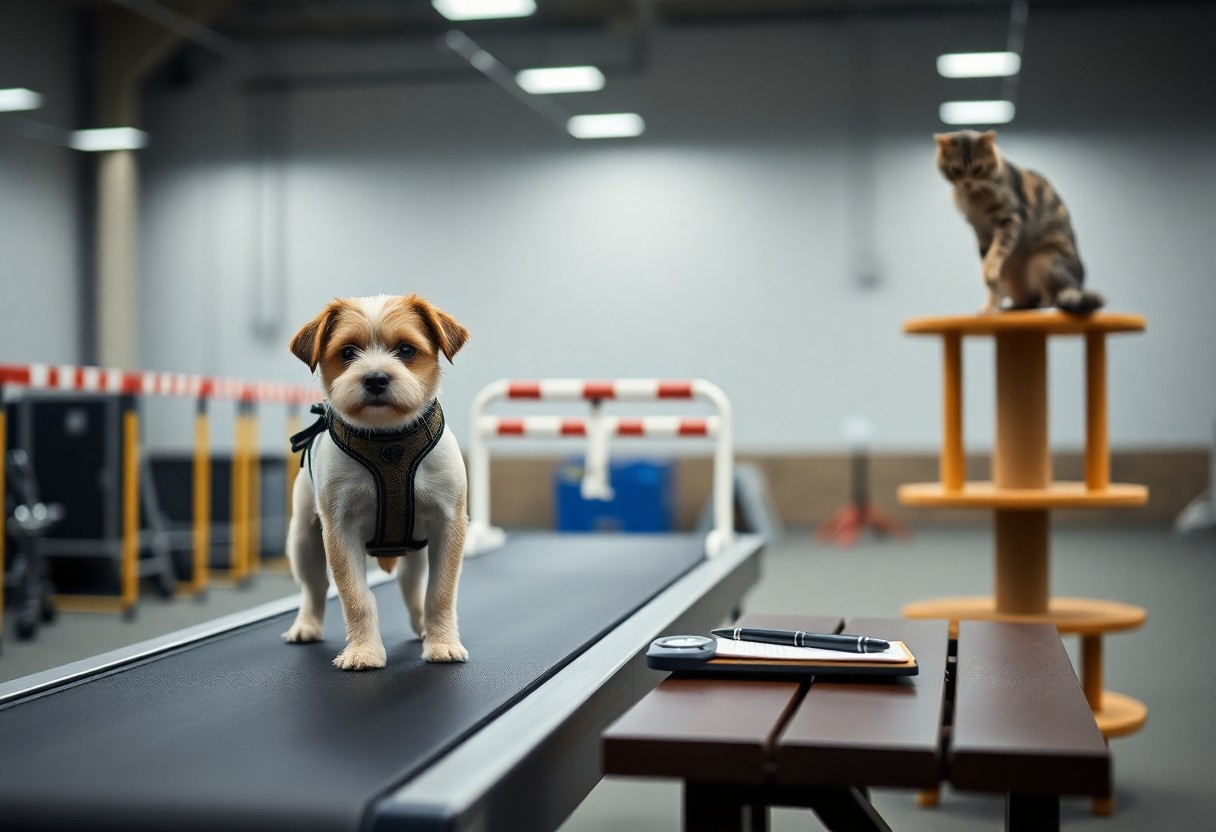
You’ll match activity to temperament and health: high-energy breeds often need 60-120 minutes daily of mixed play and training, while moderate dogs do well with 30-60 minutes, and low-energy pets thrive on 20-30 minutes plus enrichment. Rotate walks, fetch, scent games and puzzle toys to prevent boredom. For cats combine short, vigorous 5-15 minute play sessions and vertical spaces. Monitor recovery and appetite to fine-tune duration and intensity.
Breed-Specific Needs
You should prioritize scent work for hounds (Beagles) and structured tasks for herding breeds (Border Collies) because mental stimulation reduces problem behaviors. Labradors and Spaniels excel with swimming and retrieve drills; brachycephalic breeds (Bulldogs, Pugs) require short sessions in cool conditions due to restricted airways and higher heat risk. Adjust frequency: e.g., scent work 20-30 minutes, intensive herding drills 30-60 minutes with breaks.
Age and Health Considerations
Puppies need multiple brief sessions-5-15 minutes, several times daily-to protect growth plates; avoid long runs until large breeds reach 12-18 months. Adults can handle steady 30-120 minute routines by breed, while seniors benefit from low-impact options like swimming and short leash walks. Watch for post-activity stiffness and consult your vet before increasing intensity.
For pets with arthritis, obesity or post-op recovery, reduce high-impact activity and introduce hydrotherapy or controlled leash walks; clinical experience shows a 5-10% weight loss often improves mobility. A practical plan is 10-15 minute walks twice daily, increasing by 5 minutes weekly as tolerated, and coordinating with your vet or a veterinary physiotherapist for tailored rehab and pain control.
Creating a Routine
Set walks and play at consistent times each day-morning and evening for most dogs, short bursts for cats-to anchor behavior and digestion. Aim for a predictable pattern: dogs often need 30-120 minutes of activity daily depending on breed and age; cats benefit from 2-3 sessions of 10-15 minutes. Consistency reduces anxiety and nighttime restlessness.
Setting Goals for Your Pet
Break goals into weekly, measurable steps: increase walk time by 5-10 minutes each week, or add one extra 15-minute play session to reach a target like 60 minutes/day for high-energy breeds. Track progress with a simple journal or app, and if you see aggression or fatigue, scale back and consult your vet.
Incorporating Play into Daily Life
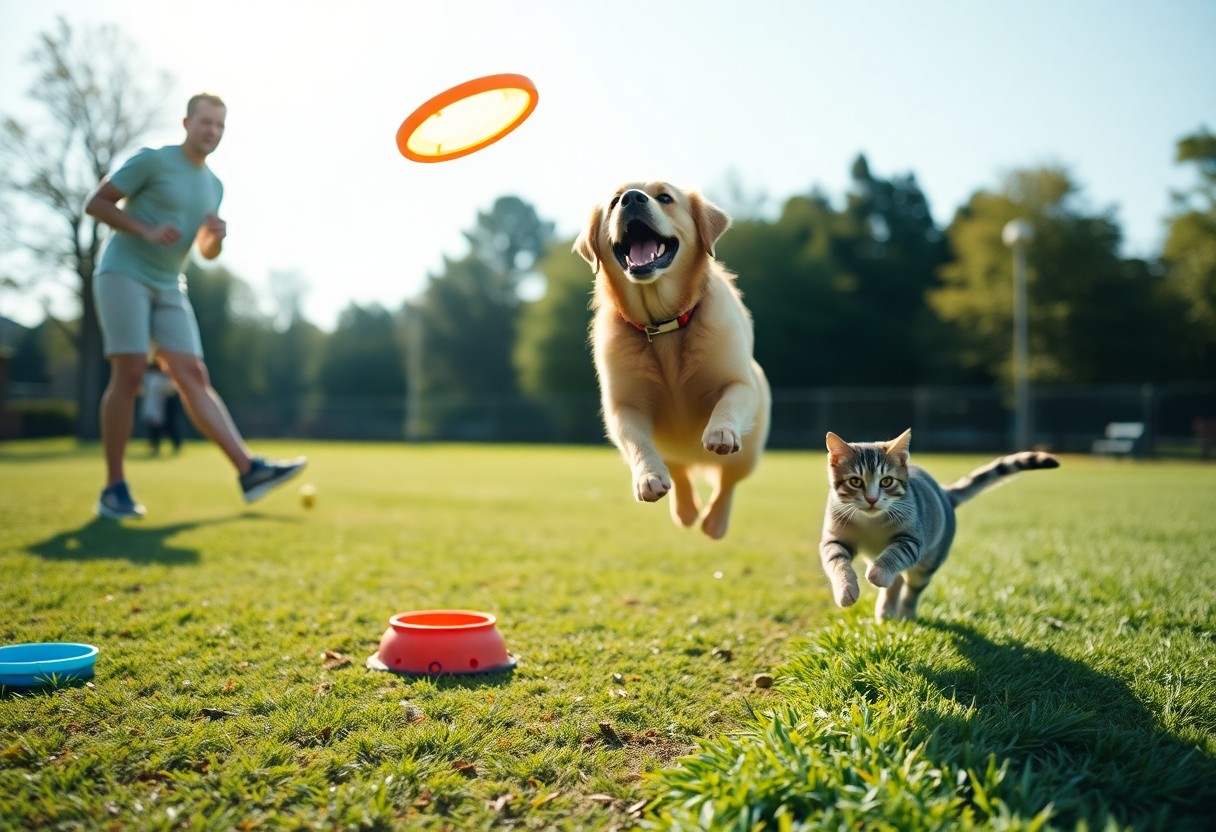
Rotate games to keep engagement high: fetch and tug for dogs, feather wands and puzzle toys for cats. You can sneak short sessions into chores-5 minutes after toilet breaks or before meals-to burn energy and reinforce routines. Inspect toys regularly; damaged toys can be a choking hazard.
For deeper benefit, mix physical and mental play: scent trails, food-dispensing toys that extend mealtimes to 10-20 minutes, or a simple backyard agility loop. Use laser play paired with a capture toy for cats to avoid frustration. Supervise rough play, watch for heavy panting or limping, and stop immediately if your pet shows signs of overheating or injury.
Additional Benefits Beyond Behavior
Regular activity also produces wide-ranging gains: it reduces your pet’s risk of weight-related disease, sharpens cognitive skills, and improves socialization during walks or playdates. With roughly 56% of dogs estimated overweight or obese, fitting targeted exercise into daily life can meaningfully extend mobility and quality of life. You’ll notice better sleep patterns, fewer repetitive behaviors, and improved responsiveness when exercise is consistent and tailored to breed and age.
Health Improvements
Exercise controls weight, strengthens cardiovascular and respiratory systems, and preserves joint range of motion; for most dogs 30-60 minutes daily lowers obesity risk, while high-drive breeds often need up to 2 hours. It improves insulin sensitivity in diabetic pets and, when paired with vet guidance, can slow osteoarthritis progression. You should scale intensity by age and condition and monitor for lameness or excessive panting.
Strengthening the Human-Pet Bond
Shared workouts create predictable, rewarding interactions that deepen trust: you give clear cues during training walks, reward calm behavior after play, and learn your pet’s signals in real time. Embedding short obedience drills-five to ten minutes-within outings improves recall and reduces separation stress. Over time, those consistent positive experiences make your relationship more cooperative and resilient.
Varying activities keeps both of you engaged: try 15 minutes of scent work, a 20-minute brisk walk, then a brief game of fetch or tug to practice impulse control. Joining a weekly class or low-impact dog sport builds teamwork and gives structured feedback on handling skills. Always watch for fatigue signs and environmental risks; overexertion or heat stress can cause serious harm, so pace sessions to your pet’s limits.
To wrap up
With this in mind, regular exercise helps your pet release excess energy, reduces anxiety and destructive behaviors, strengthens bonding through shared activity, and improves mental stimulation and sleep-leading to a calmer, more sociable companion. By tailoring activities to your pet’s age and breed and maintaining consistency, you enhance your pet’s mood and make everyday training and interactions far more enjoyable for both of you.
FAQ
Q: How does regular exercise change my pet’s behavior and mood?
A: Regular physical activity helps pets burn excess energy, which often reduces hyperactivity, excessive barking, digging, and chewing. Exercise triggers the release of endorphins and other neurotransmitters that lift mood and lower anxiety, producing calmer, more focused animals that sleep better. Physical activity also provides mental stimulation-problem-solving during play or scent work reduces boredom-driven behaviors and the development of compulsive habits. Over time, well-exercised pets are more responsive to training and social interactions because they are less stressed and more engaged.
Q: What types and amounts of exercise work best for different pets?
A: Tailor activity to species, age, size, and breed. Dogs often need a mix of aerobic exercise (walks, runs, swimming) and interactive play (fetch, tug, scent games); high-energy breeds may need two or more sessions totaling 60-120 minutes, while small or senior dogs may do well with several shorter walks and gentle play. Cats benefit from short, frequent sessions (5-15 minutes) of high-intensity play using wand toys, chasing games, climbing structures, and puzzle feeders. Rabbits and ferrets need supervised free-roam time and obstacle-rich spaces; rodents require wheels and tunnels sized appropriately. Combine physical activity with mental challenges-training, scent toys, or food puzzles-to maximize behavioral benefits. Adjust intensity for health status and climate; stop if the pet pants excessively, limps, or seems disoriented.
Q: How do I start an exercise routine and address behavior problems that don’t improve with activity alone?
A: Start gradually-short, regular sessions that increase in duration and intensity as fitness improves. Use positive reinforcement to make exercise rewarding (treats, praise, play). Keep a consistent schedule so activity becomes a predictable outlet for energy. If destructive behavior, aggression, or severe anxiety persists despite adequate exercise and enrichment, consult a veterinarian to rule out pain or medical causes, then work with a certified trainer or veterinary behaviorist for a targeted plan. Combine exercise with structured training, environmental management (secure chew items, safe play zones), and enrichment rotation; in some cases, behavior modification, medication, or specialized interventions are necessary alongside increased activity.