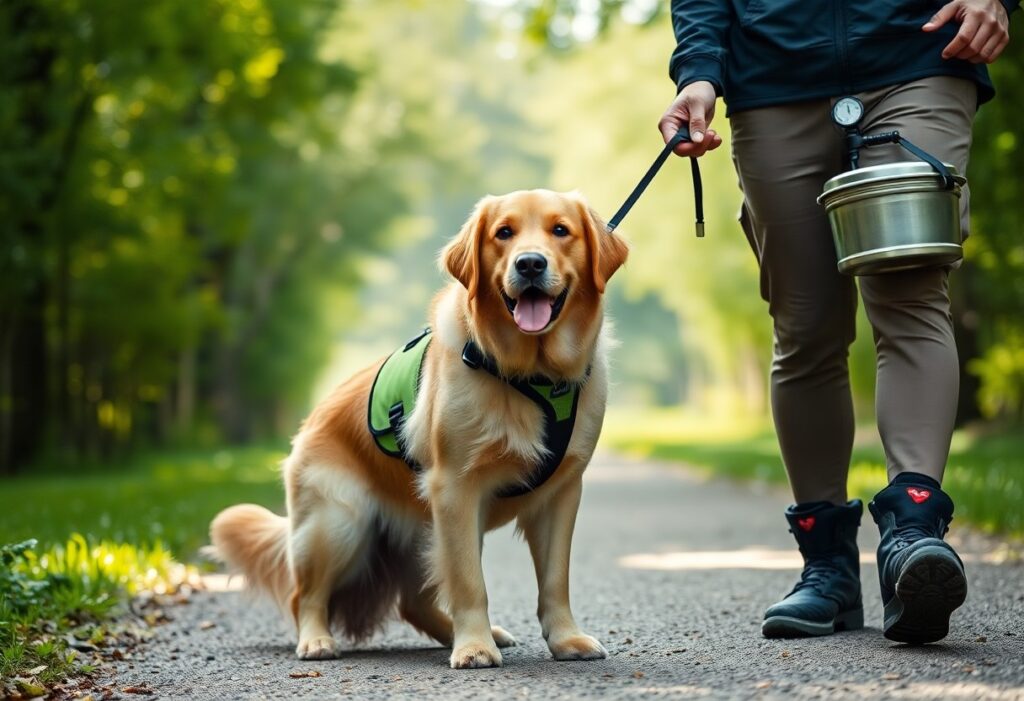
It’s your responsibility to provide consistent, safe activity to keep your pet fit and engaged; set a routine that includes daily exercise, varied play for mental stimulation, and paced sessions to prevent obesity. Watch for signs of distress to avoid heatstroke or injury, use positive reinforcement, and tailor workouts to breed, age, and health. Consult your vet for limits and adjustments so your pet stays active, safe, and content.
Understanding Your Pet’s Exercise Needs
When planning activity, match intensity and duration to your pet’s breed, age and health: dogs commonly need between 30-120 minutes daily depending on energy level, while indoor cats benefit from 20-60 minutes of interactive play across sessions. You should watch for signs of overexertion-heavy panting, lagging, or limping-and adjust routine immediately, because pushing too hard can cause injury or heat-related illness in susceptible pets.
Different Exercise Needs by Breed
Herding breeds like Border Collies often require 1-2 hours of vigorous activity plus mental work (agility, fetch), whereas brachycephalic dogs (Pugs, Bulldogs) do best with 20-30 minute low-intensity sessions and strict heat limits; sighthounds prefer short sprint play, and Huskies thrive on endurance runs. For example, a 3-year-old Border Collie named Max stayed balanced with daily 90-minute combos of running and training, while a Labrador typically does well with an hour of mixed activity.
Age and Health Considerations
For puppies use the guideline of about 5 minutes per month of age (up to twice daily) until growth plates close around 12-18 months to avoid joint damage; seniors often need shorter, gentler sessions-15-30 minutes-focusing on low-impact movement and mobility work. You should slow or stop activities if your pet has arthritis, heart or respiratory disease and consult your vet for tailored limits.
Hydrotherapy and controlled treadmill work can improve strength without joint stress-one case: a 10-year-old Labrador with arthritis regained comfortable walks after twice-weekly hydrotherapy and 20-minute daily strolls. Monitor your pet’s gait and breathing closely; if you see limping, excessive panting (>40 breaths/min at rest), weakness, or collapse, stop exercise and seek veterinary care immediately.
Effective Exercise Techniques
Mix steady-state cardio like 20-60 minute walks with high-intensity intervals-5-minute sprint or fetch rounds-to improve stamina and lean mass; if you have a young, high-energy dog aim for 45-60 minutes daily, while seniors do better with 20-30 minutes. Add 5-10 minute training bursts and scent games to increase mental load, and watch posture and breathing for signs of overexertion.
Outdoor Activities
Take advantage of varied terrain: 20-40 minute hikes build strength, off-leash play in a secure park enhances socialization, and 10-20 minute swims are low-impact for joints. Always use a harness and leash where required, keep flea/tick prevention current, and avoid hot surfaces or temps above 25°C (77°F) because of elevated heatstroke and paw-burn risks.
Indoor Engagement
Use puzzle feeders, tug, hide-and-seek, and short treadmill sessions when outdoor time is limited; schedule several 10-15 minute cat sessions or 15-30 minute dog bursts per day. Rotate toys weekly to prevent boredom and supervise any item with small parts since those are choking hazards. Include scent boxes and basic obedience drills to tire them mentally.
For more depth, create a DIY scent trail with 5-8 hidden treats for 5-10 minutes, repeat twice daily, or use a muffin tin covered by tennis balls for quick 5-minute puzzles; add 2-3 stair-climb sets to raise heart rate safely. Rotate chew, puzzle, and interactive toys, deploy non-slip mats for high-energy play, and avoid small, breakable objects that pose a choking or ingestion danger while you supervise new activities.
Creating a Routine
Create a routine by blocking consistent activity windows: aim for two daily sessions-your dog typically needs 30-90 minutes total (e.g., a 30-45 minute walk plus a 15-30 minute play session), while your cat thrives on 10-15 minute interactive play 2-3 times daily. Set fixed times to reduce your pet’s anxiety and support sleep cycles; consistency is the most effective tool. Avoid intense exercise when your local temperature exceeds 85°F to prevent heatstroke.
Establishing a Regular Schedule
Map your day with time blocks-set alarms so you and your pet follow a reliable pattern: 7:00 short 15-20 minute leash walk, 12:30 five-15 minute play or training break, 6:00 30-45 minute walk or hike. If you have a puppy, give multiple 5-10 minute sessions every 2-3 hours; seniors often prefer 15-20 minute low-impact outings. Watch for labored breathing or limping and scale back immediately.
Incorporating Variety
Rotate activity types-plan 3-4 different sessions per week such as structured walks, 15-20 minute nose work, one swim, agility or tug games-so your pet gets physical and mental stimulation. Hounds excel at scent work; terriers love chase-based play. You should add two daily 5-15 minute puzzle or training bursts to reduce boredom. Owners of brachycephalic breeds must avoid strenuous exertion in heat and monitor closely for overheating.
Build a weekly rotation-for example: Mon 30-minute walk + 10-minute training, Tue swim 20 minutes, Wed 20-minute nose work, Thu 45-minute hike, Fri park play 30 minutes, Sat agility 20-30 minutes, Sun light play/rest. You should rotate toys every 1-2 weeks and use puzzle feeders 3-5 times weekly for mental work. When increasing load after a break or injury, limit weekly increases to no more than 10% and schedule rest days to prevent soft-tissue injury.
Tools and Resources for Pet Exercise
Recommended Equipment
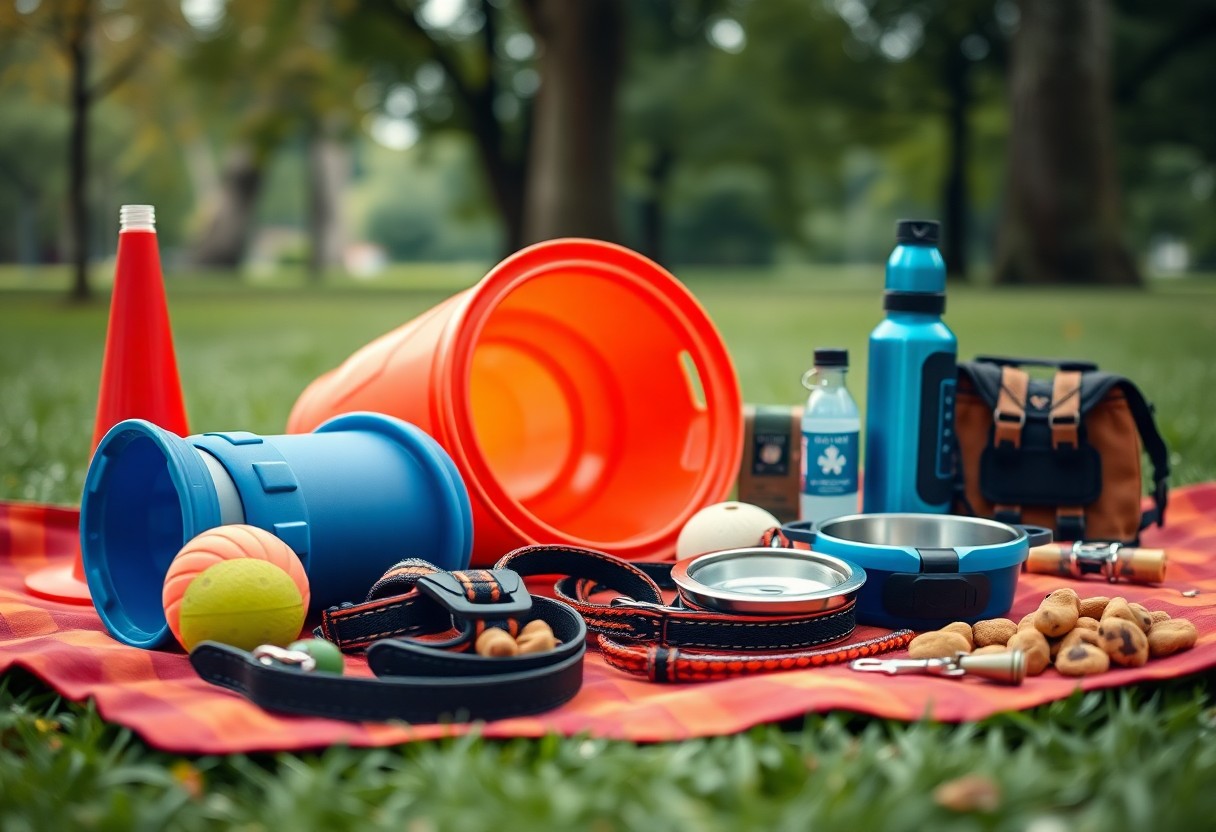
A sturdy front‑clip harness eases pulling and protects the neck, while a 6‑foot non‑retractable leash gives control without sudden jerks; you should prefer reflective gear for night walks and a martingale for escape‑artists. For high‑energy sessions, a ball launcher that throws 20-30 ft or agility tunnels and weave poles provide focused outlets, and treat puzzle feeders reduce boredom. Avoid small, easily chewed toys that pose a choking hazard and consult your vet before using weighted vests for conditioning.
Utilizing Technology
Activity trackers like FitBark or Whistle record steps, rest and calories and often cost $80-$200; GPS collars and geofencing cut search time if your pet bolts, while automatic ball launchers and smart feeders schedule play and meals. Many apps let you set goals (for example, 30 minutes/day for most dogs or 10-15 minute play bursts twice daily for cats) and sync data with your vet so you can spot trends early and adjust plans.
Calibrate any tracker over 1-2 weeks to establish your pet’s baseline, then aim for incremental increases of about 10-20% in active time per week; use inactivity alerts to detect potential lameness or illness before it worsens. Start treadmill sessions at 0.5 mph for 3-5 minutes and add 1-2 minutes daily, watching for fatigue, since improper speed or lack of supervision can be dangerous. Share collected data with your vet to guide safe, measurable progress.
Safety Tips for Exercising Pets
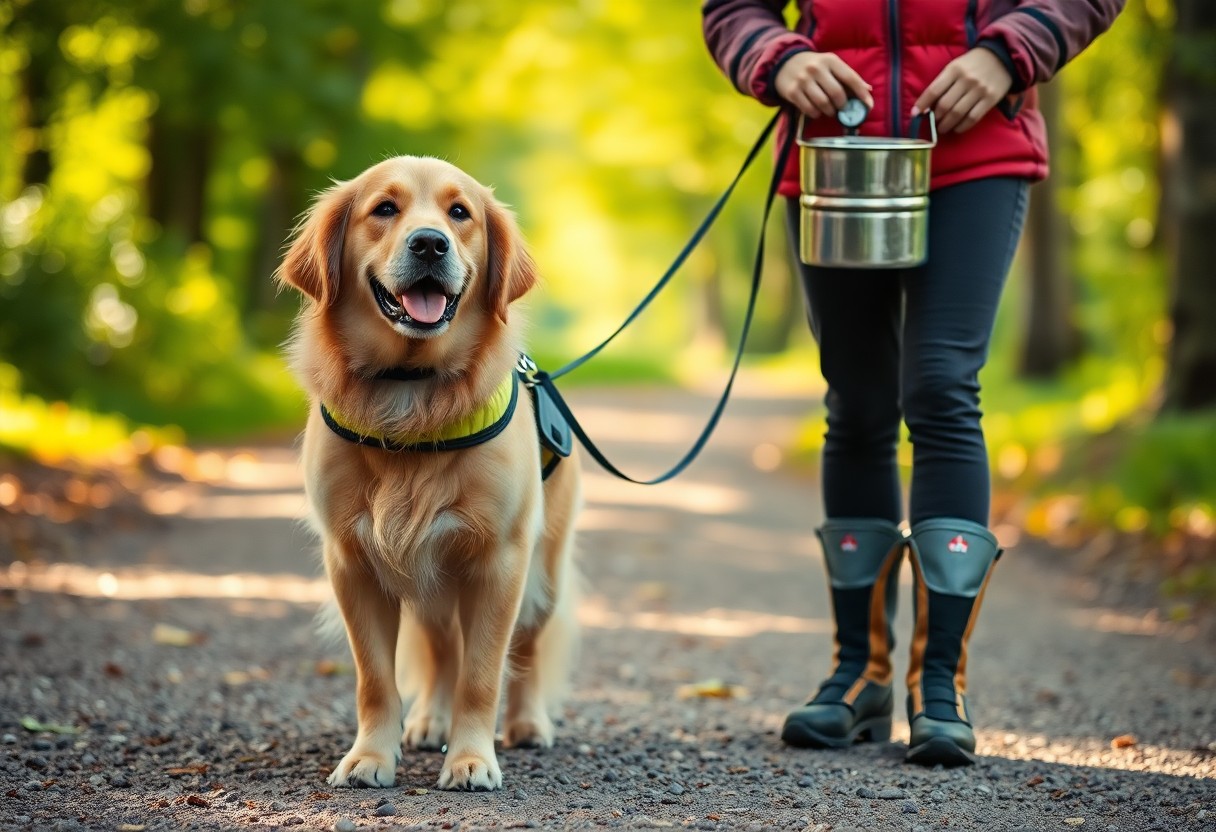
Match activity to breed, age, and health: high-energy dogs often need 30-60 minutes of vigorous play while seniors do best with several 10-15 minute low-impact sessions. Carry water, a basic first-aid kit, and use a properly fitted harness or leash; check paw pads for burns after hot pavement or ice damage. Keep vaccinations and parasite prevention current and avoid busy streets or unfenced areas. After, always assess your pet’s breathing, gum color, and gait before continuing.
- exercise tailored to breed and age
- safety gear: harness, reflective vest, first-aid kit
- pets hydration: water every 10-15 minutes in heat
- Watch for overexertion and adverse weather conditions
Recognizing Signs of Overexertion
You should watch for persistent heavy panting beyond 5 minutes, stumbling, excessive drooling, disorientation, or collapse; these signal emergency cooling is needed. Check gums-pale or very bright red-and note an abnormally high heart rate (over ~160 bpm in many large breeds or >200 bpm in small breeds) as red flags. If you see any, stop activity, move to shade, offer water, cool with damp towels, and contact your vet if symptoms don’t improve within 10-15 minutes.
Weather Considerations
Avoid exercising when air temperature exceeds ~30°C (86°F) or when humidity makes the heat index high; pavement can reach >50°C (122°F) and burn paw pads. Schedule walks in early morning or late evening, shorten sessions to 5-15 minutes in extreme heat, and carry water and a portable bowl. Use reflective gear and shorter outings when visibility is poor. After, monitor for signs of heat stress before the next session.
Cold weather also poses risks: exposure below ~-10°C (14°F) can cause frostbite on ears and paws, and road salt or antifreeze can irritate or poison your pet-wipe paws after walks. Brachycephalic, obese, young, and senior animals have higher vulnerability, so you should use booties, insulated coats, and limit outdoor time to short bursts while checking paw pads and body temperature frequently.
Encouraging Play and Socialization
Benefits of Play
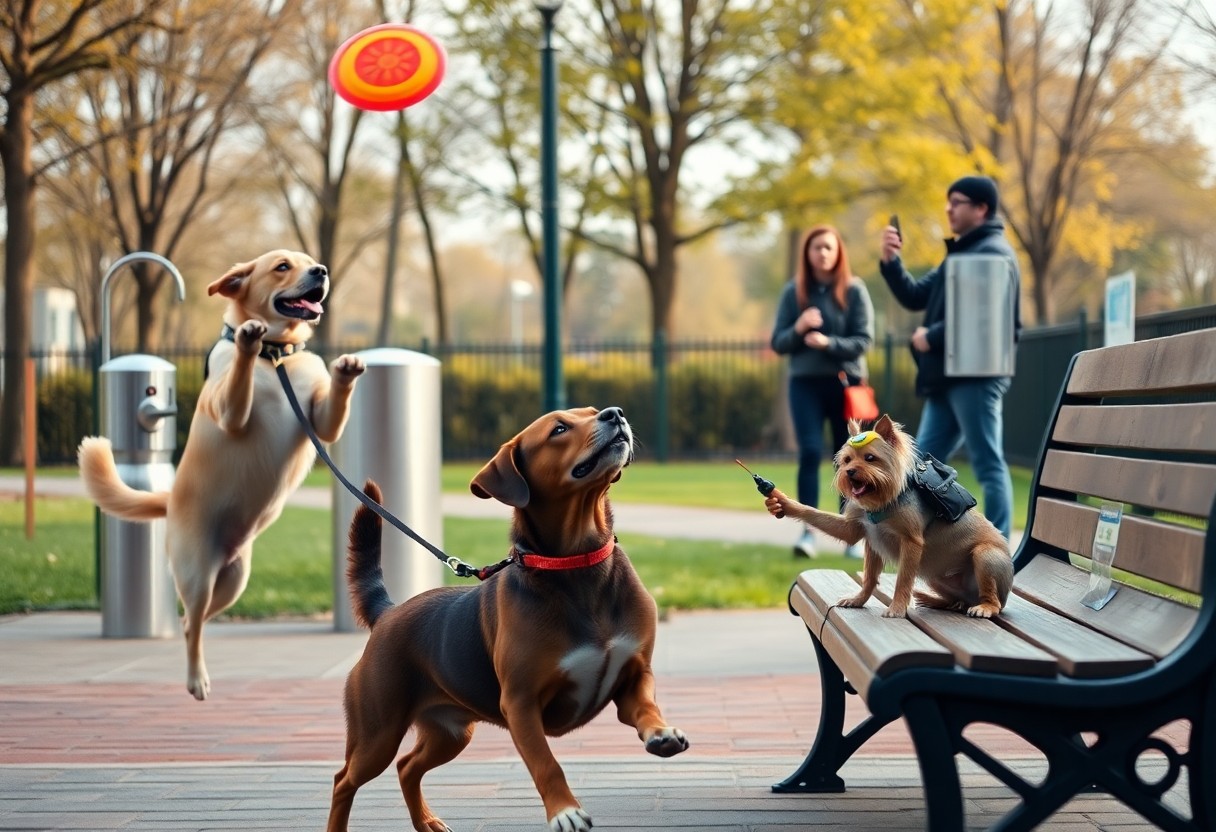
Aim for 20-30 minutes of structured play twice daily to boost your pet’s fitness and mental sharpness; interactive games like fetch, puzzle feeders, and scent trails lower boredom and reduce obesity risk. You’ll notice fewer destructive behaviors and improved training responsiveness when you combine physical play with problem-solving toys. For example, rotating 3-5 different toys weekly keeps novelty high and engagement steady, especially in intelligent breeds and adolescent cats.
Socialization Opportunities
Introduce puppies to new people and animals between about 3-14 weeks and kittens during roughly 2-7 weeks to build confidence; you can use puppy classes, calm playdates, and supervised visits to family members. While group exposure speeds learning, avoid unvaccinated groups and unscreened dog parks because of the disease transmission risk; always confirm vaccination status and start with short, positive interactions.
When organizing meetups, begin with 5-10 minute sessions and gradually extend time as your pet stays relaxed; expose them to varied surfaces, sounds, and handling-doorbells, vacuum noise, car rides, and leash walking. Enroll in small classes (often 6-8 puppies) or structured daycare trials to monitor behavior; if your pet shows persistent fear, use controlled one-on-one sessions and consult a trainer to prevent escalation into long-term anxiety.
Summing up
Summing up, when you provide regular, varied exercise tailored to your pet’s age, breed and health, combined with consistent routines, mental stimulation, positive reinforcement and veterinary guidance, you keep your companion fit, reduce behavioral issues and strengthen your bond. Monitor progress, adjust intensity as needed, and prioritize safe, fun activities to ensure a long, happy life together.
FAQ
Q: How much daily exercise does my pet need?
A: Requirements vary by species, age, size and breed. Most adult dogs benefit from 30-120 minutes daily: high-energy breeds and working dogs toward the upper end, smaller or less active breeds on the lower end. Puppies need multiple short sessions to avoid joint strain; senior dogs do better with shorter, gentler activity. Cats typically do best with several 10-20 minute interactive sessions spread through the day. Rabbits, ferrets and guinea pigs need several hours of supervised out-of-cage time plus environmental enrichment; birds should have regular out-of-cage flight or wing exercises when safe. Adjust duration and intensity based on your pet’s energy level and health, and consult your veterinarian if you’re unsure.
Q: What types of exercises are safe and effective for different pets?
A: Dogs: walk-and-play mixes (leash walks, fetch, scent work, agility or swimming) provide cardio and mental stimulation; vary surfaces and include rest. Cats: interactive wand toys, puzzle feeders, climbing structures and short chases simulate hunting and prevent boredom. Small mammals: obstacle courses, tunnels, safe floor time and chew/forage toys support movement and curiosity. Birds: supervised flight, foraging toys and climbing perches encourage activity. For all pets, combine physical activity with mental challenges, choose low-impact options for joint issues (swimming, slow walks), supervise new activities, and ensure safe spaces and appropriate equipment.
Q: How do I start or change an exercise routine for a senior, overweight, or recovering pet?
A: Begin slowly with brief, low-intensity sessions and increase duration by about 10% per week as tolerated. Use gentle warm-ups (slow walk or light play) and gradual cool-downs; favor low-impact options such as swimming, short leash walks or controlled play to protect joints. Monitor vital signs and behavior for fatigue, limping, labored breathing, or reluctance to move; stop and consult your vet if any occur. Pair exercise with portion-controlled diet adjustments for weight loss, use positive reinforcement to encourage participation, and consider professional physical therapy or hydrotherapy for rehabilitation cases.