Essential Gear You Can’t Forget
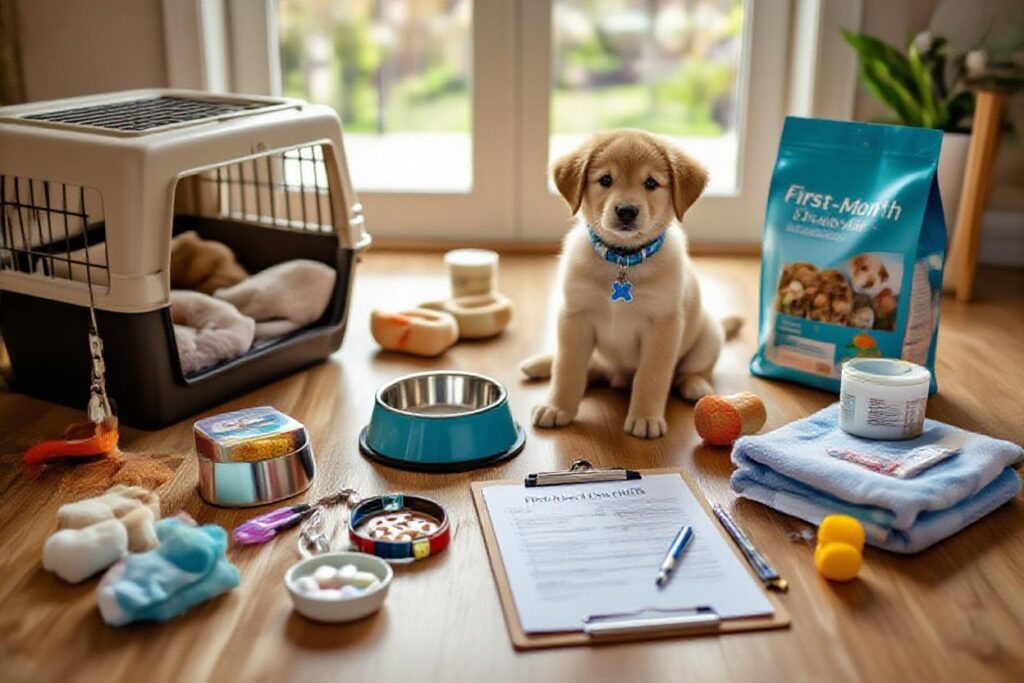
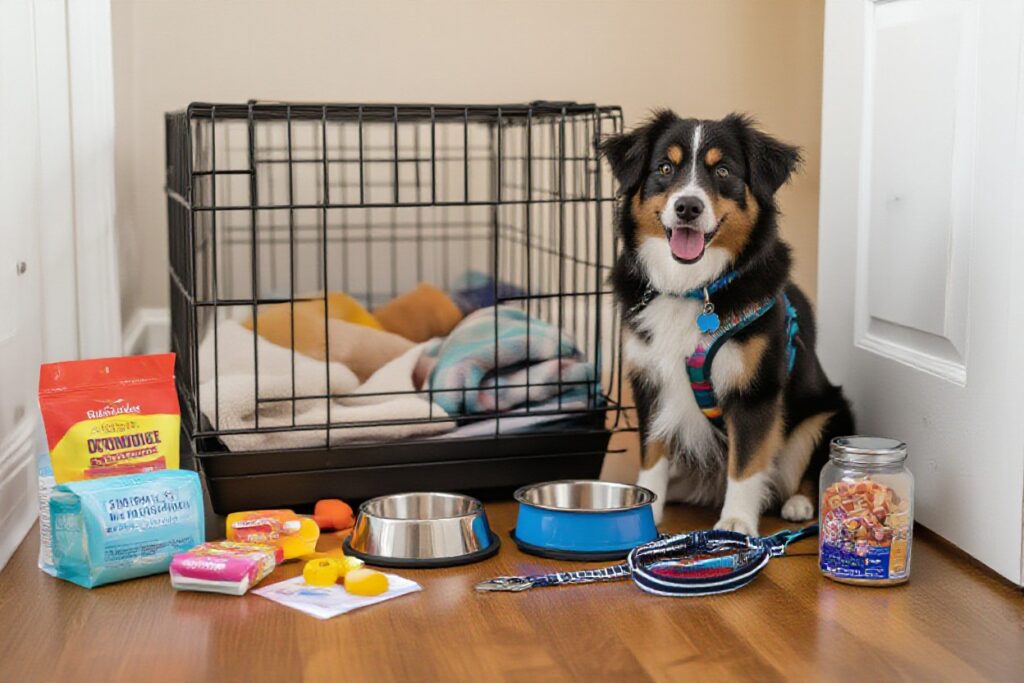
You might think you can just grab any cute accessory and call it a day, but a few key items actually make daily life with your dog way easier. Start with a safe collar or harness, a solid leash, and a visible ID tag, then add a cozy bed and a properly sized crate. These basics help with training, safety, and giving your pup a predictable routine. When you dial in this setup early, you cut down on stress, accidents, and escapes – for both of you.
Collars and Harnesses – What’s the Deal?
A lot of new owners assume one collar fits all, but your dog’s neck, energy level, and walking style say otherwise. You want a flat, adjustable collar with two-finger space between collar and neck, plus a harness that doesn’t choke or rub the armpits. Different harness cuts help with pulling, car safety, or tiny breeds. When you pair the right collar with the right harness, walks get smoother, training is clearer, and your dog feels a whole lot more secure outside.
Leashes and ID Tags – Why They Matter More Than You Think
Too many people grab the cheapest retractable leash and call it good, but that can backfire fast with a wiggly, untrained pup. A 4 to 6 foot non-retractable leash gives you control, teaches your dog boundaries, and keeps you both out of trouble near roads or kids. Add a sturdy ID tag with your phone number, and you’ve just stacked the odds in your favor if your dog bolts. It’s boring gear… until the day it saves you.
What really surprises new owners is how often dogs slip doors, bolt out of cars, or wriggle out of poorly fitted gear – shelters report that a huge chunk of stray intakes are simply lost pets with no ID. If your pup has a visible tag plus a microchip, your chances of being reunited jump by more than 2x compared to dogs with no identification. So you want tags that are easy to read, don’t fall off cheap split rings, and don’t jingle so much that they drive you nuts at night. Pair that with a leash that feels good in your hand (padded handles are underrated) and is tough enough to handle sudden lunges, and you’ll feel way safer taking your dog into busy, distracting places like vet offices, patios, and parks.
Beds and Crates – Your Pup’s Home Away from Home
People often think any soft dog bed tossed in a corner is fine, but your dog actually needs a defined spot that feels like their own little zone. A crate that’s big enough for your pup to stand, turn, and lie down, plus a bed that supports joints, helps with house training, boundaries, and better sleep. You’re basically creating a bedroom, not a jail cell. When your dog loves their crate and bed, it makes travel, vet recovery, and noisy house guests way easier to navigate.
What really helps is matching the setup to your specific dog, not just their size on the label. A hot-natured husky might prefer a cooler, thinner mattress, while a senior lab often needs a thick, orthopedic style bed to avoid stiff joints after long naps. Because puppies chew, you’ll want a crate-friendly mat that’s tough, washable, and not stuffed with fluff that can be swallowed in 3 minutes flat. And if you cover part of the crate with a light blanket, it can turn into a cozy den that actually calms your dog during fireworks, visitors, or those first few nights when everything in your home still feels strange.
Food and Water Needs – Gotta Keep ‘Em Fed
Feeding your dog isn’t just pouring kibble in a bowl and hoping for the best, it’s one of the fastest ways you build trust and routine. You want predictable meal times, the right food type, and clean, steady water access so your dog isn’t stressed or begging all day. Because once your pup knows food and water are sorted, they relax, settle in, and suddenly training gets about 10x easier almost overnight.
Food Bowls – The Lowdown on Types and Tips
A boring looking bowl can actually solve a ton of problems like gulping, gas, or constant mess on your floor. You’ll see stainless, ceramic, plastic, and those weird maze-style slow feeder bowls that look like puzzles, and they all behave differently for your dog. This is where you start paying attention to hygiene, eating speed, and your dog’s size so mealtimes feel smooth instead of chaotic.
- Stainless steel bowls resist bacteria and are super easy to clean.
- Ceramic bowls feel heavier and less likely to slide around on the floor.
- Slow feeder bowls help reduce choking, bloat, and crazy-fast eating.
- Non-slip bases keep food in the bowl instead of skating across your kitchen.
- This proper bowl choice keeps meals calmer, safer, and way less messy for you.
| Stainless steel | Durable, lightweight, and naturally more resistant to bacteria than plastic. |
| Ceramic | Heavier for enthusiastic eaters but you need to check for chips or cracks. |
| Plastic | Cheap and light yet can scratch easily and harbor bacteria over time. |
| Slow feeders | Designed to slow down eating and lower bloat risk in large breeds. |
| Elevated stands | Helpful for tall or arthritic dogs but not ideal for every breed or home. |
Water Bowls – Keeping Hydration Simple
Most new owners actually underestimate how much water a dog needs in a day, and that’s when you start seeing mild dehydration creeping in. A good water setup means a stable non-slip bowl, fresh refills (2 to 3 times daily), and enough capacity that your dog isn’t licking a dry dish by noon. This puts you in control of one of the easiest, most low-effort wins for your dog’s health.
For context, vets often quote around 50 to 60 ml of water per kg of body weight daily, so your 15 kg pup can easily hit 750 ml or more without it being weird. You might like the look of cute ceramic, but several owners end up preferring stainless steel water bowls because they’re lighter and way quicker to scrub several times a week. And if you’re gone a lot, a gravity water dispenser or pet fountain means your dog isn’t gambling on when you’ll be home to refill, which silently cuts stress for both of you.
Choosing the Right Dog Food – What You Should Know
What surprises most people is that “premium” on the bag means nothing if the first ingredients aren’t real meat and your dog’s poop is a disaster. You want to look at AAFCO statements, protein percentage (around 22%+ for most adult dogs), and whether it’s puppy, adult, or senior formula that actually matches your dog’s life stage. This turns food from a guessing game into a repeatable routine your dog’s gut can rely on.
When you’re standing in the aisle staring at 40 bags, zoom in on three things: clear meat-based proteins in the top ingredients, an AAFCO “complete and balanced” line, and a recipe that fits size and activity level. Many first-time owners do great starting with a well-reviewed, mid-range kibble, then adjusting based on stool quality, energy, and skin condition over 2 to 4 weeks. This kind of slow, data-driven tweaking keeps your dog’s stomach happy and makes it way easier to justify any future upgrades or add-ons like toppers and fresh food.
Health and Hygiene Basics – Keeping It Clean
Daily hygiene is what keeps your home from turning into a full-time cleanup project and keeps your dog healthier too. You’re aiming to prevent smells, stains, and infections before they start, not chase them after the fact. With the right gear, you’ll cut accidents, reduce vet visits, and keep your place guest-ready. And yes, it’s way easier to build these habits in the first 30 days than fix bad ones later.
Poop Bags – Seriously, Don’t Skip This!
Walks get awkward fast if you’re that person without poop bags, so stash rolls everywhere – by the door, in the car, clipped to the leash. Go for thick, leak-proof bags, ideally with handles or easy-tear perforations so you’re not fighting plastic in the dark. Biodegradable options are great if you’re going through 3 to 5 bags a day with a puppy. And always keep a backup roll in your jacket pocket, just in case.
Cleaning Supplies – The Real Deal About Messes
Accidents will happen, even with the smartest puppy, so your cleaning kit needs to be ready on day one. At minimum, grab a pet-safe enzymatic cleaner, some absorbent paper towels or microfiber cloths, and a simple spray bottle. Enzyme cleaners break down urine proteins so your dog doesn’t keep peeing in the same spot. Without them, stains might look gone but the smell (and repeat accidents) stick around.
For tougher messes on carpets or sofas, you’ll want a two-step setup: first blot with paper towels, then soak the area with enzymatic cleaner and let it sit for 10 to 15 minutes before gently blotting again. Hardwood or tile? Pick a cleaner labeled safe for pets and avoid anything with strong ammonia, since it can actually mimic the smell of pee and confuse your dog. It really pays off to keep a small basket ready with gloves, cleaner, cloths, and trash bags so you can jump on an accident within 2 or 3 minutes, which massively cuts staining. If you’ve got a larger dog or multiple dogs, a compact carpet cleaner can be a lifesaver for recurring muddy paw prints and those 2 a.m. stomach issues no one warns you about.
Grooming Tools – How Often and What to Use
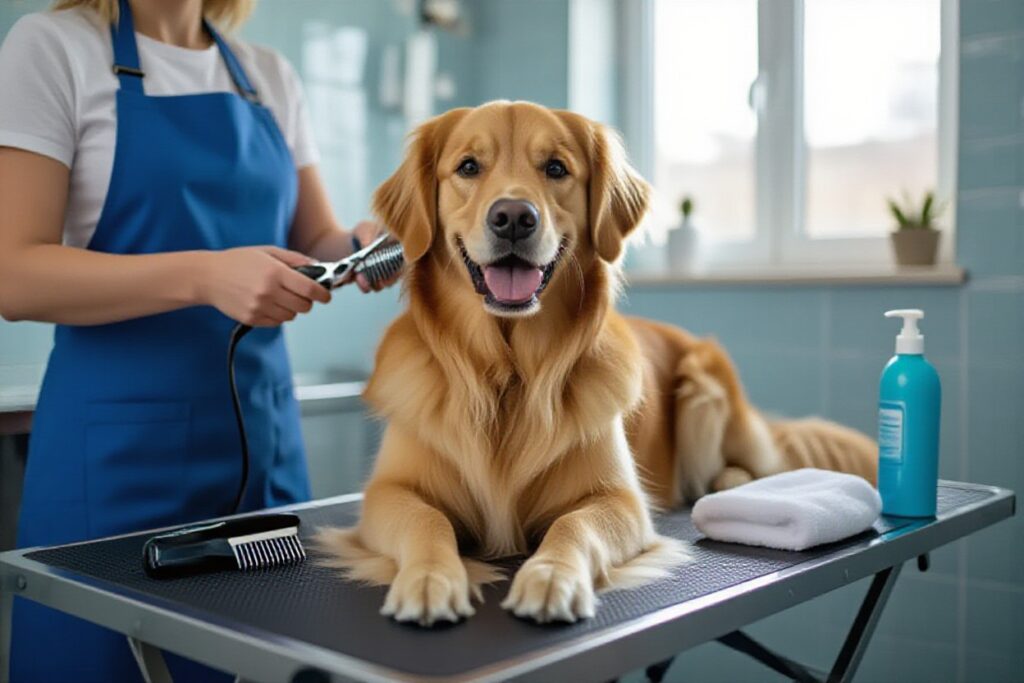
Even low-shed dogs need regular grooming, so you’ll want a slicker brush or grooming mitt, nail clippers or a grinder, and a gentle dog shampoo. Most dogs do well with brushing 2 to 3 times a week, while heavy shedders may need daily sessions during peak shedding seasons. Aim for nail trims every 3 to 4 weeks so they don’t split or change your dog’s gait, which can cause joint issues. A basic kit now saves you hefty groomer bills later.
When you’re picking tools, match them to your dog’s coat type: a slicker brush for curly or long coats, a bristle or rubber brush for short-haired dogs, and a deshedding tool if you’ve got a double-coated breed like a Husky or Lab. Start handling paws, ears, and tail for just a few seconds a day with treats so grooming doesn’t turn into a wrestling match. Bathing every 4 to 6 weeks is plenty for most dogs unless they roll in something, and always choose a pH-balanced dog shampoo since human shampoo can dry out their skin. If you’re nervous about nail trimming, start by just tapping the clippers on each nail and rewarding – after a week or two of that, actually clipping a tiny bit off is way less stressful for both of you.
Quick Emergency Prep – Just in Case
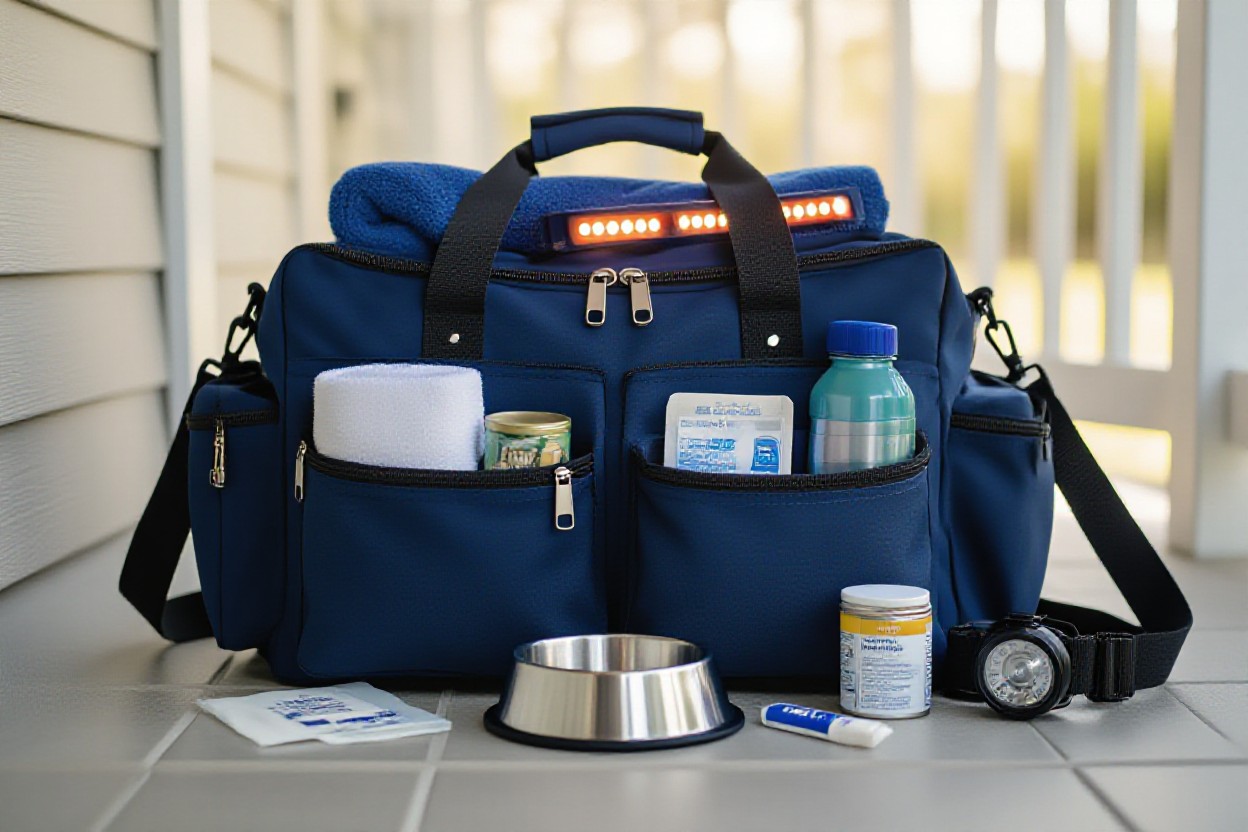
One of the first nights with a new pup, many owners panic over a tiny cut or weird cough at 11 p.m., and that “uhhh… what now?” feeling is awful. A simple grab-and-go setup – a small first-aid kit, important phone numbers on the fridge, vet address pinned in Maps – means you can act fast instead of spiraling on Google. You’re not trying to play doctor, you’re just giving yourself a 10-second head start when something goes sideways.
Basic First-Aid Kit – What You Really Need
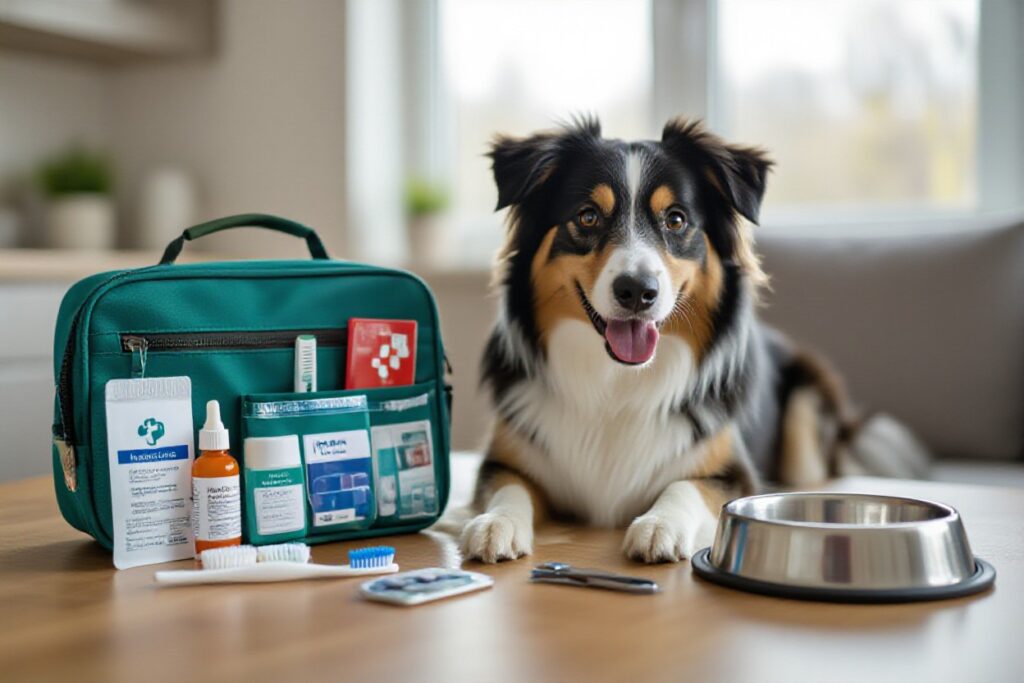
A good starter kit for your dog fits in a shoebox, not a suitcase. You want non-stick gauze pads, self-adhesive wrap, blunt-tip scissors, saline solution, tweezers, digital thermometer (with a dog-only label), styptic powder for nail bleeds, and vet-approved antiseptic wipes. Toss in a pair of gloves, a small flashlight, and a printed card with your vet and nearest 24-hour clinic. That’s enough to handle most minor scrapes, cuts, and “stepped on glass” moments without scrambling.
Knowing When to Call the Vet – Don’t Just Wing It
New owners often wait too long, thinking “maybe it’ll clear up by morning” while their dog is breathing weird or can’t stand. A simple rule: anything involving trouble breathing, collapse, repeated vomiting, or sudden swelling of the face is a call-the-vet-now situation, not a wait-and-see. Save your vet’s number, an emergency clinic, and a poison control line in your phone today so you’re not frantically searching later.
Picture this: your dog eats half a chocolate bar, seems fine, and you’re torn between “it’s probably okay” and full-on panic. This is where a clear, no-drama checklist saves you. Call your vet or emergency clinic if your dog has pale gums, can’t catch their breath, has a bloated-tight belly, has more than 2 bouts of vomiting in an hour, or acts suddenly disoriented like they don’t recognize you. And if you suspect toxins – chocolate, xylitol gum, grapes, meds, rat bait – you treat it as urgent and call, even if they “look fine.” Early action often means shorter treatment and way better outcomes.
How to Administer Basic First Aid – A Simple Guide
In those first chaotic seconds, your job is to keep things from getting worse, not to fix everything. Start by securing your dog so they can’t bolt or bite from pain, then gently clean visible wounds with saline and cover with non-stick gauze plus wrap that’s snug but not cutting off circulation. For minor nail bleeds, dip the tip in styptic powder and keep them still for a minute. If you’re ever unsure, do the basics to stabilize, then head straight to your vet.
Imagine your dog slices a paw on a piece of broken glass on a walk – there’s blood, you’re flustered, they’re limping. First, clip a leash on and calmly limit movement, because a panicking dog makes the injury worse. You can flush the area with saline, gently pat dry, then add non-stick gauze and wrap up the leg, checking every few minutes that toes aren’t getting cold or blue. For heatstroke, you move them to shade, offer small sips of cool (not icy) water, and start cooling with wet towels on belly and paws while you’re already on the phone with the vet. Your goal is simple: stabilize, then get professional help, not to DIY the whole emergency in your living room.
Keeping Your Pup Entertained – Tired Dogs Are Happy Dogs
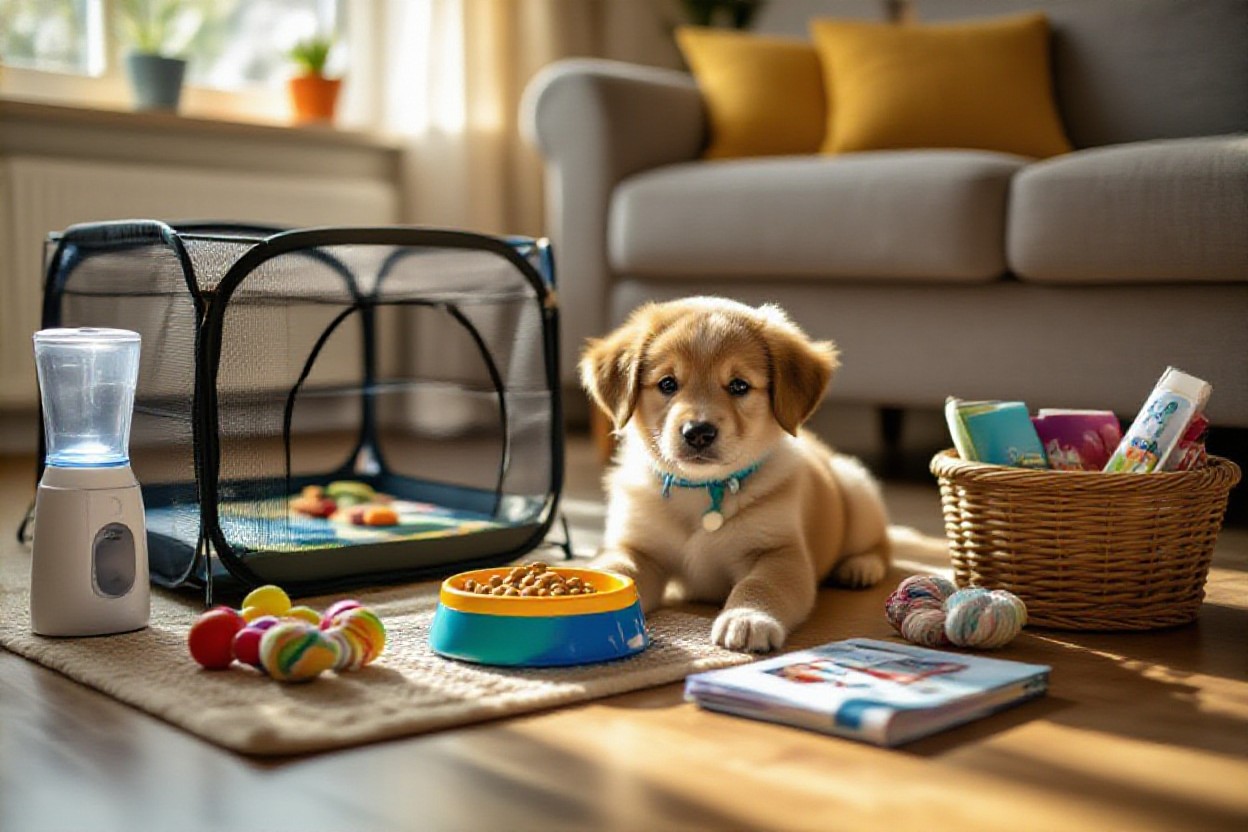
With TikTok full of “enrichment day in the life” videos, it’s pretty clear your dog needs more than a walk around the block to stay sane. Mental and physical play burns energy, reduces boredom barking, and cuts down on chewed shoes. A simple routine of toys, short training bursts, and puzzle games can leave your pup calm and ready to nap instead of bouncing off the walls at 10 p.m.
Toys – Which Ones Are Worth It?
Instead of buying every squeaky thing in the pet aisle, focus on 3 categories: a tough chew toy, a soft comfort toy, and an interactive toy you move or throw. Rotating 4-6 toys keeps them “new” and more exciting. Prioritize durable, non-toxic materials and always size up for power chewers so you’re not dealing with swallowed bits or emergency vet visits.
Training Treats – The Secret to Good Behavior
Short, focused training sessions with high-value treats work way faster than shouting “no” all day. Choose tiny, soft treats you can break apart so you can give 20-30 rewards without overfeeding. You want your dog thinking, “When I listen, good stuff happens” because that positive association builds trust and better manners from day one.
When you’re picking training treats, aim for pea-sized or smaller so you can rapid-fire rewards without blowing your pup’s daily calories in ten minutes. High-value usually means smelly and a bit moist – things like small liver bites, salmon treats, or freeze-dried beef tend to beat boring kibble every time. You’ll also want a treat pouch clipped to your waist so you can mark and reward the exact moment your dog does the right thing, whether that’s a perfect sit, not bolting through the door, or choosing you over that squirrel. Over a week or two, you’ll literally see your dog offering behaviors faster because the pattern is so clear: good choice equals instant tasty payoff.
Puzzle Toys – Are They Really Necessary?
Recent studies on enrichment show that 15 minutes of problem-solving can tire a dog out like a decent walk, which is wild but very real. Puzzle toys, snuffle mats, and food-dispensing balls turn mealtime into a brain workout. They’re especially helpful for high-energy or anxious dogs that need something to do when you’re working, on calls, or just need both hands free.
With puzzle toys, start super easy so your dog doesn’t get frustrated and quit on day one. A basic Kong stuffed with wet food or soaked kibble and then frozen can occupy many dogs for 20-30 minutes, which is gold during Zoom meetings. As your pup gets the hang of it, you can level up to slider boards, flip lids, and multi-step puzzles, but always supervise at first to make sure they’re using their brain and not just trying to body-slam it. Rotating 2-3 different puzzles through the week keeps the challenge fresh, and for a lot of dogs, that routine becomes their built-in “calm down” cue, because their brain knows this activity leads to focus, licking, and eventually a solid nap.
Training Essentials – Setting Your Dog Up for Success
What if a few simple tools could make your dog actually want to listen to you? A solid starter kit usually includes high-value training treats, a treat pouch that clips to your waist, a lightweight long line (20-30 feet), a basic clicker, and a couple of chew toys so your dog doesn’t practice bad habits. With this setup, you can reward fast, practice recall safely, and channel that wild puppy energy into behaviors you actually like.
Basic Commands – Where to Start
Which words should your dog actually know first so you aren’t shouting random stuff in the park? Start with sit, down, stay, come, and a simple leave it. Use pea-sized treats, 3-5 minute mini sessions, and aim for 3-4 short practices a day so your dog doesn’t tune out. You’ll see most puppies reliably sit on cue within a week if you keep cues consistent and reward every single correct rep at the start.
Using a Clicker – Does It Actually Work?
Why do so many trainers swear by that tiny plastic clicker thing? A clicker works because it’s a super clear “yes, that!” signal that always means a treat is coming, which helps your dog learn up to 30-40 percent faster in many small studies. You just click the exact moment your dog does what you want, then pay with food, so there’s zero confusion. Pretty quickly your dog starts throwing out good behaviors to try to “earn” that click.
What surprises most new owners is how fast a dog connects the sound to rewards – often in just 10-15 clicks if you’re consistent. Because the click always predicts a treat, it cuts through background noise and your tone of voice, which is huge if you live in a busy apartment or have kids running around. You can also fade it later and just use a marker word like “yes”, but the little device is insanely handy in the early weeks. And once you see your dog whip their head toward you as soon as they hear the click, you’ll get why it works so well.
Socialization Tips – Getting Your Dog Comfortable
What if you could prevent a lifetime of fear and reactivity just by planning a few smart outings in the first couple of months? For puppies, you want 3-5 new surfaces, people, and sounds a day, always paired with tasty treats so new = good. Keep early meetups with dogs short, supervised, and with one calm buddy at a time instead of chaotic dog parks. Any calm, happy exposure now pays off huge in your adult dog’s confidence later.
- Neutral locations like parking lots and quiet parks for low-pressure introductions
- High-value treats ready any time your dog notices something new
- Distance control so you can step back if your dog looks unsure
- Calm role-model dogs instead of letting your pup meet every dog on the street
- Short sessions of 5-10 minutes, then home to decompress and sleep
What most people skip is the “easy wins” – sitting in the car watching traffic, hanging by a school fence at drop-off, or walking past a skate park from a distance with a pocket full of treats. Your job is to be the human vending machine for snacks every time your dog notices something new and stays relaxed, even a little bit. That way they file it under “no big deal” instead of “scary forever”. Any time you see tucked tail, pinned ears, or lip licking, quietly add distance, feed a few treats, and call it a day on a positive note.
- Body language checks so you catch stress before it explodes
- Quiet exits instead of forcing your dog to “push through” fear
- Predictable routines at home to balance all the new stuff outside
- Controlled kid interactions with rules like no hugging, no chasing
- Gradual noise exposure using low-volume videos of storms or fireworks
Travel Must-Haves – Adventures Await!
Taking your dog on the road without the right travel gear is basically asking for chaos. Smart basics like secure car restraints, no-spill water setups, and comfy travel mats turn stressful trips into easy wins. You want your dog safe, hydrated, and calm – whether you’re driving 10 minutes to the vet or doing a 5-hour road trip to visit family. And once you dial in this little travel kit, you just keep it ready by the door and grab it every time you go.
Car Restraints – Safety First, Always
A loose dog in the car isn’t just distracting, it’s dangerous in a crash. So you want either a crash-tested harness with a seatbelt clip, a secured crate, or a properly fitted car barrier. Small dogs often do well with a harness and booster seat, while bigger dogs usually ride better in a crate strapped down to the car. And no, letting your dog ride with their head out the window might look cute, but it’s eye-injury city if a rock or bug hits them at 60 mph.
Portable Bowls and Water Bottles – Staying Hydrated on the Go
Dehydration sneaks up fast on dogs, especially in summer or in heated cars, so a portable water setup is non-negotiable. Collapsible silicone bowls, no-leak dog water bottles, or combo bottle-bowl systems are perfect for walks, car trips, and long vet days. Aim to offer water every 60-90 minutes on longer outings, and a bit more often if your dog pants hard or has a thick coat. It’s a tiny item that saves you a ton of stress later.
What really matters with travel water gear is how annoying it is to use, because if it’s clunky you just won’t bring it. Go for a bottle that actually seals tight in your bag, and a bowl that folds flat and clips to a leash or backpack. Many dogs drink better from a shallow, wider bowl, so test at home first. And if your pup is picky about water taste, fill it from home – some dogs genuinely refuse unfamiliar tap water and then you’re stuck with a thirsty dog at a rest stop.
Travel Mats – Are They Actually Useful?
A good travel mat is like a mobile “safe zone” for your dog, and yes, it’s way more useful than it looks. You can use it at the vet, in the car, at a café, in hotels, or even at friends’ houses so your dog has a familiar spot. Go for something rollable or foldable, machine-washable, and with a bit of grip so it doesn’t slide around on tile or hardwood. Over time, your dog starts to relax faster when they see it, because that mat starts to mean, “You can just chill here, nothing bad is happening.”
Training your dog to love a travel mat is pretty simple and pays off for years. Toss treats on it at home, feed chews there, let them nap on it so it starts to smell like safety. Then when you bring it to a noisy patio or a busy vet lobby, your dog already knows, “Oh, this is my spot.” That predictability lowers stress, which also means less barking, less pulling, and way easier outings for you.
Optional Extras – Things That Make Life Easier
Ever wondered which upgrades actually make your life with a new dog smoother and which are just cute clutter? A few smart extras like pet cameras, slow feeders, and well-chosen interactive toys can cut your stress, support training, and save you from pricey vet visits later. You don’t need them all on day one, but knowing what each one does helps you build a setup that fits your lifestyle instead of just filling your cart.
Pet Cameras – Should You Really Get One?
So you walk out the door and instantly wonder what your dog’s doing, right? A pet camera with two-way audio lets you check for barking, destruction, or signs of separation anxiety, and many models send motion alerts straight to your phone. You don’t have to go top-of-the-line, but if you work long hours or live in an apartment, this little gadget can seriously protect your sanity and your security deposit.
Slow Feeders – Are They Worth the Money?
Ever watched your dog inhale food in 20 seconds flat and thought, that can’t be good? A slow feeder bowl uses ridges or puzzle patterns to spread kibble out, forcing your dog to eat in smaller bites and reducing gulping, choking, and gas. They’re especially helpful for fast-eating breeds like Labs and Beagles, or any pup that acts like every meal is their last one on earth.
For most new owners, a slow feeder ends up being one of those cheap upgrades that quietly solves a bunch of problems at once. By stretching a meal from 30 seconds to 5-10 minutes, you can cut the risk of vomiting after eating, help prevent bloat in large, deep-chested breeds, and give your dog a tiny daily dose of mental enrichment. Start with an easy pattern first, then you can level up to more complex designs once your dog gets the hang of it, and if you feed wet food, look for models that are dishwasher safe so you don’t hate cleaning it.
Interactive Toys – The Pros and Cons
When you’re tired but your dog’s still bouncing off the walls, interactive toys sound like a dream, right? Stuffable Kongs, treat balls, and puzzle boards can turn 15 minutes of solo play into real mental exercise and reduce boredom chewing on your shoes. But they’re not magic – you still need to supervise at first and pick toys that match your dog’s size and chewing style.
| Pros | Cons |
|---|---|
| Provides mental stimulation that can tire your dog out faster than a short walk | Some dogs get frustrated if the puzzle is too hard and may just give up |
| Helps reduce boredom-related chewing and destructive behavior in many homes | Chewers can destroy softer toys, creating a choking or blockage risk |
| Can be used to slow down mealtimes by serving part of your dog’s daily kibble | Cheap no-name toys may crack or splinter, so quality matters |
| Great for building independence so your dog can settle without constant attention | Requires supervision at first, which new owners sometimes skip |
| Pairs well with training by rewarding calm behavior or crate time | Some interactive toys are noisy when rolled or tossed on hard floors |
| Can reduce anxiety for some dogs by giving them a job to focus on | Not all dogs are toy motivated, so you may need to experiment |
| Many are dishwasher safe or easy to rinse, so daily use is realistic | Ongoing cost of treats or special fillers can add up |
| Perfect for rainy days when long walks just aren’t happening | Poorly sized toys can be swallowed by large or tiny dogs |
| Lets you redirect energy from jumping and barking to problem-solving | Overuse with high-calorie treats can lead to quiet but steady weight gain |
| Supports routine by giving your dog a predictable outlet at specific times | Trial and error phase means you might buy 1-2 duds before finding a favorite |
What usually works best is treating interactive toys as a tool, not a babysitter. Rotate 2-3 different options so your dog doesn’t get bored, stuff one with part of their regular kibble instead of constant high-calorie treats, and always start on the easiest setting so they win quickly. The goal is for your dog to think, “When I settle and work on this, good stuff happens,” which quietly supports your training, your furniture, and your peace of mind all at once.
Budgeting for Your New Pup – Can You Afford This?
A lot of people think if they can cover the adoption fee, they’re good to go, but your wallet’s in it for the long haul with a dog. You’ll juggle startup gear, vet bills, monthly food, and those surprise “ate a sock” emergencies. Having a rough yearly number in mind, like 1,000 to 2,000 dollars, helps you decide what gear to buy now and what can wait so you don’t stress every time your pup needs something new.
Startup Costs Breakdown – Here’s What You Should Expect
Most new owners only budget for the dog itself, then get blindsided by the pile of gear you actually need on day one. A realistic starter setup usually runs 300 to 800 dollars when you factor in a crate, bed, bowls, leash, harness, ID tags, first vet visit, vaccines, and maybe a training class. Buying a few high quality items up front, like a safe crate and solid harness, often saves you money compared with replacing flimsy stuff three times in the first year.
Ongoing Monthly Expenses – The Hidden Costs of Dog Ownership
Ongoing costs sneak up slowly, which is why so many owners swear their dog “doesn’t cost that much” until they actually add it up. Food alone can run 30 to 90 dollars a month depending on size and quality, then you’ve got flea and tick prevention, poop bags, grooming, and toy replacements on top of that. It’s pretty normal for a single dog to average 75 to 200 dollars a month when you include routine vet care spread across the year.
What surprises people most is how many “little” items quietly turn into a line item in your budget. Nail trims every 4 to 6 weeks, a bag of high quality food every month, refillable flea and tick meds, plus periodic training refreshers when your dog hits a new life stage, it all adds up. If your pup has allergies or chronic issues, that number jumps fast with special diets and meds, so giving yourself a monthly buffer for dog stuff keeps those hidden expenses from wrecking your plans.
Saving Tips – How to Stick to Your Budget
People assume saving money means buying the cheapest gear, but that’s usually how you end up buying things twice. You’ll save way more by planning ahead, watching sales, and focusing on durable basics that actually last. Simple habits like setting a small monthly pet fund, using autoship discounts on food, and rotating a few great toys instead of a toy basket explosion can easily shave 20 to 50 dollars off your dog budget without shortchanging your pup at all.
- Buy in bulk on food and treats when you know your dog tolerates them well.
- Use autoship discounts from online retailers for food, poop bags, and supplements.
- Choose durable gear (strong leash, sturdy toys) so you’re not constantly replacing stuff.
- Lean on DIY enrichment like sniffy walks and homemade puzzle games instead of pricey gadgets.
- Compare vet clinics for vaccines and wellness plans to spread costs across the year.
Thou should treat your dog budget like rent or groceries, automatic and non negotiable, so your pup’s needs are covered before the impulse buys even tempt you.
- Track spending on your dog for a month so you see what’s actually draining your wallet.
- Set a separate pet savings stash for emergencies, even if it’s just 20 dollars a month.
- Swap one store-bought toy a month for a DIY option and free brain games like scent work.
- Ask friends to pet sit instead of boarding every time you travel, then trade favors.
- Shop clearance and off-season for beds, coats, and crates long before you need them.
Thou keep your budget on track by treating smart planning as just another way you’re taking care of your dog, not limiting them.
FAQs from New Dog Owners – What You’re Dying to Ask
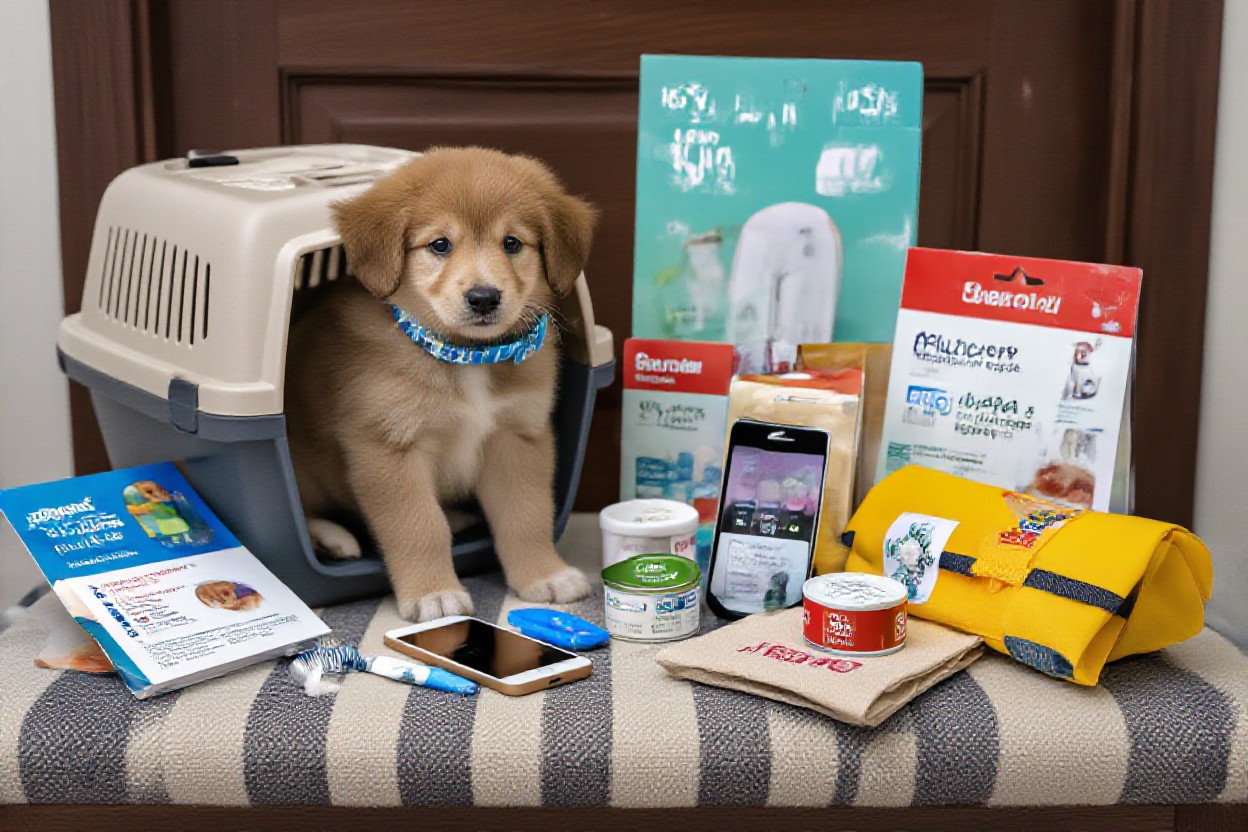
That first week with your new dog is wild – you’re excited, exhausted, and low-key googling every random question at 1 a.m. Instead of spiraling, you can lean on a few tried-and-true answers that thousands of first-time owners end up needing. These FAQs clear up what to buy, what to skip, and how to build a solid support system so you’re not guessing your way through the most important early days with your pup.
What Should I Buy Before Bringing My Dog Home?
Picture walking in the door, leash in one hand and a confused dog in the other, and nothing in your house is ready. To avoid that, set up a crate, 1-2 bowls, a flat collar, ID tag, sturdy leash, poop bags, and a couple of tough toys before day one. Add a basic grooming brush, enzyme cleaner for accidents, and 3-5 days of the same food your dog’s been eating so you don’t wreck their stomach right away.
What Can I Skip in the Beginning?
Plenty of new owners blow their budget on stuff their dog ignores, so you can skip outfits, fancy treat jars, automatic feeders, and giant toy bundles at first. Focus on durable basics you’ll use every single day, then figure out your dog’s personality before adding extras. Your future self (and your bank account) will thank you for not impulse-buying every cute thing in the pet aisle.
In that first month, you’re basically collecting data on your dog – do they shred plush toys, inhale food, hate cold weather, love chewing? Until you know that, expensive beds, themed outfits, puzzle toys with 40 pieces, and decorative storage just eat space and cash. Start with 2-3 toys, a mid-range bed, and simple gear, then upgrade what actually gets used. The only thing you really shouldn’t delay is safe containment and ID, because that’s what keeps your dog out of serious trouble.
How Do I Choose a Vet?
Most people just pick the closest clinic, then find out during an emergency that it doesn’t even handle urgent cases. You’ll want a vet with good communication, clear pricing, preventive care plans, and at least some evening or weekend options. Read recent reviews, ask local dog owners, and schedule a quick “new client” visit so you can see how the staff handles nervous dogs before you’re in panic mode.
Start by making a short list of 2-3 clinics within a distance you’d actually drive at 11 p.m. in bad weather, then check if they have in-house diagnostics, digital records, and a plan for after-hours emergencies (on-call or partner ER). Pay attention to how the front desk talks to you on the phone, how long you’re on hold, and whether the vet offers clear, written treatment estimates. A great clinic will walk you through vaccines, parasite prevention, and spay/neuter timing without rushing, and they’ll be totally fine with you asking a ton of “new dog parent” questions.
Training Tips for Newbies – Getting Started Without Overwhelm
Think of training gear like a starter toolkit: a flat collar or well-fitted harness, a 6-foot leash, pea-sized training treats, and a simple clicker instantly make life easier. You can keep sessions to 3-5 minutes, a few times a day, and just work on sit, name response, and coming when called in low-distraction spots. Recognizing tiny wins with fast rewards keeps your dog engaged and you way less stressed.
Finding the Right Trainer – What to Look For
Good trainers don’t just fix problems, they coach you through them with clear homework and support. You want someone who uses positive reinforcement, has credentials like CPDT-KA or KPA, and is cool with you watching a class before you commit. Recognizing red flags like prong collars, alpha talk, or “guaranteed in 1 session” claims will save you and your dog a lot of heartache.
At-Home Training Techniques – The Easy Way
Simple at-home training tools like baby gates, treat pouches, and high-value chews turn your living room into a low-pressure classroom. You can pair a clicker with one clear cue at a time, practice 5-minute “commercial break” sessions, and log progress in a cheap notebook or training app. Recognizing that consistency beats perfection is what keeps your dog learning even on busy days.
Most new owners think they need some fancy program, but your daily routine is already the best training setup you’ve got. Every door opening is a chance to practice “sit”, every meal is a shot at using a snuffle mat for mental work, every walk can include 2-minute “watch me” drills. You can rotate 2 or 3 simple games – like treat toss recalls, name recognition, or hand targeting – instead of inventing 20 different cues. Recognizing how often your dog offers good behavior on their own gives you more chances to mark and reward the stuff you actually want.
Patience is Key – Why You Shouldn’t Rush
Training a puppy in 2 weeks is like trying to run a marathon after one jog, it just doesn’t add up. Your dog’s brain is still wiring itself, and studies show short, consistent sessions lead to better long-term results than marathon drills. You can aim for progress over 3-6 months, not 3-6 days, especially with things like loose leash walking or alone time. Recognizing that slow progress is still progress keeps you calmer, which your dog absolutely feels.
Every time you catch yourself thinking “he should know this by now”, you’re probably staring at a normal learning curve, not a failure. Puppies have attention spans measured in seconds, and even adult rescues need weeks to settle before they can reliably nail cues in new places. You can level up difficulty in tiny steps – first the hallway, then the yard, then the quiet street – instead of jumping straight to busy parks and getting frustrated. Recognizing that training is more like compounding interest than a lottery win helps you stick with the boring, steady stuff that actually works.
Socialization Strategies – What’s the Best Way?
The wild part is that the goal isn’t to meet as many dogs and people as possible, it’s to stack calm, positive experiences. You’ll lean hard on simple gear: a properly fitted harness, 4-6 ft leash, high-value treats, a portable mat, and maybe a treat pouch so your hands stay free. Start with low-stress spots like a quiet park at 8 a.m., not a Saturday farmers market. And keep sessions tiny – 5 to 10 minutes – so your dog leaves thinking, “That was fun, what’s next?”
Introducing to Other Dogs – What I Wish I’d Known
The weird truth is that most dogs don’t want instant best friends, they want space. Use a neutral area, parallel walking, and a standard leash instead of a retractable one. Short, side-by-side walks at 10-15 feet apart work better than face-to-face “go say hi” pressure. If tails go stiff, ears pin back, or your dog freezes, you just take a few steps away and reset – no drama, no forced social hour.
Meeting New People – Building Good Experiences
Most pups feel safer when people ignore them at first, which is the opposite of what friends usually do. Ask visitors to turn slightly sideways, avoid leaning over your dog, and drop treats on the floor near them. Let your dog decide if they want to approach, sniff, or just hang out nearby. You’re basically teaching, “New humans = snacks, space, and zero pressure.”
With people, think more like a host than a referee, because you’re managing the room so your dog doesn’t have to. Keep a small basket of goodies by the door: soft training treats, a stuffed Kong, maybe a chew that lasts 10-15 minutes so your dog has something better to do than panic about the stranger. You can even clip a light house-line to their harness so you can gently guide them away if they get overwhelmed, without grabbing their collar. And if your dog chooses to watch from another room for the first few visits, that’s not a failure, that’s them using a coping strategy, which is actually a pretty healthy sign.
Group Classes – Are They Necessary?
Group classes aren’t just about sit and stay, they’re controlled social practice with real-world distractions. A good trainer limits class size to around 4-8 dogs, uses rewards-based methods, and allows distance if your pup is shy. You’ll use simple gear: flat collar or harness, 4-6 ft leash, soft treats, maybe a treat pouch. Think of it as paying for structure, feedback, and safe mistakes instead of chaos at the dog park.
When you pick a class, you’re not hunting for the fanciest facility, you’re hunting for a vibe where your dog can actually learn. Watch one session first if you can: are dogs yanked or yelled at, or are they being lured, praised, and given breaks when they’re stressed? You want a trainer who talks about body language, spacing, and decompression as much as sit/down. If they offer a puppy kindergarten or beginner course that focuses on short reps, quiet confidence, and loose-leash walking around other dogs, that’s the kind of foundation that saves you from a ton of frustration later.
Home Safety – Puppy-Proofing Your Place
Most houses are basically amusement parks for puppies, so you’ll want a few smart home safety tweaks before your dog even walks in. Think sturdy baby gates, covered electrical outlets, cord organizers, and latching trash cans to keep curious noses out of trouble. Add non-slip rugs where floors are slick and stash a basic first aid kit in one easy-to-grab spot so you’re not scrambling if your pup pulls a stunt at 11 p.m.
Hazardous Items – What to Remove or Secure
Under your sink and on your coffee table are probably more hazards than you realize, so start with a sweep for cleaning products, meds, vape pens, and loose batteries. Then move on to houseplants like lilies and pothos that can be toxic if chewed and store them high or out of reach. Even small things like coins, socks, and hair ties can cause pricey vet visits, so toss them in closed containers instead of temptingly low bowls or open baskets.
Safe Spaces for Dogs – Creating a Cozy Retreat
Just like you crash on your favorite spot on the couch, your dog needs a dedicated safe space that always feels calm and predictable. A well-sized crate with a comfy bed, a couple of chew toys, and maybe a lightweight cover can instantly lower stress during noisy times or when guests come over. Add a nearby water bowl and place it away from heavy traffic so your pup learns this is the place where nothing scary happens.
Think of this retreat like your dog’s studio apartment – simple, cozy, and stocked with the basics, not cluttered chaos. Aim for a crate or pen where your dog can stand, turn, and stretch but not pace laps, then layer in a washable orthopedic bed or folded blankets plus one or two food-stuffable toys for mental work. Because dogs can be sensitive to noise and movement, set this space in a corner or against a wall, and if your pup struggles to settle, white noise or a soft fan can work wonders.
Outdoor Safety Tips – Keeping Your Dog Secure
Backyards look safe at a glance, yet they hide escape routes and hazards your dog will sniff out in minutes. Start with a solid fence at least 4-6 feet tall, secure gates with locks, and check for gaps under panels your pup could wiggle through. Add shade, fresh water, and a sturdy tie-out or long line for training so you’re not relying on wishful thinking when a squirrel sprints by.
- Fenced yard
- Locked gates
- Long line leash
- Shade and water
- Secure tie-out
Yards that feel safe to you can still turn into an obstacle course of problems for a dog that digs, jumps, or chases anything that moves. Walk the perimeter every few weeks to spot loose boards, exposed nails, or holes near the base, and skip leaving your dog unsupervised if you live near busy roads or wildlife corridors. After you set up a reliable long line and teach a solid recall, you’ll feel way better about giving your dog freedom outside without constantly picturing them bolting down the street.
- Perimeter checks
- Recall training
- Wildlife awareness
- Supervised play
- Safe ground cover
Dealing with Common Challenges – What to Expect
That first week when your dog cries at 2 a.m. or shreds a sandal, you start realizing which must-have items really matter. You’ll lean hard on puzzle toys, sturdy chews, calming aids, and the right training gear to channel their energy instead of just reacting to it. Think of this phase as data collection – you’re learning what your dog struggles with so you can stock the exact tools that make both your lives easier.
Separation Anxiety – How to Cope
When your dog panics the second you grab your keys, a stacked toolkit helps a lot: a wireless camera so you can check in, long-lasting chews, a snuggly crate setup, and a white-noise machine or calming playlist. Pair those with super short practice departures and a treat every single time you walk out, and your dog starts to think, “You leaving? Cool, that pays well.”
Barking and Chewing – Why They Happen and What to Do
Barking and chewing usually explode when your dog is bored, under-exercised, or anxious, so your best move is to give their brain a job. Stock up on food puzzles, tough chew toys, and stuffed Kongs to keep their mouth busy, and use baby gates or pens to block access to stuff you care about. For barking, a simple treat pouch and clicker let you reward quiet moments instead of just yelling “stop” on repeat.
With barking and chewing, it helps to think like an engineer, not a referee – why is this happening and how can you redirect it. A teething puppy chewing the table leg needs frozen chew toys and maybe a silicone lick mat, not scolding. A dog that barks at every passerby might benefit from frosted window film, a comfy bed away from the window, and a snuffle mat they only get during peak trigger times, like school drop-off. The more you pre-load the environment with dog-approved options, the less you end up chasing disaster.
Leash Pulling – Simple Fixes to Try
On that first “nice long walk” where your shoulder nearly pops out, gear suddenly matters a lot. A well-fitted front-clip harness, a 6-foot leash, and a treat pouch are your day-one imperatives. Every time your dog loosens the leash, you pay with a treat or a few quick steps forward, and when they pull, you stop like a tree – pretty soon they figure out that the good stuff only happens on a loose leash.
With leash pulling, tiny changes in setup can feel like magic. Swapping a retractable leash for a regular 6-foot nylon leash gives you way more control instantly. Pair that with high-value treats your dog only gets on walks and a front-clip harness that gently turns their body when they lunge, and training sessions get a lot calmer. Short 5-10 minute “training walks” in a quiet parking lot or hallway, using those same items, build muscle memory fast so your dog isn’t learning their bad habits on the busy sidewalk.
Summing up
Presently you can see that having the right gear isn’t just about cute stuff, it’s about giving your new dog a soft landing in your home so you both feel less overwhelmed and a lot more connected. When you’ve stocked up on the must-have items – from a solid leash and snug bed to smart feeding tools and a small first-aid stash – you cut down on chaos and make space for actual bonding.