Why Starting Healthy is Crucial for Your Pup
With more vets now tracking pups from 8 weeks using digital health plans, you’re seeing how much early care changes everything. When you dial in vaccines, parasite control, and a balanced diet from day one, your dog’s immune system, joints, and weight all get a head start. That first year shapes how your pup fights infections, handles stress, and even how long they might live. Small choices now – like daily teeth checks or quality food – can literally add 2 to 4 healthier years to your dog’s life.
Seriously, Why Plan Ahead?
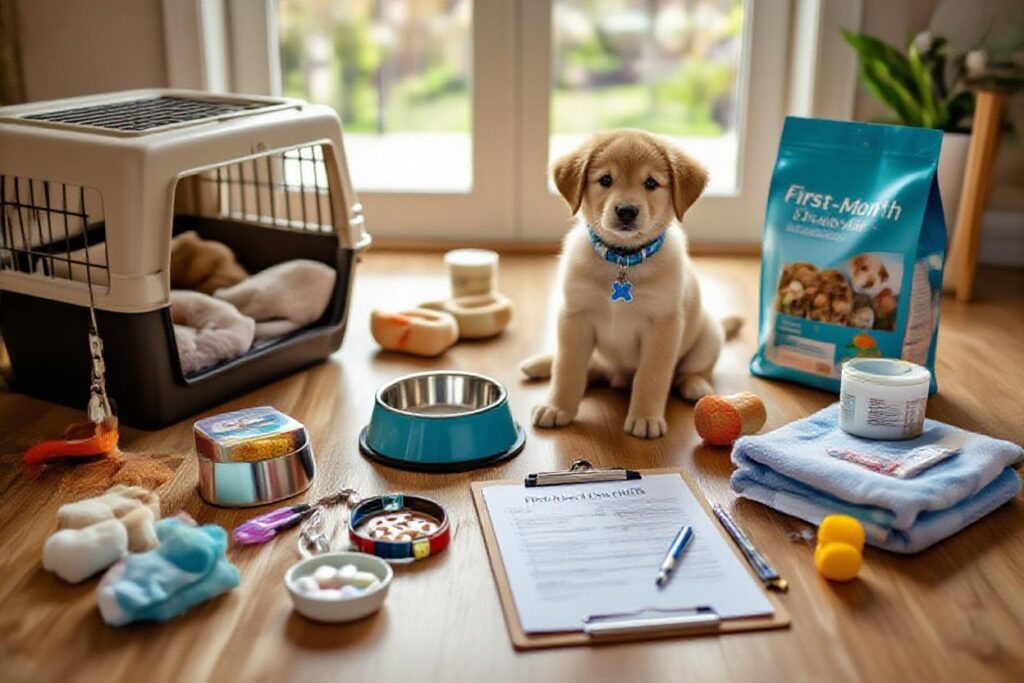
More new owners are using puppy checklists and apps because it’s way too easy to miss stuff in the chaos of those first months. If you map out vaccines, spay/neuter timing, training, and flea, tick, and heartworm prevention before you even bring your pup home, you’re not scrambling later when something goes wrong. You cut down on “uh oh” moments, your vet visits feel calmer, and your pup learns early that the clinic isn’t some terrifying place.
Avoiding Common Problems
New dog owners are posting daily about surprise issues like diarrhea, itchy skin, and ear infections, but most of that is totally predictable. When you control diet changes, keep vaccines on schedule, and use monthly parasite prevention, you dodge a huge chunk of the stuff that sends pups to emergency clinics at 11 pm. It’s not about being perfect, it’s just about not setting your dog up for the same old avoidable messes.
Think about how many dogs you’ve seen online with red, goopy eyes or constant scratching, right? A lot of that starts with simple things like cheap food full of fillers, no routine grooming, or skipping ear checks after swimming. If you clean ears once a week, brush your pup’s coat, and stick to one good-quality food instead of switching brands every few days, you slash the odds of skin flare-ups, hot spots, and ear infections. Add in basic training so your dog isn’t eating random stuff off the sidewalk, and you’re preventing stomach upsets, foreign body surgeries, even poisoning incidents. Tiny habits, huge payoff over the first 12 months.
Keeping Vet Bills Down
With vet prices climbing 5-10% a year, more owners are learning that preventive care is cheaper than crisis care. One full-blown parvo case can run over $1,500, while the full vaccine series might cost a couple hundred. When you budget for routine exams, vaccines, parasite meds, and dental care, you’re basically trading one giant surprise bill for smaller, predictable ones that don’t wreck your month.
Think about your wallet for a second, because this is where planning really hits home. A yearly wellness exam, vaccines, heartworm test, and 12 months of prevention might land around $400-600 depending on where you live. Compare that with a torn ACL from a constantly overweight pup (common in big breeds) that could cost $3,000 to $5,000 with surgery and rehab. If you keep your dog lean, brush their teeth a few times a week, and catch little issues during checkups, you avoid a cascade of expensive treatments later. It’s basically like putting a small “health savings” payment into your dog every month instead of paying interest on a giant emergency bill.
The Must-Have Health Basics for Every Dog
Think of your dog’s health kit like your own daily routine – a few simple habits that keep everything ticking along. You’ll want a schedule for vaccines, deworming, and flea-tick prevention, plus a basic first-aid kit and regular vet checkups at least once a year (twice for seniors). Add nail trims, ear checks, and dental care to the mix and you’ve basically covered 90% of common issues before they start blowing up into bigger, scarier (and pricier) problems.
Vaccinations You Can’t Skip
Core vaccines are like seatbelts for your dog – you hope you never “need” them, but you really don’t want to be without them. Your pup should get shots for parvovirus, distemper, hepatitis, and rabies, usually starting around 6-8 weeks old and then boosted every 3-4 weeks until about 16 weeks. After that, most dogs get boosters every 1-3 years, depending on your vet’s advice and local rules.
Deworming Tactics That Work
Worms aren’t just a gross topic, they’re a real health risk, especially for puppies and kids in the house. Most vets suggest deworming pups every 2 weeks until 12 weeks old, then monthly until 6 months, then every 3-6 months. Using vet-approved tablets or liquid meds that target roundworms, hookworms, and tapeworms keeps your dog’s gut in better shape and cuts down on diarrhea, weight loss, and that dull, scruffy coat.
When you plan deworming, think less “one and done” and more like a maintenance schedule, kind of like changing the oil in your car. You’ll usually give the dose with food, then your dog passes out the parasites over the next day or two, which is why you should always pick up poop quickly from the yard. If your dog hunts, eats weird stuff outside, or goes to dog parks a lot, your vet might push for more frequent deworming or even monthly combo products that cover worms and heartworm together. And if you ever see rice-like pieces around the butt or in poop, that’s a classic tapeworm sign, so you’ll want a specific tapeworm treatment, not just any random wormer off the shelf.
Flea and Tick Prevention – What You Need to Know
Fleas and ticks are like that one annoying guest who shows up uninvited and then brings 200 friends. Monthly preventive treatments (spot-ons, chewables, or collars) stop infestations before they start, which is way easier than trying to clear hundreds of fleas from your house. In many areas, vets now recommend year-round protection, because even a few mild winter days can wake ticks up and some carry nasty stuff like Lyme disease and ehrlichiosis.
When you’re choosing products, think about your lifestyle first – if your dog swims a lot, chews are usually better than topical drops that can wash off. You’ll want to treat every pet in the home, not just the itchy one, otherwise fleas just hop back and forth like it’s a game. If you’ve had a bad infestation once, you already know the drill: vacuum daily, wash bedding hot, and use vet-approved home sprays so you break the cycle at every stage, not just the adults you can see. And yes, even indoor-only dogs need protection in many areas, because all it takes is one hitchhiking flea or tick on your clothes to start a full-blown infestation.
Daily and Weekly Routines to Keep Your Dog Happy
Daily habits add up fast, and your dog feels every bit of it in their body and mood. Short morning walks, regular feeding times, quick ear and paw checks, and a few training reps keep your dog grounded and calm. Weekly, you can layer in nail trims, brushing, a quick body scan for lumps or sore spots, and a slightly longer adventure walk. These simple routines protect your dog’s health, cut down on vet bills, and make life way easier when something actually is wrong.
Feeding Schedules – Get in a Good Groove
Good feeding routines help your dog’s stomach, energy, and behavior stay steady instead of all over the place. Most adult dogs do great with 2 meals about 10-12 hours apart, while many puppies need 3-4 smaller meals to avoid blood sugar crashes. Using a measuring cup keeps portions consistent, and sticking to the same feeding spot lowers stress. You’ll catch problems faster too, like if your dog skips a meal or suddenly acts super hungry all the time.
Water: We All Need It, Right?
Clean water on tap sounds basic, but it’s one of the easiest things to slip on when life gets busy. A healthy dog usually drinks about 50-60 ml of water per kilo of body weight each day, more if it’s hot or you’re active. Swapping the bowl water at least twice daily stops that slimy film from building up. Any big jump in thirst or barely drinking at all can be a sign something serious is brewing.
On hot days, you’ll notice your dog hovering over the bowl more, and that’s your cue to refresh it even faster, maybe toss in an extra bowl in the shade too. Stainless steel or ceramic bowls are better than plastic, which scratches and holds bacteria, and a raised stand can help big breeds that tend to gulp water like it’s a race. If your dog loves to splash, a heavy, wide bowl keeps half the kitchen from turning into a puddle. And when you’re out walking or at the park, a collapsible water bowl and a simple bottle can save your dog from heat stress and sneaky issues like dehydration.
Exercise Tips to Keep the Wiggles Away
Regular movement keeps your dog’s joints, heart, and brain in a good place, not just their waistline. A young adult dog often needs 60-90 minutes of activity spread through the day, while many seniors do better with shorter, gentle sessions. Mixing walks with sniffing time, short training bursts, and simple games in the yard works better than one wild run. Overdoing it can be just as risky as too little, especially for growing puppies and breeds with joint issues.
- Daily walks that fit age and breed
- Sniffing time for mental stimulation
- Short training games for focus
- Rest periods between high-energy play
- Body language checks for fatigue or pain
Short bursts of fetch or tug, followed by a calm chew session, can take the edge off those evening zoomies without completely wiping your dog out. For flat-faced breeds like pugs or Frenchies, you’ll want shorter walks, cooler times of day, and extra care with heat because they overheat much faster than you’d expect. Puzzle toys, snuffle mats, and 5-minute training drills can drain mental energy even on rainy days when exercise options are limited. Recognizing when your dog starts lagging behind, panting harder than usual, or getting cranky with other dogs helps you spot early signs of overexertion and adjust the routine.
- Low-impact play like sniff walks and gentle fetch
- Age-appropriate workouts for puppies and seniors
- Indoor mental games on bad-weather days
- Heat and surface checks for paws and breathing
- Post-exercise monitoring for soreness or limping
Getting to Know Your Pup’s Health Team
With more vets offering telehealth and online portals now, your pup’s “health squad” is bigger than just one clinic. You’ve got your primary vet, maybe an emergency hospital, a trusted groomer who spots skin issues, even a trainer who flags behavior changes that might be medical. When they’re all on the same page, your dog gets safer, faster care and you avoid that scary guessing game when something feels off at 11 pm on a Sunday.
Choosing the Right Vet – What’s Your Take?
Picking a vet today is kind of like picking a pediatrician for your kid – you’re looking at reviews, hours, prices, and vibe. You want a clinic that explains stuff in plain English, offers clear estimates, and doesn’t rush you out the door in 5 minutes. Pay attention to how they handle vaccines, pain control, and senior care, because those things tell you a lot about how they’ll treat your dog when things get serious.
Keeping Track of Health Records – It Matters!
Digital vet apps and online portals are exploding right now, which makes it way easier to keep your dog’s history in one place. You’ll want vaccine dates, test results, meds, allergies, and past surgeries saved where you can grab them fast. That tidy record can literally speed up treatment in an emergency and helps you avoid dangerous mix ups with dosing or duplicate vaccines.
When you keep your dog’s health records tight and organized, you’re basically giving every future vet a cheat sheet. Snap pics of invoices, lab results, and medication labels, then stash them in a shared folder or app so anyone in your household can find them. If your dog ever reacts badly to a flea product or anesthesia, that note becomes gold later, because a new vet can spot patterns in seconds. And if you travel or move cities, walking into a new clinic with clear records makes you look prepared and helps your pup get safer, more accurate care on day one.
When to Seek That Second Opinion
More pet parents are asking for second opinions now, and that’s not being difficult, it’s being smart. You might do it if your dog isn’t improving after a few visits, if treatment will cost thousands, or if something just doesn’t sit right in your gut. A fresh set of eyes can catch a missed diagnosis, suggest a safer option, or simply confirm that your current plan is actually on track.
Any time you’re staring at a big surgery quote, a long term medication, or a confusing diagnosis, it’s fair game to say, “I’d like another vet to review this.” Good clinics won’t get offended, in fact many encourage it for tricky cases like chronic limping, weird allergies, or seizures that don’t respond to the first drug. Bring copies of X rays, bloodwork, and notes, so the new vet isn’t starting from zero. That way the second opinion isn’t just different, it’s genuinely better informed and more likely to give your dog the outcome you’re hoping for.
How to Spot Trouble: Signs Your Dog Might Be Sick
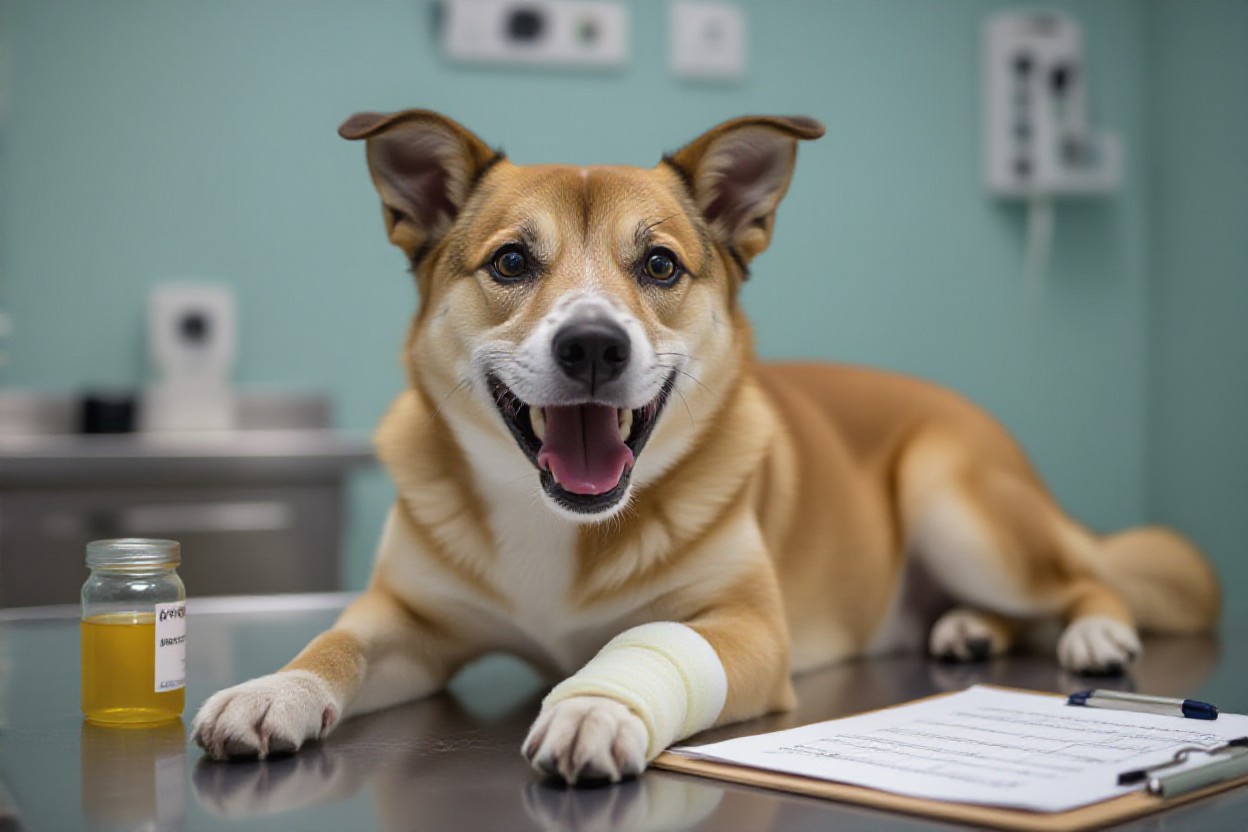
A lot of new owners think a sick dog will always look obviously miserable, but early issues are usually way more subtle. You’ll want to watch for sudden changes in energy, appetite, bathroom habits, breathing, or mood that last more than a day or two. Pay attention if your dog hides, acts clingy, limps, coughs, or drinks like a camel in July. When something just feels “off” and you can’t put your finger on it, that gut feeling is often your first warning sign.
Behavioral Changes That Should Not Be Ignored
People often shrug off behavior changes as “just personality,” but your dog’s mood is one of your best health clues. If your normally happy pup suddenly gets snappy, hides under the table, or stops wanting walks, that can point to pain, illness, or serious anxiety. Watch for pacing at night, crying when touched, new clinginess, or staring at walls. Even quieter stuff, like not greeting you at the door, can be your early red flag.
What’s Up with Their Appetite?
Lots of owners think dogs will eat anything, any time, but healthy dogs rarely skip meals for no reason. A sudden drop in appetite, or the opposite – constant begging and scavenging paired with weight loss – can signal issues like GI problems, infections, diabetes, or thyroid trouble. If your dog refuses food for more than 24 hours, or they’re eating but getting thinner, it’s time to stop guessing and call your vet.
While a single missed meal after a big day at the park might be no big deal, appetite changes that stick around are worth taking seriously. You’ll want to notice the details: is your dog sniffing the bowl then walking away, eating only soft stuff, or dropping kibble from their mouth like it hurts to chew? That can point to dental pain or nausea, not “picky eating.” On the flip side, some dogs raid trash, counters, even cat litter when they’re dealing with conditions like Cushing’s or diabetes, and that over-the-top hunger plus drinking more water than usual is a combo vets really pay attention to, so you should too.
Vomiting, Diarrhea, and Breathing Issues – Oh No!
It’s easy to brush off one puke as “they ate something weird,” but repeated vomiting, bloody or watery diarrhea, or any struggle to breathe can go bad fast. Watch for pale gums, a tight belly, or breathing that’s loud, wheezy, or faster than normal even at rest. If your dog vomits more than twice in a day, can’t keep water down, or is panting hard while doing nothing, that’s vet-time, not wait-and-see time.
While the occasional grass vomit or soft poop after a food change might not be a huge deal, those issues turn serious when they come with other signs like lethargy, shaking, or your dog just lying there like they’re wiped out. You’ll want to check how often it’s happening: several bouts of diarrhea in a few hours can dehydrate a small dog quickly, and that’s when you see dry gums and sunken eyes. Breathing stuff is even touchier – noisy snorting that suddenly worsens, blue or gray gums, or your dog stretching their neck to suck in air are all full-on emergency signs where you skip Google and head straight to the clinic.
Building Your At-Home Emergency Kit for Dogs
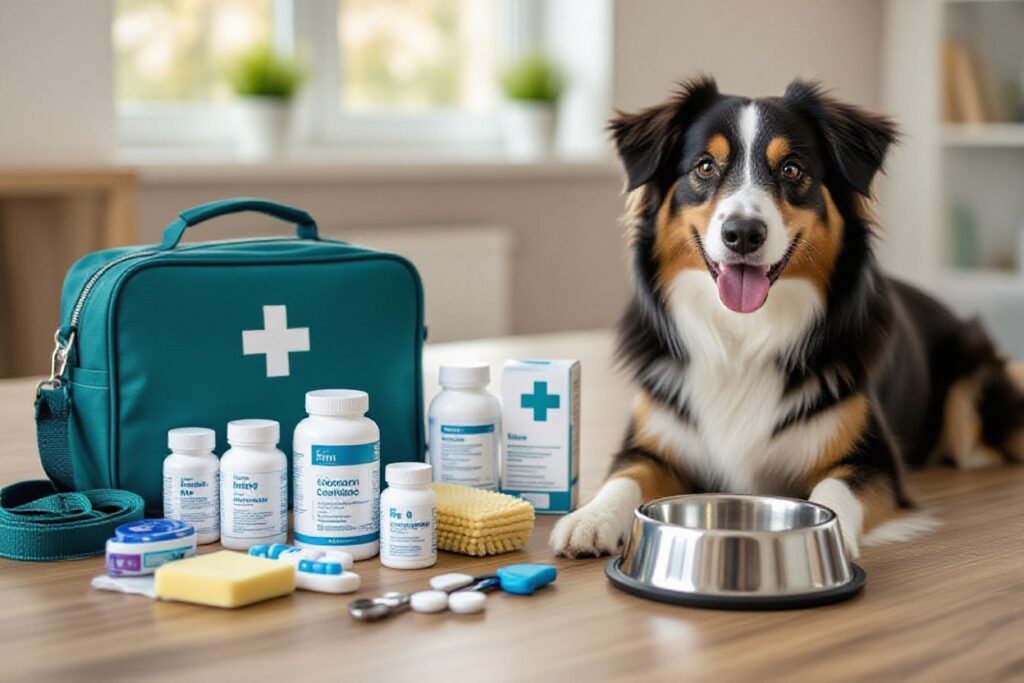
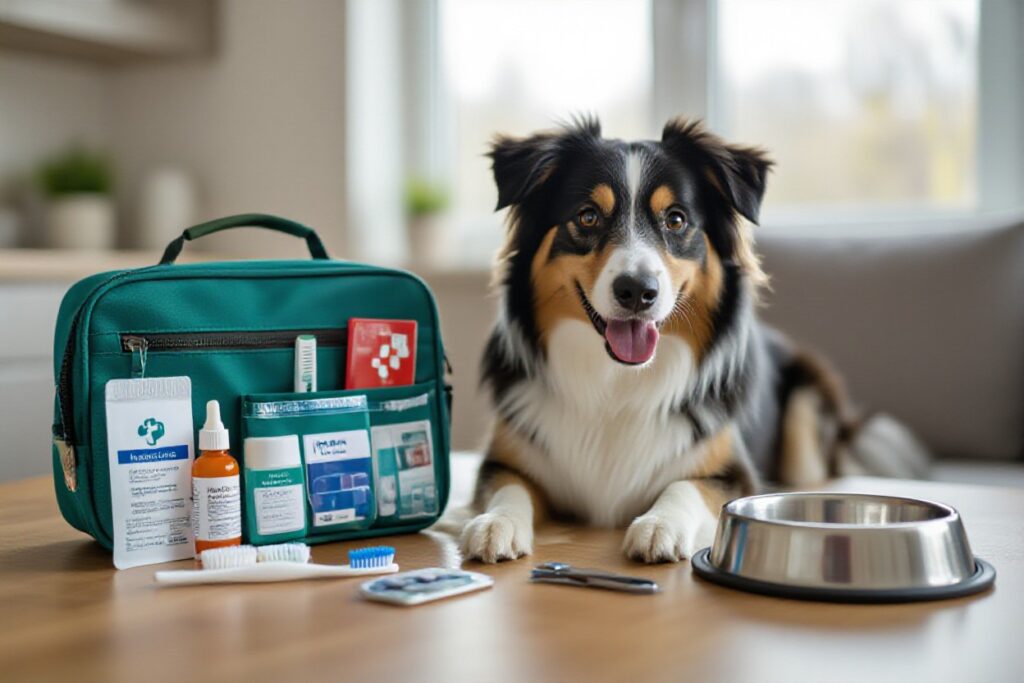
One minor kitchen accident with a paw on a broken glass and suddenly you’re scrambling for anything clean to stop the bleeding. A small, organized kit saves you in those frantic moments, because you know exactly where the gauze, antiseptic, and vet’s number are. You don’t need a hospital-grade setup, just a small box or pouch that lives in the same spot, always stocked, so when things get messy you can focus on your dog, not on hunting through junk drawers.
Essentials You’ve Gotta Have
Picture a ripped dewclaw at 10 p.m. and you’ve got nothing but paper towels – not fun. Your basic kit should have gauze pads, self-adhesive bandage wrap, antiseptic wipes, saline, tweezers, digital thermometer, hydrogen peroxide (3%), and a muzzle or soft slip leash. Toss in your dog’s meds, a small towel, and a laminated card with your regular vet plus the closest 24/7 ER clinic. You’re not trying to be the vet, you’re just buying safe time until you reach one.
Fun Fact: The Uses of Everyday Items
A friend once used a clean sock as a makeshift paw cover so her dog wouldn’t lick a cut on the way to the vet – totally worked. Stuff you already own can be surprisingly useful in emergencies: a credit card to scrape off a bee stinger, a belt as a quick leash, a T-shirt as a pressure bandage, even a headlamp for hands-free checks. When you know these little hacks, your house quietly turns into a mini first-aid station.
What makes this fun is realizing you don’t have to buy a cartful of fancy gear to be prepared. A clean pillowcase can act as a gentle “sling” to support a dog with a sore back end, plastic spoons work to dose liquid meds without spilling, and vet-approved honey can help coat the mouth if your pup licks something irritating. The trick is to keep these ideas in your kit notes, so when adrenaline spikes, you’ve already got a shortcut list of everyday items you can safely repurpose.
Seriously, Don’t Overlook This Stuff!
A lot of people stock bandages but skip the boring bits like emergency contacts, vet records, and written dosing instructions – then panic when they actually need them. You want a printed list of phone numbers, your dog’s vaccine dates, allergies, meds, and their normal weight and temperature. Add a small stash of high-value treats so your dog associates the kit with good things, not just scary moments. Future-you will be insanely grateful you took 15 minutes to set this up.
What really matters here is that you make the kit usable when your brain is in full stress mode. Label things in big letters, tuck a simple step-by-step sheet inside (like how to check gums, how to use the thermometer, when to head straight to the ER), and store it somewhere you can grab it half-asleep. Keep a calendar reminder to scan it every 3 months for expired meds or beat-up supplies. Preparation sounds boring… right until it’s the one thing that keeps a small issue from turning into a full-blown emergency.
When Should You Run to the Vet?
Most new owners wait too long, not too little, and that delay is what gets dogs into trouble. If your gut is screaming that something’s off, you treat that as a medical red flag, not you being dramatic. Any sudden change that’s intense, weirdly fast, or just totally unlike your dog’s normal self is reason to grab your keys, not Google.
Red-Flag Symptoms Every Dog Owner Should Know
Some signs are just “keep an eye on it”, others are drop-everything-now. Watch for gums that turn white, blue, or brick red, nonstop vomiting or diarrhea (more than 2-3 episodes in a few hours), or breathing that’s fast, noisy, or looks like your dog is working hard for every breath. A bloated, tight belly with pacing and drooling in a large breed can be life-threatening bloat within an hour.
Situations That Call for Immediate Action
Anything that messes with breathing, bleeding, or brain function is a straight-up emergency. Trouble catching air, a car hit, falls from height, seizures, or poison ingestion (like rat bait, xylitol, grapes, meds) all mean you don’t wait to “see how it goes”. If your dog can’t stand, collapses, or you see blood spurting or soaking a towel in minutes, you head to the vet or ER right away.
Think in simple buckets: air, blood, brain, belly. If your dog’s choking on a toy, tongue is turning blue or gray, or breathing is louder and faster than 40 breaths a minute at rest, that’s air – time-sensitive. Bleeding that doesn’t slow with firm pressure in 5-10 minutes is an ER trip, not a home project. Seizures lasting over 3-5 minutes, more than one seizure in a day, or a dog that doesn’t fully wake up after? That’s brain, also urgent. And a hard, swollen belly with restlessness, retching but nothing coming up, especially in big deep-chested breeds, is classic bloat, where every 30 minutes can change survival odds.
My Take on Emergency Visits
Every vet I’ve worked with would rather see a “false alarm” at 2 a.m. than a crashed dog at 8 a.m. later. You’re not being silly if you show up for something that looked scary in real time but turned out minor. If the choice is paying for an extra exam or risking organ damage because things looked “ok-ish”, pay for the exam and sleep at night.
What usually surprises new owners is how fast some problems snowball. A toxin can go from “my dog seems fine” to seizures in under an hour, and a twisted stomach can start cutting off blood flow in the same kind of window, so yeah, I’m firmly on team “go early”. I’ve seen more regret over waiting 6 hours than over “wasting” money on a non-emergency. If you’re sitting there timing breaths, checking gums every 2 minutes, and refreshing pet forums, that’s your sign: you’re worried for a reason – grab your dog and get evaluated.
Doggie Diets – What Should They Eat?
Most dogs actually thrive on pretty simple food, as long as you nail the basics like balanced nutrients, safe ingredients, and steady portions. You want a diet that keeps joints smooth, poop easy to pick up, and energy levels stable, not a trendy bowl that looks good on Instagram. So focus on high quality protein, moderate fat, and controlled carbs that match your dog’s age and activity. Aim for complete and balanced food approved by AAFCO. This keeps your vet bills lower and your dog’s tail higher.
Types of Dog Food: Kibble vs. Raw vs. Homemade
Dry kibble, raw diets, and homemade meals all sound great in different ways, but they come with very different risks and trade offs for you as the owner. Kibble is convenient, often backed by feeding trials, and easier on your wallet, while raw and homemade can be amazing when done right but a real problem when you miss key nutrients like calcium or imperative fatty acids. Some studies link poorly balanced raw diets with bone fractures in growing puppies, just from missing minerals. This means you want to weigh safety, cost, and your lifestyle before you switch anything in that bowl.
- Kibble is shelf stable, easy to store, and usually formulated to be complete and balanced for daily feeding.
- Raw diets may increase palatability but can carry bacteria like Salmonella that put kids and older adults in your home at risk.
- Homemade food feels loving but often lacks key micronutrients unless a vet nutritionist designs the recipe.
- Mix-feeding (kibble plus some fresh toppers) can boost flavor without wrecking balance when you keep portions small.
- Sudden food changes commonly trigger diarrhea, so always transition over 7-10 days to protect your dog’s gut.
| Type | Key Consideration |
| Kibble | Budget friendly and tested but watch for filler-heavy formulas. |
| Raw | May improve coat but adds higher food safety and handling risks. |
| Homemade | Customizable yet often unbalanced without expert guidance. |
| Veterinary diets | Target issues like kidney disease with precise nutrient control. |
| Mixed approach | Lets you add fresh food while keeping a balanced base diet. |
Tips for Picking the Right Food
Food labels can look like marketing soup, but a few quick checks make choosing way less stressful. You want the AAFCO statement saying the food is complete and balanced for your dog’s life stage, plus a clearly named protein source like chicken or salmon in the first ingredients. So if your dog has itchy skin, recurring ear infections, or soft stool, that food might not actually be serving them well. This makes your dog’s poop, coat, and energy level the easiest real life scorecard for any brand you pick.
- AAFCO-approved wording should clearly state the food is complete and balanced for growth, adult, or all life stages.
- Named animal proteins (chicken, beef, lamb) beat vague terms like “meat meal” every time.
- Life stage matching is non negotiable for puppies and seniors with very different nutrient needs.
- Brand transparency helps, so favor companies that share who formulates their diets and where they’re made.
- Vet input is worth it for dogs with allergies, tummy issues, or chronic disease.
Reading the bag is only half the story, because your dog will tell you pretty fast if the food is actually working. If you notice super shiny fur, steady weight, and small, well formed poop, you’re probably on the right track even if the packaging isn’t fancy. On the flip side, lots of gas, flaky skin, or constant begging can hint that the calories or nutrients just aren’t lining up for your dog’s metabolism. This is why you want to reassess the diet any time you see changes in stool, itch level, or weight over a few weeks.
- Body condition score should hover around a 4-5 out of 9 where you can feel ribs but not see them sticking out.
- Transition slowly between foods over at least a week to avoid loose stools and gut upset.
- Measure portions with a real measuring cup, not a random mug that sneaks in extra calories.
- Adjust calories if treats, chews, and table scraps creep over 10 percent of daily intake.
- Regular weigh-ins at home or the vet help you spot sneaky weight gain early.
The Scoop on Supplements
Not every dog needs a supplement, and tossing in random powders can backfire more than people think. Omega-3s from fish oil, for example, can genuinely help arthritic dogs move easier, but too much can thin the blood or upset the stomach. Joint supplements with glucosamine and chondroitin sometimes lower stiffness about 20 percent in studies, yet cheap products often don’t contain what the label promises. This means you only want to add targeted, vet-recommended supplements on top of a balanced diet, not instead of one.
Some of the most useful add ons are pretty basic, like a probiotic during or after antibiotics to help your dog’s gut microbiome recover faster. Others, like green-lipped mussel or prescription joint chews, are best suited for big breeds or seniors starting to slow down on walks. And with things like CBD, herbs, or high dose vitamins, quality control is all over the place, so you really do need your vet’s eyes on the plan. This way you avoid doubling up ingredients, wasting money, or accidentally pushing your dog into toxicity with something as simple as too much vitamin D or calcium.
Grooming: Keeping Your Pup Lookin’ Sharp
Good grooming does more than make your dog Instagram-ready, it actually helps you spot health problems early. While you’re brushing, bathing, or trimming, you’ll notice weird lumps, sore spots, fleas, or flaky skin long before they turn into big vet bills. You also cut down on shedding, stink, and matting, which can pull painfully on the skin. Done right, grooming becomes a quick weekly checkup you do at home without any fancy equipment.
Bathing Done Right
Quick baths every 4 to 6 weeks keep most dogs clean without drying their skin out, unless your vet says otherwise. You’ll want lukewarm water, a dog-safe shampoo, and a non-slip mat so your pup doesn’t freak out and slide everywhere. Start at the neck, avoid the eyes and ears, then rinse longer than feels necessary so no residue is left behind. Suds left on the skin can cause itching, hot spots, and redness.
Brushing Tips for a Shiny Coat
Regular brushing works like a mini spa day and a health check rolled into one. Short-haired dogs might do fine with 1 to 2 sessions a week, while long-haired or double-coated breeds often need daily brushing to avoid painful mats that tug at the skin. You’ll want a simple slicker brush or rubber curry, nothing wild or super expensive. Consistent brushing boosts circulation, spreads natural oils, and leaves your dog with that healthy, glossy coat everyone comments on.
- Brushing frequency
- Coat type
- Mat prevention
- Skin health
Some dogs act like the brush is a torture device at first, but you can win them over fast with patience and snacks. Start with super short sessions, even 60 seconds, always brushing in the direction the hair grows, and reward constantly so your dog links the whole thing with tasty treats. For double-coated breeds like Huskies or Goldens, a basic undercoat rake used once or twice a week can pull out dead hair before it explodes all over your house. This simple routine helps prevent painful tangles, skin infections, and even hidden parasite issues that get trapped under mats.
- Positive reinforcement
- Undercoat rake
- Mat removal
- Parasite check
Nail Clipping – Not as Scary as It Sounds
Overgrown nails don’t just click on your floors, they can actually change how your dog walks and put pressure on joints. You’ll know it’s time when you hear that constant tapping or the nails touch the ground even when your dog is standing still. A simple pair of guillotine or scissor-style clippers and a handful of treats is usually all you need. Short, frequent trims are safer than big cuts and help you avoid hitting the quick, that sensitive pink bit that bleeds.
Many first-time owners avoid nails completely, which is how you end up with curled claws digging into paw pads and expensive vet visits. Try clipping just the very tip of one nail, treat, then stop and let your dog walk away if they want, since that choice builds trust way faster than forcing it. Dark nails are trickier, so aim for tiny slices and look for a gray dot in the center, that’s your signal to stop cutting. This slow, steady approach keeps stress low, joints healthier, and unwanted injuries far less likely over your dog’s lifetime.
Dental Care for Your Canine Buddy
By age 3, roughly 80% of dogs already show some level of gum disease, so daily mouth care isn’t a fancy extra, it’s basic health care. When you stay on top of your dog’s teeth cleaning, you cut the risk of painful infections, smelly breath, and expensive dental surgery later. Strong, clean teeth also help your pup chew properly, which means better digestion and way more comfort in everyday life.
Why Doggie Dental Health is a Big Deal
Veterinarians see more dental disease in dogs than almost any other ongoing issue, and it often starts quietly under the gumline. Poor oral hygiene doesn’t just cause bad breath, it can let bacteria enter your dog’s bloodstream and stress their heart, liver, and kidneys. You protect more than their smile when you keep that mouth healthy, you genuinely protect their overall health, energy levels, and even life span.
Tips for Brushing That Furry Fella’s Teeth
Daily brushing can cut plaque by up to 70%, which is wild considering it only takes you about 2 to 3 minutes. Start with a dog-friendly toothpaste (never human paste) and a soft dog toothbrush or fingertip brush, then work up slowly so your pup thinks of it like a treat-time massage, not torture. Short, calm sessions, lots of praise, and ending on a win will make the whole routine feel easy instead of like a wrestling match.
- Dog toothbrush
- Dog toothpaste
- Daily brushing
- Gum health
- Plaque control
Most dogs only tolerate toothbrushing for seconds at first, so you start by just letting your pup lick a bit of enzymatic dog toothpaste off your finger. Then you gently rub a front tooth or two, working toward 30-60 seconds per side over a couple of weeks, using a soft-bristled dog toothbrush or finger brush. Because you’re focusing on the outer surfaces near the gumline, tiny circular motions do the most work in the least time, especially on the big chewing teeth at the back. Recognizing that any consistent brushing, even 3 times a week, is miles better than doing nothing will help you stick with it long term.
- Enzymatic toothpaste
- Finger brush
- Short sessions
- Positive reinforcement
- Brushing routine
Treats That Actually Help Teeth
Clinical studies on some VOHC-approved dental chews show plaque reductions of 20-30%, which makes them a pretty solid backup for days you skip brushing. You look for chews sized for your dog’s weight, with textures that make them gnaw for at least a few minutes, not just gulp and go. Used smartly, these chews can freshen breath, scrape away soft plaque, and turn dental care into your dog’s favorite part of the day.
Some popular dental treats and water additives are actually tested in vet-led trials, so you want to look for the VOHC (Veterinary Oral Health Council) seal on the packaging when you can. Longer-lasting chews like rubbery dental sticks or ridged bones make your dog work their back teeth, which is where nasty tartar loves to build up. Because extra calories sneak in fast, especially with small breeds, you should count dental chews as part of your pup’s daily treat allowance and adjust meals a little. Recognizing which products are actually cleaning teeth, not just masking bad breath with minty flavor, will save you money and protect your dog’s mouth at the same time.
Exercise: How Much is Really Enough?
Picture this: your dog is zooming around the living room at 10 p.m. and you’re wondering if you walked them enough or way too much. Most healthy adult dogs land somewhere around 30 to 90 minutes of daily exercise, split into a couple of sessions, while high-energy breeds often push toward the upper end. Puppies and seniors need shorter, gentler bursts with lots of sniff breaks. You’ll know you hit the sweet spot when your dog settles calmly at home instead of bouncing off the walls or collapsing in a heap from overexertion.
Types of Exercise for Different Breeds
Different breeds burn energy in totally different ways, so your husky’s perfect workout will bore a Frenchie to tears. Herding breeds often thrive on mental exercise like scent games plus fast-paced walks, while toy breeds usually do fine with indoor play and a couple of 20-minute strolls. Brachycephalic dogs like pugs need extra care in heat and humidity because of breathing issues. Assume that you tailor intensity based on your dog’s size, nose shape, and overall fitness level so you protect their joints and heart.
- Daily walks for basic movement and joint health
- Play sessions like tug, fetch, or flirt pole
- Brain games such as puzzle feeders and sniffing
- Breed-specific work like herding-style games or tracking
- Low-impact options like swimming for joint-sensitive dogs
| Small companion breeds | 2-3 short walks (10-20 mins) plus light indoor play |
| Working / herding breeds | 60-90 mins of brisk walks, training, and fetch or jogging |
| Brachycephalic breeds | Very gentle walks, cool weather only, frequent rest breaks |
| Senior dogs | Short, frequent strolls for mobility, soft surfaces where possible |
| Puppies | 5 minutes of structured exercise per month of age, multiple mini sessions |
Fun Games to Keep Them Active
On those days when another plain walk sounds boring for both of you, simple games can turn exercise into a highlight. Indoor fetch, hide-and-seek with treats, or “find it” scent games give both brain and body a workout, and you don’t need fancy gear to pull them off. Short backyard agility with broomstick jumps or weaving around plant pots is plenty for most family dogs. Assume that you rotate 2 or 3 favorite games through the week to keep your dog mentally sharp and happily tired.
With fun games, you’re basically sneaking in fitness without it feeling like a chore for either of you. A quick 10-minute tug session can work your dog’s muscles and improve impulse control, while a DIY scent trail with kibble scattered in the grass taps into their natural hunting instincts. Even teaching silly tricks like spin, bow, or crawl builds core strength and coordination. The key is to keep sessions short, end while your dog still wants more, and use high-value rewards so exercise feels like a game, not a grind.
Is Too Much Exercise a Thing?
Some dogs will chase a ball until their paws are raw, so yes, too much exercise is absolutely a thing. Signs of overexercise include limping after rest, stiffness the next morning, heavy panting that doesn’t ease after 10-15 minutes, or your dog suddenly refusing stairs or jumping into the car. Growing puppies are especially at risk for joint damage from long runs or repetitive high-impact play. Assume that if your dog is consistently wiped out for hours after activity, it’s time to scale back and talk to your vet.
Overdoing it doesn’t just hit the legs, it stresses the heart, lungs, and even your dog’s immune system when it happens day after day. A 2022 study on working dogs showed higher rates of soft-tissue injuries in dogs pushed through fatigue without enough rest days, and you can see this at home when your dog seems “slower” yet still obsessed with the ball. That’s why you watch for subtle warning signs like reluctance to move, unusual soreness when touched, or your dog lying down mid-walk. In practical terms, you’re better off with moderate, consistent exercise plus rest days than heroic weekend marathons that leave your dog hobbling.
Socialization: Why It’s Key for Your Pup
With more people working from home, pups are getting tons of attention but not always enough real-world practice, and that gap can show up later as fear or reactivity. Early socialization helps your dog handle new places, sounds, and people without panicking, which directly supports better behavior and long-term health. You’re not just raising a cute companion here, you’re building their emotional immune system. This is one of those quiet habits that prevents a lot of future vet visits and stressful situations.
The Benefits of Puppy Playdates
Group puppy classes and playdates are exploding in popularity right now, and there’s a good reason: they work. When your pup meets other dogs in short, supervised sessions, their confidence grows, their bite gets softer, and their stress hormones stay lower in new situations. You’ll also see better sleep, more relaxed walks, and fewer meltdowns at the vet. This is basically free training your dog gives themself while you just hang out and watch.
Tips to Help Your Dog Get Out There
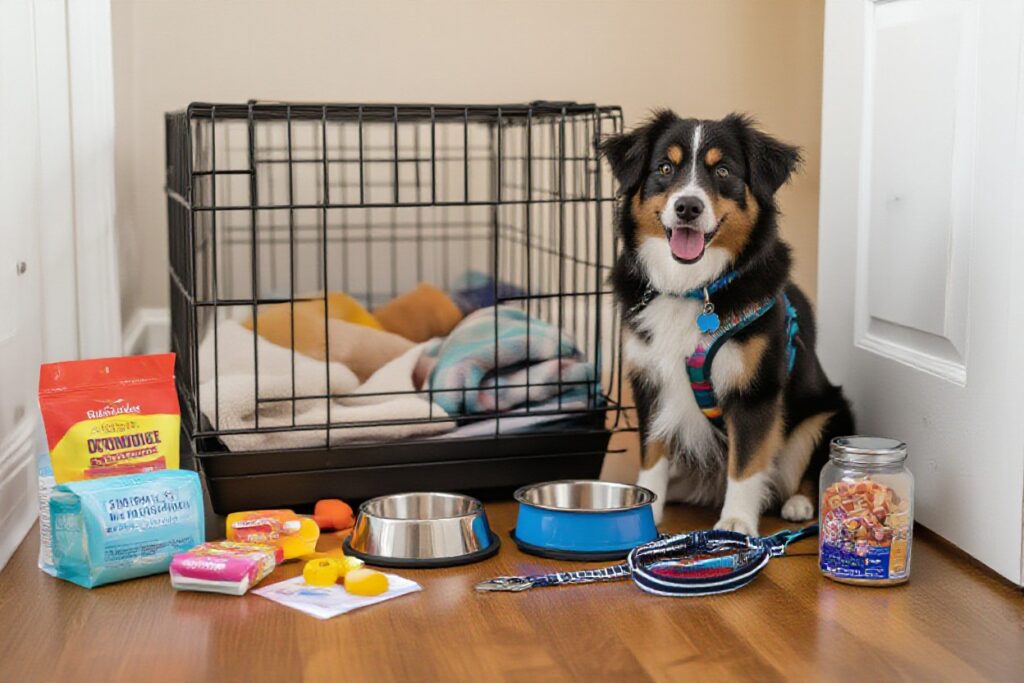
Real progress happens when you keep things small and repeatable instead of chasing some perfect big outing. Start with low-key exposures like sitting in a quiet parking lot, watching people at a distance, then slowly moving closer as your dog relaxes. Mix in short visits to pet friendly stores, safe parks, and calm friends’ houses so your pup learns that new places usually mean good stuff. This lets your dog slowly build a library of positive experiences instead of one giant, overwhelming memory.
- Short sessions of 5-10 minutes beat one long exhausting trip.
- Use high value treats your dog only gets during social outings.
- Watch body language like tucked tails, yawning, or hiding behind you.
- Pair new sounds (traffic, kids, carts) with praise and food.
- Skip off leash if your dog looks overwhelmed or freezes up.
Some days your dog will nail it, other days you’ll barely get to the end of the street, and that’s fine. You can rotate locations, people, and dogs so your pup learns that life is varied but still safe, and that you always have their back when things get weird or loud. Try using a simple rule of thumb: if your dog can still take food and respond to their name, you’re in the right zone, if not, you’re going too fast. This gentle, step-by-step approach is what turns social outings into mental workouts instead of emotional wipeouts.
- Plan quiet times of day for new environments to keep things calm.
- Invite trusted friends to toss treats instead of rushing to pet.
- Carry a comfy harness so your dog doesn’t associate outings with discomfort.
- End on an easy win like one successful sit, then head home.
- This consistent, low-pressure pattern teaches your dog that the world is safe, predictable, and worth exploring with you.
Seriously, Don’t Skip This Step!
Behavior pros keep saying that more than 70% of issues they see in clinic could have been softened or avoided with better early socialization, and that should make your ears perk up a bit. Skipping this part of your dog’s care plan often shows up later as anxiety, leash reactivity, or even bites, which are way harder (and more expensive) to fix than prevent. You’re already feeding, vaccinating, and grooming your dog, so it makes sense to treat social time as part of basic healthcare, not a cute extra. This small investment now can save you years of stress, training bills, and heartbreaking safety decisions later.
Plenty of dogs that end up needing medication or intensive behavior work didn’t have anything medically “wrong” with them at first, they just never learned how to feel safe in the world. When you build social outings into your normal routine, you’re lowering your dog’s overall stress load, which also supports better digestion, stronger immunity, and even healthier skin. Vets and trainers see the same pattern over and over: dogs that got thoughtful, early exposure are easier to examine, easier to groom, and easier to live with. This single piece of the puzzle quietly holds a huge chunk of your dog’s long-term health and happiness.
Understanding Dog Behaviors – What’s Normal and What’s Not?
Behavior tells you more about your dog’s health than almost anything else, and ignoring it is where a lot of new owners go wrong. A healthy dog will have a fairly steady pattern: sleep, play, eat, potty, repeat. Sudden changes in that pattern – hiding, snapping, pacing, non-stop barking – can flag pain, anxiety, or illness before you ever see a limp or a rash. Treat behavior shifts like a built-in early warning system, not just “quirks” your pup will grow out of.
Common Behaviors to Expect
Every healthy dog has a few “standard issue” habits: zoomies once or twice a day, sniffing everything, barking at unfamiliar sounds, and chewing while they explore. Young dogs sleep 18 to 20 hours, adults about 12 to 14, so lots of napping is normal. You’ll also see stretching after sleep, tail wags that move the whole butt, and quick bursts of play followed by flop-on-the-floor crashes.
When They’re Acting Weird, What’s Up?
When your usually chill dog suddenly hides, stares at walls, paces all night, or growls when touched, that’s not “being dramatic” – it might be pain or stress. Weird stuff like head pressing, walking in circles, nonstop licking one spot, or sudden fear of stairs can point to joint problems, neurological issues, or an upset stomach. Any odd behavior that appears out of nowhere and sticks around more than a day deserves a closer look, and often a vet visit.
So here’s how you keep your sanity: compare your dog to their normal, not to someone’s perfect Instagram pup. If your dog has always been shy with strangers, that’s probably just their personality, but if they go from social butterfly to hiding under the table overnight, that’s a red flag. Fast changes plus other signs like panting at rest, drooling, squinty eyes, or refusing food usually means something hurts. Grab a quick video of the weird behavior, jot down when it started, then call your vet so you’re not trying to describe it from memory.
The Real Deal About Separation Anxiety
Separation anxiety isn’t your dog being “spoiled” – it’s panic mode when you’re gone. Dogs with this issue may bark for hours, scratch doors, drool puddles, or even bloody their paws trying to escape. You’ll often see them shadow you from room to room, freak out when you pick up keys, and refuse to eat when alone. If your dog melts down within 5 to 15 minutes of you leaving, that’s a big clue.
Because this problem can wreck your dog’s health and your walls, you tackle it like an actual medical-behavior issue, not a manners problem. Start with super short departures – literally 30 to 60 seconds – while using a camera to watch what happens, and slowly stretch the time only if your dog stays relatively calm. Pair absences with “good stuff” like stuffed Kongs or lick mats that only appear when you walk out. If there’s howling, self-harm, or destruction every time you leave, skip the DIY guilt spiral and talk to your vet or a qualified trainer; meds plus training often help more than either one alone.
Aging Gracefully: Caring for Older Dogs
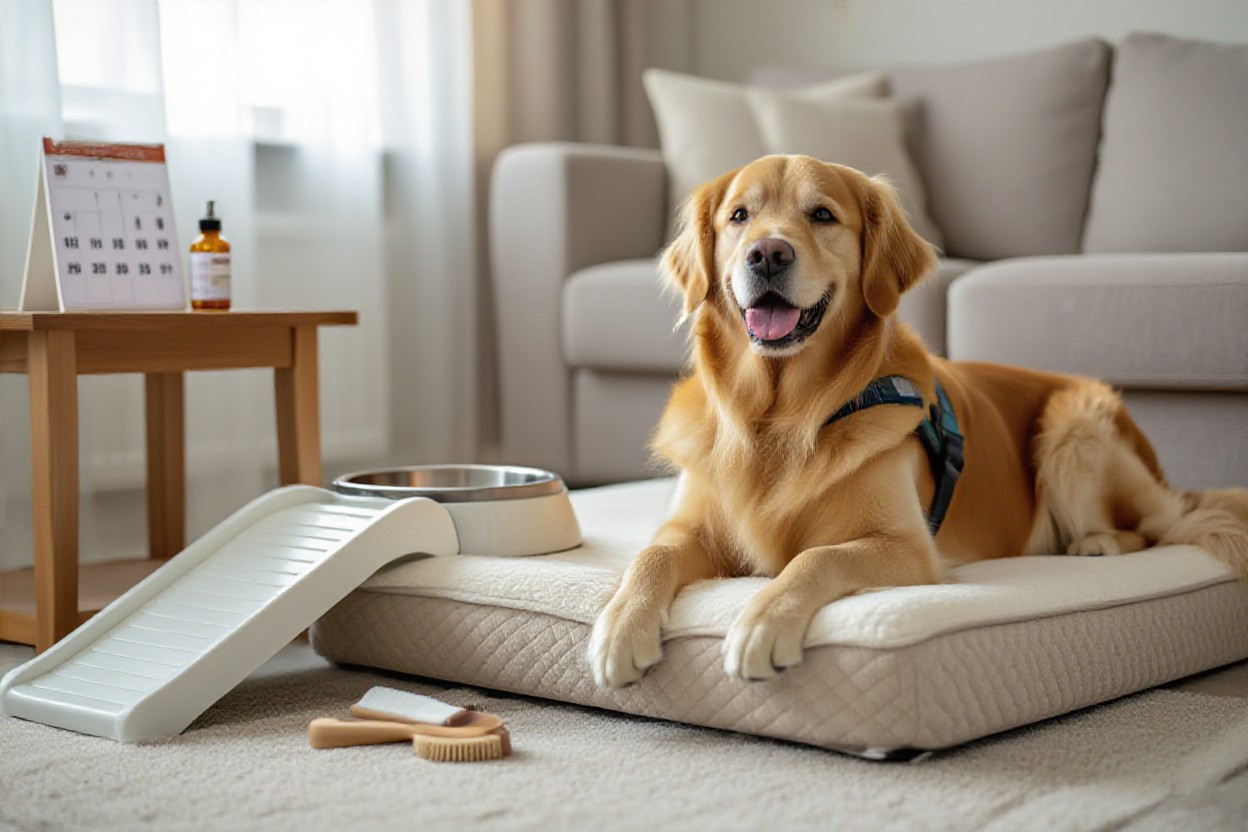
Most people expect old age to hit their dog overnight, but it usually creeps in slowly and quietly. You start tweaking diet, shortening walks, and scheduling more frequent vet checkups, not because your dog is fragile, but because their body plays by slightly different rules now. A softer bed, warmer spots, and joint-friendly supplements suddenly matter a lot more. Small daily adjustments stack up into years of extra comfort, less pain, and more tail wags in your dog’s senior chapter.
Knowing the Signs of Aging
Gray fur around the muzzle is the obvious one, but aging usually whispers before it shouts. You might spot slower get-ups, longer naps, stiff joints after play, or new anxiety at night. Some dogs drink more, bump into furniture, or miss cues they nailed for years. Subtle weight gain or loss also tells you the body is changing. Recognizing these early shifts helps you catch problems while they’re still easy to manage with your vet.
Adjustment Tips for Senior Canines
Instead of assuming your old dog should “slow down,” you actually want to keep them moving, just smarter and softer. Shorter, more frequent walks protect joints, raised bowls ease neck and back strain, and non-slip rugs stop painful slips on hard floors. A senior-formula diet and regular bloodwork help you stay ahead of kidney, liver, or thyroid issues. Recognizing that a few strategic tweaks at home can shave years off their discomfort is one of the best gifts you can give them.
- Orthopedic dog bed to cushion stiff hips and elbows
- Joint supplements with glucosamine, chondroitin, or omega-3s
- Non-slip flooring or rugs in high-traffic areas
- Senior dog food tailored to weight and organ health
- Regular vet visits every 6 months for labs and physical exams
Small home changes often make a bigger difference than fancy gadgets. Swapping stairs for a ramp to the car, lifting food bowls, and trimming nails a bit shorter can instantly make walking and standing less of a chore. You might split meals into 3 smaller portions to avoid tummy upsets and keep blood sugar steadier, especially in breeds prone to pancreatitis. Recognizing when your dog hesitates at furniture, flinches on slippery floors, or struggles after a long walk is your clue that it’s time to tweak their setup, not just chalk it up to “getting old.”
Keeping Their Spirits High
Older dogs actually crave mental workouts more than wild sprints, which is great news for your couch-loving side. Nose games, gentle puzzle toys, and easy training refreshers keep their brain firing without punishing their joints. Quiet social time with familiar dogs and people matters just as much as exercise. Recognizing boredom, clinginess, or new vocalizing as signs of a restless mind helps you support their mood, not just their body.
Some of the happiest seniors I see are the ones still “working” a little every day, even if that job is just finding kibble hidden in a muffin tin. You can rotate 3 or 4 simple games – snuffle mats, slow treat trails around the living room, or a 5-minute trick session that revisits sit, paw, and touch. Even car rides to sniff a new park (without a big hike) light them up. Recognizing that your older dog doesn’t need harder activities, just more thoughtful ones, is the key to keeping that spark in their eyes well into their gray years.
Frequently Asked Questions About Dog Health
Plenty of new owners think dog health is just food, water, and yearly shots, but it gets a bit more layered than that once you dig in. You’ll run into questions about vet visits, vaccines, breed issues, even weird one-off symptoms you swear Google is overreacting to. The good news is you don’t need a vet degree to keep your dog safe, comfortable, and living a long life – you just need clear, simple answers to the most common questions you’re already asking in your head.
How Often Should My Dog See the Vet?
A lot of people assume dogs only need the vet when they’re obviously sick, but that’s how big problems sneak up on you. Most healthy adult dogs should see the vet at least once a year, while puppies often go every 3-4 weeks for vaccines and checkups. Senior dogs, usually over 7, really benefit from visits every 6 months so your vet can catch kidney disease, arthritis or weight changes early, before they turn into expensive emergencies.
Do All Dogs Need the Same Vaccines?
It’s super common to think every dog gets the exact same shot list, like a one-size-fits-all package, but that’s not how good vets work. All dogs usually need the core vaccines: distemper, parvo, adenovirus, and rabies. After that, it depends on your dog’s lifestyle – some will need leptospirosis, Bordetella or Lyme, others don’t. Your vet will tailor the plan based on where you live, how much your dog socializes, and what risks are actually real for your area.
So for example, a city apartment pup that only walks on sidewalks might not need the same vaccines as your hiking buddy that swims in lakes and sniffs every muddy puddle. Dogs going to daycare, grooming salons, or boarding facilities usually need Bordetella and often influenza, because one coughing dog can set off a whole chain of infections. In some regions, leptospirosis is a big concern because it spreads through wildlife urine in standing water and it can be deadly to both dogs and humans. The smart move is to ask your vet, very specifically, “Which shots are core, and which are lifestyle-based for my dog?” and have them walk you through the why behind each one.
What About Health Issues in Specific Breeds?
A lot of first-time owners think health problems are just random bad luck, but certain breeds really are prone to specific issues. Frenchies and pugs can struggle with breathing, German Shepherds with hip dysplasia, and large breeds like Great Danes with bloat that can be life-threatening in hours. Mixed breeds aren’t magically invincible either, so you’ll want to know what’s in the mix and plan screenings, joint care, and weight management around those higher-risk areas.
For example, if you’ve got a Labrador, you’ll want to be extra picky about keeping them lean, because even a few extra kilos can speed up arthritis and hip problems. With brachycephalic breeds like bulldogs or pugs, you’ve really got to watch heat, snoring, and any noisy breathing, since surgery is sometimes needed to help them breathe properly. Dachshunds are famous for back issues, so jumping off couches or stairs every day can push them toward slipped discs. When you know your breed’s top 3 red-flag issues, you can set up simple habits – like ramps, slow feeding, or early screening X-rays – that quietly cut your dog’s long-term risk in a big way.