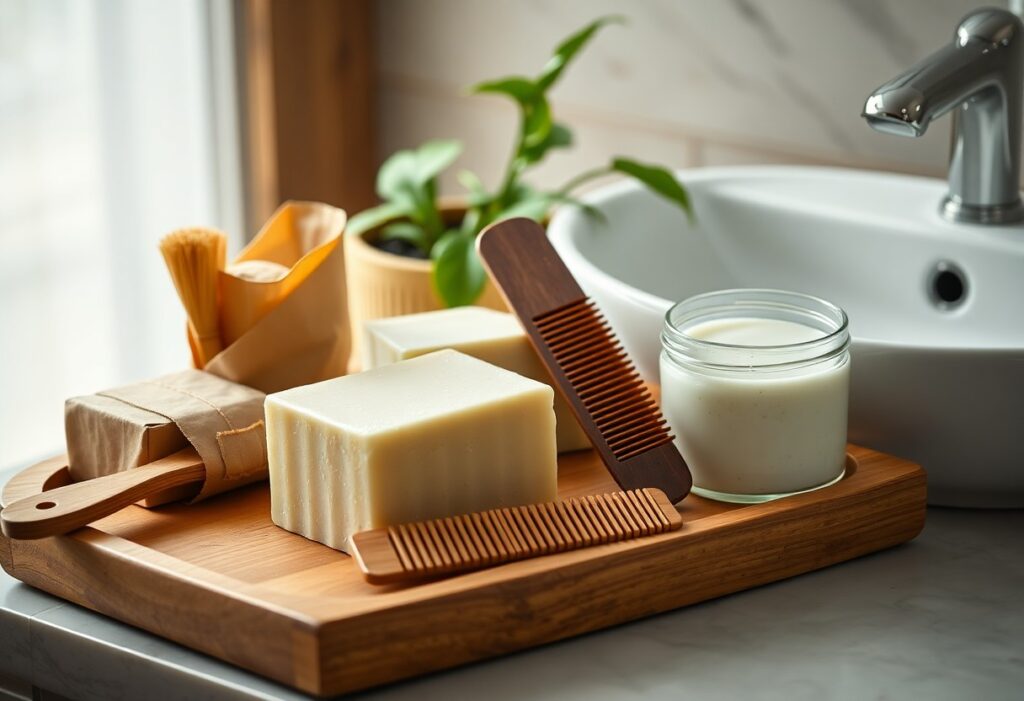
Bamboo brushes pair with plastic-free shampoos to reduce waste and protect oceans. You should choose bars free from sulfates and microplastics; synthetic microbeads and persistent chemicals harm marine life, while biodegradable ingredients and compostable packaging reduce landfill pollution.
The Environmental Impact of Traditional Personal Care
Every time you choose conventional products, you contribute to mounting plastic waste and water contamination; discarded bottles and packaging often become persistent pollution, harming wildlife and ecosystems while increasing landfill burdens.
The Global Crisis of Single-Use Plastic Bottles
Plastic bottles flood shores and fill waterways, and when you discard them they fragment into microplastics that enter food chains and persist for centuries, undermining marine life and human health.
Understanding the Chemical Footprint of Synthetic Grooming
Chemical-laden shampoos and conditioners leave residues that you rinse into sewers, carrying endocrine disruptors and persistent surfactants that harm aquatic life and can bioaccumulate in food webs.
You should watch labels: sulfates like SLS strip natural oils, parabens and phthalates act as endocrine disruptors, and synthetic fragrances mask many unlisted chemicals. When you wash these down the drain, persistent pollutants resist treatment and bioaccumulate, threatening ecosystems and human health; opting for plant-based, biodegradable formulas cuts that chemical burden.
Transitioning to Plastic-Free Shampoos
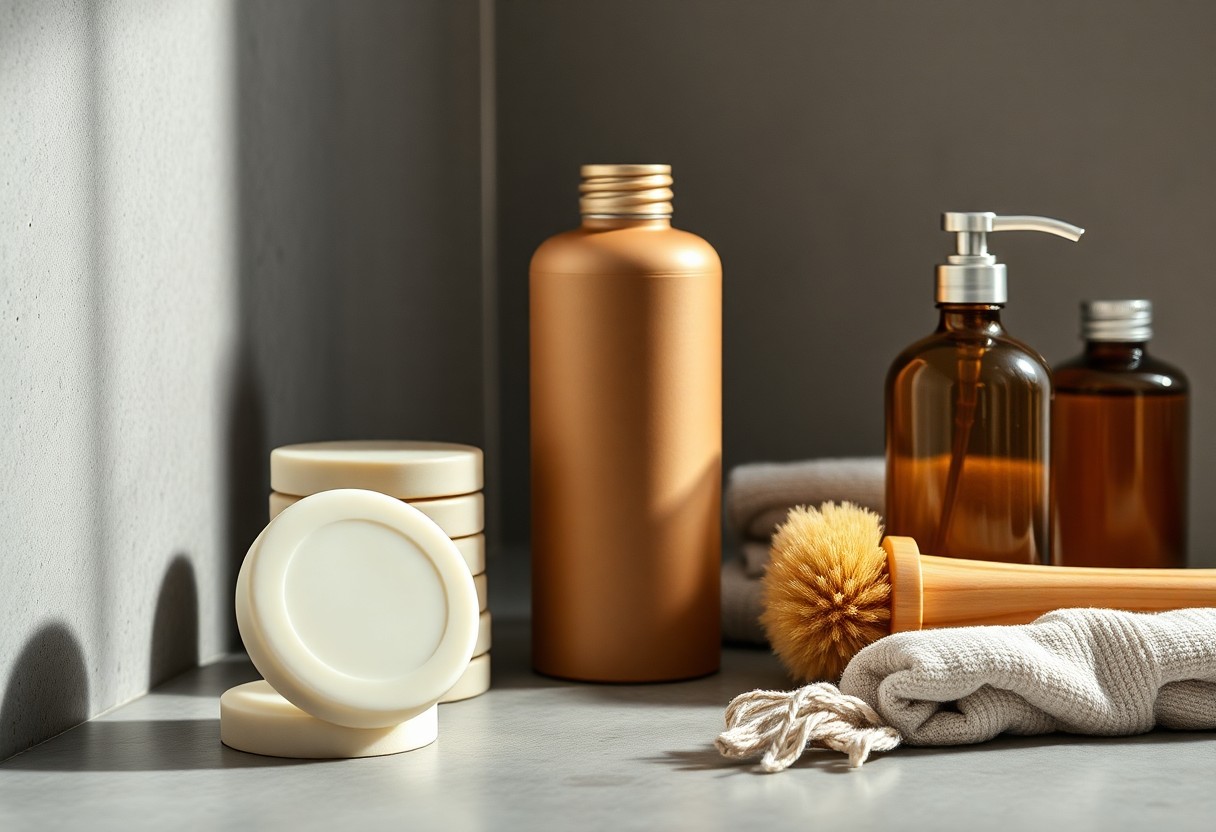
You can cut shower plastic by swapping bottled shampoo for solid bars or refillables; check for hidden plastic liners and pick sulfate-free formulas that protect your scalp and color-treated hair.
Benefits of Concentrated Solid Shampoo Bars
Solid bars give you concentrated cleaning power with less packaging; with longer lifespan you save money, reduce waste, and avoid watery preservatives that shorten product life.
Navigating Refillable and Compostable Packaging Systems
Choose refill stations or brands with compostable packaging; bring your own containers, verify certifications, and avoid mixed-material caps that remain unrecyclable.
Inspect labels for certifications like OK Compost and refill symbols; confirm whether your local service accepts those materials, and be wary of ‘biodegradable’ claims that may hide plastic content.
Leading Zero-Waste Hair Cleansing Solutions
Choose bar shampoos and refillable liquids to cut single-use plastic; you’ll favor plastic-free packaging, fewer chemicals, and no microplastics in runoff, protecting waterways while keeping hair healthy.
Top-Rated Bars for Diverse Hair Textures
Try bars formulated for curls, color-treated, or fine hair so you can get balanced cleansing; look for sulfate-free blends and moisture-rich oils that avoid stripping or buildup.
High-Performance Liquid Alternatives in Aluminum
Consider aluminum bottles that house concentrated liquids so you can enjoy salon-grade results with recyclable aluminum and reduced plastic waste; check labels for gentle preservatives and avoid harsh sulfates.
You can refill aluminum dispensers from salon-size concentrates to cut waste and cost; choose concentrated formulas with clear dilution instructions and gentle preservatives. Manufacturers often use liners-inspect closures to avoid plastic-lined caps that negate benefits. Reuse and local recycling keep aluminum infinitely recyclable and travel-friendly bottles reduce single-use plastic.
The Superiority of Bamboo Grooming Tools
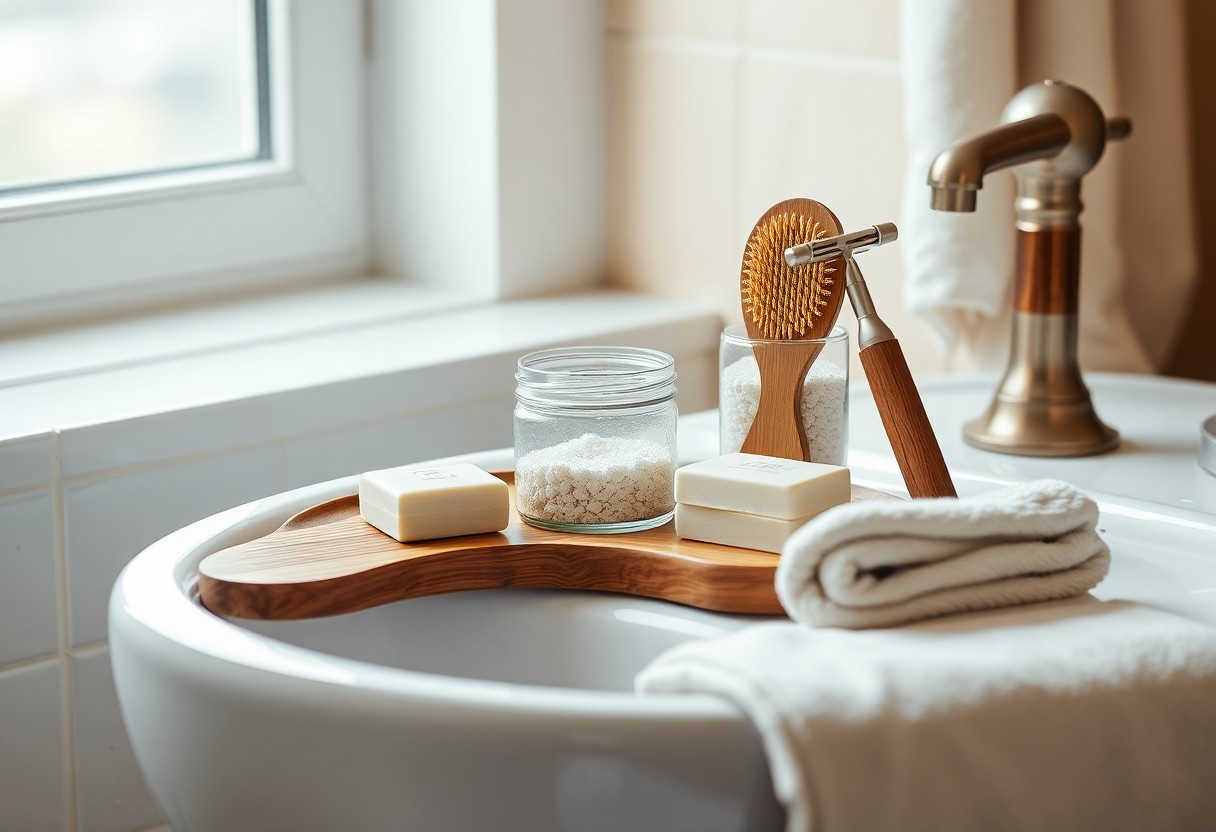
Bamboo brushes give you durable, lightweight performance while avoiding plastic toxins. You experience less static, fewer split ends, and easier detangling, making them superior for daily care. The biodegradable handle also reduces long-term waste.
Sustainable Harvesting and Biodegradability Factors
Harvesting shapes bamboo’s sustainability; irresponsible cutting can harm soil and biodiversity while certified methods preserve ecosystems and worker welfare.
- Sustainable harvesting
- Biodegradability
- Plastic-free
Recognizing this, you should prefer products with transparent sourcing and clear end-of-life paths.
Scalp Health and Static Reduction Benefits
Silky natural bristles massage your scalp, improving circulation and distributing oils for balanced scalp health. You get reduced flakes, less irritation, and noticeable static reduction during dry months, improving hair manageability and shine.
You’ll notice bamboo brushes’ wider, flexible bristles glide with less friction, minimizing breakage and split ends while evenly spreading natural oils from root to tip. Pairing them with plastic-free shampoos that skip harsh sulfates helps reduce flaking and irritation; for static control, brush dry hair after a dab of lightweight oil so the natural bristles dissipate charge better than synthetics, preserving shine with fewer styling products.
Selecting the Right Bamboo Brush for Your Needs
Choose a bamboo brush based on your hair length and texture: you should pick paddle for straight, round for volume, wide-tooth for curls; prioritize durable, untreated bamboo and anti-static bristles to reduce breakage and avoid plastic pins that cause snagging.
Comparing Paddle Brushes and Detangling Combs
Compare paddle brushes for smoothing and faster drying with detangling combs that gently work through knots; you should choose a paddle for volume control and a detangling comb to protect fragile, wet hair.
Paddle Brush vs Detangling Comb
| Paddle Brush | Detangling Comb |
|---|---|
| Smoothing, faster drying | Gentle on knots, ideal for wet hair |
| Firm bristles, broad surface | Wide teeth, focused detangling |
| Best for dry, straight or thick hair | Best for curly, fragile, or wet hair |
| Avoid when hair is heavily knotted | Avoid for styling volume or smoothing |
Identifying Ethically Sourced and Vegan Materials
Check labels for FSC, GOTS, or vegan certifications and ask suppliers about chemical treatments; you should prefer untreated, locally sourced bamboo and plant-based bristles to ensure ethical, plastic-free grooming.
Inspect supplier transparency by requesting certification numbers or sourcing details so you can verify claims; you should look for FSC/PEFC for bamboo, GOTS for textiles, and explicit vegan or cruelty-free labels. Avoid brushes sealed with petrochemical varnishes or glued assemblies-choose items with water-based finishes and plant-derived adhesives to keep your routine truly plastic-free and animal-friendly.
Maintenance for Sustainable Tool Longevity
Maintaining your bamboo tools with regular oiling and gentle cleaning will deliver a longer lifespan and prevent damage. You should dry items fully to avoid mold and bacteria. Store brushes bristle-side up and rotate use to keep performance high; small efforts preserve quality and reduce waste.
Cleaning and Drying Techniques for Bamboo
Use mild soap and warm water to clean bamboo; you should avoid soaking for more than a minute. Rinse and pat dry, then air-dry fully in a ventilated spot. Apply a light coat of food-grade oil monthly to repel moisture and prevent cracking.
Recognizing When to Compost Your Grooming Kit
Spot frayed handles, loose bristles, deep stains, or persistent odors; when you can’t fully sanitize items, consider composting biodegradable parts. Keep metal or nylon separate. Composting returns material to soil and supports biodegradability while avoiding bacterial buildup.
Assess each piece by testing structural integrity and lingering odor; if bristles detach or wood splinters, you face injury and contamination. You can disassemble kits: recycle metal ferrules, compost untreated bamboo and natural bristles as compostable material, and route synthetic parts to proper waste streams to minimize environmental harm.
Summing up
You cut plastic waste and support healthier routines when you choose plastic-free shampoos and bamboo brushes; simple swaps deliver effective cleaning, lower environmental impact, and lasting quality so your grooming aligns with sustainable living.
FAQ
Q: What should I look for to confirm a shampoo is truly plastic-free and eco-friendly?
A: A truly plastic-free shampoo uses packaging made from paper, aluminum, glass, or no packaging at all (solid bars or refill pouches). Ingredients are biodegradable, plant-derived surfactants such as coco-glucoside, decyl glucoside, and sodium coco-sulfate rather than PEGs, dimethicone, polyquaterniums, acrylates, or microplastics. Certifications like “plastic-free certified,” COSMOS, or Ecocert offer independent verification, and clear ingredient lists with recognizable botanicals reduce the chance of hidden polymers. Solid formats concentrate active ingredients and cut transport water, while refill schemes and bulk options minimize single-use waste. Storage tip: keep solid bars dry between uses to extend life and prevent microbial growth.
Q: How do I choose and care for a bamboo brush to get the longest use and best performance?
A: Choose a brush by hair type and styling needs: boar bristles smooth and distribute natural oils for fine to normal hair, mixed boar/nylon or full nylon suits thicker or curly hair and wet styling, paddle brushes detangle, and round brushes help with blowouts. Look for handles made from untreated or FSC-certified bamboo and bristles set in natural rubber rather than plastic. Cleaning: remove trapped hair after each use, wash bristles occasionally with mild shampoo and rinse thoroughly, and air dry bristle-side down to prevent water damage to the handle. Maintenance: oil the handle once or twice a year with a food-safe oil if the bamboo looks dry, avoid soaking the brush, and compost or recycle the handle at end of life when there is no synthetic coating.
Q: Will plastic-free shampoos and bamboo brushes work for my hair type and styling routine?
A: Most plastic-free shampoos come in formulas for oily, dry, curly, color-treated, and sensitive scalps; pick a bar or refill with the right surfactant strength and conditioning agents such as plant oils, glycerin, or fatty alcohols. Transition effects can appear when switching from silicone-heavy products, often resolving within two to six weeks as scalp oils rebalance; a diluted apple-cider vinegar or citric-acid rinse speeds shine restoration and helps remove mineral build-up from hard water. Bamboo brushes reduce static and distribute scalp oils; boar bristles enhance smoothness and shine on straighter hair, while nylon or mixed bristles ease detangling on thick or curly hair. Keep a clarifying wash in your routine if product build-up accumulates, and test a small bar before committing if you have a sensitive scalp or color-treated hair.