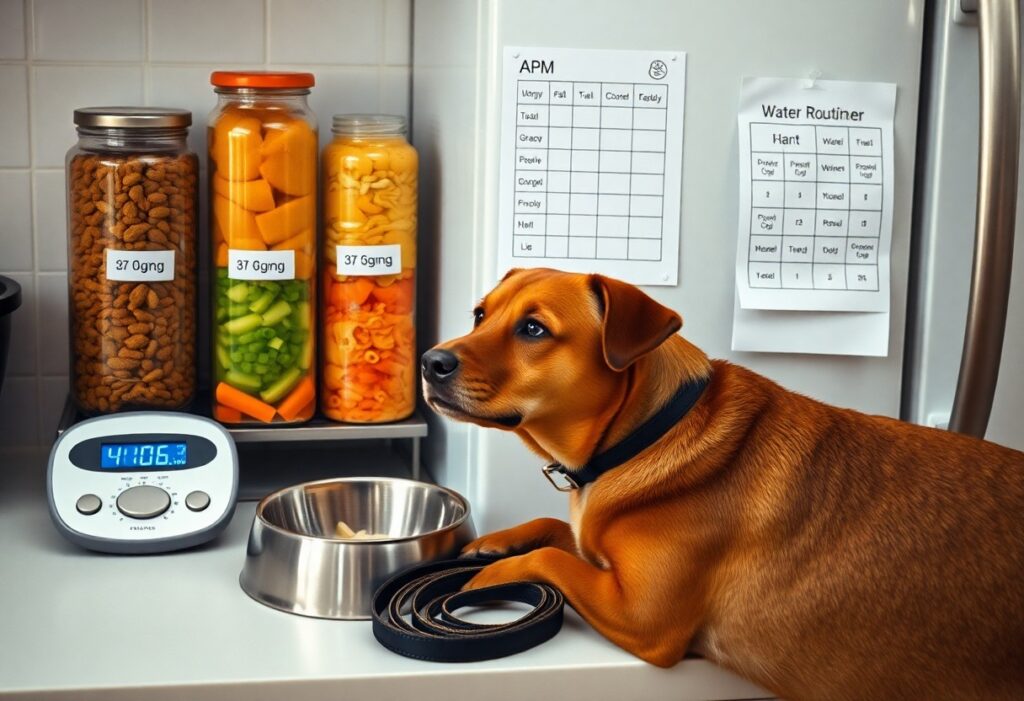
Just five minutes of targeted play, a daily walk, and brief strength exercises can improve your pet’s mobility and mood; by keeping meals measured and monitoring activity you reduce the risk of obesity and joint damage, while regular grooming and vet check-ins support a longer, fitter life-you can make these steps part of every day to protect and energize your companion.
Understanding Your Pet’s Fitness Needs
Importance of Regular Exercise
Exercise helps control weight, builds muscle, and reduces boredom-driven behaviors like chewing or excessive barking. Veterinarians commonly advise dogs get between 30-120 minutes of activity daily depending on breed and energy level, while cats often thrive on 10-20 minutes of interactive play twice a day. You’ll see improved mobility, digestion, and mood when you keep routines consistent; plus, regular activity lowers the risk of obesity-related disease.
Age and Breed Considerations
Puppies need short, frequent sessions-think 5-15 minutes several times daily to protect growing joints-while adult working breeds like Border Collies or Labradors may require 60-120 minutes of mixed physical and mental activity. Seniors benefit from low-impact options such as walking, swimming, or controlled stair work to maintain muscle without strain. Watch for heavy panting, limping, or reluctance to move; these are warning signs to stop and consult your vet.
Breed-specific examples help: your Border Collie might need daily herding-style games and at least 90 minutes of high-intensity work, while a Bulldog often struggles with long runs and faces heat and breathing risks. Large breeds like Great Danes are prone to hip issues, so avoid repetitive jumping and delay intense training until growth plates close-usually between 12-18 months. If your pet shows stiffness after activity, reduce intensity and get a veterinary assessment.
Daily Walking Routines
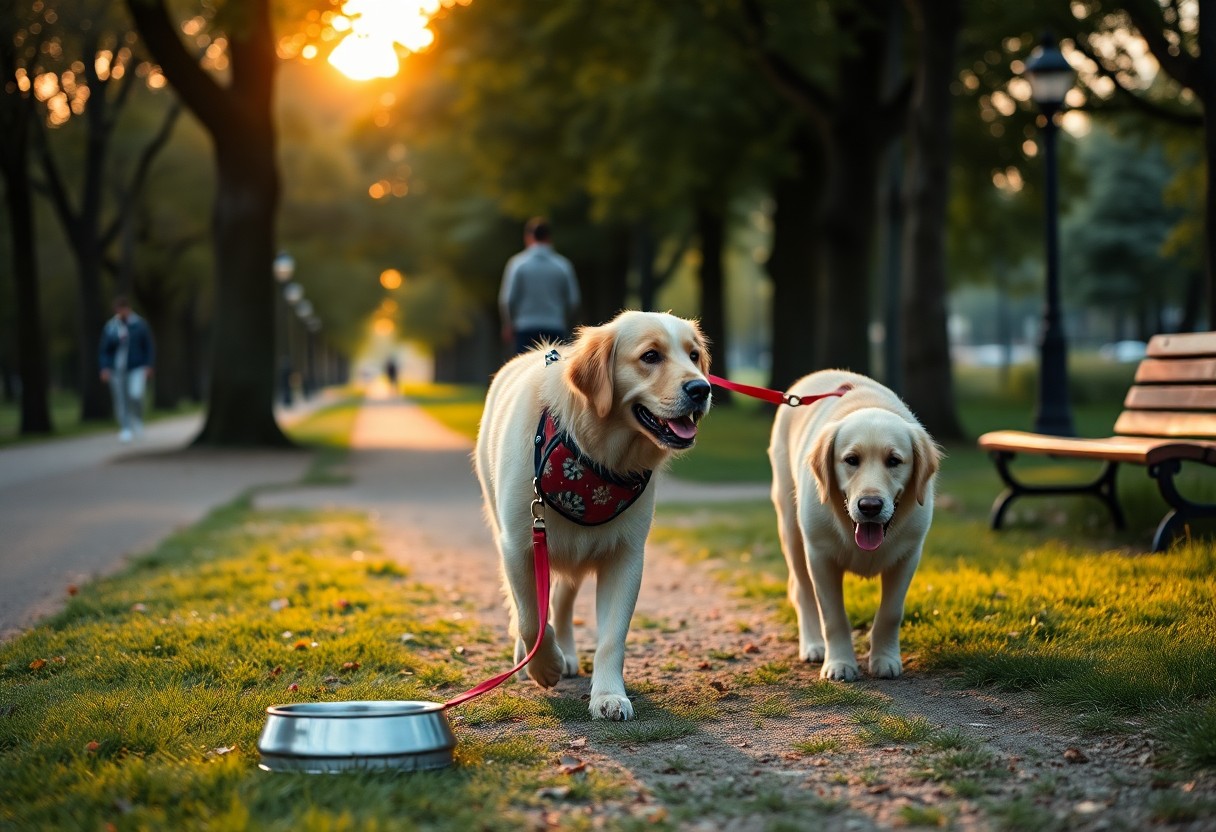
Aim for consistent daily walks to meet your pet’s physical and mental needs: most adult dogs benefit from 30-60 minutes per day split into two sessions, while many cats take 10-20 minute supervised harness walks. You can mix brisk intervals with sniffing breaks to boost cardio and enrichment, and adapt time based on breed, age, or health-for example, sighthounds often need higher-intensity bursts, whereas small breeds may prefer shorter, more frequent outings.
Establishing a Walking Schedule
Schedule walks at predictable times-morning and evening work well for many pets-so your animal’s bladder, digestion, and energy cycles stay steady; puppies usually do best with multiple short outings, following the “5 minutes per month of age” guideline twice daily, while senior dogs may prefer three shorter strolls of 10-15 minutes to reduce joint strain. Track progress for two weeks to fine-tune timing and duration.
Tips for Effective Walks
Use a well-fitted harness and sturdy leash, stagger brisk walking segments (e.g., 5 minutes fast, 2 minutes sniffing), and bring water to prevent dehydration; avoid hot pavement when air temperatures exceed about 27°C (80°F). Vary routes weekly to provide new scents and mental stimulation, and watch for signs of fatigue or paw discomfort to adjust pace and distance.
- Harness: reduces neck strain and improves control during training.
- Leash: choose 4-6 ft for control; retractables limit training usefulness.
- Intervals: alternate 3-7 minute brisk segments with sniff breaks.
- Recognizing heat risks and paw pad wear helps prevent injury on summer walks.
Include short training drills during walks-5-10 minute sessions of recall, loose-leash walking, or target work-because brief, focused practice improves obedience in real environments; for example, integrating three 2-3 minute recall drills in a 30-minute walk reinforces response under distractions. Mix in socialization opportunities with calm introductions to dogs and people to build confidence without overwhelming your pet.
- Training: 2-3 minute drills during walks strengthen real-world commands.
- Hydration: offer water every 15-20 minutes on long outings or warm days.
- Paw care: check pads after walks for cuts, thorns, or hot-surface damage.
- Recognizing early signs of lameness or overheating lets you stop before problems worsen.
Interactive Playtime Activities
Engaging Games for Dogs
Start with fetch variations like uphill sprints and ball-launcher sessions to build cardio; aim for 20-30 minutes daily broken into 5-10 minute high-intensity bursts. Teach hide-and-seek to stimulate scent work, rotate puzzle toys every 1-2 weeks, and use tug-of-war only with a clear release cue to avoid neck strain. Choose toys that fill no more than two-thirds of your dog’s mouth to reduce choking risk, and stop play at the first sign of limping or heavy panting.
Fun Exercises for Cats
Use feather wands and laser sessions in short bursts-3-5 minutes several times a day-to mimic hunting and boost agility; add vertical spaces like shelves or cat trees to increase climbing and core strength. Offer food-dispensing toys so your cat spends 10-15 minutes foraging per meal, and pair laser play with a tangible reward to avoid frustration. Monitor for signs of overexertion or unsafe jumps.
Sequence play to include stalking, pouncing, and sprinting-start with slow wand drags (2-3 minutes), then ramp to fast chases (1-2 minutes), finishing with a food-reward capture so your cat feels satisfied; aim for 15-30 minutes of activity for your cat daily. Provide non-slip surfaces and securely anchor tall cat trees to prevent tipping, and keep loose strings supervised because ingestion risk can cause dangerous intestinal blockages.
Incorporating Mental Stimulation
You can boost fitness by pairing physical play with mental challenges for 10-20 minutes daily; alternate scent trails, short training drills, and puzzle toys to cut boredom and increase activity. For dogs, hide treats along a 20-30 meter path; for cats, set up short vertical “hunt” sessions on shelves. Supervise new items and avoid leaving pets with damaged toys, since small parts pose a significant choking risk while mental work delivers long-lasting engagement.
Puzzle Toys and Treat Dispensers
Rotate a few puzzles-Kong classics, Nina Ottosson sliders, and lick mats-to keep your pet engaged and working for food; aim for two 8-15 minute sessions daily. You can freeze a stuffed Kong for 20-30 minutes to extend challenge, or increase difficulty by using smaller treats. Inspect toys weekly and discard anything with loose pieces; broken plastic or stuffing is a common hazard that can cause choking or intestinal blockage.
Training Sessions as Fitness
Short, focused training doubles as cardio and strength work: run 5-15 minute sessions 2-3 times daily using sprints, sits-to-stands, and balance moves. Introduce interval-style drills-30-60 second sprints or tug followed by 30 seconds of calm cue work-to raise heart rate safely. Keep sets small and progressive; for example, add one extra sprint every week. Watch for fatigue signs like excessive panting, since overexertion can injure young or senior pets while training builds muscle and confidence.
Sample session: 2 minutes warm-up walk, 6 minutes of intervals (6 rounds of 30s sprint or chase + 30s obedience or trick), then 2 minutes cool-down with gentle petting. Increase difficulty over 3-4 weeks by extending sprint time or adding balance moves (standing on a low platform) and tracking reps-aim to add 1-2 extra reps weekly. Stop immediately if your pet shows limping, pale gums, or labored breathing; those are signs of distress that need attention.
Outdoor Adventures and Exploration
Nature Walks and Hiking
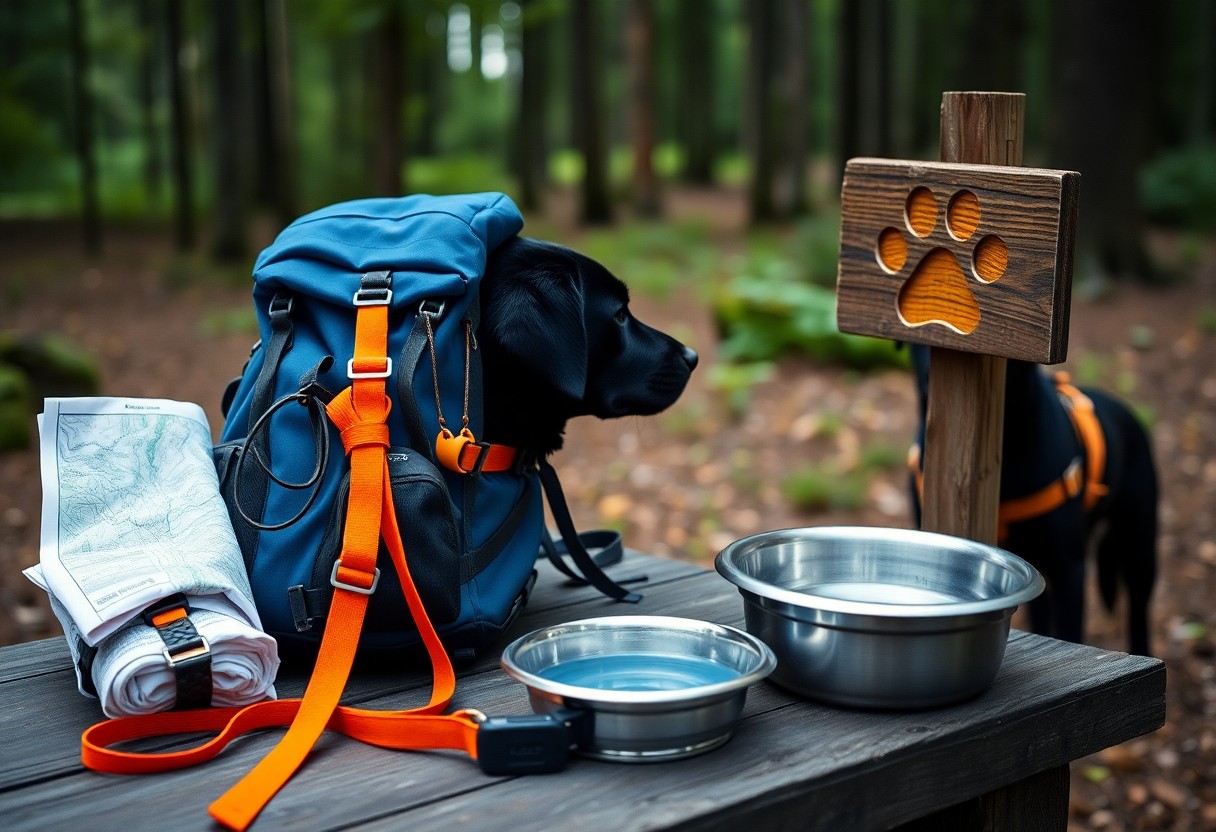
For short hikes start with 20-60 minutes or about 1-3 miles, increasing distance by roughly 10% weekly to build endurance; you should match pace to your pet’s breed – brisk for working dogs, gentler for brachycephalic or senior pets. Use a harness on steep trails to reduce neck strain, bring water and snacks, and check joints after descents; consistent, incremental outings improve stamina and joint health without overloading muscles.
Safety Precautions for Outdoor Activities
Keep outings safe by monitoring temperature – avoid pavement or long exposures when air temps exceed 85°F (29°C) – and hydrate your pet every 15-20 minutes. Use veterinarian-recommended flea/tick preventives, keep your dog leashed near wildlife, and watch for signs of heat stress like heavy panting or collapse; strong supervision prevents most common outdoor injuries.
Pack a compact first-aid kit with tweezers or a tick remover, sterile gauze, antiseptic wipes, and a spare leash; inspect paws every 30 minutes on rocky or hot surfaces and apply booties for abrasions. Microchip and current ID tags help recover lost pets, and if you find a deep wound or abnormal behavior, seek immediate veterinary care rather than waiting.
Creating a Balanced Diet Plan
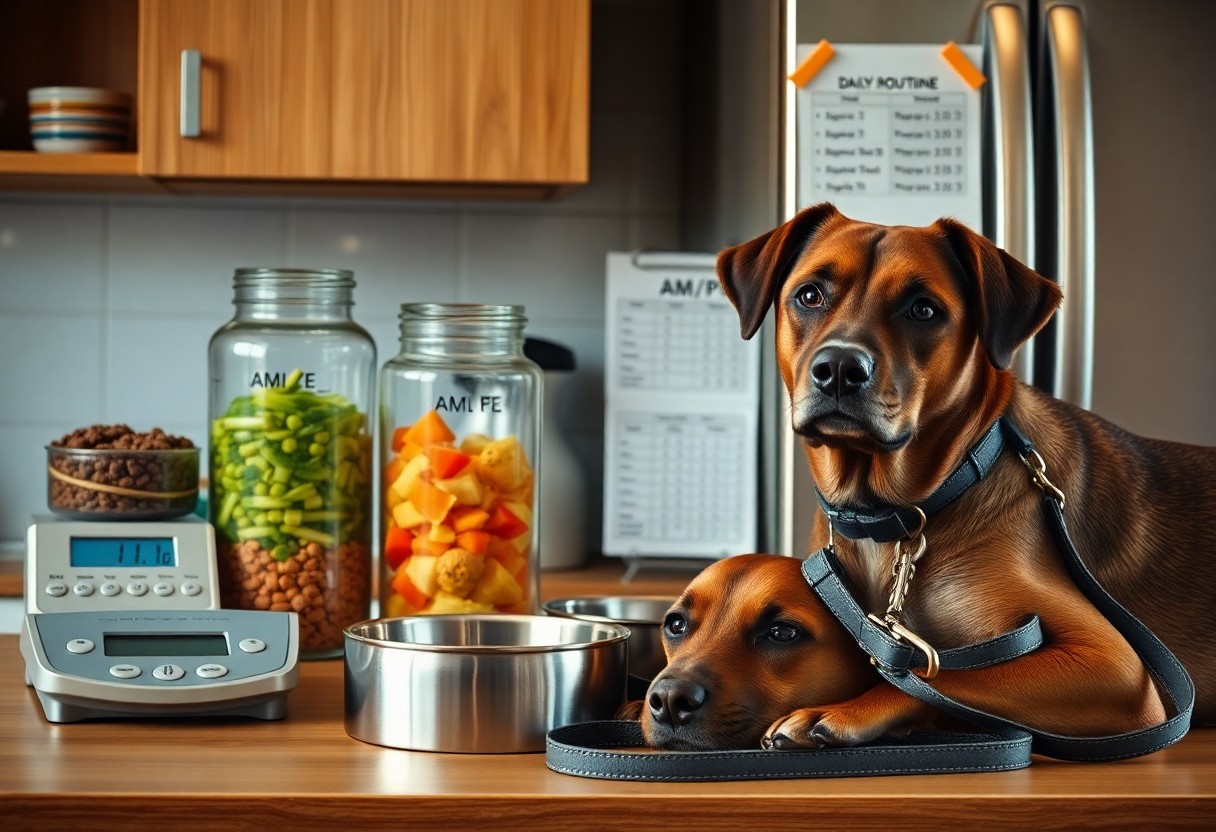
Start by calculating your pet’s energy needs using RER = 70×(kg)^0.75 and multiply by an activity factor (1.2-1.8); for a 20 kg active dog this is ~1,000-1,200 kcal/day. Then divide calories so protein, fat, and carbs suit life stage-puppies and seniors need different ratios. If you aim for weight loss, create a 10-20% calorie deficit and weigh weekly, adjusting portions by grams rather than guesswork.
Nutrition’s Role in Fitness
Protein supports muscle repair and should be a primary focus: aim for ≥18% crude for adult dogs and ≥26% for adult cats per AAFCO guidelines. Omega‑3s from fish oil improve joint health and reduce inflammation; try 20-55 mg EPA+DHA per kg bodyweight for arthritic dogs after vet approval. Hydration and fiber help digestion and steady energy, so you should offer fresh water and add 2-4% fiber sources like pumpkin or beet pulp when needed.
Integrating Healthy Treats
Keep treats to <10% of daily calories and choose lean options like cooked chicken, carrots, blueberries, or freeze-dried fish as positive rewards. You can use tiny 2-5 kcal pieces for frequent training and reserve higher‑value snacks for rare reinforcement. Avoid toxic items such as chocolate, grapes/raisins, xylitol, and macadamia nuts, and always check labels for added salt or sugars that inflate calories.
For weight control, you should subtract treat calories from meal portions-if your dog gets 150 kcal in treats, reduce kibble by the same amount to maintain a deficit. Try low‑calorie fillers like green beans or canned pumpkin to add volume, and use a Kong with mashed, xylitol‑free peanut butter for enrichment. Monitor weight biweekly and switch to lower‑calorie treats if progress stalls.
Final Words
Considering all points, you can make meaningful gains in your pet’s fitness by keeping daily routines simple, consistent, and tailored to their age and breed; short walks, interactive play, scheduled feeding, and regular vet check-ins help prevent injury and maintain healthy weight, while you monitor energy and adjust intensity so activities remain enjoyable and safe.
FAQ
Q: What short daily exercises can I do to boost my dog’s fitness?
A: Start with a 5-10 minute warm-up of gentle walking to loosen joints, then add interval walks-alternate 2 minutes of brisk walking or jogging with 2 minutes of easy pace for 15-30 minutes total. Include interactive play like fetch or tug for 10-15 minutes to build stamina and strength, and add 5-10 minutes of stair climbs or controlled hill repeats once or twice weekly to increase muscle work. Finish with a short cool-down walk and light stretching if your dog tolerates it. Adjust intensity and duration by age, breed, and health; consult your vet before introducing high-impact activities.
Q: How can I adapt simple fitness routines for cats and small pets?
A: Use short, frequent play sessions (3-5 minutes, several times daily) with wand toys, laser pointers, or small balls to encourage sprinting and pouncing-these replicate natural hunting bursts. Offer vertical challenges like cat trees or shelves and scatter food in puzzle feeders to combine mental and physical activity. Rotate toys to keep sessions engaging and avoid long continuous exercise that can stress small joints; for senior or arthritic pets, focus on low-impact movement like gentle fetch along the floor and increased enrichment to maintain mobility.
Q: How do I fit pet fitness into a busy schedule and keep routines consistent?
A: Break activity into multiple short sessions-two 10-15 minute walks or several 5-minute play bouts spread through the day-which is easier to maintain than a single long session. Combine exercise with daily tasks: use mealtime for puzzle feeders, take brisk walks during breaks, or do obedience drills while waiting at the vet or in the car. Set alarms or link sessions to daily triggers (morning coffee, after work, before dinner) and track progress with a simple checklist or app to stay consistent; enlist family members, dog walkers, or daycare when your schedule is unpredictable.