Just because a cat is adorable doesn’t mean it’s the right fit; when choosing a rescue cat you must assess health and behavior, your household dynamics, and the time you can commit. Ask about medical issues or aggression history and be honest about allergies and budget, since ignoring these can be dangerous. Prioritize temperament, support from the shelter, and know that choosing wisely gives you lifesaving companionship.

Types of Rescue Cats
You’ll encounter several common categories in shelters: Domestic Shorthairs make up roughly 50-80% of intakes, Purebreds are less common and often have breed-specific health risks, and Mixed Breeds offer variable traits and typically lower rehoming fees; data from multiple rescues shows shelters prioritize medical triage, behavior assessment, and age classification to place cats faster and reduce length of stay. Perceiving
- Domestic Shorthairs
- Purebreds
- Mixed Breeds
- Seniors
- Feral/Unsocialized
| Type | Typical traits & notes |
| Domestic Shorthairs | Adaptable, low grooming, often healthiest group; common in shelters (majority of intakes). |
| Purebreds | Known pedigrees (e.g., Siamese, Maine Coon); higher adoption fees and possible genetic conditions. |
| Mixed Breeds | Variable size/coat/temperament; often benefit from hybrid vigor and lower incidence of single-gene disorders. |
| Feral / Senior | Feral cats may need TNR or long socialization; seniors (7+ years) are calmer and often require adjusted medical care. |
Domestic Shorthairs
When you adopt a Domestic Shorthair, expect a broad range of temperaments and typically robust health; shelters report average lifespans of 10-15 years with routine care. Many are already spayed/neutered and vaccinated, so your initial vet costs can be lower. If you want a low-maintenance coat and predictable vet needs, these cats are often the best fit and adapt quickly to new homes.
Purebreds
If you choose a Purebred from a rescue, you may encounter breeds like Siamese, Maine Coon, or Persian; adoption fees commonly range from $150-$600 versus breeder prices of $500-$2,000. Many purebreds in rescues come with medical histories and sometimes registration papers, but you should plan for potential breed-specific health screening and higher grooming needs.
Breeders and shelters advise genetic testing for certain breeds: for example, Maine Coons are screened for hypertrophic cardiomyopathy and Persians for polycystic kidney disease; budgeting $200-$800 annually for diagnostics and grooming is reasonable depending on coat and condition.
Mixed Breeds
Your mixed-breed rescue will display a blend of traits-size, coat, and temperament can vary widely-yet many adopters find mixed breeds to be healthy and resilient. Adoption fees are typically modest ($50-$200), and you may benefit from lower risk of single-gene disorders; shelters often can give behavior histories that help you predict how the cat will fit into your household.
Case examples from rescues show mixed breeds frequently require standard vaccines and neuter/spay but less frequent specialty care; if you want a balanced companion with fewer unknowns about hereditary illness, a mixed-breed often gives you good value and long-term health prospects.
Perceiving these distinctions helps you match the cat’s medical needs, behavior profile, and long-term costs to your lifestyle.
Factors to Consider When Choosing a Rescue Cat
You’ll weigh multiple elements-temperament, health, age, and space-to find a match that fits your daily routine and household. Talk with shelter staff about behavior around kids or dogs, and test interactions when possible; if you work 40+ hours weekly you’ll favor lower-energy or paired cats. Perceiving how each factor combines helps you predict long-term fit and avoid rehoming.
- rescue cat
- temperament
- health
- age
- space requirements
- activity level
- lifestyle compatibility
Lifestyle Compatibility
If you have young children or other pets, ask about a cat’s history with similar households and request supervised meet-and-greets; shelters often note if a cat has been successful in family homes. Kittens under one year typically need 1-2 hours of interactive play daily, while adults may be content with 30-45 minutes; if you work long shifts, consider an older, calmer cat or adopting a bonded pair to reduce separation stress.
Space Requirements
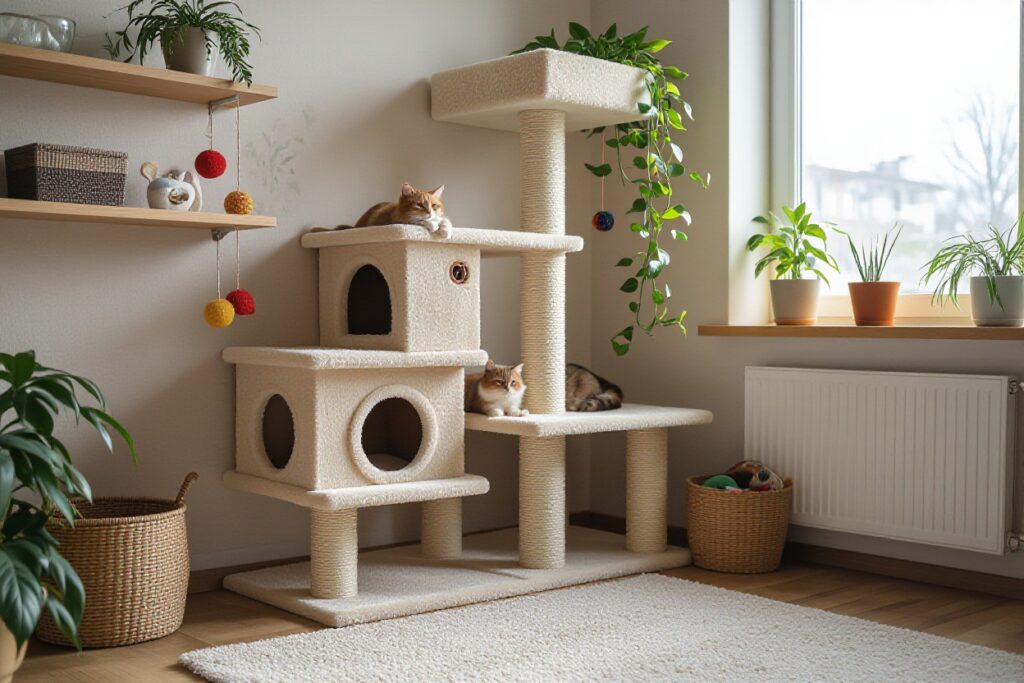
In small apartments (under 500 sq ft) prioritize cats that thrive in vertical environments and tolerate brief alone time; you can compensate limited floor area with cat trees, shelves, and window perches. Place litter boxes in quiet spots and plan for at least one per cat plus one extra to prevent territorial issues. Unsafe balconies and open windows increase risk-secure them before bringing a cat home.
Provide vertical territory by installing shelves 4-6 feet high and a stable cat tree to create multiple levels; aim for 2-3 perches if you have 1-2 cats. For litter boxes follow the rule of one per cat plus one, use unscented clumping litter, and clean daily to avoid elimination problems. If you have an outdoor balcony, use mesh screens and supervised harnessed outings, since unsupervised outdoor access raises risks like traffic, parasites, and fights.
Age and Activity Level
Match a cat’s age and energy to your schedule: kittens (<1 year) need intense daily play and training, adults (1-7 years) often balance activity and calm, and seniors (7+ years) prefer predictable, low-key environments. If you want a lap cat, ask for foster reports or observe a 10-20 minute handling session at the shelter to gauge sociability; high-energy cats may need 30-60 minutes of play to prevent destructive behavior.
Evaluate specific activity markers: chase/play drive, rest patterns, and reaction to new people. A cat that paces for an hour after you return likely has unmet stimulation needs; consider interactive feeders, puzzle toys, or scheduled play sessions. Shelters often provide behavior histories-look for notes such as “window-watcher,” “zoomies at 7PM,” or “settles with puzzle toys” to match the cat’s rhythm with your routine and avoid stress-related issues.
Tips for a Successful Adoption
When you adopt, prioritize a clear plan: arrange a vet check, secure ID with a microchip, and set a 2-4 week adjustment period so your cat can settle without pressure. Ask about prior medical care, vaccination dates, and any behavior notes; average adoption fees range from $50-200. Use a calm, consistent routine with short play and feeding sessions to build trust. After, schedule a vet visit within 48-72 hours to confirm health and start vaccinations.
- Adoption process – ask for medical records and trial periods
- Shelter visit – note temperament tests and length of stay
- Vet check – confirm vaccinations, deworming, and microchip
- Behavior assessment – learn triggers and social needs
Visiting Shelters
When you visit, spend 10-20 minutes with each cat and observe body language: a tail held high signals confidence, while tucked tails and flattened ears show stress. Ask staff for vaccination dates, FIV/FeLV test results, spay/neuter status, and any known medical history; many shelters list fees between $50-200. If you have other pets, plan separate introductions and request a behavioral summary or short trial before finalizing adoption.
Understanding Cat Behavior
You should read feline signals: a slow blink is trust, purring can indicate contentment or pain, and a twitching tail often precedes action. Note that hiding is a common stress response during the first 2-4 weeks, and hissing or swatting means your cat needs space. Use short play sessions and calm handling to build positive associations, focusing on routine to reduce anxiety.
Dig deeper into behavior by tracking patterns: log feeding times, litter box use, and play-and expect 3-6 weeks for consistent routines to form. Address play aggression with structured 10-15 minute chase-and-catch games twice daily, offer vertical spaces, and provide multiple scratching posts; if elimination problems persist, collect a 2-3 day diary for your vet or behaviorist.
Preparing Your Home
Set up a dedicated safe room with a litter box, food, water, hiding places, and a bed so your cat can adjust gradually; place boxes in quiet corners and keep feeding separate from the litter area. Remove hazards like exposed cords and toxic plants (for example, lilies), secure windows, and store small objects that can be swallowed. Provide a scratching post and at least one vertical perch to support territorial comfort.
Plan introductions in stages: keep your cat confined for the first 48-72 hours, then allow supervised exploration over 7-14 days. Use a pheromone diffuser (such as Feliway) and offer 3-4 hiding spots per home to lower stress, maintain consistent meal times, and gradually introduce household members and other pets, watching for signs of overstimulation.

Step-by-Step Guide to Adoption
| Step | Action |
|---|---|
| Application | Complete forms, provide ID, proof of residence, and references; fees typically range $25-$150. |
| Screening | Staff reviews experience, home setup, and other pets; expect a 24-72 hour processing window. |
| Meet & Greet | Schedule a 10-30 minute supervised introduction, bring records and a calm approach. |
| Home Check / References | Some rescues perform a short visit or call references to confirm a safe environment. |
| Finalizing | Sign the adoption contract, transfer microchip, and receive vaccination/spay records; many rescues offer a 3-14 day trial. |
Application Process
You fill out the shelter or rescue form online or in person, supply photo ID, proof of address, and contact info for 1-2 references; adoption fees usually cover vaccines and testing, commonly between $25 and $150, and processing often takes 24-72 hours before you hear back.
Meet and Greet
You arrange a supervised meeting lasting about 10-30 minutes; bring current pet vaccination records if introducing animals, a favorite toy or treat, and observe body language-watch for relaxed posture and play signals versus prolonged hissing or flattened ears.
You should plan at least one follow-up visit or a short trial when possible, as many cats need 48-72 hours to show true comfort; for example, shelters that offer a 7-day trial report higher long-term success when adopters return for a second visit before committing.
Finalizing the Adoption
You sign the adoption contract, pay any remaining fees, and get copies of the cat’s medical records-confirm microchip transfer, spay/neuter status, and the rescue’s return policy, which commonly allows a 3-14 day trial period for adjustments.
You should schedule a vet check within 48-72 hours of adoption to confirm health and set vaccines or parasite treatment; also register the microchip in your name within 30 days and book spay/neuter if not already completed to avoid shelter penalties or fines.
Pros and Cons of Adopting a Rescue Cat
| Pros | Cons |
|---|---|
| Saves a life and reduces shelter overcrowding | Often has unknown medical history |
| Adoption fees typically $50-$200 with many services included | Possible immediate vet bills ($200+ for diagnostics/treatment) |
| Many come spayed/neutered and vaccinated before adoption | Behavioral issues like fear or aggression may appear |
| Foster/shelter notes often provide placement insights | Adjustment can take weeks to months |
| Mature cats often already house-trained | Some have chronic conditions requiring ongoing care |
| You get variety in age, temperament, and history | Risk of contagious illnesses (respiratory, parasites) at intake |
| Often supported by shelter follow-up or trial periods | May need behavior modification or professional help |
| Gives you a meaningful bond and a second chance for the cat | Previous rehoming or trauma can trigger unpredictable responses |
Advantages of Adoption
When you choose a rescue cat, you typically get spay/neuter, core vaccinations and microchipping included, plus foster notes that describe temperament; adoption fees usually range $50-$200, making it economical, and the emotional return-saving a life and gaining a grateful companion-is immediate and measurable.
Potential Challenges
You may encounter behavioral or health issues from incomplete histories: litterbox problems, fear-based aggression, or untreated infections; some conditions require immediate veterinary care and can lead to significant expense and time investment while you stabilize your new cat.
For example, expect a standard 2-week isolation/screening period for contagious disease checks, litterbox retraining often takes 2-8 weeks, a single behaviorist session runs about $50-$200, and treating unexpected infections or injuries can easily exceed $500, so plan your budget and schedule accordingly.
Resources for New Cat Owners
Support Groups
Join local and online support groups-Facebook rescue communities, Meetups, and national organizations like Alley Cat Allies or The Humane Society-to get immediate peer help. You can find fosters and transport volunteers who often place cats within 48-72 hours, and members report adult rescues commonly settle in 2-8 weeks. When you post, include photos, medical history, and behavior notes to get faster, actionable responses.
Educational Materials
You should rely on vet-vetted sources: Cornell Feline Health Center, AAFP guidelines, ASPCA pages and veterinary-authored articles on PetMD; prioritize veterinarian-authored or peer-reviewed material. You can also watch demonstrations from certified behaviorists and shelter webinars, but always check presenter credentials and publication dates before applying techniques in your home.
You should follow specific protocols: start core vaccines at 6-8 weeks with boosters every 3-4 weeks until 16 weeks, and you should schedule a wellness exam within 48-72 hours of adoption. For litterbox issues you should rule out UTI with urinalysis; behavioral plans often require 2-8 weeks to show improvement. You can use downloadable vaccine logs and shelter checklists to track meds and appointments.
Final Words
Following this guide, you can confidently evaluate shelters, assess temperament, prepare your home, and plan for gradual introductions so your new rescue cat settles well; by prioritizing compatibility, health checks, and consistent care you increase the chance of a lasting, rewarding bond and minimize stress for both you and your cat.
FAQ
Q: How do I determine which rescue cat will fit my lifestyle?
A: Assess your daily routine, living space, and household composition before choosing. Consider activity level-kittens and young adults often need more play and interaction, while mature or senior cats may prefer calm environments. If you have other pets or young children, look for a cat with a history of good socialization or one noted as tolerant of animals and kids. Apartment dwellers should prioritize cats that do well indoors and are content with moderate activity; homes with outdoor access require extra safety planning. Factor in grooming needs and time available for brushing or litter maintenance. Ask the shelter for behavioral notes and spend time with the cat in a quiet setting to gauge energy, affection level, and reactions to handling; many rescues offer foster-to-adopt trials to confirm a good match.
Q: What health and age considerations should influence my choice?
A: Review medical records and ask about vaccinations, spay/neuter status, dental health, and any chronic conditions such as diabetes, kidney disease, or allergies. Know the cat’s FIV/FeLV status and whether ongoing medications or special diets are required-these affect both care routines and costs. Senior cats often have lower activity needs and can make loving companions, but may require more frequent veterinarian visits and monitoring. Kittens need vaccinations, socialization, and patience during training. Request an estimate of immediate veterinary expenses and discuss whether the rescue provides medical support or follow-up; consider pet insurance or a savings plan for unexpected issues.
Q: What should I ask the rescue and how should I prepare my home before bringing a rescue cat home?
A: Ask the rescue about the cat’s background (stray, owner-surrender, foster), behavior around people and other animals, litterbox habits, known triggers, and any training or enrichment that helped during the cat’s stay. Clarify adoption fees, trial or return policies, and whether the rescue provides or transfers medical records and microchip information. To prepare your home, set up a small, quiet safe room with a litterbox, food and water bowls, a hiding spot, and a comfortable bed; include vertical space and scratching options. Introduce scents and brief interactions gradually for multi-pet households, supervise initial face-to-face meetings, and establish a consistent feeding and play routine to reduce stress. Plan for an adjustment period and schedule a veterinary check within a few days to establish baseline health and build a care plan.