Birds can show anxiety in subtle and obvious ways, and you can learn to read signs so your pet stays calmer and healthier.
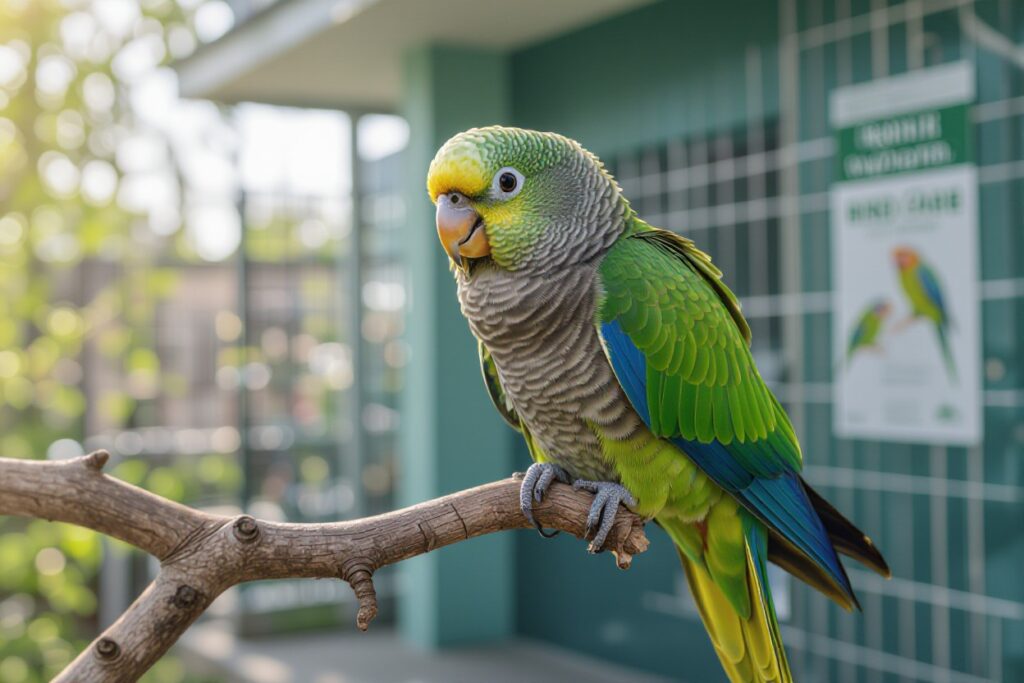
You should watch your bird’s body language and vocalizations: frequent alarm calls, persistent wing-flapping, pacing, or sudden silence can signal stress. Physical signs include feather-plucking, changes in appetite, irregular droppings, trembling, or aggressive biting. Heightened vigilance-staring, frozen posture, or constantly raising feathers-also indicates anxiety.
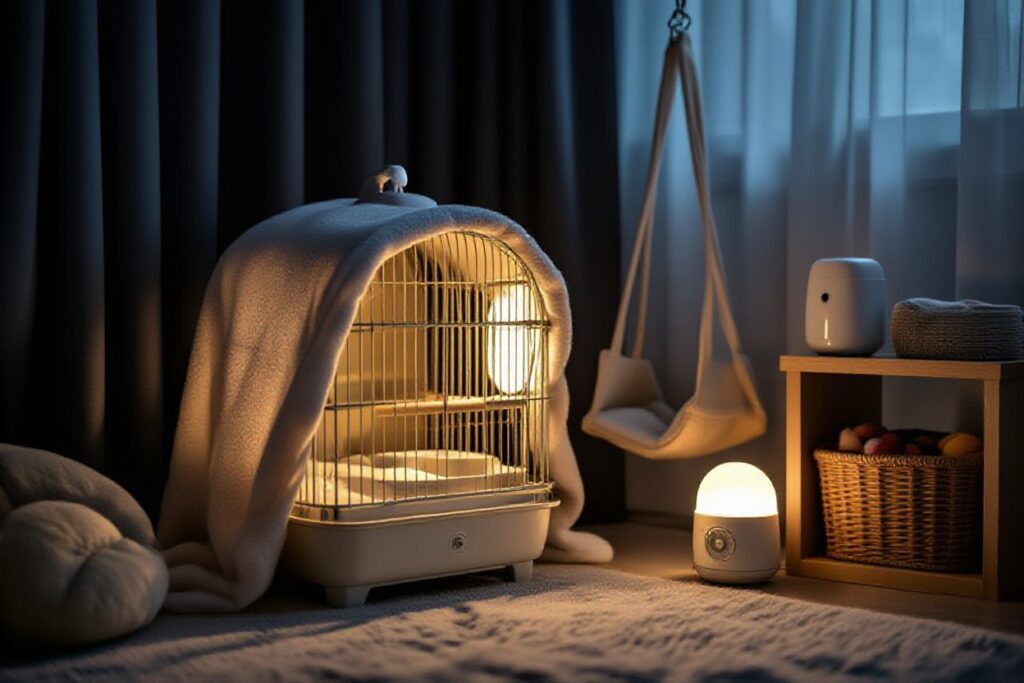
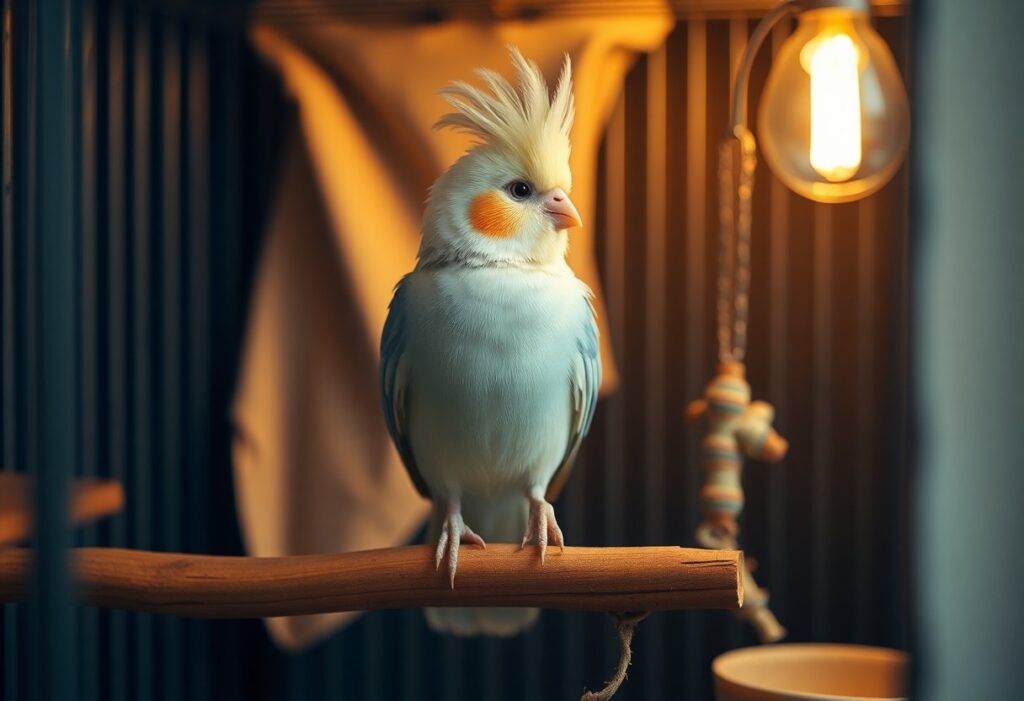
For immediate calming, create a quiet, dim space by covering part of the cage with a breathable cloth and reducing sudden noises. Offer a safe perch near a window for natural light but avoid direct drafts. Use gentle, slow movements and speak softly so your bird associates you with calm. Provide favored treats and a chew toy to redirect nervous energy and encourage foraging behavior.
Longer-term strategies focus on environment and routine. Establish a consistent daily routine for feeding, play, and sleep so your bird knows what to expect. Enrich the cage with varied toys, puzzle feeders, and safe branches to encourage natural behaviors. Rotate toys regularly to prevent boredom. Maintain social interaction: short, predictable sessions of handling, training, or simply being present reduce isolation-induced anxiety. Keep the cage in a low-traffic area where your bird can observe without being overwhelmed.
Adjust diet and health monitoring: balanced nutrition supports resilience, and sudden dietary changes can raise stress. Track behavior and droppings in a log so you spot patterns quickly. If you notice severe signs-self-harm like intense feather-plucking, labored breathing, or dramatic appetite loss-consult an avian veterinarian promptly. A professional can rule out medical causes and advise behavior modification or safe interventions.
With attentive observation, consistent routine, thoughtful enrichment, and timely veterinary care, you can reduce your bird’s anxiety and help it feel secure, engaged, and well.