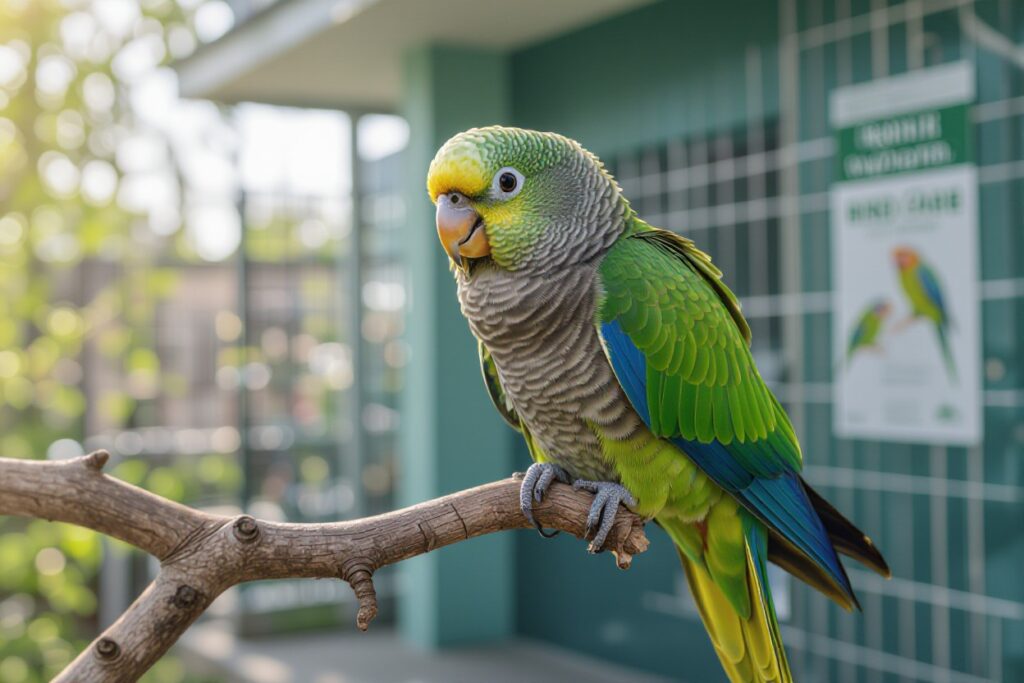
With your pet’s behavior changes, you need clear guidance on bird anxiety; this guide helps you identify causes (environmental, health, social), spot warning signs like excessive screaming, feather plucking or aggression that can be dangerous to welfare, and apply evidence-based treatments—from environmental enrichment and diet adjustments to behavioral training—and know when a vet visit is important; following these steps empowers you to reduce stress and achieve positive, lasting results for your bird.
Key Takeaways:
- Causes and species differences: Bird anxiety often stems from environmental stressors (noise, sudden changes, inadequate space), health problems, or social factors (isolation or improper bonding); susceptibility and signs vary by species and individual temperament.
- Recognizing signs and escalation: Look for feather-plucking, excessive screaming, aggression, repetitive behaviors, appetite or sleep changes and weight loss—seek veterinary evaluation for sudden behavioral shifts, self-injury, or suspected medical causes.
- Treatment, prevention, and outcomes: Combine environmental modifications (secure, enriched habitat), targeted behavioral interventions (gradual desensitization, positive reinforcement training), proper diet, and professional guidance; multimodal, consistent plans often lead to measurable improvement in bird anxiety and long-term wellbeing.
Understanding Bird Anxiety
Definition of Bird Anxiety
You’ll see bird anxiety as a persistent state of heightened arousal and vigilance that combines behavioral signs—like pacing, repetitive vocalizations, and feather-plucking—with physiological changes such as elevated heart rate and stress hormones. It’s not just momentary fear; anxiety is ongoing, often triggered by environment, social change, or medical issues, and can present differently across individuals and breeds.
Importance of Addressing Anxiety in Birds
If you leave anxiety unchecked your bird can develop worsening behaviors, physical decline, and immune suppression; self-mutilation, severe feather loss, and recurrent infections are among the most dangerous outcomes. Early action reduces medical complications and improves welfare and the human–bird bond.
Intervene promptly by having your bird examined for underlying causes—nutritional deficiencies, pain, parasites, or hormonal imbalances—and implementing behavior-focused strategies. For example, a vet-led workup plus structured enrichment and gradual desensitization often prevents escalation from mild stress to chronic problems, and helps avoid repeated vet visits and higher long-term care costs.
Overview of Affected Species
Anxiety affects both small and large pet birds, but patterns differ: African greys, cockatoos, macaws often show severe social-stress behaviors, while budgies and cockatiels commonly exhibit nervous pacing or over-preening. Species-specific needs and life histories shape how anxiety appears and how you should respond.
For practical planning, note that large, long-lived parrots tend to develop complex, persistent anxieties—African greys may develop stereotypies and feather-plucking after social disruption, cockatoos frequently show separation-driven screaming and destructiveness, and smaller species like budgies may mask illness until stress manifests as sudden appetite change. Tailor interventions: provide 4+ hours of social or cognitive engagement for highly social parrots, species-appropriate foraging, and routine veterinary screening to rule out medical drivers.
Common Causes and Triggers
Environmental Stressors
You’ll see bird anxiety spike when your bird faces sudden changes: loud noise (construction, fireworks), shifting routines, drafts, or inconsistent lighting. Species like cockatiels and African greys often react within minutes to noise above typical household levels, showing pacing, alarm calls, or rooftop flights. Addressing cage placement, steady light cycles, and minimizing noise can reduce episodes and prevent escalation into feather damage.
Social Factors and Human Interaction
You may trigger anxiety through inconsistent attention, abrupt handling, or overcrowding; parrots form bonds and expect predictable interaction. Young birds deprived of daily social time often develop excessive screaming or clinginess, while sudden changes—new partner, baby, or pet—can provoke stress. Focus on predictable routines and graded introductions to lower stress responses and aggressive displays.
- Social isolation
- Inconsistent handling
- Assume that new household members will increase vigilance
You should plan social enrichment—many behaviorists recommend several short, consistent interaction blocks each day (often 15–60 minutes, multiple times) tailored to species; for example, conures do best with frequent brief play, while Amazons benefit from calm, longer sessions. In clinical case notes, separation or replacement of a bonded human often precedes self-directed behaviors like overpreening; systematic desensitization, predictable schedules, and gradual introduction of changes (over days to weeks) reduce reactivity and rebuild trust.
- Bond disruption
- Incorrect socialization
- Assume that consistent daily interaction prevents escalation
Physical Health Issues
You’ll notice that medical problems—pain, nutritional deficiencies, or infection—can mimic or provoke bird anxiety: reduced appetite, fluffed posture, or sudden aggression. Small changes in behavior often precede visible symptoms, so treat unexplained anxiety as a potential health signal and consider diagnostic evaluation.
When you suspect a health link, expect the vet to use targeted diagnostics: a physical exam, complete blood count, biochemistry panel, fecal parasite screen, and radiographs for suspected respiratory or skeletal issues. Common examples include respiratory infections causing hypersensitivity to handling, or vitamin A deficiency leading to irritability and weakened mucosal barriers. Effective treatment—antibiotics for bacterial infections, supplementation for deficiencies, or analgesia for chronic pain—often reduces anxiety within days to weeks, but coordinated follow-up and environmental adjustments speed recovery and prevent relapse.
Recognizing Anxiety Symptoms
Behavioral Signs of Anxiety
You’ll notice behavior shifts like increased pacing, repetitive wing-flapping, feather-plucking or over-preening, sudden aggression toward you or cage-mates, and withdrawal or hiding. Estimates suggest 10–40% of companion parrots show feather-damaging behavior tied to stress; for example, a cockatiel that begins tearing feathers after a routine change often signals ongoing anxiety. Track frequency and context—if episodes rise from once weekly to daily, that indicates escalation.
Physical Signs of Distress
Your bird may display fluffed feathers, weight loss, decreased appetite, poor feather condition, regurgitation, changes in droppings, or labored breathing; labored breathing and rapid weight loss are immediate red flags. Even subtle signs—less activity or a dull eye—often precede more obvious problems.
Chronic anxiety drives physiological changes: prolonged stress hormones suppress immunity, alter gut motility, and impair molt and feather growth. In species like African greys and cockatiels, you can see progressive feather wear and secondary skin infections. If your bird loses >5% body weight in 1–2 weeks or shows persistent respiratory noise, treat those as dangerous signs and act promptly.
Changes in Vocalization and Communication
Watch for louder, more frequent screaming, sudden silence, increased alarm calls when guests arrive, or repetitive vocalizations at night. Species differences matter: cockatoos and amazons often escalate vocal output, while a previously talkative grey that goes mute can indicate stress or illness. Note timing and triggers to spot patterns.
Vocal changes reflect both emotional state and social needs—your bird may scream for attention, increase night calls due to disrupted sleep, or mimic distress sounds. Keep a 14-day log noting time, duration, and triggers; recordings can reveal whether calls cluster around specific events (new pet, loud noises, caregiver absence) and guide targeted interventions.
Environmental Solutions
Creating a Safe and Secure Space
Place your bird’s cage where it feels part of daily life but not under constant traffic—about 4–5 feet off the ground, away from windows, doors, and the kitchen. Use a cage size appropriate to species (for small parrots like budgies, minimum 18″x18″x24″; for cockatiels and conures, larger flight cages), ensure proper bar spacing, and eliminate hazards such as Teflon fumes, cigarette smoke, and aerosol sprays. Cover the cage at night to provide uninterrupted sleep and reduce nocturnal anxiety triggers.
Importance of Enrichment and Stimulation
Provide daily cognitive and physical outlets to lower bird anxiety: offer 2–4 foraging toys, rotate toys weekly, and aim for at least 30–60 minutes of focused social or out-of-cage time per day for most parrots. Short training sessions (5–15 minutes) reinforce trust and give predictable interaction that eases stress.
Break enrichment into categories: foraging (puzzle feeders, paper-wrapped treats), structural (perches of varied diameter, ropes), sensory (safe mirrored surfaces, low-volume music), and social (clicker training, target work). Start with 1–2 new items and monitor response; if your bird shows overarousal, scale back and reintroduce slowly. Use food-based foraging to replace boredom—scatter kibble, hide treats in rolled paper—so natural behaviors occupy 20–40% of waking time. Many owners report measurable reductions in pacing or vocal aggression within 4–8 weeks when enrichment is consistent.
Noise and Other Environmental Considerations
Control sound and air quality to prevent stress: keep background noise steady (soft music or white noise around 40–60 dB) and avoid sudden peaks above 85 dB that can cause panic. Protect from drafts and extreme temps—maintain ~65–75°F (18–24°C)—and eliminate kitchen fumes, scented candles, and aerosols that can injure respiratory systems.
For noise desensitization, use gradual exposure: play recorded household or storm sounds at 10–20% volume for 3–5 minutes, pair with treats, and increase volume by small increments across days while watching for stress signals. Improve acoustic buffering with rugs, heavy curtains, and placing the cage away from glass or hard surfaces that amplify sound. Maintain a consistent light/dark cycle—aim for 10–12 hours of darkness—and avoid nighttime disturbances; disrupted sleep commonly amplifies bird anxiety and lowers immune function.
Behavioral Interventions
Positive Reinforcement Techniques
Use clicker or marker training to reward calm behavior: 2–3 short sessions of 5 minutes daily, 5–10 high-value rewards (millet, small sunflower seed) per session. Shape simple responses—step-up, stay on perch, tolerate touch—by rewarding incremental progress. If your bird offers a relaxed posture or reduced vocal alarms, mark and reward immediately so the association is clear. Avoid food over-saturation; rotate rewards to keep motivation high. Positive reinforcement builds trust faster than punishment and reduces long-term bird anxiety.
Desensitization and Counter-Conditioning
Begin with stimulus at a level your bird tolerates (volume, distance, duration) and pair it with a favored treat or toy, increasing intensity by ≤10% every 3–5 calm sessions. Use brief exposures—1–3 minutes—and stop before stress signs appear. For noise phobias, play recordings at 30–40% volume and slowly raise dB; for handling fears, start with nearby presence before touch. Never force exposure, as that will intensify bird anxiety and may trigger aggression or self-injury.
Start by establishing a clear baseline: note threshold behaviors (fluffed feathers, pacing, wide eyes) and the exact stimulus level that triggers them. Create a log with dates, stimulus intensity, session length, and a simple stress score (0–5); adjust progression only when scores are 0–1 for three consecutive sessions. Combine counter-conditioning by pairing the stimulus with enrichment—foraging toys, preferred treats, or social attention—so the stimulus predicts positive outcomes. In one documented household, a 4-year-old cockatiel with storm phobia reduced panic calls from ~18/day to 2/day after an 8-week protocol of 2x daily 7-minute sessions and systematic volume increases.
Addressing Specific Fears and Triggers
Identify top triggers—guests, vacuum, other pets, vet visits—and build targeted plans: gradual introductions for visitors, staged vacuum exposure from another room, and supervised, slow meetings with household pets. Use management tools like visual barriers, white noise, or limited out-of-cage time during high-risk events. If your bird shows escalating aggression or self-mutilation when exposed, stop exposures and consult a vet or behaviorist immediately; these signs are dangerous.
For visitors: practice greeting drills—have a friend sit quietly 3 meters away for 5 minutes while you reward calm behavior, then shorten distance over weeks. For vet travel: carrier-condition with 5–10 minute daily sessions for 2–3 weeks, adding mock drives of 3–10 minutes before real appointments. For interspecies fear, use barrier-separated visual contact for 7–14 days before supervised interactions. Track progress with simple metrics (minutes calm per session, number of stress displays) and adjust pacing—one owner reported a budgie accepting hand-feeding after 21 days of 4–6 daily 2-minute hand-feed trials, lowering bite incidents from 12/week to 1/week.
Socialization and Bonding Strategies
Building Trust with Your Bird
You should start with short, predictable interactions: sit quietly near the cage for 10–15 minutes, offer high-value treats like millet or cooked sweet potato through the bars, and use target training to shape approach behavior. For species such as cockatiels and budgies, trust can form in 2–3 weeks; larger parrots like African greys often need 4–8 weeks. Avoid sudden movements and loud noises, and keep sessions calm and consistent to reduce bird anxiety and prevent fear-based aggression.
Importance of Consistent Interaction
You must keep a regular schedule—aim for 10–20 minute interactive sessions 2–3 times daily and consistent verbal cues—to give your bird predictability that lowers stress. Using the same person for primary handling when possible helps reduce separation-related anxiety, while routine sleep/wake times (10–12 hours dark) and feeding schedules support emotional stability. Consistency also speeds training progress and reduces unwanted behaviors like excessive screaming.
Plan brief, focused sessions: start with 5–10 minute training or enrichment blocks and build to 15–20 minutes as your bird relaxes. Combine a morning activity (foraging toy or brief target training) with an evening calming routine (soft talk, gentle head-scratch if accepted). Many behaviorists report noticeable reductions in fear responses within 2–6 weeks of consistent interaction. Watch for worsening signs—feather plucking, pacing, or sudden aggression—which often indicate your schedule needs adjustment or veterinary evaluation.
Group Dynamics and Multi-Bird Households
You need careful management when keeping multiple birds: start with separate cages and a 30-day quarantine for new arrivals, monitor for resource guarding, and be alert to dominance displays like lunging or persistent chasing. Mixed-species pairings can work but expect different social needs—parakeets may flock, while cockatoos demand more one-on-one time. Address signs of conflict quickly to prevent injury or escalation of bird anxiety.
Introduce birds gradually using visual contact before face-to-face meetings: place cages side-by-side for 1–2 weeks, then allow supervised sessions of 5–10 minutes, increasing slowly to 30–60 minutes. Provide duplicate food bowls, perches, and toys to reduce competition and designate neutral spaces for initial meetings. Look for subtle stress signals—eye pinning, raised wings, or tail swishing—and separate birds at the first sign of escalation. With careful staging and monitoring, many households achieve stable, bonded flocks without physical harm.
Diet and its Impact on Anxiety
Nutritional Needs of Birds
Different species need different balances: small parrots like budgies generally require ~12–14% protein, cockatiels ~14–16%, conures/amazons ~16–18%, and growing or breeding birds may need up to ~20–24% protein. You should aim for a balanced pellet-based diet supplemented with fresh veggies (dark leafy greens, sweet potato, carrots) for vitamin A, and ensure a calcium-to-phosphorus ratio around 2:1 for egg-layers and growing birds to prevent metabolic bone disease and reduce stress-linked behaviors.
Foods to Avoid and Their Effects
Avoid avocado, chocolate, caffeine, alcohol, and high-salt/sugary human snacks; these can cause acute toxicity, seizures, or cardiac issues that escalate bird anxiety. Also limit seed-only diets and excessive nuts—seeds are calorie-dense and nutrient-poor, often leading to obesity, lethargy, and increased fearfulness or aggression. Foods with stone pits (cherry, apricot) and apple seeds contain cyanogenic compounds and are best left out of your bird’s menu.
To be specific, persin in avocado can cause respiratory distress and death in parrots, while theobromine and caffeine in chocolate or coffee lead to hyperactivity, arrhythmias, and anxiety-like behaviors. Long-term seed diets commonly produce vitamin A deficiency, which in cases such as African Greys has been linked to feather plucking and heightened stress; switching to pellets plus vitamin-A-rich veggies often reduces those symptoms within weeks.
The Role of Treats in Behavioral Management
Treats should be used deliberately: keep them under 10% of daily calories, use small pieces (pea-sized for budgies), and favor healthy options like steamed sweet potato, berries, or whole-grain toast crumbs. When you use treats for training, limit sessions to short, consistent intervals (2–5 minutes) with 3–5 rewards to reinforce calm behaviors and reduce anxiety-driven reactions like screaming or biting.
Practically, replace free-access millet with structured reward use and foraging puzzles to channel natural behaviors; many owners report measurable improvement—one case: a cockatiel with chronic anxiety decreased vocalization after millet frequency dropped from daily to training-only and replacement with chopped carrot and foraging toys. That approach lowers caloric intake while providing mental stimulation, which directly reduces bird anxiety.
Monitoring and Observing Behavior
Keeping a Journal of Bird Behavior
You should log date, time, species, age, context and precise behaviors—vocalizing, pacing, feather-plucking—and quantify them (e.g., vocalizing >30 minutes, pacing 10+ episodes/hour). Note diet, droppings, and environmental changes; use an app or paper. Highlight dangerous signs like self-mutilation or sudden lethargy and positive details such as resumed preening. Consistent records help you spot early trends in bird anxiety and guide interventions.
Regular Health Check-Ups
Schedule at least an annual wellness exam, with biannual visits for young, geriatric, or symptomatic birds; request baseline bloodwork and fecal screening. Bring your journal and recent photos/videos. Watch for dangerous warning signs—rapid weight loss (>5%), labored breathing, swollen joints—and seek immediate care. Early veterinary assessment often yields better outcomes for medical contributors to bird anxiety.
At the clinic, ask for a targeted workup: complete blood count, biochemistry panel (liver/kidney values), and parasite/fungal screens; consider radiographs or choanal/cloacal swabs if respiratory or behavioral illness is suspected. Metals screening (lead, zinc) or thyroid testing may be indicated for chronic feather-plucking or sudden behavioral shifts. Prepare by bringing a 48–72 hour droppings sample, diet list, and jarred foods; these specifics let the vet correlate clinical signs with your logged behavior and accelerate diagnosis.
Recognizing Patterns Over Time
Compare entries weekly and monthly to detect triggers—time of day, visitors, loud noises, cage moves or seasonal light shifts. Use simple charts or color-coding to mark high-anxiety days; note if behaviors spike after specific changes. Spotting repeatable triggers turns anecdote into actionable data and highlights positive or dangerous trends quickly.
Analyze your journal with basic metrics: percent of days with abnormal behavior, average episode duration, and correlation with events (e.g., 40% increase in feather-plucking after a new pet). If a behavior doubles in frequency or intensity within 2–4 weeks, escalate interventions—environmental modification, enrichment, or vet review. Regular pattern analysis lets you test one change at a time and document which strategies reduce bird anxiety most effectively.
Coping Strategies for Birds During Emergencies
Preparing for Natural Disasters
Assemble a compact emergency kit with at least 72 hours of your bird’s food and water, medications, a stout carrier (minimum 1.5× the bird’s wingspan), and veterinary records in a waterproof bag. Move cages to an interior room away from windows and secure perches to prevent falls during shaking. Note that extreme heat or cold can quickly escalate stress into self-injury like feather-plucking or traumatic wing damage, so include a thermometer and emergency heat pack or cooling towels.
Traveling with Anxious Birds
Acclimate your bird to its travel carrier over 14–21 days with progressive sessions starting at 10–15 minutes and increasing to 1 hour; place familiar toys and a small perch inside. Check carrier dimensions against airline or car-seat requirements and pack copies of vet records. If your bird has severe panic behaviors, consult your avian vet about short-term options—panic can cause injury or choking during transit.
Use a hard-sided carrier with secure locks and ventilation; many owners report a 60–80% reduction in vocal panic after consistent carrier training. For car travel, stabilize the carrier with seat belts and keep cabin temperature between 65–80°F (18–27°C)</strong). Offer hydration via a syringe or water bottle during stops every 2–3 hours for longer trips. Airlines vary: some allow in-cabin birds if carriers fit under the seat, while cargo holds increase risk of stress-related complications—verify policies and obtain a recent health certificate within 10 days of travel.
Introducing New Pets or Family Members
Keep the bird separate in its cage for the first 2–4 weeks and introduce new pets or people gradually: start with scent and sound exposure, then short visual sessions of 5–10 minutes twice daily. Use high-value treats to create positive associations and supervise all initial interactions. Be aware that unsupervised contact with dogs or cats can lead to serious physical injury or heightened bird anxiety, so maintain barriers until calm behavior is consistent.
Follow a staged timetable: Week 1—separate rooms and swap bedding or toys daily to exchange scents; Week 2—doorway visual introductions for 5–15 minutes, increasing frequency; Week 3—controlled, leashed pet presence with you between the bird and newcomer. Track progress with simple metrics: reduction in alarm calls by 50% or fewer escape attempts indicates improvement. Larger parrots often need 6–8 weeks to fully accept a new pet, while finches or budgies may adapt in 2–3 weeks; consult your vet if stress-related behaviors persist or worsen.
When to See an Avian Vet
Recognizing Medical vs. Behavioral Issues
If your bird shows sudden changes—escalating vocalization, aggression, or feather-plucking—you need to rule out illness first. Seek immediate care for labored breathing, seizures, visible bleeding, or a rapid loss of >10% body weight. Mild, gradual behavior shifts may be behavioral, but abrupt onset or any concurrent physical signs typically require diagnostic testing to separate medical causes from anxiety-driven behaviors.
Common Medical Conditions that Cause Anxiety
Pain (beak trauma, arthritis), respiratory or systemic infections, metabolic imbalances like low calcium, endocrine disorders, neurologic disease, heavy-metal toxicity (lead/zinc), and reproductive problems (egg-binding, oviduct infection) commonly manifest as increased fear or agitation. Lead poisoning, severe respiratory infection, and egg-binding are examples that frequently present primarily as behavioral change and can be life-threatening.
Your vet will combine history-taking with targeted diagnostics—serial weights, cloacal and fecal exams, CBC/chemistry panels, radiographs, and heavy-metal testing when indicated—to pinpoint causes. Treatments range from antibiotics/antifungals and analgesics to chelation, calcium/hormone therapy, or surgery. For example, a cockatiel with sudden aggression improved within two weeks after chelation for elevated lead levels; early diagnosis often produces rapid behavioral recovery.
Importance of Regular Veterinary Check-Ups
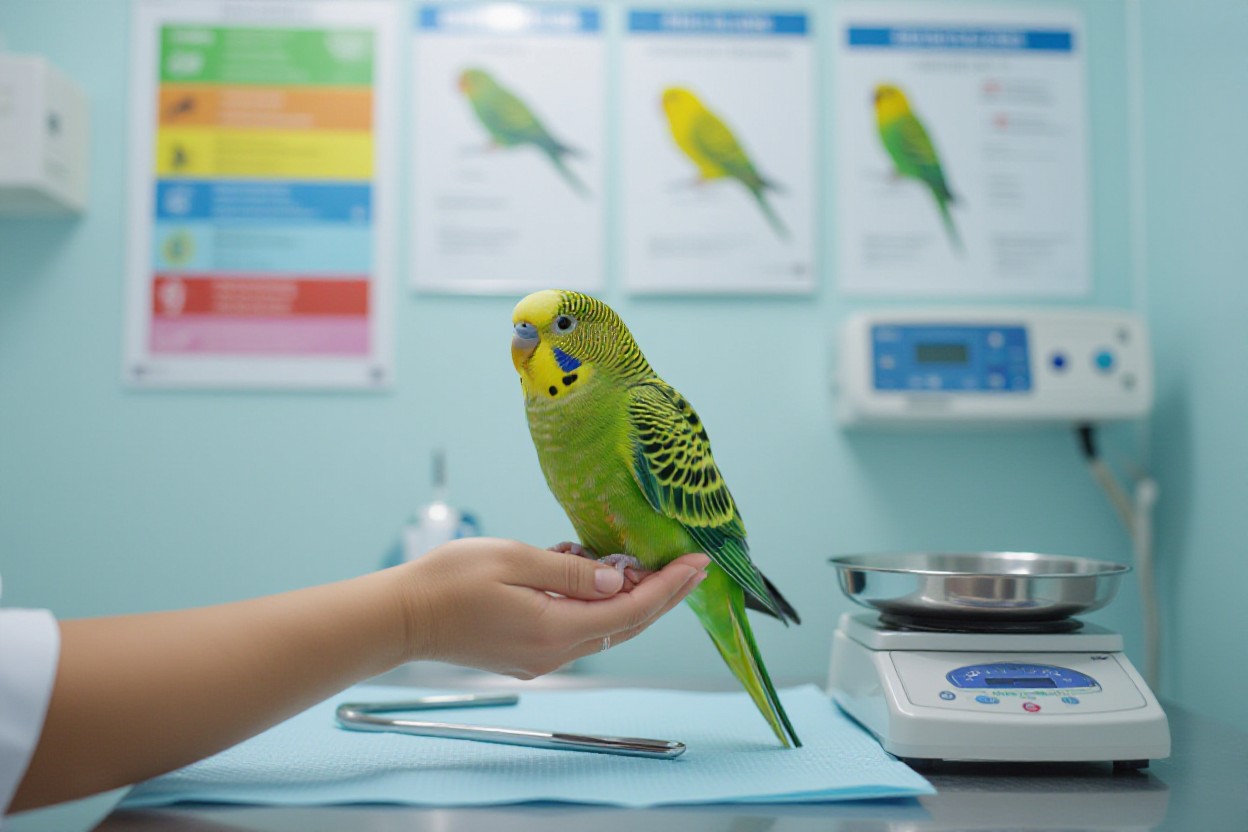
Schedule at least an annual wellness exam and every six months for young, breeding, geriatric, or medically unstable birds to catch subtle contributors to bird anxiety. During visits your vet will track weight trends, assess plumage and beak health, and order baseline bloodwork or fecal testing as needed. Consistent monitoring reduces the chance that anxiety progresses into self-injury or emergency illness.
Bring videos of the behavior, recent diet details, and a fresh droppings sample to appointments. Expect body-condition scoring, CBC/chemistry tests, fecal analysis, and radiographs when indicated; heavy-metal or endocrine screens are added for high-risk cases. You should weigh your bird daily on a gram-scale and share that log—this simple data often reveals early disease signals before behavioral escalation and improves diagnostic accuracy.
Species-Specific Considerations
Parrots and Their Unique Needs
You must account for parrots’ high intelligence and long lifespans (many species live 20–80 years), which make them prone to chronic stress when understimulated or isolated. African greys, cockatoos, and macaws often show anxiety as feather-plucking, loud screaming, or redirected aggression; self-mutilation and sudden aggression are red flags. Practical fixes include daily cognitive enrichment, predictable routines, larger flight-safe space, and targeted training; one case of a 7-year-old cockatoo resolved persistent plucking after a 30-minute daily foraging program and stepped-up social time.
Canaries and Other Small Birds
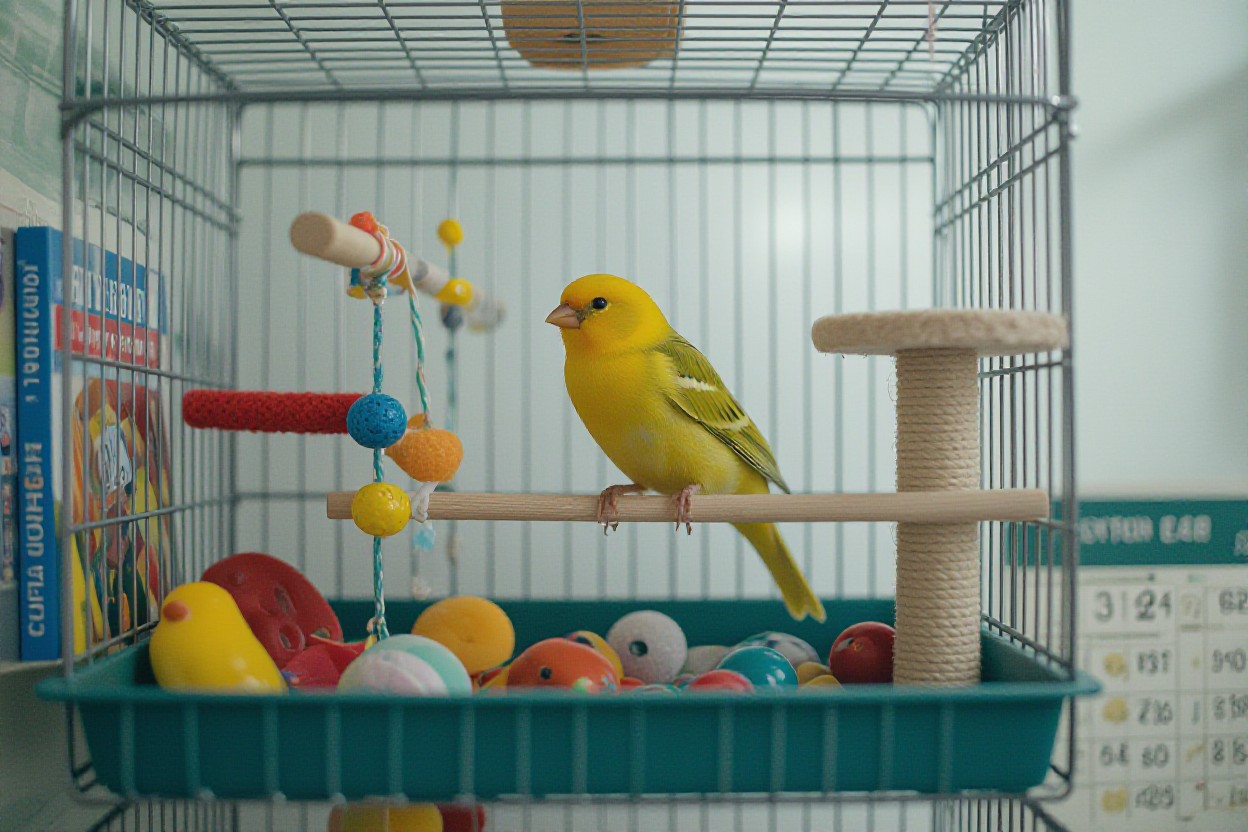
You should know canaries and finches react strongly to environmental shifts: drafts, erratic light cycles, and household noise frequently trigger acute stress. Expect subtle signs such as reduced song, fluffed posture, or a 3–5% weight drop before overt illness. Maintain stable temps (about 18–24°C), consistent photoperiods (10–14 hours), and minimal handling to reduce bird anxiety.
For intervention, use automatic timers for light, quiet cage placement away from doors and loud appliances, and daily visual privacy at night. Monitor weight on a gram scale and log changes; a 4% loss over 3 days demands veterinary attention. Dietary shifts—adding pellets and small greens—often improve resilience, and reintroducing song usually occurs within 1–3 weeks after stability is restored. Egg-binding in females is an emergency to watch for during breeding seasons.
Pigeons and Doves: Social Dynamics
You must treat pigeons and doves as inherently social: isolation often produces pacing, excessive cooing, or withdrawal, and pair-bond disruption can spike stress behaviors. Many show clear separation anxiety when alone, and typical captive lifespans of 5–15 years mean long-term social needs. Visual contact with flockmates and regular interaction reduce anxiety more effectively than toys alone.
To rehabilitate anxious pigeons, first restore social contact gradually—introduce a calm companion behind a barrier for several days, then allow supervised coexistence. Offer communal foraging opportunities and flight time; structured routines (feeding, cleaning, free-flight windows) cut cortisol-equivalent stress in a matter of weeks. Mirrors can help short-term but are not a substitute for real conspecifics. Watch for persistent weight loss or severe aggression; these warrant immediate behavioral planning and veterinary assessment. Positive outcomes often appear within 2–6 weeks with consistent social enrichment.
The Role of Enrichment Activities
Interactive Toys and Games
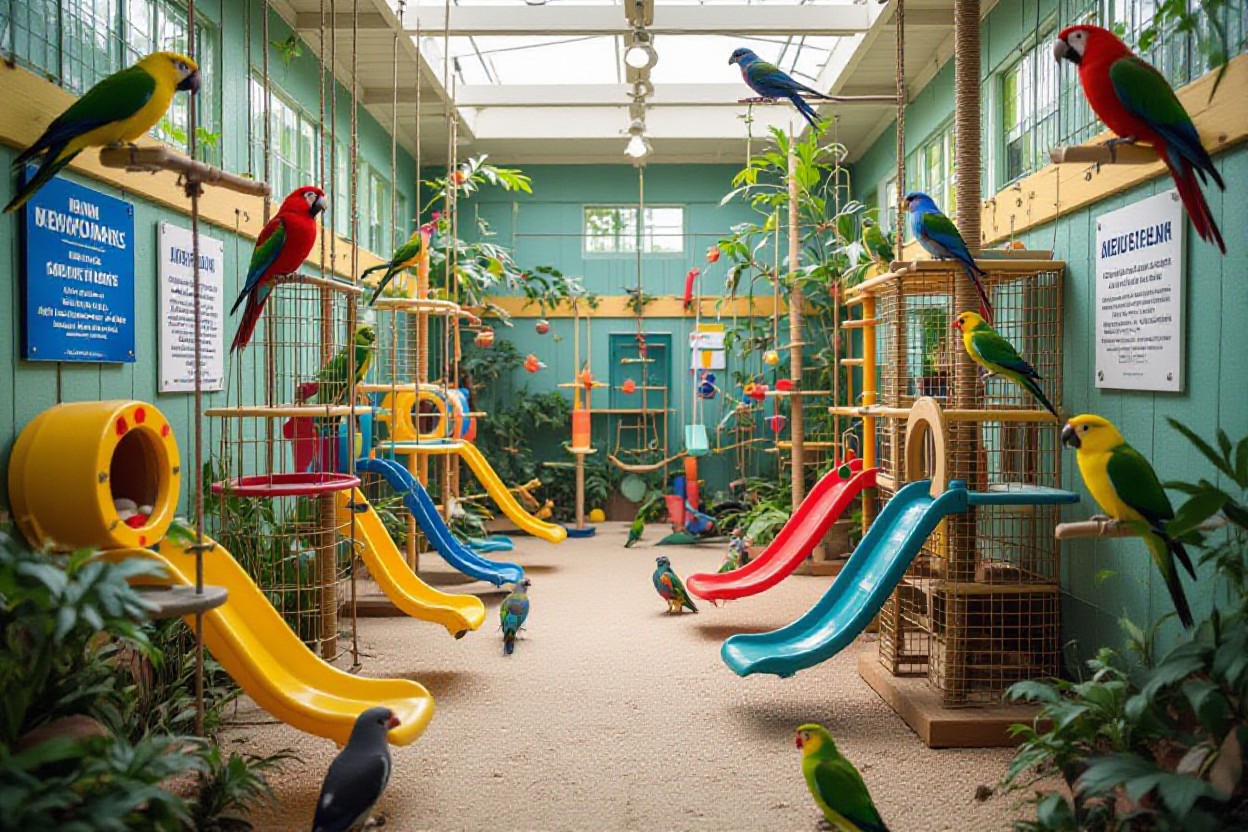
You should rotate a mix of chewable, foraging and puzzle toys every 3–7 days to keep novelty high and reduce boredom-related behaviors linked to bird anxiety. Aim for 20–60 minutes of supervised play daily—simple games like target-training with a stick or hide-and-seek with cups can lower screaming and pacing. Use safe materials (untreated wood, stainless steel, natural fiber) and discard toys with loose small parts to avoid ingestion hazards.
Foraging and Problem-Solving Activities
You can recreate natural feeding challenges by hiding pellets or chopped veg in paper rolls, treat-dispensing toys, or woven palm nests; start with 10–20 minute sessions and build to 30 minutes to stimulate mental effort and reduce repetitive behaviors. For many parrots, structured foraging correlates with fewer anxiety signs and more restful sleep.
Progress difficulty gradually: begin with visible treats in easy puzzle toys, then move to nested boxes or corkscrew feeders over 2–4 weeks. Species matter—cockatiels and budgies respond well to shredded paper and small cups, while amazons and macaws need robust, large-scale puzzles. Track changes in behavior (less feather-plucking, fewer alarm calls) and adjust frequency to maintain challenge. Avoid toxic materials and small detachable parts; use stainless steel, untreated wood, and natural fibers only.
Outdoor Time and Natural Habitats
You should introduce controlled outdoor exposure via an aviary or harness, starting with 5–10 minute supervised sessions and gradually increasing toward 30–60 minutes depending on species and weather. Outdoor enrichment—natural perches, sunlight, and ambient sounds—can reduce bird anxiety, but never leave birds unattended and avoid pesticide-sprayed areas.
Acclimate your bird slowly: practice harness steps indoors, monitor temperature (many tropical species become stressed below 60°F), and provide shaded, sheltered perches. Use a fully enclosed flight aviary or securely fastened harness; studies and clinic reports show outdoor access in safe enclosures often improves foraging drive and social engagement. Be aware that unattended outdoor time can be deadly due to predators, window strikes, and toxins—supervision and secure containment are non-negotiable.
Community and Support Groups
Finding Local Support Networks
Tap into local avian resources like rescue organizations, parrot clubs, and your area’s avian veterinary clinics; many cities host monthly meetups or workshops where you can compare enrichment strategies and ask about species-specific issues. Use the ABVP or Association of Avian Veterinarians directory to locate board-certified avian vets, and check community centers or universities for behavior classes—these in-person contacts often provide hands-on help and referrals when you face severe signs such as self-injury or rapid weight loss.
Online Communities and Resources
Use targeted online groups—Facebook support groups, subreddits like r/parrots, and specialist forums—to crowdsource practical solutions, find DIY enrichment plans, and discover local avian professionals; these communities typically have members ranging from a few hundred to tens of thousands and can point you to vetted resources like the Association of Avian Veterinarians and Merck Veterinary Manual.
Post clear photos and short videos of your bird’s environment and behavior to get actionable feedback; many members will suggest step-by-step changes (foraging schedules, nightly dark periods, specific toy rotations) and report timelines—common case reports show measurable improvement in 4–8 weeks when you combine environmental adjustments with consistency. While community advice is valuable, always verify medical or medication recommendations with a licensed avian veterinarian and escalate immediately for signs like labored breathing, bleeding, or persistent self-mutilation.
Importance of Sharing Experiences
Sharing your experiences reduces isolation and speeds problem-solving by exposing you to diverse, species-specific approaches; when you describe routines, diet, and triggers, other owners can often identify overlooked stressors or suggest targeted enrichment that has worked for them.
Concrete examples help: when you document what you tried and the timelines, you enable pattern recognition—others can point out that a sudden increase in daylight exposure or a dietary change often precedes anxiety behaviors in cockatiels and amazons. By exchanging photos, schedules, and progress updates you not only get practical fixes but also referrals to specialists; this peer-driven troubleshooting often leads to faster, safer outcomes and provides the emotional support that helps you stay consistent with behavior plans, which is one of the most positive predictors of recovery for birds with anxiety.
Summing up
Summing up, bird anxiety arises from environmental, health, and social causes; you can recognize it through feather-plucking, pacing, altered vocalizations, and changes in appetite or sleep; you should address it by improving habitat, providing enrichment, adjusting diet, using behavior-focused training, and consulting an avian vet when needed; with consistent intervention and prevention strategies you can reduce fear, support recovery, and promote lasting welfare for your bird.
FAQ
Q: What commonly causes bird anxiety and how do causes vary between species?
A: Bird anxiety arises from a mix of environmental, medical and social drivers; the balance of those drivers often differs by species, individual temperament and life history. Environmental triggers include rapid changes (new home, different room, loud household noises, construction, other pets), unpredictable routines (irregular feeding or interaction times), insufficient shelter or hiding places in the cage, lack of appropriate perch variety, overstimulation from bright lights or glass reflections, and chronic sensory stressors such as constant alarm calls from other birds or persistent household activity. Social causes include isolation for inherently social species (cockatoos, African greys, conures) or, conversely, forced proximity for species that value distance; an inexperienced owner handling a bird poorly can create long-term wariness. Health-related causes include pain, undiagnosed infections, metabolic or endocrine disorders, nutritional deficiencies, neurologic disease, toxins (lead, zinc), and medication side effects; birds in pain or with sensory impairment (poor vision or hearing) are more likely to develop anxious behaviors. Hormonal cycles and reproductive stress during breeding season also commonly increase reactivity and anxiety-like behaviors. Age matters: juveniles react differently than seniors—young birds may show fear-based avoidance or neophobia, while older birds can develop anxiety secondary to cognitive decline or chronic illness. Species differences: parrots (cockatoos, amazons, African greys) tend to form strong social bonds and therefore display separation anxiety and attention-seeking behaviors; budgerigars (budgies) and cockatiels can be highly reactive to household changes and are sensitive to sudden movements or loud sounds; finches and canaries are more flighty and show rapid acute stress responses but often hide or freeze rather than vocalize; larger psittacines may show pronounced self-directed behaviors (feather picking, screaming) when stressed. The same environmental change can be benign for one species and a potent anxiety trigger for another, so effective management starts with species-specific assessment and tailoring the environment, handling and social exposure to suit natural history and individual needs. Ongoing low-level stressors produce chronic activation of the stress axis, which can worsen immune function and behavior over time, so identifying and addressing the root cause—medical or environmental—gives the best long-term outcome.
Q: What signs indicate bird anxiety and how can I assess severity and underlying causes?
A: Signs of bird anxiety range from subtle to severe and may involve behavior, appearance and physiology. Common behavioral indicators include increased vocalization (screaming, alarm calls), pacing or repetitive movements, flight-risk behavior (bolting from hand or cage), hyper-vigilance (constant scanning), avoidance of interaction, reluctance to perch or step up, sudden aggression or biting, and displacement behaviors such as excessive preening or regurgitation when not in a bonding context. Self-directed signs include feather picking, plucking, barbering, or over-preening that leads to skin trauma; these often reflect chronic stress, pain or frustration. Physical and physiological signs may include weight loss, changes in droppings (watery, discolored), fluffed or sunken appearance, reduced appetite, changes in sleep patterns (restlessness during night, daytime sleepiness), rapid breathing or tail bobbing with no environmental heat stress, and impaired coordination. Subtle cues are important: a bird that holds feathers tight, keeps one eye closed, or freezes in place is signaling discomfort or fear. Severity assessment: acute mild anxiety might show transient vocalization or hiding after a new event and resolve within hours to days when conditions stabilize. Moderate anxiety shows persistent behavior changes lasting days to weeks, progressive avoidance or decreased social interaction, and measurable weight or appetite change. Severe anxiety is indicated by self-mutilation (bleeding from plucking), sustained refusal to eat, marked weight loss (>10% body weight), seizures, respiratory compromise, or aggression that risks injury to the bird or handler. To assess underlying causes, start with a structured observation: log the timing, frequency and context of each behavior (time of day, presence/absence of people or pets, proximity to windows/doors, recent changes). Photograph or video behaviors to share with a veterinarian or behaviorist. Simultaneously perform a basic environmental audit: cage size and placement, access to foraging and enrichment, noise sources, sleep environment (10–12 hours of uninterrupted darkness), types of perches and toys, diet composition, and handling routine. Combine this with a medical check: sudden onset, worsening of behavior despite environmental stability, physical signs (droppings change, breathing issues, visible lesions), or neurologic signs should prompt immediate veterinary evaluation. Diagnostic testing that an avian vet may recommend includes body weight trend analysis, complete physical exam, bloodwork (CBC, biochemistry), radiographs, cloacal/choanal cultures if infection suspected, and heavy metal screening if exposure risk exists. Behavioral observation alongside medical exclusion helps distinguish primary behavioral anxiety from anxiety secondary to disease; many cases are mixed, where a medical problem increases sensitivity to stressors. Use a severity scale to guide intervention urgency: mild—environmental enrichment and routine adjustments; moderate—structured training and possible short-term medical support; severe—immediate veterinary treatment, pain management if indicated, and coordinated behavior modification plan with a certified avian behaviorist.
Q: What treatment, environmental changes and prevention strategies reliably reduce bird anxiety, and when should I involve a veterinarian or behavior specialist?
A: Effective management combines medical evaluation, environmental modification, behavioral interventions and dietary optimization. Start with a veterinary exam to rule out pain, infection, nutritional deficiency or toxic exposure; treatable medical issues must be addressed before or alongside behavioral therapy. Environmental changes: ensure cage size matches species needs and provides at least two escape routes and a private retreat; position the cage where the bird can observe household activity without being the center of constant disruption (near family but not in high-traffic zones like kitchens); provide 10–12 hours of dark, quiet sleep; minimize startling stimuli by using soft furnishings to reduce echoes, covering windows at night if outside bird activity is a trigger, and avoiding frequent abrupt changes in cage location. Offer a diverse array of perches (varying diameters and textures), foraging opportunities (foraging toys, hidden treats, shreddable materials) and species-appropriate toys rotated regularly to prevent habituation. Behavioral interventions: use predictable daily routines (feeding, play, training at consistent times) to reduce anticipatory stress. Employ positive reinforcement training (clicker or target training) to build trust, teach coping skills, and replace anxious responses with constructive behaviors; break training into short, regular sessions (5–10 minutes) to prevent overwhelm. Desensitization and counterconditioning work well for specific triggers: identify the trigger, present it at a very low intensity, and pair with a favorite food or treat while gradually increasing exposure as the bird remains calm. For separation anxiety in social species, teach independent behaviors through gradual alone-time training—start with brief separations paired with a preferred foraging toy, increase duration on a schedule, and reward calm behavior. Social enrichment: provide safe interactions with conspecifics where appropriate (visual contact or supervised playdates), or structured one-on-one time if the bird is bonded to humans; avoid over-dependence by creating opportunities for independent activity. Diet and supplements: shift from seed-only diets to balanced pellets with fresh vegetables and limited fruit to stabilize energy and nutrient intake; inconsistent blood glucose from high-fat, high-sugar diets can exacerbate irritability and reactivity. Ensure adequate protein, vitamin A precursors (carotenoids), and trace minerals as directed by an avian vet; avoid caffeine, chocolate, avocado and alcohol. Supplements such as omega-3 fatty acids or multivitamins may help in specific deficiencies, but use only under veterinary guidance. Pharmacologic options: in cases where anxiety severely impairs welfare or progress is limited despite behavioral work, an avian veterinarian may recommend short- or medium-term medication to lower arousal and enable learning—common choices include selective serotonin reuptake inhibitors (SSRIs) or other anxiolytics used off-label in birds. Medication should be prescribed and monitored by an experienced avian vet and used alongside behavior modification rather than as a standalone solution. When to seek professional help: consult an avian vet immediately for sudden behavioral change, self-mutilation, rapid weight loss, breathing issues, seizures, or any sign of systemic disease. For persistent anxiety despite basic environmental corrections, or when aggression or self-harm pose safety risks, engage a certified applied animal behaviorist or an avian behavior consultant who uses reward-based methods. A coordinated team approach—veterinarian, behaviorist and owner—yields the best outcomes. Practical stepwise plan: 1) Immediate medical screening; 2) stabilize environment (sleep, cage placement, enrichment); 3) implement structured routine and positive-reinforcement training; 4) document progress weekly; 5) add veterinary-guided medications if progress stalls and bird welfare is at risk; 6) consult a behaviorist for complex or chronic cases. Prevention strategies focus on early socialization appropriate to species, consistent handling practices, gradual introductions to novel stimuli, and maintaining an enriched, predictable living environment. Success stories: a bonded cockatiel that screamed when left alone began 10-minute separations with a favored foraging toy and daily target training; within six weeks vocalization frequency dropped by 70% and the bird accepted 1–2 hours of alone time without distress. In another case, an African grey with sudden feather damage was found to have undetected gastrointestinal infection; medical treatment combined with gradual enrichment and reduced household chaos led to improved appetite, decreased plucking and a return to normal social behavior over three months. These examples show that combining medical care, environment design and behavior-focused training produces measurable improvement in bird anxiety and long-term quality of life.