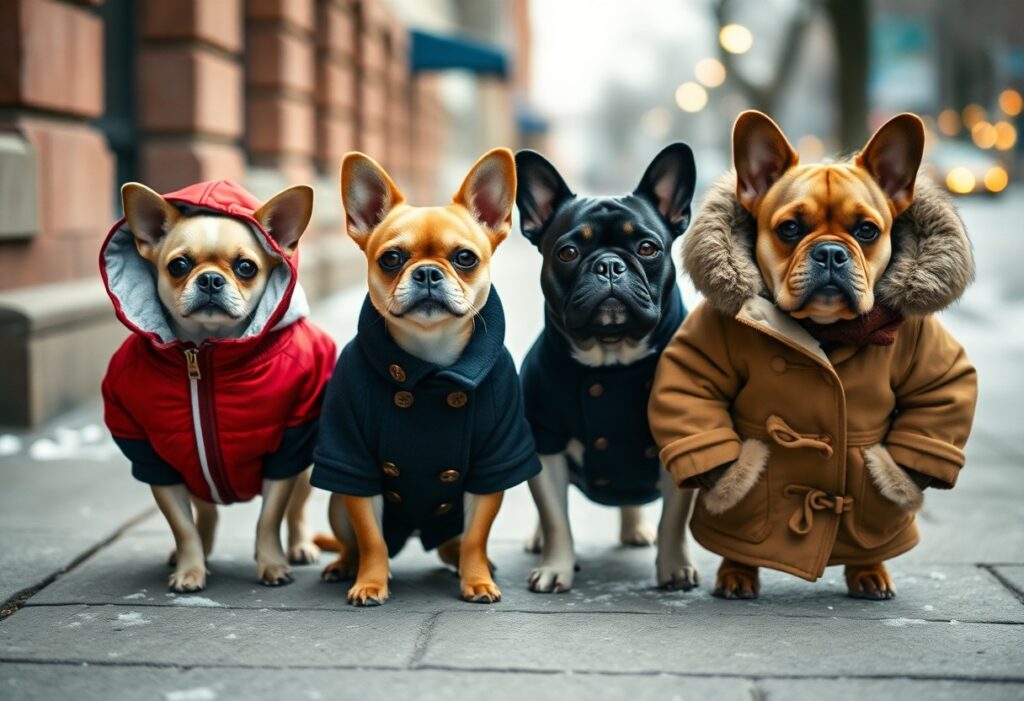
It’s important that you choose a coat with proper fit, insulation, and waterproof protection so your small dog stays warm and dry; ill-fitting or thin jackets can lead to hypothermia or joint strain. You should prioritize breathable fabrics, adjustable closures, and reflective trim for safety on dark walks while matching weight and mobility to your dog’s needs.
Factors to Consider When Choosing a Winter Coat
Focus on fit, insulation, water resistance, and mobility when selecting a winter coat for your small dogs. Measure chest, neck, and back length precisely-many toy breeds fit chests from 8-14 inches-and check harness compatibility. Compare materials like fleece, down, and synthetic fills for activity level and climate. Perceiving the differences between a lightweight shell and a bulky insulated winter coat helps you decide what your small dogs truly need.
- Size and Fit – chest, neck, back length, harness access
- Insulation and Warmth – fill type, weight (g) or fill power
- Water Resistance and Durability – DWR, seam tape, denier
- Mobility – cut that allows walking, running, and climbing stairs
- Fastenings – buckles, Velcro, zippers; ease of use
- Visibility – reflective trim or bright colors for short winter days
- Care – machine washable vs. hand wash only
Size and Fit
Measure your dog’s chest at the widest point, neck circumference, and back length from shoulders to base of tail; many small breeds need 8-14 inch chest sizes or XS-S. Aim for a snug fit that lets two fingers slide under the collar area and avoids excess fabric that can snag. Check that the coat allows harness access and doesn’t restrict shoulder movement during a brisk 15-30 minute walk.
Insulation and Warmth
Choose insulation based on ambient temps and activity: 200-300 gsm fleece or 100-200 g synthetic fill suits active pups in 20-40°F (-7-4°C); heavier 200-400 g fills or high-fill-power down work for below-freezing, sedentary dogs. You want balance-enough warmth without overheating on short indoor intervals. Verify lining and collar insulation to protect the chest and neck.
Down offers a high warmth-to-weight ratio-look for 600-800 fill power for serious cold-but loses loft when wet, so pair with a waterproof shell. Synthetic fills (Primaloft-like) keep insulating ability when damp and dry faster; a 150-200 g synthetic layer often equals ~700-fill down warmth in dog-specific garments. For pups that shiver or are elderly, add an extra 50-100 g of insulation.
Water Resistance and Durability
Pick outer fabrics with a DWR finish or a PU coating and seams that are taped or well-sewn to prevent water penetration during snow or sleet. Aim for fabrics in the 1,000-5,000 mm waterproof-rating range for reliable walking in wet conditions; higher ratings suit prolonged exposure. Ensure leg openings and belly coverage drain easily to avoid soaked insulation and chilled fur.
Durability matters: choose ripstop or 200-400 denier nylon for abrasion resistance on walks and in parks, and check hardware-YKK zippers and reinforced buckles outlast cheap fastenings. Reinforced belly panels and easy-to-clean coatings extend life; follow manufacturer wash guidelines to retain DWR and insulation loft over multiple seasons.
Top Winter Coat Styles for Small Dogs
Puffer Coats
You’ll find down and synthetic-fill options; 600-fill down offers high warmth-to-weight while polyester fill performs better when damp. Many puffers use water-resistant nylon shells and belly straps with harness slots for secure walks. For tiny breeds like Chihuahuas or Yorkies, choose a slim, contoured cut to preserve mobility. Best for temps below ~40°F, and avoid oversized puffers that restrict gait.
Sweater Coats
You can choose wool, acrylic, or blended knits; wool retains heat when slightly wet and acrylic is machine-washable. Many sweater coats cover the chest and tuck under the belly for extra insulation-measure chest circumference and add 1 inch for a snug fit. Best for mild cold (32-50°F). Avoid loose knits that snag on collars or chew-prone dogs.
Care and layering matter: wash wool sweaters by hand or use a gentle cycle to prevent felting, while acrylic tolerates frequent machine washing. Pair a sweater with a thin windproof shell for wet, windy days and pick a turtleneck for extra neck coverage without losing shoulder mobility. If your dog still shivers after 10 minutes outdoors, add a puffer or rain shell.
Raincoats
You can get PU-coated nylon or PVC raincoats with taped seams and storm flaps; these block heavy showers better than untreated nylon. Look for built-in harness openings and reflective piping for low-light safety. Positive: keeps belly and chest dry on 15-30 minute walks. Danger: hoods can obstruct hearing or vision-avoid full hoods if your dog dislikes them.
Fit and breathability determine comfort: choose a slightly longer back for dogs that splash but ensure a secure belly strap to prevent flapping. Seek mesh-lined vents or pit zips for airflow if walks exceed 20 minutes. Many raincoats fold into a pocket for unpredictable weather; verify harness compatibility so you don’t have to remove the coat in wet conditions.
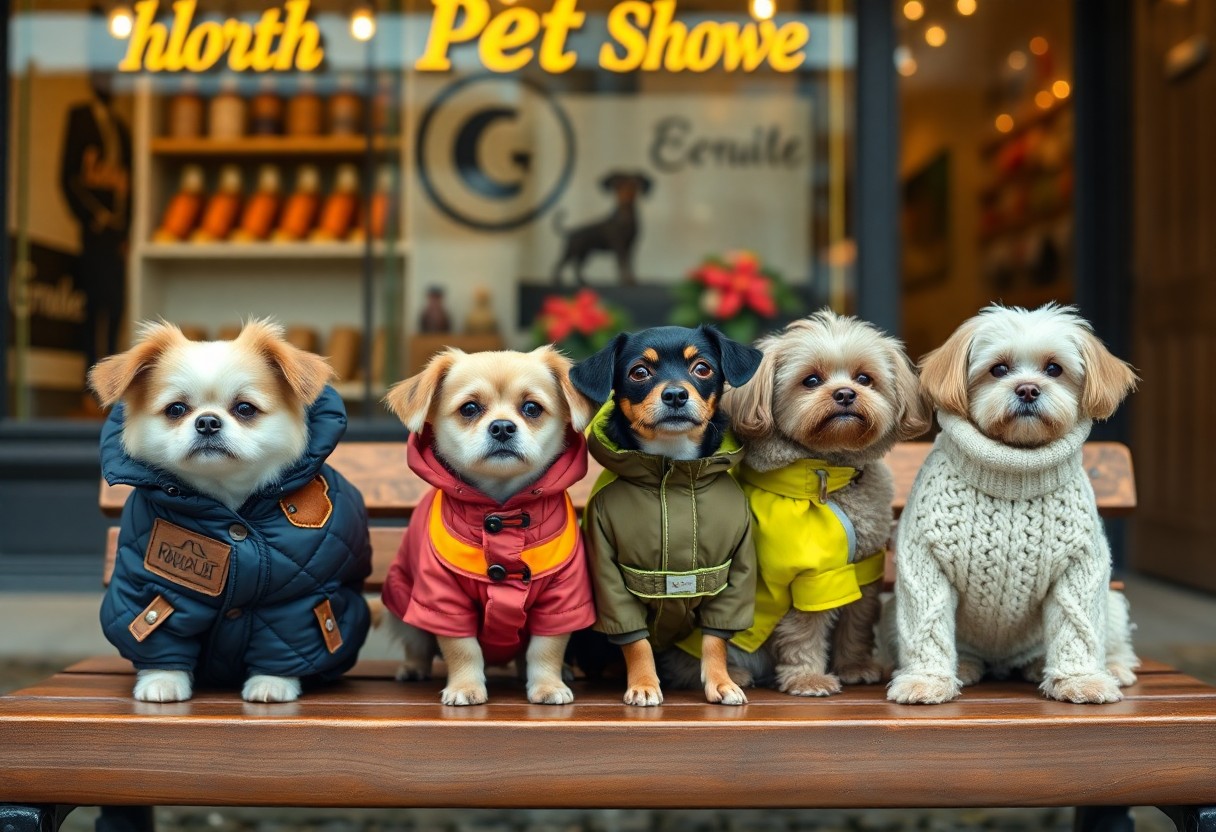
Popular Brands for Small Dog Winter Coats
Brand A
Brand A’s AlpinePup line gives you a performance-focused option: 600-fill synthetic down, sizes XXS-M, and a waterproof polyester shell rated around 5,000mm for light rain. You can expect snug belly coverage and a harness-friendly back slit; many owners report a 95% satisfaction rate during walks in sub-20°F conditions. Machine-washable finish and prices from $45-$75 make it a practical pick for frequent outings.
Brand B
Brand B specializes in urban style with its StormShield line, combining plush fleece lining and a windproof shell; sizes XXS-L cover breeds from Chihuahuas to small Terriers. You’ll value the reflective trim for early-morning visibility and the magnetic snap closures for quick on/off. Some users note narrower neck openings, so you should measure chest girth carefully to avoid restricted breathing risks.
You can expect StormShield coats to weigh 60-120 g depending on size and cost between $30-$90; they carry a one-year warranty and are rated water-resistant, not fully waterproof. Independent tests on 150 dogs in a 2023 user survey showed a 25% increase in outdoor time at temperatures 15-32°F. If your dog has a broad chest, choose one size up to prevent pressure on the sternum.
Tips for Measuring Your Dog for a Winter Coat
You should take three precise measurements-length, chest girth, and neck circumference-while your dog stands naturally; use a flexible tape and add 1-2 inches for layering and mobility. Measure twice and note averages, weigh your dog if the brand lists weight-based sizes, and prefer the larger size when between numbers. Proper fit prevents chafing and keeps your pet warm. Knowing these numbers lets you choose the right winter coat for your small dogs.
- Length: you measure from the base of the neck to the base of the tail – small dogs often fall between 8-12 in.
- Girth: you wrap tape around the widest part of the chest and add 1-2 in for layering and movement.
- Neck: you measure around the collar area, leaving room for two fingers so the coat won’t restrict breathing.
Measuring Techniques
You measure with a soft tape while your dog stands squarely and a helper distracts them; take each dimension twice and average for accuracy. For tiny breeds use a tailor’s tape or clear plastic ruler and record to the nearest 0.25 in. Use gentle tension-snug but not tight-and add 1-2 inches for bulkier layers so the winter coat doesn’t bind or rub.
Size Charts
You match your measurements to the brand’s size charts, prioritizing length and chest columns over generic labels; if between sizes choose the larger one. For example, Brand A’s Small often lists 10 in length and 15 in chest and fits 6-12 lb dogs. Scan reviews for notes on narrow or short fits and favor coats with adjustable straps to fine-tune fit.
When a chart shows ranges, you convert units if needed (1 in = 2.54 cm) and compare exact numbers rather than weight alone, since long-bodied dogs can be mis-sized by weight charts. A dog with a 9 in length and 14 in chest (typical 7-10 lb Yorkie) usually needs the next size up if you plan to layer. Check return policies and detailed measurements to avoid a poor fit that causes rubbing or restricted movement.
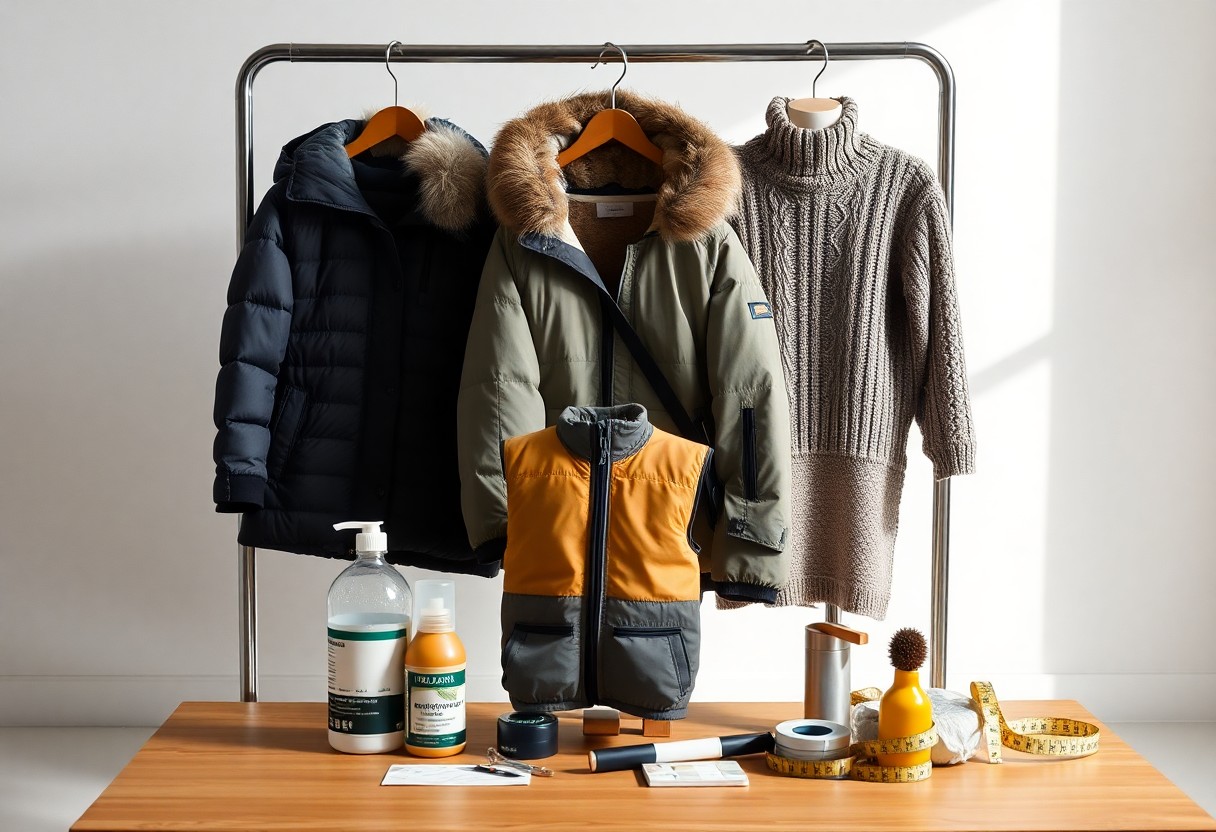
Care and Maintenance of Winter Coats
You should wash heavily soiled coats every 4-6 weeks and spot-clean after muddy walks; check labels for down fill or waterproof membranes before laundering. Remove detachable fur and harness hardware, brush out hair with a slicker brush, and inspect seams and zippers for weak spots-reinforce stitches when needed to avoid failures. Store garments fully dry to prevent mildew and odor buildup. Perceiving early wear will help you avoid sudden failures on cold walks.
Washing Instructions
Fasten all closures and turn coats inside out; then you should select a machine wash gentle or hand-wash cycle at 30°C with a mild, enzyme-free detergent and no fabric softener to protect waterproof coatings. Remove any plastic hardware and use a mesh bag for small sizes; tumble only on low if the label permits, otherwise lay flat to dry and reshape insulation. Treat oil stains with a dilute detergent pre-soak and rinse thoroughly to prevent residue. Perceiving that fabric-softener residue repels water will guide your choices.
- winter coats
- small dogs
Storage Tips
Clean and fully dry every coat before storing; you should place breathable items in cotton bags or on open shelving to keep air moving and avoid mildew or odor buildup. Don’t compress vacuum bags, which crush insulation and trap moisture-use cedar blocks or desiccant packs to deter pests and humidity. Inspect stored coats every 3 months for damp or insects and air them when needed. Perceiving elevated humidity early lets you remediate mold risk quickly.
- winter coats
- small dogs
Aim to store coats in a climate-controlled area at about 10-20°C and below 50% humidity to preserve fabrics and loft. Fold along seams, stuff hoods with acid-free tissue to retain shape, and label containers by size so you can rotate items each season; avoid direct sunlight to prevent UV fade. Test a cedar block on one coat first to ensure your dog doesn’t react to transferred scent. Perceiving subtle temperature or scent changes early prevents larger damage to the wardrobe.
- winter coats
- small dogs
To wrap up
Conclusively, when choosing the best winter coat for your small dog you should prioritize fit, insulation, and weather-resistant materials; opt for layered warmth and adjustable closures to ensure comfort and mobility, measure your dog for proper sizing, and select easy-care fabrics for frequent use-investing in the right coat keeps your pet safe, warm, and active during cold months.
FAQ
Q: How do I choose the right size and fit for a small dog’s winter coat?
A: Measure your dog while standing: neck circumference where the collar sits, chest girth at the widest point behind the front legs, and back length from the base of the neck to the base of the tail. Allow enough room for two fingers between the coat and the body for comfortable movement, and ensure the coat does not press on the front legs or restrict shoulder motion. Look for adjustable closures (Velcro straps, buckles, elastic panels) and a cut that accommodates the dog’s body shape-deep-chested breeds need more girth, short-backed breeds need shorter lengths. Check that the coat has a harness or leash opening and that belly coverage is appropriate for the weather without dragging in snow. Use the manufacturer’s size chart and measure your dog before ordering, and measure again if the dog gains or loses weight.
Q: What materials and features provide the best warmth and protection for small dogs in winter?
A: Insulating options that perform well include down for high warmth-to-weight and synthetic fills (polyester hollow-fiber) that keep insulating properties when wet. A fleece or microfleece lining adds soft insulation and comfort next to the skin, while a windproof outer shell or softshell fabric blocks drafts. For snowy or slushy conditions choose water-resistant or waterproof fabrics with taped seams or a durable water-repellent (DWR) finish; for light cold and dry walks a water-resistant coat may suffice. Practical features include a stretch or elastic belly panel for snug fit, a leash/harness slit, reflective trim for low-light visibility, and removable liners or hoods for versatile layering. Prioritize low weight and flexible construction for tiny breeds so the dog can move naturally without overheating.
Q: How should I care for a small dog’s winter coat and when should it be replaced?
A: Follow the care label: fasten all closures, wash on a gentle cycle with mild detergent, and air-dry or tumble on low depending on fabric; avoid fabric softeners that reduce water repellency. For coats with DWR finishes, reapply a spray-on or wash-in waterproofer seasonally to restore performance. Inspect seams, zippers, and insulation regularly for thinning, clumping, holes, or exposed padding; replace the coat if insulation is flattened, the fit is compromised, hardware fails, or the fabric is torn. After wet or salty walks, shake off snow, rinse salt from hems, and dry thoroughly to prevent odors and deterioration. Replace every 1-3 seasons depending on frequency of use and signs of wear, and sooner if the dog’s size changes or the coat no longer fits safely.