Over time, you can rely on curated boxes to deliver toys, treats and vitals that save you time and often improve your pet’s routine; to decide wisely, check ingredient lists and sizing to avoid choking hazards or allergens, compare prices for real value and durable toys, and prioritize providers with transparent sourcing and fair return policies so your pet gets safe, tailored items that justify your subscription.

What to Consider Before Choosing a Pet Subscription Box
Pet Type and Preferences
Identify your pet’s species, size, age and play style before subscribing: dogs that are heavy chewers (e.g., pit bulls, mastiffs) need indestructible toys, while kittens often prefer small, wand-style or puzzle toys; rabbits and guinea pigs require hay-friendly, safe chews. Check ingredient lists for treats-chocolate, xylitol, grapes are toxic to pets-and opt for boxes that allow breed/age customization or allergy filters so you aren’t stuck with unusable items.
Budget and Value for Money
Expect typical pricing of about $20-$40/month for dog boxes and $15-$25/month for cat boxes, with 6-12 month plans often offering 10-20% discounts; divide the monthly price by the number of items (many boxes include 4-6 products) to gauge per-item value. Prioritize boxes that list retail-equivalent values, offer durable toys, and include replacement or satisfaction policies-cheap, flimsy toys can break and become a choking hazard.
Factor in shipping, one-time sign-up fees and promo codes when comparing deals: a $30 box with free shipping can beat a $25 box plus $8 delivery. Calculate cost-per-use-if a $12 toy lasts three months, that’s $4/month of entertainment-then weigh ingredient quality for treats and the vendor’s replacement/return policy, since many reputable services provide free swaps for defective or dangerous items.
Top Subscription Boxes for Dogs
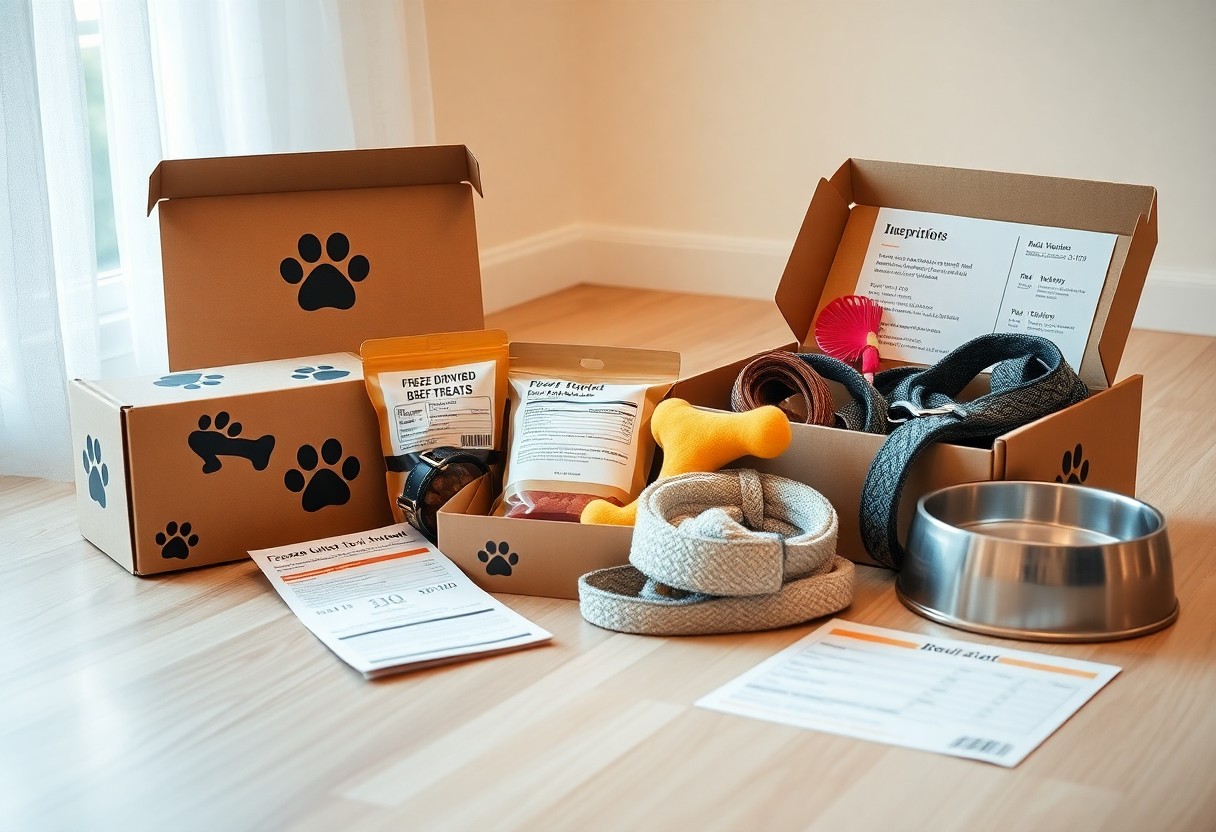
You’ll find standout options depending on needs: BarkBox (typically around $23-$35/month) focuses on themed fun with usually 2 toys and 2 treat bags, Bullymake (from about $39/month) targets power chewers with extra-durable toys, and PupBox tailors boxes to puppy age with monthly training guides; you should watch for small parts or soft toys that pose choking hazards if your dog gulps or shreds quickly.
Highlights and Unique Features
For durability, Bullymake advertises chew-tested designs and a replacement focus for heavy chewers; BarkBox wins on creative monthly themes and often includes one exclusive toy collaboration, while PupBox sends age-specific training tools and socialization tips up to 12 months; many boxes also offer grain-free or vet-approved treats and size customization so you get toys suited to your dog’s weight and play style.
Pricing and Subscription Options
Plans generally range from about $20-$45 per month; you can choose month-to-month, 6-month, or 12-month prepay options with typical savings of 10-25% for longer commitments, and most services let you pause, skip shipments, or gift a one-time box-important if your budget or schedule fluctuates.
As an example, BarkBox’s monthly tier starts near $23 with 6- and 12-month plans lowering the per-box cost, Bullymake’s starter plan is roughly $39+/month for tougher construction, and PupBox begins around $24 for puppy-focused gear; you’ll often see first-box discounts, optional add-ons like extra treats ($5-$15), and autopay billing with easy cancellation or pause features.
Top Subscription Boxes for Cats
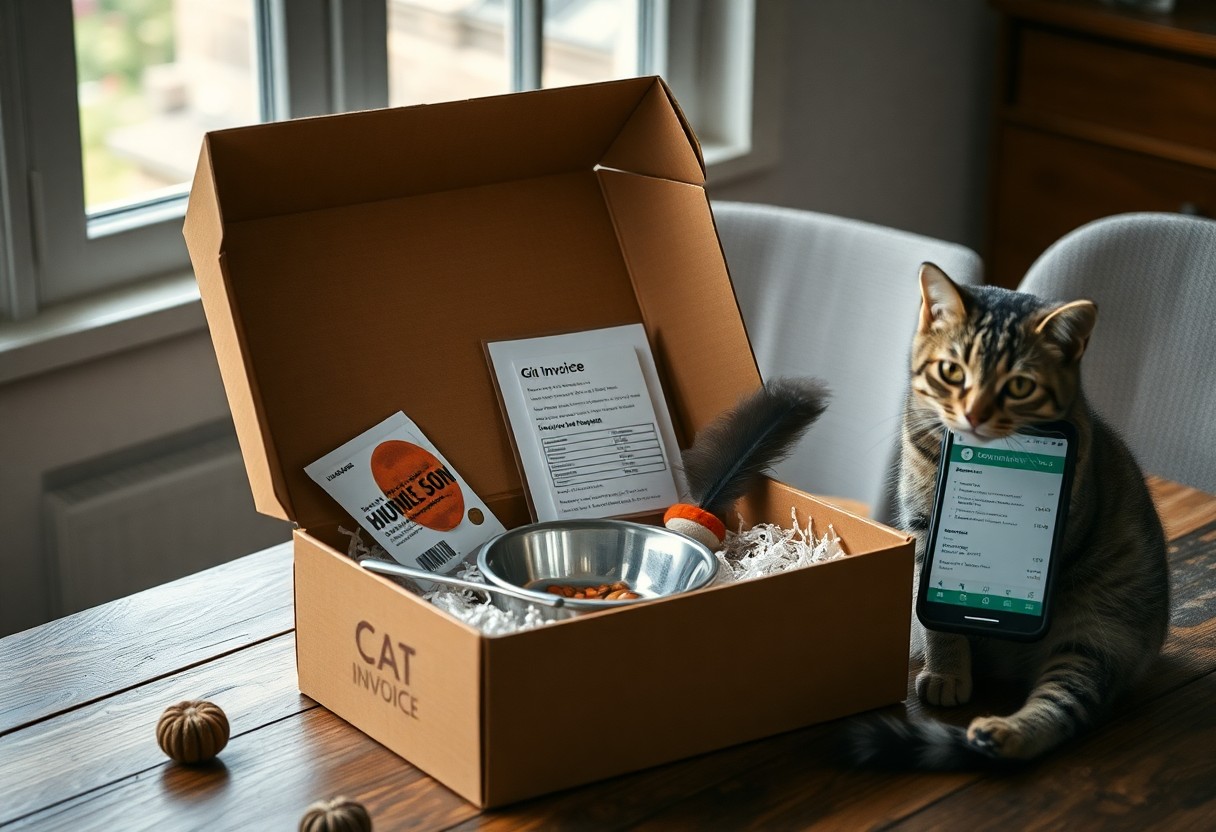
Meowbox, KitNipBox and CatLadyBox stand out for variety and value: Meowbox typically ships 6+ items for about $24.95/month, KitNipBox usually includes 4-6 toys and treats around $19-$25/month, and CatLadyBox blends human gifts with cat items near $30-$35/month. You’ll find boxes focused on play, premium treats, or themed surprises, and many include sample-size food, interactive toys, and occasional wellness items-watch for small parts that can be a choking hazard in cheaper toy mixes.
Highlights and Unique Features
Several boxes offer standout perks: KitNipBox often emphasizes enrichment toys and eco-friendly materials, Meowbox rotates branded collaborations and seasonal themes, and CatLadyBox pairs human items with cat products for gift appeal. You can get tailored options for senior cats or kittens, and some services provide a toy-replacement or satisfaction guarantee. You’ll also see specialty treats vetted for limited ingredients, which helps if your cat has sensitivities.
Pricing and Subscription Options
Expect monthly pricing roughly between $15-$35/month, with common tiers: month-to-month, 3-, 6-, and 12-month prepay plans that cut cost by 10-25%. Many services offer gift boxes, seasonal one-offs, and occasional promo codes; shipping is often free on multi-month subscriptions. You should compare item counts and whether treats are full-size or samples when judging value.
Billing cycles vary: month-to-month plans let you cancel anytime, while prepaid plans require you to use the term or forfeit credits, so check the cancellation and refund policy before subscribing. Also verify treat ingredients and toy construction if your cat has allergies or is a heavy chewer-strings, small bells, and foam bits can pose choking or ingestion risks and aren’t appropriate for every cat.
Specialty Subscription Boxes for Other Pets
Options for Small Animals, Birds, and Reptiles
For small animals, birds, and reptiles you’ll find boxes that pack species-specific gear: rabbit and guinea pig boxes typically include hay-based treats, chew toys and hay nets; bird boxes focus on foraging toys and millet sprays; reptile boxes often add calcium powder, hides and thermally safe decor. Many subscriptions ship 4-6 curated items per month for about $15-$40/month. Watch for dangerous materials-avoid cedar bedding and avocado for birds-and check ingredient lists for your pet’s sensitivities.
Benefits of Specialty Boxes
Specialty boxes give you targeted enrichment and nutrition tailored to your pet’s biology: you get monthly rotation of toys and treats designed for species-specific needs, which can reduce boredom and destructive behaviors. Subscriptions often bundle items at better value than buying individually and frequently include vet- or expert-curated products. For example, rabbit boxes that add fresh hay and chewables can improve dental wear and gut motility when used alongside your regular feeding routine.
They also help you stay consistent: scheduled deliveries keep enrichment varied without extra planning, and boxes with supplements make dosing easier-ensure calcium-to-phosphorus ratios suit reptiles and that supplements aren’t excessive. Consider boxes that offer customization or swap options if your pet has allergies. If you have a bird prone to boredom, choose foraging-focused boxes; for small mammals, look for high-fiber, low-sugar treats to support dental and digestive health.
Customer Reviews and Satisfaction
Common Experiences and Feedback
Across reviews you’ll see strong praise for unboxing excitement and curated treats tailored to allergies or size; many users cite faster shipping times (typically 2-5 days) as a plus. You’ll also encounter recurring negatives: toy durability and occasional duplicate items. For example, forums report roughly two-thirds of customers rate boxes 4+ stars, while complaints often center on wear-and-tear after 1-3 months of play.
Reviewer Summary
| Praise | Complaints |
| Variety of toys and treats | Toy durability |
| Dietary/custom options | Occasional duplicates |
| Fast shipping (2-5 days) | Inconsistent sizing |
Comparison of Subscription Box Providers
When you compare providers, price ranges usually fall between $20-$40/month, and differentiation comes from customization, ingredient sourcing, and toy quality. You’ll notice BarkBox emphasizes themed toys and durable chew items, while Chewy’s Autoship focuses on convenience and bulk savings. Cat boxes like Meowbox or KitNipBox lean into interactive toys and catnip. Customer ratings often align with how well a box matches your pet’s profile.
Provider Comparison
| Provider | Standout Feature |
| BarkBox | Themed toys and treat variety |
| Chewy Autoship | Convenience and wide product selection |
| Meowbox / KitNipBox | Cat-focused toys and catnip items |
| PetPlate | Fresh, human-grade meals |
If you want more granular guidance, prioritize ingredient transparency and clear refund/replacement policies: many top services offer a 30-day satisfaction or replacement window. You should also check toy composition to avoid choking hazards, compare customization levels (age, size, allergies), and note that annual plans often reduce monthly cost by 10-25%.
What to Check Before Subscribing
| Feature | What to Check |
| Price | Monthly vs annual cost, shipping fees |
| Customization | Allergies, size, toy preferences |
| Ingredients | Source, human-grade vs anonymous suppliers |
| Toy safety | Material, choking risk, durability |
| Policies | Refunds, replacements, cancellation terms |
Tips for Making the Most of Your Subscription Box
Rotate 2-3 items weekly to keep your pet engaged and track which categories-treats, toys, grooming-deliver the most value. Inspect every package for choking hazards and ingredient lists; for example, avoid hard chews for dogs under 10 lb. Use a simple log (app note or spreadsheet) to record likes, dislikes, and any reactions so you can tailor future orders. The best approach is to prioritize boxes where at least 70% of the contents work for your household.
- subscription box frequency: monthly, bi-monthly, quarterly
- engagement hacks: rotate toys, scent trails, 5-10 minute demos
- renewals and billing: set alerts 7 days before charge
Engaging Your Pet with New Products
Introduce one new item at a time and supervise the first 10-15 minutes to confirm safety and interest; many dogs show peak curiosity for 5-12 minutes, so short supervised sessions work best. Combine a new toy with a favorite treat to create positive association, and vary placement-under a towel, inside a box-to boost mental stimulation. If your pet loses interest, rotate that item out for 2-3 weeks before reintroducing.
Managing Subscriptions and Renewals
Check billing cycles and use the skip or pause features when you travel or stock up; annual plans often reduce cost by 10-20%, while monthly gives flexibility. Set a calendar alert 7 days before renewal and compare per-item cost-boxes range from $20-$60 with 4-10 items-so you know your value baseline.
Audit cancellation and return policies before signing up: some companies allow returns within 14 days, others have strict no-return rules for opened treats. Calculate true cost per usable item (for example, $30/month ÷ 6 usable items = $5 each) and prioritize vendors with clear ingredient lists, transparent sourcing, and a responsive support channel. The easiest savings come from pausing instead of cancelling during off-seasons.
Final Words
Ultimately you can streamline pet care and delight your companion by choosing a top pet subscription box that balances quality, value, and personalization. Evaluate sample contents, customization options, and delivery frequency so you confidently invest in a service that consistently delivers toys, treats, and vitals your pet loves.
FAQ
Q: What makes a pet subscription box worth the money?
A: A worthwhile box combines high-quality, safe treats and toys, good customization for size/age/diet, and a clear retail-value advantage over the monthly price. Check ingredient lists for real meat and limited fillers, prefer boxes that let you select toy toughness or dietary restrictions, and look for brands that publish the total retail value of items. Good customer service, easy cancellation or skipping, and replacement guarantees for damaged items also increase value.
Q: Which subscription boxes consistently deliver the best value for dogs, cats, and heavy chewers?
A: For dogs seeking variety and budget-friendly value, BarkBox is a top pick-monthly themed toys, multiple treats, and predictable pricing make it a reliable choice. For powerful chewers, Bullymake focuses on ultra-durable toys and long-lasting options so you get fewer replacements. For cats, Meowbox (and similar cat-specific boxes like KitNipBox) tend to offer a strong mix of toys, catnip, and treats tailored to feline play styles. Compare typical monthly costs versus listed retail value and consider one-time boxes or short-term plans to test fit before committing to longer subscriptions.
Q: How can I avoid wasting money on a pet subscription box?
A: Start with a single-month purchase or short-term plan to evaluate fit. Read recent customer reviews for durability and ingredient quality, verify shipping and cancellation policies, and check whether the box allows customization for allergies, size, or age. Track how long toys and treats actually last for your pet so you can judge real value, and opt for brands that offer replacements or satisfaction guarantees. Finally, compare the box’s stated retail value to the subscription cost and factor in how much your pet actually uses the included items.