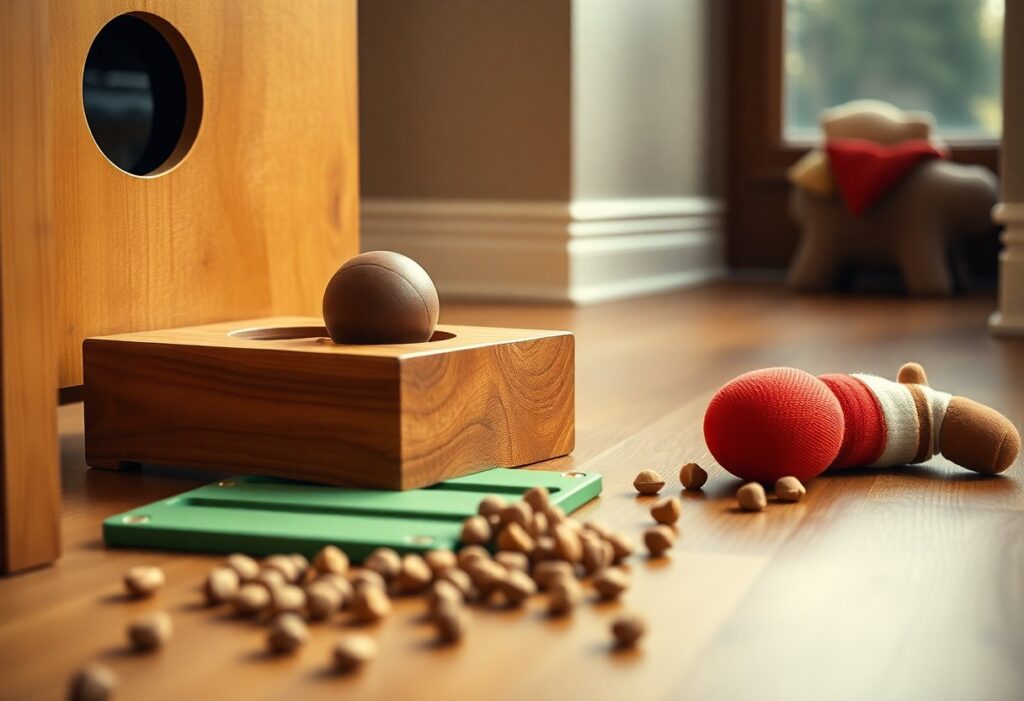
With the right mix of puzzle feeders, interactive toys, and durable chews, you can keep your dog mentally sharp and engaged; choose toys made from durable, non-toxic materials and supervise play to avoid choking hazards. Select challenges matched to your dog’s skill level, rotate toys to maintain interest, and favor options that reduce boredom and destructive behavior while providing safe, rewarding tasks for your pet.
Understanding Canine Mental Stimulation
You should treat mental stimulation like a daily workout: most dogs benefit from 20-40 minutes of focused cognitive activity, while high-drive breeds often need 60+ minutes. Puzzle feeders, nose-work games, and 5-10 minute training drills give variety and challenge. Under-stimulation commonly leads to destructive chewing, excessive barking, or escape attempts, so rotate toys and tasks to keep your dog engaged and prevent problem behaviors.
Importance of Mental Exercise
Short, frequent sessions-three to five 5-10 minute drills daily-boost obedience and problem-solving. You’ll see faster recall, reduced anxiety during separation, and sharper impulse control; cognitive enrichment can slow age-related decline. Use interactive feeders, scent trails, and shaping games to target different skills. Emphasize positive reinforcement and variability: alternating toy types and difficulty levels maintains interest and produces the best long-term results.
Signs of Boredom in Dogs
Watch for repetitive behaviors: excessive barking, pacing, digging, and chewing are top indicators. You’ll also notice hyper-solicitation-constant pawing or nudging-and disrupted sleep cycles. When signs escalate to resource guarding or sudden aggression, treat it as a safety issue. Frequency matters: occasional mouthing differs from daily destructive episodes, so log incidents for a week to spot patterns before changing routines or adding toys.
Breed and age shape how boredom appears: young Labradors often escalate to persistent chewing within 24-48 hours of under-stimulation, while older small breeds may become withdrawn. If your dog destroys bedding three times in a week or vocalizes for more than 30 minutes after you leave, it signals need for change. Implement 10-20 minute nose-work sessions or slow feeders before departures; this reduces incidents and promotes calmer, safer behavior at home.
Factors to Consider When Choosing Toys
You’ll weigh several factors to match mental stimulation toys to your dogs: size, chewing strength, activity level and texture preferences; aim for play sessions like 10-20 minutes of focused puzzles or 30-60 minutes of chewing depending on the toy. Inspect materials for non-toxic labeling and washability, and prioritize designs that reward problem-solving for high-energy breeds. After deciding, rotate and monitor wear to prevent hazards.
- Dog Size & Breed: fit and chewing style
- Safety & Durability: materials, seams, choking risks
- Enrichment Type: puzzle, food-dispensing, scent, or chew
- Washability & Maintenance: ease of cleaning and longevity
Dog Size and Breed
Match toy size to your dog’s muzzle and breed tendencies: small breeds (muzzles under ~2 inches) do best with toys under 2.5 inches in diameter to avoid swallowing risks, while large breeds need 3-4+ inch toys to prevent choking. If your breed is a known heavy chewer-like Rottweilers or American Pit Bull Terriers-choose reinforced designs; herding breeds often prefer interactive puzzles that reward problem-solving.
Safety and Durability
Check the toy’s material and construction: choose non-toxic natural rubber, reinforced nylon or ballistic-grade fabrics for durability, and avoid toys with glued-on eyes or small pieces that present a choking hazard. Examine seams-if threads gape more than ½ inch, retire the toy. Brands like KONG offer power-chewer lines (e.g., KONG Extreme) tested for heavy use; you should supervise new toys during the first 10-15 minutes of play.
You should pay attention to how materials age: rubber can develop deep grooves that trap bacteria, fabric toys shed fibers that can cause intestinal blockages, and foam collapses under repeated chewing. Clean toys weekly-dishwasher-safe items or boiling rubber (1-2 minutes) reduce pathogens. If you detect soft spots, sharp edges or a 25% reduction in thickness on chew toys, discard immediately to avoid ingestion of fragments; always choose products labeled BPA-free and phthalate-free when possible.
Top Categories of Mental Stimulation Toys
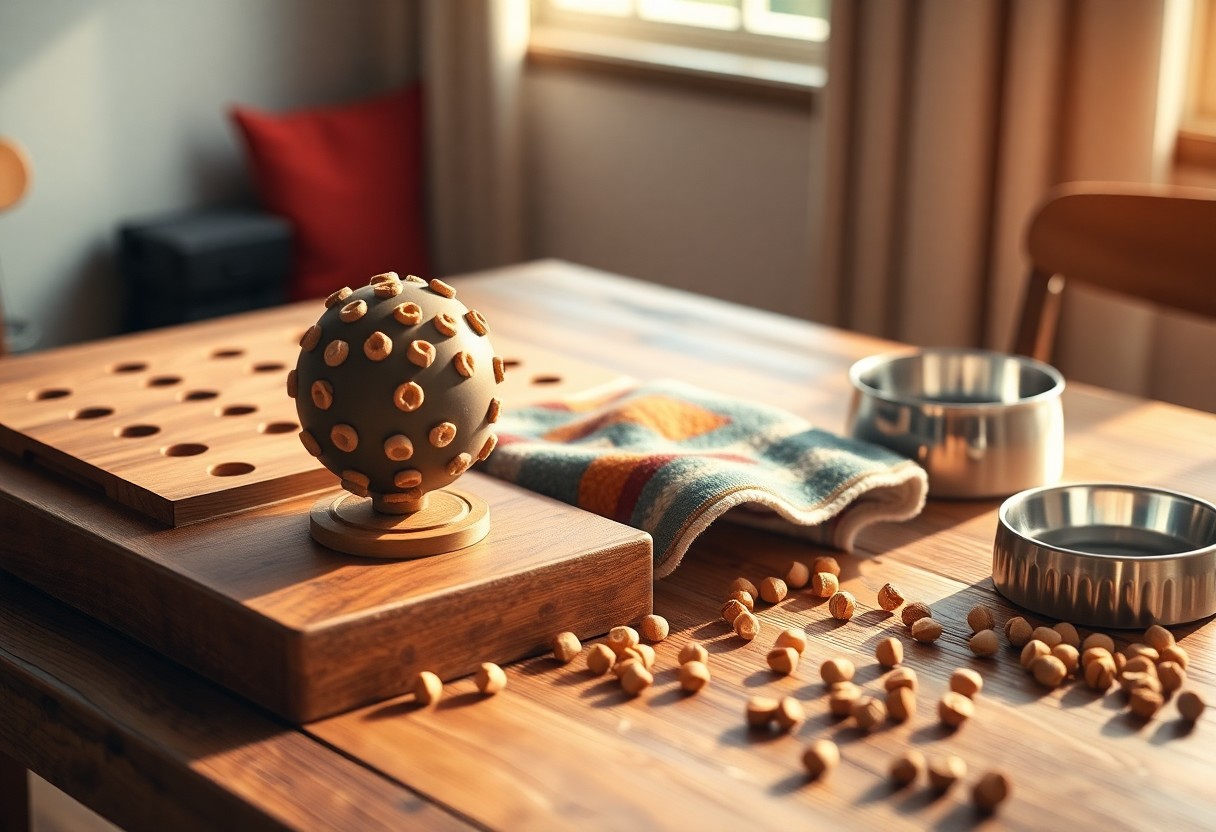
You’ll encounter a few high-value categories that reliably challenge dogs: Puzzle Toys, Interactive Toys, Treat-dispensing Toys, snuffle mats and durable chew-stimulation tools. Puzzle brands like Nina Ottosson offer 3-4 difficulty levels, while interactive options (flirt poles, iFetch) focus on chase and timing, and treat-dispensers (Kong Classic, Bob‑A‑Lot) vary by stuffing and freezing for longer engagement. Match toy size and complexity to your dog’s age, breed, and energy to avoid injury or frustration.
Puzzle Toys
Puzzle toys force your dog to slide, lift or spin parts to access rewards; common types are flip boards, sliding tiles and compartment puzzles. Models such as Nina Ottosson’s Level 1-4 or simple hide-and-seek boards can occupy dogs for 10-30 minutes per session. If your dog stalls, make treats visible and progress difficulty slowly-this builds problem-solving without causing frustration.
Interactive Toys
Interactive toys require you or the toy’s movement to trigger play: flirt poles develop chase and impulse control, automatic launchers like iFetch deliver retrievals up to 10-30 ft, and robotic toys (VARRAM-style) respond to your dog’s activity. Use these for high-drive outlets and to teach structured play, but always supervise to prevent overexertion or resource guarding.
Run short, intense intervals-about 5-15 minutes, 2-3 times daily-to burn energy without exhaustion. Avoid repetitive high jumps for puppies to protect growth plates and consult your vet for dogs with joint issues. Rotate interactive play with calmer enrichment so you don’t overstimulate, and stop play immediately if you see limping, heavy panting or aggressive biting.
Treat-dispensing Toys
Treat-dispensing toys reward manipulation with food delivery-examples include Kong Classic, Starmark Bob‑A‑Lot and LickiMat. Fillings range from kibble to mashed pumpkin or plain yogurt; freezing can extend engagement to 20-60 minutes. They slow fast eaters and reduce boredom, but match toy size to your dog and avoid stuffing with toxic ingredients like xylitol.
Increase challenge by mixing kibble with a small amount of wet food and freezing, or layering different treats in a Bob‑A‑Lot. Clean toys after each use to prevent bacterial growth, choose silicone or heavy‑duty rubber for chewers, and replace toys with cracks or missing chunks-supervise aggressive chewers to prevent ingestion of fragments.
Best Mental Stimulation Toys for Active Dogs
Active dogs benefit most from toys that combine movement and problem-solving: flirt poles, treat-dispensing balls, multi-stage puzzle feeders and lightweight agility tunnels force both physical exertion and cognitive focus. You should schedule 15-30 minute sessions mixing high-intensity sprints with scent or puzzle breaks to prevent boredom and destructive behavior. For safety, always supervise play and remove any chewed or compromised toys-damaged toys can be dangerous.
Recommendations for High-Energy Breeds
Breeds like Border Collies, Australian Shepherds and Belgian Malinois excel with complex, durable toys: ball launchers and advanced puzzle feeders for Border Collies, KONG Extreme and heavy-duty tugs for Malinois, and interactive treat dispensers for Shepherds. You should aim for 20-40 minutes daily of combined physical and cognitive work, rotate 3-5 toys weekly to maintain novelty, and inspect toys weekly for wear to avoid ingestion hazards.
Engaging Activities for Energetic Dogs
Use a blend of agility, scent work and interval games to sustain engagement: 5-10 minute sprint intervals followed by 1-2 minute puzzle breaks keep focus sharp. You can set up short obstacle courses, teach scent trails with hidden treats, or play fetch that ends with a puzzle reward to double the mental payoff. Avoid overheating and end sessions at the first sign of heavy panting or lameness.
Example routine: 10 minutes of flirt-pole or fetch using 2-minute sprint/1-minute rest intervals, 10 minutes with an advanced puzzle feeder dispensing 10-20 pieces of kibble, then 10 minutes of scent work hiding 6-8 treats in a snuffle mat or low-level hides. This structure burns energy, strengthens problem-solving and reduces unwanted behaviors; depending on size and intensity you may burn roughly 200-400 kcal in 30 minutes. Always monitor joints and breathing.
Best Mental Stimulation Toys for Senior Dogs
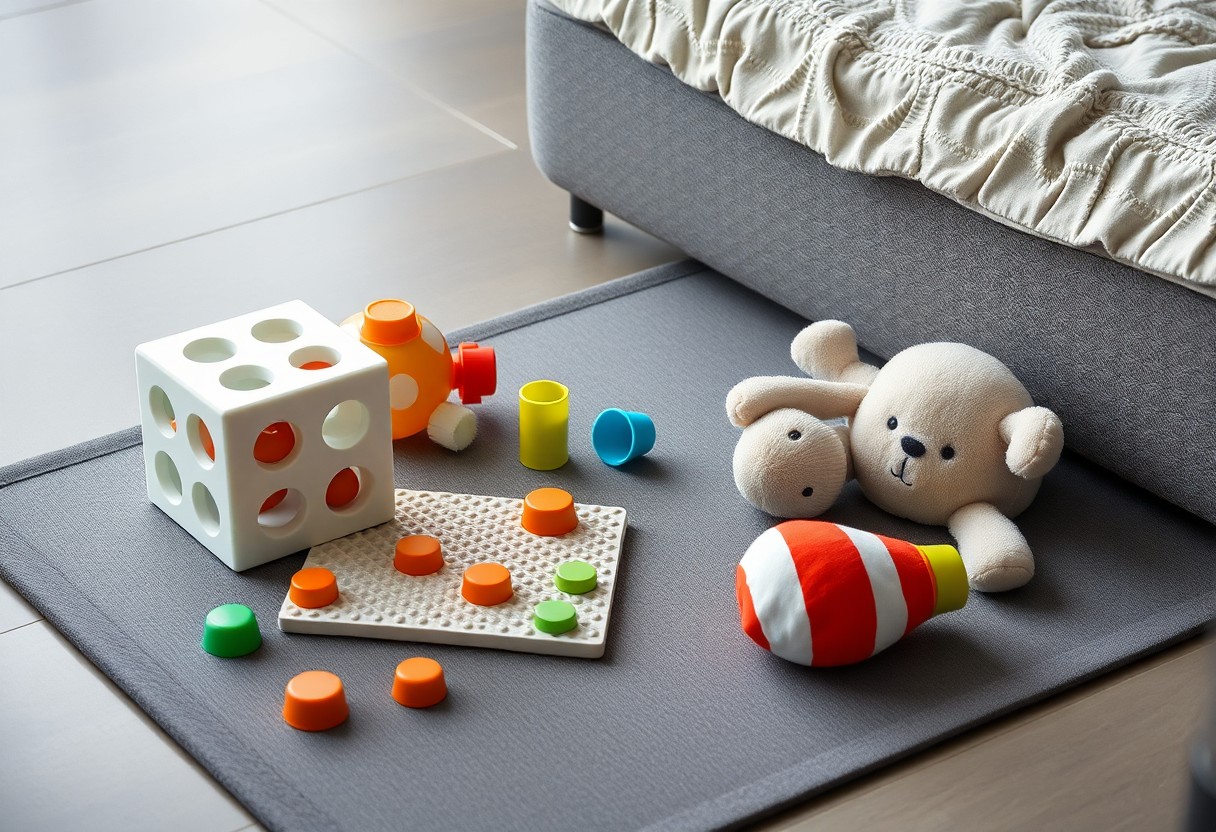
When your dog reaches senior milestones-generally 6+ years for large breeds, 7+ for medium, and 10+ for small-choose low-impact puzzles like Nina Ottosson Easy levels, snuffle mats, or slow treat dispensers (KONG Wobbler on low speed). You should favor toys that require 1-3 simple steps to solve, use soft, non-abrasive materials for worn teeth, and rotate items so your dog gets novelty without overexertion.
Gentle Toys for Aging Canines
You’ll want plush or soft rubber toys with reinforced seams, large surface areas to avoid pinching joints, and minimal small parts; consider the Senior KONG rubber with softer compound or flat snuffle mats that let your dog forage while standing or lying down. Start with short, 5-10 minute sessions to gauge endurance and always inspect toys for wear that could become a choking hazard.
Benefits of Mind Games for Older Dogs
Short daily cognitive sessions-about 10-15 minutes once or twice a day-can boost alertness, reduce nighttime pacing, and lower anxiety; scent work and simple puzzles engage different brain regions than physical walks and can help delay symptoms of canine cognitive dysfunction. You’ll often see improved meal interest and calmer behavior within 2-4 weeks when stimulation is consistent.
Specific games that work: the shell game with three cups, short scent trails using kibble, and stepwise puzzle feeders that increase complexity from one to three moves. Adapt difficulty based on your dog’s response, watch for signs of fatigue or frustration, and stop if your dog shows stress or mouth pain. Consistency-brief, varied routines-produces the best, measurable gains in cognition and quality of life.
DIY Mental Stimulation Toys
Simple Ideas for Homemade Toys
You can make effective, low-cost toys like a muffin tin with tennis balls hiding kibble, a braided t‑shirt tug, or a snuffle mat made from a rubber sink mat and fleece strips; try freezing a stuffed Kong for 10-20 minute challenges and use a PVC treat dispenser for slower-release rewards. Always supervise new creations and discard anything with small pieces or fraying fabric to avoid hazards. After you rotate these toys every 3-4 days to keep mental stimulation high.
- DIY mental stimulation toys
- homemade puzzle
- snuffle mat
Tips for Customizing Store-Bought Toys
You should adjust difficulty by enlarging or reducing openings, stuffing toys with layered treats, or adding scent via safe spices like a pinch of cinnamon; try the KONG Classic stuffed and frozen for 15-30 minutes to extend engagement. Inspect seams and loose parts before each use, choose non‑toxic adhesives if needed, and limit sessions to 10-20 minutes to avoid boredom. After every play, check toys for wear to prevent ingestion of dangerous pieces.
- customizing store-bought toys
- interactive feeders
- durable chew toys
For more control, you can modify specifics: widen KONG holes incrementally to tailor challenge, sew Velcro pouches onto plush toys to hide kibble, or glue a removable fabric sleeve to slow access; use food‑grade silicone or pet‑safe thread and test durability with a 5-10 minute supervised trial. Track your dog’s success rate-if they solve a puzzle in under 2 minutes, increase difficulty. After each modification, perform a rigorous safety check and retire anything that fails inspection.
- KONG modifications
- Velcro enrichment pockets
- pet‑safe adhesives
Summing up
Presently, with a wide range of puzzle feeders, treat-dispensing balls, interactive electronic toys and scent games available, you can choose durable, breed-appropriate options to keep your dog mentally engaged and reduce boredom-related behaviors; rotate toys, match challenge level to your dog’s skills, supervise play, and combine training with enrichment to maximize cognitive benefits and strengthen your bond.
FAQ
Q: What types of mental stimulation toys work best for dogs?
A: Puzzle feeders and treat-dispensing toys engage problem-solving and slow eating; snuffle mats and scent games tap into foraging instincts; interactive electronic toys and motion-activated devices add unpredictability for high-drive dogs; chew toys and durable KONG-style toys provide oral stimulation and can be stuffed with food for added challenge. Match the toy to your dog’s size, energy level, and motivation (food, play, or scent) and rotate items to prevent boredom.
Q: How should I introduce and train my dog to use a new mental stimulation toy?
A: Start with an easy version: show the toy, place visible treats inside, and let the dog explore with supervision. Use high-value treats and short, positive sessions (5-10 minutes) to build success. Gradually increase difficulty by hiding treats deeper or using more complex puzzles. Praise and occasional rewards reinforce effort; if the dog becomes frustrated, reduce difficulty and rebuild confidence. Combine toy sessions with short walks or play to balance mental and physical exercise.
Q: How do I choose safe, durable toys and maintain them?
A: Pick toys made from non-toxic, bite-resistant materials rated for your dog’s size and chew strength; avoid small parts or loose pieces that can be swallowed. Inspect toys regularly for cracks, fraying, or loose components and retire damaged items. Choose washable designs (dishwasher-safe or hand-washable) to prevent bacterial buildup. For heavy chewers, opt for solid rubber or reinforced toys rather than thin plastic or rope; supervise new toys until you know how your dog uses them.